Place: North America
I. Introduction
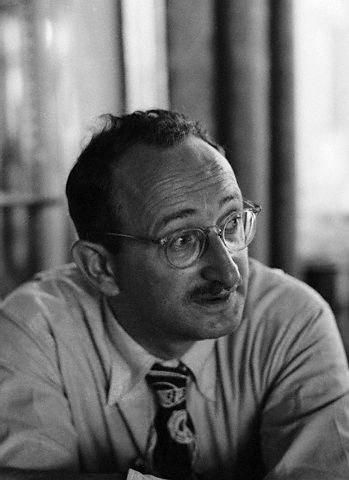
When the politics of Sidney Hook, a public intellectual and philosopher, are remembered today, they are generally associated with a right-wing variant of social democracy which was compatible with both neoconservatism and McCarthyism.
According to a recent GenForward survey by political scientist Cathy Cohen’s Black Youth Project, based at the University of Chicago, young people across the board, dissatisfied with both the Democrats and the Republicans, are eager for a fundamental political change. That is the good news.

“But then came Syria, and my hypocrisy and the fragility of those ideals became exposed,” wrote Palestinian activist Budour Hassan in her latest brilliant piece entitled “how the Syrian Revolution has transformed me”.
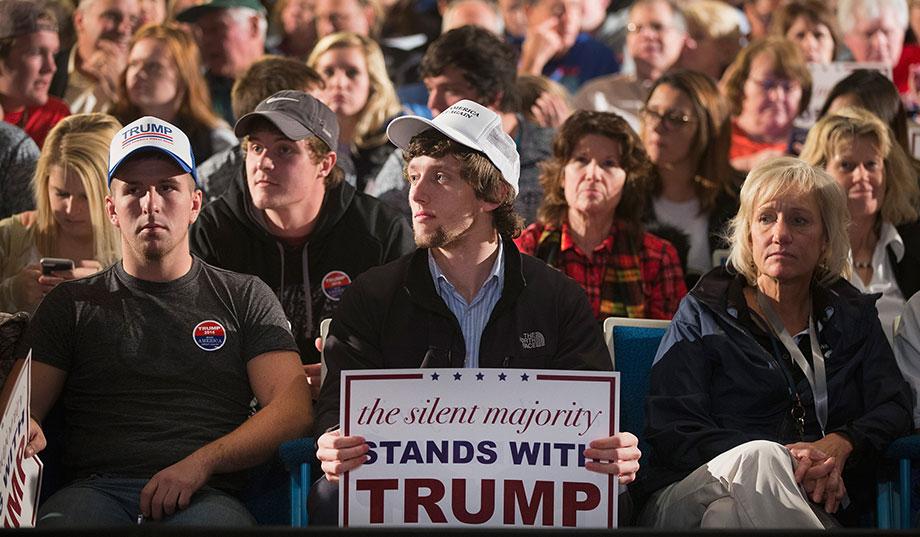
Before embarking on my current career, I worked as a labor organizer, mostly in West Virginia and Ohio. In the course of doing that work, I probably did two thousand “housevisits” with people I was attempting to organize. The purpose of these meetings was to understand people’s motivations and interests in order to assess how they would vote in a union recognition election (as the union president once said to the organizers: “I don’t care if you lose, I care if you can’t count”) and assess their leadership potential for either the union’s organizing committee or for management’s anti-union efforts.
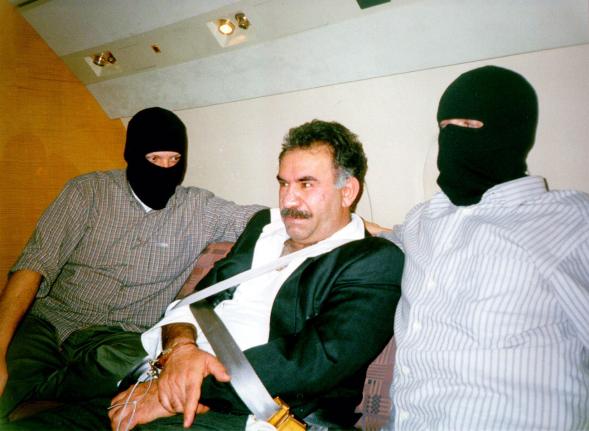
Unite has welcomed the backing from the 400,000 strong US union, the UAW, for the freedom of Abdullah Ocalan, the leader of the Kurdish Workers’ Party who remains imprisoned in Turkey.
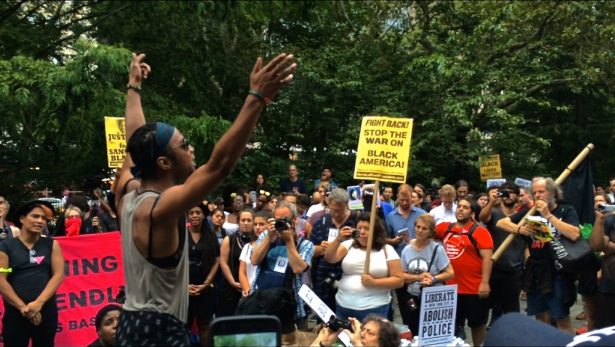
Activists in New York City seeking to defund the police have successfully occupied City Hall Park for a week and seen one of their demands met with the resignation of Commissioner Bill Bratton. While blocking roads and highways has been the tactic of choice for Black Lives Matter since it gained national attention two years ago, the recent deaths of Alton Sterling and Philando Castile have sparked the resurgence of a tactic many thought had been left behind in Zuccotti Park.

For a minute this morning, I asked myself if conservative New York Times columnist David Brooks might be about to follow Chris Hedges into the far left. Or perhaps wander off into the woods to find a commune.
Brooks has written an interesting column in which he suggests that maybe Americans, especially millennials, want more than material comforts in our highly individualistic society, that they want community.

On July 26, concurrent to the Democratic National Convention’s star-studded attempt to make everybody forget everything that transpired during the primary, New York Mag published a great piece on the Florida senatorial race. What they call “the second-strangest campaign of the season” is worth reading about for a few reasons; because the general election might be able to defeat Marco Rubio’s mercurial reentry into national politics and hand a rare Florida win to the Democrats; because Alan Grayson — the $16-million-tax-haven owner, who, policywise, lands on the left wing of the Democratic Party — is great entertainment; and because Grayson’s primary rival, Patrick Murphy, is a quiet, but powerful, signal of where the Dems are headed.
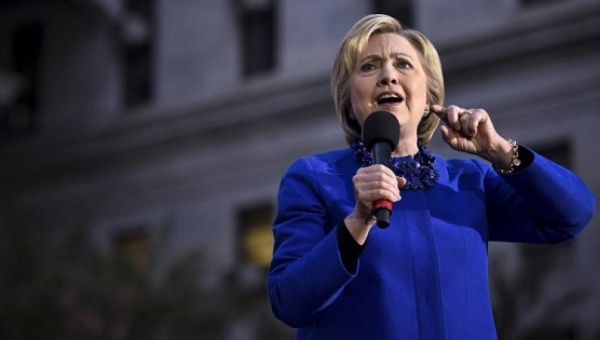
The enduring cliche of the 2016 election is a comment by Trump that provokes outrage, rebukes, and the declaration: “He’s gone too far.”

As the U.S. election season proceeds, there is controversy, confusion, consternation, and sometimes recrimination. Below, in a question and answer format, we present our views on these matters, hoping to contribute to the discussion.
 For three days the wounded and defeated soldiers of Bernie Sanders’ army, tired and disappointed but still idealistic and hopeful, marched and picketed around the convention center in Philadelphia, while inside many of Sanders’ delegates booed Hillary Clinton’s name every time it was mentioned.
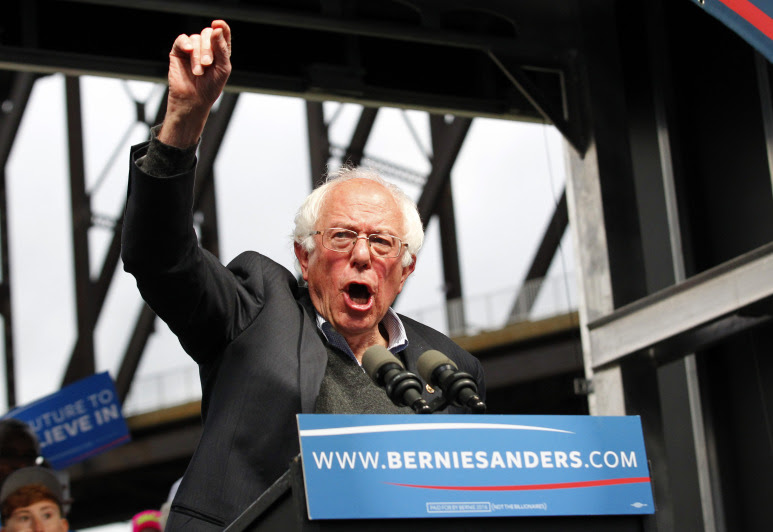
A serious and wide-ranging debate has been taking place among Sandernistas in the two weeks since Bernie endorsed Hillary. And now with the Democratic Convention underway, the unresolved questions become more pressing by the day.
Bernie Sanders’ campaign for a “political revolution” lit up the 2016 primary election season like a meteor across the sky. Contrary to conventional wisdom that he’d peak and fade early, Sanders’ challenge to the Democratic party machine lasted throughout the primaries. Surpassing all expectations, he won 23 primary and caucus contests, raised an astonishing $222 million almost exclusively in small donations, and gathered over 1800 pledged delegates.

As the US primary season closes we are faced with a bitter choice between an uninspiring Democrat and a shockingly popular racist demagogue. As such, writers on the Left are bracing for the general election and lining up behind one of two supposed “strategies”: Fight the Right and Bernie or Bust.
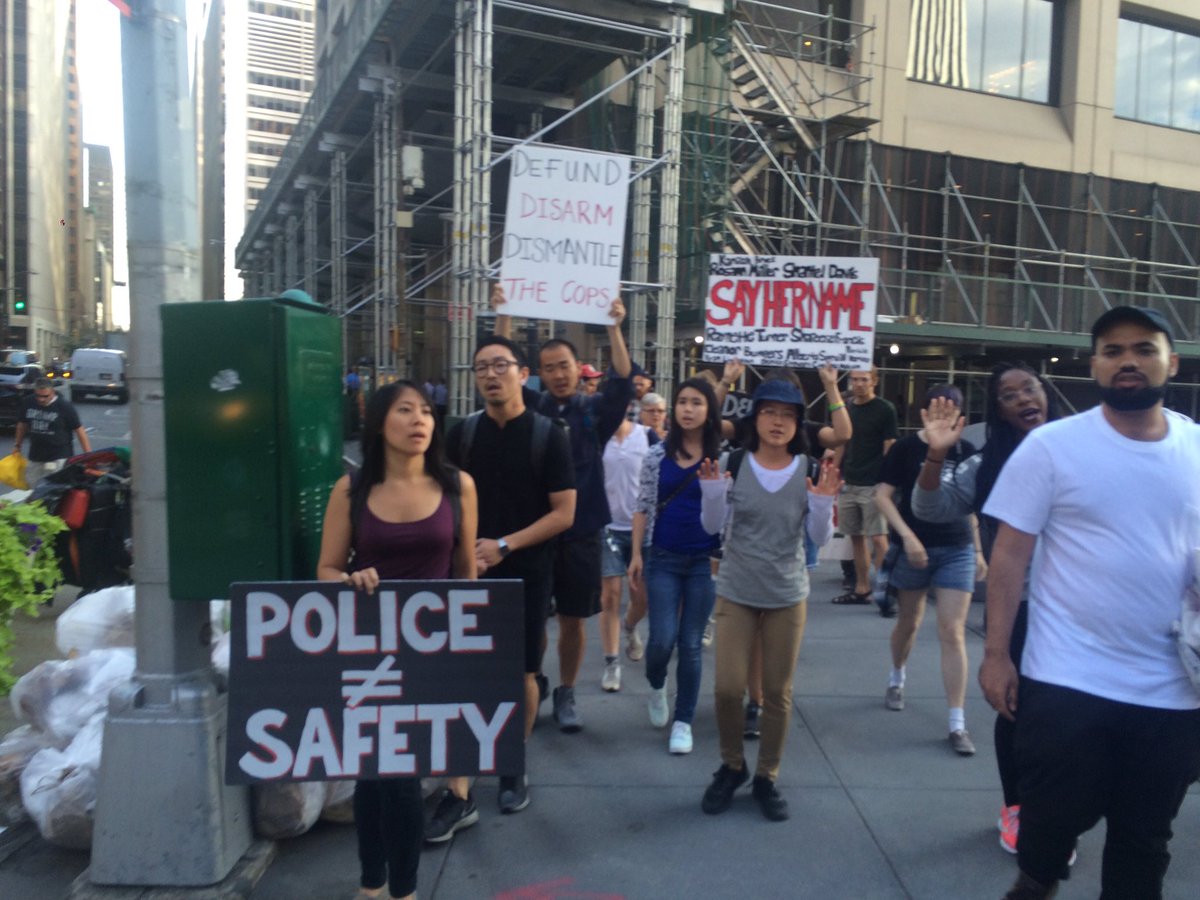 Activists affiliated with the Movement for Black Lives and Black Lives Matter staged a sit-in Wednesday at police union headquarters in Washington, D.C., and New York City, as part of an action to demand police accountability in excessive force cases.
 The American left is today confronted with a situation it has not dealt with in some time—something approaching broader political relevance. From the rise of Occupy to Black Lives Matter to the Bernie Sanders campaign, movements of the left are having a sustained impact on American politics that they have not had for decades.
 Bernie Sanders’ presidential campaign has rocketed across the political landscape in this most abnormal of election seasons—an independent, self-defined democratic socialist running in the Democratic primary contest.
In the United States today, there is a fresh opening for progressive alliances. The various movements—Black Lives Matter, the Fight for $15, climate change, immigrant rights, LGBT rights, Bernie—have different roots, structures, and foci, but they share a recognition that we are being crushed by the newest form of capitalism—as they call it in Latin America, “capitalismo salvaje”1 (savage capitalism)—and that we must stand up to it with all our might, with all our people.
Wilson’s recollections of his association with Correspondence newsletter that was published in Detroit, Michigan, from 1959 to 1967, and of C.L.R. James.
 At this moment I find myself swinging between optimism fueled by the previously unimaginable appeal of Bernie Sanders’ “socialism,” the energized base of young people attracted to his campaign, this evidence that the neoliberal consensus is dead, and despair about the HUGE gap between this political opening and the organizational capacity of the revolutionary socialist left. Like many others, I’m asking: can anything be done?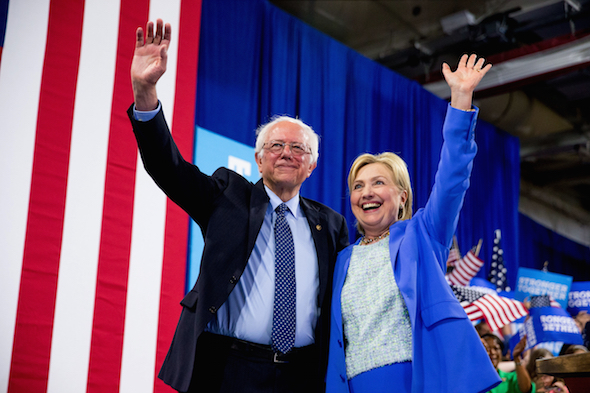
What an embarrassment for Bernie Sanders and those, myself included, who thought he would not descend so cravenly into the swamp of political sellout.
- « Newer Posts
- 1
- …
- 39
- 40
- 41
- 42
- 43
- 44
- 45
- …
- 73
- Older Posts »