 Russia’s bloody shift from subimperialism to new old imperialism Simon Pirani reviews Budraitskis-Matveev
 France: A National Rebellion Against the Macron Government Dan La Botz
 New Politics, Summer 2026
 The Iranian Prisoner Solidarity Letter: Some Replies to Critics
 McCarthyism Then and Now An Interview with Ellen Schrecker
 Symposium: Redefining International Socialist Feminist Anti-War Solidarity
 Sudan: Liberal Peacebuilding and the Price of Impunity Husam Mahjoub
 The Trump-Putin October Offensive Against Ukraine Howie Hawkins
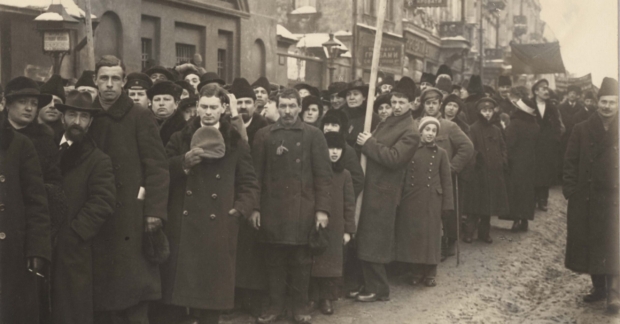 The Bund: A Committed History Review of Molly Crabapple by Peter Drucker
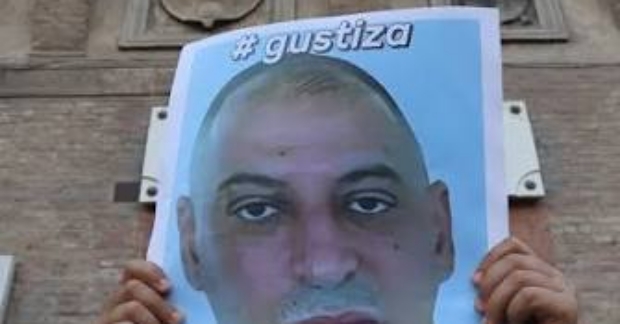 Italy: The Murderous State, Presumed Innocent Stefanie Prezioso
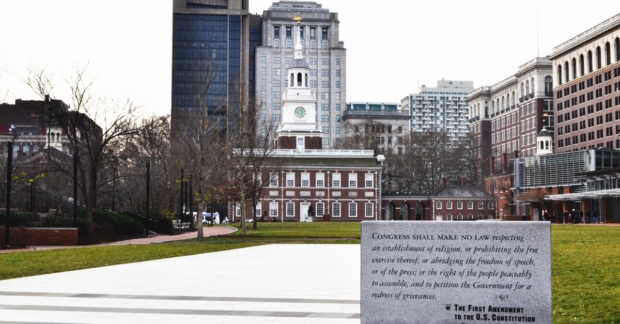 Is Free Speech a Dangerous Idea? By Samuel Farber
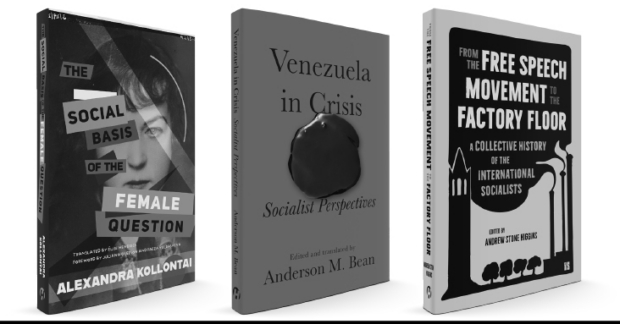 History of the International Socialists Review by Alan Wald, memoirs by Harrison & Mackie


It is not acceptable for us or anyone to tell Ukrainians how they should exist in order for us to say no to Russian imperialism.

What does international feminist anti-war solidarity mean today from the perspective of a Cuban feminist?

Ultimately, feminist internationalism must both defend women from the powers that oppress them within their own societies, and challenge the international structures that constrain their freedom from outside.


Vladyslav urged that “this attack should not allow the West to talk about ‘Nazis in Ukraine’ and downplay the need for Ukraine’s support.”

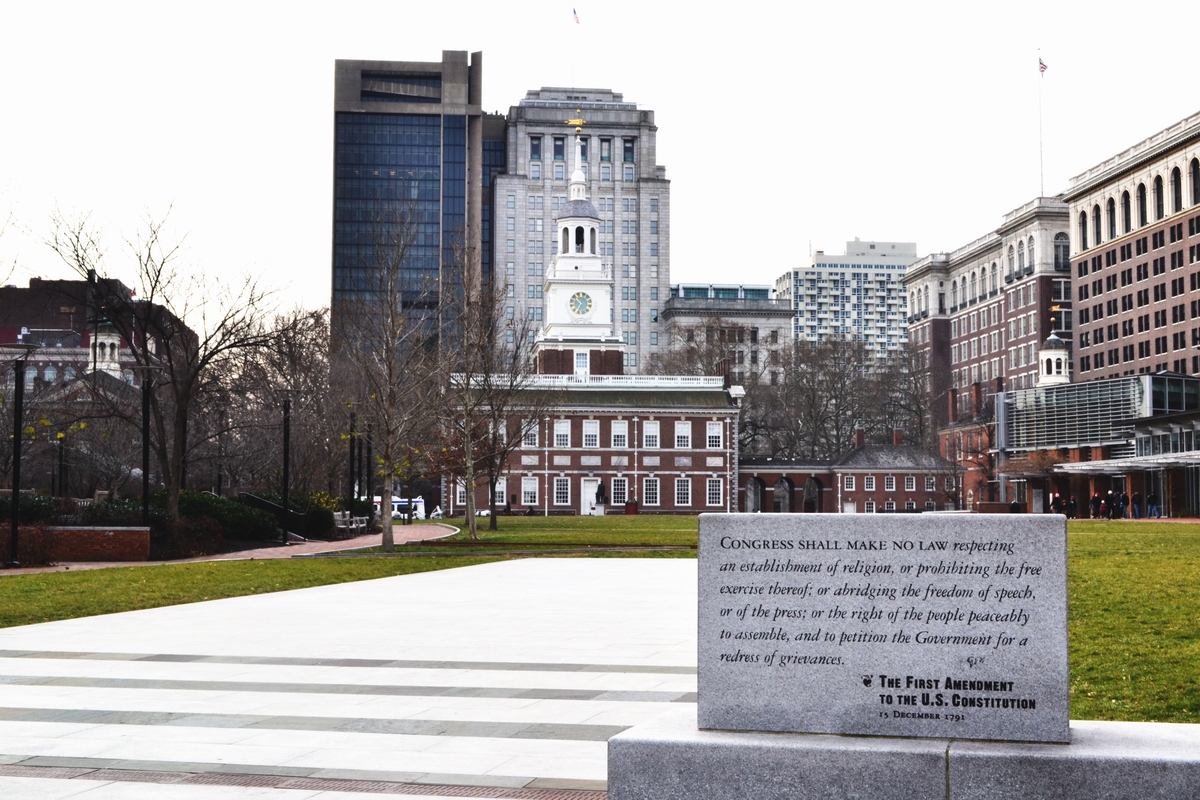
Samuel Farber defends the concept of free speech from a left perspective, against progressive critics of free speech.

Alan Wald reviews A Collective History of the International Socialists, praising its in-depth insights while calling for more critical perspectives.
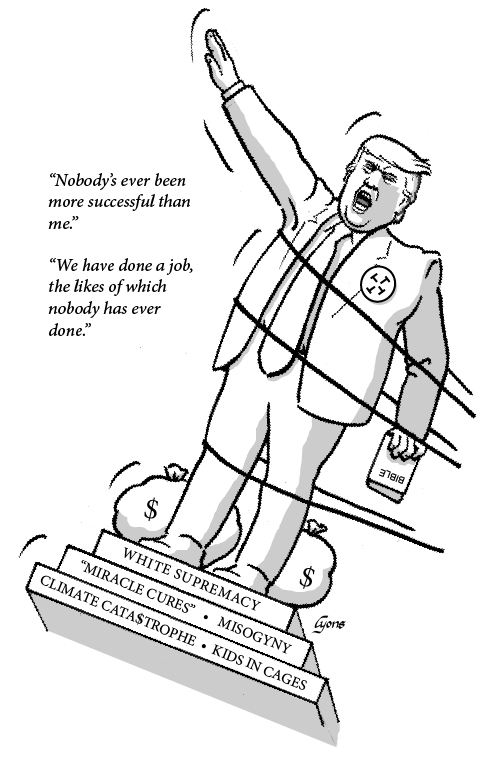
Ben Silverman analyzes Trump’s fascist tendencies and the danger of the Trump regime moving towards the level of historical Fascism.
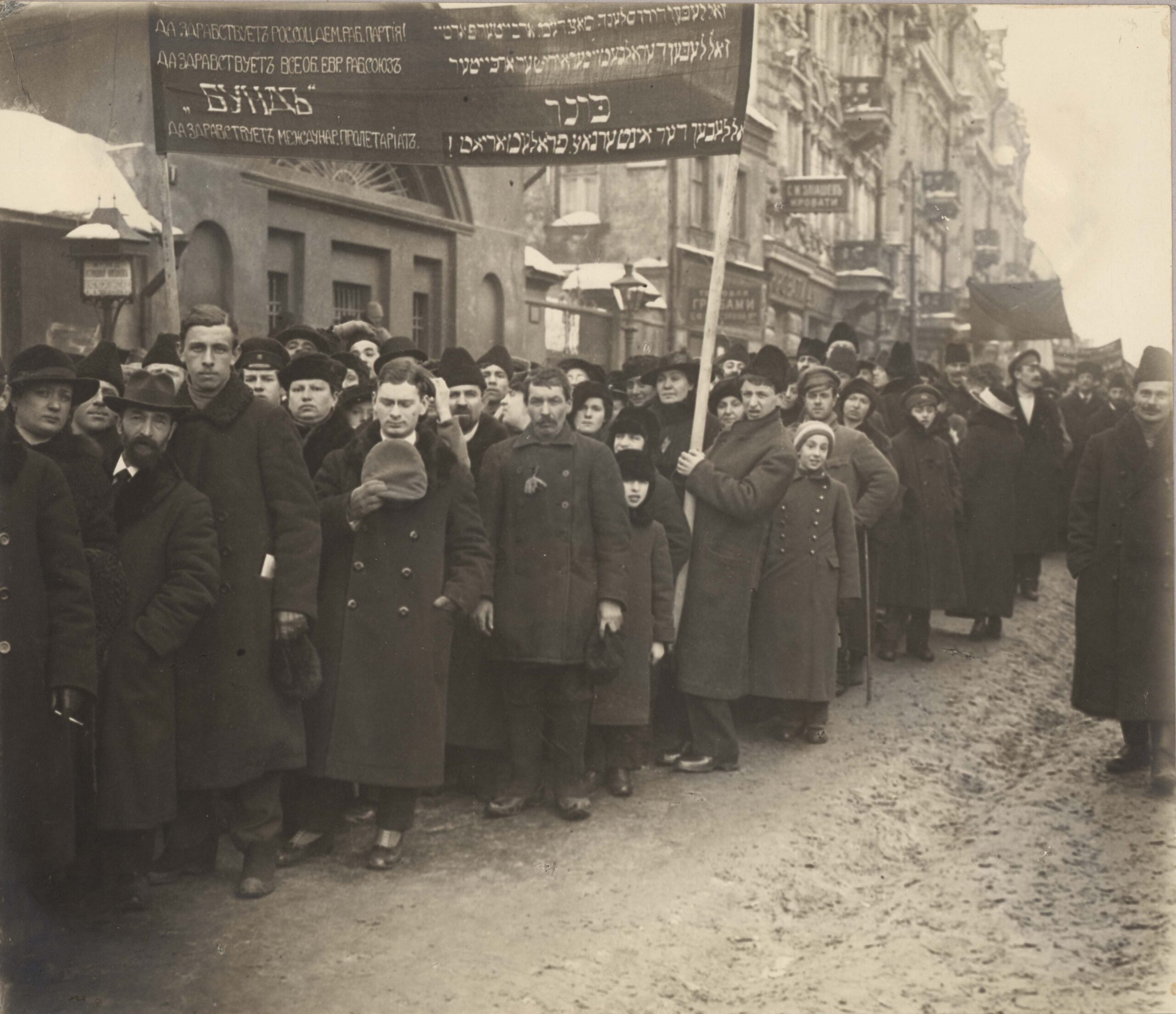
The rave reception for Molly Crabapple’s Here Where We Live Is Our Country is a breakthrough for Jewish radicals. After decades of Zionist hegemony within U.S. Jewish communities, including on the left, suddenly Crabapple’s avowedly, even fiercely anti-Zionist book is
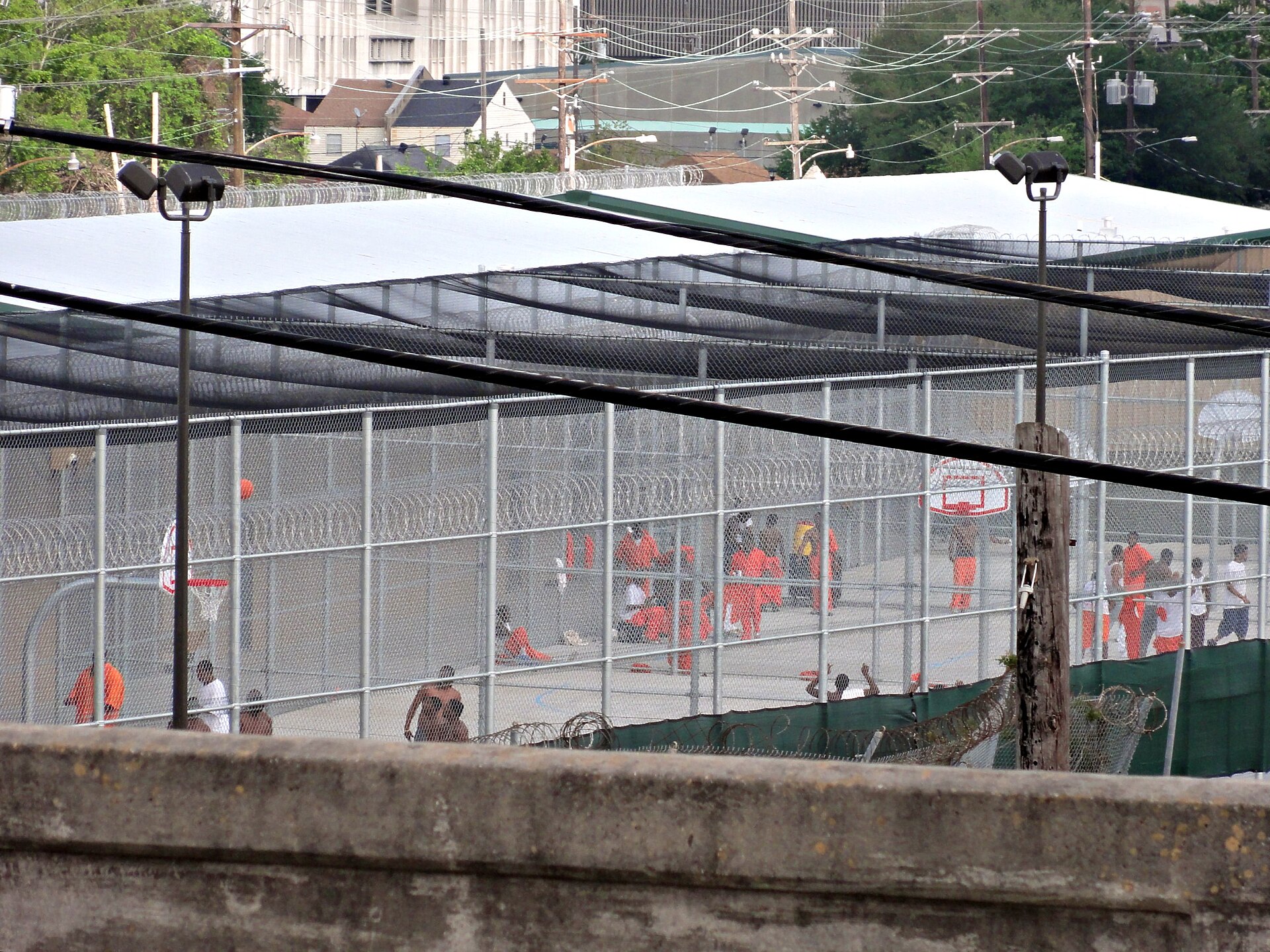
Samuel Barney argues that prison building in rural United States is used as a way to incorporate the precarious rural working class into the state’s repressive apparatus.
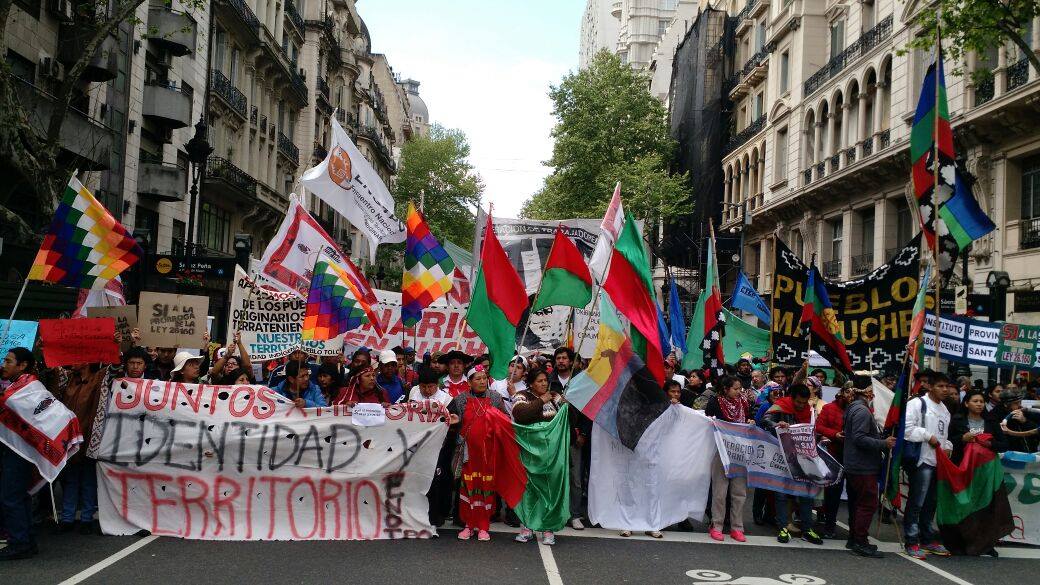
Matt Benson analyzes historic and ongoing dispossession of the Mapuche people’s land, and their resistance against the Chilean state.
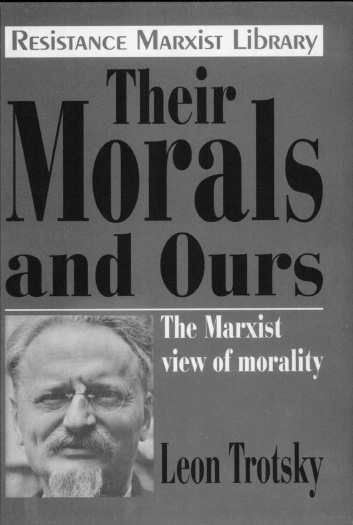
A critical examination of Trotsky’s evolving views on revolutionary morality and democracy in revolutionary movements.
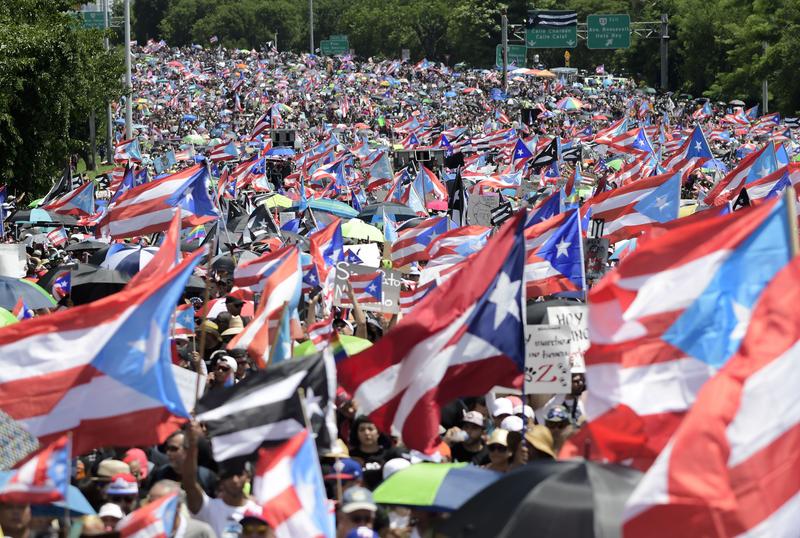
The discredit attained by the dominant parties, by the legislature, by the “politicians” and even “politics” itself, defined inaccurately, but viscerally despised by many people, recalls the concept of “organic crisis” advanced by the Italian Marxist Antonio Gramsci. Authors such
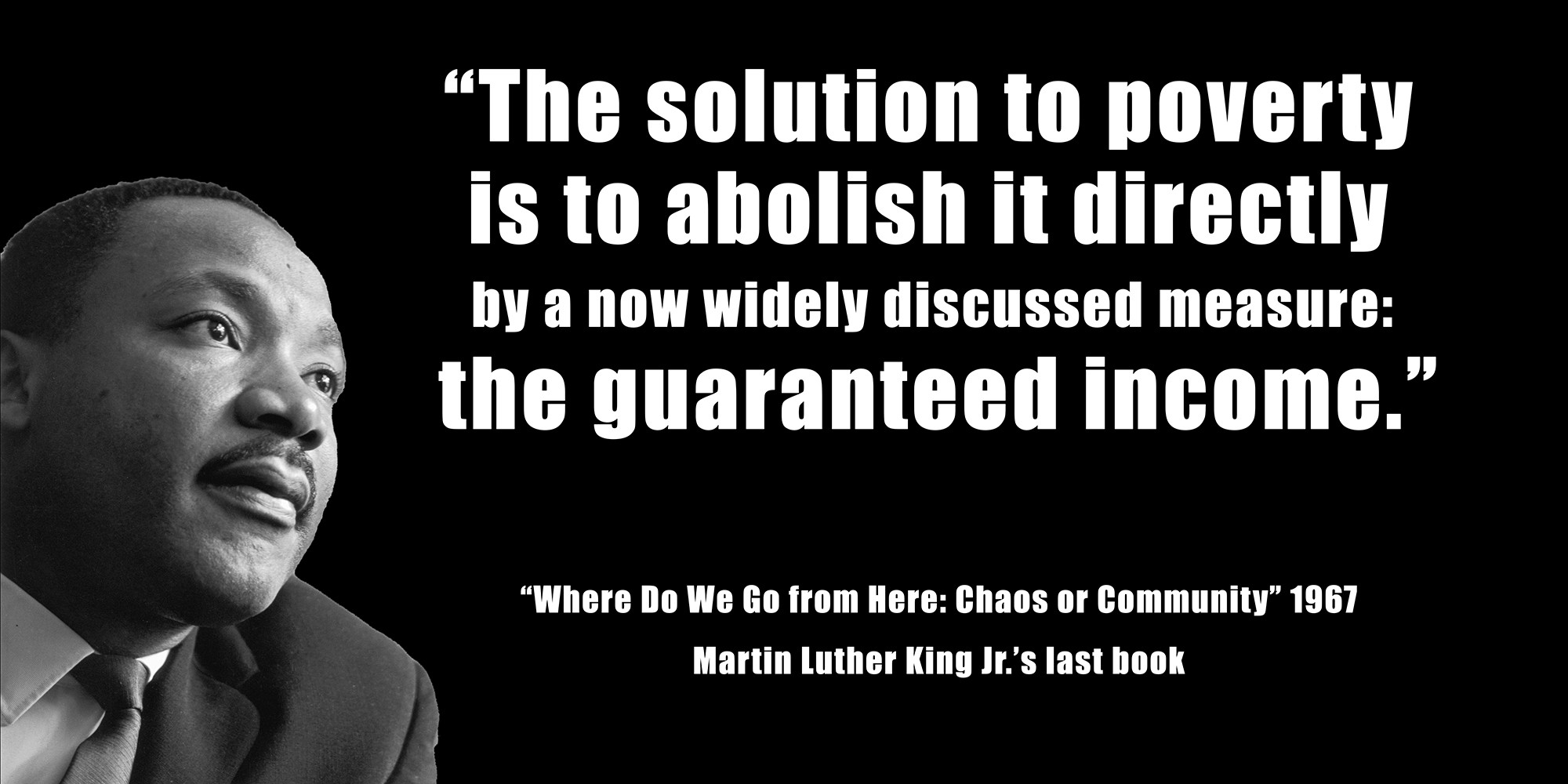
Marking an anniversary of a book’s publication is, appropriately, reserved for books that were widely read when they first appeared many years ago. Books we commemorate with an anniversary are ones that ushered in a new way of thinking and influenced the way society tries to make sense of the world. Martin Luther King Jr.’s last book, Where Do We Go from Here: Chaos or Community did neither of these things.
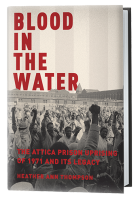
Heather Ann Thompson has written a magnificent history of the Attica Prison uprising, the deadliest prison rebellion in U.S. history.


Looking back on nearly 25 years of involvement in the LGBT movement, and 45+ years in the labor movement, I am struck by the way those paths have crossed, intertwined and separated over the long term.