Category: Electoral Politics
 Antonia Hinojos Hernandez is in a race against time. Known to her friends as “Tonita,” the Ciudad Juarez mayoral hopeful has until March 7 to gather nearly 30,000 signatures from eligible voters so her name can appear on the June ballot as an independent candidate.
A former line worker at a border assembly plant, or maquiladora, Hinojos does not have the infrastructure of a political party, lacks money to pay signature collectors and is missing the endorsements of influential people and media outlets.
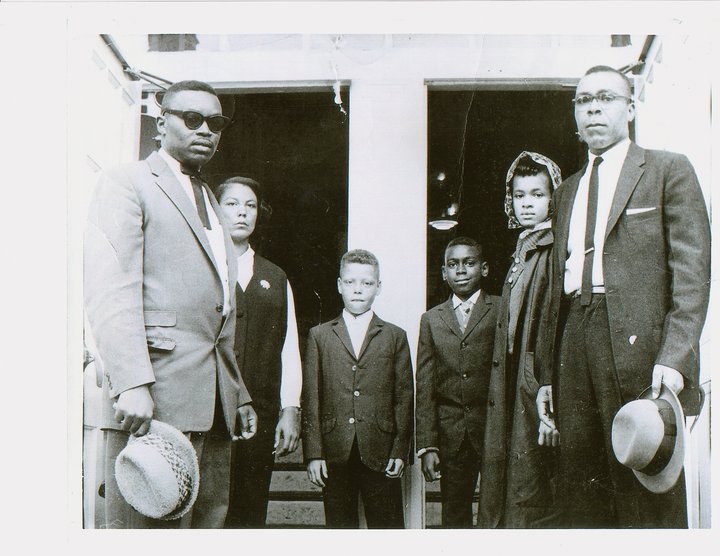
Representative Lewis,
Yesterday, you stated the following about Bernie Sanders’s record on fighting for civil rights in the 1960s:
“I never saw him. I never met him. I was chair of the Student Nonviolent Coordinating Committee for three years, from 1963 to 1966. I was involved with the sit-ins, the Freedom Rides, the March on Washington, the march from Selma to Montgomery and directed (the) voter education project for six years. But I met Hillary Clinton. I met President (Bill) Clinton.”
We are going to ignore the fact that Hillary Clinton was a Goldwater Girl, or that you once stated to a Clinton biographer that, “[t]he first time I ever heard of Bill Clinton was the 1970s,” or that it has already been well-established that Sanders worked with the Congress for Racial Equality (CORE) at the University of Chicago in the 1960s. We are also going to leave aside the fact that every mention of Bill Clinton in your book Walking With The Wind described an instance that he opposed some policy that you cherished.
Instead, we are going to talk about another person that you never saw or met.
Agustín Guillamón is a dedicated anarcho-syndicalist activist whose partisanship has not affected his critical sensitivities nor prevented him from graphically outlining what he regards as the errors and inconsistencies of the Spanish libertarian left.

Bernie Sanders’s dropping the hammer on Clinton’s cozying up to the vile genocidaire Henry Kissinger was one of the fist pump moments of the campaign. That’s recognized by pretty much everyone now, so I don’t need to say much about it here.
 Today, a year after the heroic resistance of Kobani made it to the world news, it is hardly necessary to give an introduction to the Kurdish struggle, which has now taken a central place in the imagination of the international left, both vanguardist and anti-authoritarian.
 The siege of Kobani by Islamic State (ISIS) brought worldwide attention to the Syrian Kurdish PYD (Partiya Yekîtiya Demokrat, Democratic Union Party), the leading force in the Kurdish-majority areas in northern Syria. The PYD calls this region Rojava—literally meaning “land of the sunset” but also translated as “West Kurdistan.”
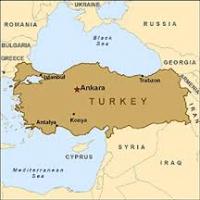 In a June 2015 election, the new People’s Democracy Party (HDP) of Turkey passed a highly undemocratic 10 percent threshold to enter the Turkish parliament.
 Senator Bernie Sanders’ run for the Democratic Party nomination for president has certainly energized thousands. It has also rekindled an old debate on the American left that revolves around the question: Should the left join, endorse, support, or work for campaigns in the Democratic Party?
 Some months ago I responded to a piece that appeared on the New Politics blog by my longtime fellow NP editorial board member and friend Barry Finger.1 In my own blog, I argued that Barry had a better, more sophisticated understanding of the peculiarities of the Democratic Party and the U.S.
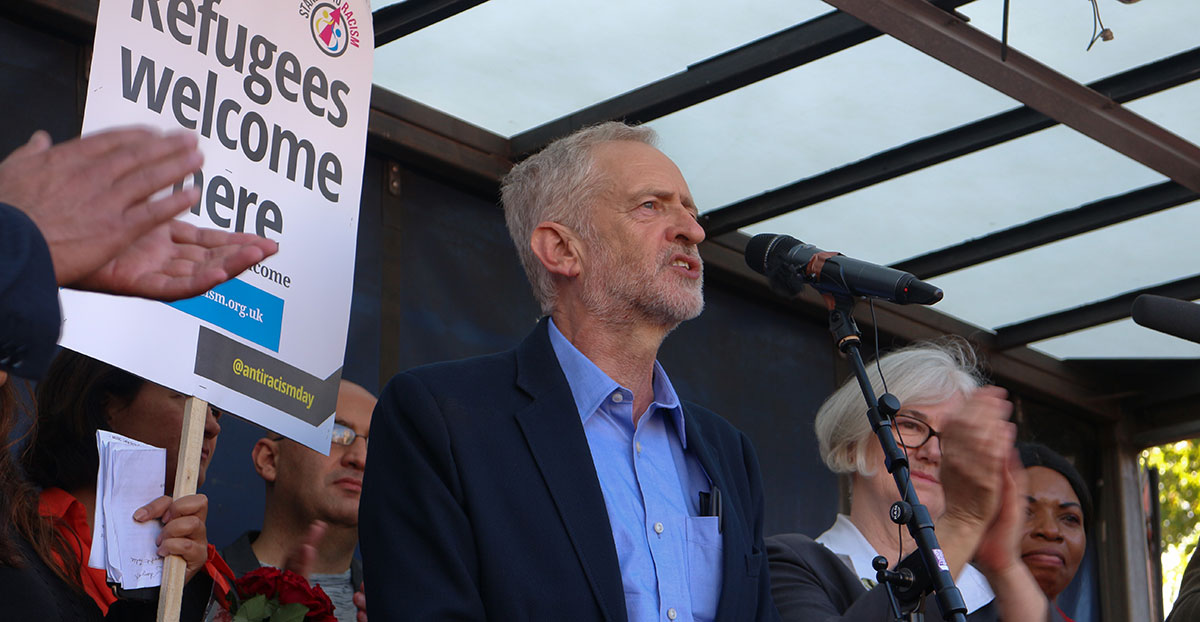
Leo: Your remarkable campaign for the leadership not only doubled the party membership but galvanised some 400,000 people overall to associate with the party. This is frankly unheard of anywhere in terms of party mobilisation on the left in recent decades. What do you think this reflects about the possibilities for a new politics, not only in Britain but more broadly – especially in Europe?
Jeremy: I think our campaign excited people who were very depressed by the election result and very depressed by the analysis that was being offered at the end of it, which was essentially that Labour wasn’t managerial enough and we had to be better managers in order to do better in the future. I only really got on the ballot paper because of a combination of people – from those who just absolutely wanted an alternative to be put, to those who thought that there ought to be a democratic debate in the party. This kicked off the social media campaign that encouraged others to get involved.
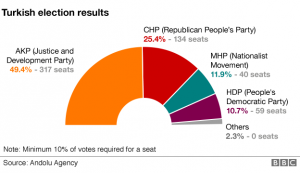
The November 2015 snap elections in Turkey have given back to the governing Justice and Development Party (AKP) the parliamentary majority that it lost just a few months ago, in the June 2015 elections. However, the election results can neither resolve the crisis of Turkey’s authoritarian and neoliberal order, which is being challenged by the spirit of Gezi Park and new developments in the Kurdish movement nor obscure its complexity.
In this article I will analyze the current situation of the Left in Spain, ahead of the forthcoming December 20, 2015 General Elections, by considering how four of its political actors (United Left, Podemos, The Municipalist Platforms and Anti-capitalist Left) have shaped their strategies and agendas in response to the political changes that the 15M Indignados movement brought about.

Even a somewhat cynical 71 year old socialist like me could be thrilled to see Bernie Sanders talking about the need for an American political revolution on MSNBC. To be honest, I’m not sure that I ever expected to see a leading presidential candidate say we need a revolution on prime time TV.
When Bernie Sanders says we need a political revolution, he’s mostly talking about turning many thousands of new people out to vote. That would obviously be a very good thing. It’s just not enough to win the meaningful social changes that would add up to a political revolution.
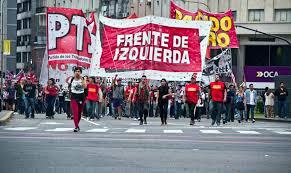
The Frente de Izquierda y los Trabajadores (the Left and Workers Front) or FIT went into last week's election with confidence. The new electoral alliance, comprised of the older and more doctrinaire trotskist formation Partido Obrero (Workers Party) or PO, the newer PTS (Socialist Workers Party), and the smaller IS (Socialist Left), hoped to build on recent electoral successes, including double digit tallies in a few provincial elections, and continue advancing along the ripples of youth and rank-and-file discontent against looming austerity and layoffs.
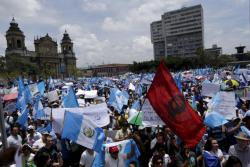
Karl Marx once wrote, quoting Hegel, that history repeats itself, but he added “first as tragedy, and then as farce.” And history has repeated itself in Guatemala following voting in the second round of the country’s 2015 presidential election. Despite protests against corruption, Jimmy Morales, a former comedian who is backed by the same military forces that backed disgraced ex-president Otto Pérez Molina, easily won the presidency by a wide margin following the second round of voting October 25.
The movie Suffragette is the first feature film that dramatically depicts the monumental struggle for women’s right to vote in pre-World War I England. (Please erase from your memory the horrible, and I mean horrible, portrayal of suffragettes in the Disney monstrosity Mary Poppins.)
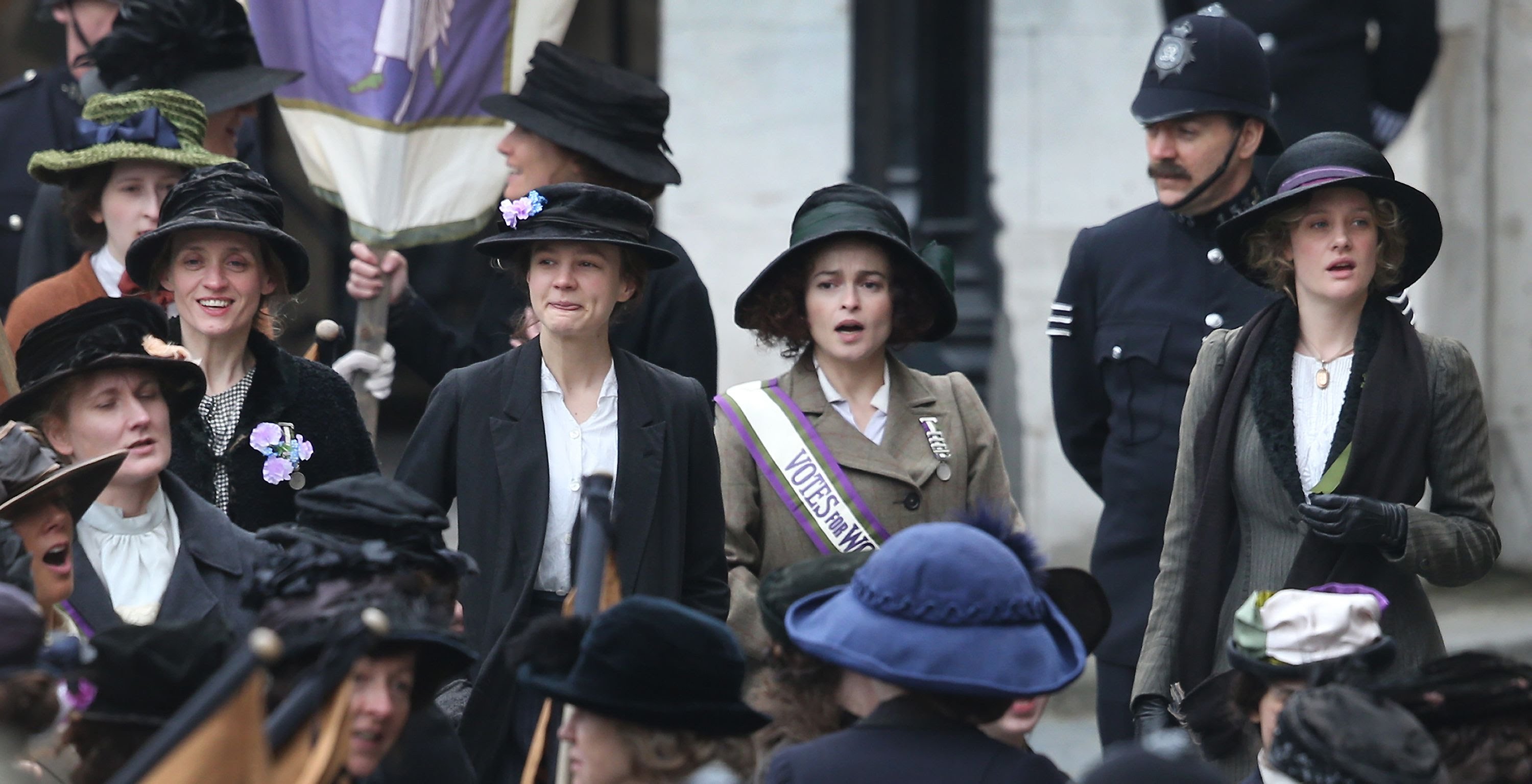
Directed by Sarah Gavron, with screenplay by Abi Morgan, the project also had the support and star power of Meryl Streep in a brilliant-as-always portrayal of Emmeline Pankhurst, the leader of the militant suffragette organization, the Women’s Social and Political Union (WSPU).
 The Portuguese center-right ultraliberal government, which went “far beyond the troika” won a relative majority in the 4th of October general election. With 36.8% of the vote and 1.994 million votes, the previous governmental coalition (PSD and CDS) was the winner. In second place came the Socialist Party, with 32.4% and 1.746 million votes.
 The radical left strategy of working within broad left parties has suffered a major setback after SYRIZA´s capitulation. The answer to this crisis lies neither in continuing “business as usual,” nor in ignoring the question of political power. SYRIZA´s capitulation to the austerity diktat, the ensuing emergence of Popular Unity and the fresh elections looming ahead, have brought the question of organization for the radical left at the forefront of debate. SYRIZA, which used to be the prime example of left unity against austerity, is giving way to an increasingly fragmented political landscape of the Greek left, as Prime Minister Alexis Tsipras declared his will to implement the new memorandum.
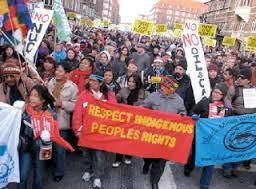
One of the tasks Guillaume Long sets himself in his recent interview with Jacobin is to refute the magazine’s recent coverage of Ecuador. In particular, the two recent pieces of note are an interview I conducted with Ecuadorian activist and intellectual Alejandra Santillana Ortíz and an article I wrote separately, reflecting on my most recent visit to the country. I was happy to learn of Long’s contribution to Jacobin on the current conjuncture in Ecuador. I expected a lucid articulation of the broad perspective advanced by the government of Rafael Correa for international consumption. Unfortunately, rather than a serious contribution to the ongoing debate, Long’s intervention is characterized to different degrees by evasion, caricature, and obfuscation. I will limit myself to a few instances in what follows.
 If nothing else, phase one of Syriza’s tenure has revealed the limits of reformism in a period of stagnation and global economic integration.
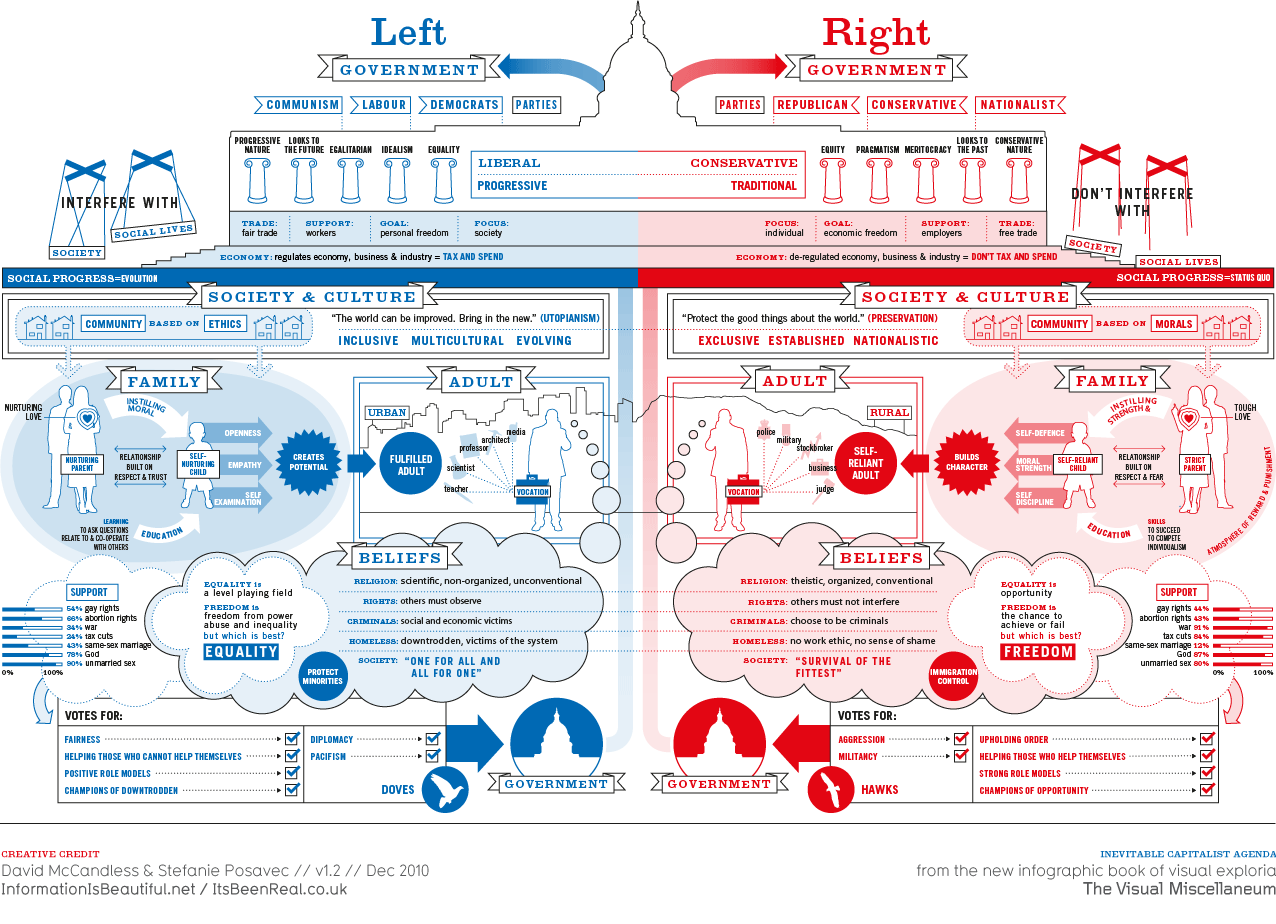 Jeremy Corbyn won the leadership of the UK Labour Party. As usually happens when the left scores an electoral victory, the center-left and others has made sure to inform Corbyn and his supporters that it is bad that he won and that he never should have tried to win. I am more familiar with this in the American context where every left-wing electoral effort is similarly cast as irresponsible. Given these attitudes, I am left to wonder what exactly people think the left is supposed to do electorally?
- « Newer Posts
- 1
- …
- 16
- 17
- 18
- 19
- 20
- 21
- 22
- …
- 28
- Older Posts »