
Place: Middle East

Donald Trump's withdrawal of the United States from the Iran nuclear agreement has set a path toward another Middle East war. It is not necessarily a war that will erupt right away or in the short term, and it may be averted if the United States is politically isolated and there’s a mass revival of an international antiwar movement. That’s what every sane person, and certainly every socialist and peace activist, should hope and work for.
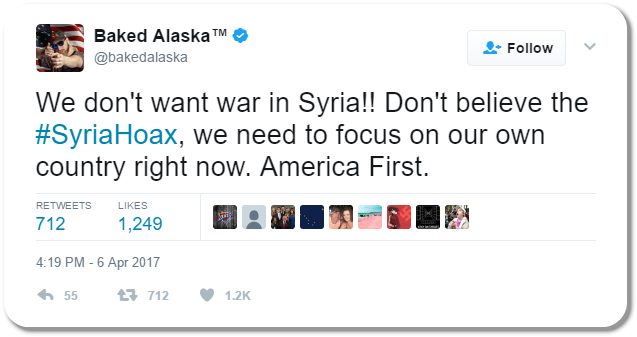
Looks to me that the ANSWER–IAC–UNAC rallies this weekend were a huge flop. The biggest was in NYC on April 15. The only article I could find that mentioned it was on a Chinese news service that said there was a protest of "hundreds." I saw one video of what I think was the whole crowd and it looked like 400 people. Hell, in 2003 we had hundreds of thousands.
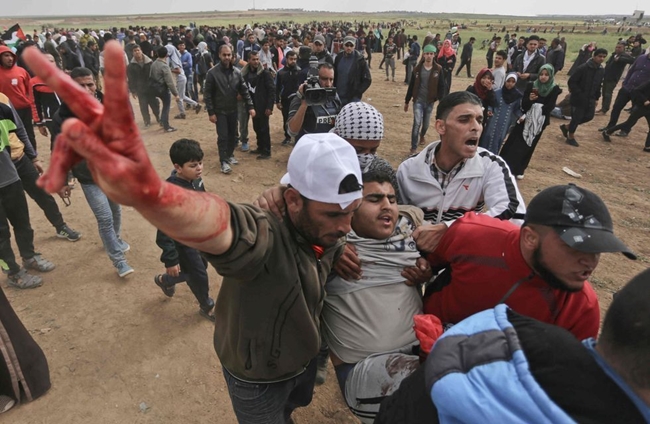 On March 30, over 30,000 Palestinians – children, women, and men – gathered near the Gaza border with Israel. As they assembled several hundred yards away from the border fence, 18 peaceful demonstrators were gunned down by Israeli military snipers using live ammunition, with over a thousand reportedly suffering bullet wounds. Many of the demonstrators had come as whole families, with picnic supplies.
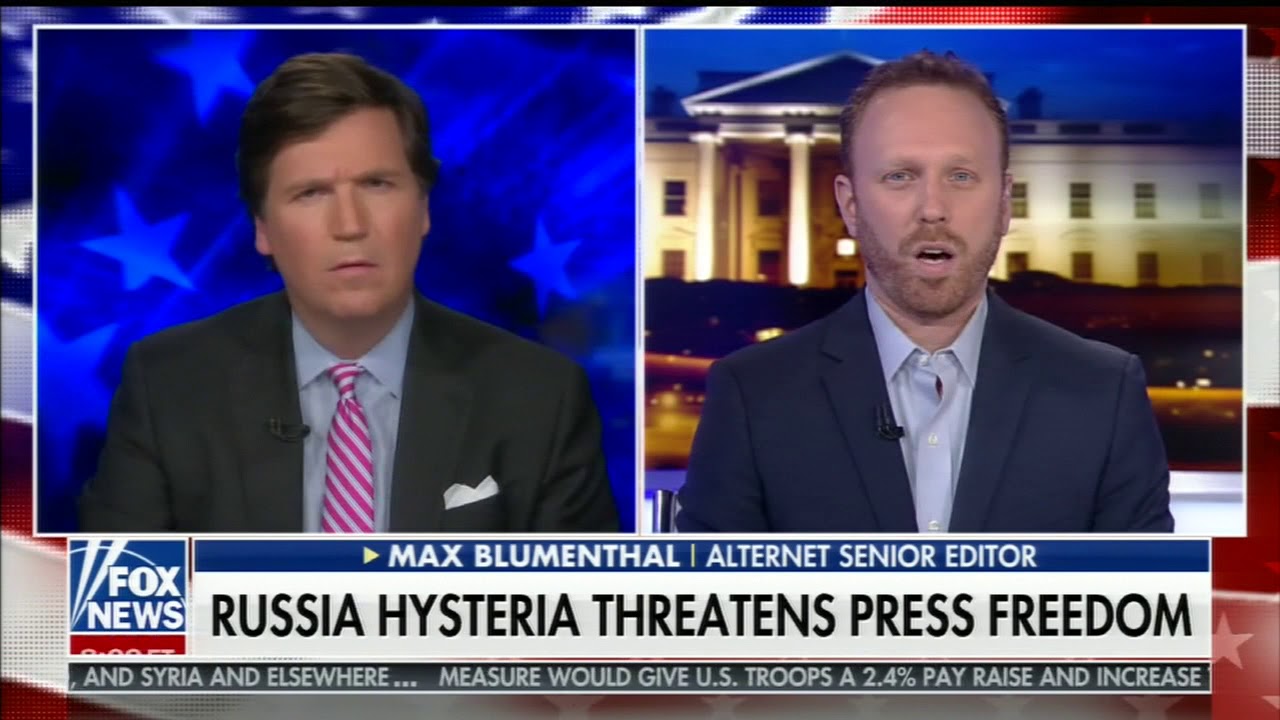
Fox News and Russian state media are facilitating a popular, “anti-establishment” front against the foreign and domestic enemies of Donald Trump, Vladimir Putin and Bashar al-Assad, platforming right-wing nationalists alongside those who self-identify as left-wing anti-imperialists.

Hopefully this piece will be a bit of help to those demonstrating against Prince Salman’s #TrillionaireTour of the U.S. (Aramco, the kingdom/Saudi family-owned oil company is valued at $2 trillion.) Another piece I wrote about Saudi Arabia and the colleges that take Saudi elite money is at The Nation.
Why are voices on the left still justifying the Syrian regime's indiscriminate bombardment of Eastern Ghouta?
As the death toll in the Damascus' suburb of Eastern Ghouta reached nearly 700 in two weeks and continues to rise, many so-called progressive voices continue to justify the carnage.
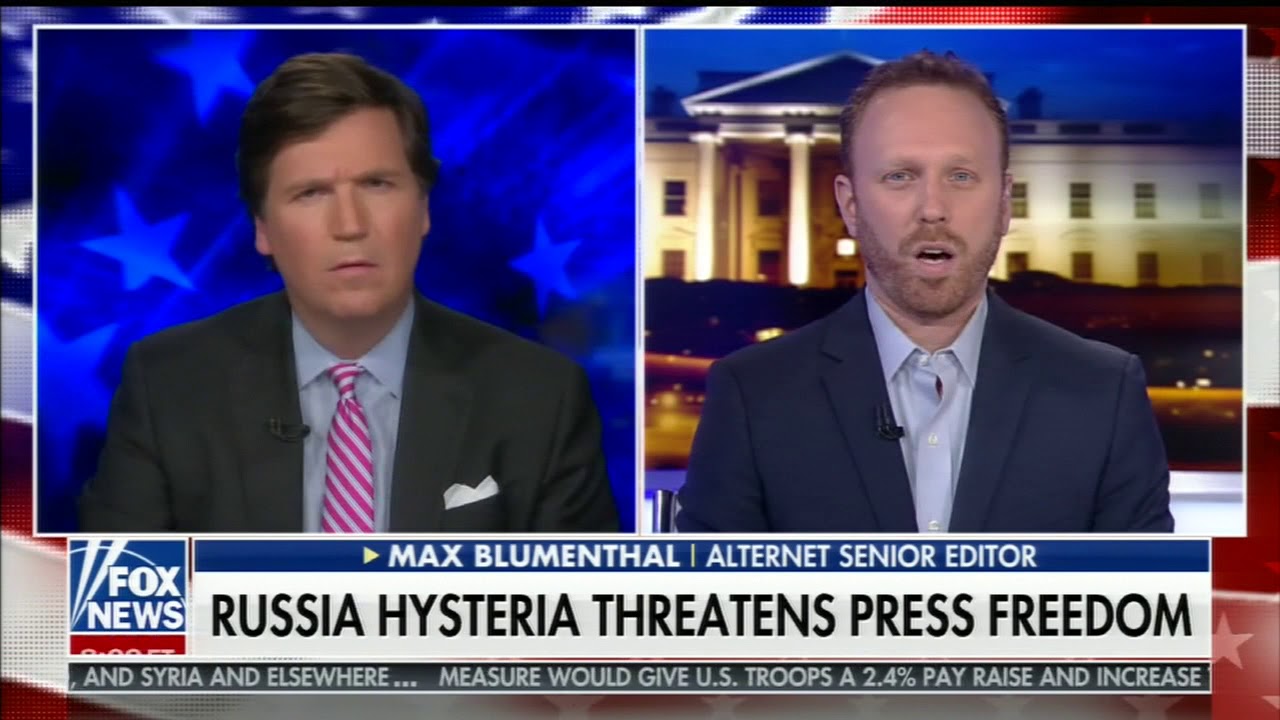
On the Southern Poverty Law Center website, this rather odd statement can be read:
Yesterday, Friday, March 9, we published an article entitled “The multipolar spin: how fascists operationalize left-wing resentment.” After receiving some concerns about the article from Max Blumenthal that evening, we took it down, pending further review.
The article was written by Alexander Reid Ross as a follow-up to earlier articles for SPLC titled “The Internet Research Agency: behind the shadowy network that meddled in the 2016 Elections” and “The far-right influence in pro-Kremlin media and political networks.” Subsequent to the removal of the latest, the other two have been removed as well.
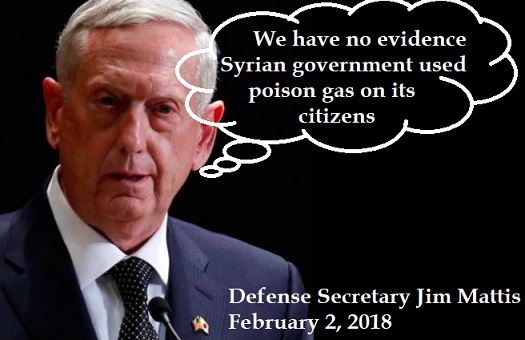
The situation in Syria is incredibly complex, so it’s not surprising that there are conflicting interpretations of different pieces of information. But, sometimes, a claim is so clearly without merit, so obviously ludicrous, that those who promote it mark themselves, at best, as individuals wholly uninterested in examining evidence when a dubious claim conforms to their preconceived notions, or, at worst, as scoundrels.

Gilbert Achcar is Professor of Development Studies at SOAS, University of London, as well as a well-known author focusing on the Middle East and the Arab World. He met with Syrian Corner during Syria Awareness Week 2018. Achcar posits that the Syrian conflict is far from over and that for Bashar al-Assad to establish a new political framework, an accord between the US and Russia is necessary. Achcar says the role of Iran in a future Syria is one of the key issues at stake, and discusses the Turkish war against the PYD, the regional role of Saudi Arabia, the international peace conferences for Syria, the recent demonstrations in Iran, and the new US foreign policy for the Middle East in the interview below.
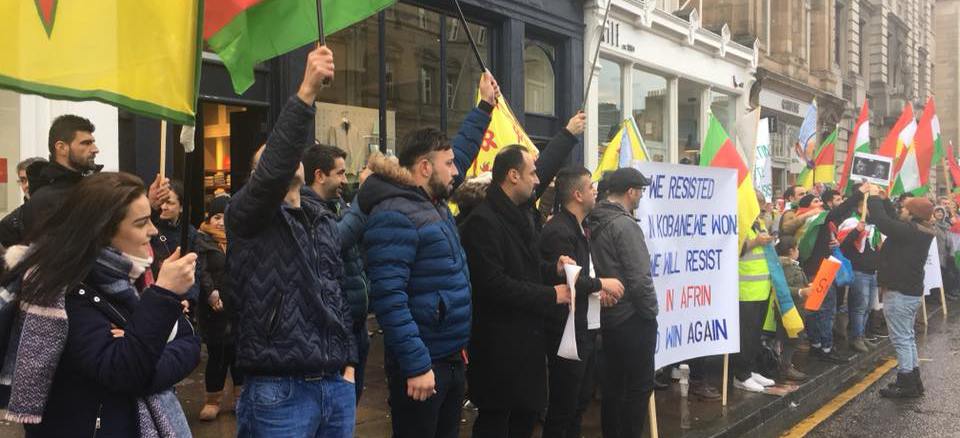
We, the Alliance of Middle Eastern Socialists, oppose the various military attacks on Afrin, Idlib and Eastern Ghouta and support all the innocent civilians in Syria. . . There has been a consensus between all the international and regional powers on the necessity to liquidate the revolutionary popular movements initiated in Syria in March of 2011 . . .
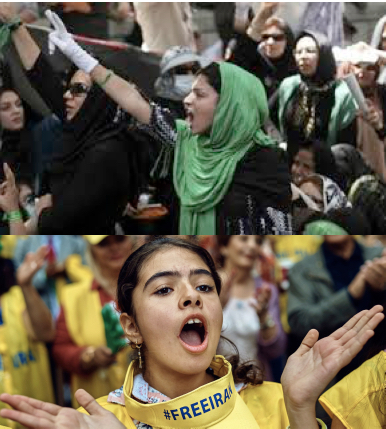
We, the Alliance of Middle Eastern Socialists, support the popular protests in Iran and call on progressives in the region and throughout the world to stand in solidarity with them as well. We believe it is an absolute necessity to build regional and global solidarity with anti-authoritarian struggles for democracy, social justice and equality, and to oppose patriarchy, racism, sectarian or homophobic discrimination and prejudice. We hope that the current protests in Iran will force the Iranian regime to withdraw its military and financial support for the murderous regime of Bashar al-Assad in Syria, and to end its reactionary interventions in the region. We also hope that the efforts by some elements to inject anti-Arab chauvinism into the movement will be rejected in order to reach out to grassroots struggles across the region.
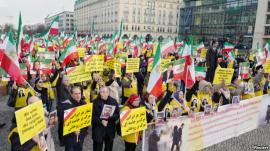
An Alternative to the Politics of “National Security” Emerges
Days of protests in Iran have caught statesmen, analysts and observers by surprise, even though the anti-austerity and anti-establishment sentiments behind this primarily working-class revolt have been brewing for years. All the same, surprise is not a common reaction across the media.
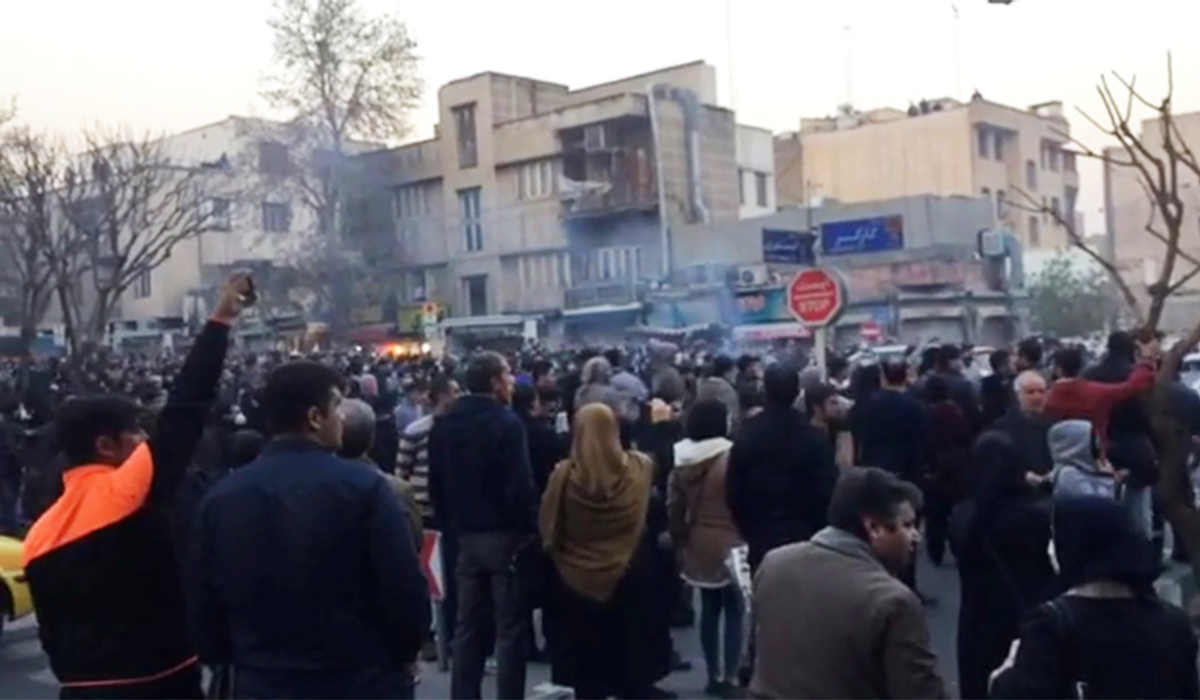
Over the New Year, a wave of protests has erupted in Iran, as people in towns all over the country took to the streets to air their grievances.
Many protests were about basic economics – unemployment or low pay, high prices for basic foodstuffs like eggs – but there have also been reports about political aspects to the protests.
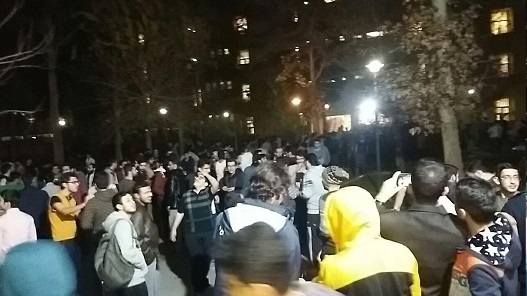
Since Thursday December 28 the Iranian people have engaged in extensive protests against the government of religious despotism in Iran. These protests have continued in full force in tens of Iranian cities, from north to south and from east to west of the country. The protests started with slogans against poverty, rising prices and unemployment, and in no time attacked the entire Islamic Republic as the prime destroyer of people’s lives.
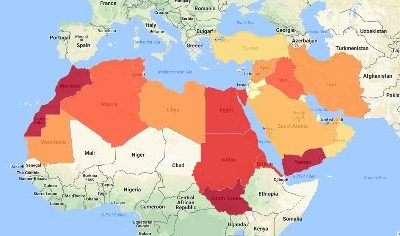
We are an alliance of Middle Eastern socialists opposed to all the international and Middle Eastern regional imperialist powers and their wars, whether the U.S., Russia and China or Israel, Saudi Arabia, Iran and Turkey. We also oppose other authoritarian regimes such as Assad’s in Syria and El Sisi’s in Egypt as well as religious fundamentalism whether of ISIS, Al Qaeda, Hezbollah or the Muslim Brotherhood. Although the Muslim Brotherhood and Hezbollah consider themselves gradualists and oppose the Jihadism of Al Qaeda and ISIS, all of these organizations share the goal of establishing a state based on Shari’a Law and preserving the current capitalist order.
The US administration has annexed the Syrian conflict to its own war on terror. It has tried to impose its battle on Syrians so that they will abandon their own battle against the tyrannical discriminatory Assadist junta. … [but] the war on terror is centred around the state; it is a statist conception of the world order which strengthens states and weakens communities, political organizations, social movements, and individuals… In the record of this endless fight against terrorism there has not been a single success, and thus far three countries have been devastated over its course (Afghanistan, Iraq and Syria).”[1]
– Yassin al-Haj Saleh, former Syrian Communist dissident who spent 16 years in Assad’s dungeons
Introduction
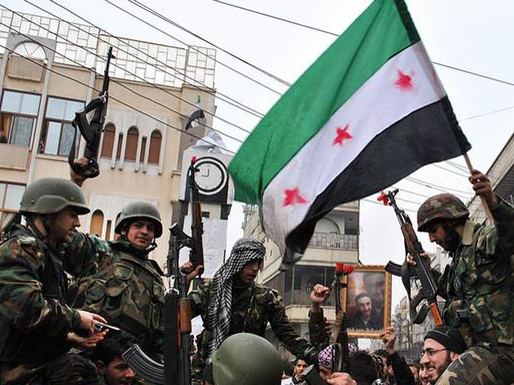
This article deals with a specific aspect of the US role in the Syrian conflict: its drive to co-opt the Free Syrian Army (FSA) into a proxy force to fight only the jihadist forces of Jabhat al-Nusra (now Jabhat Fatah al-Sham, or JFS) and the Islamic State (ISIS/Daesh), while giving up their fight against the Assad regime.
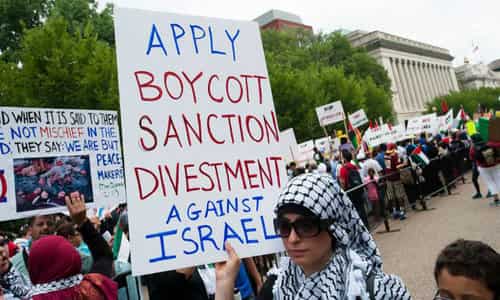
IF THERE WAS any “Israel-Palestine peace process,” Donald Trump torched it with his December 6 announcement recognizing Jerusalem as the capital of Israel and the transfer of the U.S. embassy to that bitterly contested city. But there are two more important underlying realities.
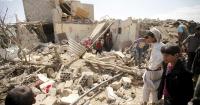
Congress was given a chance to stand up for basic humanity and the Constitution, but instead chose to lay an egg, a rotten one at that. It rejected a chance to use the War Powers Act to halt U.S. collaboration with Saudi Arabia’s ruthless war and siege tactics in Yemen. Instead it passed a resolution that could have been written by the Saudi kingdom’s lawyers and publicists.
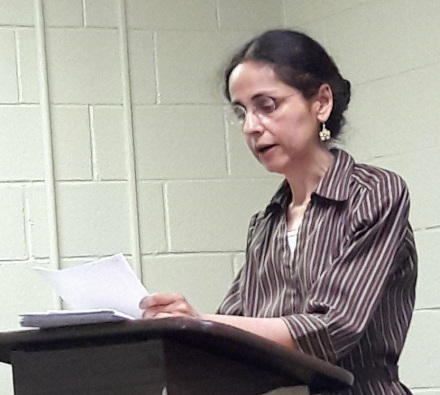 Comments presented at the July 14 launch of the Coalition for Peace, Revolution and Social Justice at a public meeting at the Westside Peace Center, Culver City.
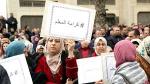
From February 14 to March 13, 2016, 35,000 Palestinian teachers in the West Bank government-run school system were on strike. The teachers’ goal was to hold the Palestinian Authority to the terms of a 2013 agreement between the General Union of Palestinian Teachers (GUPT) and the Ministry of Education, an agreement the Palestinian Authority had reneged on for three years running. (Ma’an News, Feb. 16, 2016)
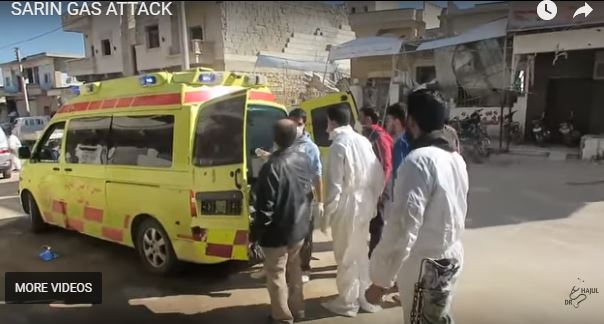
Journalist Seymour Hersh was interviewed by Aaron Maté of the Real News Network on June 26 after he wrote an article called "Trump's Red Line."
- « Newer Posts
- 1
- …
- 10
- 11
- 12
- 13
- 14
- 15
- 16
- …
- 21
- Older Posts »