
Online Features
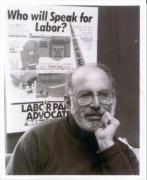
In recent months I’ve been thinking a lot, more than usual, of Anthony Mazzocchi, longtime official of the Oil, Chemical, and Atomic Workers International Union, leading presence in the movement for occupational health and safety, and one of the very brightest lights of a serious working-class politics in the post-World War II era until his too-early death in 2002. Tony often observed, regarding capital’s revanchist attack on working people that has steadily intensified over the last four decades, that what we would now call the neoliberal Democrats had nothing to offer those who have been or fear being ground into the dust by the juggernaut. He cautioned that, if the left and the labor movement didn’t find ways to connect with that growing population of those hurting and to offer credible explanations of the sources of their condition and plausible strategies for fighting back, other, nasty and dangerous tendencies would. That perspective reflected a deeper view of politics that guided the thousands of us who, for nearly all the 1990s and most of the first decade of this century, struggled to articulate and advance an unambiguously working-class politics through the effort to build an independent Labor Party, of which Tony was the “Founding Brother” and animating force. In the 2015 issue of the Socialist Register, Mark Dudzic and I laid out an assessment of the state of the left and labor movement in the U.S. and the challenges that face us that is rooted in that perspective.

Happy Thanksgiving! As we celebrate the America’s founding myth of the Pilgrim Fathers welcomed by the Indians, the National Guard, militarized local police and (unlicensed) security guards continue to brutalize unarmed Standing Rock Sioux Indians (and members of dozens of other tribes) protesting the construction of the unapproved Dakota Access Pipeline on their sacred lands and water sources.[1]

Post-election left analyses have accurately identified many of the immediate causes for our current debacle. Voter suppression, the Electoral College, the Democratic Party, the Clinton campaign, Hillary Clinton, labor leaders, hacked emails, FBI chief James Comey, Democratic primary voters who voted for Clinton, minority voters who didn’t turn out in sufficient numbers — the list goes on. And all of these deserve blame. But I’ve seen very little self-reflection from the left. There have been some vigorous defenses of left actions, but little self-criticism and little to suggest that the same mistakes won't be repeated again.

As Kermit the Frog, America’s most famous Muppet, says: “it’s not easy being green.”
Preliminary results of the Green Party’s latest national campaign confirm the reality of his observation. The Party’s much-touted goal was getting 5% of the vote on Nov. 8, so it could qualify for $10 million in federal funds for 2020 campaigning and maintain broad nationwide ballot access.

How Trump Won: Seizing the Anti-Establishment Ground through Racial and Economic Nationalism
On November 8, voters in the United States narrowly elected an openly racist, misogynist and nativist candidate for president. Donald Trump succeeded in defining himself as an anti-establishment candidate who will end dynastic rule in Washington, D.C., by elites who care little for “forgotten Americans.”

1. The election of Donald Trump as president of the United States is a shocking and dangerous turn of events–not only for the U.S., but for the entire world. It is a decisive shift, representing the latest failure of center-right and center-left parties in the advanced capitalist countries in the wake of the Great Recession, opening the way for the triumph of a candidate who used right-wing populism to stoke racism, xenophobia and reaction.
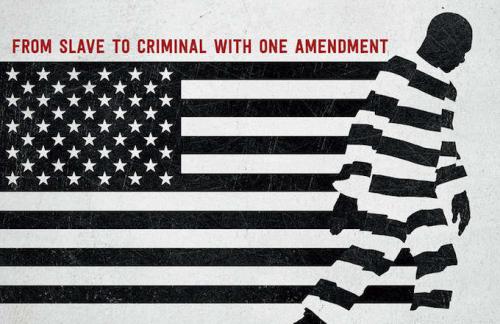
When prisoners in Alabama last spring proposed a national strike to protest “prison slavery,” they called out the infamous clause in the Thirteenth Amendment. The amendment most known for abolishing slavery included a rider that sanctioned slavery “as punishment for a crime wherein the party shall have been duly convicted.”
#NoDAPL
In 1847 as a famine created by both climate and man was unleashing death and destruction across Ireland, a group of charitable people across the Atlantic ocean raised money for those affected. They raised 170dollars and these people who managed to raise such a considerable amount of money were themselves without any prosperity but gave what they had because they knew the hardships famine and opression brought, they were Native Americans of the Choctaw Nation.
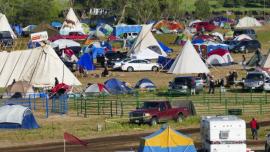 We arrived at the Standing Rock encampment late afternoon on Thursday as the sun was beginning to go down. Driving into the site was truly amazing: it is enormous! It is a village of about 500 (probably more) tents, vans, RVs, etc, some of them huge and housing dozens of people. Lots more people who are participating in the daily activities, as I am, are staying at the Sioux-run Prairie Knights Casino Hotel. The hotel and casino are enormous too.The land defining the reservation is vast and the scenery is beautiful, calm and wide. Thousands of people have participated in the protest since it started in the spring.
 Randi Weingarten, who engineered the 1.6 million member union’s early endorsement of Hillary Clinton has issued a statement about the election, lamenting that voters chose to believe Trump about economic insecurity, rather than hearing the identical message, sent by Clinton and unions.

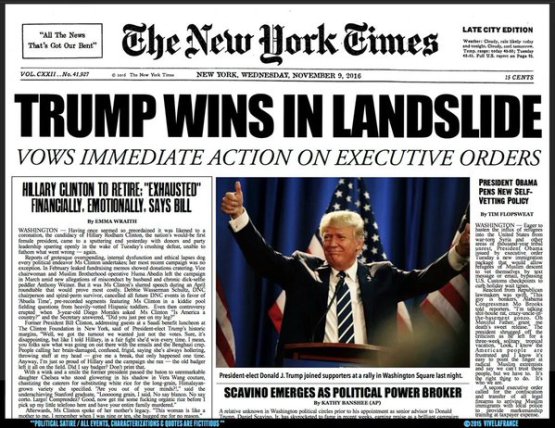
Like millions of people here and around the world, we woke up this morning dismayed and frightened that Donald Trump has been elected President. Whatever we each thought of the Democratic Party and of Hillary Clinton, none of us wanted to believe that a plurality of voters could bring themselves to vote for Trump. His victory is part of a global pattern of an ascendant, populist right, following in the wake of the similarly unexpected vote in favor of Brexit in the UK, and, like Brexit, it is being celebrated by right wing nationalist leaders in Europe like Marine Le Pen.
Dear Friends and Comrades,
Today is a terrible one for America and the world.
- « Newer Posts
- 1
- …
- 135
- 136
- 137
- 138
- 139
- 140
- 141
- …
- 227
- Older Posts »
