
Category: Human rights
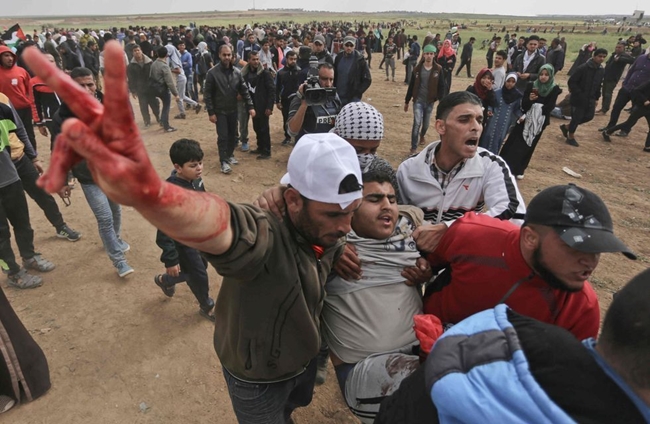 On March 30, over 30,000 Palestinians – children, women, and men – gathered near the Gaza border with Israel. As they assembled several hundred yards away from the border fence, 18 peaceful demonstrators were gunned down by Israeli military snipers using live ammunition, with over a thousand reportedly suffering bullet wounds. Many of the demonstrators had come as whole families, with picnic supplies.
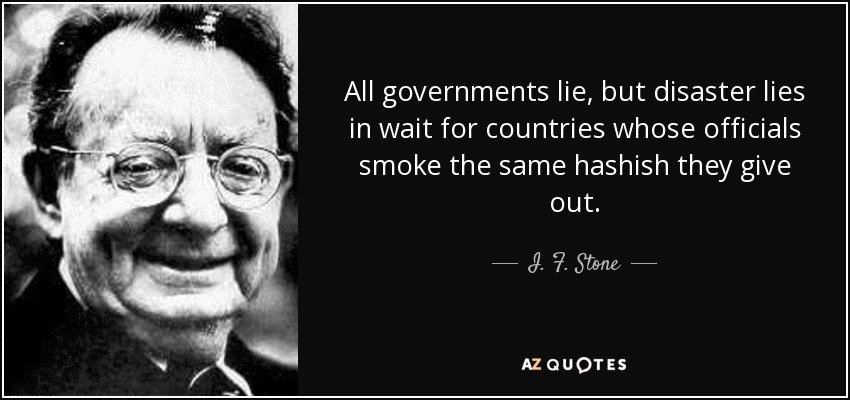
1. “All Governments Lie”
As 1950s investigative reporter I.F. (“Izzy”) Stone famously stated: “All governments lie.”[1] Fake news has historically been the weapon of the rulers, especially when in need of excuses for military aggression.
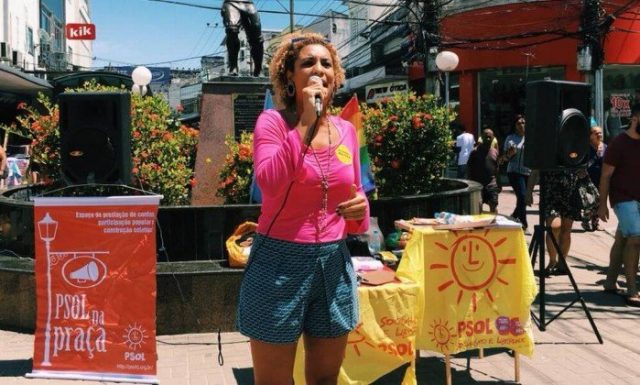
On 14 March, Marielle Franco, a city councillor in Rio de Janeiro, Brazil, of the Socialism and Freedom Party, was assassinated. In a piece originally published on the website of the Brazilian New Socialist Organisation (NOS) and republished here from the website Esquerda Online, Giambatista Brito argues that her death marked a new low in the country’s descent into political repression following the coup d’état of 2015. Translation by Max Leak.
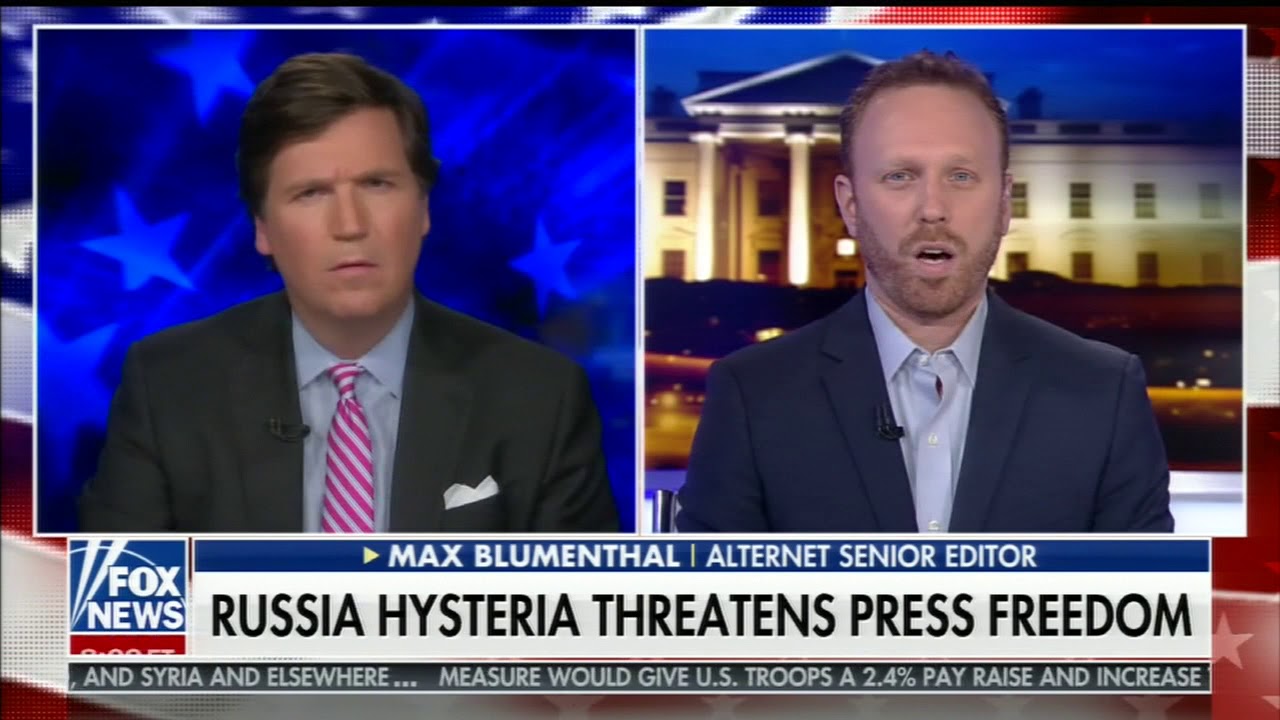
On the Southern Poverty Law Center website, this rather odd statement can be read:
Yesterday, Friday, March 9, we published an article entitled “The multipolar spin: how fascists operationalize left-wing resentment.” After receiving some concerns about the article from Max Blumenthal that evening, we took it down, pending further review.
The article was written by Alexander Reid Ross as a follow-up to earlier articles for SPLC titled “The Internet Research Agency: behind the shadowy network that meddled in the 2016 Elections” and “The far-right influence in pro-Kremlin media and political networks.” Subsequent to the removal of the latest, the other two have been removed as well.
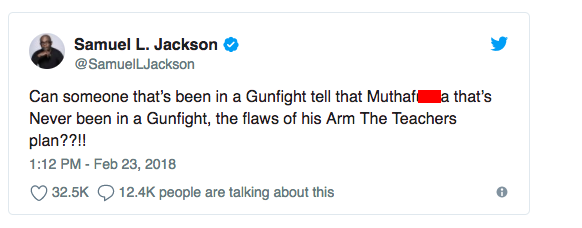
The call to “arm the teachers” started as another stink bomb President Donald Trump lobbed into the crowd at a conservative rally. But somehow, the concept cycled through the 24-hour news loop and, within a few hours, became a ubiquitous meme. Now, the morally repugnant idea of gun-toting teachers in America’s schools has taken center stage in the nation’s macabre debate on gun safety.
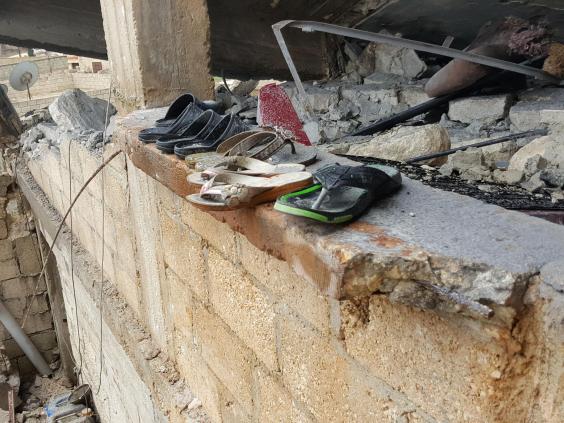
The danger of nuclear war is present today more than ever with Trump’s threats against North Korea and Iran. Without precedent in US history, the president openly states that he is willing to wage war and destroy a nation for US interests, disregarding his allies’ wishes. Trump not only follows the advice of his buddy Benjamin Netanyahu about the Iran nuclear deal, but he also announces that Jerusalem is the capital of Israel. He remains ahead of schedule on the opening of the US embassy there as well as cutting off funding for Mahmoud Abbas for a Palestinian state, unless he bows to Israel and respects Trump. At same time, his military commander General Jim Mattis announces that the US should be ready for war at any moment.
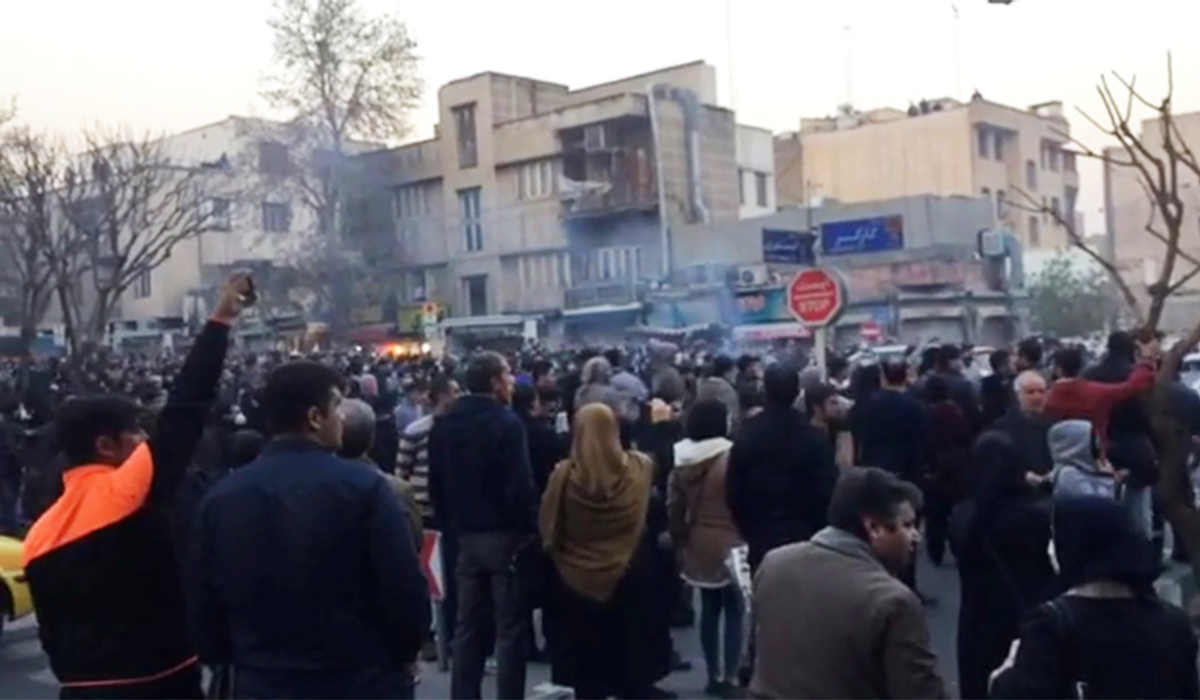
Over the New Year, a wave of protests has erupted in Iran, as people in towns all over the country took to the streets to air their grievances.
Many protests were about basic economics – unemployment or low pay, high prices for basic foodstuffs like eggs – but there have also been reports about political aspects to the protests.
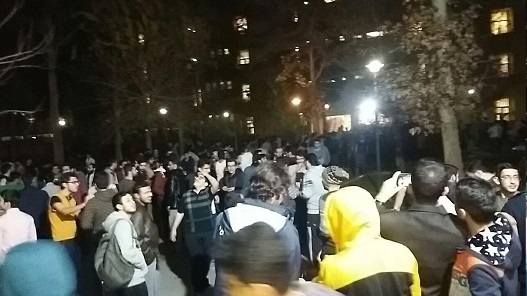
Since Thursday December 28 the Iranian people have engaged in extensive protests against the government of religious despotism in Iran. These protests have continued in full force in tens of Iranian cities, from north to south and from east to west of the country. The protests started with slogans against poverty, rising prices and unemployment, and in no time attacked the entire Islamic Republic as the prime destroyer of people’s lives.
 Since Donald Trump’s election in November, 2016, more than 150 university campuses in North America have been postered or fliered by white supremacist, neo-Nazi, or white nationalist groups. Most common have been flierings by American Vanguard, a Neo-Nazi formation with paramilitary characteristics, and Identity Europa, a self-proclaimed white nationalist fraternity founded by a former acolyte of Ku Klux Klan leader David Duke.
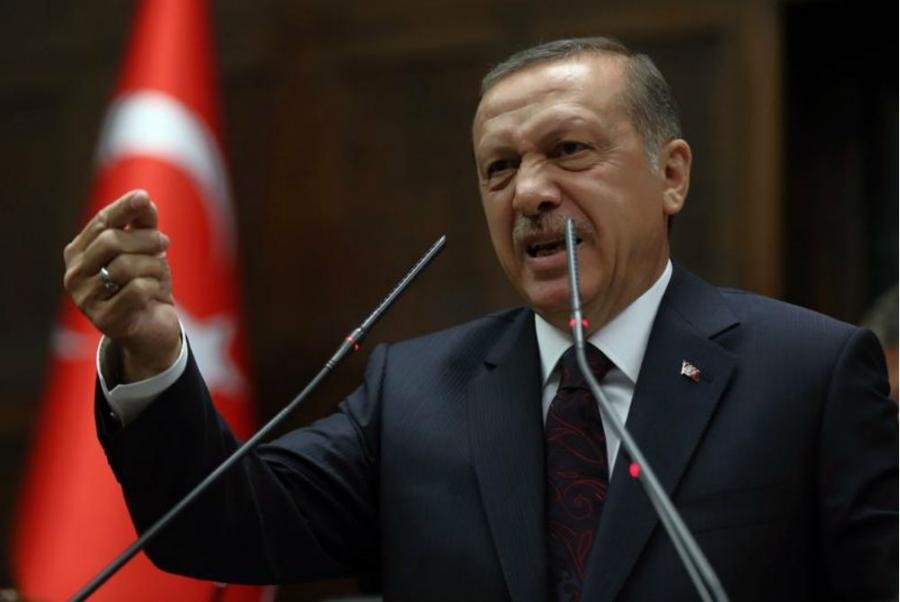 Peaceful protest carries no guarantee against violence. In mid-May, Recep Tayyip Erdoğan, the president of Turkey, came to the United States to meet with Donald Trump, who had made haste to congratulate him on winning a referendum in April. Its provisions would – according to the Venice Commission of the Council of Europe – undercut “the model of a democratic presidential system based on the separation of powers” and thereby “risk degeneration into an authoritarian presidential system.”
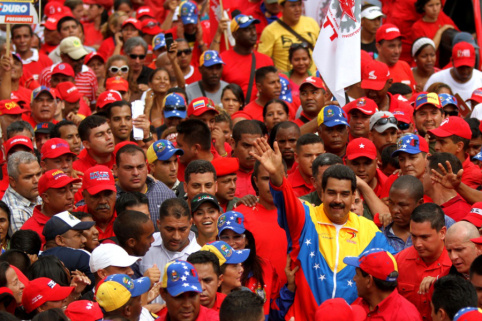
The political crisis that has been shaking Venezuela for months is at the heart of a war of information and propaganda, which is even inviting itself, albeit for other purposes, into the French political debate. Beyond binary discourses, we wanted to take the risk of complexity with Fabrice Andreani, doctoral student in Lyon-II University, who is working on the Bolivarian revolution. [CQFD]
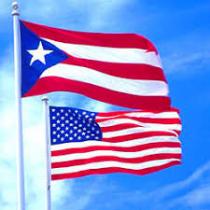
“We’re American citizens. How can Trump turn his back on us?” This is one of the pleas I’m hearing over and over again about the humanitarian crisis in Puerto Rico caused by Hurricane Maria. While it is a distasteful display of colonialist racism that the Trump administration takes its time to decide how much help Puerto Rico deserves, after pulling out the stops for Miami and Houston, ostensibly because there’s not “a really big ocean” separating them from Washington, it’s kind of par for the course. Our citizenship has always been second-class.
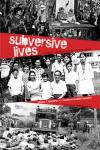
In the foreword to Subversive Lives: A Family Memoir of the Marcos Years, the authors write it “was not intended to be about communists and communism”—still the book provides remarkable insights into the Philippine communist movement. The book is a collective memoir of the surviving Quimpo family, relating their lives during the years of the Marcos dictatorship from the early seventies to the mid-eighties. With many of the siblings involved in the revolutionary movement, their memories furnish stories of underground organizing, imprisonment and torture, repression and resistance.
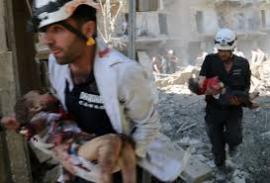
Recently a group called the “Hands Off Syria Coalition” disrupted a performance of Beethoven’s Ninth in Grand Central Station that was done to honor the White Helmets group. The White Helmets, of course, are rescue workers in Syria, of whom 140 have lost their lives while digging out victims of the Syrian regime and of Russian bombs.
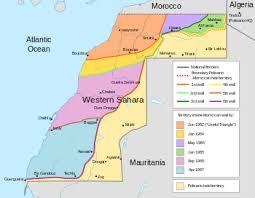
At the twenty-eighth Summit meeting of the African Union (AU) held in Addis Ababa on 30 January 2017, Morocco’s readmission to the continental body generated heated discussion. At the end of the day the Kingdom of Morocco managed to win over sufficient member states on its side and it was allowed to join the fold unconditionally.
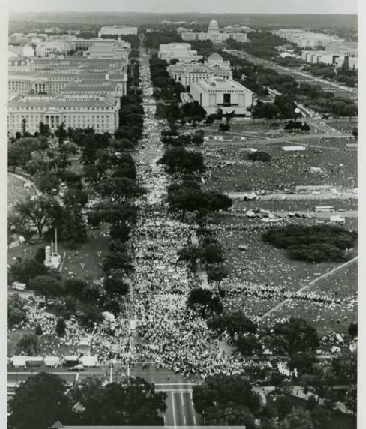 The Women’s March was glorious. Yes, I disagree with much said in the speeches, but that wasn’t an issue because like the vast majority of people who participated, I didn’t go to hear celebrities or politicians talk. I participated to show my rage and frustration at Donald Trump and the policies he and the GOP are preparing to impose on us. Women like me, disgusted, dismayed, enraged at Donald Trump’s misogyny, which the GOP has endorsed, flooded to this demonstration.
We brought family, friends, supporters, male and female, protesting the human rights and climate deniers whom Trump has brought with him into office. There was some diversity but this was primarily a march of young White women who carried signs about their bodies, “Pussy power” being the most prominent at the New York march. “Pussy power” strikes me as especially apt. Like women who fight patriarchy, it’s naughty. It evokes the strength in numbers. Most of all, the march birthed a new social movement which will owe its life to pussy.

Victory….for now
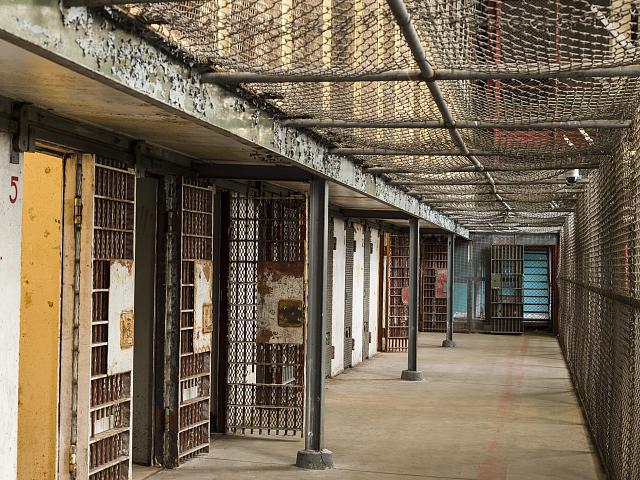
On the 45th anniversary of the Attica Prison rebellion in 1971, Process speaks with seven scholars of the carceral state about prisoners’ organizing in the 1960s and 1970s and movements protesting mass incarceration today. This is the first of a three-part series, guest edited for Process by Jessie Kindig. Check out parts two and three.
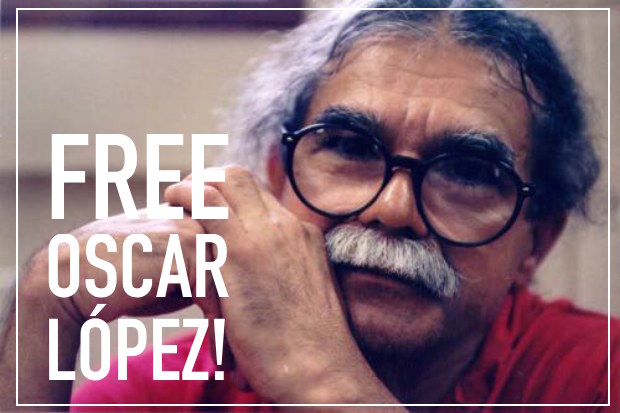
Oscar López Rivera is the longest-held Puerto Rican political prisoner in U.S. history. He has now served 35 years in U.S. federal prisons, including 12 in solitary confinement. The movement calling for his release has intensified, broadened and strengthened in the last few years.

Little has been written about the historical relationship between the movement against the Dakota Access Pipeline and the longer histories of Oceti Sakowin (The Great Sioux Nation) resistance against the trespass of settlers, dams, and pipelines across the Mni Sose, the Missouri River. This is a short analysis of the historical and political context of the #NoDAPL movement and the transformative possibilities of the current struggle.
- « Newer Posts
- 1
- …
- 6
- 7
- 8
- 9
- 10
- 11
- Older Posts »
