Online Features
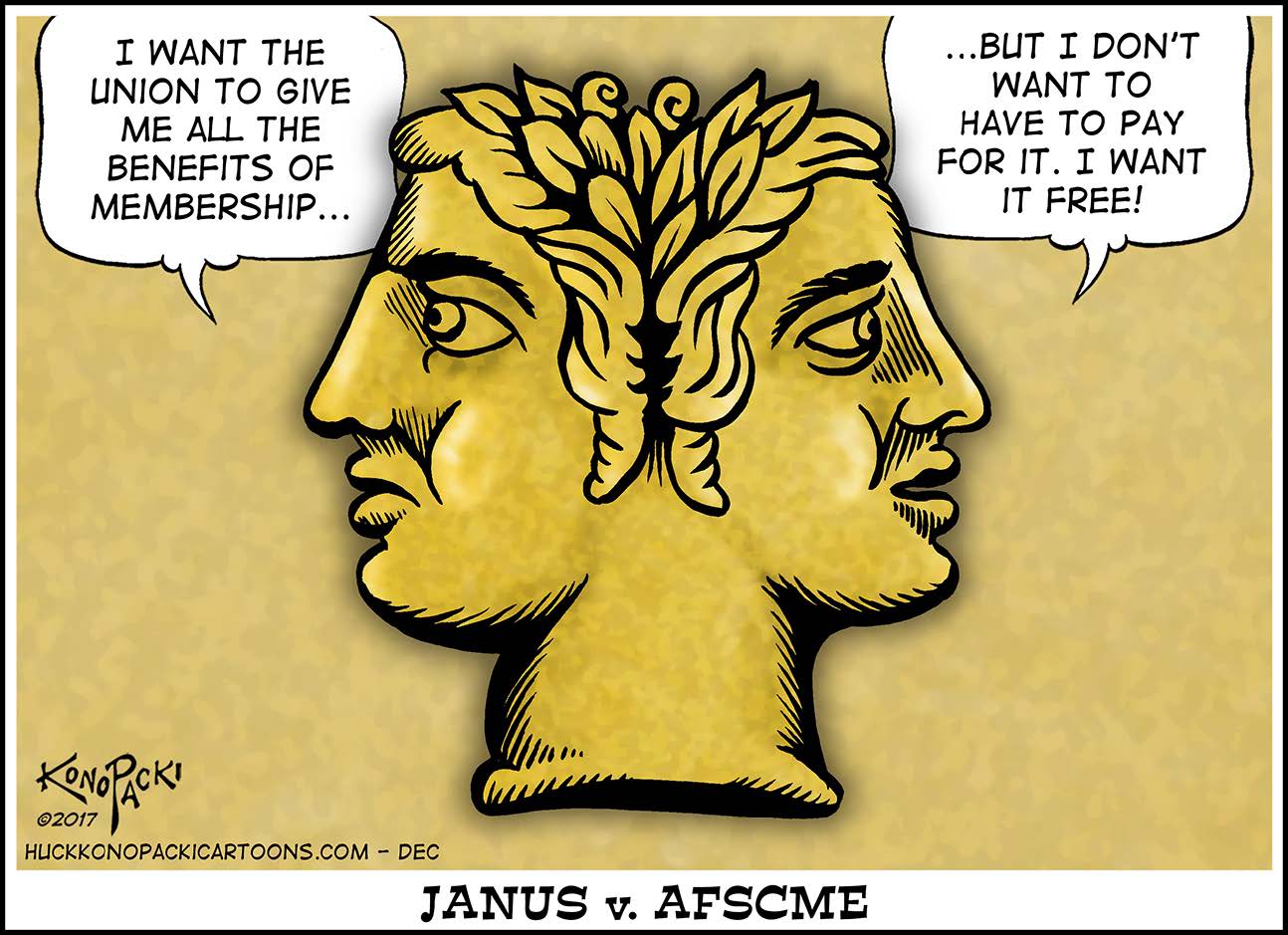 The Supreme Court’s long-anticipated – and feared by progressives – decision outlawing the collection of fees in public employee unions equivalent to costs of collective bargaining was met with indignant or defiant words, rightly decrying this attack on organized labor. The response, though, has mirrored what has been missing in labor’s understanding of how we got to this point and what we need to climb out – and win.
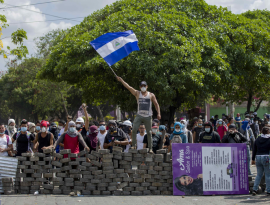
At this moment, the government of President Daniel Ortega and his party, the Sandinista Front for National Liberation (FSLN or Sandinistas), face a popular rebellion from below on a national scale. We look here at the origins of this rebellion, at the alternatives facing it, and at the responsibilities of those of us in the United States toward the people of Nicaragua.
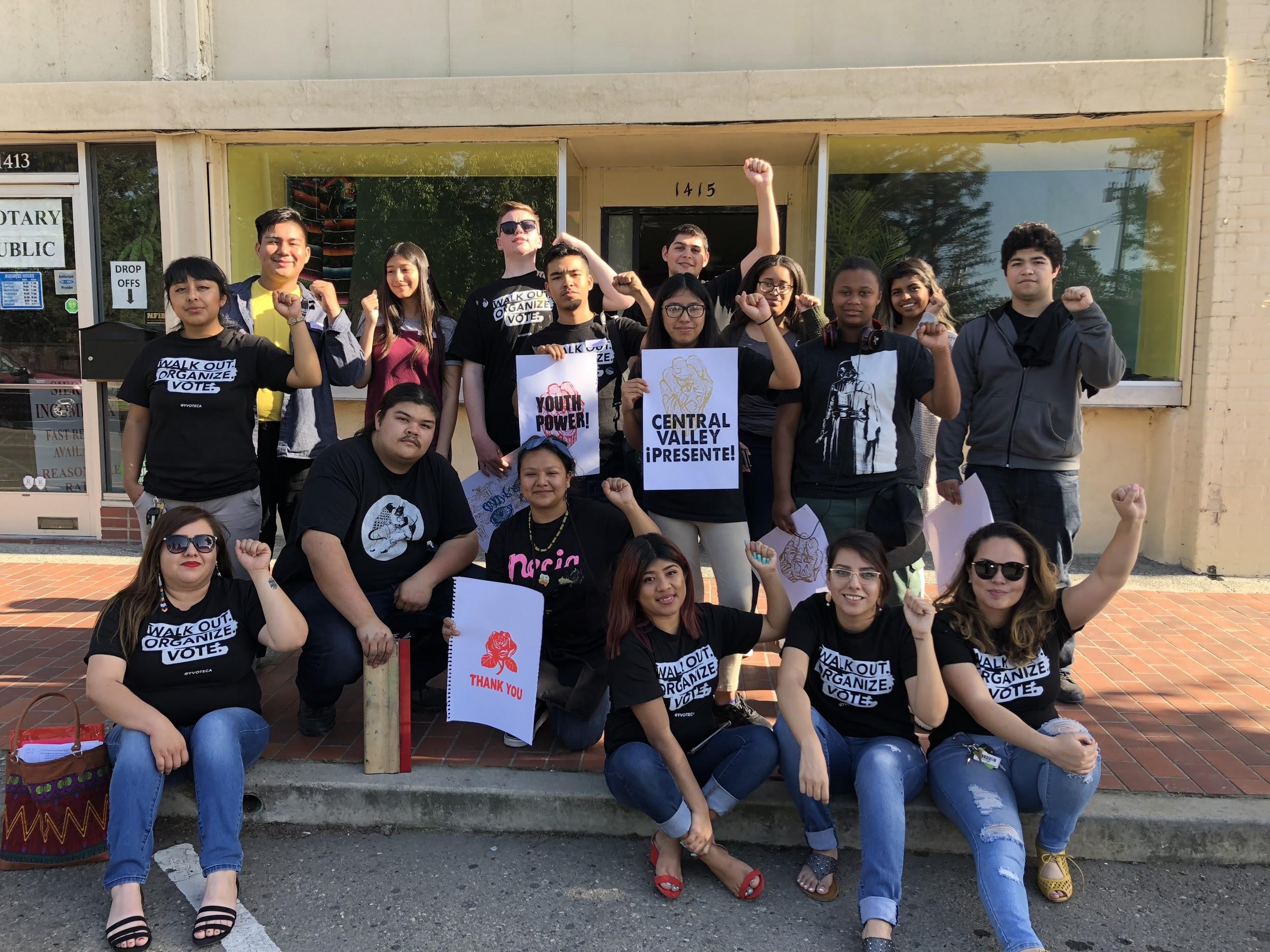
Driving down Route 99 highway, miles upon miles of flat land sprouting grapes, nuts, lemons, and tomatoes line the stretch of land next to the hot asphalt. Highlighted within this landscape of farmland and truck filled, busy highways are youth. Strong, beautiful, Black and Brown young people unapologetically organizing amidst big agriculture and quiet towns. They are organizing for a Central Valley that provides all its residents with what they need to be whole. These young people, full of wisdom and fire, are ready to reclaim the region as their own, creating from the soil rich land a movement that pushes forward their vision of a California for all. At the center of this energy and youth-led, transformative movement is 99Rootz.
Below is the text of Frieda Afary’s presentation to a group of international labor activists on June 10, 2018.

Alex Pareene, first of Wonkette, then Gawker, then Salon, then back to Gawker, then a stillborn First Run Media project, and now Splinter News is a great pundit.
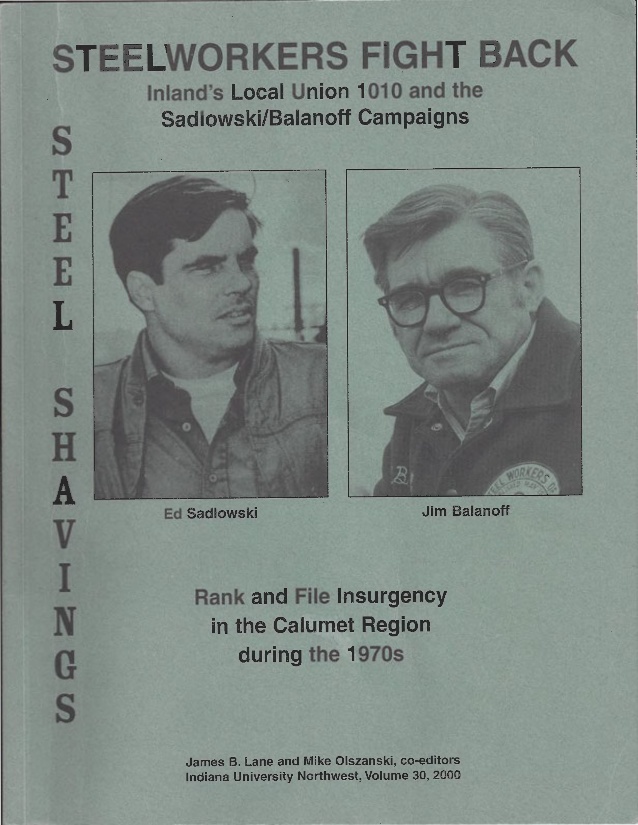
In progressive circles in the upper midwest today, if you’ve heard the name Sadlowski, it’s probably because you were involved in the Wisconsin labor uprising of 2011, where you might have linked arms with AFSCME organizer and state capitol occupier Edward A. Sadlowski. Or maybe you applauded the electoral victory of his sister, Susan Sadlowski Garza, when she won a Chicago city council seat four years later, as a standard bearer for her union, the Chicago Teachers.
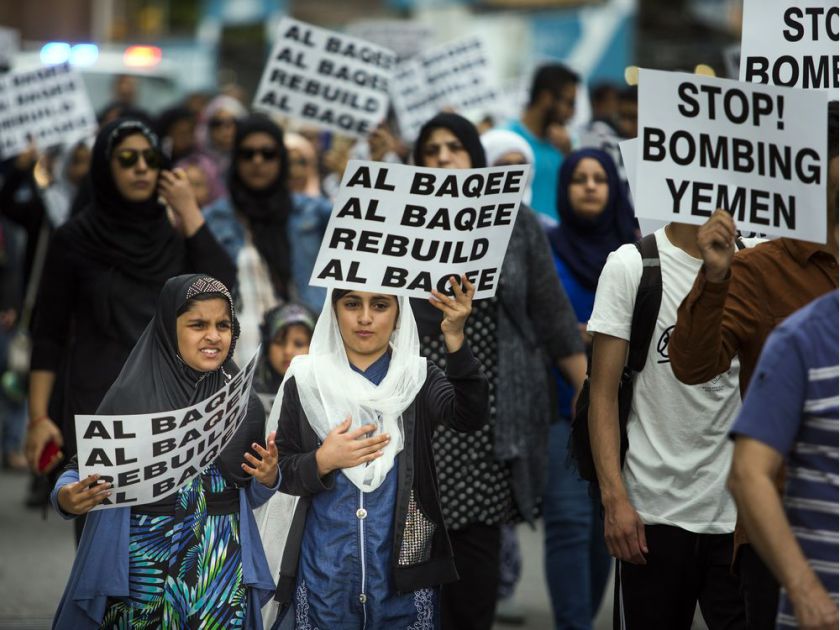
Saudi prince Salman dazzled Wall Street and the glitterati in his three-week U.S. tour this past March. The captains of finance (Stephen Schwartzman, Peter Thiel), tech (Gates, Bezos), politics (Trump, Clinton), and Hollywood (Disney’s Bob Iger, director James Cameron, Morgan Freeman) all met with him. “60 Minutes” did a fawning piece, as did NPR and the Atlantic. The New York Times printed two rapturous articles by Thomas Friedman. Finally, they had a marketable Saudi royal. Mohammad bin Salman was not the usual doddering nonagenarian, but a vigorous take-charge guy, who … get this… is going to let women drive!
Reprinted from New Politics, Spring 1967, pages 95-97 
Making It, by Norman Podhoretz, Random House, New York, 1967. 360 pp. $6.95.
Tynan Left and Right by Kenneth Tynan, Atheneum, New York, 1967. 479 pp. $8.95.
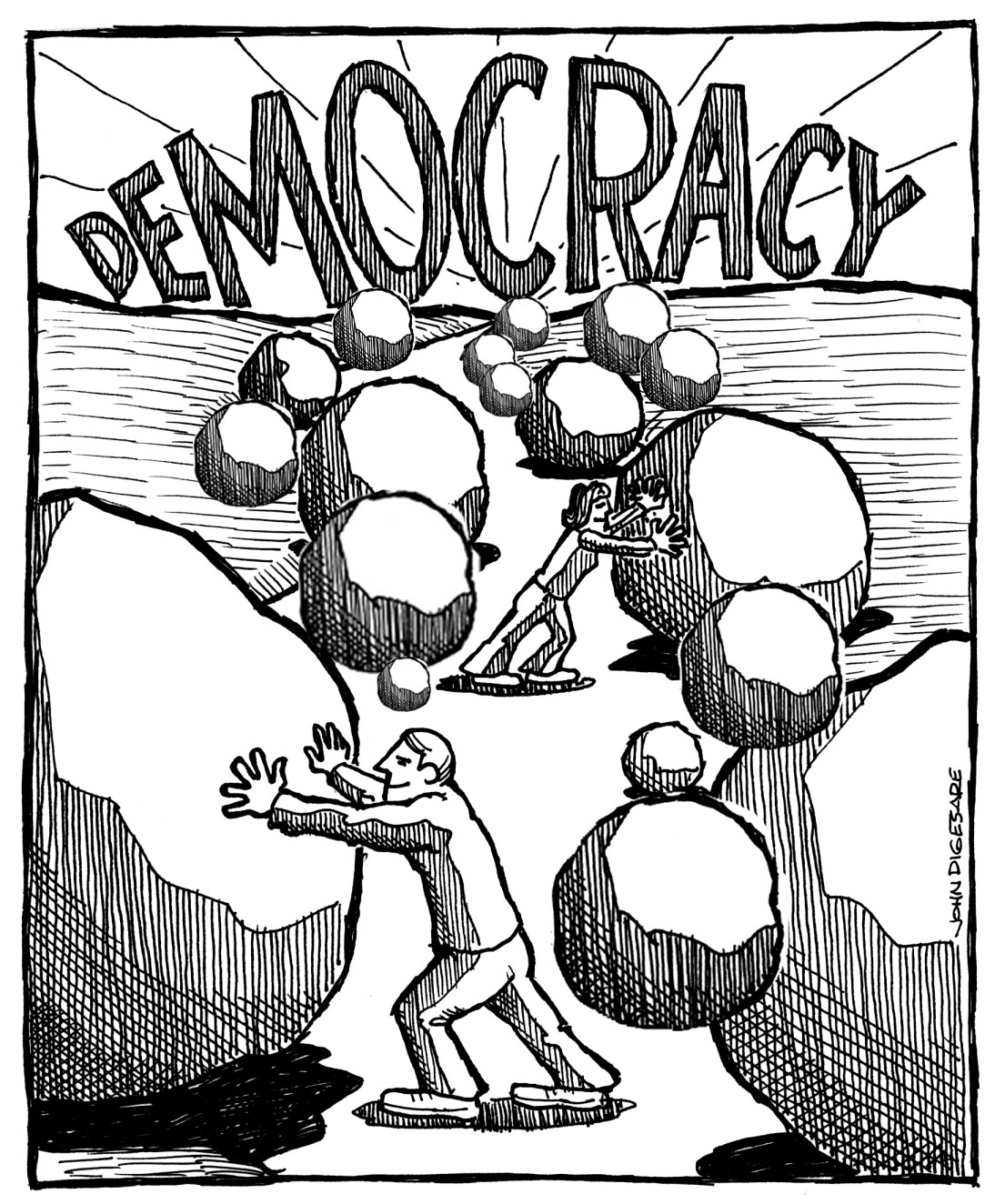
Last fall 15,000 scientists issued a second dire notice to humanity that we are on a collision course with the limits of our planet. They concluded, “To prevent widespread misery, humanity must practice a more environmentally sustainable alternative to business as usual,” including “reassess[ing]… the role of an economy rooted in growth.” That means that we have to challenge capitalism; there is no capitalism without growth. Rosa Luxemburg’s statement on the eve of World War I that the choice is between socialism or barbarism was never more true. But today our struggle is about our very existence.
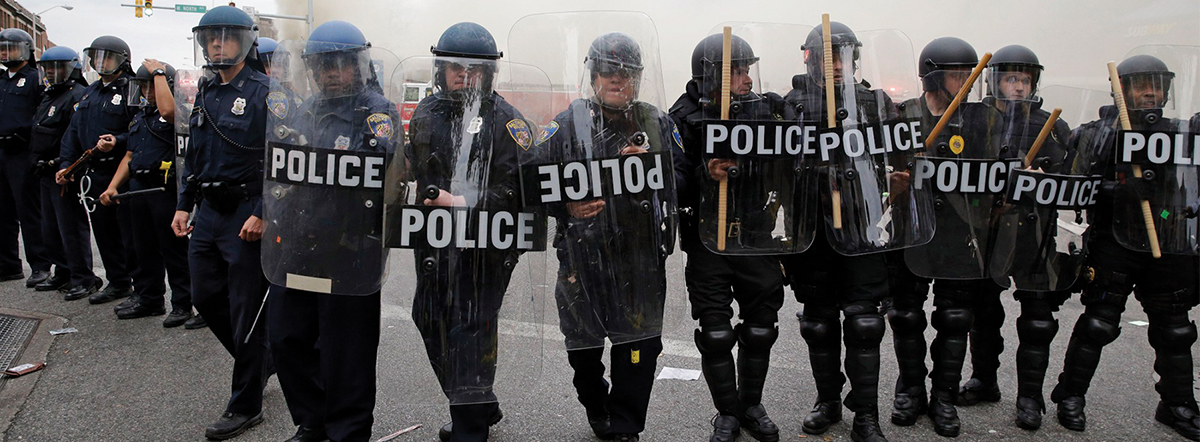
Brooklyn College sociology professor Alex Vitale’s provocative new book, The End of Policing, comes amid the national debate about deadly force by police and the rise of the Black Lives Matter movement. But Vitale — one of the country’s fiercest advocates of police reform over the past 25 years — thinks police killings are a symptom of a much broader issue. As the coordinator of the Policing and Social Justice Project at Brooklyn, he argues that police in recent decades have taken on a “warrior mentality” that is fundamentally incompatible with the ideal of equal justice. And he thinks the solutions typically advocated by progressives are not the real answer. Following are edited excerpts of Vitale’s recent appearance on the CUNY Book Beat podcast.

It doesn’t take much imagination to associate climate change with revolution. If the planetary order upon which all societies are built starts breaking down, how can they possibly remain stable? Various more or less horrifying scenarios of upheaval have long been extrapolated from soaring temperatures.
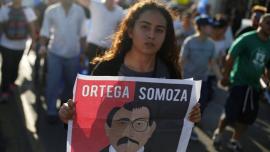 The popular rebellion against the dictatorial government of Daniel Ortega, four-time president of Nicaragua, has been going on now for more than a month. And the Ortega government has continued its violent repression. In the last 47 days, it is reported that 104 people have been killed, while some have been arrested or tortured and others have gone missing. In one of the most atrocious events, government snipers fired on the May 30 “Mothers March” led by mothers mourning the murder of their children. Fifteen marchers were killed and scores wounded.
- « Newer Posts
- 1
- …
- 115
- 116
- 117
- 118
- 119
- 120
- 121
- …
- 227
- Older Posts »