
Online Features
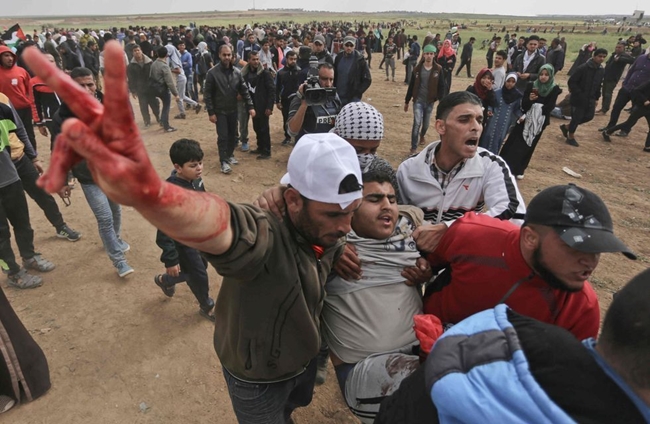 On March 30, over 30,000 Palestinians – children, women, and men – gathered near the Gaza border with Israel. As they assembled several hundred yards away from the border fence, 18 peaceful demonstrators were gunned down by Israeli military snipers using live ammunition, with over a thousand reportedly suffering bullet wounds. Many of the demonstrators had come as whole families, with picnic supplies.
 When I write for New Politics, I tag my blogs with key words. I wonder how many other Left publications include "teachers unions" under "labor" or include "education" as a separate topic and run critical analyses—as we do?
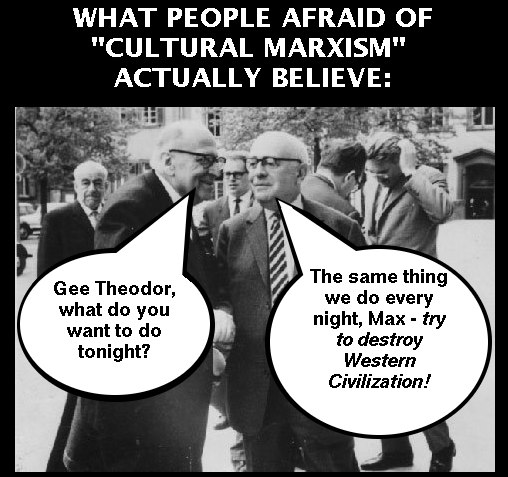
Conservatives today have been deeply critical of what is often called postmodernism. They have associated it with identity politics, political correctness, social justice warriors, relativistic “cultural Marxism” and a host of other evils. For some conservatives, post-modernism is signifies everything that is wrong with contemporary society. University of Toronto Professor Jordan Peterson has characterized it as “dangerous” and “radical” and dismissed important authors like Derrida as “charlatans.” The National Security Council has claimed that “postmodern cultural Marxism” (whatever that means) mobilizes opposition to Donald Trump. And right wing commentator Ben Shapiro has characterized Barack Obama the first “postmodern” President.
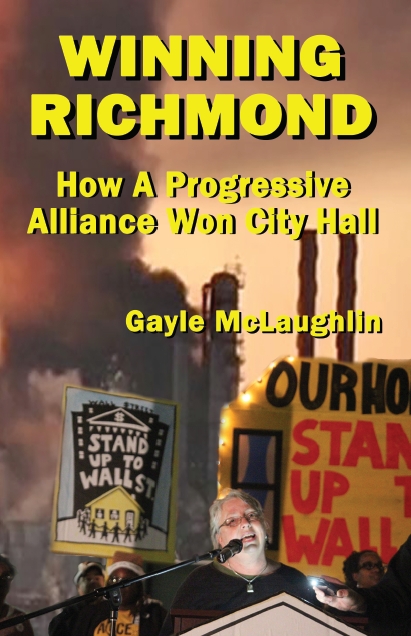
Review: Winning Richmond: How a Progressive Alliance Won City Hall by Gayle McLaughlin. Hardball Press, 2018.
Well before the Trump era, U.S. presidents from both major parties failed to address urban problems or made them worse. Congress, state legislatures, and governors weren't much better. The job of fighting poverty, inequality, and environmental degradation shifted to the municipal level, where activist mayors have tried to mobilize the limited resources of local government on behalf of neglected constituents and causes.
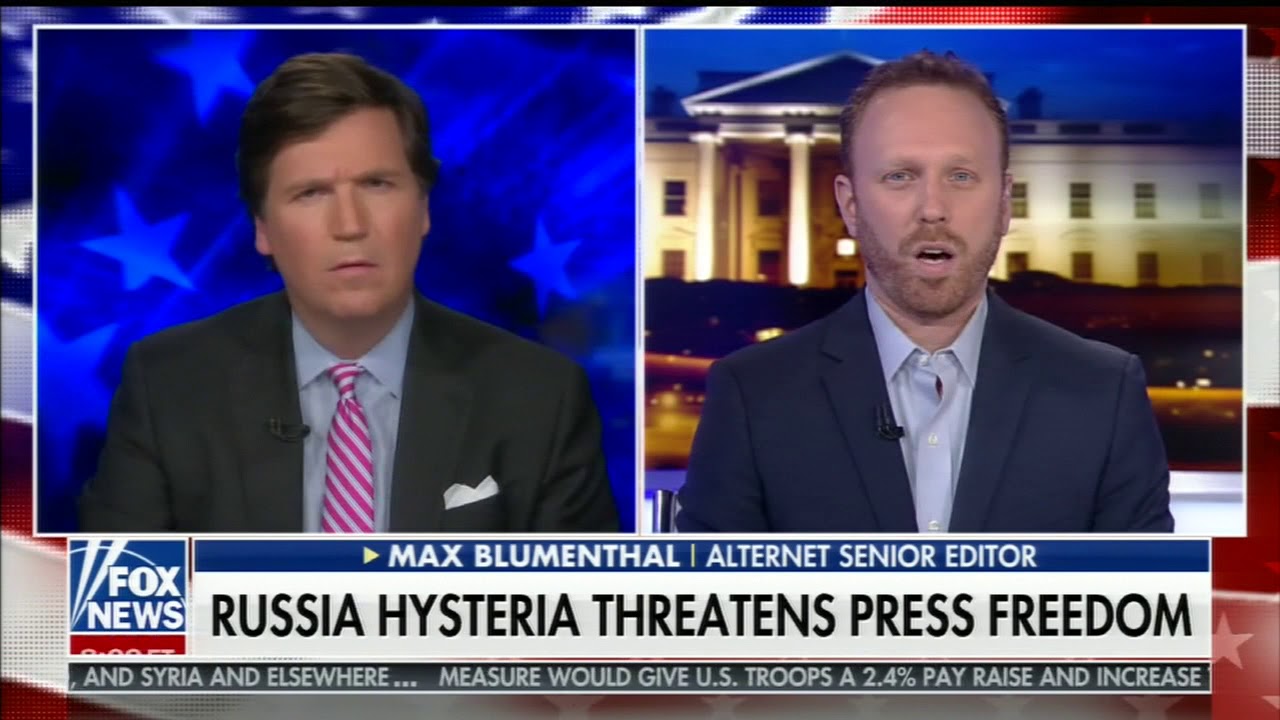
Fox News and Russian state media are facilitating a popular, “anti-establishment” front against the foreign and domestic enemies of Donald Trump, Vladimir Putin and Bashar al-Assad, platforming right-wing nationalists alongside those who self-identify as left-wing anti-imperialists.
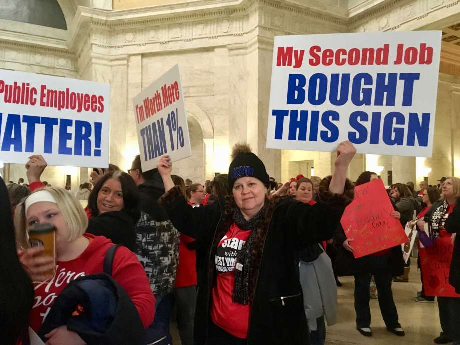
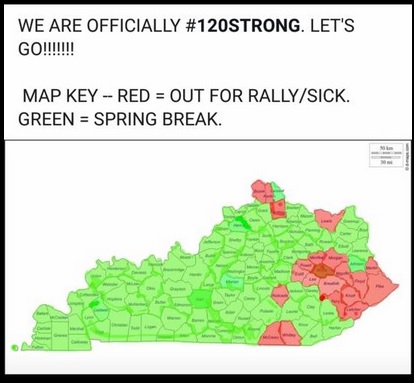 Teachers in Oklahoma and Kentucky massed in their respective state capitols on April 2, to demand GOP legislatures revoke bills damaging to education passed in virtual stealth. The spark plug in Kentucky is a group of activist parents with teachers, #SaveOurSchools Kentucky. In both states the movement has been organized outside the official teachers unions, using social media as well as traditional organizing techniques of talking with colleagues and neighbors about the issues. Another struggle of teachers is simmering, near boil, in Arizona.
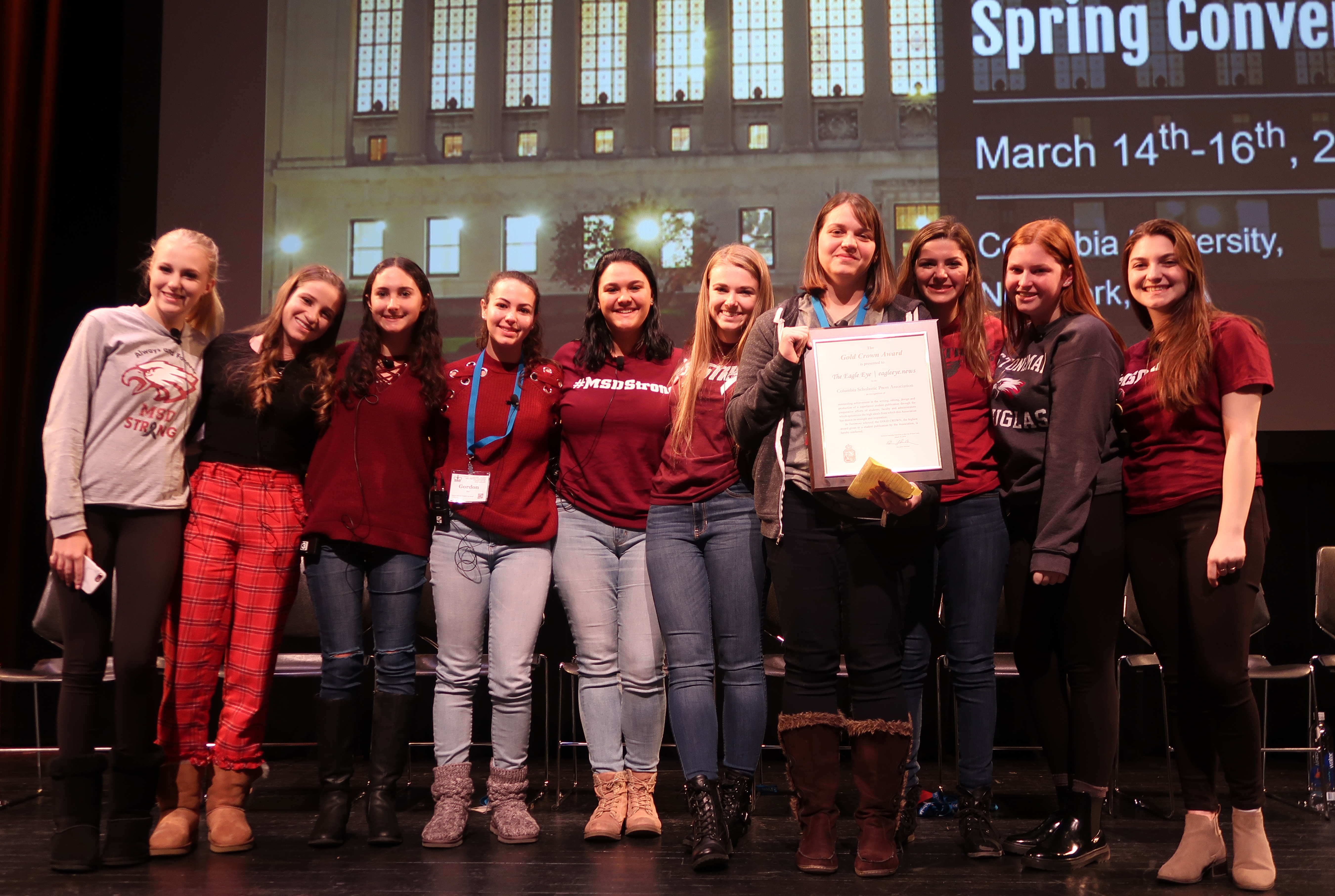
Teenagers in this country are under constant attack.
Whether it is their taste in music, fashion, or, it seems, simply wanting to attend classes without the fear of meeting their sudden death in a hail of bullets, there are always commentators who are willing to wag their fingers in disapproval. The demands placed on kids, when you think about it, are outrageous.
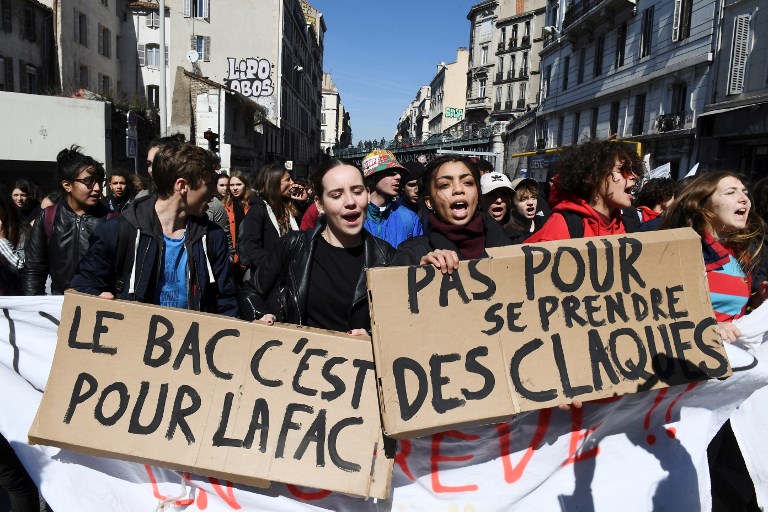
Not an April Fool’s joke. Here are the facts: Four days ago (March 29) the ultra-conservative Dean of the Montpellier University Law School was summoned to police headquarters, interrogated, hauled into court, and held over in jail for arraignment by the Chief Prosecutor – all on the complaint of nine student strikers, who claim to have been brutally assaulted with Dean Philippe Pétel’s active complicity while ‘occupying’ a school auditorium.

Well before the Trump era, U.S. presidents from both major parties failed to address urban problems or made them worse. Governors, members of Congress, and state legislators didn’t perform much better. So the difficult job of fighting poverty, inequality, and environmental degradation shifted to the municipal level, where activist mayors have tried to mobilize the limited resources of local government on behalf of neglected causes and constituents.

A fast, when done in protest, is a call to arms. While eminently non-violent, it is a battle cry, issued in a whisper.
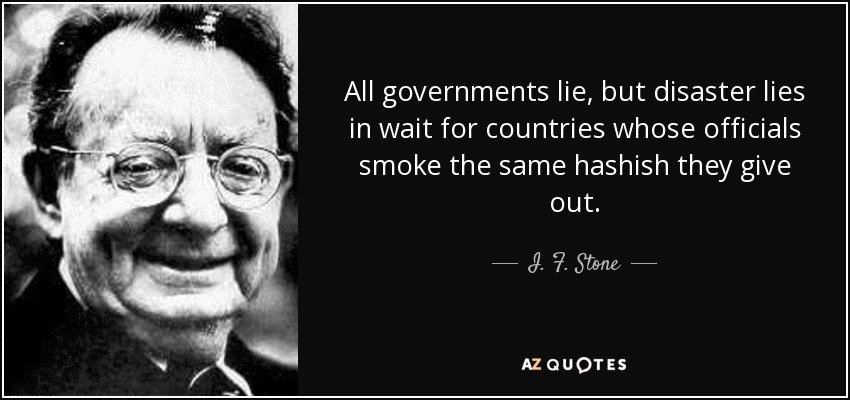
1. “All Governments Lie”
As 1950s investigative reporter I.F. (“Izzy”) Stone famously stated: “All governments lie.”[1] Fake news has historically been the weapon of the rulers, especially when in need of excuses for military aggression.

On 14 March, Marielle Franco, a city councillor in Rio de Janeiro, Brazil, of the Socialism and Freedom Party, was assassinated. In a piece originally published on the website of the Brazilian New Socialist Organisation (NOS) and republished here from the website Esquerda Online, Giambatista Brito argues that her death marked a new low in the country’s descent into political repression following the coup d’état of 2015. Translation by Max Leak.
- « Newer Posts
- 1
- …
- 118
- 119
- 120
- 121
- 122
- 123
- 124
- …
- 227
- Older Posts »