
Category: Left Politics
If there is one proposition that most anti-Stalinist socialists should agree on it is this: capitalism does not need democracy and democracy does not require capitalism. Only socialism does.

Stephen R. Shalom replies again on the question of voting for the lesser evil to defeat Trump.

Continuing the debate on the left and the election, Charlie Post and Ashley Smith respond to Stephen R. Shalom’s criticisms of their article, “The lesser evil trap.”
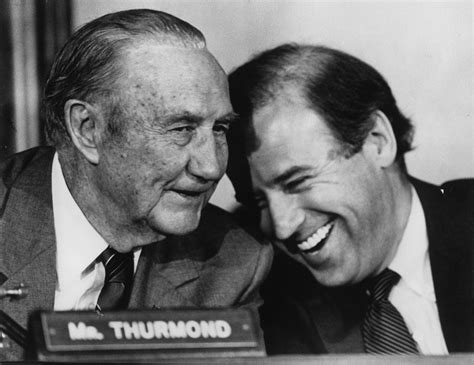
We have come to this miserable state of affairs in large part because the left has failed to create an alternative to “lesser evils” who, along with the greater evils, have devastated lives and imperiled the planet.

“By kicking Howie and Angela off the ballot in Wisconsin and then publicly celebrating this naked act of self-serving disenfranchisement, the Democrats have made plain their intention to ‘save democracy from Trump’ by killing it themselves first and then dancing on the grave.”
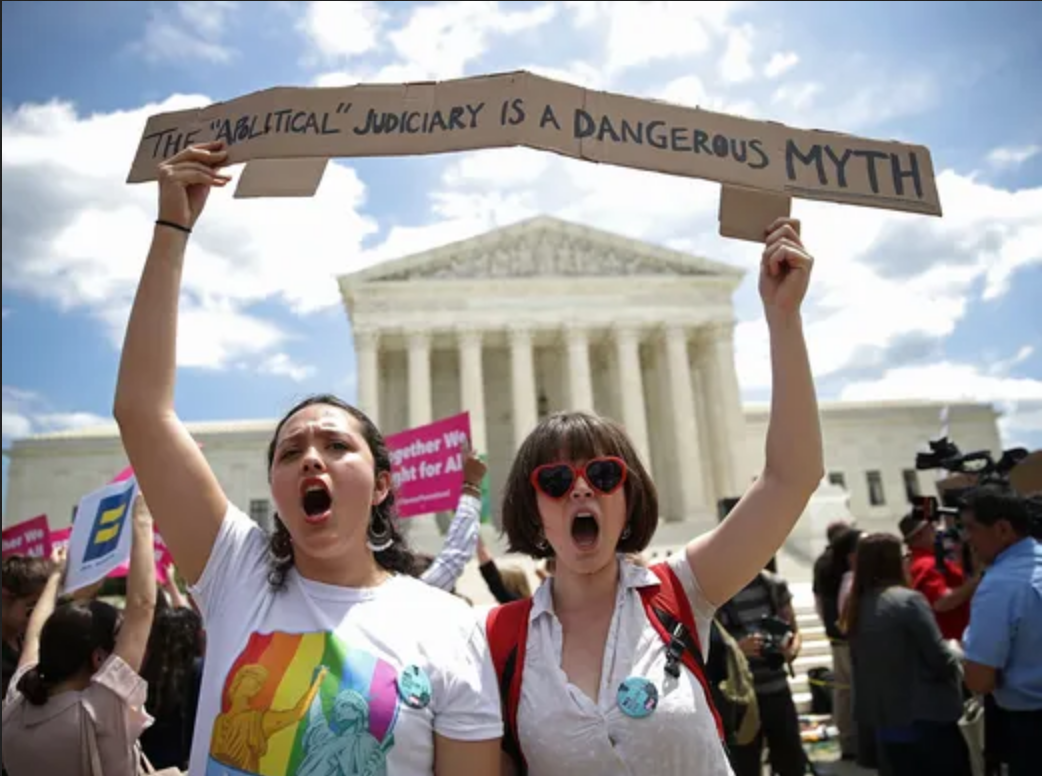
Yes, we must abolish the Supreme Court because it is the antithesis of democratic decision-making. AND, right now, we need to organize to stop Trump’s nomination of a super-villain for a lifetime appointment on the highest judicial body.

Almost any scenario we can imagine might well lead to armed conflicts in American streets between Trump’s supporters and his opponents on a scale much larger and more violent than anything we’ve seen so far.

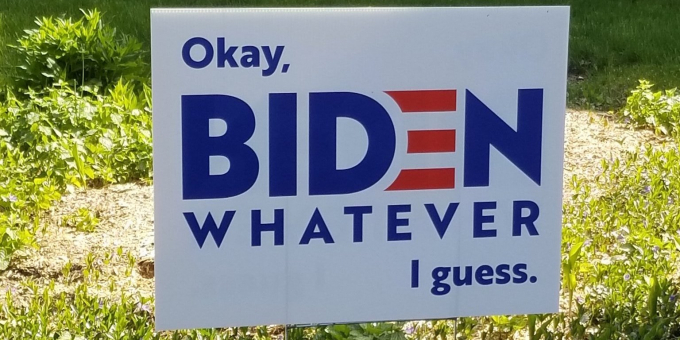
For the first time in my life, in fifty years of voting in America, I am voting for a Democratic Party presidential candidate and urge others to do so as well.

Stephen R. Shalom criticizes the arguments against lesser-evil voting and makes the case for the Left both to support Biden and build the social movements.

This interview of Ashley Smith was conducted by Joseph Daher for the newspaper of the Swiss socialist party Solidarités, and the French leftwing website, Contretemps.

When a new “Progressive International” invited Syria’s Yassin al-Haj Saleh to join, he was happy to accept. When he then submitted this letter for their publication, they ceased contacting him without explanation.

Thousands of women and some men have started to speak publicly on social media about their experiences of sexual harassment, abuse, assault and rape.

Remarkably polls show that Trump core supporters—about 40 percent of voters—have not been moved by either his handling of the coronavirus or his remarks about the military. Independent voters, however, may be turning from Trump.

Protest, sometimes with conflict between anti-racist and rightwing groups, continues in various U.S. cities—Portland, Louisville, and Rochester—over 100 days since the killing of George Floyd. America has not seen such street fighting since the 1960s.
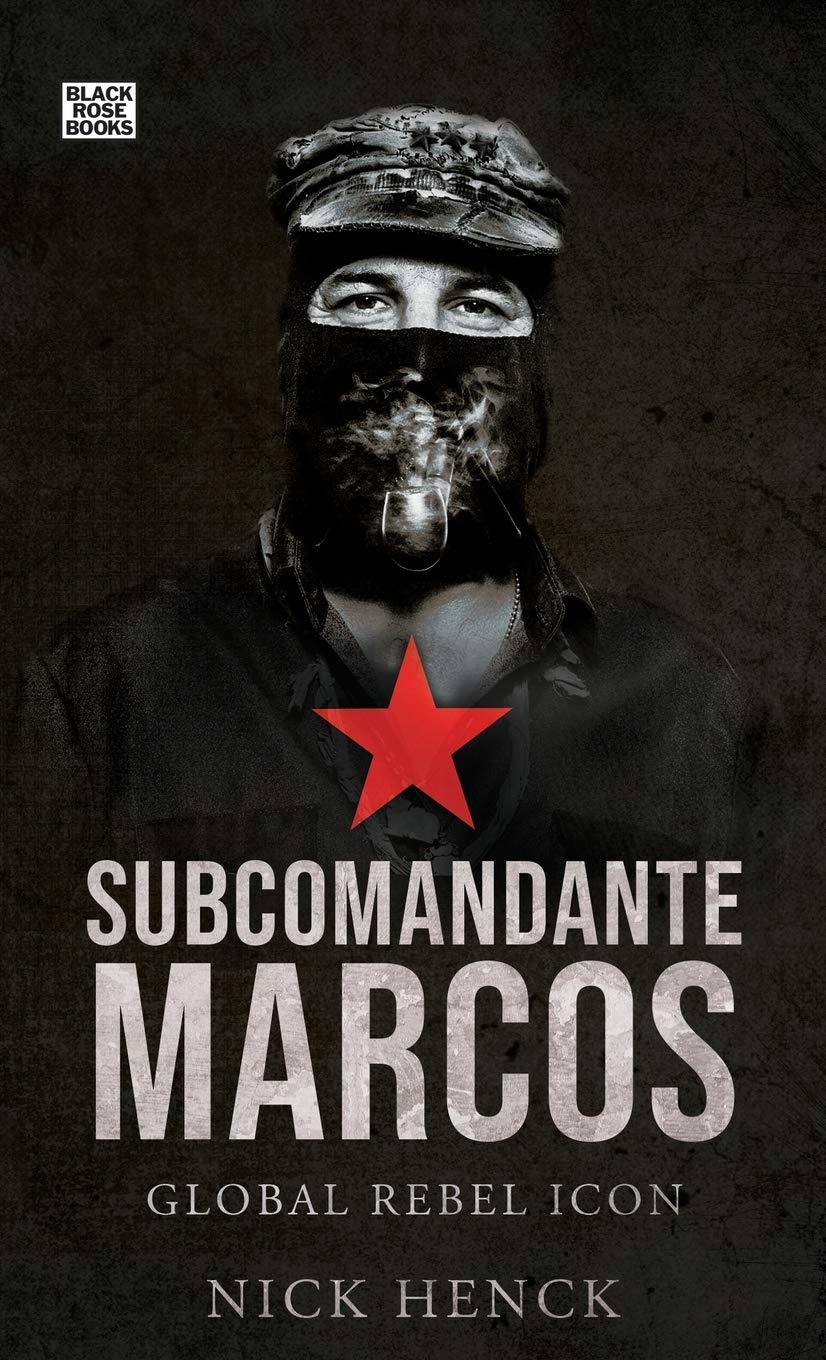
If you want a handy little book of just 100 pages that reads like a long Wikipedia article, this is your book. If you want a discussion of Marcos’ ideas and his role in Mexican political life and in the global left, you will be disappointed.

Nearly 60% of Americans claim that they want a new major political party. With nearly 50% of voters not identifying as either Republican or Democrat, it’s time to get new voices on the national stage. Sign the petition to get more candidates who actually represent you in on the debates!

In their determination and radical nature, contemporary feminisms are initiating radical breaks – in our bodies, on the streets, in bed, and in the household. The slogan of the feminist movement in Argentina sums them up: “We want to change everything!”

Making anti-racism front and center within a strategy of class-based resistance corresponds to the realities of the societies we live in and to the particular features of the present period.
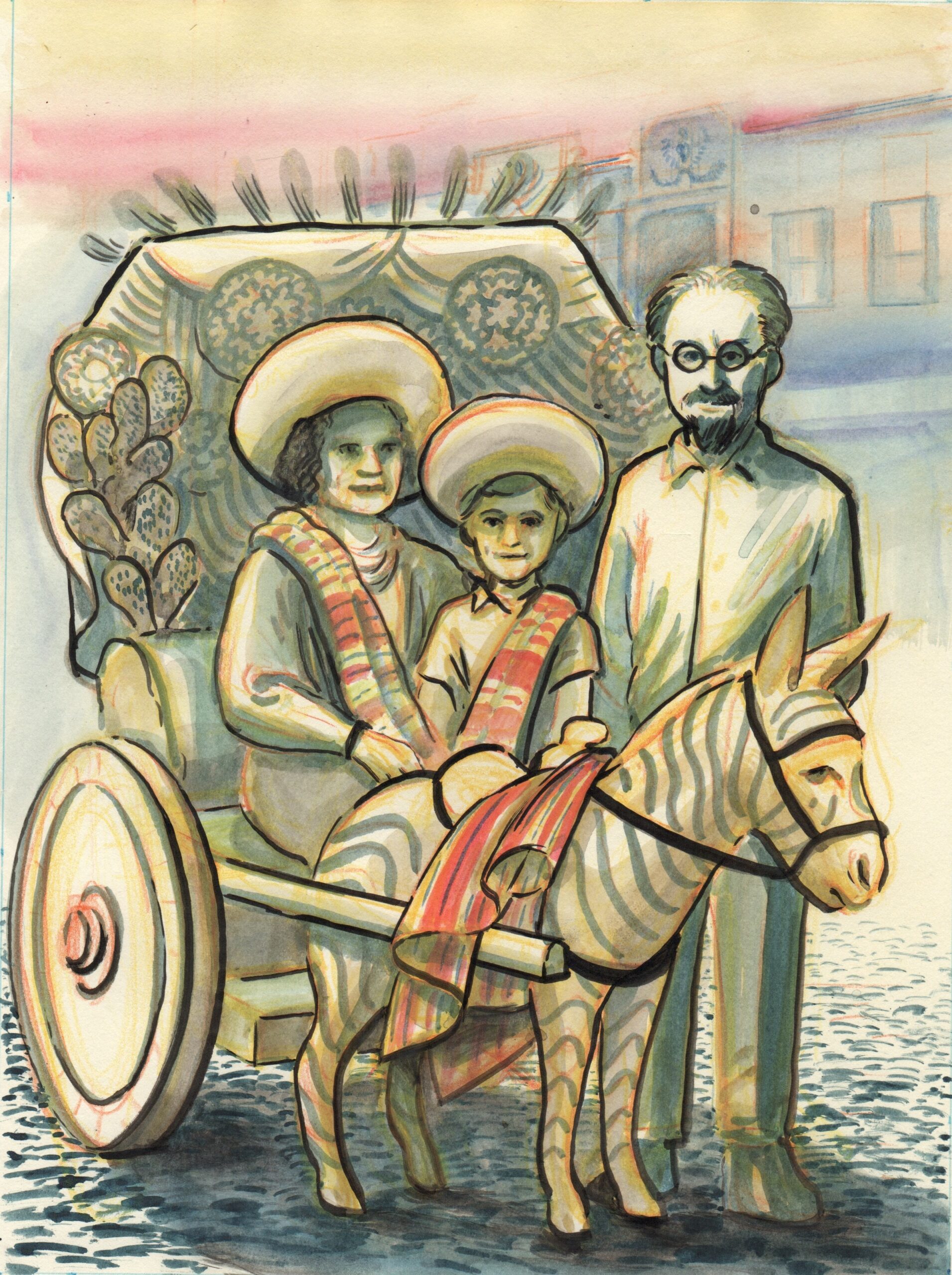
In my counter-historical novel Trotsky in Tijuana, being published on the anniversary of his assassination eighty years ago, I attempt to understand Trotsky the man and the political leader by projecting his life into a future he did not live to see.
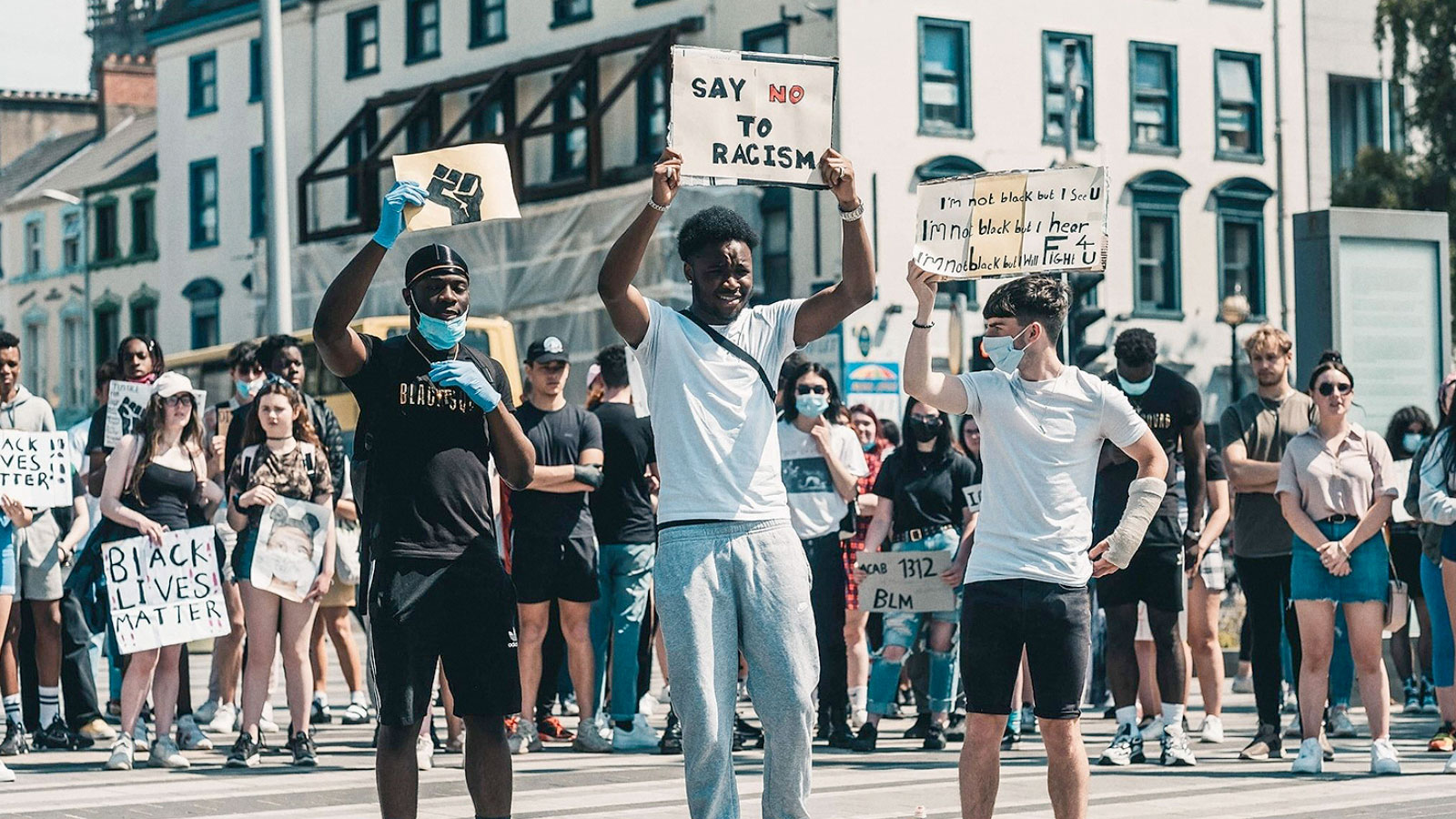
Sherry Wolf interviews Donna Murch, activist and author of “Living for the City: Migration, Education, and the Rise of the Black Panther Party in Oakland,” about the Black Lives Matter uprising and questions of organization, solidarity, and strategy.
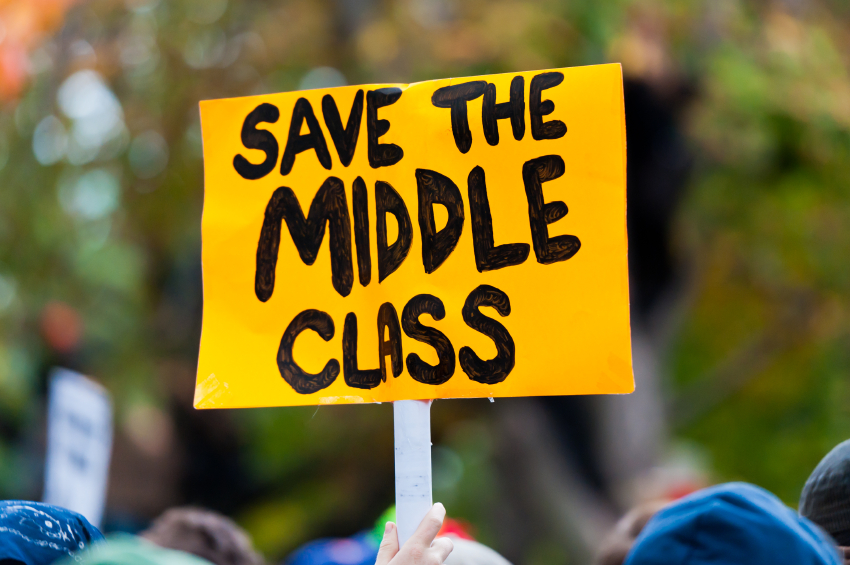
The centering of “saving the middle class” in presidential politics not only left open the possibility of direction of anger and misunderstanding towards the racialized poor, but encouraged it.
- « Newer Posts
- 1
- …
- 15
- 16
- 17
- 18
- 19
- 20
- 21
- …
- 48
- Older Posts »