
Place: Latin America
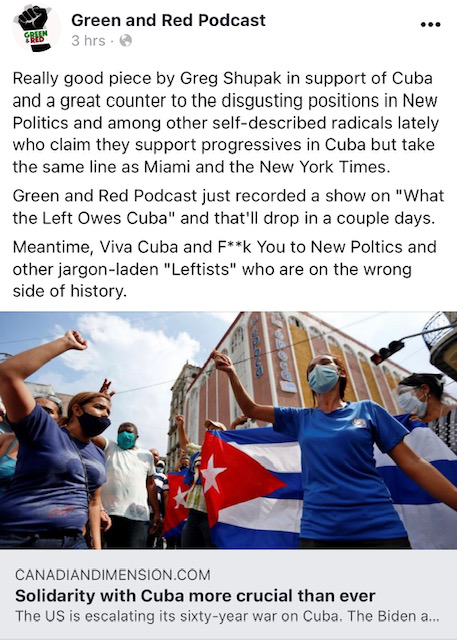
We welcome the opportunity to clarify misrepresentations of New Politics editorial stance about Cuba and US imperialism.
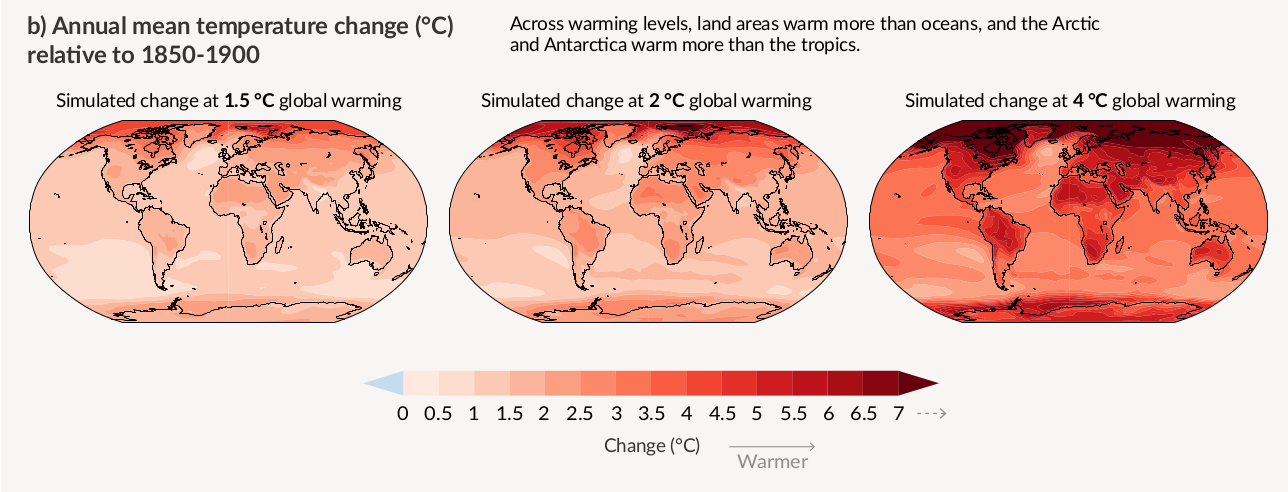
Since publication of its first assessment report in 1990, the IPCC has borne witness to the ever-worsening problem of anthropogenic climate disruption, together with what amounts to humanity’s suicidal failure to address the factors threatening collective destruction.
There’s something contradictory in this position that needs to be pointed out. The parties that DSA has focused on weren’t always mass parties. Often, they began as just the kind of plebeian networks or far left grouplets that DSA eschews as irrelevant.
In my opinion, there are two determining factors that have led to this moment of malaise. On the one hand, the inability of our rulers to channel a successful reform path…On the other hand, there is the ability of citizens to submit this incapacity to public judgment, which is something new.
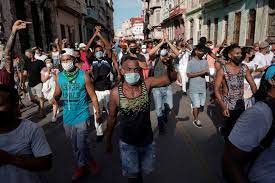
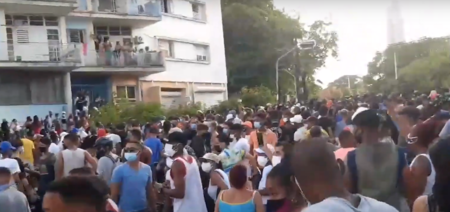
On Sunday 11 July, Cuba experienced a series of social outbreaks that encompassed at least six of the 14 provinces that make up the country. In the 62 years since the triumph of the revolution, Cuba had not faced a situation like this.
The Comunistas blog calls for the release of Frank García Hernández and other leftists detained in Cuba for protesting against the government.

The case of Brazil under Bolsonaro helps to illustrate how authoritarian governments in the Global South see ecological concerns as impediments to capitalist growth.
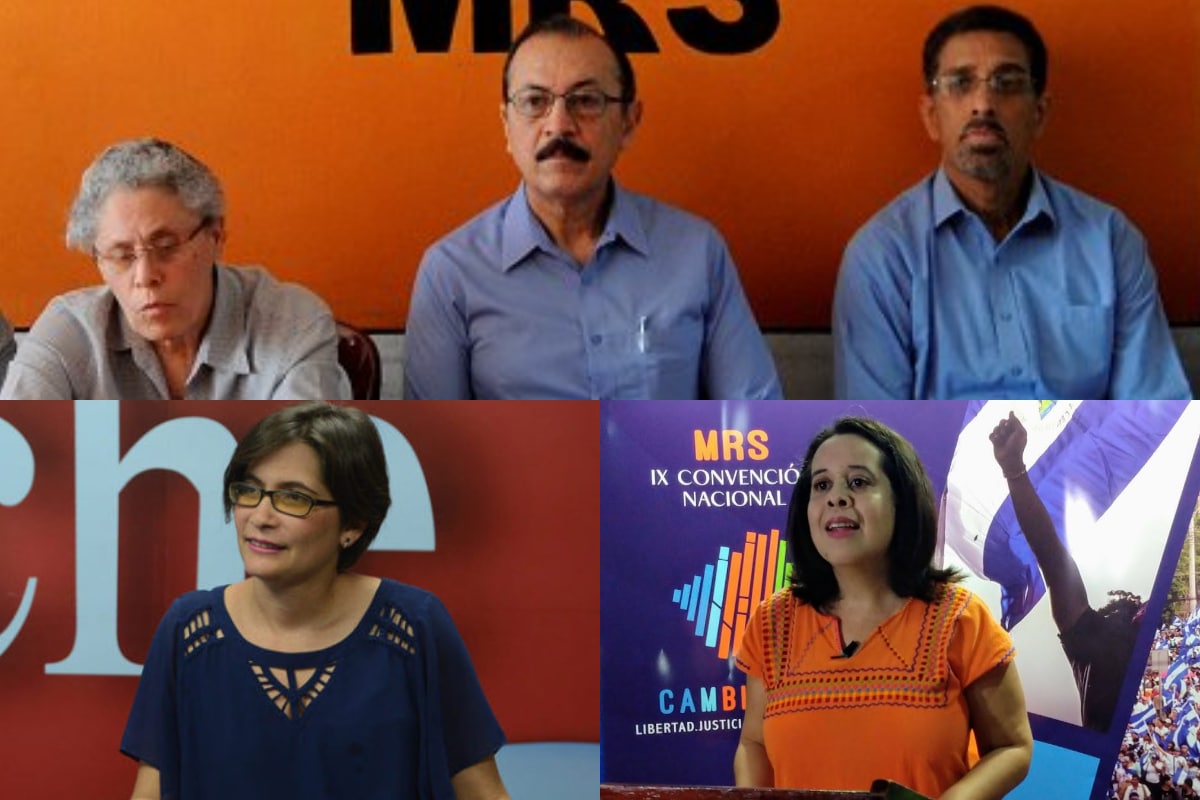
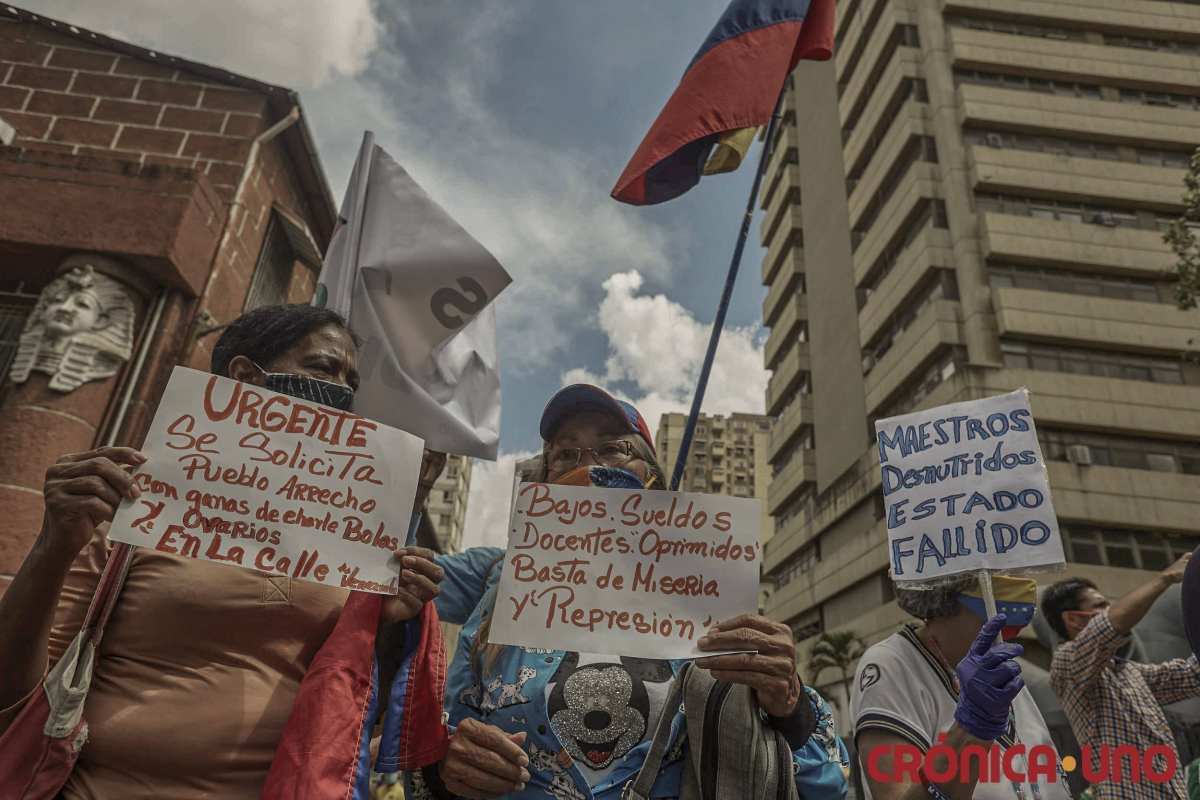
We should reject the argument made by some on the left that we have to support the dictator Ortega and his government because the U.S. is now opposed to it.
Join us for this online event on Sunday, April 25, 2pm ET/1pm CT/12pm MT/11am PT. Sponsored by: New Politics, puntorojo, Rampant, and Tempest.
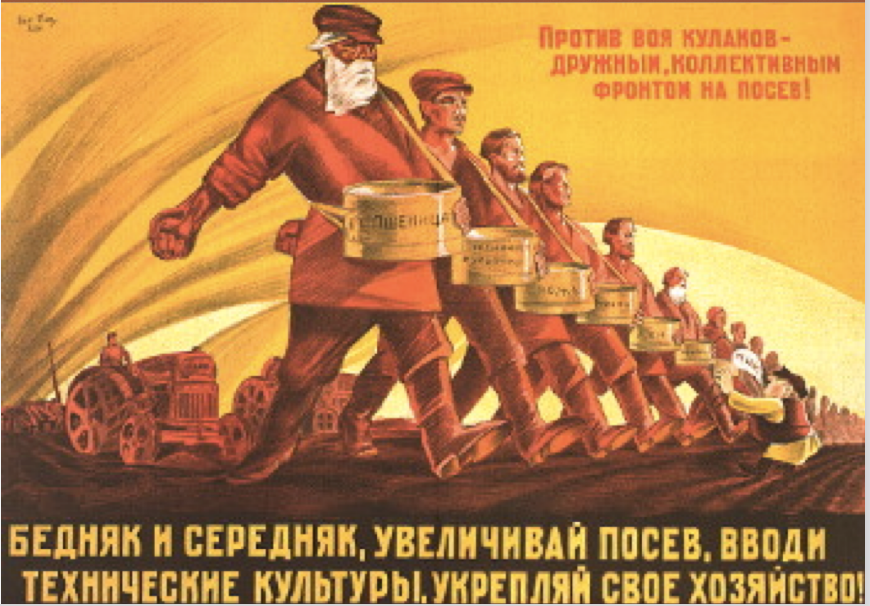
The lesson of the Russian NEP is that economic liberalization does not necessarily signify the democratization of a country, and that it may be accompanied by the elimination of democracy.
Sam Farber contributes to the ongoing debates among Cuban critics, dissidents and oppositionists about U.S. financing of Cuban political groups.
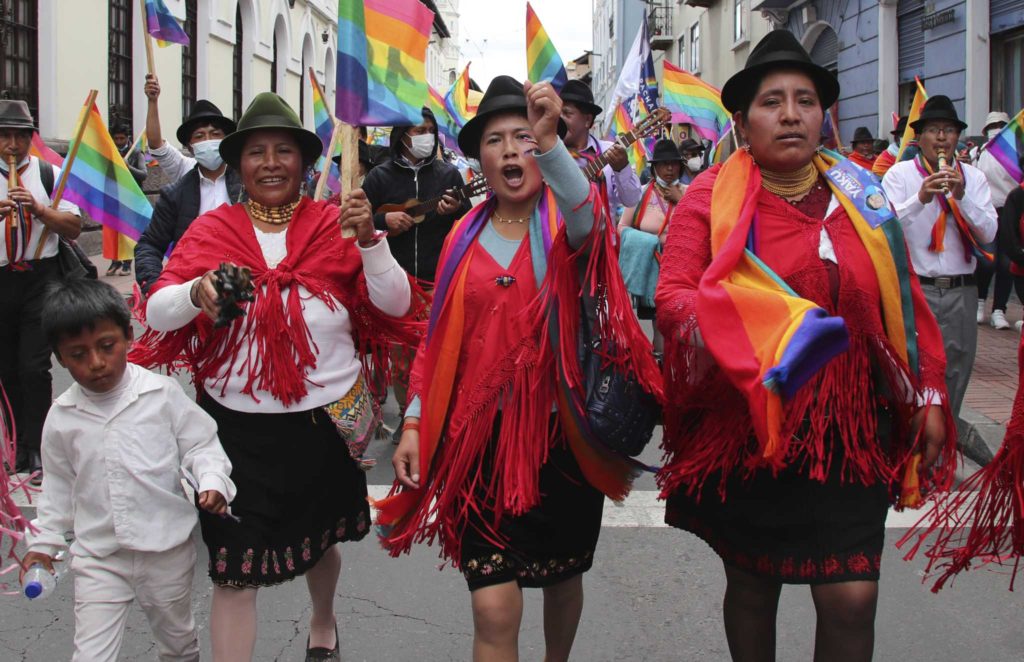
Scholars and activists respond to the spirited attacks by Jacobin and Monthly Review on Yaku Pérez, the indigenous candidate in Ecuador’s presidential election.

Gonzalez examines the development of Latin American political economy and impact of the COVID-19 pandemic.

An examination of the significance of BRICS countries as “sub-imperial” powers in the context of global capitalism and imperialism.

Bolivia has given the world an impressive lesson in democracy, but reactionary sectors of the country are once again revealing their anti-democratic impulse.
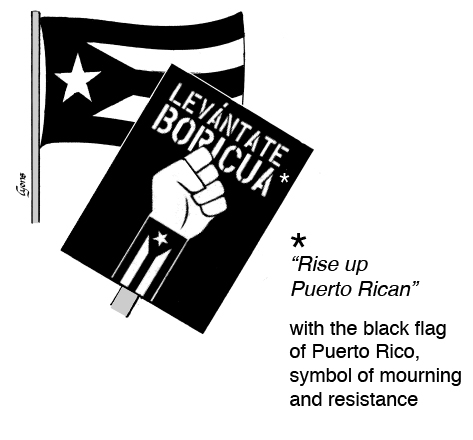
As the eyes of the world were fixated on the outcome of the U.S. presidential election, the U.S. colony of Puerto Rico produced a more satisfying and historic outcome for the left after its local election on Nov. 3, 2020.
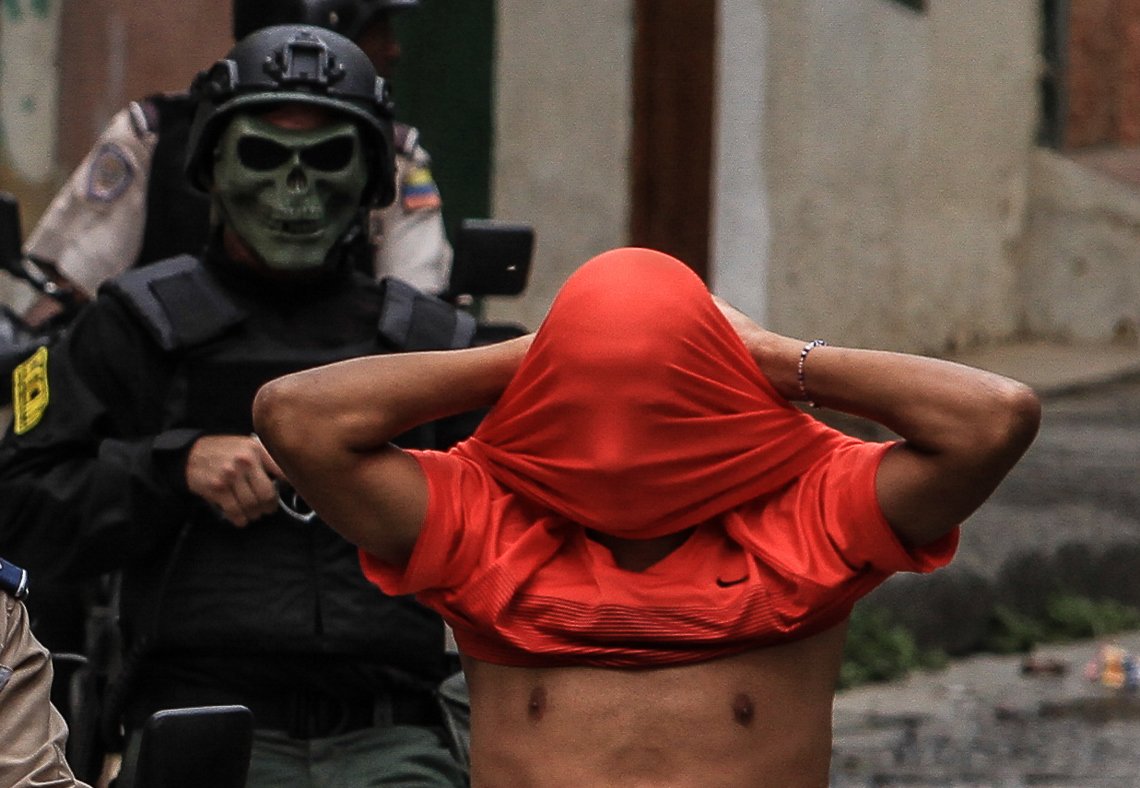
The high abstention indicates that the working majority understood the irrelevance of the election. Voting could not have any impact on the disastrous national situation because the parliament had been de facto deprived of all its functions for several years.
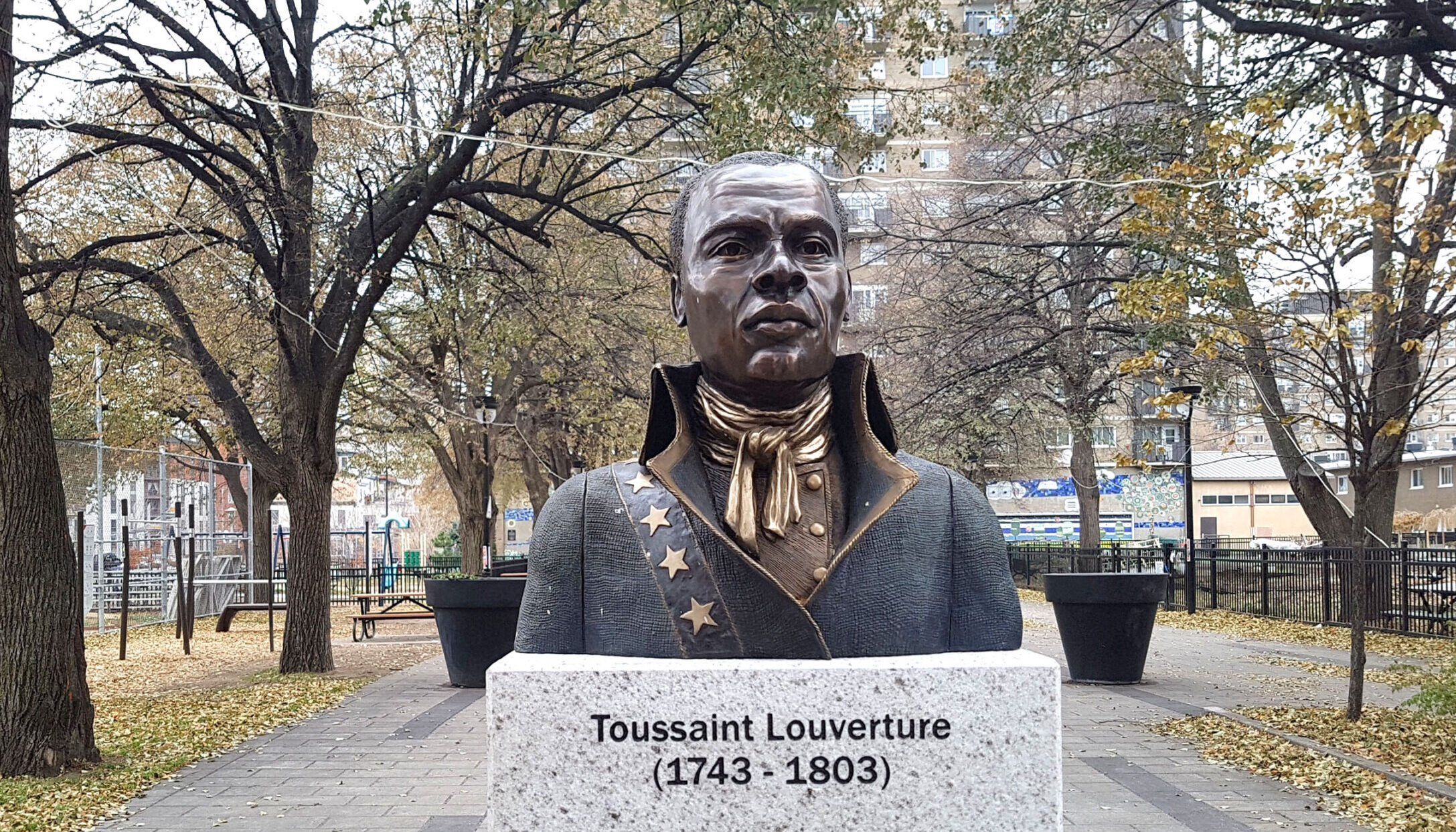
“With this year’s worldwide renewal of the Black Lives Matter protests, readers could hardly ask for a better time to revisit the Haitian Revolution.” Review of Sudhir Hazareesingh, Black Spartacus: The Epic Life of Toussaint Louverture.
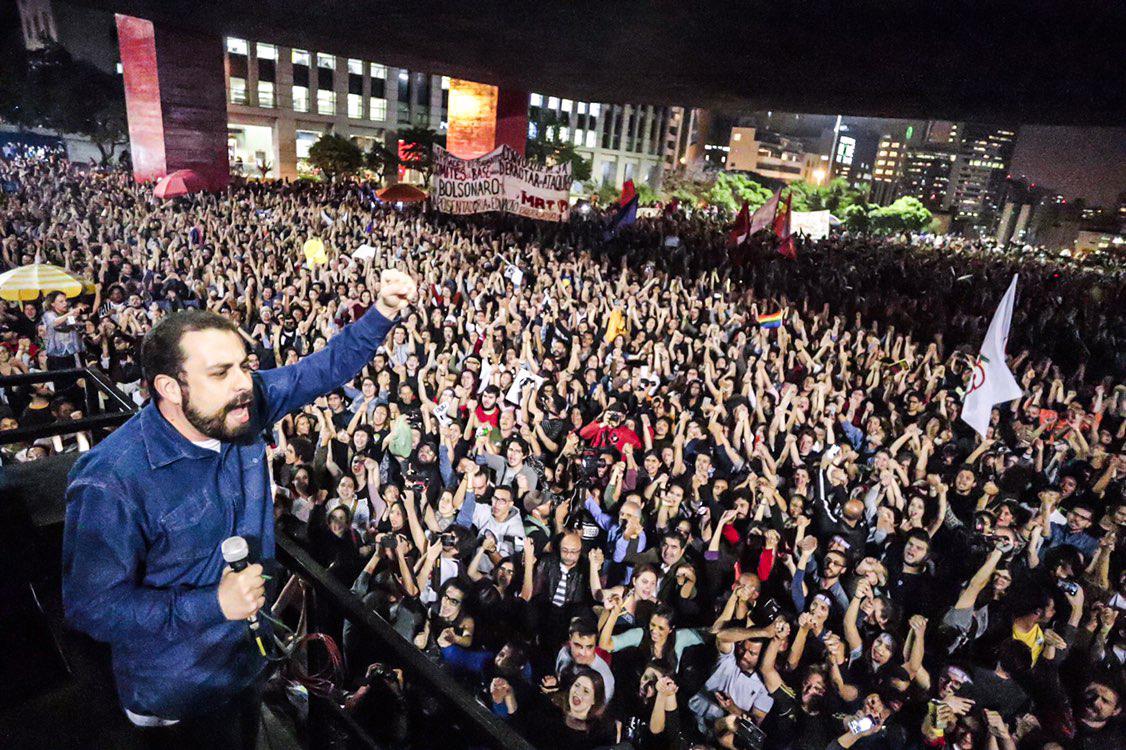
The movement to defeat Brazil’s right-wing authoritarian President Jair Bolsonaro made significant advances in the first round of local elections on Sunday, November 15, 2020.
- « Newer Posts
- 1
- …
- 3
- 4
- 5
- 6
- 7
- 8
- 9
- …
- 21
- Older Posts »