
Place: Latin America
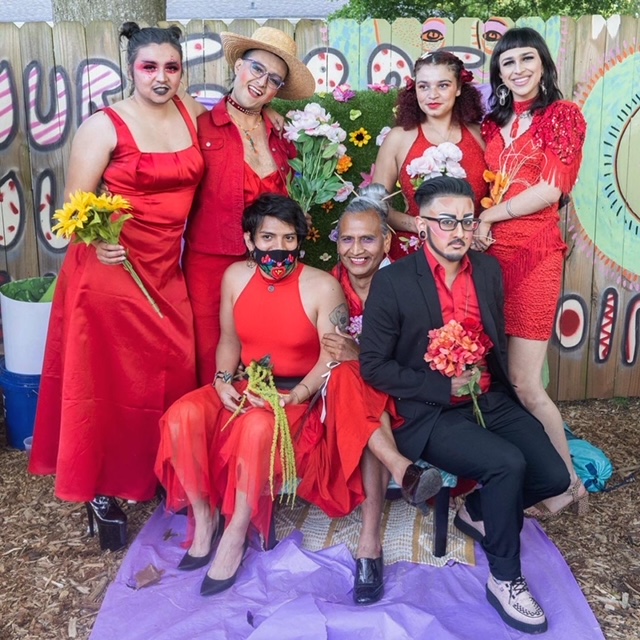
Interview with Abundia Alvarado, a co-founder of Mariposas Rebeldes and a member of the movement to protect Weelaunee Forest from the construction of Cop City.
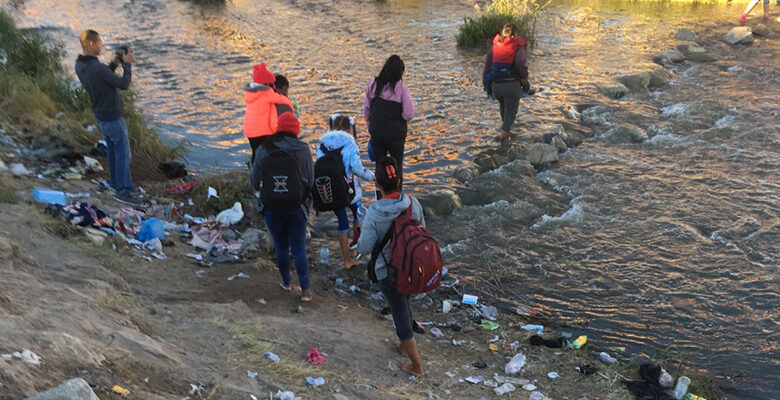
If the scene that unfolded December 11 was part of an “invasion” frequently voiced by the U.S. right, it was a curious one, indeed: no battle between antagonistic armies was fought. Many of the “invaders,” were in fact children.

The government of Pedro Castillo didn’t really change many of the policies that came before, we did not find measures that have endangered those at the top, nor have they benefited those below. In the statements of the simple men and women of the mobilized populations we find a constant: The elite did not let Castillo govern because he was one of them. And they are right.

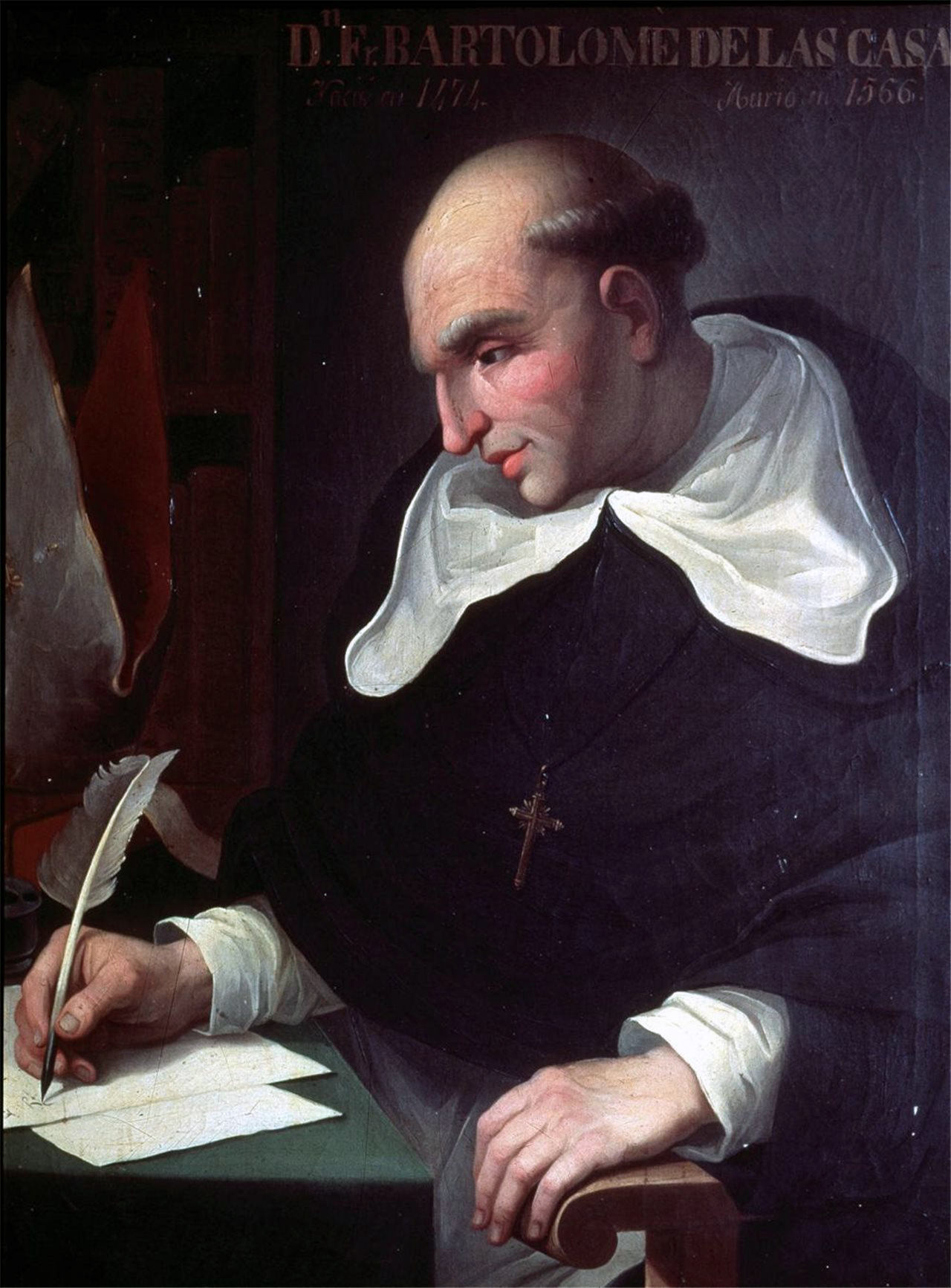
Over 400 years ago, long before Woodrow Wilson or Vladimir Lenin, Bartolomé de Las Casas developed a theory of the right of nations to self-determination that can be applied to many other countries today, including Ukraine.
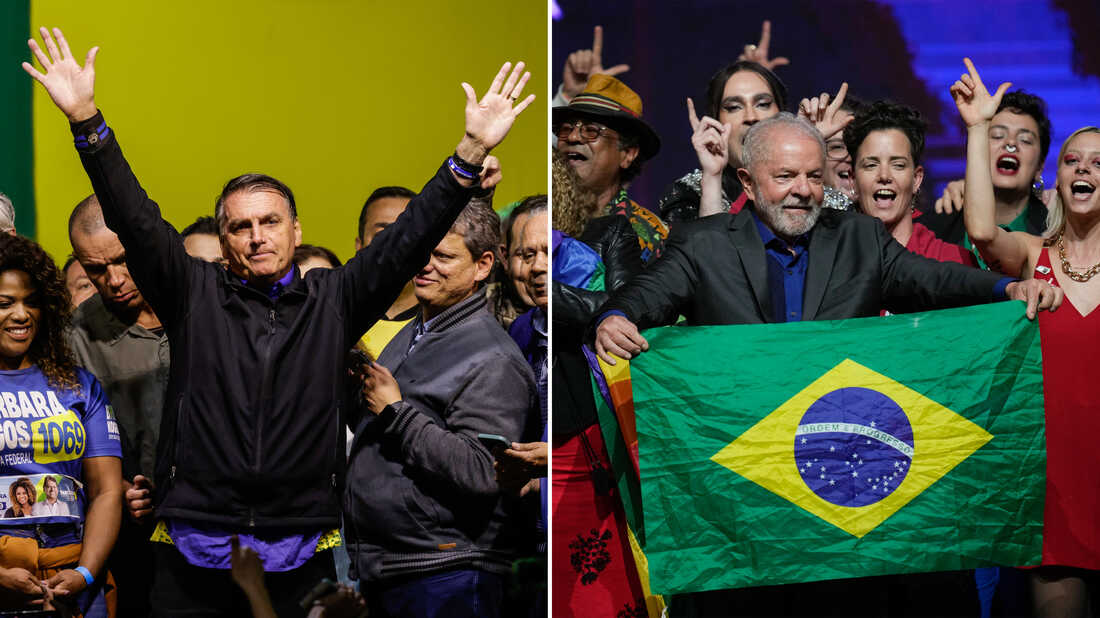
In addition, Lula will be, like Dilma Rousseff, under the permanent threat of a “parliamentary coup.”
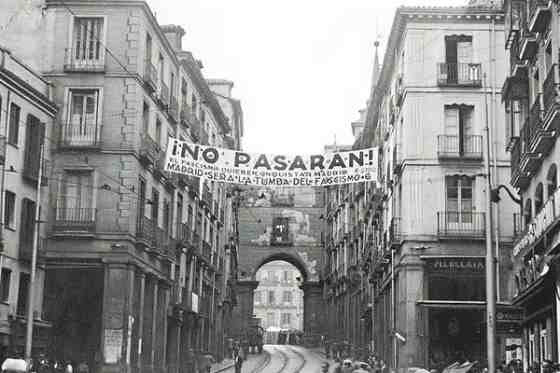
Modi’s India, Putin’s Russia, Bolsonaro’s Brazil, Orban’s Hungary, and soon Giorgia Meloni’s Italy and maybe Trump II’s United States, the picture is far from being exhaustive but it still gives an idea of the seriousness of the threat that now hangs over humanity.
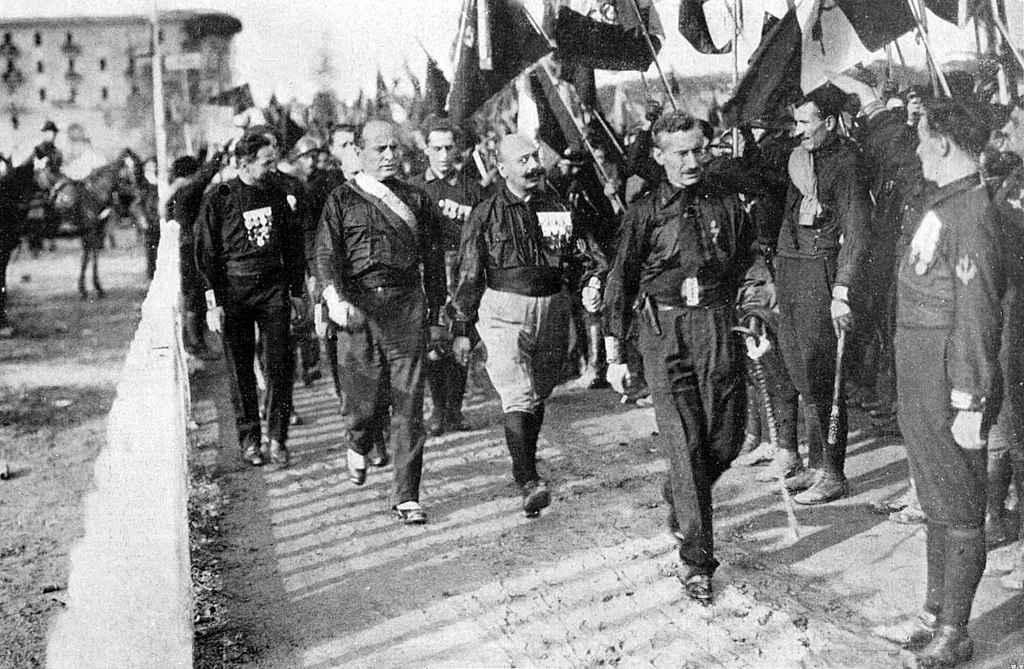
Martin Oppenheimer discusses the corporatist character of historical fascism and the importance of a left alternative vision to counter fascist threats today.
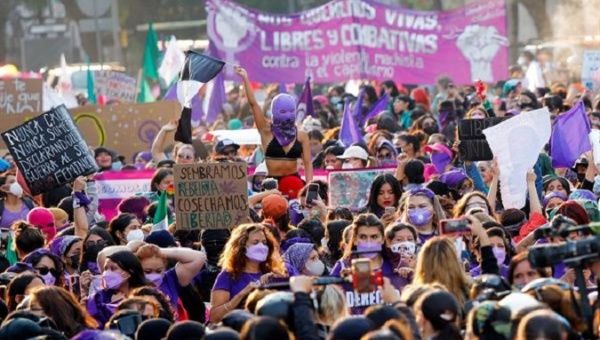
Dawn Marie Paley analyzes the rising feminist movements, state repression, and transphobia in Mexico today.
Davison and Pospieszyńska discuss the struggles for abortion rights in Poland and Argentina, and their lessons for the US feminist movement.

Although the Cuban Revolution of 1959 had enormous popular support, especially in its early years, that support did not express itself in any autonomous initiative and control from below.
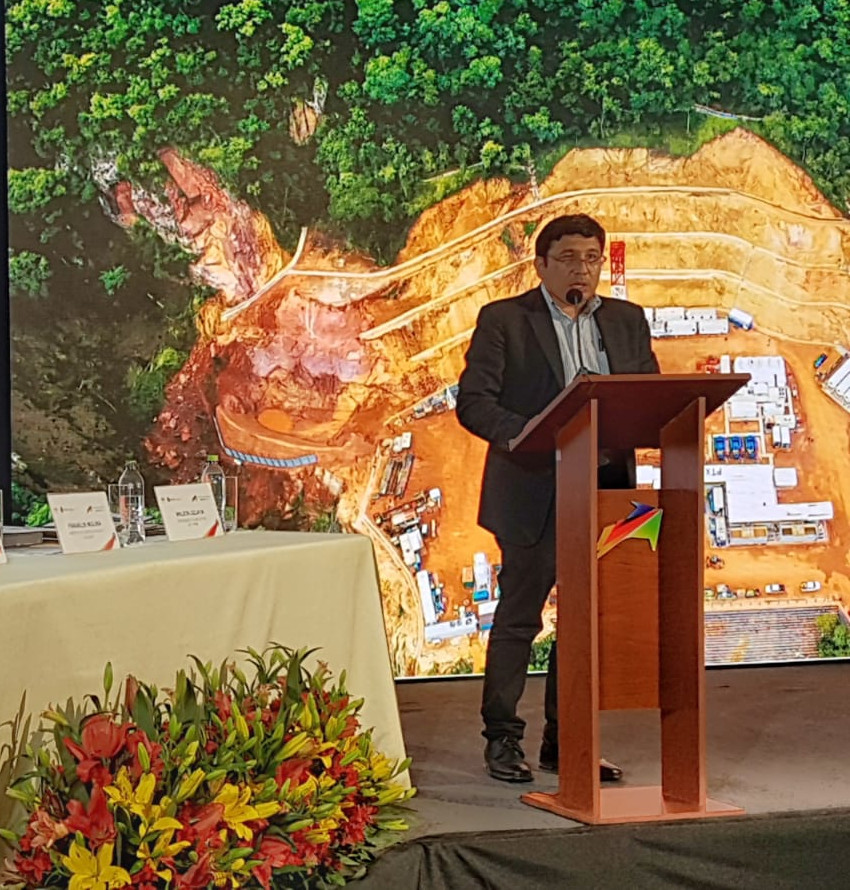
Extractivism is the only economic horizon of the Bolivian state, even as narratives shift depending on who is in power.
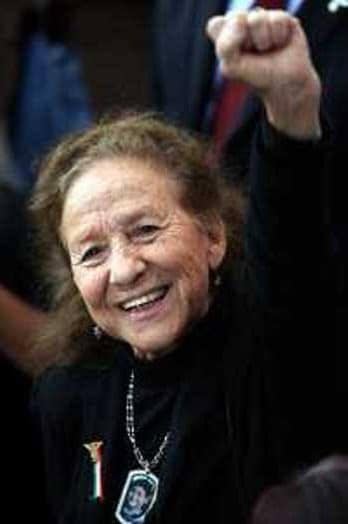
Rosario Ibarra de Piedra, one of the most important figures of the Mexican left, died on April 16, 2022 at her home in Monterrey, Nuevo Leon at the age of 95.
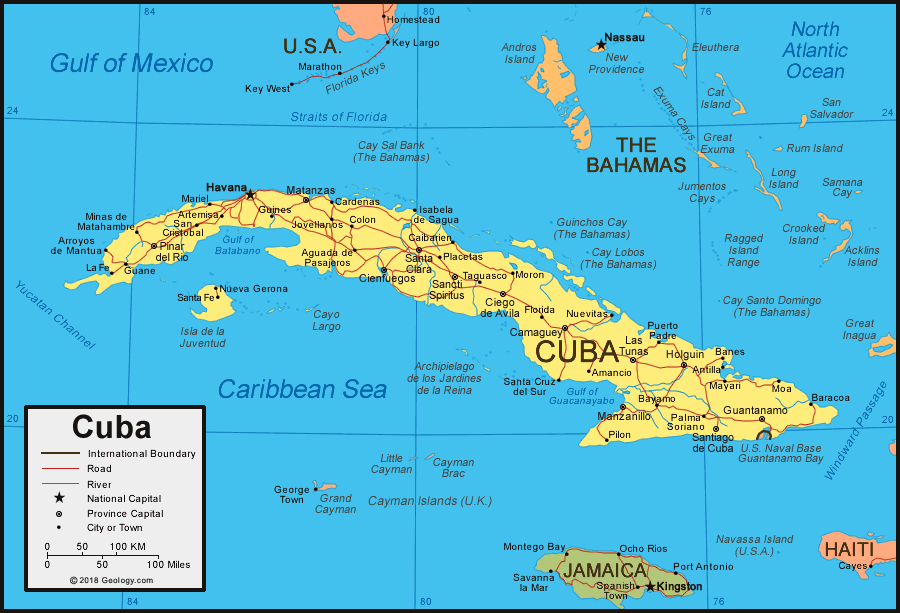
Sam Farber provides a critical perspective on the economic policies of the Cuban government and of some of its critics, and offers an alternative to both.
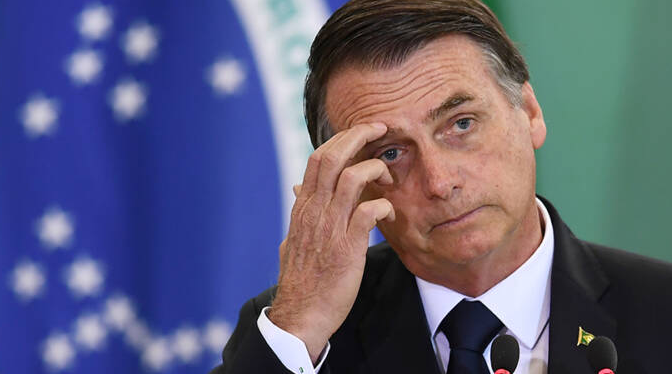
Bolsonaro’s failure to deliver on the economy and his atrocious response to the COVID-19 pandemic may be the main reasons why his approval rating, as of November, sits at 19%.
As the Dominican elite consolidates its power under President Abinader and continues its relentless attacks on the working class, the revolutionary left must unite to organize workers regardless of national origin.
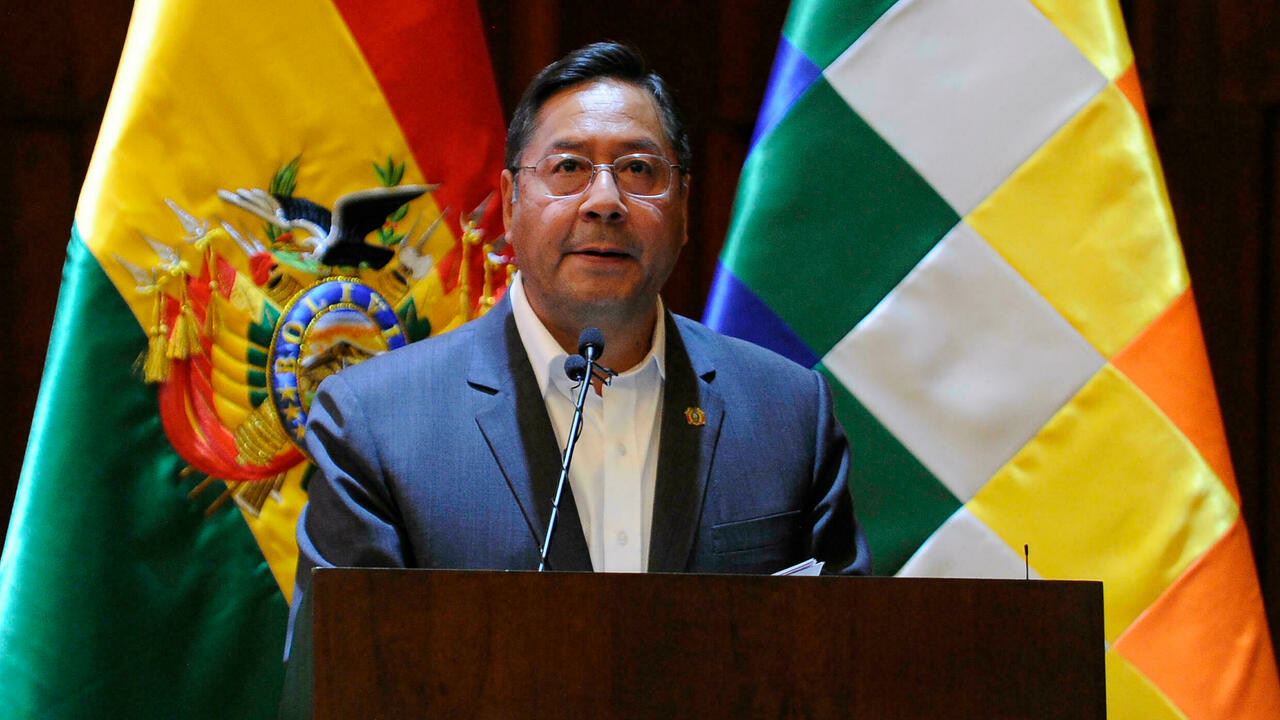
In October and November of 2019, clashes over the validity of presidential elections in Bolivia led to protests and the eventual ouster of the leftist Indigenous president Evo Morales, in what most observers characterized as a coup. In the year
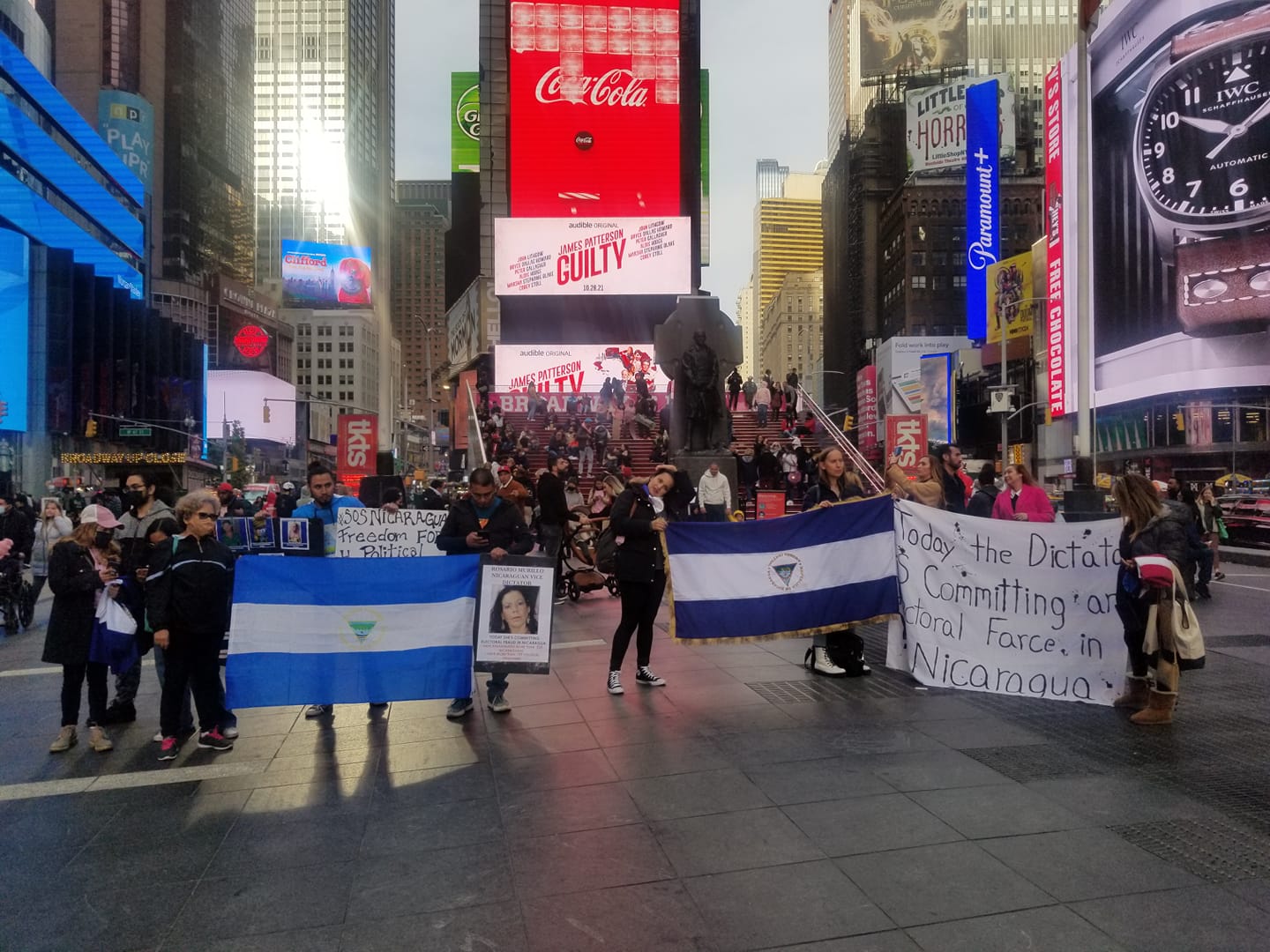
Having arrested and jailed his most significant rivals weeks before the election, President Daniel Ortega was reelected on November 7 to a fourth consecutive term, his fifth altogether.
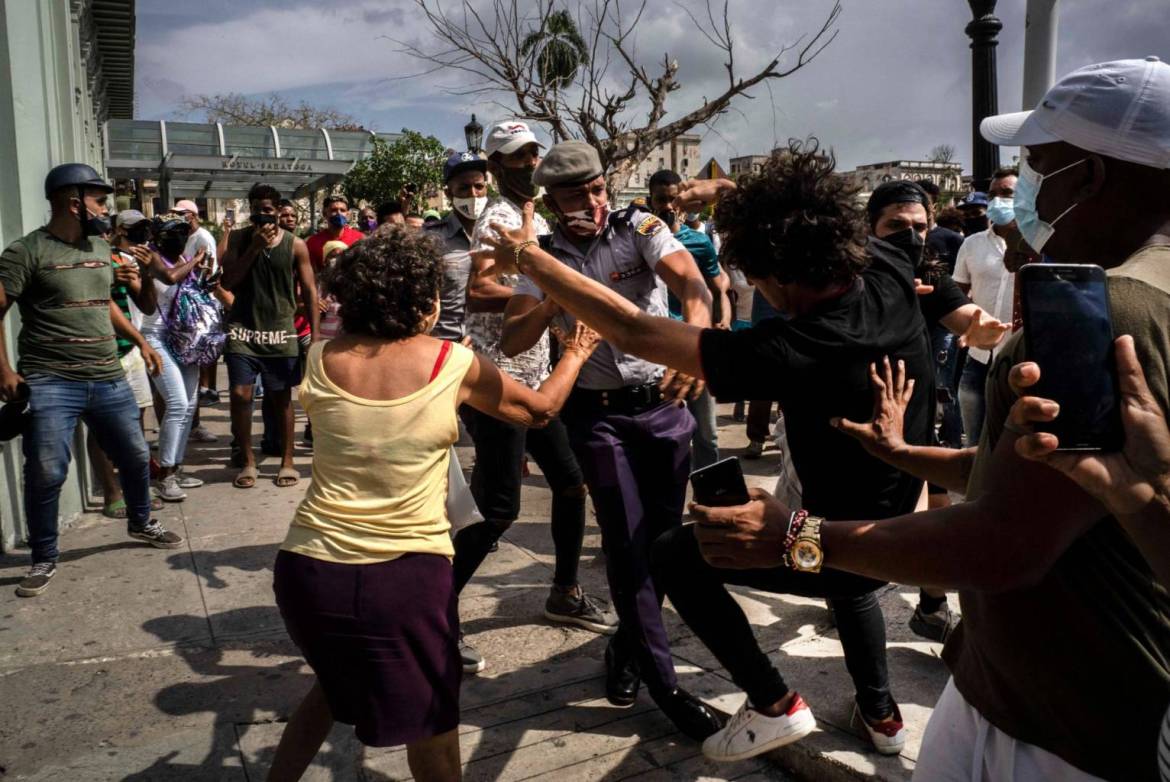
Whatever a genuinely anti-imperialist approach toward Cuba might look like, it cannot be to rally behind a regime that denies Cubans some of their most basic rights.
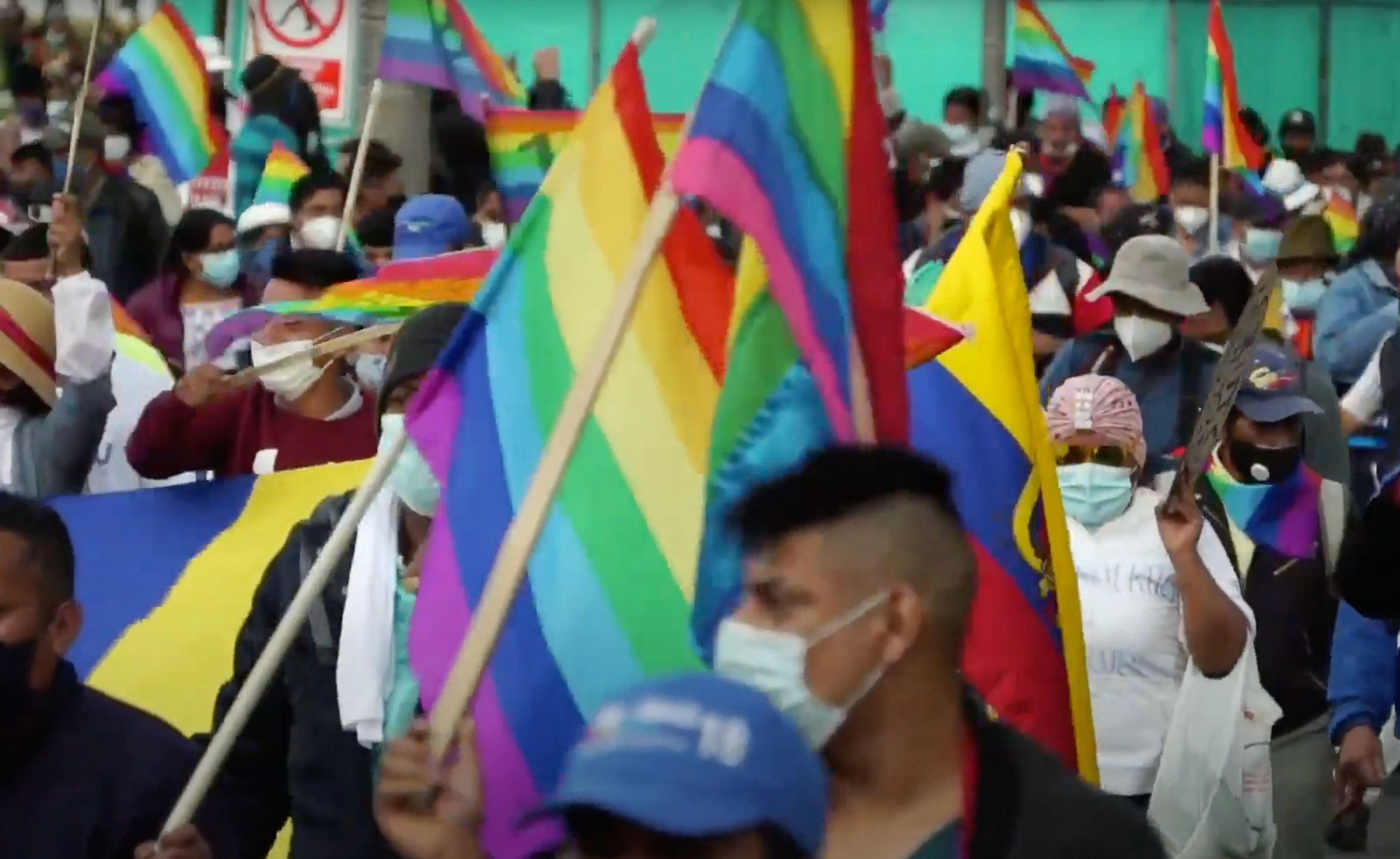
The elections in Ecuador earlier this year continue to inspire international debate among competing left currents over lessons to be learned.
- « Newer Posts
- 1
- 2
- 3
- 4
- 5
- 6
- 7
- 8
- …
- 21
- Older Posts »