Place: Latin America
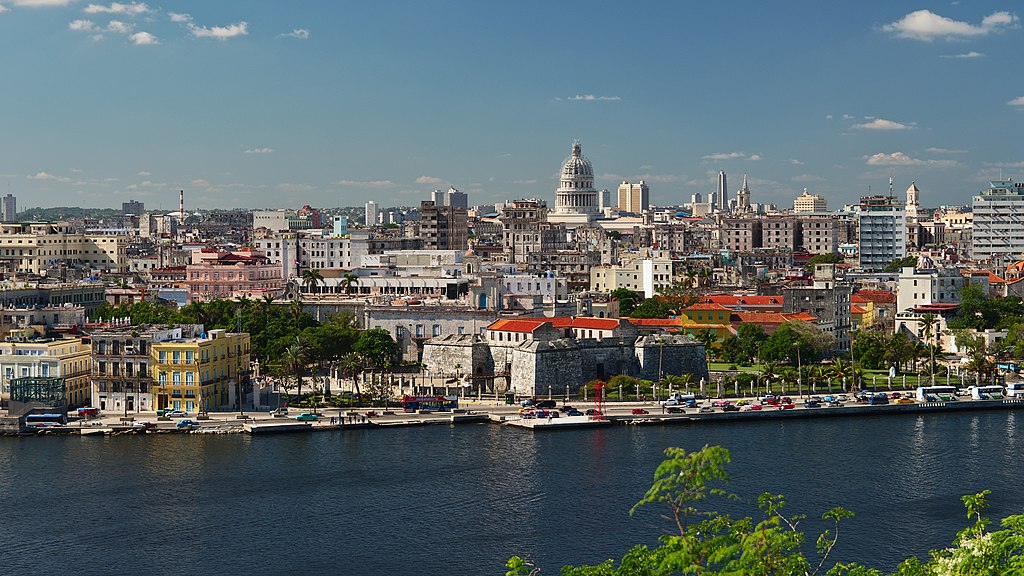
James Buckwalter-Arias introduces the collection of contributions from critical leftists in Cuba.
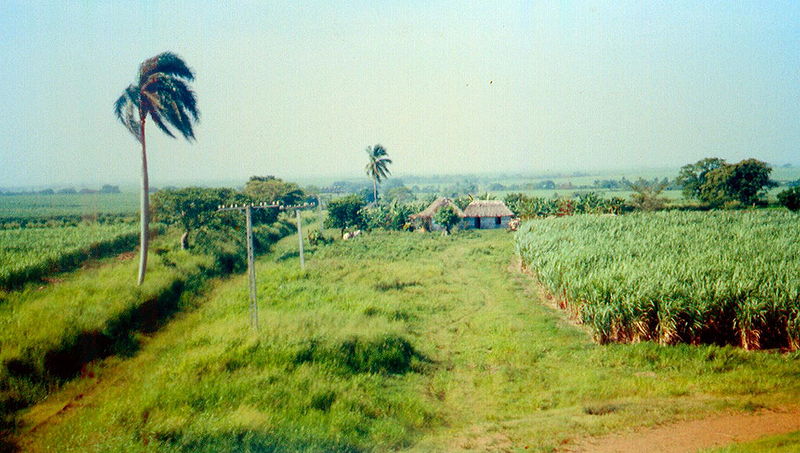
Alexander Hall Lujardo develops the emancipatory anti-capitalist critique of Cuban state socialism.
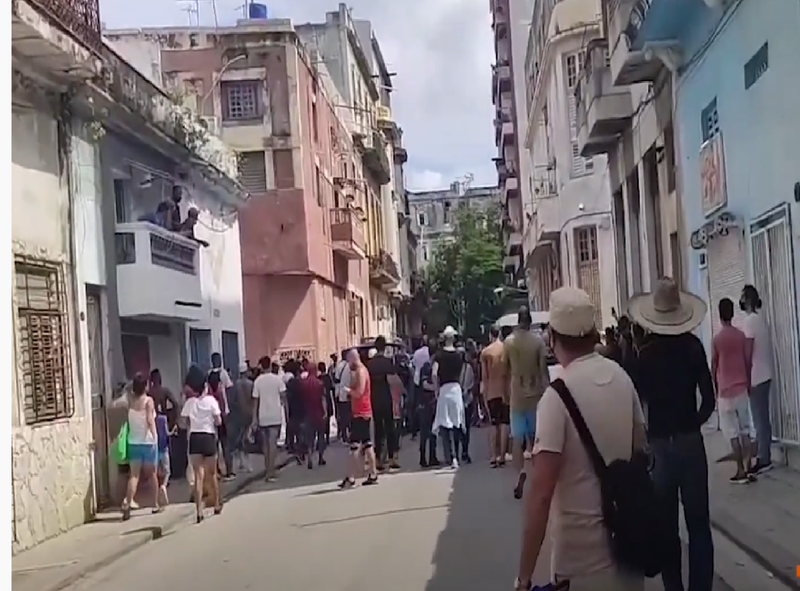
Lisbeth Moya González discusses how the international left can be in solidarity with the critical Cuban left.
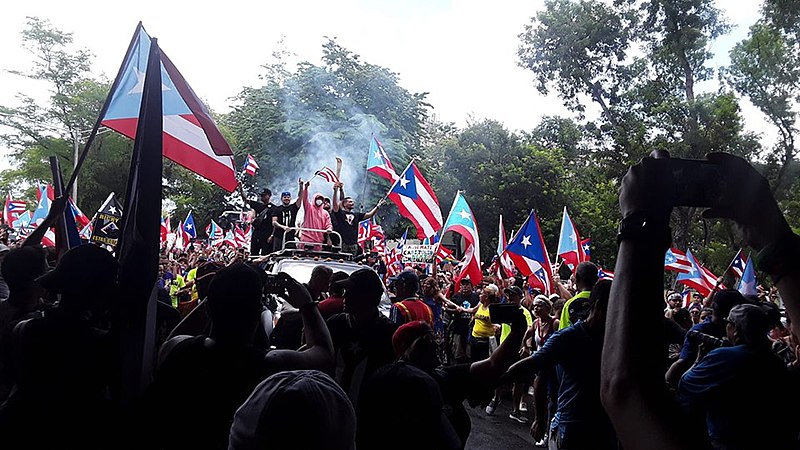
José A. Laguarta Ramírez presents an in-depth discussion of the history of the Puerto Rican radical left.
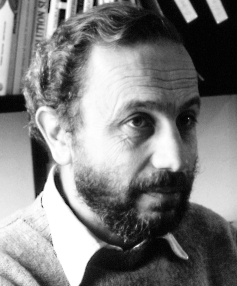
Adolfo Gilly, one of the great Latin American left intellectuals of his time, has died at the age of 94.
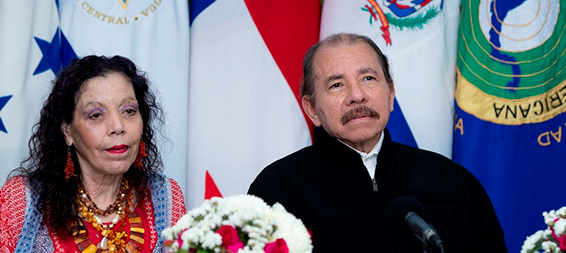
Daniel Ortega and what remains of the Sandinista Front present themselves as left-wing and anti-imperialist, but, far from this proclaimed discourse, they have for many years already abandoned their principles…
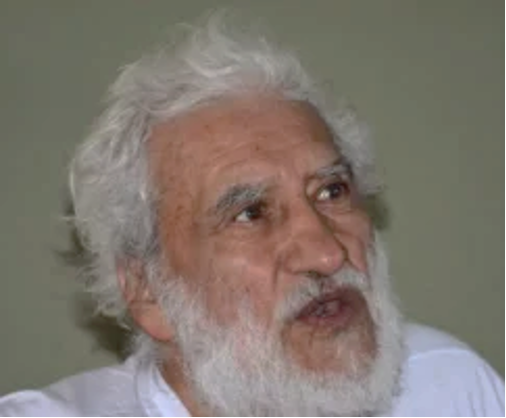
Blanco, the Peruvian revolutionary is dead. I met him once back in 1996. It was an experience of magical realism.

Elections are superimposed on social struggles through a process that obscures and disorganizes them, and that recodifies grassroots demands, altering and distorting their language and content.
US Subsecretary of State Wendy Sherman’s April visit to Santo Domingo served to ratify the strategic character of the Dominican regime’s subordination to the US and to iron out the differences that arose during the year
Residents and migrants in Ciudad Juárez have ramped up protest in the wake of the fire that killed forty men detained by the National Migration Institute.
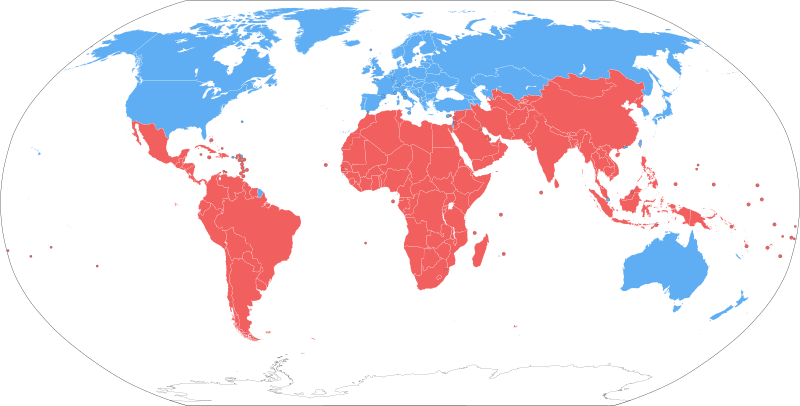
In the month of the first anniversary of Russia’s illegal and brutal full-scale invasion of Ukraine, president Volodymyr Zelensky held a speech at the European Parliament, where he declared Russia to be “the biggest anti-European force of the modern world”[1]. By
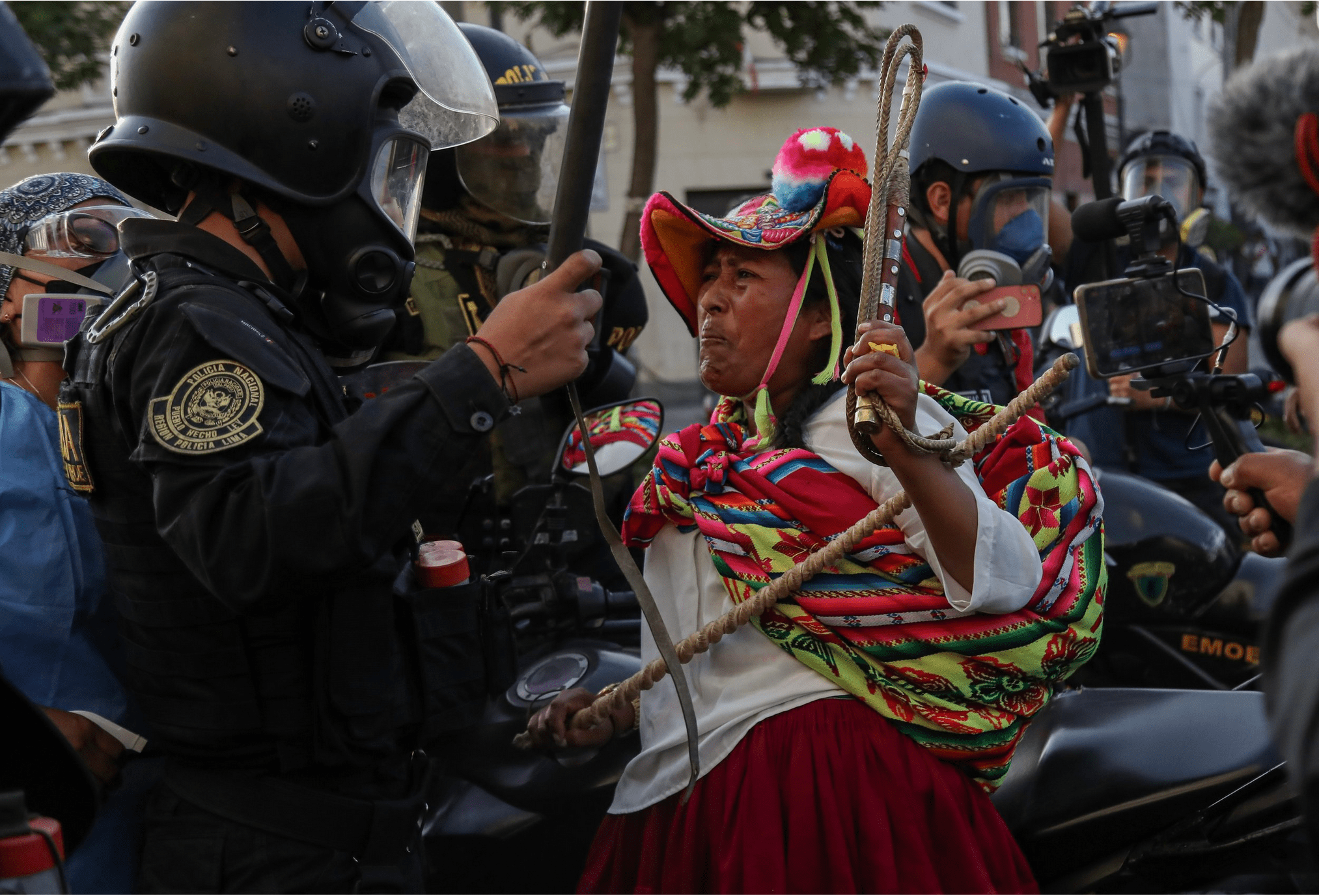
An interview with Mirtha Vásquez, former PM under Pedro Castillo, on the explosion of unrest against the imposition of Dina Boluarte and the legacy of Fujimori.
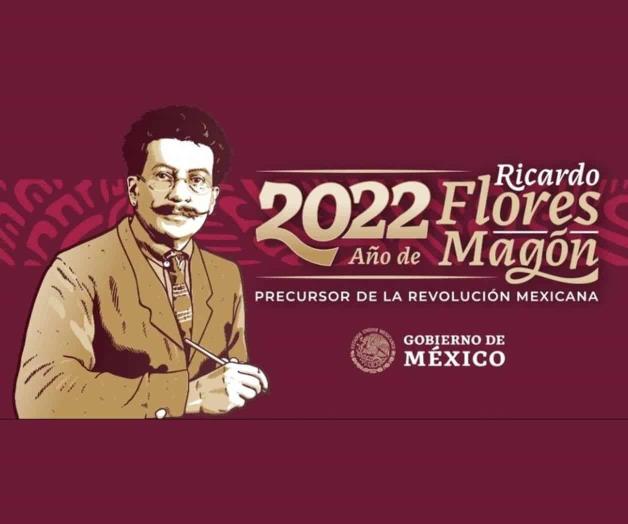
While I admire the political values of these two scholars, I don’t find either of these books satisfying because they like many other authors perpetuate the romantic view of Ricardo Flores Magón.
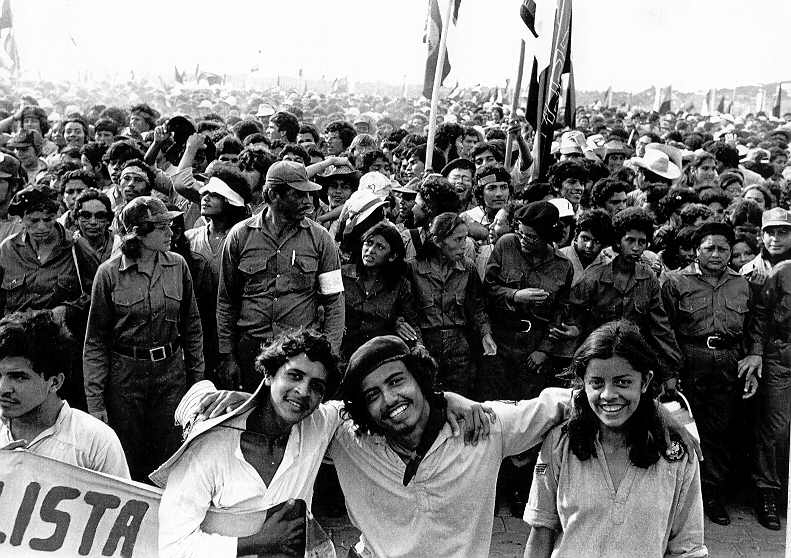
Years ago, the famous Nicaraguan poet Giaconda Belli wrote,
¿Qué sos, Nicaragua
Para dolerme tanto?
What are you, Nicaragua
To hurt me so?
The lines seem particularly poignant and appropriate now.
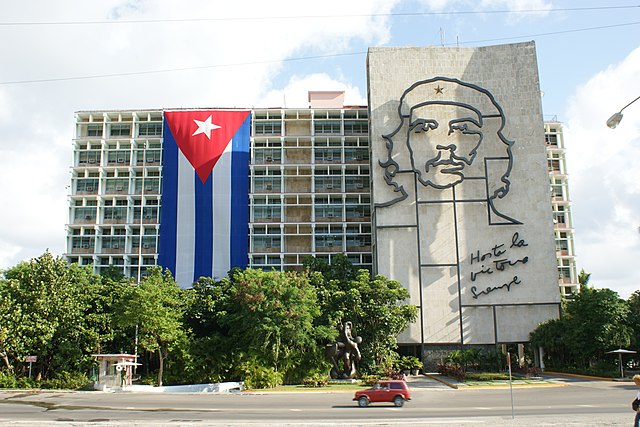
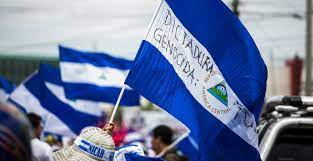
The release of the prisoners now makes it possible for President Biden and Blinken to make a deal with Ortega that would improve his situation—removing the sanctions—while increasing U.S. influence in Nicaragua. Ortega accused the opponents he imprisoned of being traitors working for the United States, but it is he who wants a closer relationship with Washington.
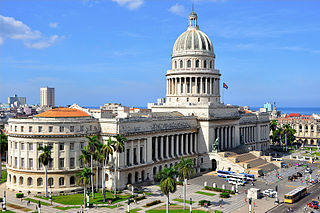
What can we learn from the experience of other countries that can help us think about possible futures for Cuba?

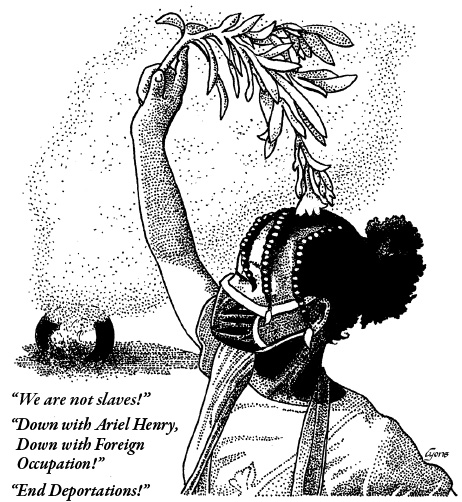
Simón Rodríguez Porras discusses popular mobilizations in Haiti against the current regime, and the history of imperialist interventions in Haiti.
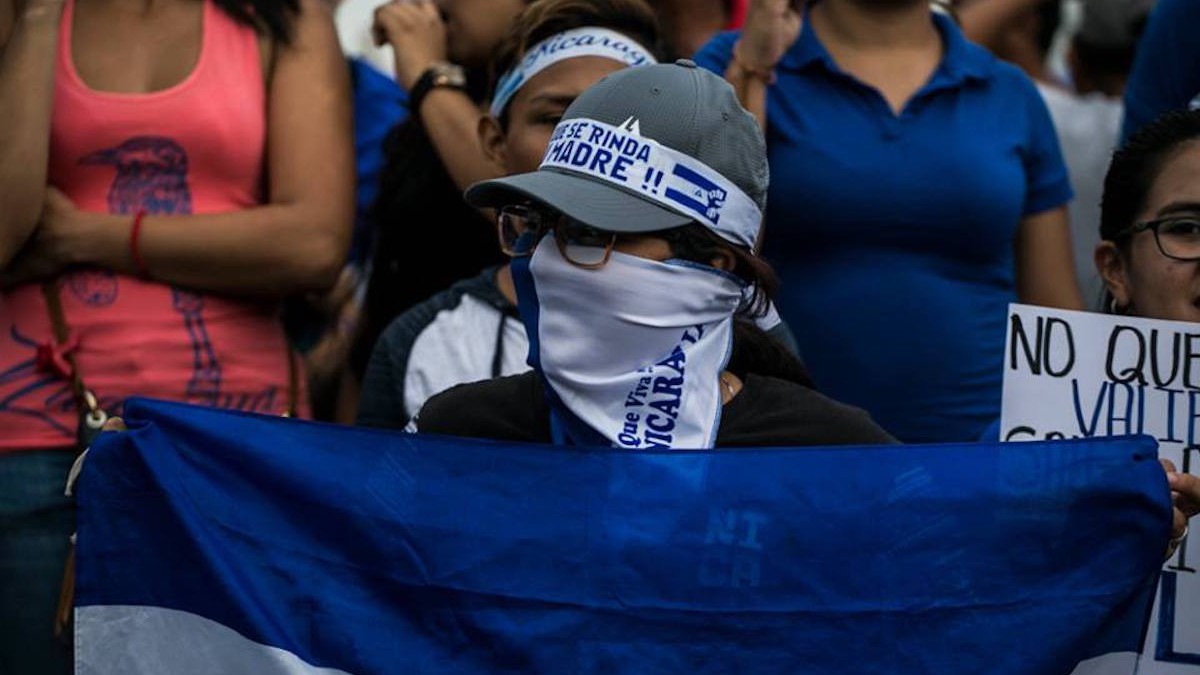
It is ironic that those who most ardently declare their anti-imperialism are the same who believe there’s no subjectivity except U.S. subjectivity: no protest against states they deem anti-imperialist is possible without Washington’s approval, money, or agents spurring it on.
- « Newer Posts
- 1
- 2
- 3
- 4
- 5
- 6
- 7
- …
- 21
- Older Posts »