
Place: Israel/Palestine
Talk of mass ‘joint struggle’ against the Zionist regime in the present circumstances is facile, but it is a mistake to think in a rigid static way.

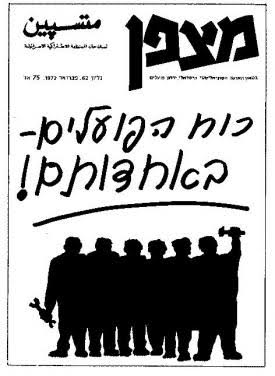
The Israeli working class is a settler-colonial, active collaborator with Israeli capitalism in the continued ethnic cleansing and occupation project of Israeli apartheid.
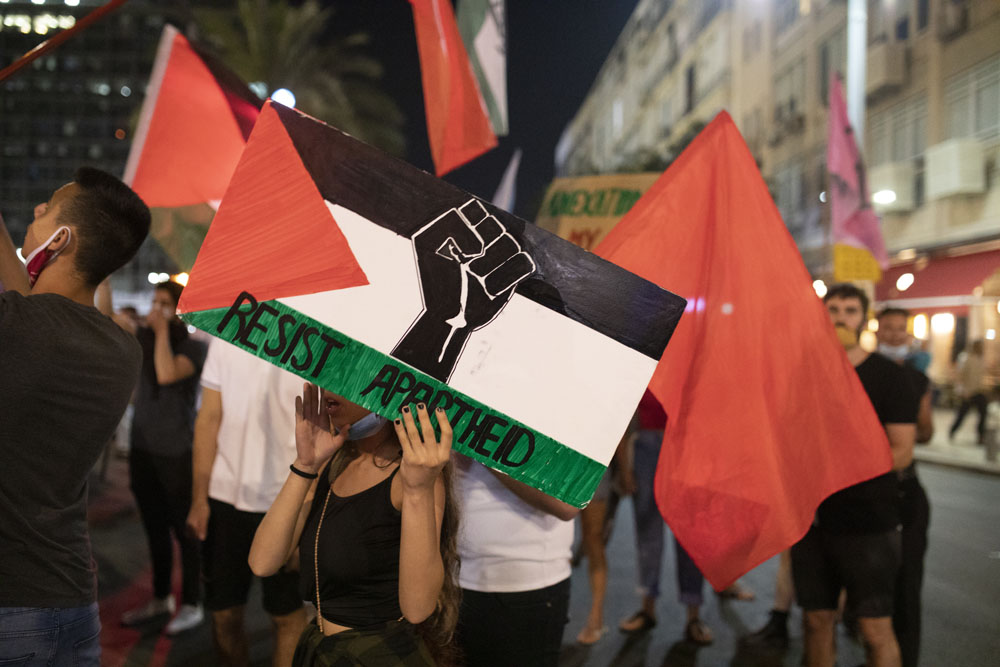
Hal Draper proposed that Jews and Arabs could engage in “joint struggle from below, cemented by common national-revolutionary aims and common social interests.” What Draper contended in 1954 is still true today; the Zionist state has been a disaster for Israel’s Jews.
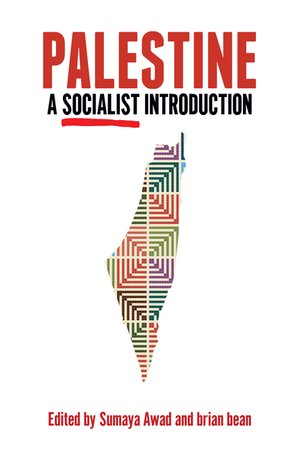
Palestine is one of the most controversial issues among liberals and even among some socialists. In the U.S., politicians and university administrators war against the Boycott Divestment and Sanctions (BDS) movement against Israel, also labeling it as anti-semitic.
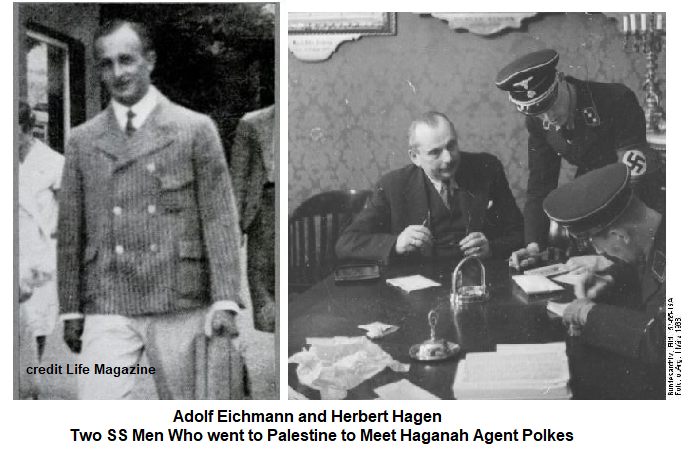
It’s time that the Zionists and the Israeli state (whose military developed from the Haganah) explain in full this incident, something that to all appearances looks like collaboration with German Nazis.
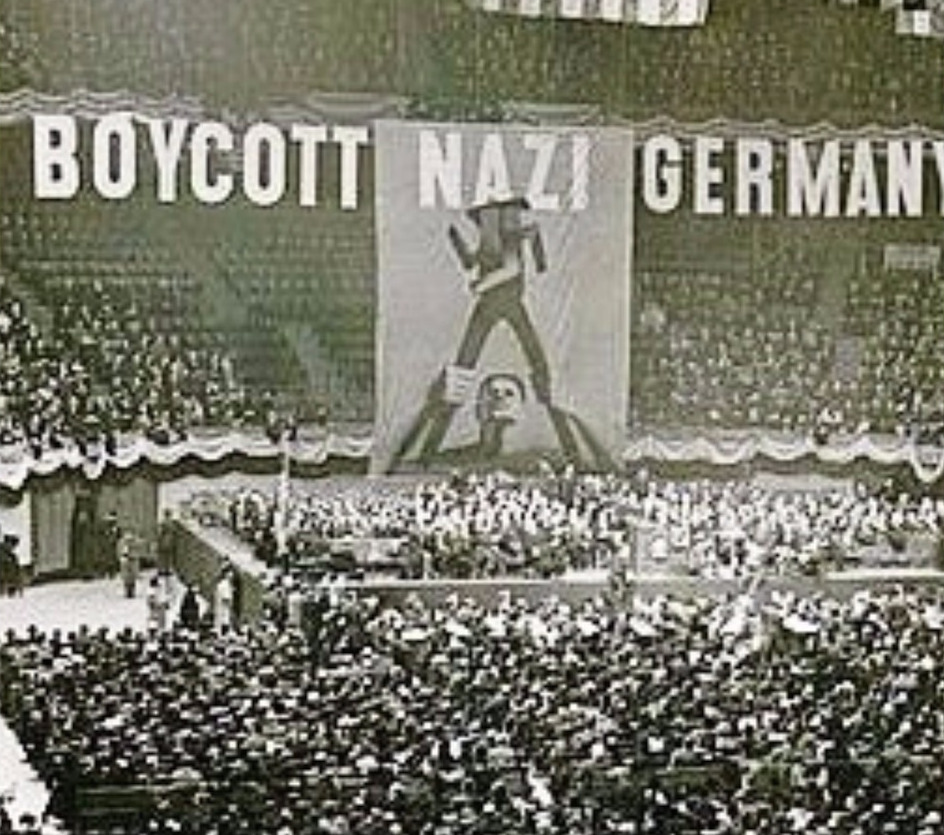
The Jewish establishment has condemned the NYC Democratic Socialists of America (DSA) for asking candidates if they would forgo plans to take trips to Israel as an act of solidarity with Palestinians. Of course it’s a croc. It’s also hypocrisy.
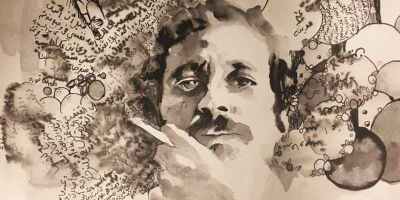
On 1 May 2020, which was International Worker’s Day, 18 Indian migrant workers boarded and hid in a cement mixer which was carrying them from Mumbai to Uttar Pradesh.
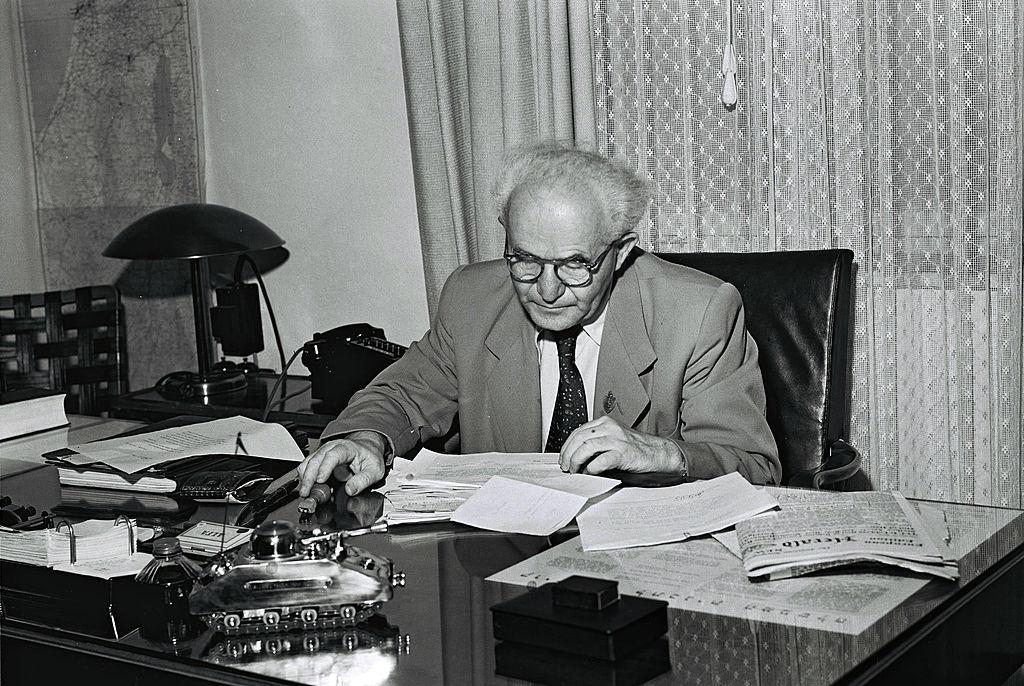
The foundation of Israel is tied up with David Ben-Gurion, its first prime minister. Through examining his life, we see how Israel’s creation was from its beginnings doomed to create an apartheid-like state maintained by an oppressor nation.

Any hope of a far-off, mythical two-state solution is scheduled to vanish on July 1st with the annexation of an unspecified amount of settled Palestinian land. When that happens, the terms that have defined the last 50 years of negotiations in Israel/Palestine will have been officially overturned.

Stanley Heller’s new book may reveal no surprises to a few well-read scholars of the history of the Middle East. Many readers, however, who believe they know modern history will be surprised and disconcerted. To put it simply, Heller contends
Somewhere,
somewhere perhaps
in the desert of Iraq,
or perhaps in Palestine
or the Afghan hills,
amidst the cacophony of shells,
the reek of boiled-off flesh,
somewhere,
a voice awakens,
somewhere perhaps
in the desert of Iraq,
or perhaps in Palestine
or the Afghan hills,
amidst the cacophony of shells,
the reek of boiled-off flesh,
somewhere,
a voice awakens,
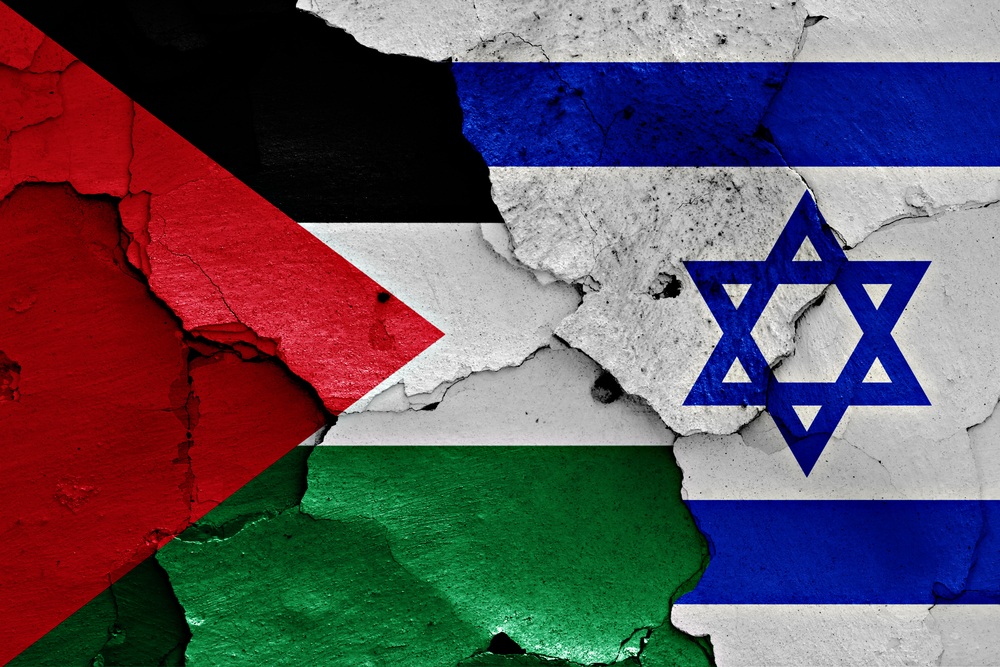
Who could have missed Ayman Odeh’s eloquent op-ed piece in the New York Times, where he rightly asserted that “Arab-Palestinian citizens have chosen to reject Prime Minister Benjamin Netanyahu, his politics of fear and hate, and the inequality and division
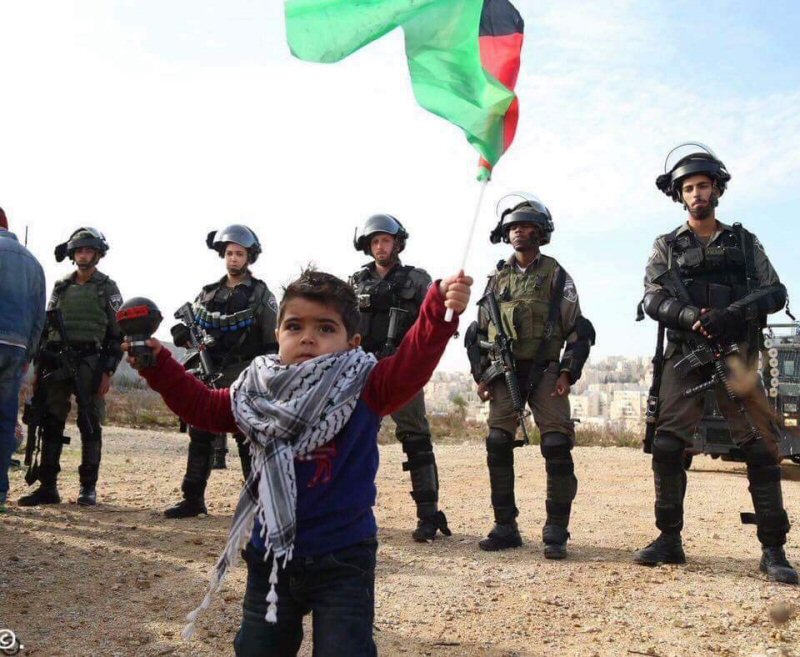
In the face of faltering confidence in the prospects of a two-state solution, Palestinians find themselves once again in a state of limbo, bound by a peace process that has not only failed to award them independence, but has only

Most of the people in Israel are victims of the Netanyahu government. Partnership between them is the only way to fight its various forms of oppression — including the occupation.

Labor Party leader Avi Gabai is right when he says: “The peace process vis-à-vis the Palestinians is interesting only for people over 50.” “Do you think,” he told his supporters, “that people care about a Palestinian state when [President Mahmoud]

The #MeToo movement against sexual assault and rape has animated women throughout the world. In the Middle East too, despite the wars led by authoritarian states, various imperialist powers, and extremist religious fundamentalist forces, a #MeToo movement is rising. How
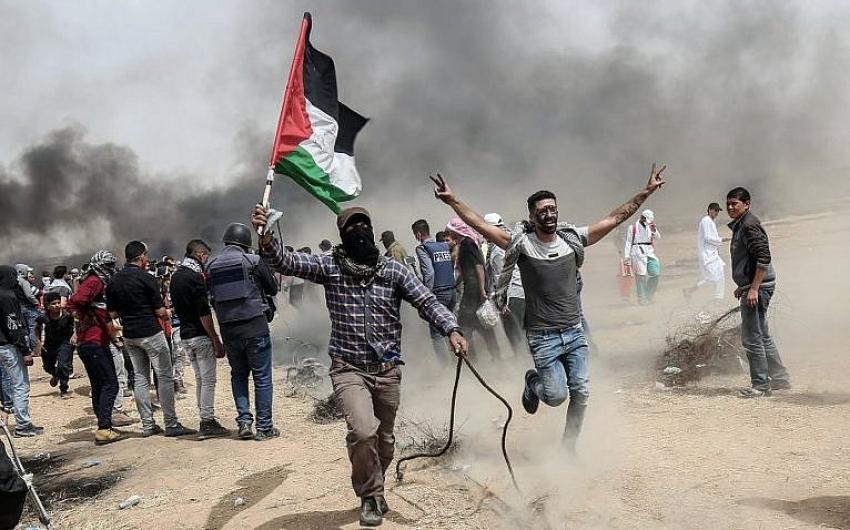
The rise and expansion of right-wing populism and the dramatic unfolding of global politics in the Trump era have had significant and alarming implications for the Palestinian people, leadership, and question overall.
I read New Politics because it provides an in depth socialist perspective on politics available nowhere else, but some of your contributors make bizarre assertions.
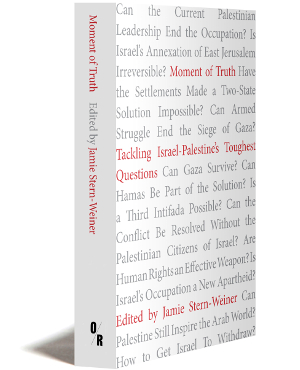 Jamie Stern-Weiner, ed. Moment of Truth: Tackling Israel-Palestine's Tought Questions. OR Books, 2018. 518 pp.
The fact that, after fifty years of Palestinian support efforts, the Israeli occupation is more entrenched than ever should inspire some intellectual humility among those hawking solutions to the conflict, notes Jamie Stern-Weiner in the introduction to his edited collection Moment of Truth: Tackling Israel-Palestine’s Toughest Questions. It is humbling as well to read through the volume, with more than seventy essays and rejoinders by more than fifty different authors, from almost every one of which something new can be learned.
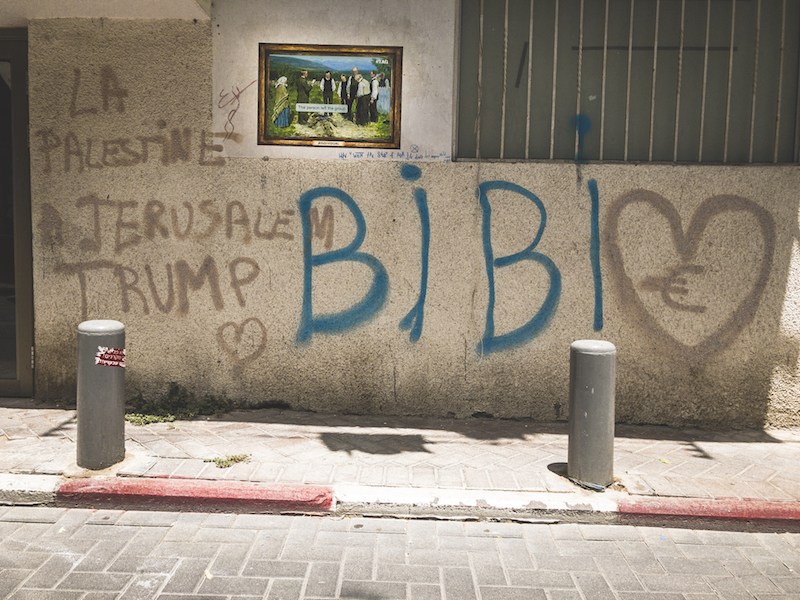
Marine Le Pen’s partner had just left the country. A Jew of Algerian background, Louis Aliot had been dispatched to Israel to raise funds for the Front National (FN).
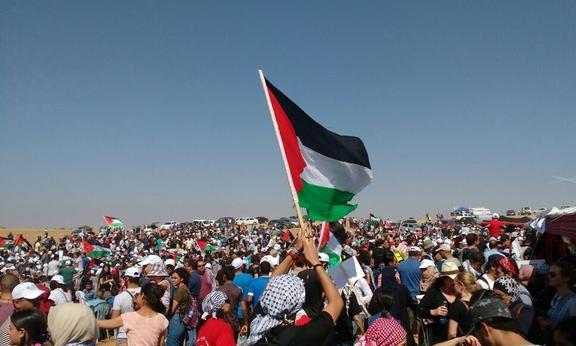
For more than 10 weeks, Palestinians have gathered in protest every Friday at the Israeli-Gaza Strip buffer zone, located in the perimeter of the 1949 armistice lines. Called by organisers the Great March of Return, the mobilisations have demanded an end to the crippling Western state-Israeli economic and political blockade of the Gaza Strip and that families expelled for generations from their homelands be allowed to return.
- « Newer Posts
- 1
- 2
- 3
- 4
- 5
- 6
- 7
- 8
- Older Posts »
Please Donate or Subscribe to New Politics!

The New Politics Summer 2026 issue is now in the hands of subscribers, featuring articles on Democracy versus Degeneration in the United States (with contributions by Dan La Botz, Ellen Schrecker on McCarthyism Then and Now interviewed by Elizabeth Rapaport, Ben Silverman on the fascism debate, Samuel Farber on free speech, Samuel Barney on rural prisons, and Raoul Cansino and Bill Kelly on nativism), Imperialism Around the World (with articles by Lisbeth Moya González on Cuba, Husam Mahjoub on Sudan, Siyavash Shahabi and imperialism and the working class, and Matt Benson on the Mapuche in Chile), interviews on labor struggles and Russian political prisoners, a history of the International Socialists, review essays by Frieda Afary on AI, Javier Sethness on Western Marxism, and Peter Drucker on Molly Crabapple, as well as reviews on Ukraine, the Teamsters for a Democratic Union, white rage, South Asia, and Afghanistan, plus a letter on women under the Taliban.