
Category: Left Politics
Critical developments around the globe compel the creation of a new type of transnational socialist and anti-authoritarian solidarity network.

Cuba has not been at the center of world attention for a long time, particularly after the collapse of the Soviet bloc considerably diminished the island’s importance to US imperialism. For the international left, political developments in other Latin American

Jeremy Corbyn and the UK Labour Party leadership have dragged their feet on taking a clear oppositional stance on Brexit. While the Party has shifted slowly towards a position of, perhaps, supporting a People’s Vote, its entire approach since the 2016 referendum result has been one of feet dragging and equivocation.

The words jumped from the screen like the familiar opines of old love letters.
‘Single-payer healthcare’, ‘break up the banks’, ‘fifteen dollar minimum wage’, ‘tuition free college’.
I had been surreptitiously scrolling through the news on a short break from my daily
‘Single-payer healthcare’, ‘break up the banks’, ‘fifteen dollar minimum wage’, ‘tuition free college’.
I had been surreptitiously scrolling through the news on a short break from my daily
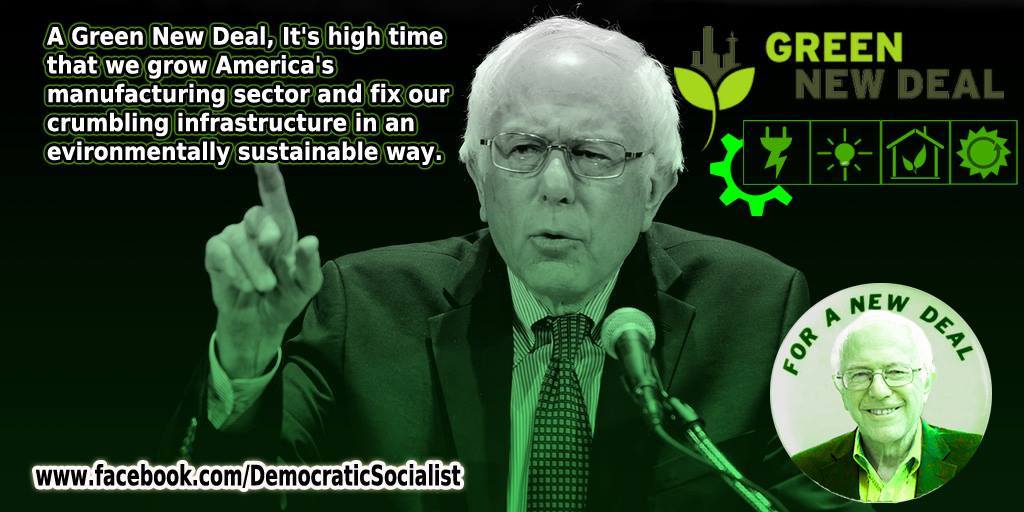
It is never comfortable to give up long-held beliefs and connections, but the impending climate crisis makes that a burning necessity. And the fact that, scientifically, it’s possible to avoid the worst of this climate disaster gives a positive incentive to do
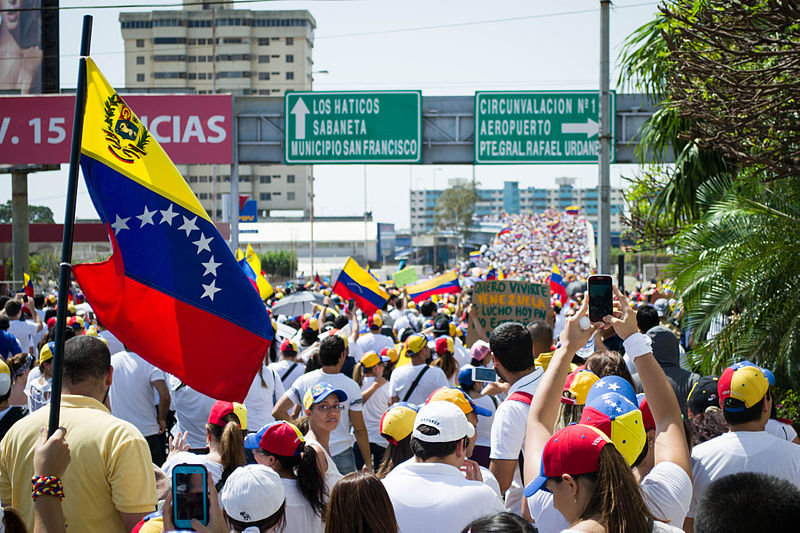
The troops gathering on the borders between Venezuela and Brazil and Colombia are no less threatening to Venezuela because they claim to be protecting a ‘humanitarian convoy’. And Richard Branson’s concert simply provides another cover to conceal the real purposes
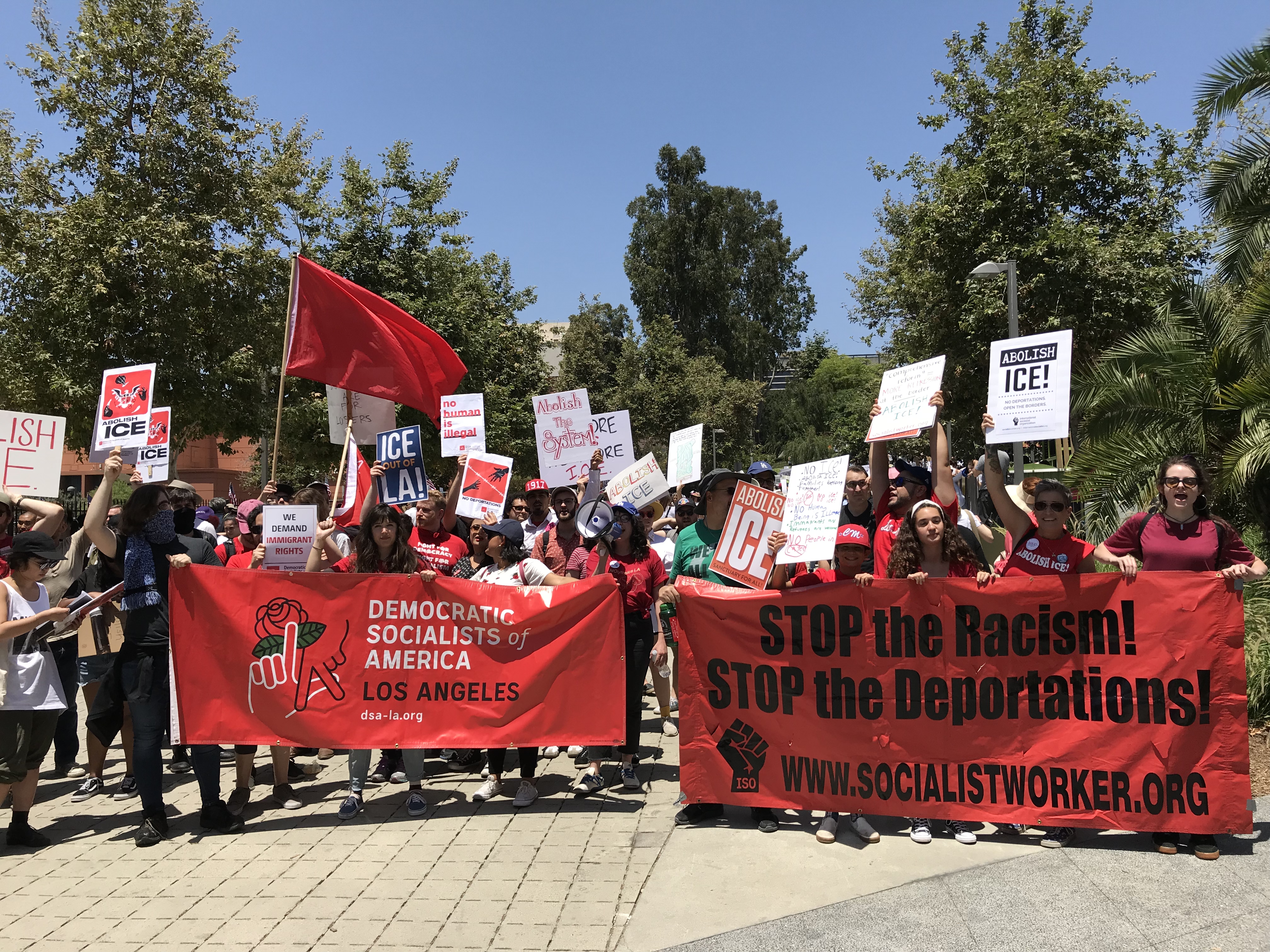
One of the great challenges to redressing the split between Democratic Party avoiding and Democratic Party engaging socialists, is how to productively deal with a beguiling strategic predilection of the party avoiders. That predilection is to assail the Democrats as
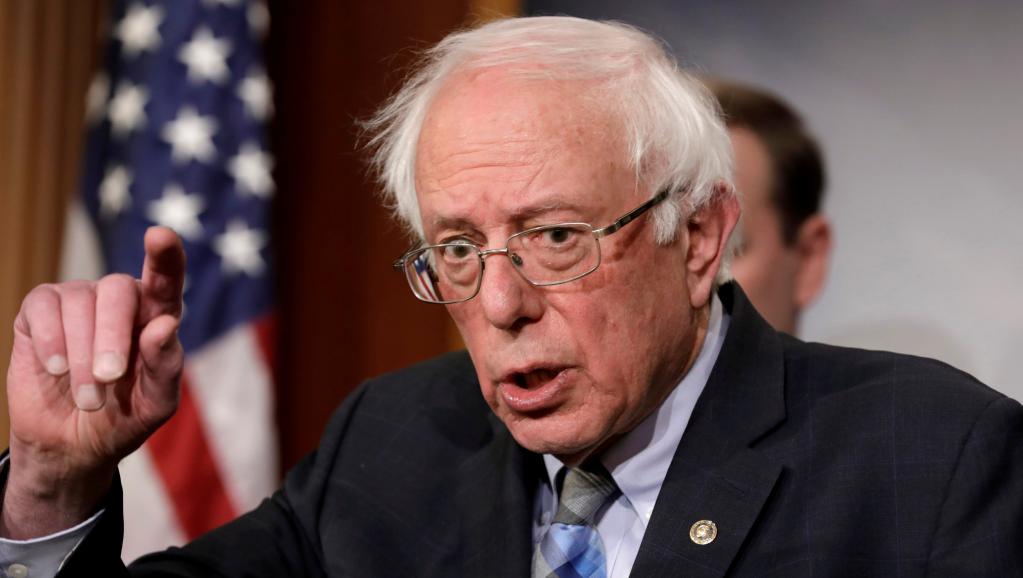
Well, it’s happened: Senator Bernie Sanders has declared his candidacy for the 2020 Presidential nomination of the Democratic Party. Seeing a historic opportunity, DSA’s National Political Committee has established an expedited endorsement process. Now DSA chapters all over the country
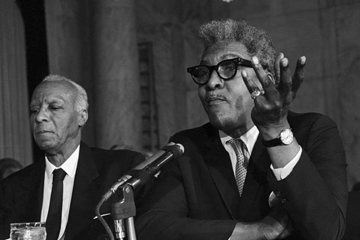
There is something politically familiar in Cedric Johnson’s two essays in Catalyst (Vol. 1, No. 1, Spring 2017) and New Politics (No. 66, Winter 2019). Because his political conclusions are very general, even vague, ones that build “on broad solidarity

Barely five years ago, if you asked someone where a new U.S. socialist movement might appear, I would wager that nearly no one would have said with the Democratic Socialists of America (DSA). Before 2016, DSA’s profile was
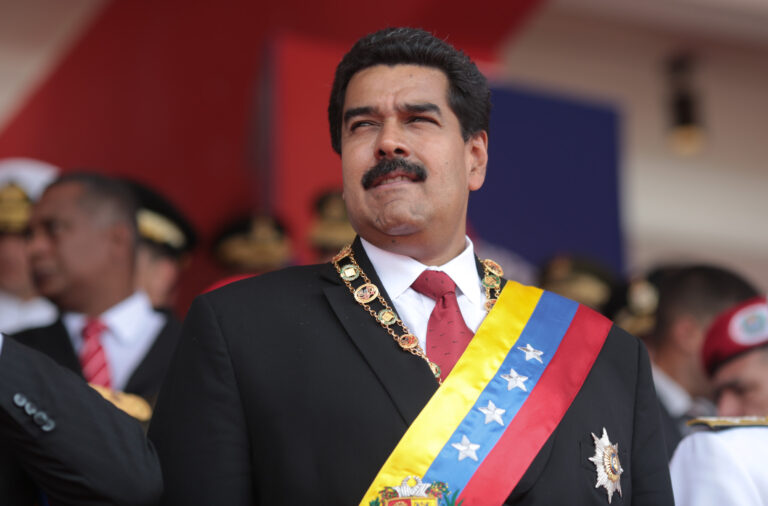
Venezuela has made headlines in the last few weeks, as Venezuelan opposition leader and National Assembly head Juan Guaidó has declared himself interim President, throwing the country into turmoil. Current President, Nicolás Maduro has called the effort a coup. Meanwhile,
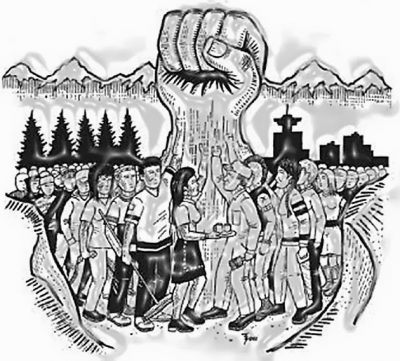
It is a very good time for socialists and other union and left activists to take a step back and take a deeper look at some of the structures and dynamics of unions under capitalism.
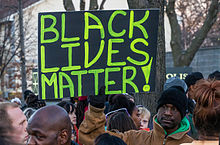
Johnson asks the reader not to pivot on certain ethnically motivated political affiliations lest we lose our class-conscious focus, and yet I find myself thinking about the ways Blackness is constructed in the arguments presented and how that matters.
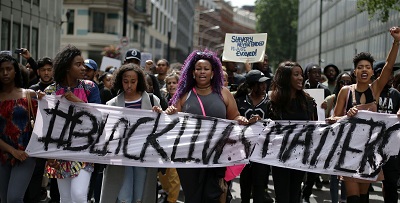
Cedric G. Johnson’s “The Panthers Can’t Save Us Now” is a compelling, historically grounded critique of contemporary anti-racist campaigns against police brutality and mass incarceration. While Johnson is encouraged by the swell of organized opposition to the carceral state and

How Johnson’s critique of the Black Lives Matter movement elaborates on Luxemburgist themes and provides a path to addressing not only police killings, but also the larger capitalist assault that drives them.

Below is a revised version of a presentation given to a panel on “Mass Incarceration and the Global Rise of Authoritarian Capitalism” at the Los Angeles Peace Center on September 23, 2017.
In this paper, I would like to address four
In this paper, I would like to address four
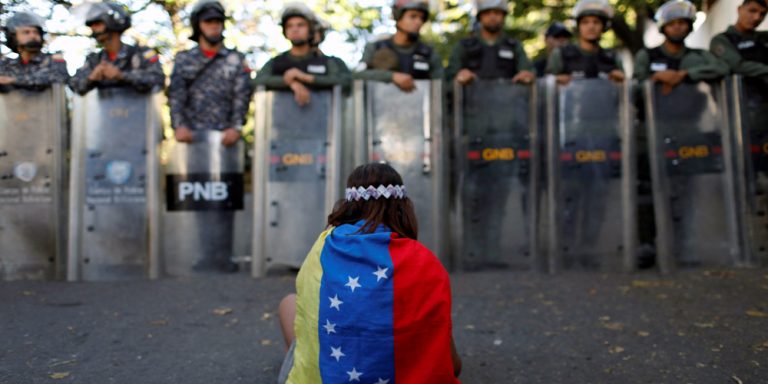
The tremendous economic, political and moral crisis that Venezuela is going through has not only sunk millions of people’s living and working conditions, but also the political programs that appear confronted to the death in a highly politicized stage. It

Climate scientists tell us we face a “climate crisis”: Since the 1990s, scientists have been trying to convince governments to keep atmospheric CO2 concentrations below 350 ppm in order to keep the global temperature below 1.5 degrees Centigrade above pre-industrial

What can socialists today learn from the experience of the left in the past as it grappled with the issue of electoral politics? Over the last 50 years, American leftists have in general adopted two alternative strategies for dealing with

Last month Branko Milanovic published a blog post about the Yellow Vest movement against the fuel tax in France. He was worried – like many analysts – that the uprising proves it will be virtually impossible to roll out the policies necessary
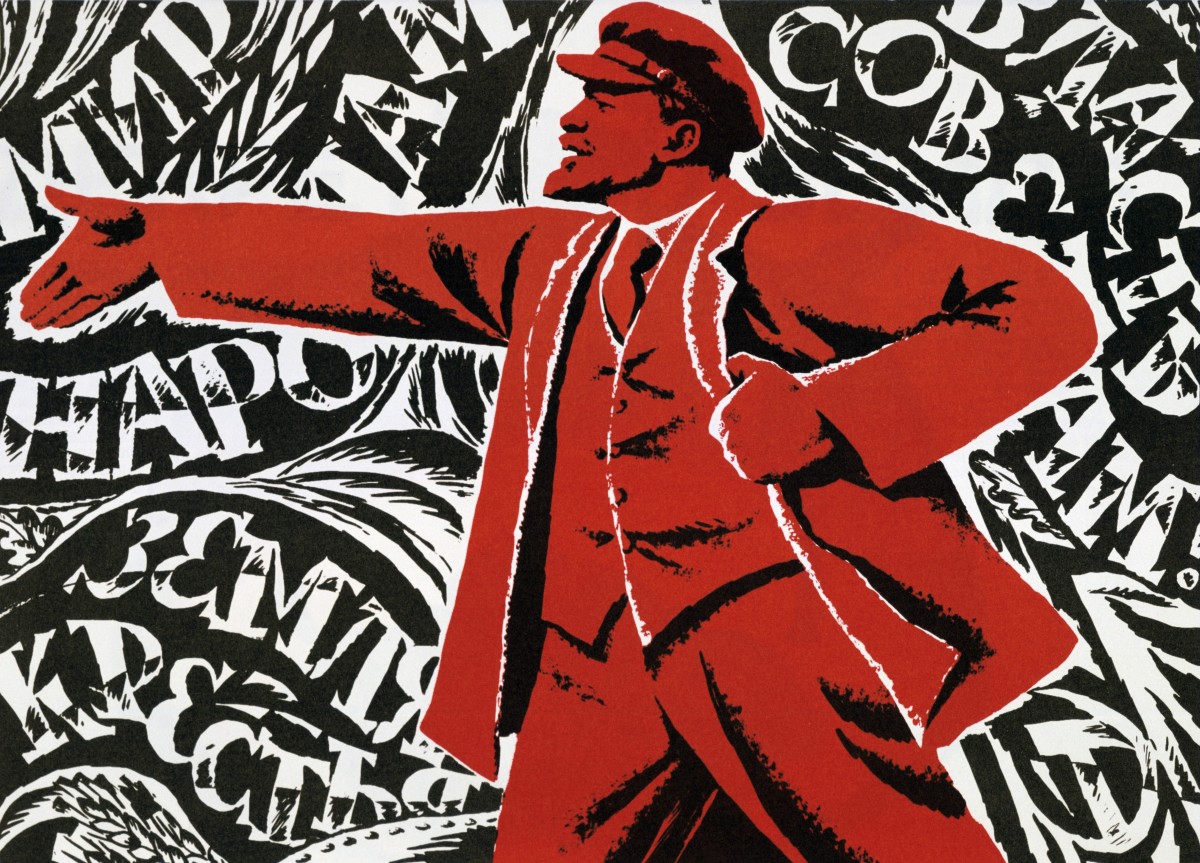
Muraskin and Epstein criticize Harrison’s view of the Russian Revolution; Harrison replies.
- « Newer Posts
- 1
- …
- 25
- 26
- 27
- 28
- 29
- 30
- 31
- …
- 48
- Older Posts »