Place: Nicaragua
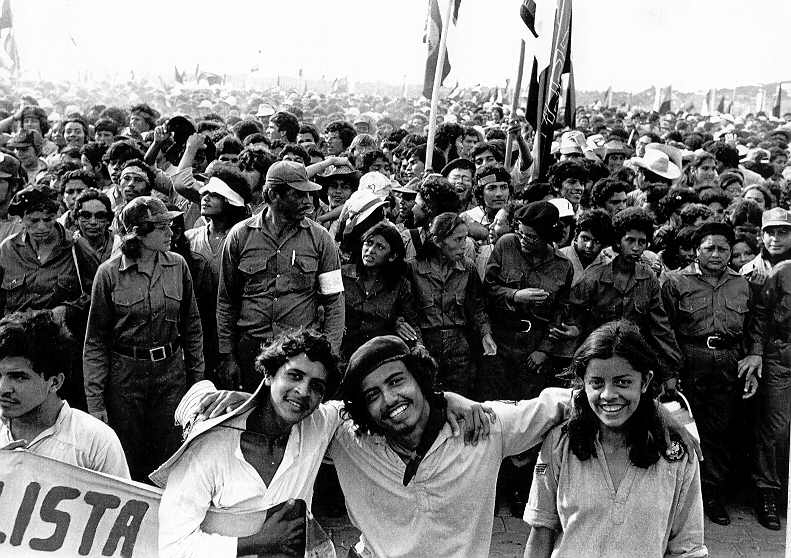
With this announcement, Ortega has put the last nail in the coffin of the revolution, the final hammer blow in a long process.
We are going through a stage marked by Trumpist aggression against Latin America, and Mesoamerica in particular, in a sort of 21st century Monroe Doctrine.

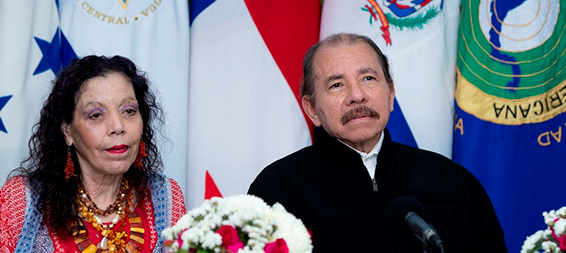
Daniel Ortega and what remains of the Sandinista Front present themselves as left-wing and anti-imperialist, but, far from this proclaimed discourse, they have for many years already abandoned their principles…
Years ago, the famous Nicaraguan poet Giaconda Belli wrote,
¿Qué sos, Nicaragua
Para dolerme tanto?
What are you, Nicaragua
To hurt me so?
The lines seem particularly poignant and appropriate now.
The release of the prisoners now makes it possible for President Biden and Blinken to make a deal with Ortega that would improve his situation—removing the sanctions—while increasing U.S. influence in Nicaragua. Ortega accused the opponents he imprisoned of being traitors working for the United States, but it is he who wants a closer relationship with Washington.
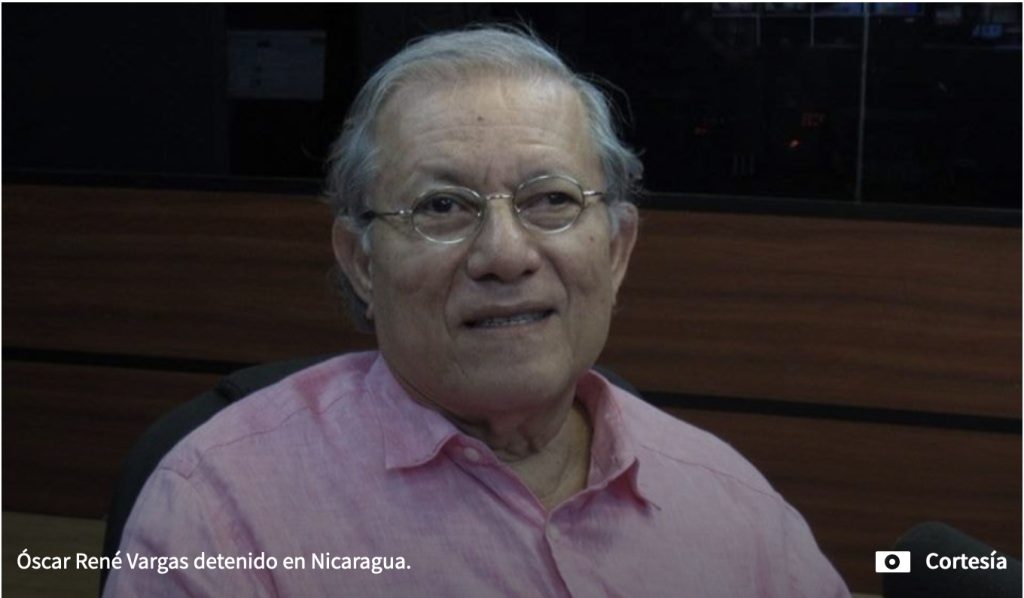
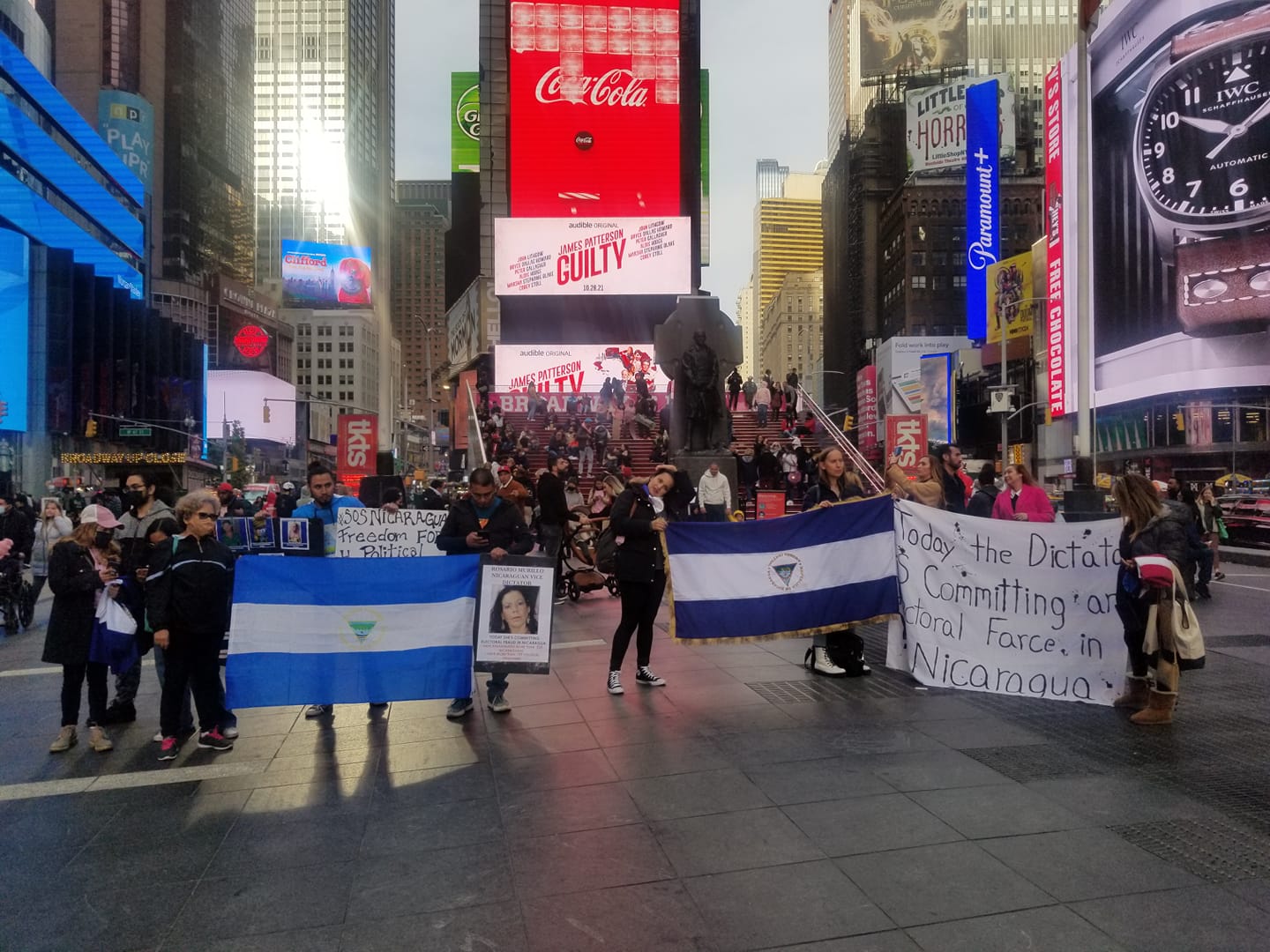
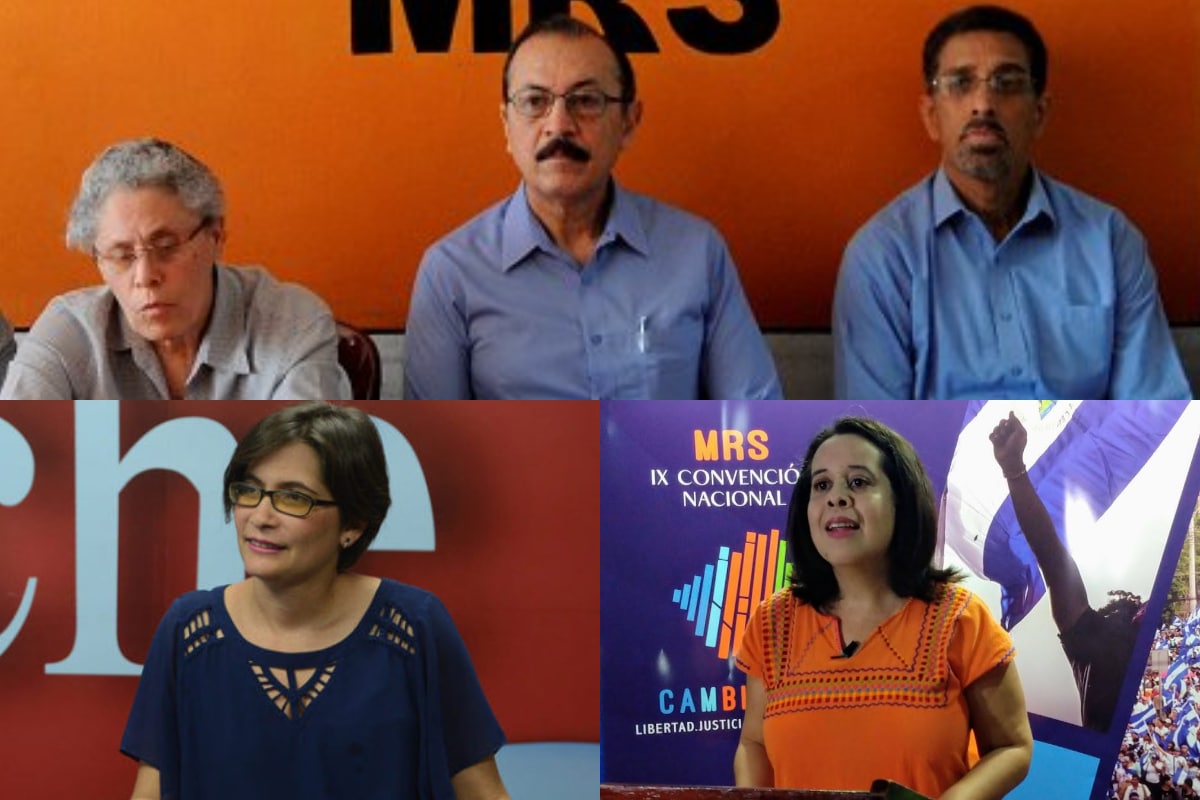
Having arrested and jailed his most significant rivals weeks before the election, President Daniel Ortega was reelected on November 7 to a fourth consecutive term, his fifth altogether.
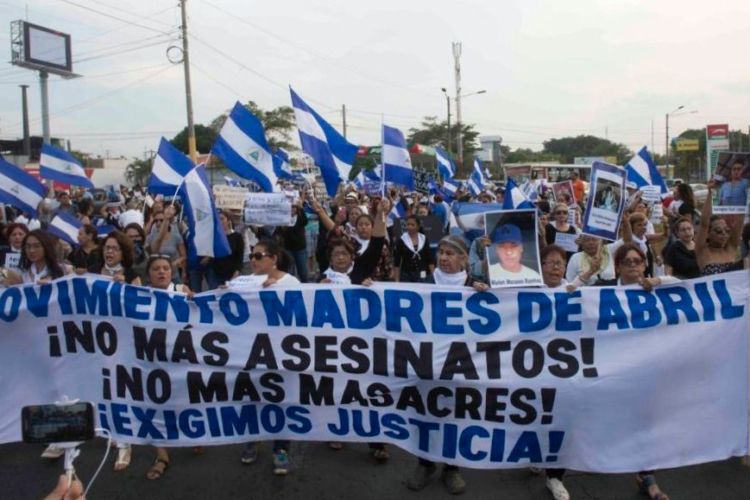
We should reject the argument made by some on the left that we have to support the dictator Ortega and his government because the U.S. is now opposed to it.

I can only outline here the complex history of the Nicaraguan revolution and counter-revolution, but cannot do them justice in a short article. I have given a more detailed account in my article “Daniel Ortega, Nicaragua’s Nov. 6 Election, and
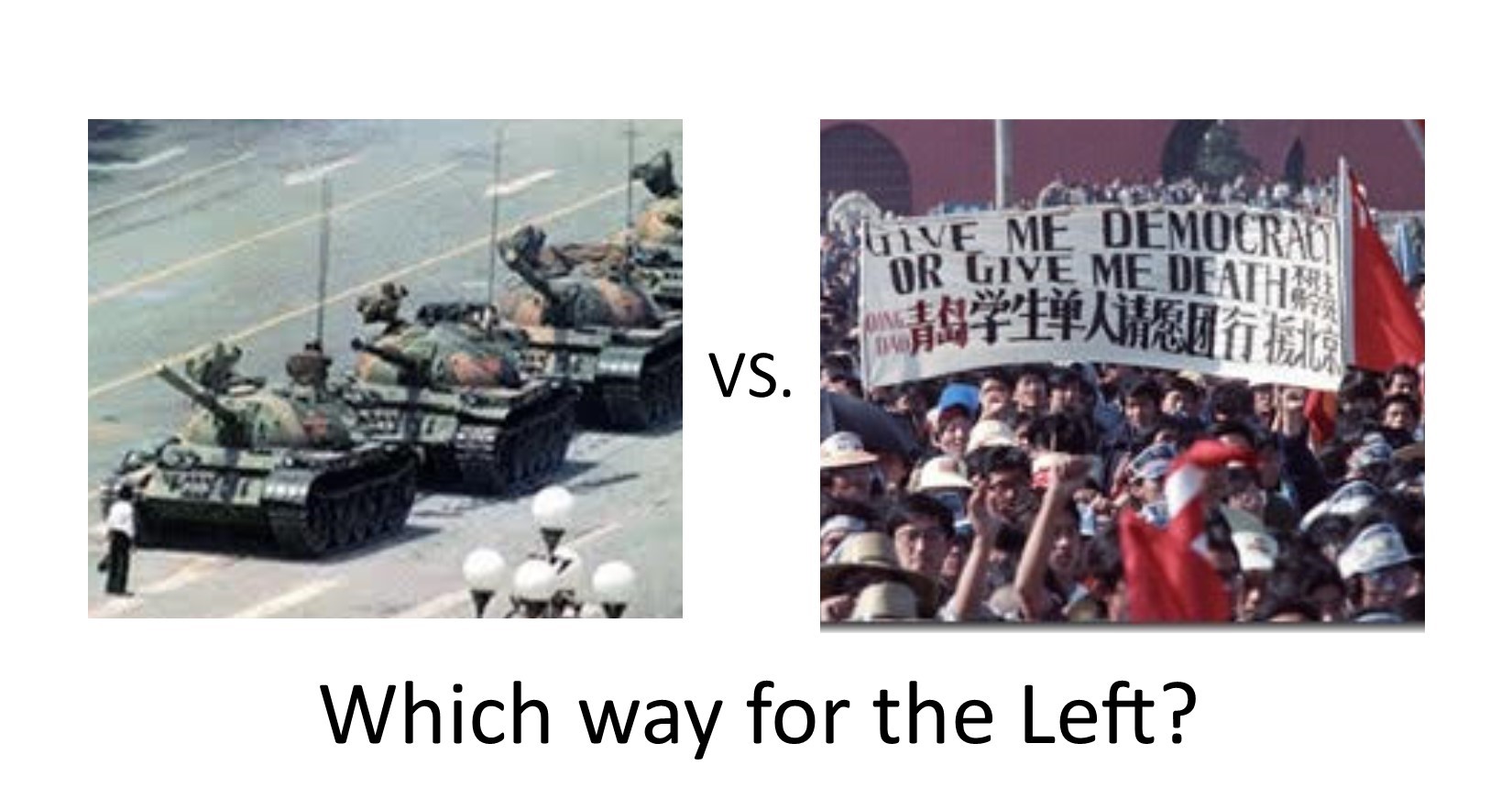
We have been slimed. An article by Ben Norton and Max Blumenthal on the recent Socialism 2019 Conference — which appears on their rancid website, The GrayZone, and is apparently being widely circulated — is a scurrilous attack not only
A recent article in the GrayZone viciously slanders the Democratic Socialists of America (DSA), Jacobin magazine, and Haymarket books, accusing these sponsors of the Socialism conference in Chicago last weekend of hosting paid government agents engaged in attempts at regime change in several countries.

Sara Henríquez feels betrayed. As a student in the 1980s, she spent all her spare time working towards the Nicaraguan revolution, as a Sandinista youth and university leader, as part of the ‘literacy crusade’ and harvesting coffee and
Critical developments around the globe compel the creation of a new type of transnational socialist and anti-authoritarian solidarity network.
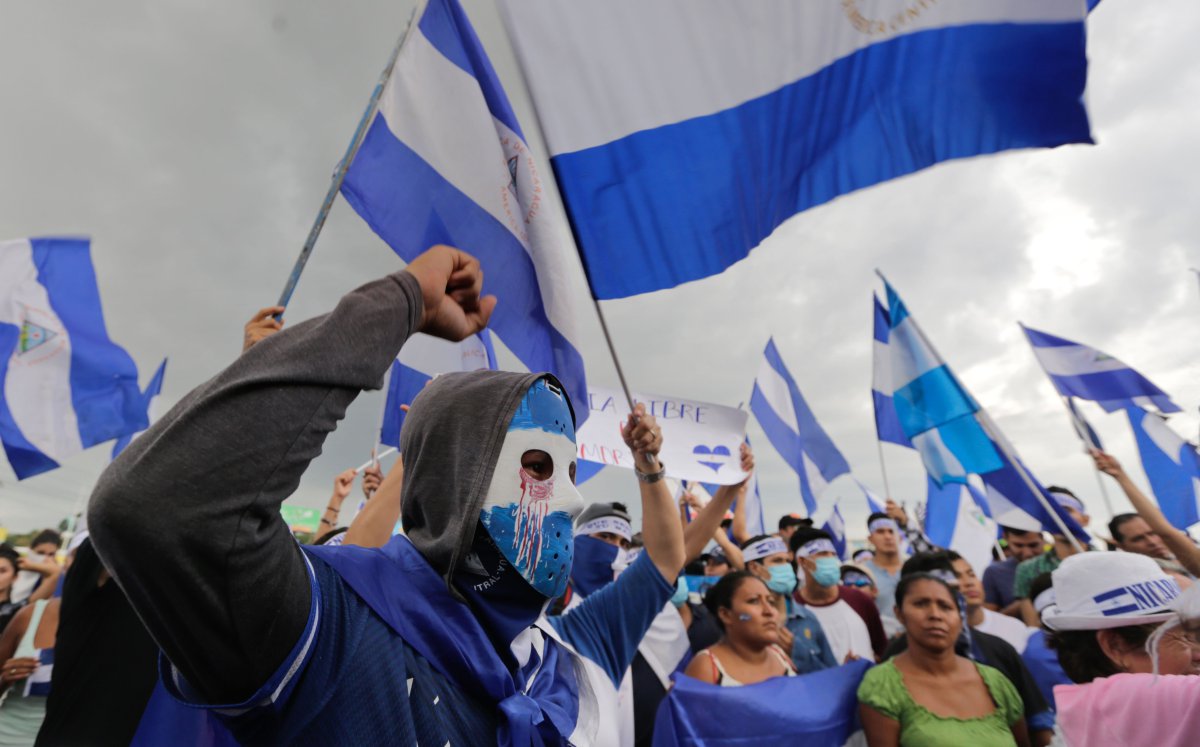
Today, March 16, 2019, Nicaraguan citizens using their constitutional right to protest, gathered in various parts of the country to peacefully protest the Ortega-Murillo regime and demand the release of all political prisoners. Protesters were met with violent repression and

When Nicaraguan president Daniel Ortega announced coming changes to his country’s social security system on April 18 of last year, small-scale protests in Managua against the government’s response to a wildfire in the Indio Maiz Biological Reserve had been ongoing
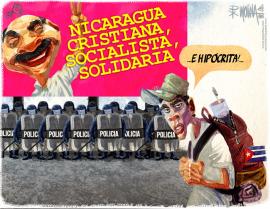
Nicaragua’s eight-month long political crisis is escalating. In the past two weeks, the government of Daniel Ortega has intensified its crackdown on opposition media and on NGOs while facing the US administration’s passage of the Magnitsky-Nica Act legislation.
The government rescinded the legal status of nine NGOs in one week, at once seizing their assets, freezing their bank accounts, and sending into exile and hiding a new cluster of oppositional leaders. The crackdown began with CISAS, a renowned health promotion NGO led by a vocal feminist opponent to the regime, then CENIDH, the national human rights organization, and then a host of other organizations – from environmental and community development NGOs to economic think tanks that the government itself has relied upon for data and analysis.
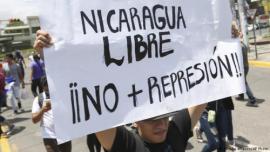 The following statement is from the Articulación de Movimientos Sociales, the coalition of social movements in Nicaragua.
Alert and Request for International Condemnation: Nicaraguan Government Raids the offices of the principal human rights, non-governmental and media organizations.
URGENT COMUNIQUE December 14, 2018. 2PM (CST) Alert and Request for International Condemnation: Nicaraguan Government Raids the offices of the principal human rights, non-governmental and media organizations.
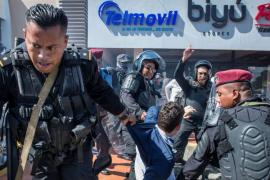
The following statement was issued by Nicaraguans living in the United States.
On the morning of October 14, 2018, Nicaraguan citizens in use of their constitution rights gathered to march peacefully and protest the Ortega regime and to demand the release of all political prisoners. Protestors were met with violent repression and an assault by the police.
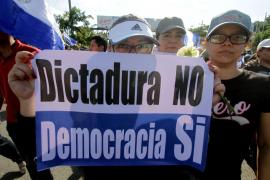
The essay below was originally delivered as an oral presentation on the panel “Solidarity in the 21st Century” as part of a conference on The Future of the Left in Latin America held on October 5-6 at the New School in New York City. The conference was sponsored by Dissent, The New School, NACLA, and the Open Society Foundation.