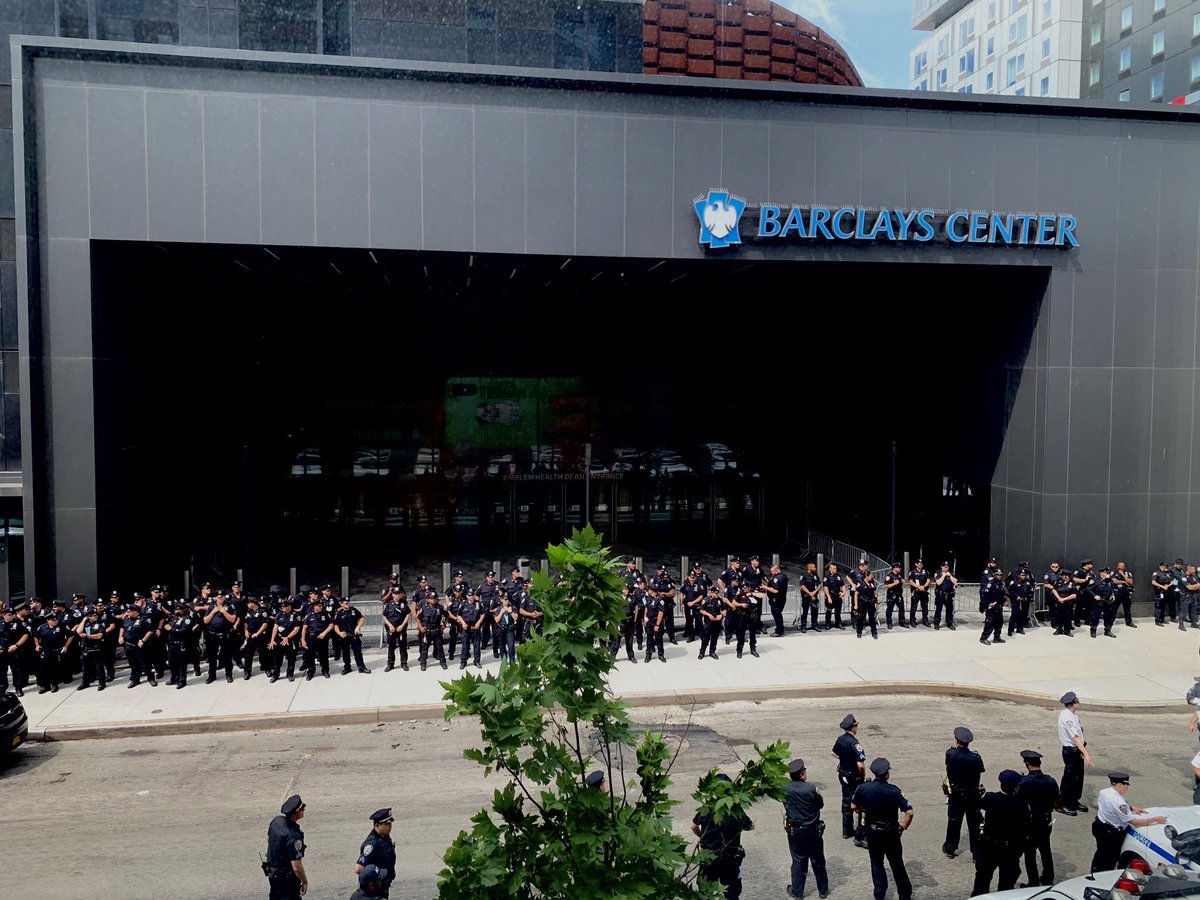

Place: New York City
The Black liberation struggle is once again ripping open the pandora’s box of American capitalism. This rebellion is exposing the brutal, sick and twisted priorities of American capitalism to the entire world.

The decades of neoliberal restructuring, combined with this specific, Trump-led incompetence and just profound callousness towards the lives of working people, is going to lead to upwards of a quarter-of-a-million people dying from this overall.

This article was written for L’Anticapitaliste, the weekly newspaper of the New Anticapitalist Party (NPA) of France.
COVID-19 is now in all U.S. states with 530,026 cases and 20,614 deaths (as of April 12). Statistics suggest that the virus has peaked for
COVID-19 is now in all U.S. states with 530,026 cases and 20,614 deaths (as of April 12). Statistics suggest that the virus has peaked for

As the water rose
to occupy Wall Street,
ten thousand helicopters
flew massed dollars out
lest all that cabbage salt to slaw
and the balance of payments
blow out to sea.
Read more ›
to occupy Wall Street,
ten thousand helicopters
flew massed dollars out
lest all that cabbage salt to slaw
and the balance of payments
blow out to sea.
Read more ›

Editor’s note: Members of the Professional Staff Congress (PSC), the union representing professional staff and faculty at City University of New York (CUNY), are voting on a proposed agreement, a Memorandum of Agreement (MOA) with CUNY. The argument to endorse
Editor’s note: Members of the Professional Staff Congress (PSC), the union representing professional staff and faculty at City University of New York (CUNY), are voting on a proposed agreement, a Memorandum of Agreement (MOA) with CUNY. In this piece, Steve

With a new generation of militant radical organizers looking to industrialize into union jobs and kick-start a new militant minority in the U.S. labor movement, their effort is receiving both wide support and wary when not damning criticism. Among the
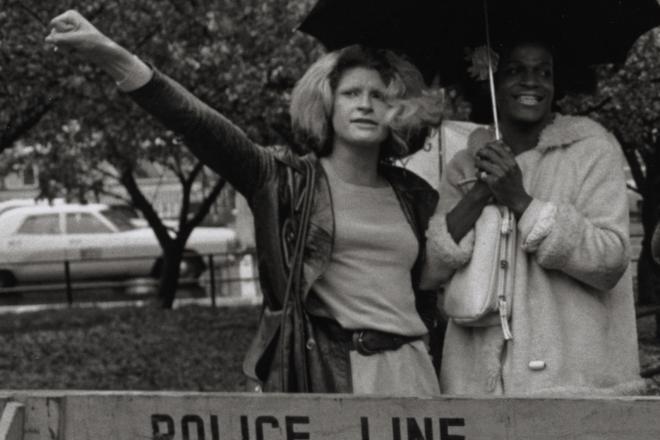
The police were pelted with coins and bottles to begin with, by the crowd, and later bricks and stones from a nearby building site. Barricading themselves inside the Stonewall Inn, police were forced to call for assistance. From there on as crowds swelled in numbers over several successive nights, the whole thing escalated into a full blown riot. It took three days and nights before the Tactical Patrol Force, trained to deal with Vietnam war protests, could finally subdue the rioters.

In late fall of 2018, nurses from five private New York City hospitals in three competing hospital systems delivered their contract proposals to management. Born from a protracted gestation of surveying democratic priorities and tracking experiences with the previous contract,
As members of the $7K or Strike Campaign (which includes City University of New York [CUNY] adjuncts, tenure-track/tenured faculty, HEOs, CLTs, students, and other NYC union members) we are deeply disappointed by the March 21, 2019 letter signed by PSC

I campaigned for governor with the slogan of “Demand More!” because Gov. Cuomo has governed as a social liberal but as an economic conservative. Although he touts the agenda he outlined in his January 15 State of the State and Budget presentation as “progressive,” New York progressives should not be satisfied. It is still a conservative economic program. Progressives must demand more.
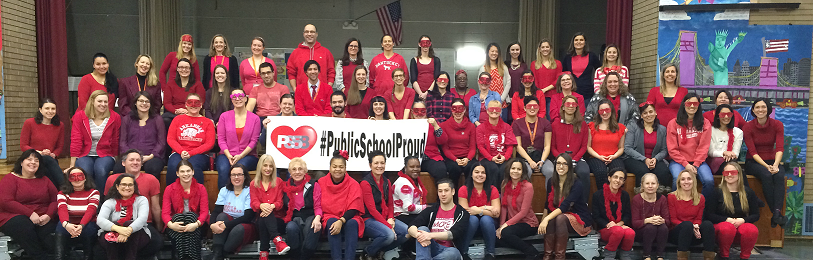 Note: While teachers in Los Angeles Unified School District have voted overwhelmingly to authorize a strike, members of the largest teachers union local in the US, the United Federation of Teachers (UFT) in New York City, are debating a proposed contract settlement. In this guest blog, UFT activist Dan Lupkin explains why he wants the proposed contract to be voted down. We invite other opinions on this debate underway in the UFT. – Lois Weiner

On June 26th, Alexandria Ocasio-Cortez defeated, against all odds, the incumbent Congressman from New York’s 14th district, a safe Democratic seat, in the party’s primary. Spectacular as it was to see a Democratic political boss (the “King of Queens”) humbled by a left-wing challenger, the real spoils of this victory do not lie in the House seat itself.
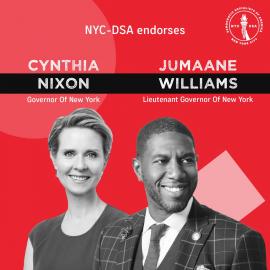
The leadership of the New York City chapter of the Democratic Socialists of America (DSA) voted this past weekend by a two-thirds majority to endorse Cynthia Nixon in the Democratic Primary race for New York State governor. The decision reflected similar majorities for Nixon among the total membership of the New York City branches. An accompanying motion also passed that linked DSA’s work on the Nixon campaign to the Julia Salazar campaign in the Democratic Primary for State Senate and tied it to our organization’s support for the New York State Health Act and the a city campaign create for expanded rent stabilization.
Since the majority of my fellow New York City socialists voted to endorse Nixon, I feel obligated as a member of the City Leadership Committee (CLC) to explain to our members why I cast my vote against, as did eleven other members of the 34-member body, while one person abstained.

— Reprinted from New Politics, vol. VI, no. 3, #23, Summer 1967 (printed June 1968)
At 4 am on April 30 [1968], my wife and I stood with tears streaming down our faces on the corner of Amsterdam Avenue and 117th Street, watching the last of the Fayerweather Hall sit-ins being tossed into waiting police vans. We were not the only ones crying, nor were the tears merely those of pity or self-pity. There was also anger, frustration, and actual joy. The incredible—and inevitable—had happened; the “Big Bust” had come. Seven hundred and twenty student and faculty protesters were under arrest; more than 130 had been beaten up, some quite badly. The last illusions about what was happening were shed.
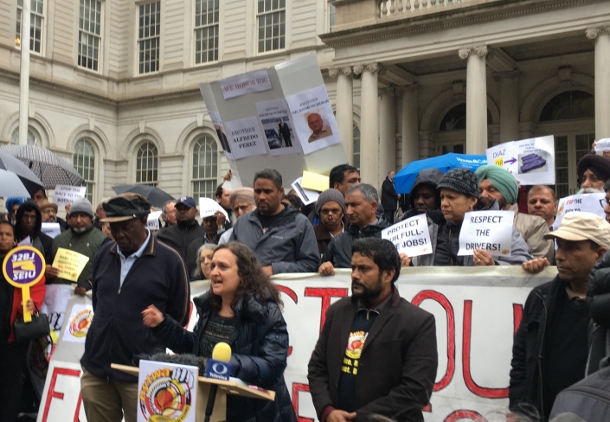
Over the past four months, four New York City taxi drivers have been pushed to suicide in an industry that is becoming increasingly dangerous. In response to the recent deaths, the New York Taxi Workers Alliance has launched a campaign for regulation and released its own proposal to re-establish driving as a viable occupation.
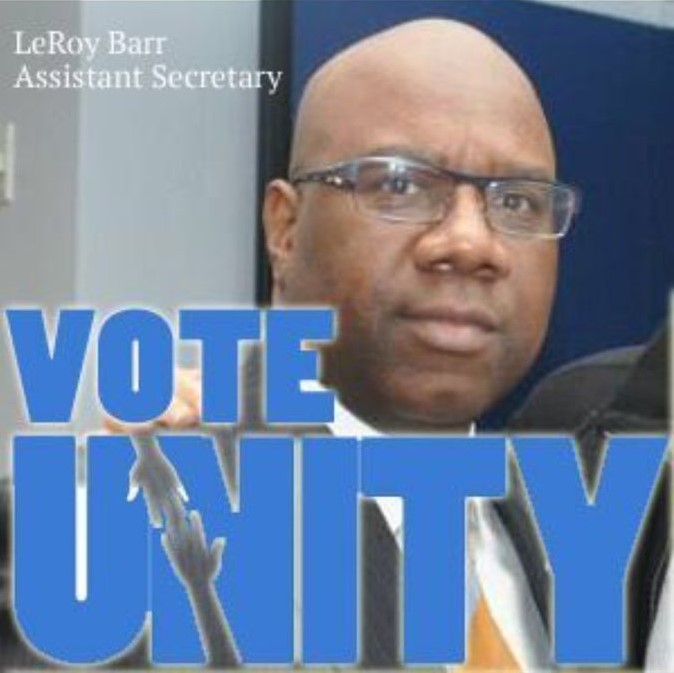 In its January meeting, after a pro-forma discussion, the Delegate Assembly of the UFT (United Federation of Teachers), which still has the legal right to bargain collectively on behalf of New York City's teachers, voted down a resolution to work with community groups to support Black Lives Matter in the schools in February. LeRoy Barr, UFT's assistant secretary, co-staff director, and Chairperson of the Unity Caucus, gave the UFT leadership's rationale for rejecting the motion. Support for BLM was, he contended, a splinter issue, divisive, at a time when the union had to stay focused on what was key, the Janus decision and the threat to collective bargaining rights.
Jabari Brisport, a member of the Democratic Socialists of America (DSA), made an extraordinarily strong showing in his first bid for the New York City Council. Running on both the Green Party and Socialist lines in Crown Heights, District 35 of Brooklyn where he grew up, Jabari won almost 30 percent of the vote, receiving 8,619 votes. He was defeated by Democrat Laurie Cumbo, who took 68 percent of the vote while the Republican Christine Parker got just 4 percent.
Jabari ran as a socialist in a diverse district with a mixed population of African Americans, Afro-Caribbeans, orthodox and Hassidic Jews, upper middle class white newcomers, and young hipsters. The district has a population of 124,170, larger than many cities. The 2017 election saw one of the lowest turnouts in years. Only about 22 percent of the 5,053,842 registered voters in New York City as a whole cast ballots in the election.
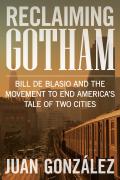
Juan Gonzalez. Reclaiming Gotham: Bill de Blasio and The Movement to End America’s Tale of Two Cities. New York: New Press, 2017.
There is no better role model for aspiring radical scribes than Juan Gonzalez. The country’s leading Latino journalist is cohost of Democracy Now!, a former columnist for the New York Daily News, and twice winner of the Polk Award for his investigative reporting. Not many veterans of campus and community struggles in the Sixties and workplace organizing in the 1970s later moved into mainstream journalism with such distinction, Gonzalez has managed to combine daily newspapering with continued dedication to the cause of labor and minority communities.
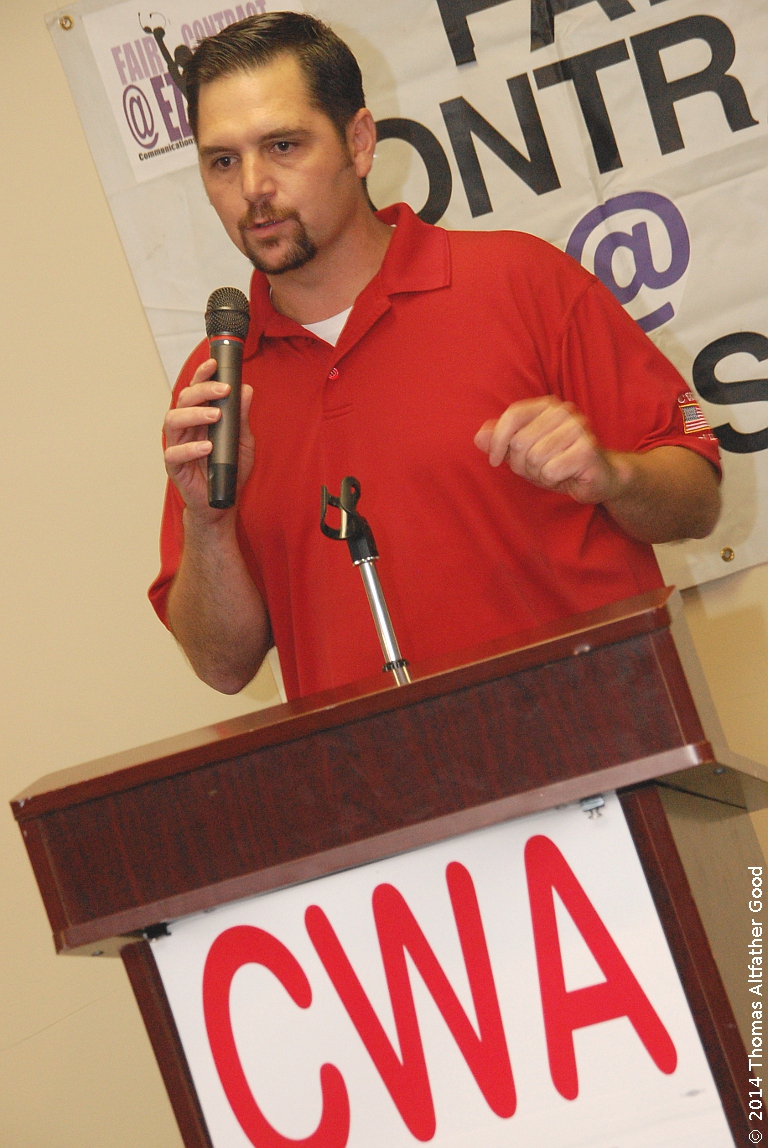
In Staten Island, one union local is propelling a growing labor-community alliance deep in New York’s Republican recesses.
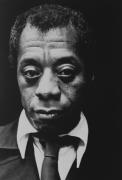
Raoul Peck’s powerful documentary “I Am Not Your Negro,” which was nominated for an Academy Award, has brought the great writer James Baldwin (1924-1987) to a new generation of Americans who may have been unfamiliar with Baldwin’s life and writings. “I Am Not Your Negro” presented Baldwin as a powerful voice of the black liberation movement, but hardly mentioned his longtime commitment not only to full equality for black Americans, but also to socialism.
Baldwin wrote in No Name in the Street that he had been a "convinced fellow traveler" at 13 who had marched in the May Day parade and then became a "Trotskyite" by age nineteen. Too young to have been involved in Harlem’s Communist Party in the 1930s, he claimed to have been a member of the Young People’s Socialist League, but that has never been confirmed.
- « Newer Posts
- 1
- 2
- 3
- 4
- 5
- 6
- Older Posts »