Place: Europe
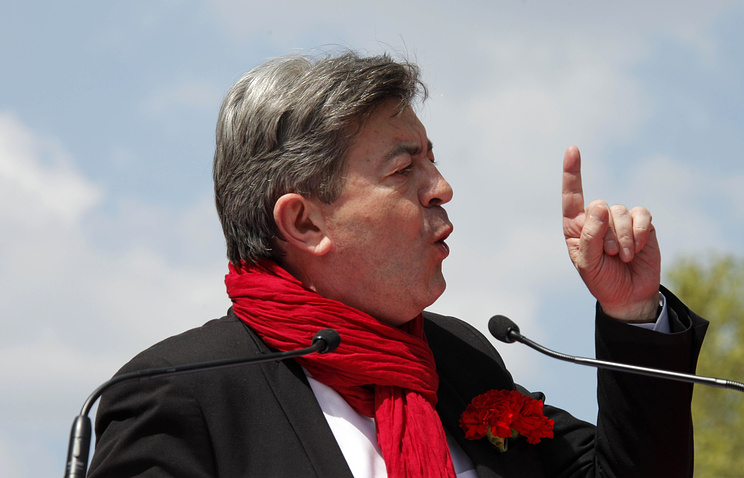
This is a declaration signed by two French militants and a young Ukrainian left-wing activist describing the details of Jean-Luc Mélenchon's trip to Russia not long ago, and the scandal of the ignorance of part of the left under the pretext of anti-imperialism.
Barcelona has once again become a center of radical politics. After decades of brutal repression under Franco, the Left has returned and the city is alive with political activity. Of course, the Left of 2018 is not the same Left that controlled Barcelona during the first months of the Spanish Civil War.
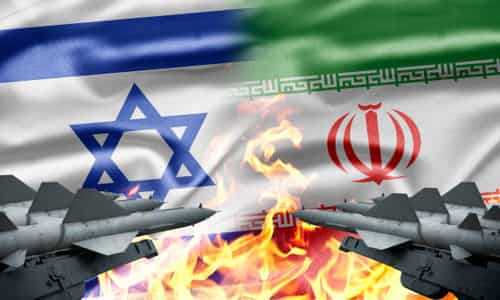 For Iran, the U.S. withdrawal from the 2015 Nuclear Agreement will mean crushing sanctions and direct or continued indirect war declared by Israel and Saudi Arabia with U.S. support. For the Middle East, it will mean further destruction and regional imperialist competition. For the world, it will mean further division between the U.S. and the European Union and further global imperialist competition.
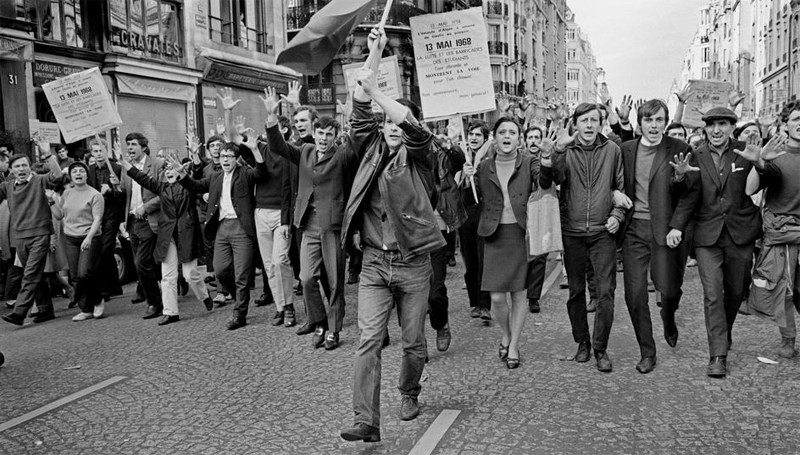
Where Are the Riots of Yesteryear?
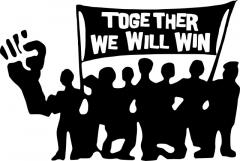
This article is a response to Paul Mason’s recent essay ‘Labour must become the party of people who want to change the world, not just Britain’, in which he argues that there can no longer be any privileged position for organised labour as an agent of socialist change. This reply will respond to that question specifically, leaving aside some other aspects of Mason’s essay, and argue that the working class remains the key strategic actor for overhauling capitalism.
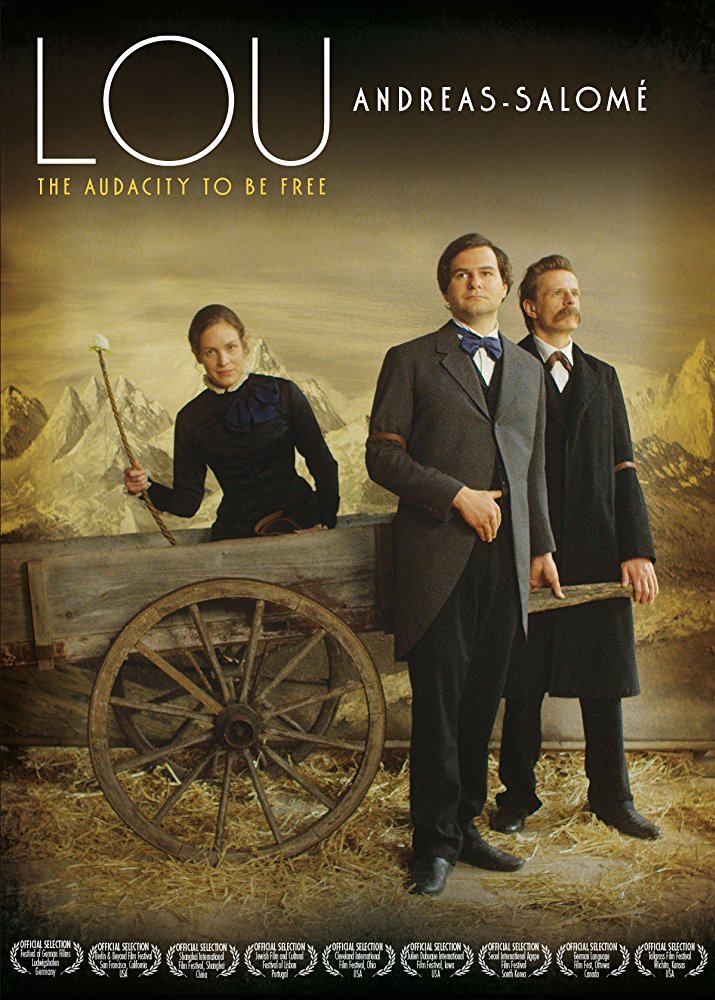
Lou Andreas-Salomé, The Audacity to Be Free
Directed by Cordula Kablitz-Post, 1 hr. 53 min
Cinema Libre Studios, 2016
This biopic is not subtle. From its opening scene featuring a pyre of books and a frenzied crowd cheering as a manic speaker justifies the burning of Marx, Trotsky, Freud and “everything that is not German” followed by a romp through Lou Andreas-Salomé’s prodigiously intellectual life and her last days as a target of the Nazis, the film is as much about the pain of choosing a vaporous freedom as it is the flailing pursuit of fulfillment by a self-assertive, iconic woman.
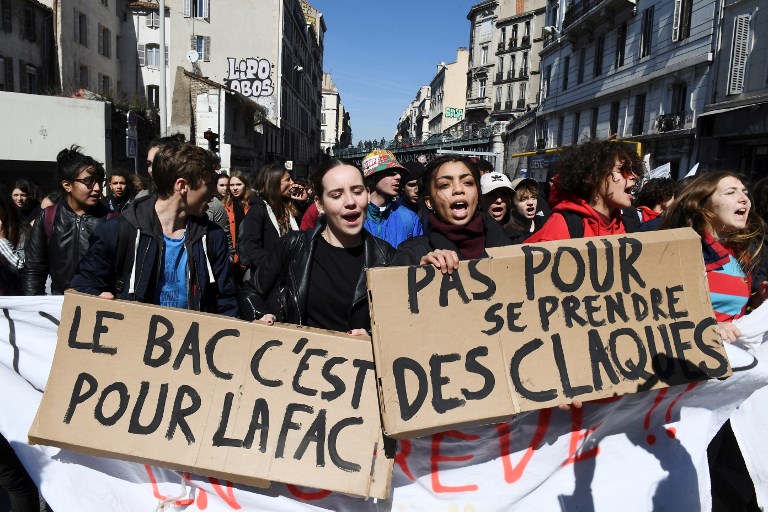
Not an April Fool’s joke. Here are the facts: Four days ago (March 29) the ultra-conservative Dean of the Montpellier University Law School was summoned to police headquarters, interrogated, hauled into court, and held over in jail for arraignment by the Chief Prosecutor – all on the complaint of nine student strikers, who claim to have been brutally assaulted with Dean Philippe Pétel’s active complicity while ‘occupying’ a school auditorium.
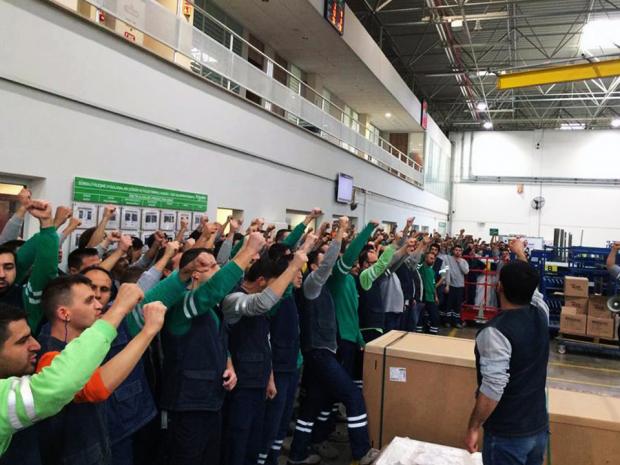
Hands off the metalworkers’ strike in Turkey!
Government ban means AKP despotism serves the bosses!
International solidarity with metalworkers of Turkey!
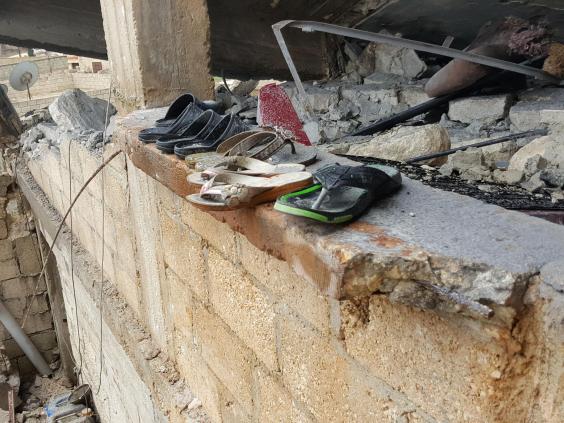
The danger of nuclear war is present today more than ever with Trump’s threats against North Korea and Iran. Without precedent in US history, the president openly states that he is willing to wage war and destroy a nation for US interests, disregarding his allies’ wishes. Trump not only follows the advice of his buddy Benjamin Netanyahu about the Iran nuclear deal, but he also announces that Jerusalem is the capital of Israel. He remains ahead of schedule on the opening of the US embassy there as well as cutting off funding for Mahmoud Abbas for a Palestinian state, unless he bows to Israel and respects Trump. At same time, his military commander General Jim Mattis announces that the US should be ready for war at any moment.
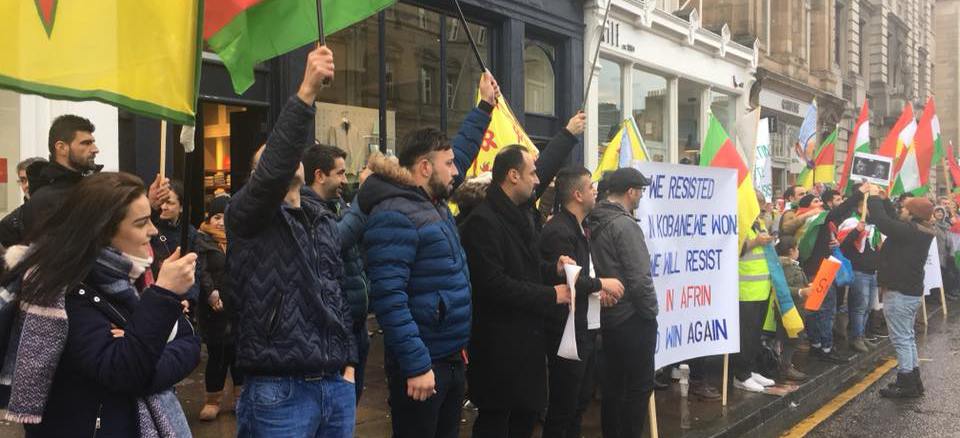
We, the Alliance of Middle Eastern Socialists, oppose the various military attacks on Afrin, Idlib and Eastern Ghouta and support all the innocent civilians in Syria. . . There has been a consensus between all the international and regional powers on the necessity to liquidate the revolutionary popular movements initiated in Syria in March of 2011 . . .
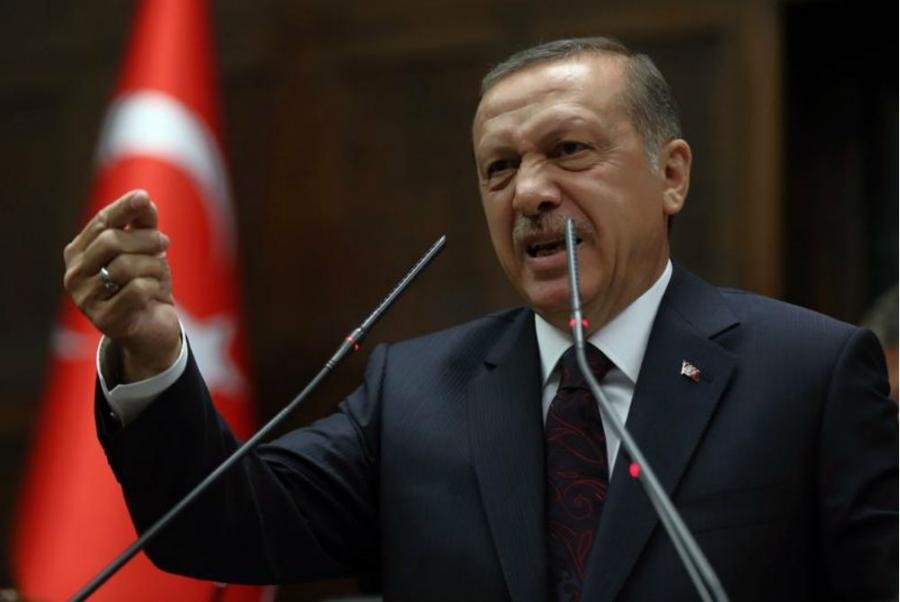 Peaceful protest carries no guarantee against violence. In mid-May, Recep Tayyip Erdoğan, the president of Turkey, came to the United States to meet with Donald Trump, who had made haste to congratulate him on winning a referendum in April. Its provisions would – according to the Venice Commission of the Council of Europe – undercut “the model of a democratic presidential system based on the separation of powers” and thereby “risk degeneration into an authoritarian presidential system.”
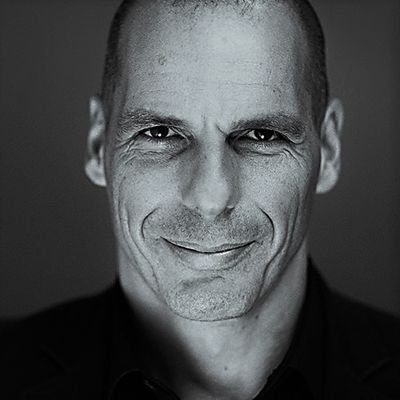
Adults in the Room: My Battle with the European and American Deep Establishment
By Yanis Varoufakis
Farrar, Straus and Giroux, 2017
And The Weak Suffer What They Must?
By Yanis Varoufakis
Nation Books, 2016
Along with French economist Thomas Piketty, former Greek finance minister Yanis Varoufakis is making economics sexy again. Journalists enjoyed snapping photos of Varoufakis, clad in a black leather coat, commuting to the finance ministry’s offices on his Yamaha motorcycle. But his short tenure in the Greek government was marked by clashes with the country’s creditors and ultimately with the leadership of Syriza, the left-wing party that came to power in Greece in early 2015.
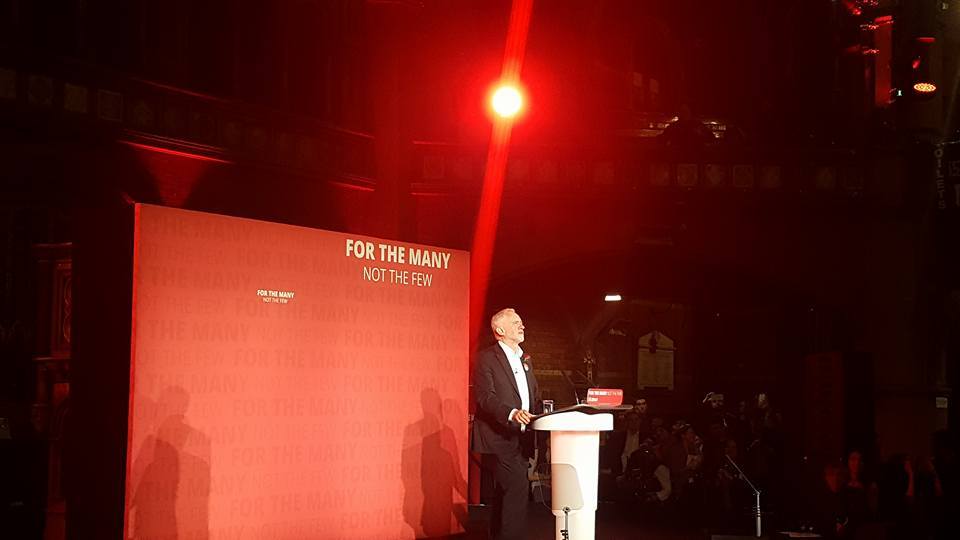
It is now seven months since Theresa May called a general election with the aim of increasing her majority and the Daily Mail published a front page headlined “Crush the Saboteurs”. The spring of this year, as regards parliamentary politics, seems like another world.
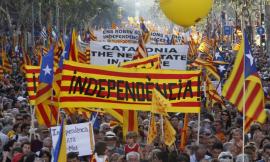
Dan La Botz, a co-editor of New Politics, interviewed Josep María Antentas, teacher of Sociology at the Universitat Autònoma de Barcelona (UAB) and anticapitalist activist.
DL: The Catalan independence movement and its suppression by the Spanish state have garnered the attention of the world. What has been your attitude toward the question of Catalonia?
JMA: My traditional position is the defense of the right to self-determination, with the idea that when a group wises to exercise this right its position must be made specific. In the current situation and since the independence movement began in 2012, the defense of a “Yes” vote has a more democratic content than the “No” vote, which is associated exclusively with the reactionary defense of the Constitution and the political regime.
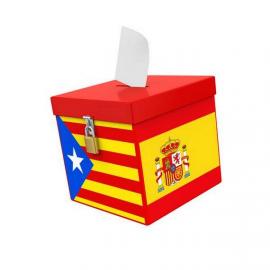
At the southern tip of Europe, stretching out its two hands of Ceuta and Melilla to reach Africa, Spain usually goes unnoticed. Our news hardly ever makes world headlines; it’s simply not impactful enough. Over the past month, however, my adopted homeland has been enveloped in one of the most controversial events of the decade, and finally our dirty laundry is being hung out to dry on the international clothesline. The threat of Catalonia breaking away from Spain is juicy. It’s the political equivalent of a marriage gone wrong, complete with steepled-finger scheming, mutual resentment, and fittingly, bouts of domestic violence. But it also serves to show how the choices and actions of politicians turn a prominent issue in need of discussion into a roiling turmoil. The question of Catalonian secession is the result of the thoughtless, petty political practice that is ubiquitous in governments around the world, but that should have no place in the future of governance.
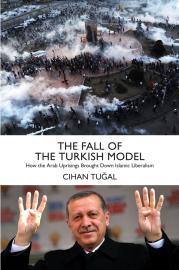
Cihan Tuğal, The Fall of the Turkish Model: How the Arab Uprisings Brought Down Islamic Liberalism (Verso, 2016).
In the short time since the 2016 publication of Cihan Tuğal’s The Fall of the Turkish Model: How the Arab Uprisings Brought Down Islamic Liberalism, Turkey has endured an attempted coup, nearly a year of rule under a state of emergency, the widespread repression of dissent through imprisonment and mass firings of teachers and civil servants, and a (likely fraudulent) referendum that has institutionalized the autocratic rule of President Tayyip Recep Erdoǧan. Yet, unbelievable as it may seem, these developments are part of a continuum rather than a rupture, and Tuğal’s book is essential—if not unproblematic—reading for understanding contemporary politics in Turkey, the Middle East and North Africa.
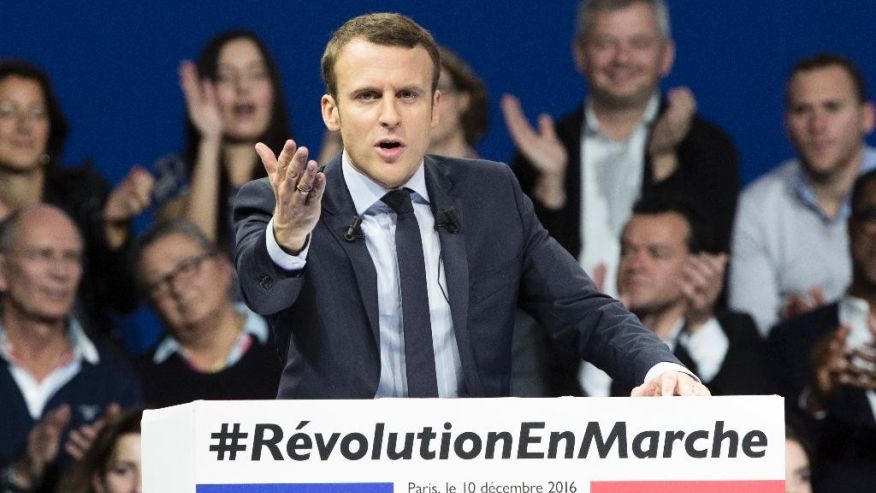
At one level, France’s 2017 elections were a huge triumph for global capital. A young and very modern neoliberal candidate, Emmanuel Macron, won huge majorities for his new political party, On the Move (En Marche), in both the presidential and the legislative elections. At another level, however, Macron’s pathway forward is fraught with challenges, both from a long stagnant economic and a restive French public, many of whom stayed away from the final round of voting.
This video in honor of Joanne Landy was made at the request of Piotr Niemczyk, an activist in the 1980’s in the Polish independent peace group “Freedom and Peace.” It was shown at an event in New York City on June 1, 2017, honoring Joanne Landy.
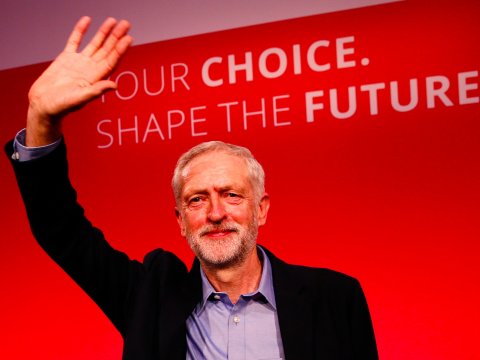
The 8 June election result has re-energised Labour’s activist base and helped put basic working-class demands back on the agenda. The increase in turnout among young voters, and the huge Labour lead among young voters, signal a major shift in British politics. All of this opens up a new period of Labour revival and recomposition.
The good news this May was that French voters rejected far-right Marine Le Pen by a two-to-one margin in the second round of the Presidential election.
The bad news was that France ended up electing Emanuel Macron, an efficient technocrat who consciously incarnates French capital’s need to eliminate the "French exception" and level the wages, rights and benefits of the French common people down to the average of the European Union (which includes Romania and Bulgaria).
In very different ways, Helena Sheehan’s The Syriza Wave: Surging and Crashing with the Greek Left and Looting Greece: A New Financial Imperialism Emerges by Jack Rasmus look back over the period of the Greek debt crisis, and the parallel rise and fall of Syriza, and try to take stock.
- « Newer Posts
- 1
- …
- 14
- 15
- 16
- 17
- 18
- 19
- 20
- …
- 28
- Older Posts »