
Place: Europe
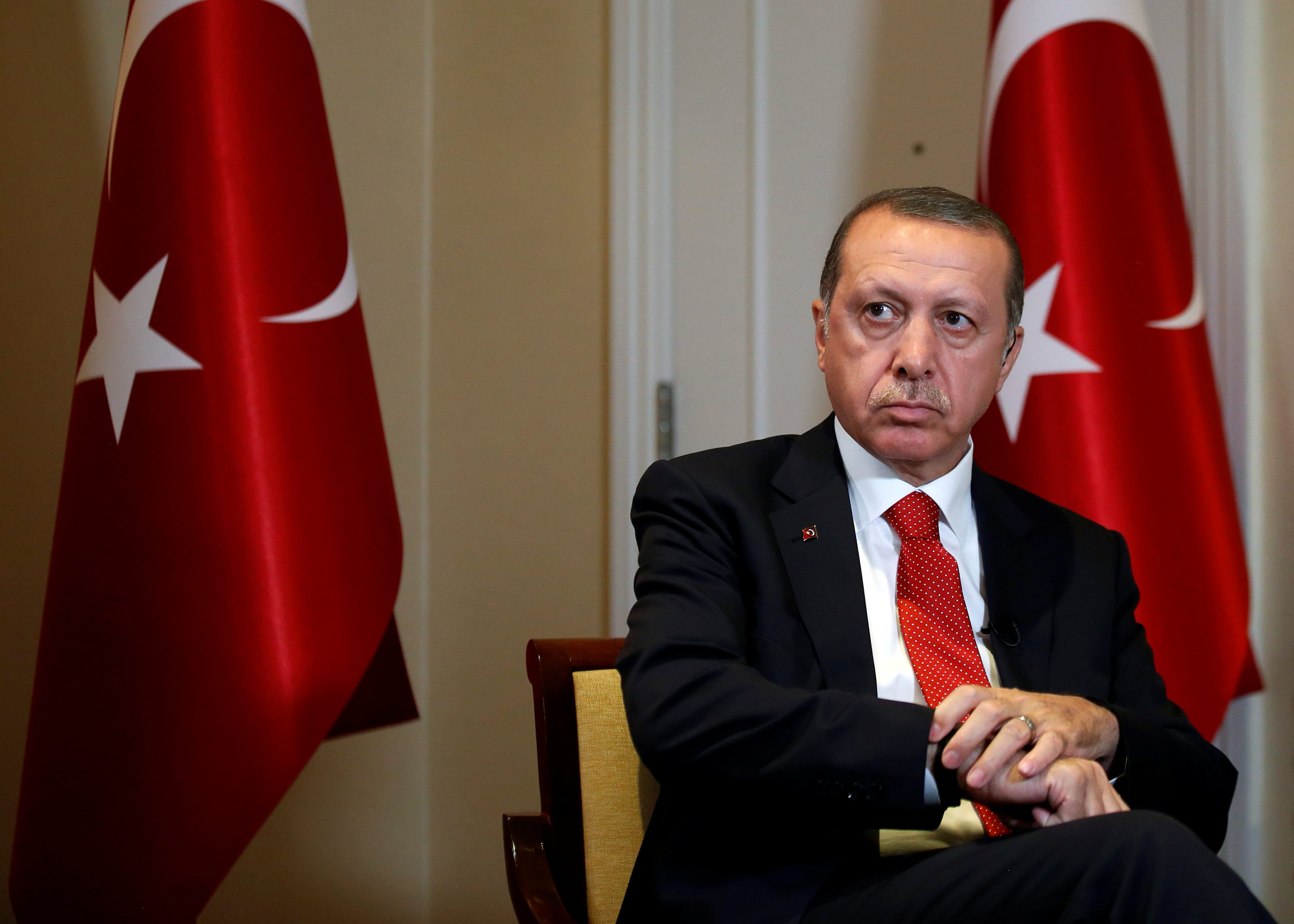
In February of 2019, districts in the Turkish cities of Ankara and Istanbul began selling produce directly to consumers at local markets in an effort to bypass retailers, who had been characterized by President Recep Tayyip Erdoǧan as “terrorizing” society
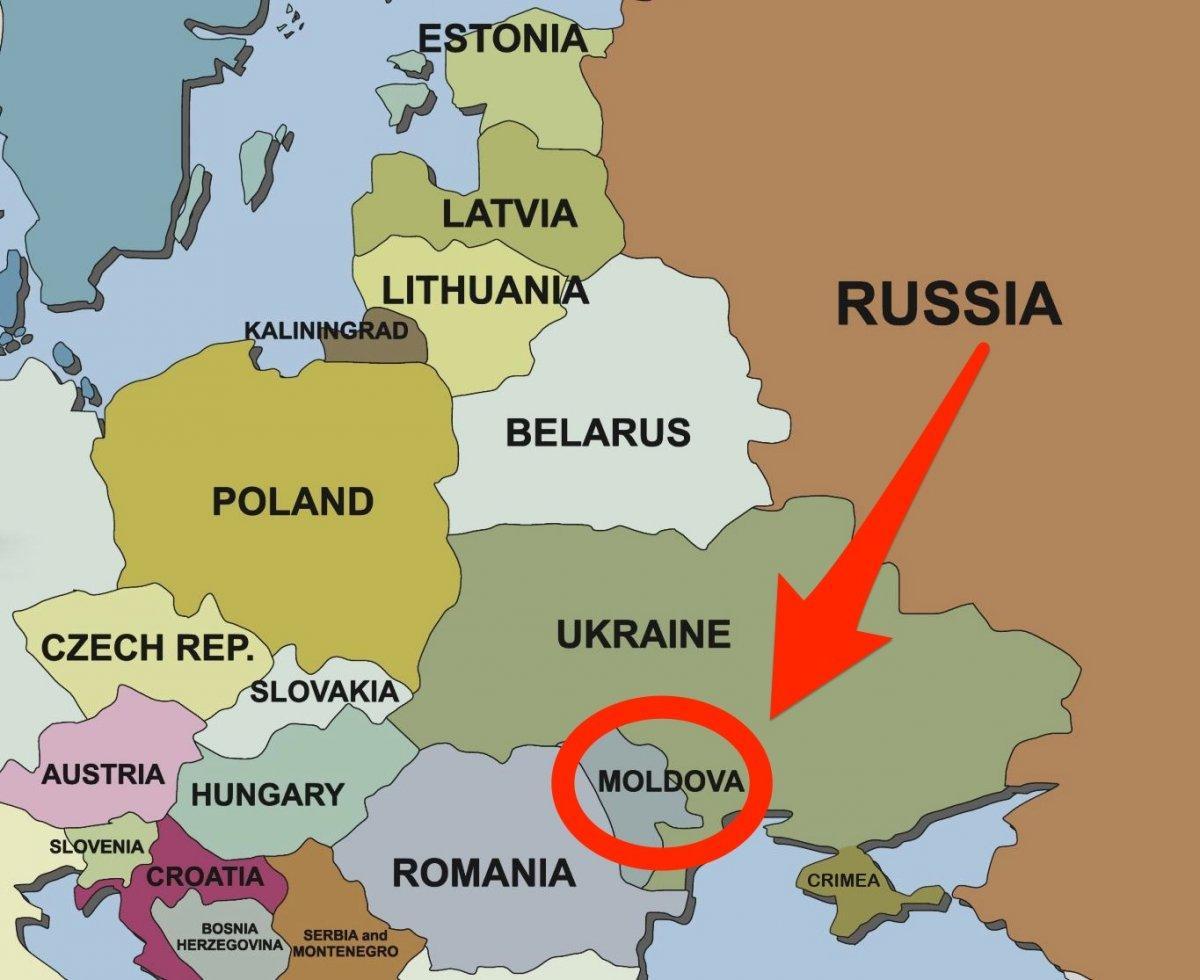
It’s been more than a month since the crucial event in political life of Moldova took place – the February parliament elections. The elections define the future development of the country, which is a parliamentary republic.
This small Eastern European state
This small Eastern European state

Stories have a life of their own. Merriam-Webster describes a meme as “an idea, behavior, style, or usage that spreads from person to person within a culture”. It doesn’t matter who the carrier of the meme is or the way that they pass it on: all that matters is that the story is reproduced and given new life with each telling.

Jeremy Corbyn and the UK Labour Party leadership have dragged their feet on taking a clear oppositional stance on Brexit. While the Party has shifted slowly towards a position of, perhaps, supporting a People’s Vote, its entire approach since the 2016 referendum result has been one of feet dragging and equivocation.
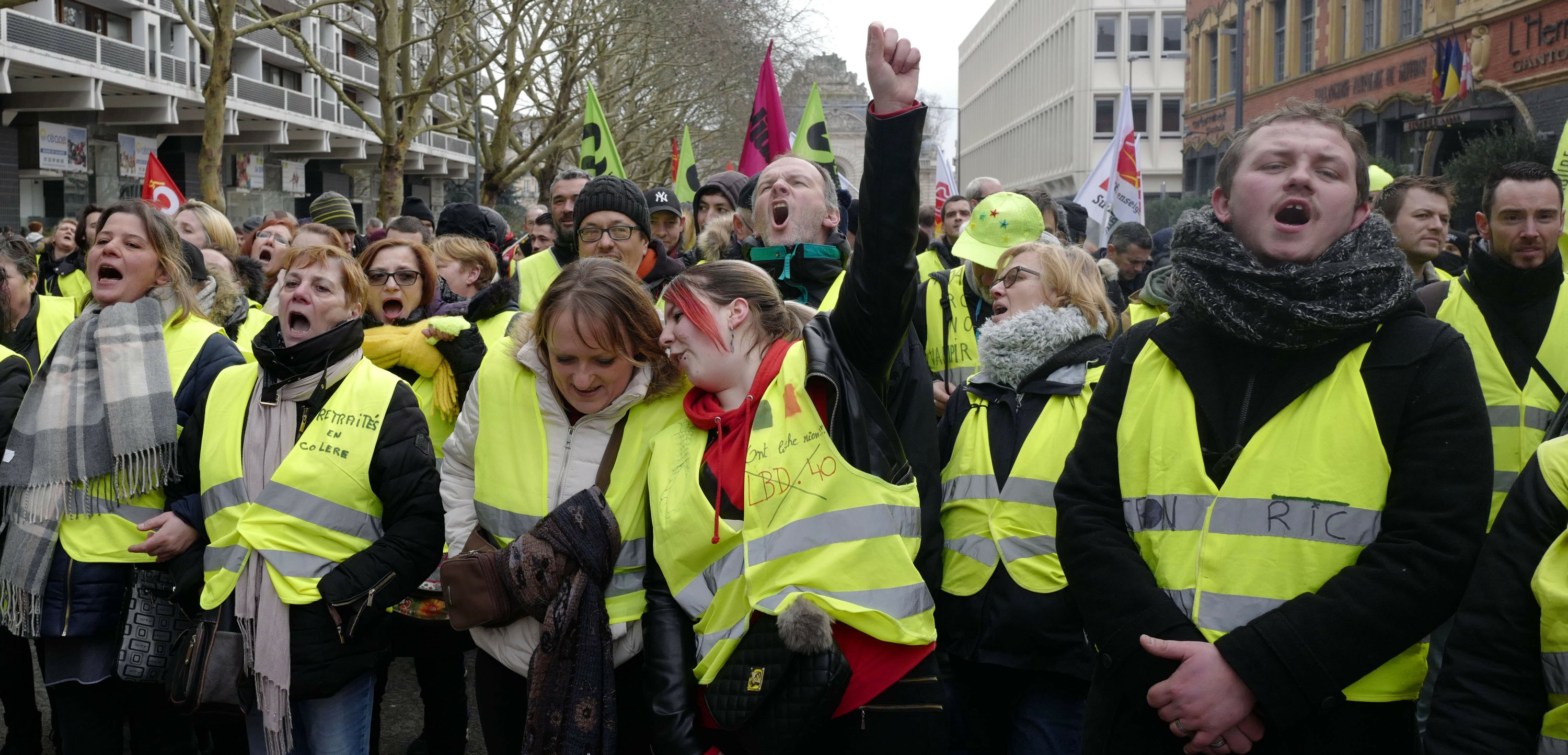
The situation here may be reaching a showdown between the Macron government, which is now considering using the Army against the Yellow Vests, and the social movement, to whose demands the regime continues to turn a deaf ear.
In the last
In the last

Mike Oliver, Emeritus Professor of Disability Studies at the University of Greenwich in England, has died at the age of 74 after a short illness.

The words jumped from the screen like the familiar opines of old love letters.
‘Single-payer healthcare’, ‘break up the banks’, ‘fifteen dollar minimum wage’, ‘tuition free college’.
I had been surreptitiously scrolling through the news on a short break from my daily
‘Single-payer healthcare’, ‘break up the banks’, ‘fifteen dollar minimum wage’, ‘tuition free college’.
I had been surreptitiously scrolling through the news on a short break from my daily
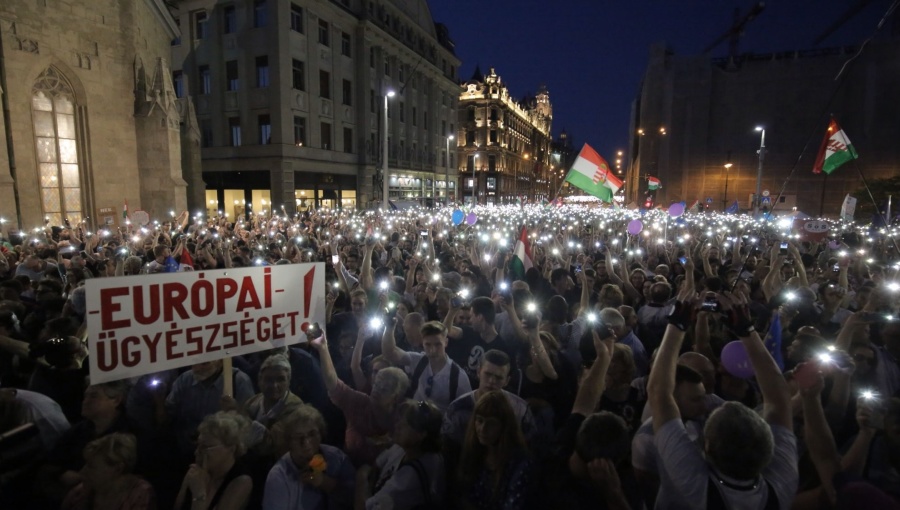
Widespread protests in Hungary, against the right-wing, authoritarian and nationalist government of Viktor Orbán, which began in December 2018, continue

The #MeToo movement against sexual assault and rape has animated women throughout the world. In the Middle East too, despite the wars led by authoritarian states, various imperialist powers, and extremist religious fundamentalist forces, a #MeToo movement is rising. How

On Tues, Feb. 5, as the Macron government pushed harsh repressive laws against demonstrators through the National Assembly, the Yellow Vests joined with France’s unions for the first time in a day-long, nation-wide “General Strike.”

In 1649, a pamphlet titled Tyranipocrit Discovered was published in Rotterdam. Fusing the terms “tyrant” and “hypocrite,” the anonymous author called for an end to economic, religious, and political oppression in England.
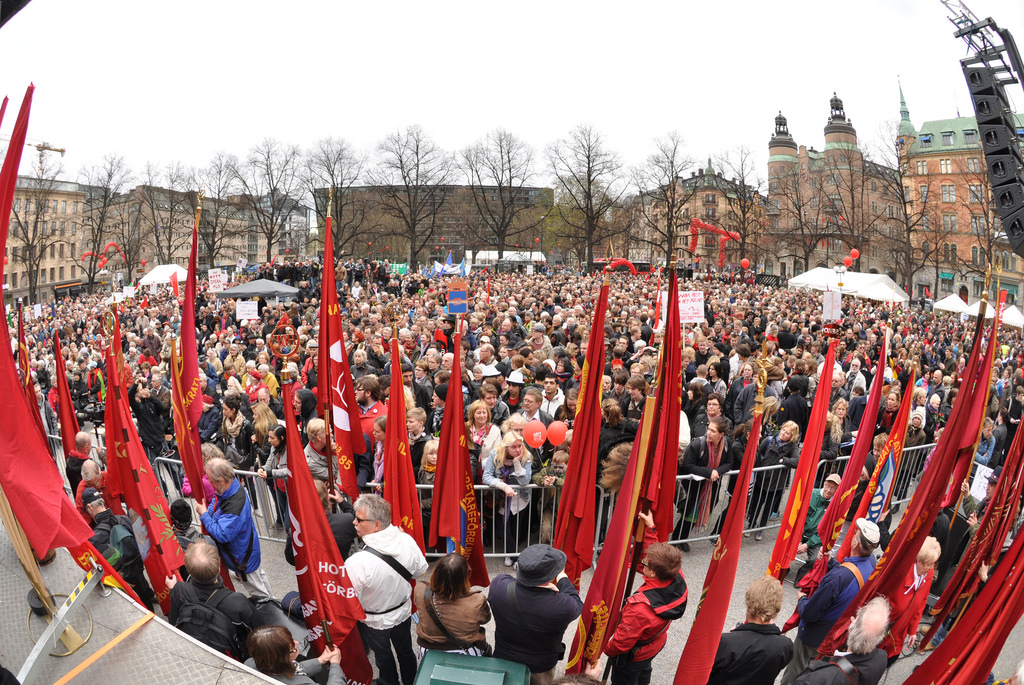
The Wage-Earner Funds in Sweden is one of the few serious attempts in an advanced capitalist society to socialize the means of production. Developed by Rudolf Meidner and Anna Hedborg, two economists at the powerful social-democratic union confederation LO, the

The deaths of Rosa Luxemburg and Karl Liebknecht have haunted the imagination of the left for a century. Joe Sabatini reviews a recent publication exposing the events of their deaths, Klaus Gietinger’s The Murder of Rosa Luxemburg, as well as providing an introduction to some of the literary works inspired by the events of 15 January 1919.
I read New Politics because it provides an in depth socialist perspective on politics available nowhere else, but some of your contributors make bizarre assertions.
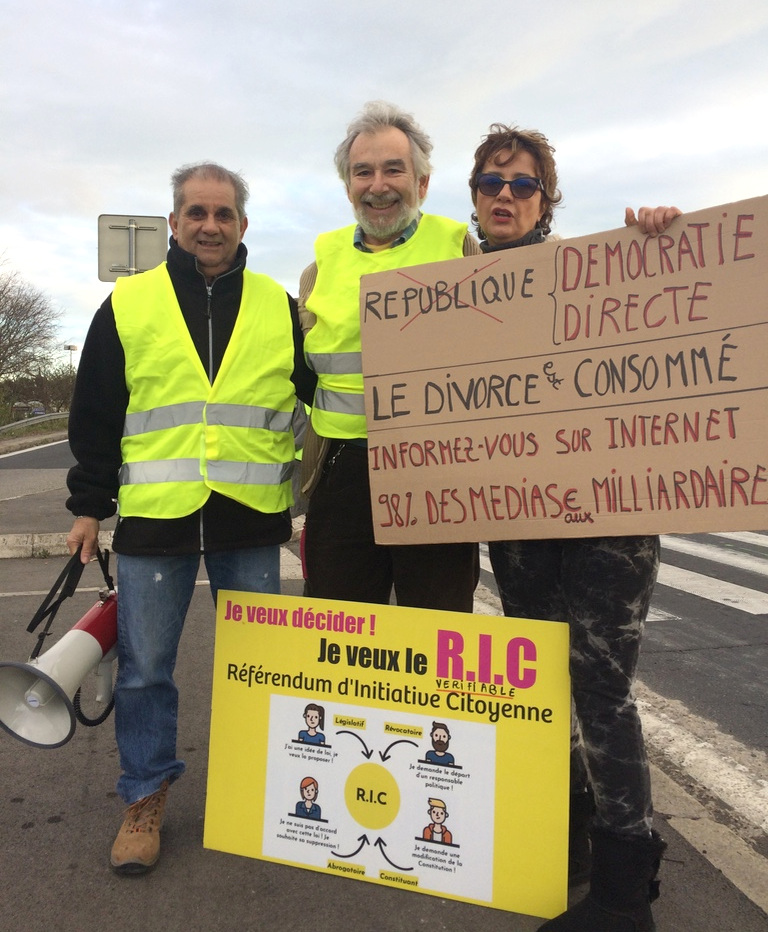 Is the Yellow Vest (Gilets Jaunes) rebellion, now in its seventh week, “petering out?” Such was the near-unanimous pronouncement of the mainstream media, when I returned home to Montpellier, France, eager to participate and to observe first-hand this popular insurrection which I had been afraid of missing.
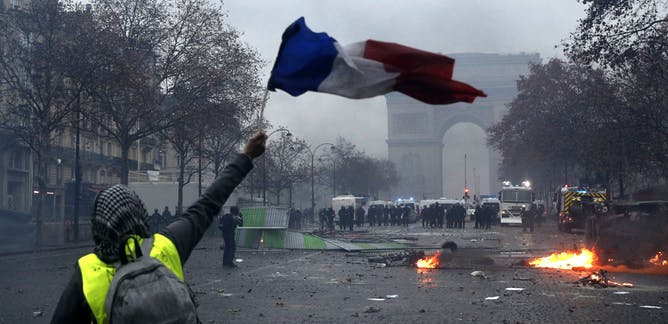
The White-Hot Anger of French Working People as a Real Fact
After rumbling on social media for weeks, the Yellow Vests (Gilets Jaunes) movement emerged suddenly on November 17, when no less than 300,000 protestors occupied roads, traffic circles in exurbs and rural areas. They wore the yellow safety vests the government requires all motorists to purchase, and which immediately became the emblem of the movement. That week and the next, Yellow Vests also ventured into the heart of Paris, blocking the gilded Boulevard Champs-Elysées and almost reaching the nearby presidential palace. From the beginning, women were unusually prominent in the local occupations and the street marches. At the same time, the Yellow Vests chased away many politicians who visited their protest sites, including some from the left.
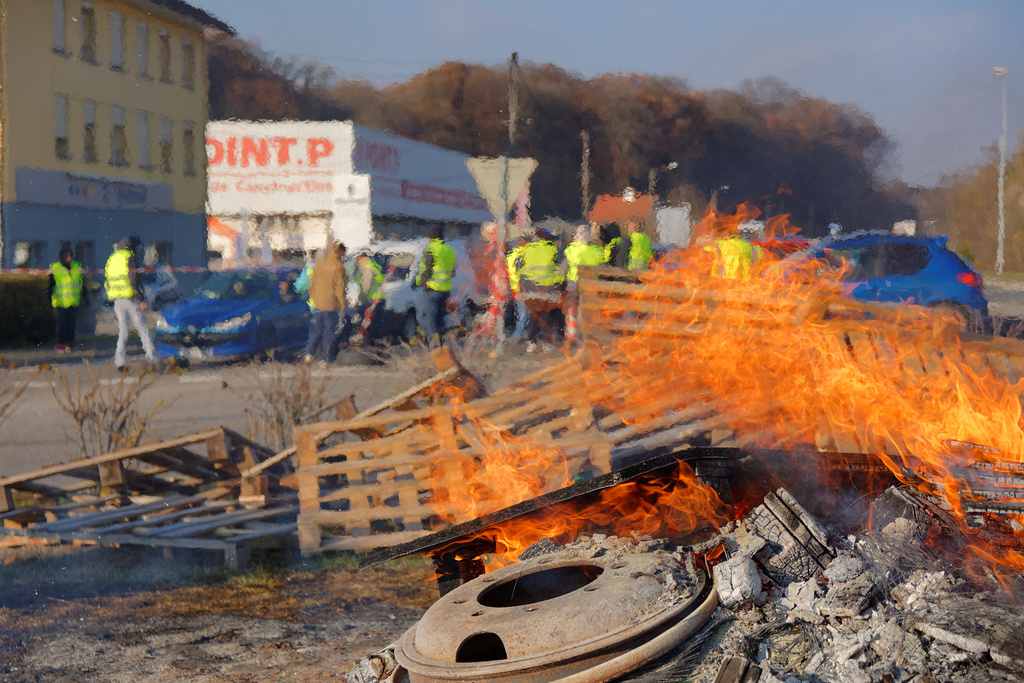
The French government has decided to suspend a planned eco-tax on fuel in response to mass protests. While the movement of the ‘yellow vests’ (gilets jaunes) has turned into a broader revolt against inequality and Macron’s neoliberal reforms, economist and climate activist Maxime Combes (Attac France) argues that as a way to tackle climate change, the tax is neither fair nor effective.
Analysis originally published on the daily internet journal of ideas AOC and translated by Taisie Tsikas.
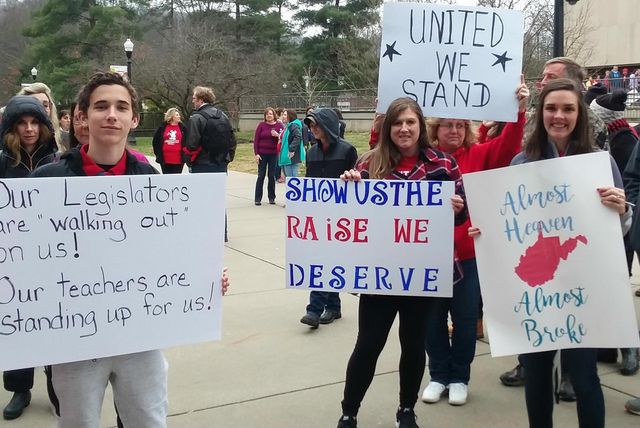 As the French get ready for the “rentrée” – the annual back-to-school/back-to-work day following the August vacation – social peace appears to reign in the land. The long-expected militant strikes and struggles against the neo-liberal counter-reforms introduced by President Macron early last Spring have failed to materialize. Surprisingly, the Macron government successfully force-marched its anti-labor, anti-welfare, pro-business agenda through parliament with little effective resistance by the unions and Left parties. Meanwhile, in the U.S., a wave of spontaneous teachers’ strikes spread from West Viriginia to other conservative ‘Red’ states, winning significant victories and surprising the media and the labor leadership. The contrast is surprising.

There is no way that I am qualified to write a proper obituary for Don Trudell, a longtime member of the British IS/SWP who taught history and media studies at the American School in London (ASL) when I was a student there. I do not know where he was born, or went to college, or even his full name. The last time we spoke was in the early 1980s, and the last time I spent any significant amount of time in his company was when I was still in high school. Although I dined at his house a couple of times, and chatted with him after class on innumerable occasions, I can’t say that we ever became friends. But he was a singular individual and he left an indelible impression on how I think about the world.

Adapted from a presentation to the Chicago Convention of the International Marxist-Humanist Organization, July 13, 2018.

Jacobin published on June 9 an essay by Catarina Príncipe under the title “The Portuguese Myth.” We’ve deeply appreciated her thoughts on the political changes in the country since 2015, considering it was written by a spokesperson for a minority current inside the Left Bloc, a status Príncipe failed to mention. This should have been stated, for transparency’s sake, since Príncipe offered an alternative political resolution and a competing list for the leadership of the Party in 2016, which were defeated.1
- « Newer Posts
- 1
- …
- 13
- 14
- 15
- 16
- 17
- 18
- 19
- …
- 28
- Older Posts »