
Category: U.S. Foreign Policy
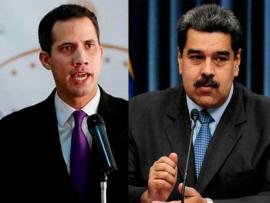
The following statement was issued by Marea Socialista, a Venezuelan organization.
Only the sovereign mobilized people can decide its destiny, in a referendum and general elections
The Venezuelan people, mobilized along all social sectors and taking to the streets from the poor
Only the sovereign mobilized people can decide its destiny, in a referendum and general elections
The Venezuelan people, mobilized along all social sectors and taking to the streets from the poor
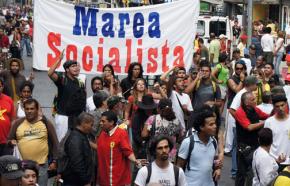
Right-wing opposition leader Juan Guaidó has declared himself interim president of Venezuela against sitting President Nicolás Maduro, and he was immediately recognized by the U.S. government and a range of authoritarian leaders in Latin America. Here, the International Socialist Organization states its

Things are approaching a crisis point in the long battle of wills between Venezuela and the White House. Juan Guaidó, president of the opposition-controlled National Assembly, swore himself in as the country’s “interim president” before a crowd of tens (by
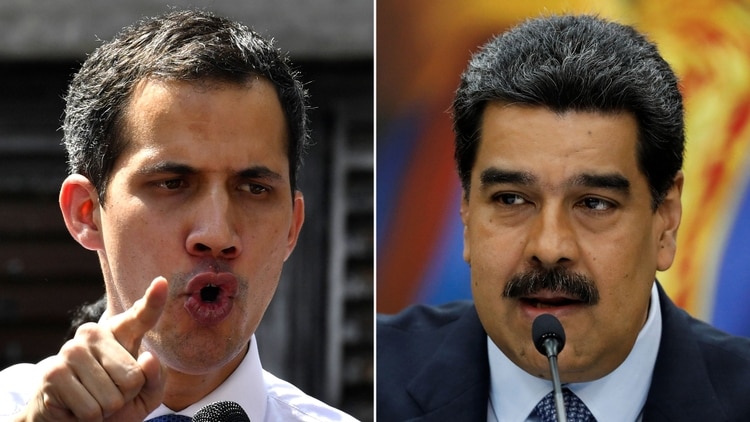
This statement was issued by the PRT, Mexican section of the Fourth International, on 23 January 2019.
The Workers’ Revolutionary Party (PRT) stands emphatically against the new attempted coup d’état and imperialist intervention against Venezuela. In an open and cynically orchestrated
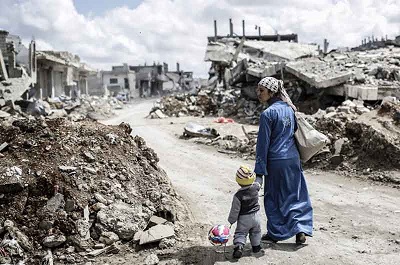
As the war in Syria draws to a close, the debate on the U.S. left over that conflict seems as intractable as ever.
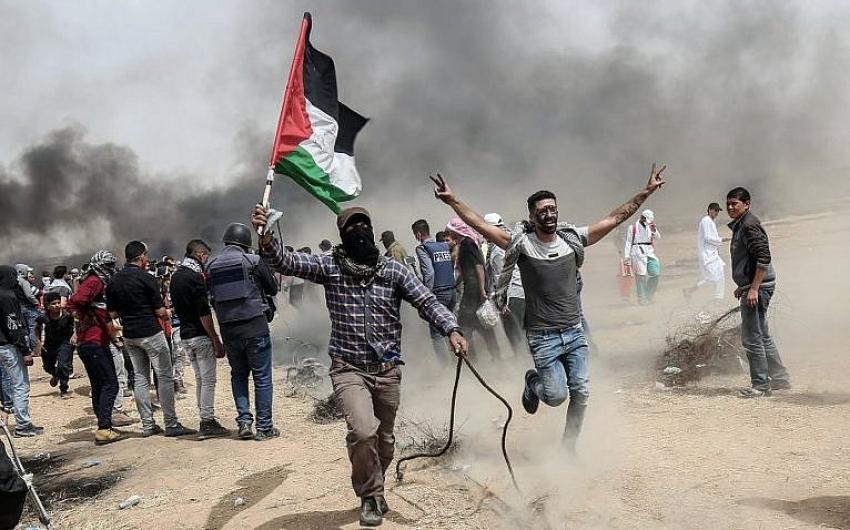
The rise and expansion of right-wing populism and the dramatic unfolding of global politics in the Trump era have had significant and alarming implications for the Palestinian people, leadership, and question overall.
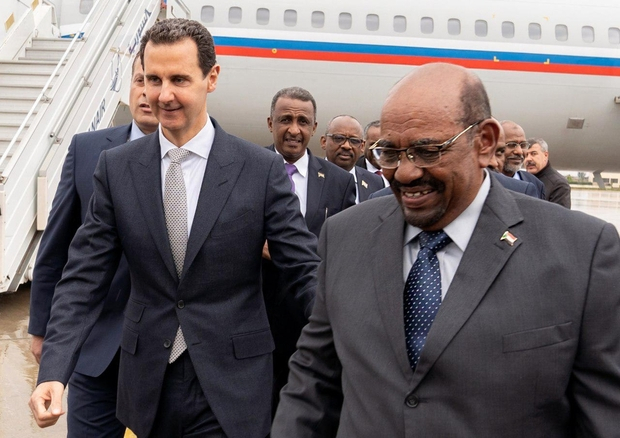
In the days since Donald Trump’s announcement that the US was to rapidly withdraw its 2,000 troops from Syria, an enormous amount of speculation about what this means has taken place. In my initial piece, I expressed a number of views that are not widely shared.
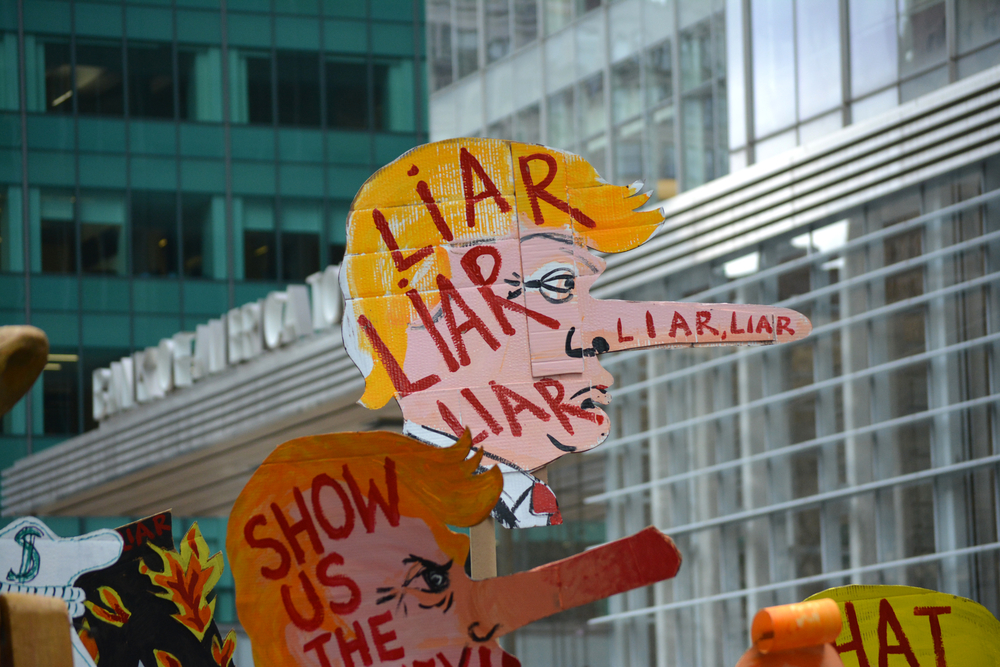
As the GOP’s fears of a progressive wave in November grow, Donald Trump has made it his personal mission to make everyone else afraid, too.
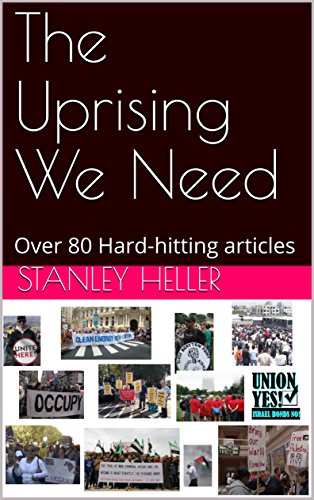 Stanley Heller, The Uprising We Need. Amazon Digital Services LLC, 2017. 332pp. $5.99 on Kindle.
Apart from the many valuable insights contained inside The Uprising We Need, Stanley Heller’s collection of articles published over the period between 2003 and 2017, the book is a fascinating look back through that fourteen-year span in which so much has happened. There is a tendency in our isolated, consumer-disciplined culture to focus on the shiniest thing out there right now with little reference for how that particular thing got there in the first place.
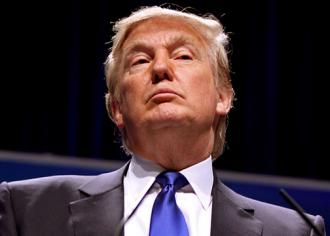
Following his new sanctions instituted against Iran, the dismissal by Donald Trump of the Joint Comprehensive Plan of Action (JCPOA) nuclear deal is the continuation of the capitalist logic of militarization of the Middle East that was escalated by the last Bush administration and which has brought genocide and disastrous humanitarian crises to the region.
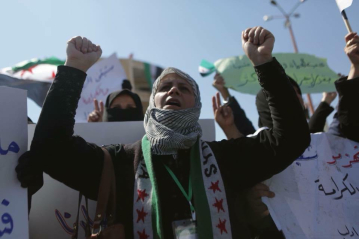
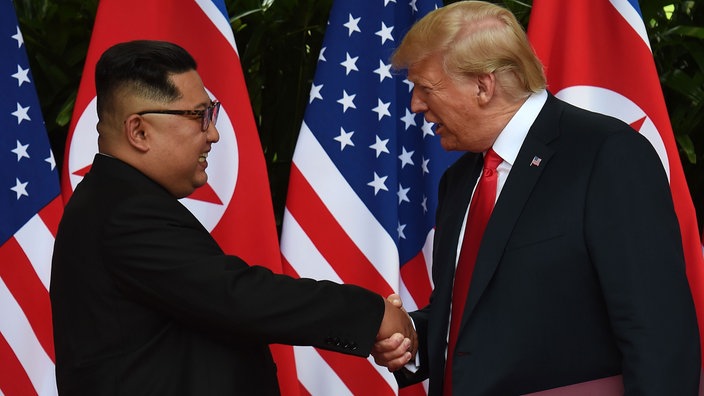
After the Singapore meeting between Trump and Kim Jong-un, questions loom large. What is the path ahead for North Korea? What chances are there for a lasting peace on the Korean Peninsula? South Korean socialists weigh in.
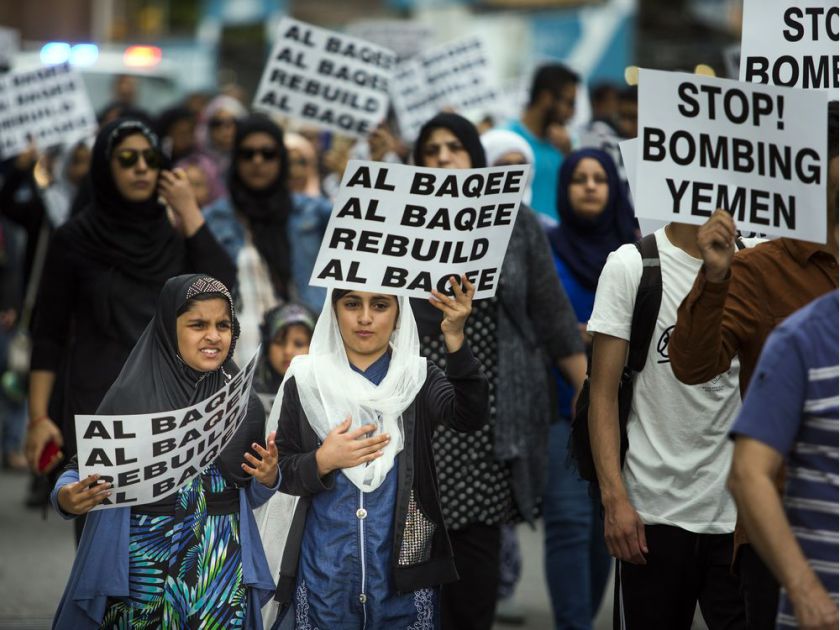
Saudi prince Salman dazzled Wall Street and the glitterati in his three-week U.S. tour this past March. The captains of finance (Stephen Schwartzman, Peter Thiel), tech (Gates, Bezos), politics (Trump, Clinton), and Hollywood (Disney’s Bob Iger, director James Cameron, Morgan Freeman) all met with him. “60 Minutes” did a fawning piece, as did NPR and the Atlantic. The New York Times printed two rapturous articles by Thomas Friedman. Finally, they had a marketable Saudi royal. Mohammad bin Salman was not the usual doddering nonagenarian, but a vigorous take-charge guy, who … get this… is going to let women drive!
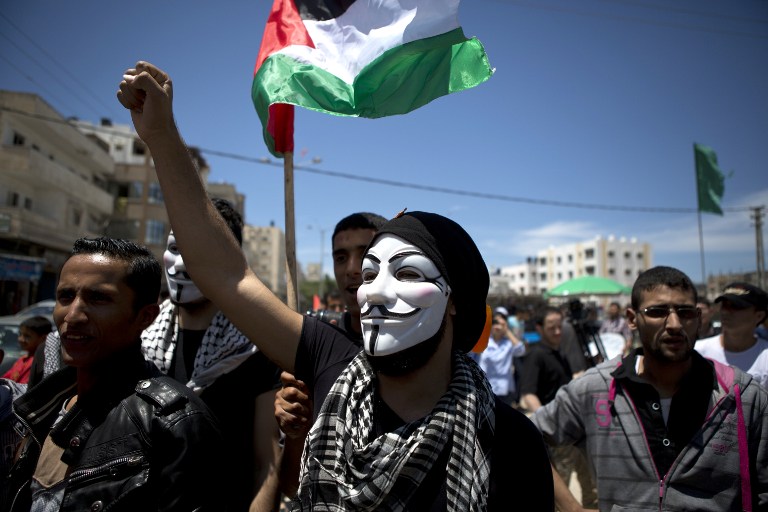
US President Donald Trump’s ripping up of the Iran nuclear pact, his shocking relocation of the US Embassy to Jerusalem, and Israeli Prime Minister Netanyahu’s equally shocking mass murder of peaceful Palestinian demonstrators has revealed the utter depravity of today’s rulers. Despite their sometimes chaotic and reckless appearance, however, these moves amount to nothing short of a breathtaking attempt by the US, with its Israeli and Saudi allies, to realign Middle East politics by creating an uncontested hegemony for the entire region. To this end, Iran must be crushed as a rival subimperialist power, Russia and Turkey dealt in or sidelined, and both the remainder of the Arab revolutions and newly resurgent Palestinian movement repressed.
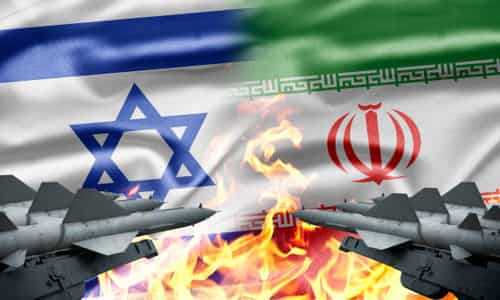 For Iran, the U.S. withdrawal from the 2015 Nuclear Agreement will mean crushing sanctions and direct or continued indirect war declared by Israel and Saudi Arabia with U.S. support. For the Middle East, it will mean further destruction and regional imperialist competition. For the world, it will mean further division between the U.S. and the European Union and further global imperialist competition.

Donald Trump's withdrawal of the United States from the Iran nuclear agreement has set a path toward another Middle East war. It is not necessarily a war that will erupt right away or in the short term, and it may be averted if the United States is politically isolated and there’s a mass revival of an international antiwar movement. That’s what every sane person, and certainly every socialist and peace activist, should hope and work for.
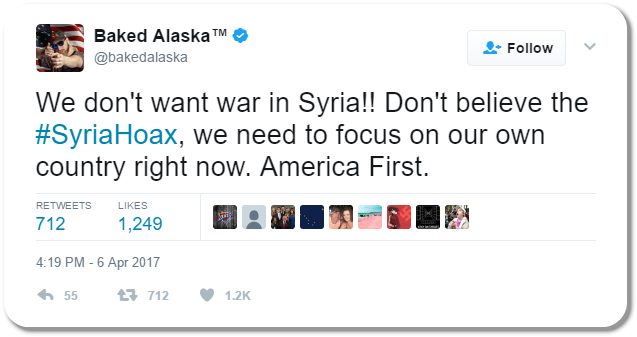
Looks to me that the ANSWER–IAC–UNAC rallies this weekend were a huge flop. The biggest was in NYC on April 15. The only article I could find that mentioned it was on a Chinese news service that said there was a protest of "hundreds." I saw one video of what I think was the whole crowd and it looked like 400 people. Hell, in 2003 we had hundreds of thousands.
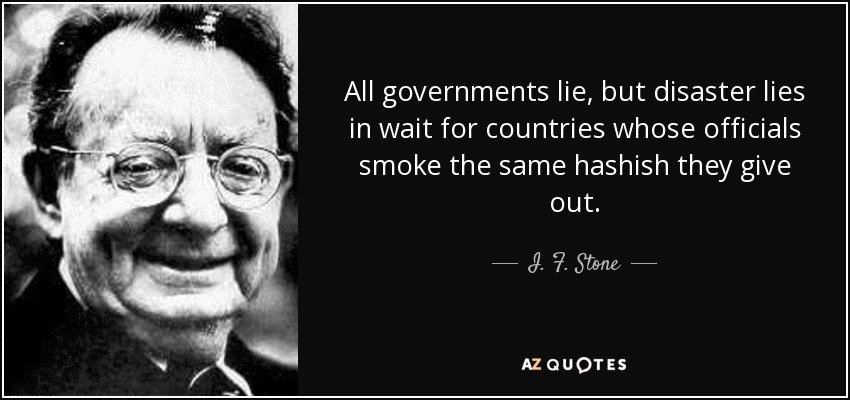
1. “All Governments Lie”
As 1950s investigative reporter I.F. (“Izzy”) Stone famously stated: “All governments lie.”[1] Fake news has historically been the weapon of the rulers, especially when in need of excuses for military aggression.
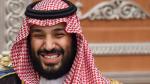
Hopefully this piece will be a bit of help to those demonstrating against Prince Salman’s #TrillionaireTour of the U.S. (Aramco, the kingdom/Saudi family-owned oil company is valued at $2 trillion.) Another piece I wrote about Saudi Arabia and the colleges that take Saudi elite money is at The Nation.
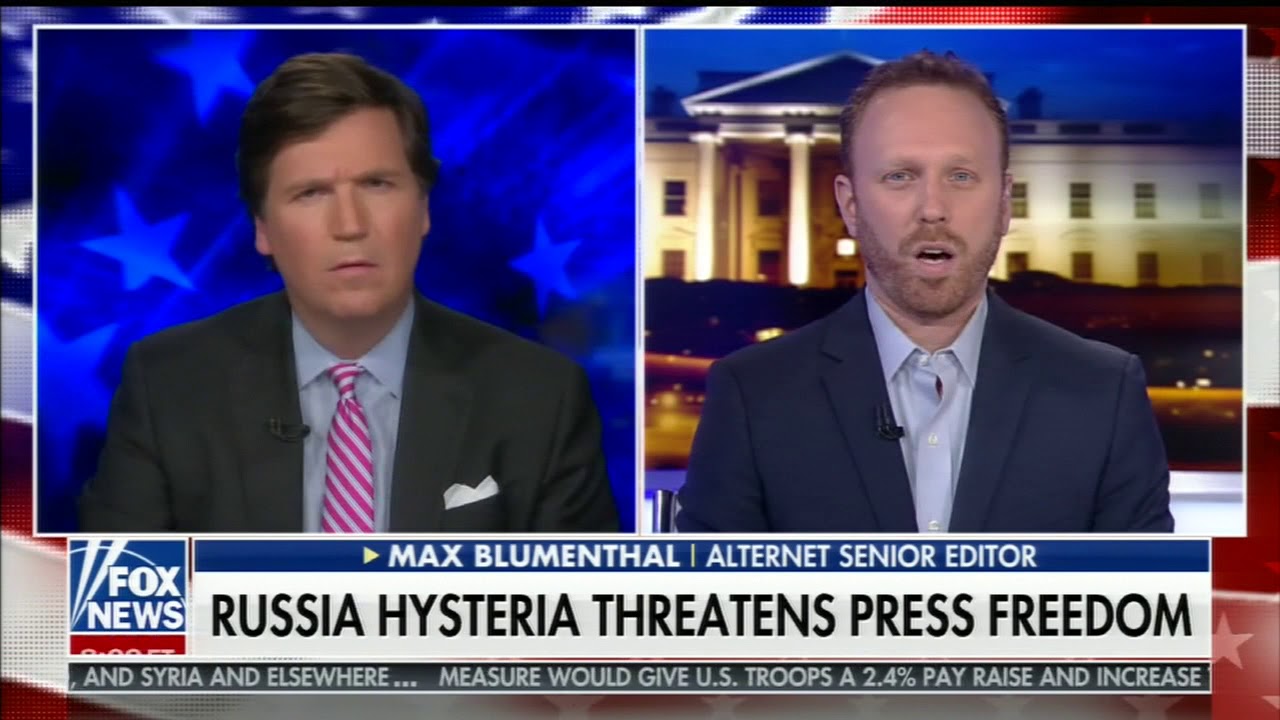
On the Southern Poverty Law Center website, this rather odd statement can be read:
Yesterday, Friday, March 9, we published an article entitled “The multipolar spin: how fascists operationalize left-wing resentment.” After receiving some concerns about the article from Max Blumenthal that evening, we took it down, pending further review.
The article was written by Alexander Reid Ross as a follow-up to earlier articles for SPLC titled “The Internet Research Agency: behind the shadowy network that meddled in the 2016 Elections” and “The far-right influence in pro-Kremlin media and political networks.” Subsequent to the removal of the latest, the other two have been removed as well.

When it comes to the Russiagate scandal, progressives usually take one of two positions.
They either dismiss the scandal as a lot of hooey, a “nothingburger,” just a way for warmongers and the “Deep State” to revive a cold war between Washington and Moscow. Or they treat the scandal as just a means to an end, a way to cast doubt on the 2016 presidential election, implicate the administration in a variety of crimes, and ultimately impeach the president.
- « Newer Posts
- 1
- …
- 3
- 4
- 5
- 6
- 7
- 8
- 9
- …
- 14
- Older Posts »