
Category: Racism

Lawrence Brown associate professor of public health in the School of Community Health and Policy at Morgan State University. He is the grandson of sharecroppers who lived in the Mississippi Delta and a native of West Memphis, Arkansas. He is a historian, critical geographer, and political economist who sees public health from a critical, interdisciplinary perspective and advocates for holistic approaches to healing the Black communities of Baltimore. His book The Black Butterfly: Why We Must Make Black Neighborhoods Matter (Johns Hopkins Press) is forthcoming.
A CNN report last November about slave auctions in present-day Libya shocked the world.1 The existence of these slave auctions was widely treated as a new development in the country and a result of the chaos that resulted from the NATO-supported overthrow of Colonel Muammar Gaddafi. In truth, however, what CNN discovered is but a surviving remnant of Gaddafi’s regime—the Libyan Arab Jamahiriya—a police state with systematic racism and abuse both of Libyans of sub-Saharan African descent and of sub-Saharan African migrants.
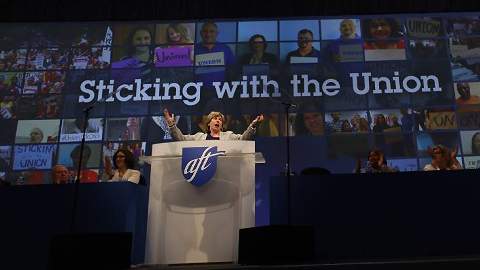
Reflecting on the days I spent as a delegate during the AFT national convention in Pittsburgh (held July 13-16), I was reminded of the fall of the Berlin Wall and the collapse of Soviet Communism in 1989-90. No one predicted it, and it seemed to come out of nowhere. But peace activists in the West who organized international support for struggles of dissidents in the Soviet Union and Eastern Europe saw the social ferment.
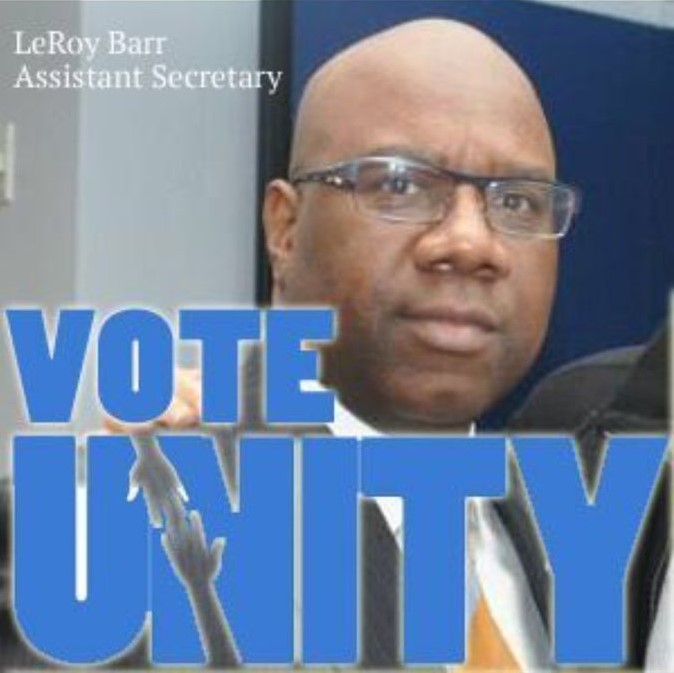 In its January meeting, after a pro-forma discussion, the Delegate Assembly of the UFT (United Federation of Teachers), which still has the legal right to bargain collectively on behalf of New York City's teachers, voted down a resolution to work with community groups to support Black Lives Matter in the schools in February. LeRoy Barr, UFT's assistant secretary, co-staff director, and Chairperson of the Unity Caucus, gave the UFT leadership's rationale for rejecting the motion. Support for BLM was, he contended, a splinter issue, divisive, at a time when the union had to stay focused on what was key, the Janus decision and the threat to collective bargaining rights.
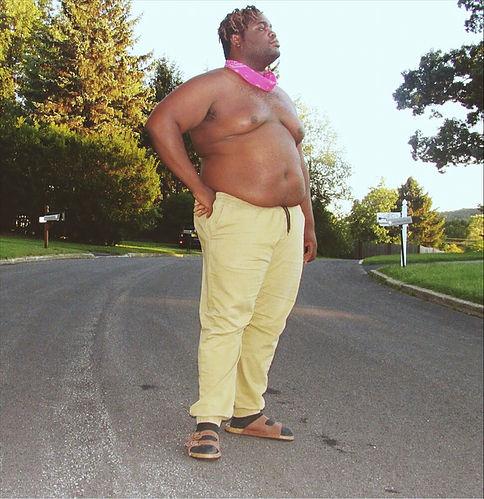
This work is a creative nonfiction work which highlights the imperialist white supremacist capitalist colonial gaze of the Black male body, conventional beauty standards, systemic weightism, and instances of subversion against these oppressive norms in appreciating my body for the way it is.

Theodore W. “Ted” Allen (1919-2005) was an anti-white supremacist, working class intellectual and activist. He developed his pioneering class struggle-based analysis of “white skin privilege” beginning in the mid-1960s; authored the seminal two-volume The Invention of the White Race in the 1990s; and consistently maintained that the struggle against white supremacy was central to efforts at radical social change in the United States. Born on August 23, 1919, in Indianapolis, Indiana, he grew up in Paintsville, Kentucky and Huntington, West Virginia and, after moving to New York City, lived his last fifty-plus years in the Crown Heights section of Brooklyn.

A well-researched article by John Eligan in the Aug. 18 N.Y. Times goes beyond denouncing the symbolic racism of Charlotteville’s Confederate statues to expose the more pernicious structural racism embedded in the separate-but-unequal physical segregation of the city. (See “In Charlottesville, Some Say Statue Debate Obscures a Deep Racial Split.”) [1]
Ironically, this segregation was imposed, not during the rise of the KKK in the 1920s, but during the 1960s under the progressive guise of ‘urban renewal.” It was then that the vibrant, relatively prosperous, historical black neighborhoods like Charlotteville’s Vinegar Hill were deliberately razed, left long vacant, and ultimately replaced by soulless public housing and institutional projects.
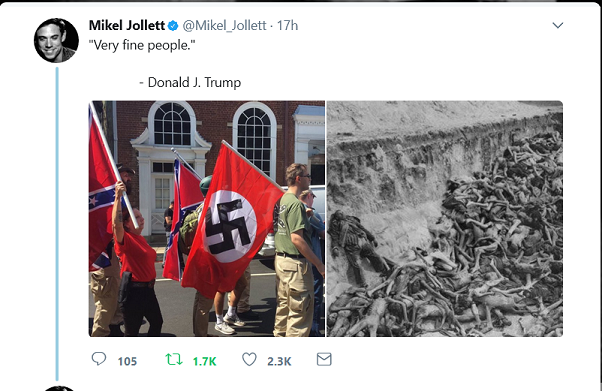 Amidst so much to read and digest about events in Charlottesville and Trump’s response to them, and what seems (but is not) a new, highly violent emergence of neo-Nazis, the KKK, and white supremacist organizations, this blog by Adam Shatz on the website of the London Review of Books seems to me one of the more eloquent, insightful analyses.
 The “Unite the Right” rally held in Charlottesville, Virginia this past weekend attracted several hundred white men from the "alt-right," the neo-Nazis, and the Ku Klux Klan who marched with torches through the University of Virginia chanting, “You will not replace us.” Nothing better explains the fear at the root of their racist movement than that chant. They fear, as their political ancestors feared, that they will be replaced by blacks. They have now come to fear also that they will be replaced by Latinos and by Asians. They fear too that they will be replaced by women, by gay men or lesbians or bisexuals. Or by trans people or the disabled. Above all, they fear.
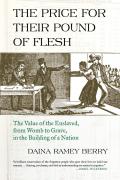
The author of The Price for Their Pound of Flesh is Daina Ramey Berry. Professor Berry is an associate professor of history and African and African diaspora studies and the George W. Littlefield Fellow in American History at the University of Texas at Austin. An award-winning historian, she is also a Distinguished Lecturer for the Organization of American Historians. Berry is a specialist in the history of gender and slavery in the United States with a particular emphasis on the social and economic history of the nineteenth century.

It’s been two weeks since Donald Trump’s inauguration sparked some of the largest rallies in American history. Each week since has also seen demonstrations, culminating in those that broke out at airports across the country at the end of January to protest the president’s new Muslim ban barring travel from seven predominantly Muslim countries. Mass protests are in large measure a bellwether of popular sentiment. They carry an implicit threat that politicians who defy the will of the people will be voted out, but that threat must be channeled strategically, or it will dissipate.
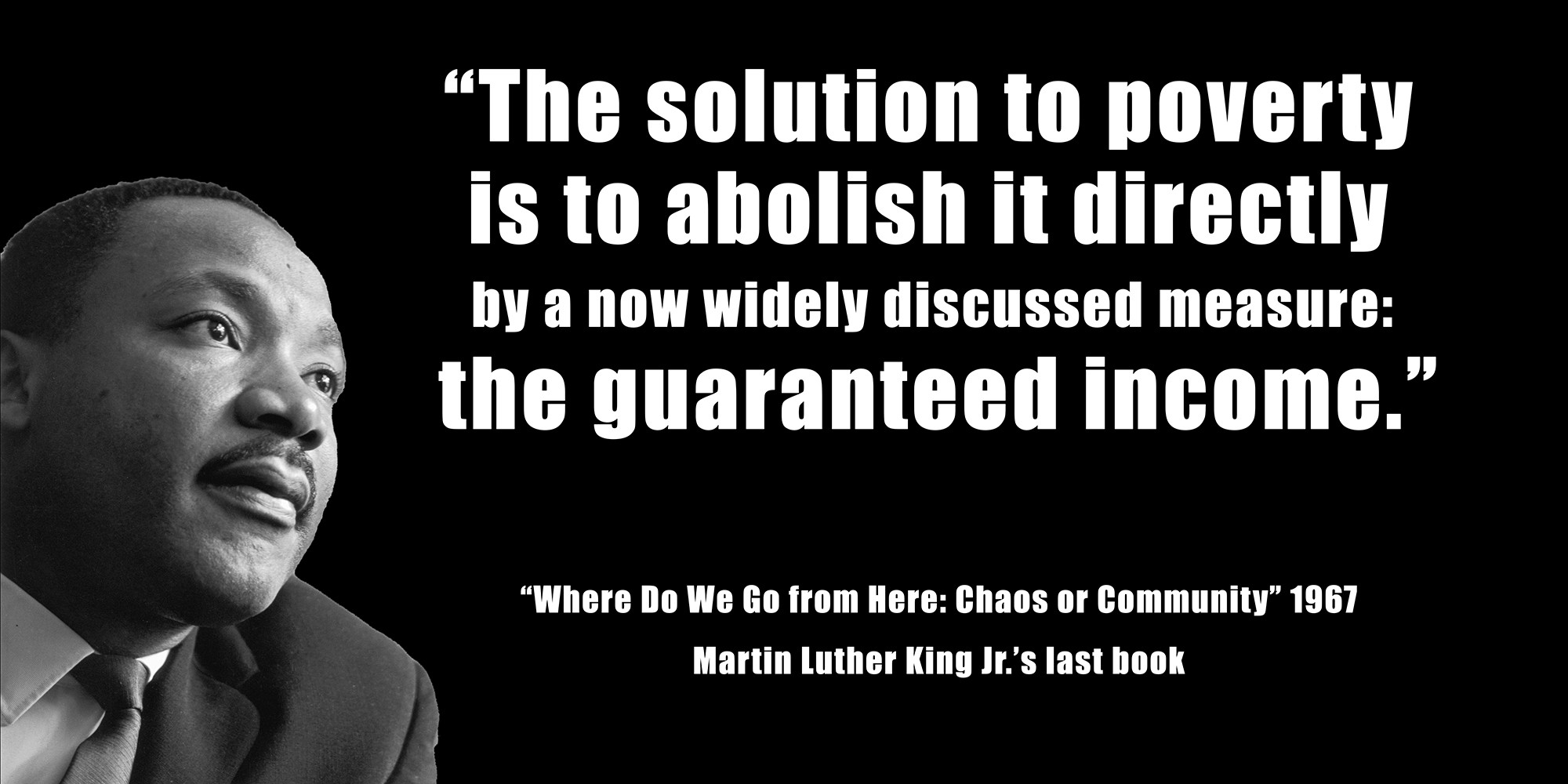
Marking an anniversary of a book’s publication is, appropriately, reserved for books that were widely read when they first appeared many years ago. Books we commemorate with an anniversary are ones that ushered in a new way of thinking and influenced the way society tries to make sense of the world. Martin Luther King Jr.’s last book, Where Do We Go from Here: Chaos or Community did neither of these things.
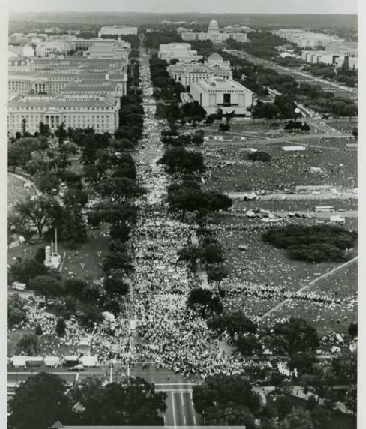 The Women’s March was glorious. Yes, I disagree with much said in the speeches, but that wasn’t an issue because like the vast majority of people who participated, I didn’t go to hear celebrities or politicians talk. I participated to show my rage and frustration at Donald Trump and the policies he and the GOP are preparing to impose on us. Women like me, disgusted, dismayed, enraged at Donald Trump’s misogyny, which the GOP has endorsed, flooded to this demonstration.
We brought family, friends, supporters, male and female, protesting the human rights and climate deniers whom Trump has brought with him into office. There was some diversity but this was primarily a march of young White women who carried signs about their bodies, “Pussy power” being the most prominent at the New York march. “Pussy power” strikes me as especially apt. Like women who fight patriarchy, it’s naughty. It evokes the strength in numbers. Most of all, the march birthed a new social movement which will owe its life to pussy.
On Christmas Eve, I sent a satirical tweet about an imaginary concept, 'white genocide.' For those who haven't bothered to do their research, “white genocide” is an idea invented by white supremacists and used to denounce everything from interracial relationships to multicultural policies (and most recently, against a tweet by State Farm Insurance). It is a figment of the racist imagination, it should be mocked, and I'm glad to have mocked it.
 We all know very well by now that the white working class did not cause Trump to win the elections. Article after article have made the case, typically pointing to Nate Silver’s finding that the median household income of Trump supporters in the Republican primary was $72,000, roughly $10,000 more than the median household income for all whites. In the general election, Clinton won the majority of all voters earning $50,000 or less. Trump supporters are many things. They are undoubtedly whiter. They are also less likely to be educated and more likely to work in blue-collar jobs. But there’s one thing they’re not: overwhelmingly working-class.
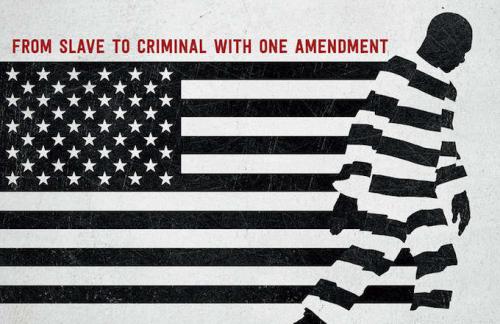
When prisoners in Alabama last spring proposed a national strike to protest “prison slavery,” they called out the infamous clause in the Thirteenth Amendment. The amendment most known for abolishing slavery included a rider that sanctioned slavery “as punishment for a crime wherein the party shall have been duly convicted.”

The Black Workers for Justice support the struggles of the indigenous peoples to defend their land and treaty rights and their struggles for environmental justice. And in this moment we are in full support of the resistance of the Standing Rock Sioux to the construction of the Dakota Access Pipeline (DAPL). We call on all people to support them politically and materially.
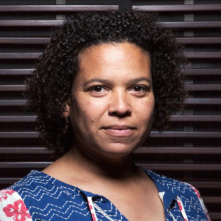
Rachel Herzing lives and works in Oakland, CA, where she fights the violence of policing and imprisonment. She is a co-founder of Critical Resistance, a national grassroots organization dedicated to abolishing the prison industrial complex and the Co-Director of the StoryTelling & Organizing Project, a community resource sharing stories of interventions to interpersonal harm that do not rely on policing, imprisonment, or traditional social services. The following interview was conducted by the True Leap Publishing Collective.
On August 1 the Movement for Black Lives (M4BL), a coalition of over sixty organizations, rolled out “A Vision for Black Lives: Policy Demands for Black Power, Freedom & Justice,” an ambitious document described by the press as the first signs of what young black activists “really want.” It lays out six demands aimed at ending all forms of violence and injustice endured by black people; redirecting resources from prisons and the military to education, health, and safety; creating a just, democratically controlled economy; and securing black political power within a genuinely inclusive democracy. Backing the demands are forty separate proposals and thirty-four policy briefs, replete with data, context, and legislative recommendations.
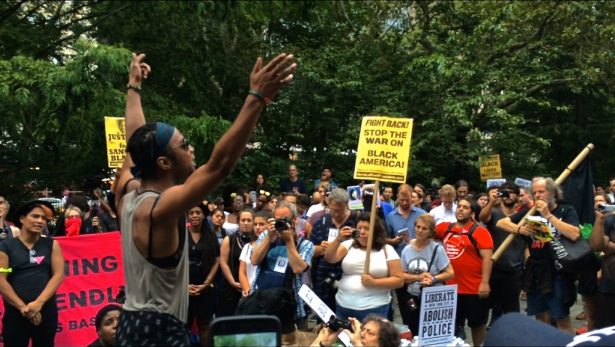
Activists in New York City seeking to defund the police have successfully occupied City Hall Park for a week and seen one of their demands met with the resignation of Commissioner Bill Bratton. While blocking roads and highways has been the tactic of choice for Black Lives Matter since it gained national attention two years ago, the recent deaths of Alton Sterling and Philando Castile have sparked the resurgence of a tactic many thought had been left behind in Zuccotti Park.
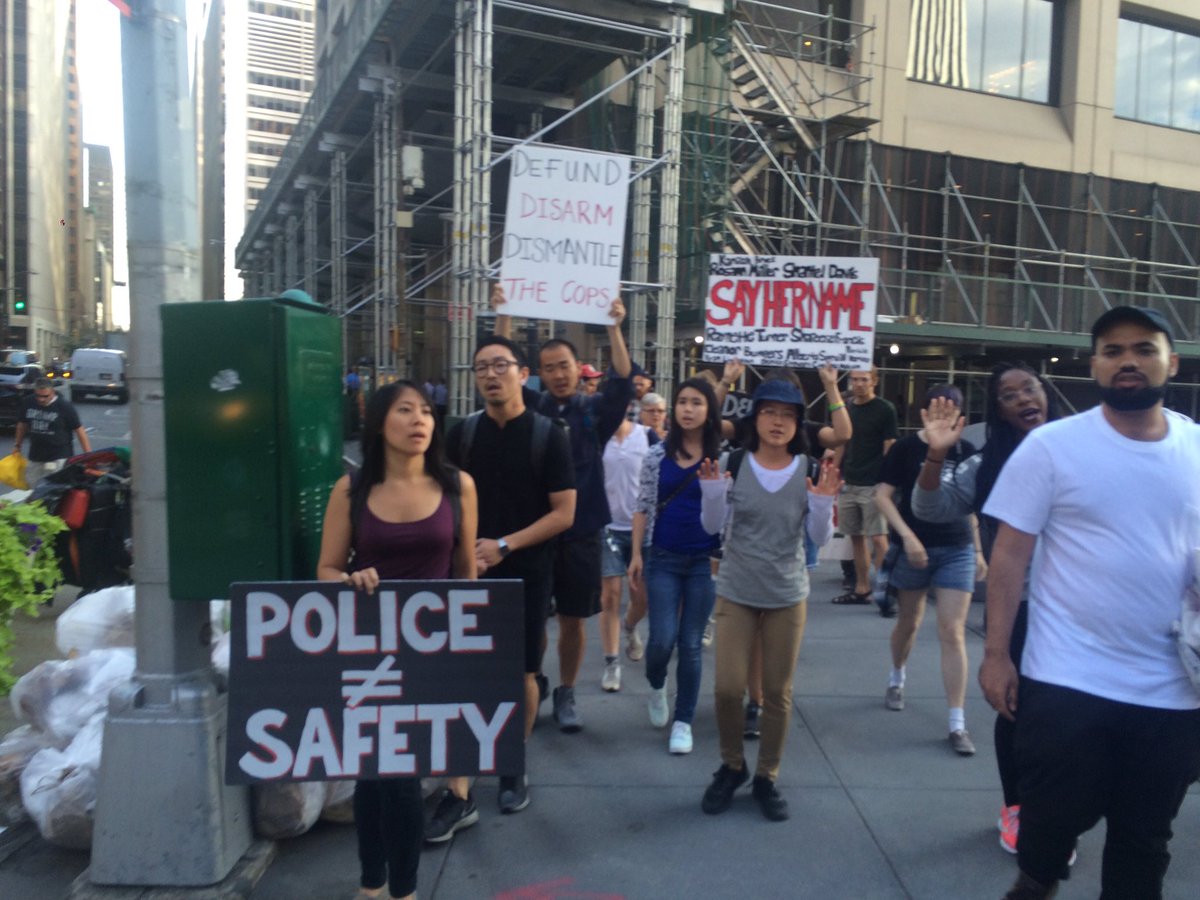 Activists affiliated with the Movement for Black Lives and Black Lives Matter staged a sit-in Wednesday at police union headquarters in Washington, D.C., and New York City, as part of an action to demand police accountability in excessive force cases.
- « Newer Posts
- 1
- …
- 5
- 6
- 7
- 8
- 9
- 10
- 11
- …
- 13
- Older Posts »