

Category: Political Economy
Frieda Afary recommends two critical works on AI, Emily Bender and Alex Hanna’s AI Con and Kate Crawford’s Atlas of AI.
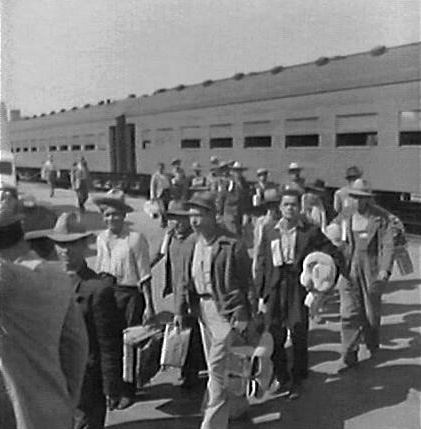
Bill Kelly argues that exploitation and deportation of Latin American immigrants have long been a feature of U.S. capitalism.

Lisbeth Moya González analyzes the current crisis in Cuba, for which both the Cuban and the US governments are responsible.

The genocidal Israeli assault on Gaza since October 7, 2023, is the latest development in the ongoing process of dispossession and erasure aimed at Palestinians since the Nakba of 1947–48. People around the world have mobilized in solidarity with Palestine
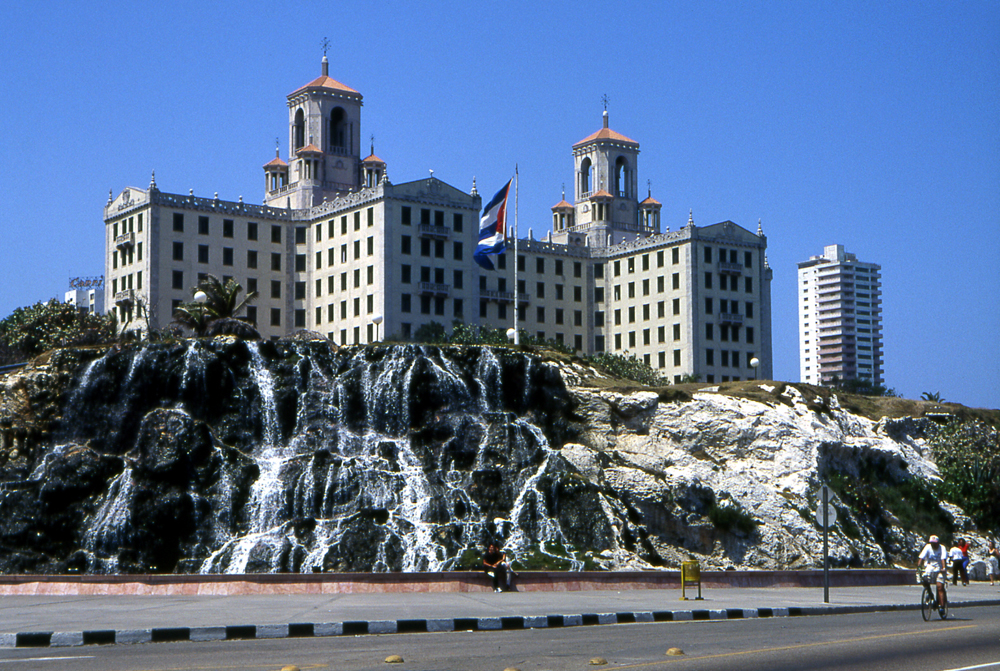
Samuel Farber responds to Mesa-Lago’s comments and argues that China cannot be a model for Cuba, noting the connection between political repression and their model of capital accumulation in China.
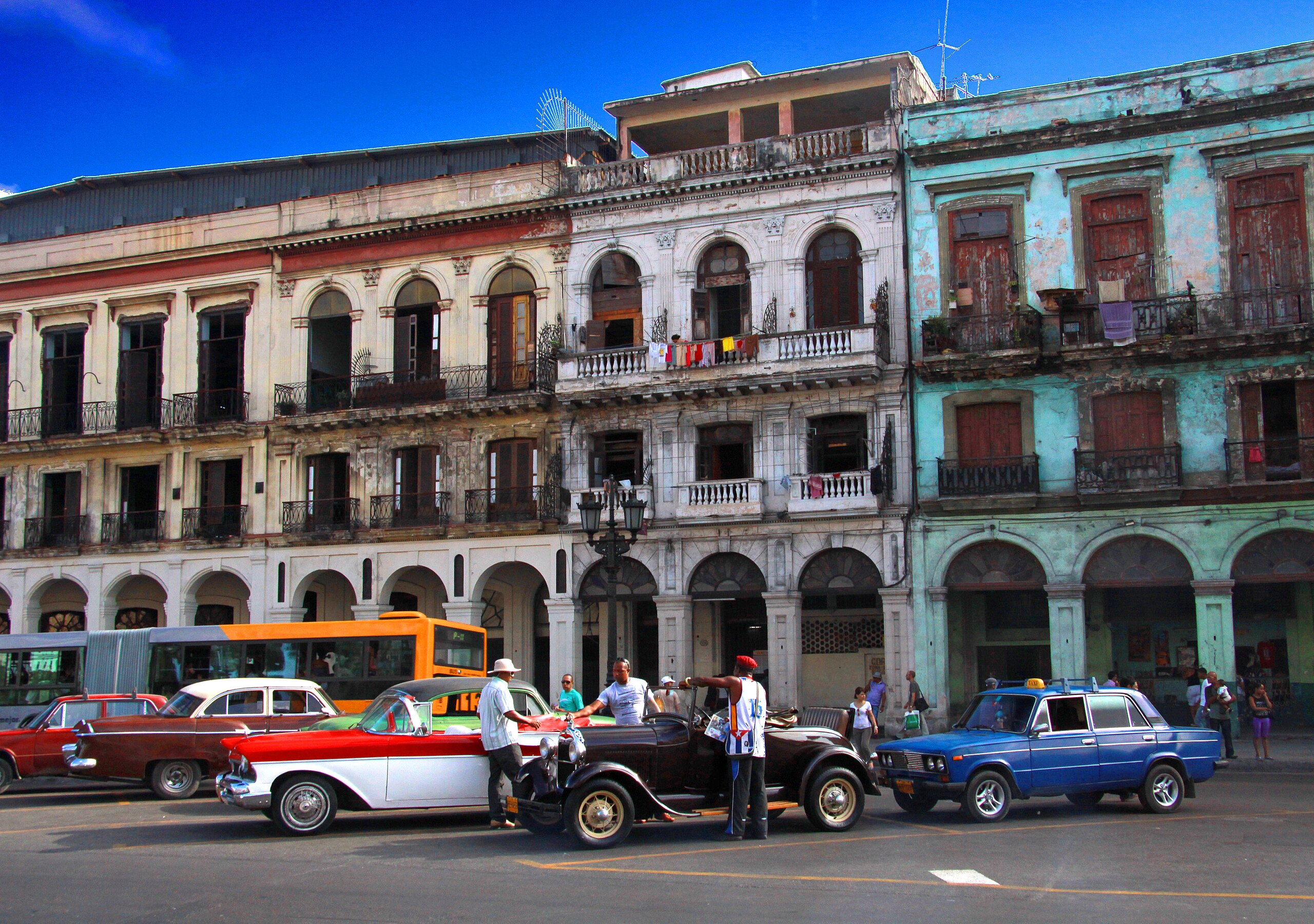
In response to Samuel Farber’s critique, Carmelo Mesa-Lago defends his economic reform proposals for Cuba as Keynesian and anti-neoliberal.

Samuel Farber critically reviews Carmelo Mesa-Lago’s latest book comparing Cuba with China and Vietnam, and its proposals for market reform in Cuba.

Michael Pröbsting criticizes distortion of the Marxist theory of imperialism today, which is used to justify support for imperialist states such as China and Russia.
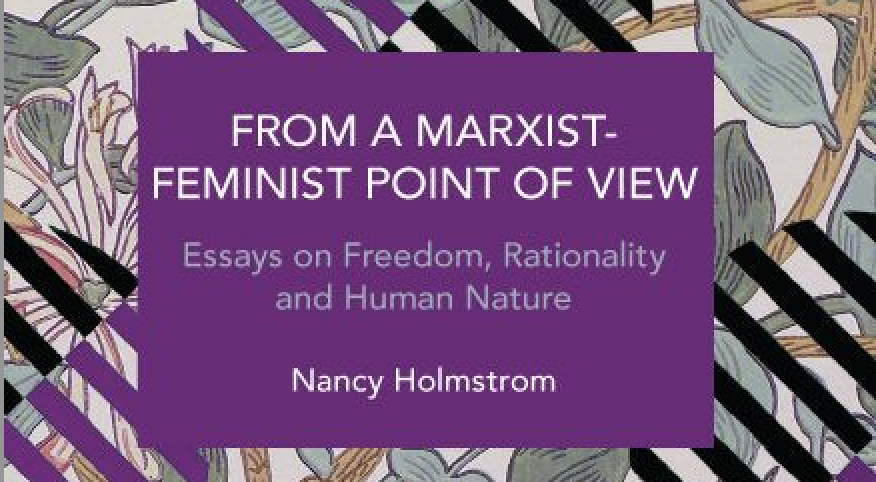
Nancy Holmstrom discusses her political and intellectual history and the main themes in a new collection of her essays with the book’s publisher, Haymarket Books.

At the BRICS summit in Rio de Janeiro (6–7 July 2025), no real desire to break away from the US currency was expressed. De-dollarzation remains a distant prospect.
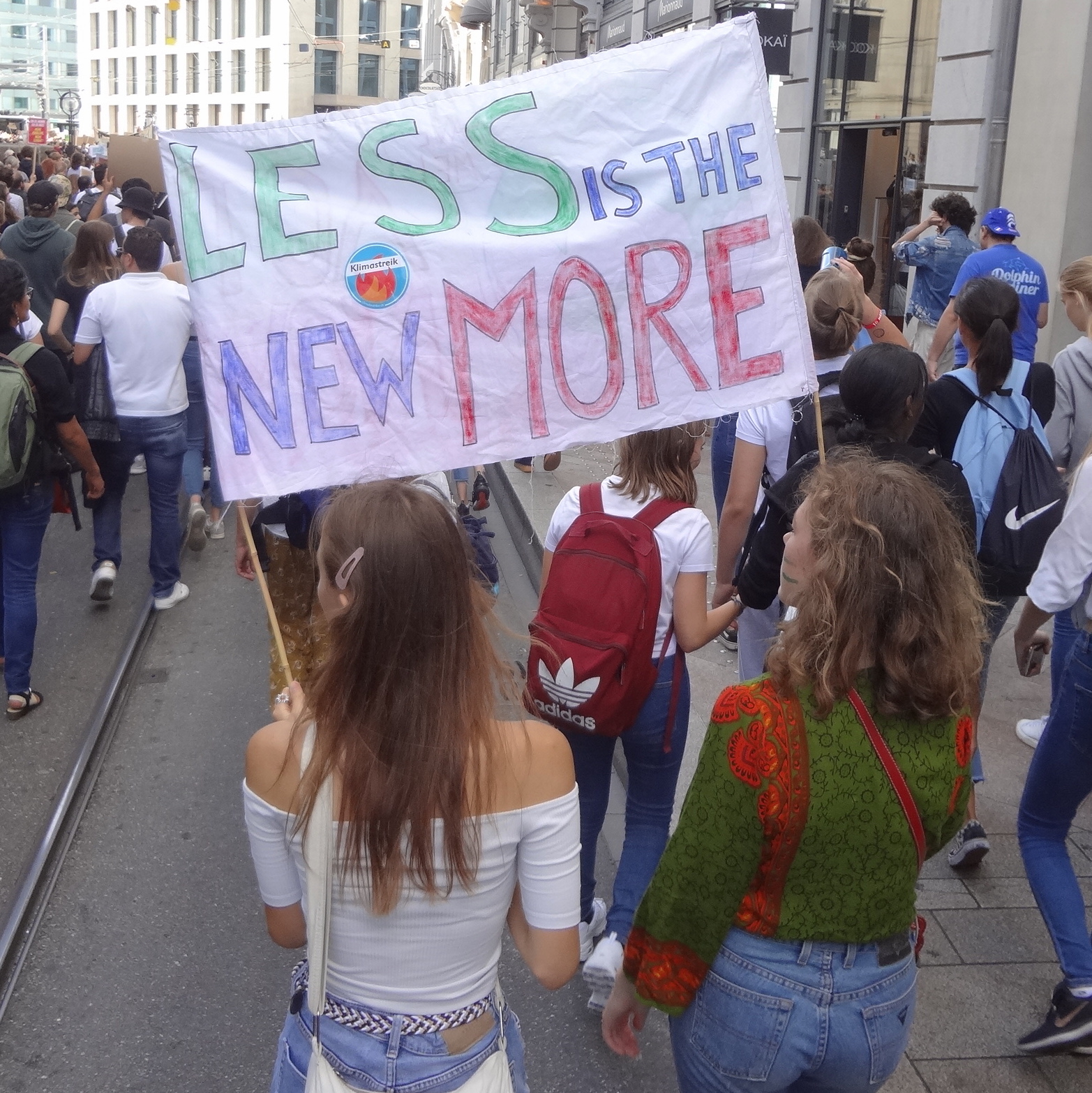
Paul Messersmith-Glavin positively reviews Kohei Saito’s work on degrowth communism, as a political project that will expand the realm of freedom.
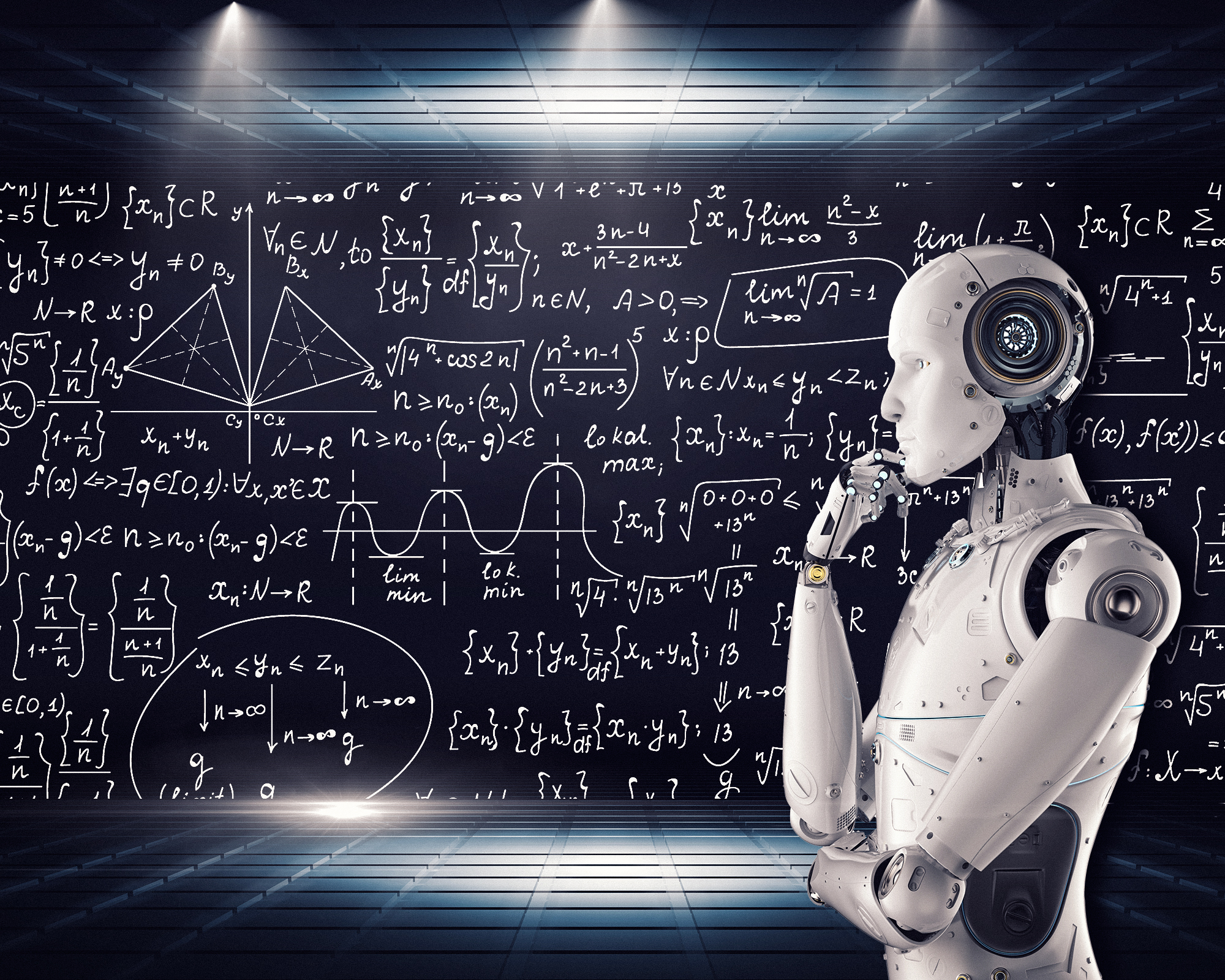
Rezgar Akrawi argues that artificial intelligence, if freed from capitalist control and developed democratically, can serve emancipatory purposes.
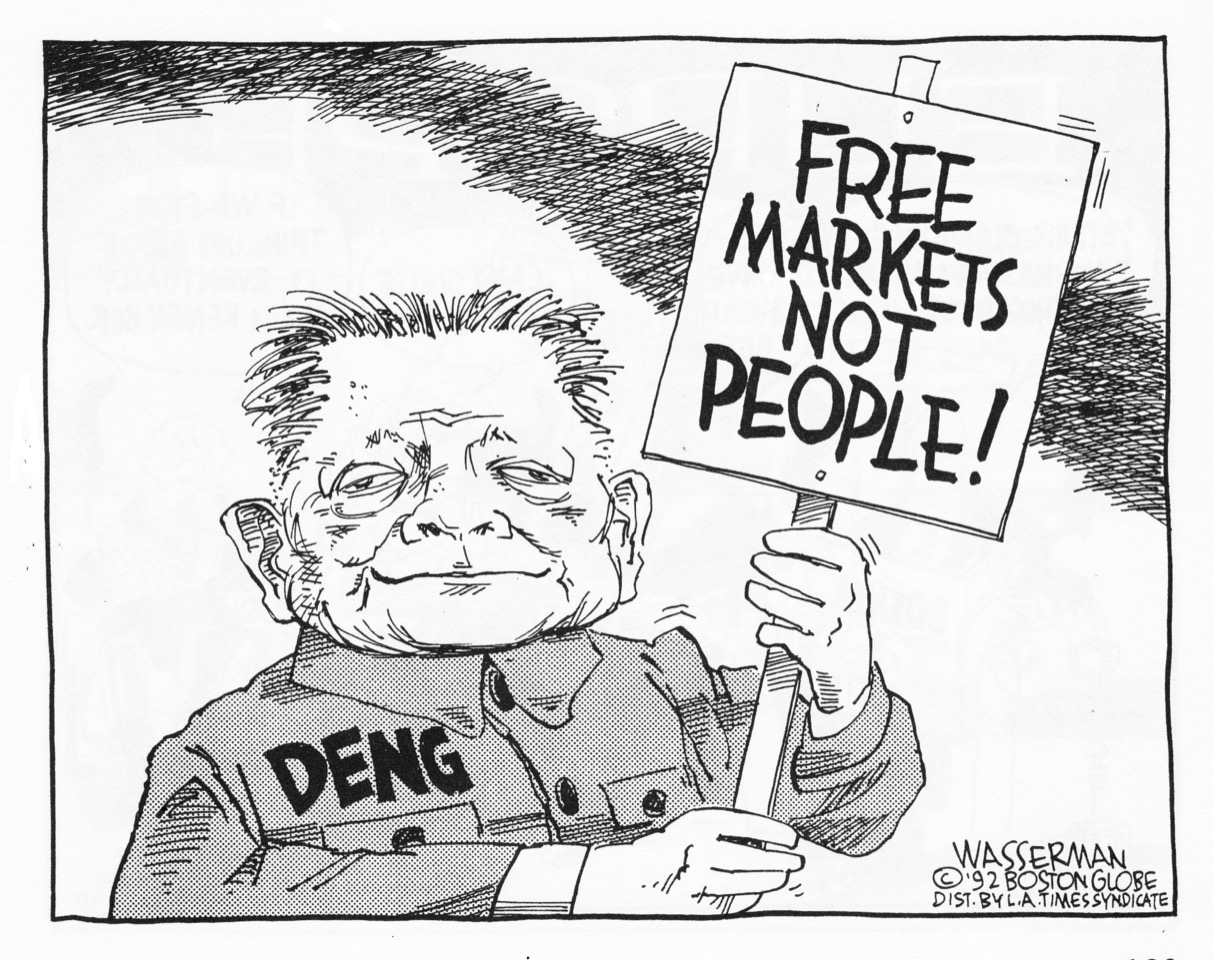
Richard Smith argues that repression of workers in China is the main reason for its trade advantage, and calls for a trade policy based on solidarity with Chinese workers.

In his first two week in office, President Donald Trump has violated the Constitution and broken the law to carry out measures that threaten millions working peoples’ jobs and the health, education, and social welfare programs of the elderly, children and the poor.
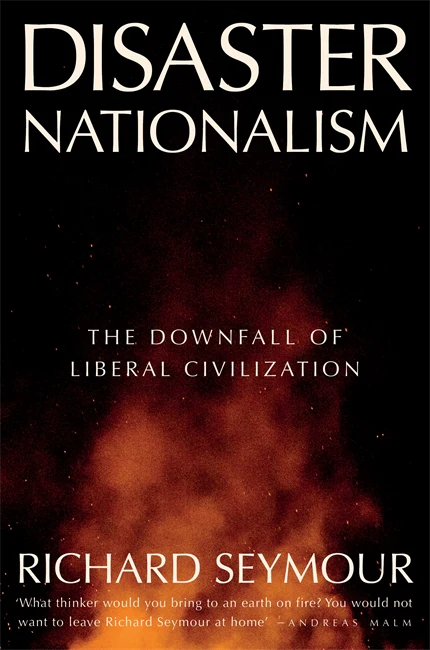
In an interview, Richard Seymour analyzes today’s far right as rooted in the imagery of disaster, which can pave the way towards eco-fascism as the climate crisis accelerates.
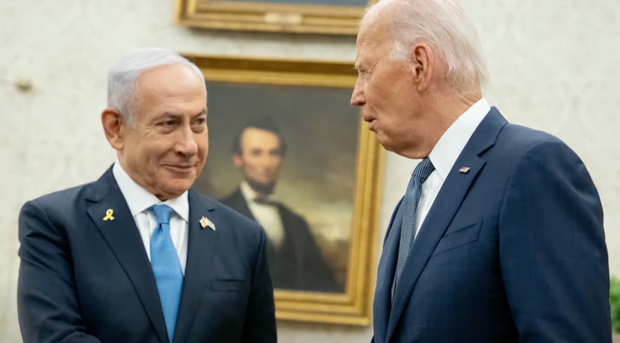
We can understand the institutionalisation of Trumpism as a response to three or four basic trends, including relative imperial decline, problems of ‘secular stagnation’ in the capitalist core, the rise of Chinese state-capitalism, and the energy crisis.

Tom Wetzel reviews Robin Hahnel’s proposal for democratic economic planning, based on workers’ councils, consumers’ councils and a non-market price system.

Zhang Mazi highlights the power held by Foxconn workers and calls on US workers to build solidarity, including by targeting Foxconn’s global supply chains.
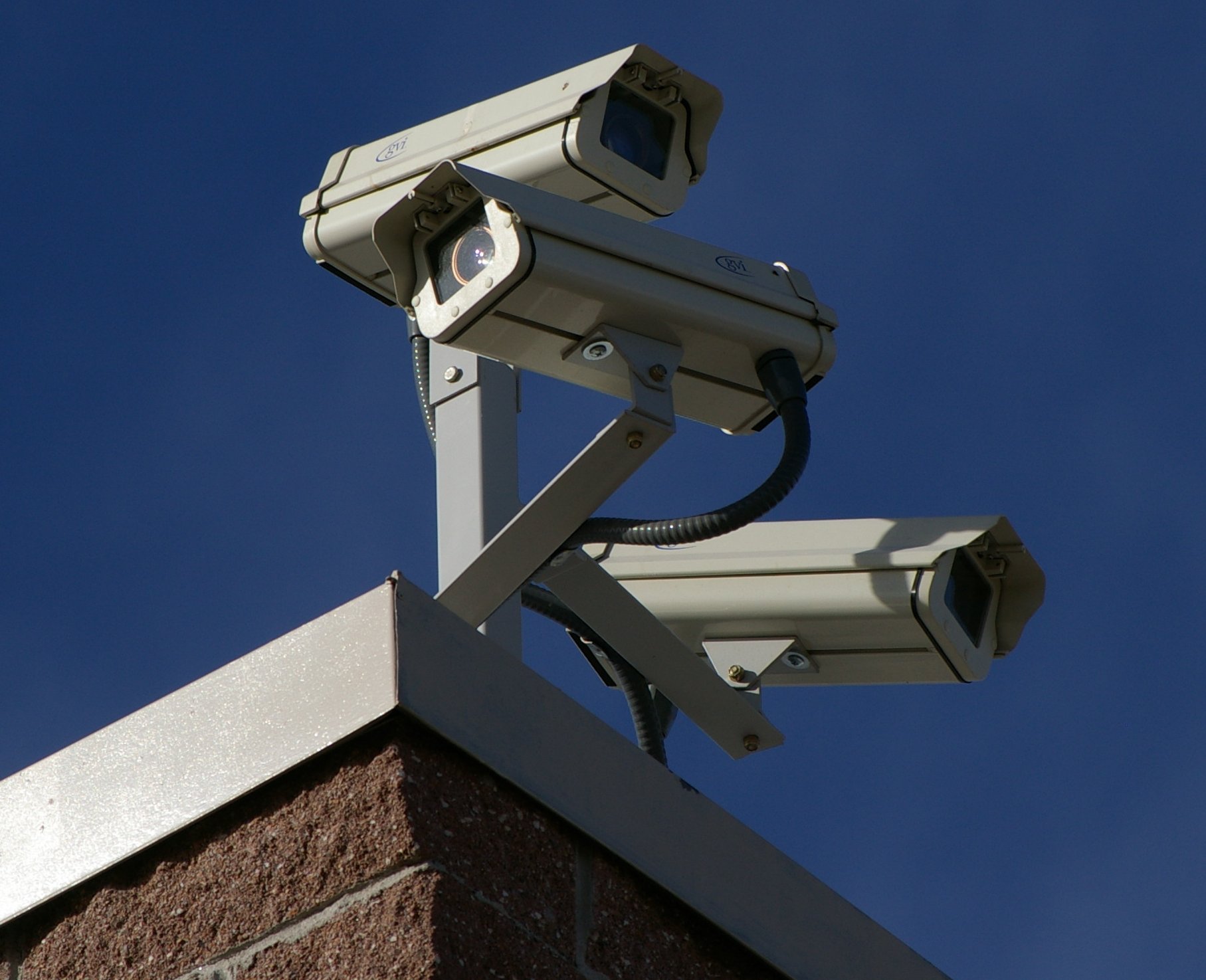
On the extensive collaborations between the Chinese and Israeli regimes on surveillance technologies, which are also increasingly used in North America.

Ellen David Friedman, Alex T. Tom and Kevin Lin discuss the experiences and importance of worker-to-worker solidarity for democratic unionism between the US and China.
- 1
- 2
- 3
- 4
- …
- 16
- Older Posts »