
The New Politics Summer 2026 issue is now in the hands of subscribers, featuring articles on Democracy versus Degeneration in the United States (with contributions by Dan La Botz, Ellen Schrecker on McCarthyism Then and Now interviewed by Elizabeth Rapaport, Ben Silverman on the fascism debate, Samuel Farber on free speech, Samuel Barney on rural prisons, and Raoul Cansino and Bill Kelly on nativism), Imperialism Around the World (with articles by Lisbeth Moya González on Cuba, Husam Mahjoub on Sudan, Siyavash Shahabi and imperialism and the working class, and Matt Benson on the Mapuche in Chile), interviews on labor struggles and Russian political prisoners, a history of the International Socialists, review essays by Frieda Afary on AI, Javier Sethness on Western Marxism, and Peter Drucker on Molly Crabapple, as well as reviews on Ukraine, the Teamsters for a Democratic Union, white rage, South Asia, and Afghanistan, plus a letter on women under the Taliban.
You can help us by making your tax-deductible donation here. Or by subscribing (see options here). Or by doing both. If you’ve already done so, you can close this annoying box with the satisfaction of knowing that you’ve helped us to persist in defending and exploring “socialism from below.”


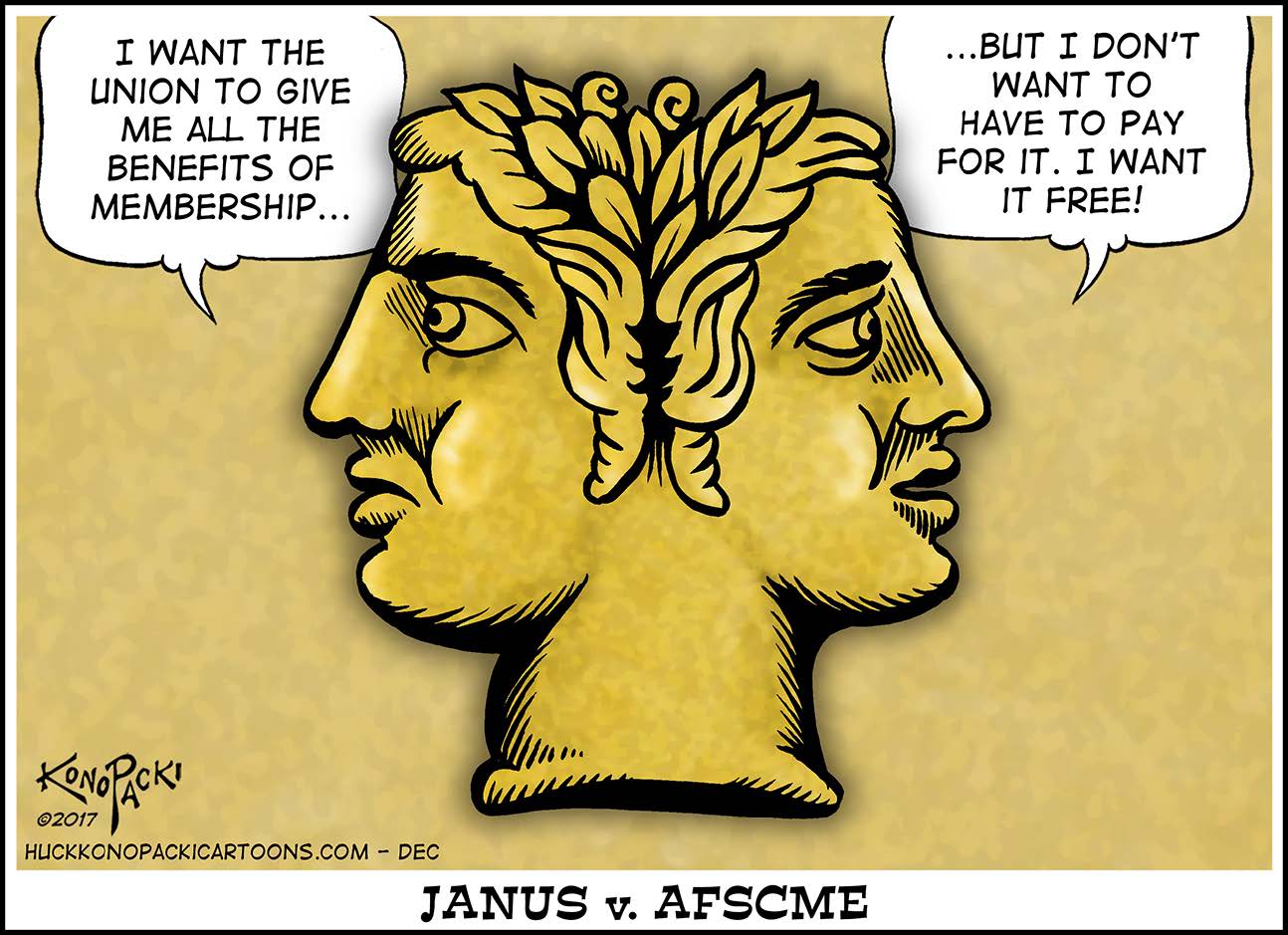 The Supreme Court’s long-anticipated – and feared by progressives – decision outlawing the collection of fees in public employee unions equivalent to costs of collective bargaining was met with indignant or defiant words, rightly decrying this attack on organized labor. The response, though, has mirrored what has been missing in labor’s understanding of


 When I write for New Politics, I tag my blogs with key words. I wonder how many other Left publications include "teachers unions" under "labor" or include "education" as a separate topic and run critical analyses—as we do?
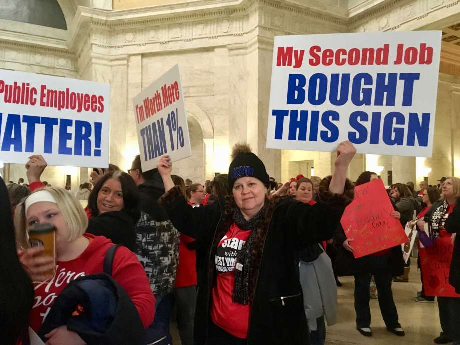
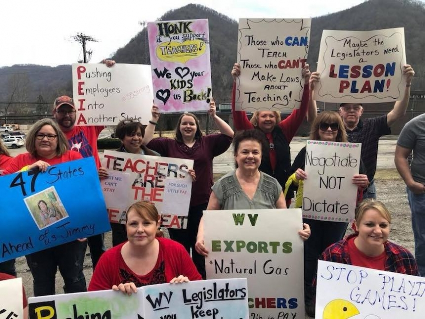
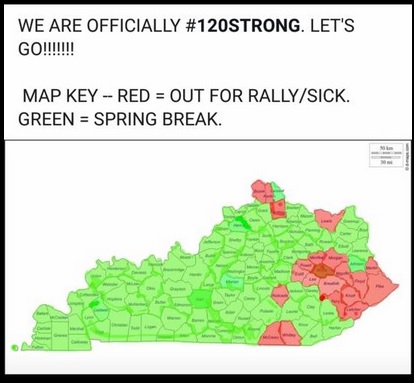 Teachers in Oklahoma and Kentucky massed in their respective state capitols on April 2, to demand GOP legislatures revoke bills damaging to education passed in virtual stealth. The spark plug in Kentucky is a group of activist parents with teachers, #SaveOurSchools Kentucky. In both states the movement has been organized outside the official teachers unions, using social media as well as traditional organizing techniques of talking with colleagues and neighbors about the issues. Another struggle of teachers is simmering, near boil, in Arizona.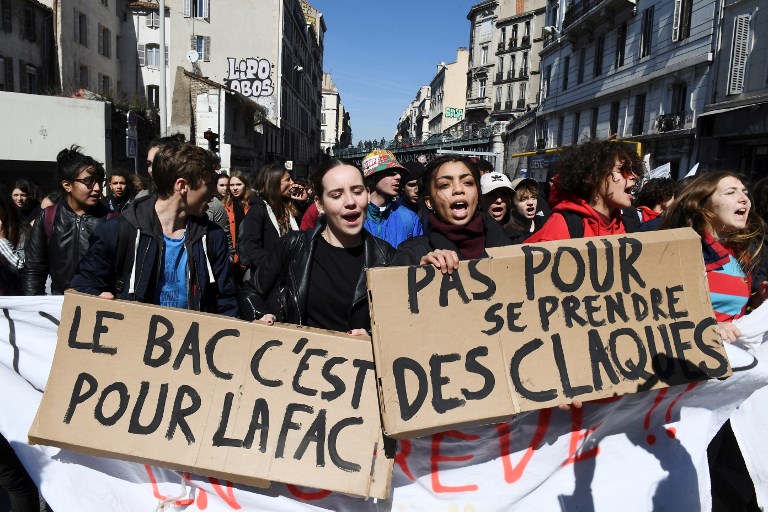

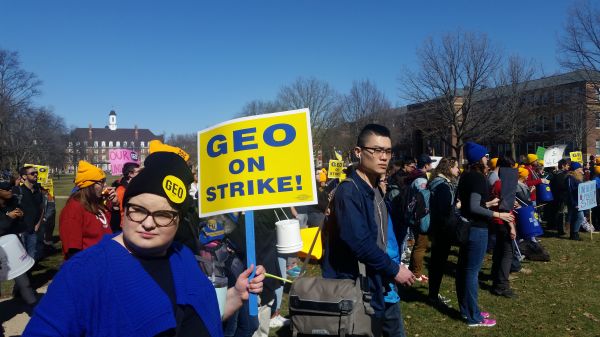 Amidst an upsurge of militancy among educators in places like West Virginia and the UK, graduate students in the US Midwest carried through the longest strike in University of Illinois history.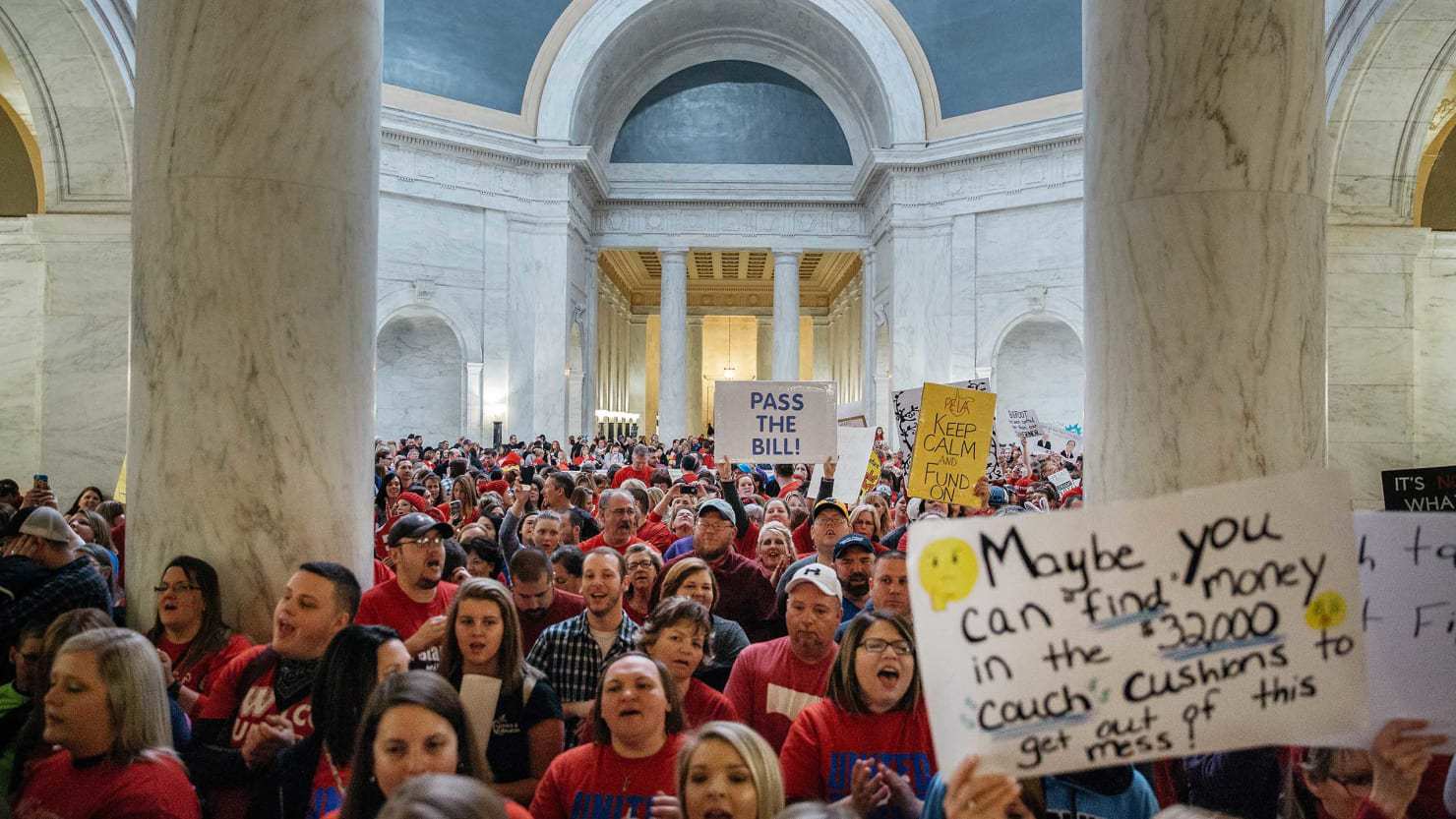
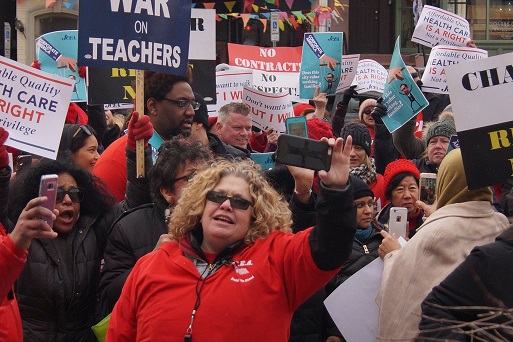 For some, the decision to support workers who strike is a given. We defend the right to join a union and exercise the right to strike in every country, as a human right. Defending the rights of workers to organize and withhold their labor when they need to use this weapon is as much a social justice issue as fighting racism, battling sexism, or protecting immigrants from deportation.
 As the AFL-CIO holds