
Category: Culture & History
This piece is the text of a talk given to the DSA Lower Manhattan Branch’s Political Education Working Group on December 4, 2019, serving as introduction to “Bernie and Labor” part of its series “Why Bernie?”

The idea of the Batman franchise being associated with expressions of popular discontent is something which has already become familiar to us, thanks to Christopher Nolan’s The Dark Knight Rises and the responses it generated, including a much-read review of
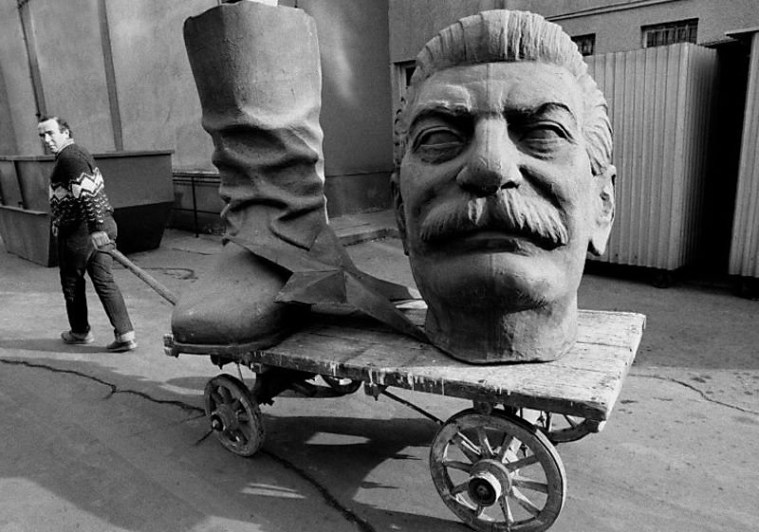
Remember when the Berlin Wall came down? I do.
Glued to TVs in DeKalb, Illinois, my college friends and I watched in envy and amazement as the young Berliners on our screens swarmed all over that unholy edifice attacking it with
Glued to TVs in DeKalb, Illinois, my college friends and I watched in envy and amazement as the young Berliners on our screens swarmed all over that unholy edifice attacking it with

In an interview with the New Yorker this past June, former National Basketball Association (“NBA”) player Jalen Rose criticized the NBA’s ‘data analytics movement’ for how it incentivizes organizations to “funnel jobs” to people with advanced technical degrees, but without

When I was working with the Teamster reform movement forty years ago, truck drivers concerned about union corruption had to proceed warily.
In the late 1970s, too many affiliates of the International Brotherhood of Teamsters (IBT) were run by grifters or
In the late 1970s, too many affiliates of the International Brotherhood of Teamsters (IBT) were run by grifters or

One of the biggest complaints leftists make about progressive activism—at least in more candid moments—is a failure to communicate effectively. Since Newt Gingrich and Fox News fundamentally changed the dynamics of political agitation in the 1990s through amping up the
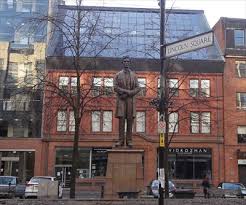
In the centre of the city of Manchester, there is a place called Lincoln Square, named for the statue of Abraham Lincoln which stands there. The story of how that statue came to be there is a fascinating part of
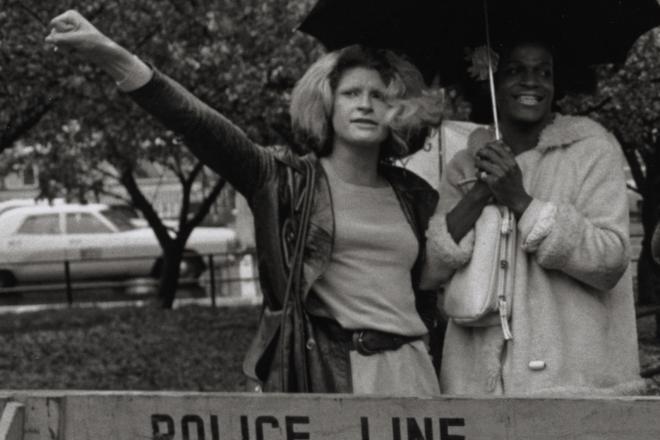
The police were pelted with coins and bottles to begin with, by the crowd, and later bricks and stones from a nearby building site. Barricading themselves inside the Stonewall Inn, police were forced to call for assistance. From there on as crowds swelled in numbers over several successive nights, the whole thing escalated into a full blown riot. It took three days and nights before the Tactical Patrol Force, trained to deal with Vietnam war protests, could finally subdue the rioters.
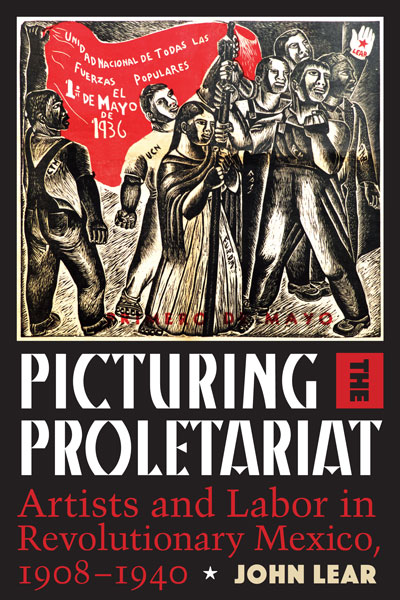
A review of “Picturing the Proletariat: Artists and Labor in Revolutionary Mexico, 1908-1940” by John Lear.
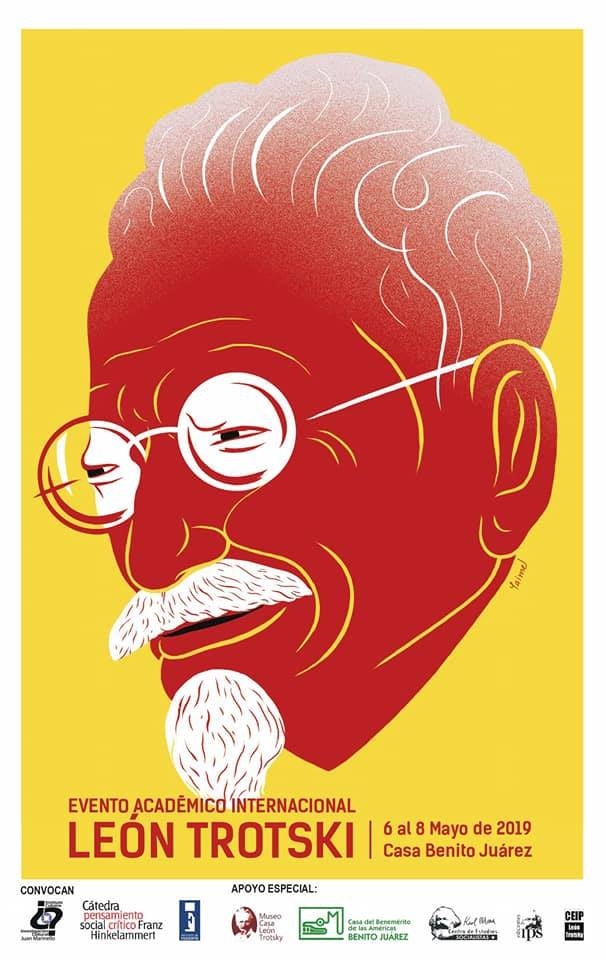
Trotsky Conference in Cuba Poster
Last week I was in Cuba to attend an academic conference on Trotsky. The night before the conference began I had arrived very late at the government-regulated air B&B where I was staying. First there had
Last week I was in Cuba to attend an academic conference on Trotsky. The night before the conference began I had arrived very late at the government-regulated air B&B where I was staying. First there had
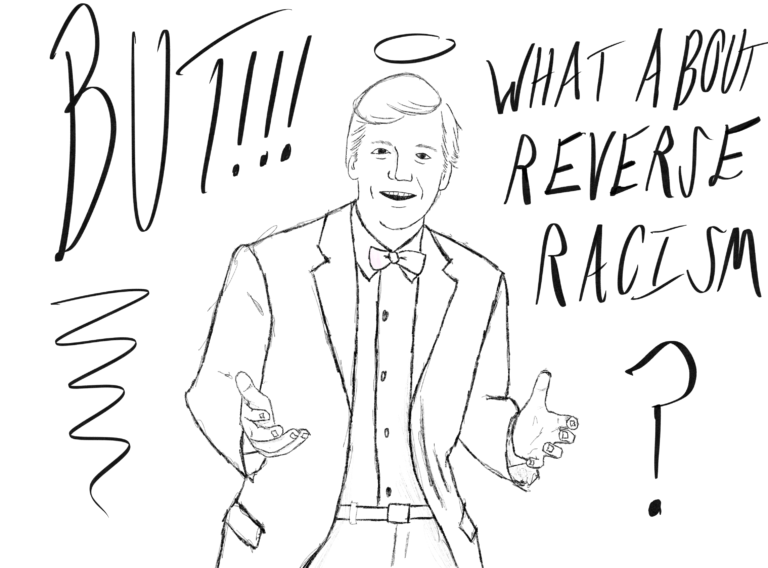
Momentum for building a post-neoliberal U.S. has been gaining strength with each passing day. However, despite the rise of new and exciting figures, such as Alexandria Ocasio-Cortez and the tide of striking teachers in even GOP dominated states, we must remain aware that whenever there has been potential for revolutionizing government and politics, there has always followed a reactionary and brutal backlash.
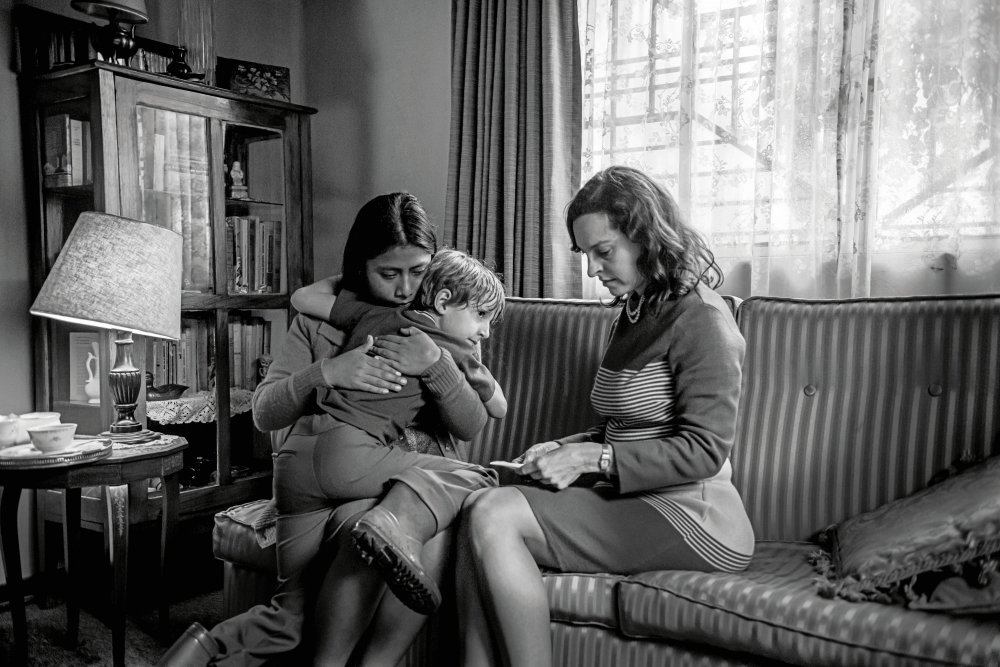
On finishing a particularly annoying novel, a good friend of mine once gasped in exasperation: ‘The author’s fingerprints are all over this.’ I can’t say I remember now the book he was talking about, but the phrase has been with

In 1649, a pamphlet titled Tyranipocrit Discovered was published in Rotterdam. Fusing the terms “tyrant” and “hypocrite,” the anonymous author called for an end to economic, religious, and political oppression in England.
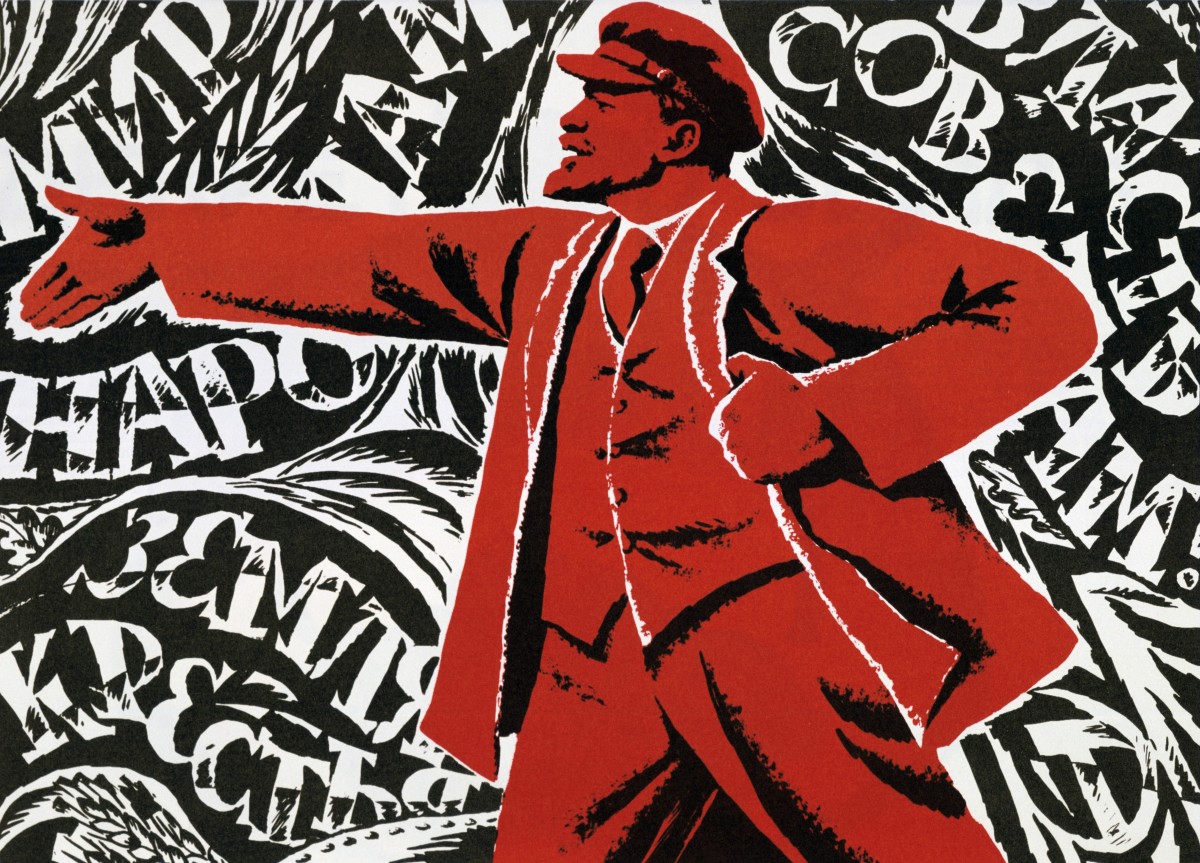
Muraskin and Epstein criticize Harrison’s view of the Russian Revolution; Harrison replies.

The deaths of Rosa Luxemburg and Karl Liebknecht have haunted the imagination of the left for a century. Joe Sabatini reviews a recent publication exposing the events of their deaths, Klaus Gietinger’s The Murder of Rosa Luxemburg, as well as providing an introduction to some of the literary works inspired by the events of 15 January 1919.

Bill Fletcher, Jr. The Man Who Fell From the Sky. Hard Ball Press, $15, trade paperback, 350 pp.
“Race” as a biological category differentiating humans has been a spurious and discredited marker for more than a century. From Franz Boas’ early pioneering studies of the Inuit to Barbara Fields’ contemporary savaging of race-based ideology, we should all understand that humans are one race, end of discussion!
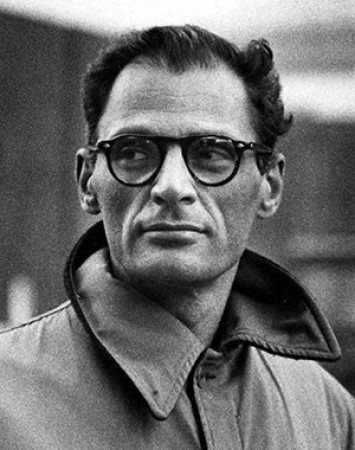 Seventy-two years after his initial Broadway success with All My Sons and 14 years after his death, Arthur Miller continues to cast a long shadow over theater in the United States. His plays are staples of high school drama clubs, college and university theater departments and regional theaters around the country, and his best-known works – Death of a Salesman, The Crucible, All My Sons, A View From the Bridge and After the Fall – have been revived many times on Broadway.
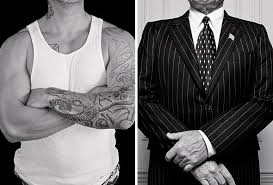
In The Communist Manifesto, Marx and Engels referred to the state as “the executive committee of the ruling class.” Reflecting the collective capitalist interest in maintaining its accumulation process, capable of forging compromises among competing sectors of its own and other classes, this committee was also meant to enforce legal norms, contracts, and other rules of the game.
 The Obamas’ deal with Netflix is the culmination of a worrisome turn in contemporary documentary.
Since the announcement in May of Former President Barack and First Lady Michelle Obama’s multi-year production deal to produce narrative and documentary films and series with Netflix, there has been remarkably little conversation about it. Admittedly, there isn’t any work to evaluate just yet, but the news does raise enormously important questions in and of itself.
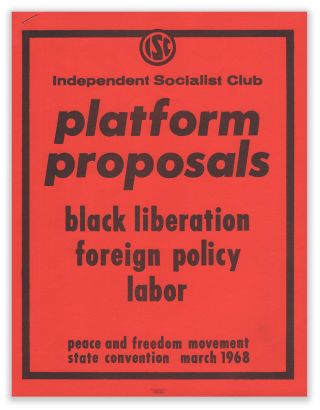
Berkeley (California) was probably a unique political-cultural milieu in the U.S. in the 1960s, both before and after 1968. It was part of the larger political-cultural scene of the San Francisco Bay Area from 1945 onward. The Bay Area at the time was a relative backwater in the U.S., compared to the East coast. The area had, however, seen one of the biggest general strikes of the 1930s, when the Communist Party-influenced ILWU (International Longshore Workers Union) helped bring San Francisco to a halt in 1934, including mass street battles with the police.
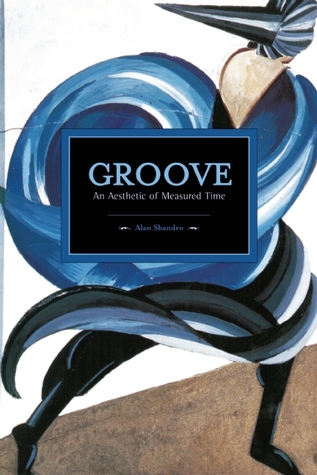
Much analysis of modern music focuses on lyrical content, but how can we understand modern musical forms? What relation do they have to the capitalist world in which they’ve developed? To answer these questions Kate Bradley interviewed Mark Abel, author of Groove: An Aesthetic of Measured Time.
- « Newer Posts
- 1
- …
- 3
- 4
- 5
- 6
- 7
- 8
- 9
- …
- 13
- Older Posts »