

Category: Culture & History
Erich Fromm (1900-1980) was a humanistic psychoanalyst, writer, and activist influenced by the theories of Marx and Freud, though critical of both.
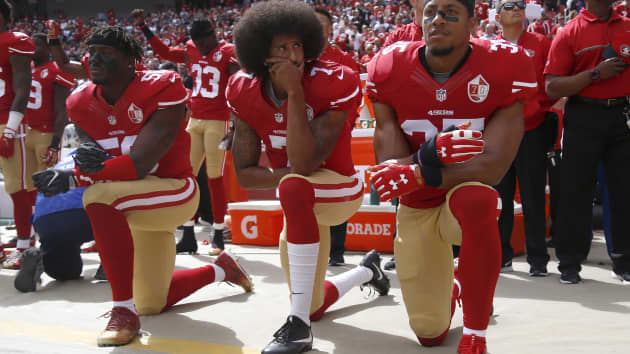

Samuel Farber reviews Eric Blanc’s Revolutionary Social Democracy. Working Class Politics Across the Russian Empire (1882-1917), a book that is likely to become the focus of important debate on the left.
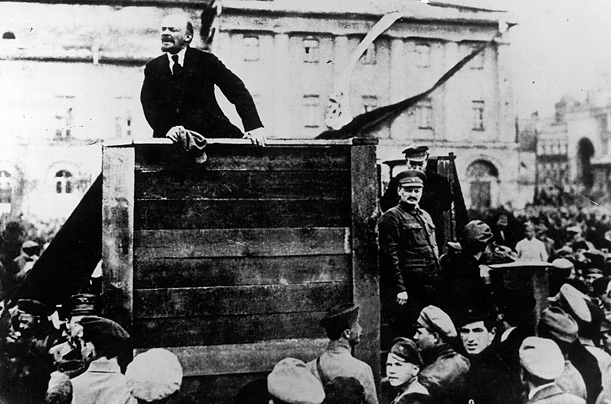
A 21st century Bolshevism should be much more open to both popular rebellion and cadre opposition to socialist rule than the original Bolsheviks ever were.

We need to know all this history and lots more about Zionist leaders’ dealings with Jew haters so we can immediately confront and neutralize Zionist slander the next time they falsely cry “antisemitism.”
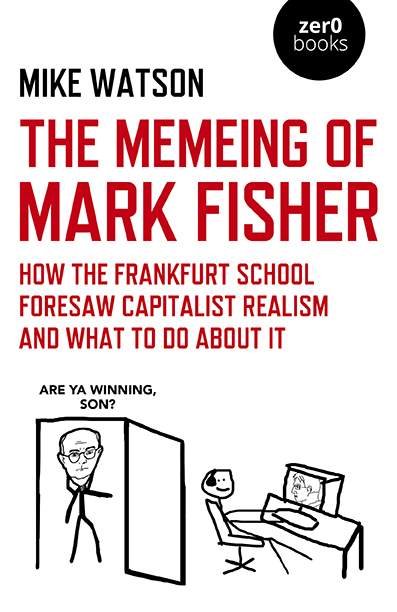
A constellation of events has thrown left wing memes into the mainstream, leading to a confirmation of the late Mark Fisher’s thesis that countercultural trends tend to be co-opted by capitalist media.
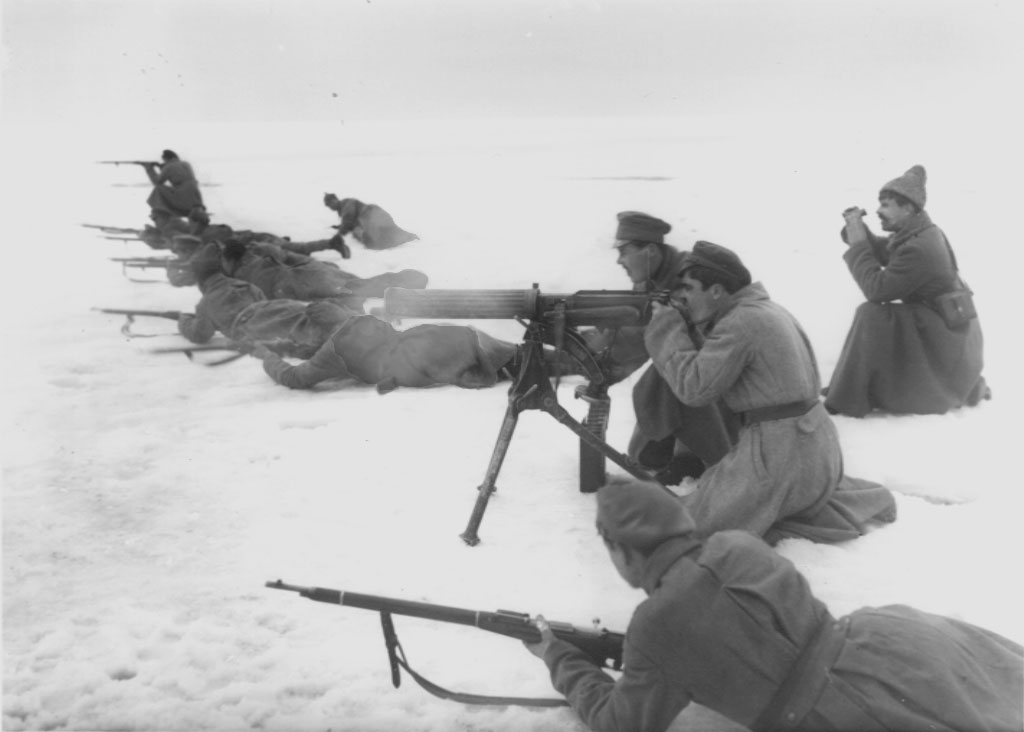
To avoid repeating the Kronstadt tragedy, and to build toward principled world revolution, we can commit to organizing transnational solidarity and speaking out against all forms of authoritarian repression.
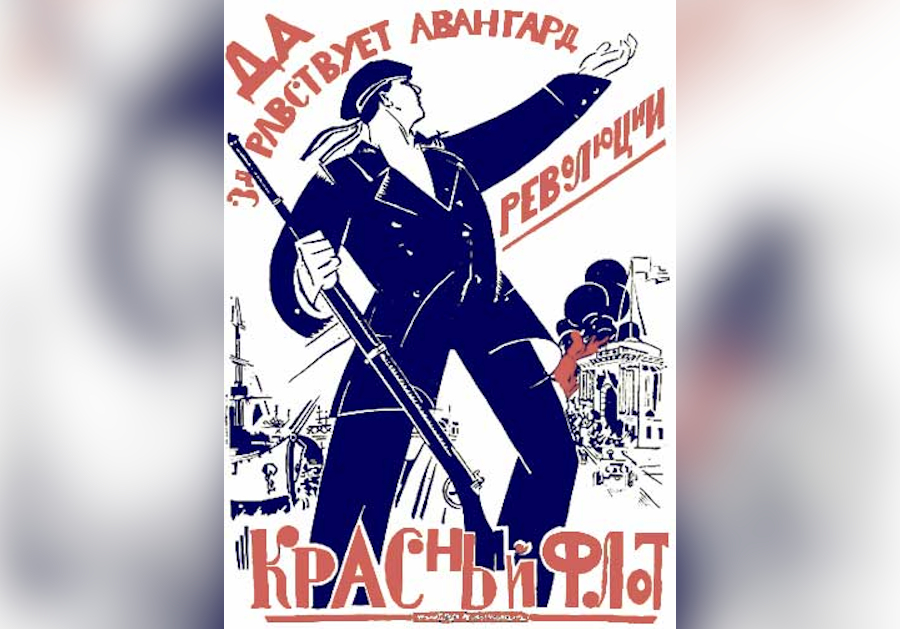
The March revolution of 1921, initiated by “Red Kronstadt”, had to complete the cause of the February and October revolutions of 1917. In this context, the Kronstadt revolt of 1921 appears as an integral part of the revolutionary process that took several years.
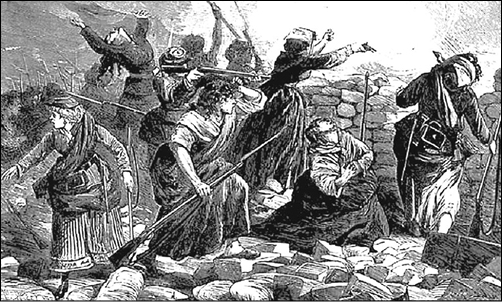
For the 150th anniversary of the Paris Commune, an analysis of Marx’s views on the Commune and its historical possibilities.

An interview with the political singer-songwriter whose anti-Trump song got over 100 million views on social media.


What Melville crafted might paradoxically be called a gothic humanism. While probing the depths of human depravity with lyricism and wit, Melville’s fiction directly confronted slavery and capitalism.
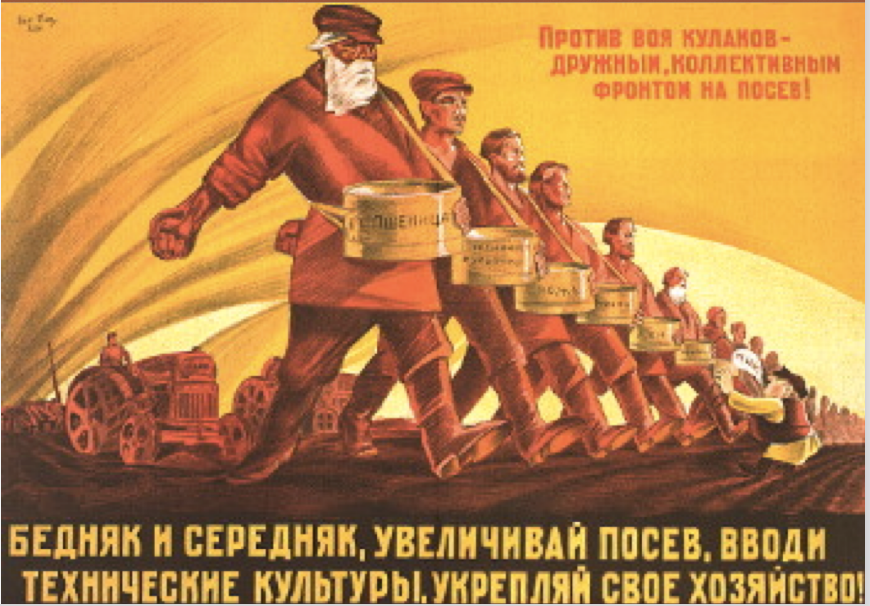
The lesson of the Russian NEP is that economic liberalization does not necessarily signify the democratization of a country, and that it may be accompanied by the elimination of democracy.


Camus and Orwell both understood that the justification for state violence depends on describing it in such a way as to not convey too specific an image of the actual event.
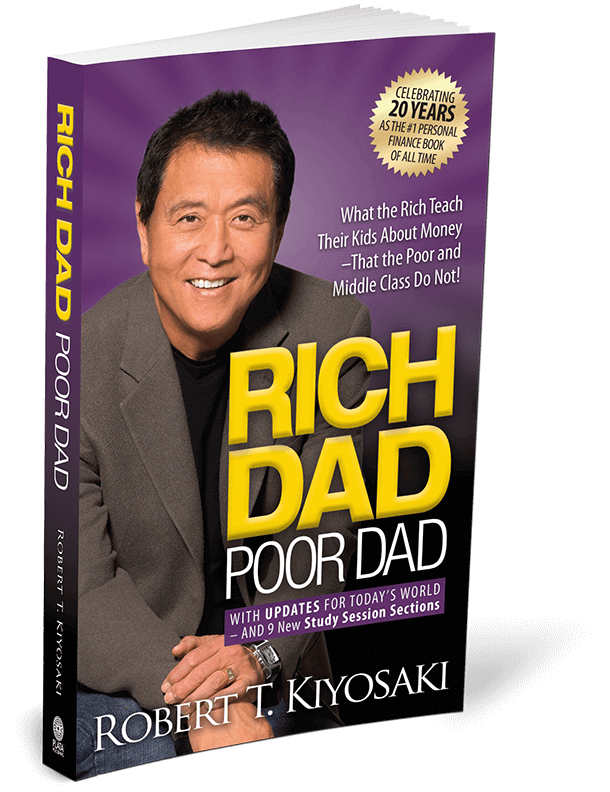
The book suggests that the key to ascending from the working class is to join the owning class through investing, where you can forever feed from the golden trough of passive-income, typically replenished by the working class you were once a part of.

As against nearly a century of debates over Stalinism, the international left has never come to terms with Maoism, especially its global impact.

Wilkerson’s adroit storytelling jumps off the page, but the glaring omission in her book is political economy.

The Trump years were deeply undemocratic, but they did not mark an abandonment of a previously rich democratic politics
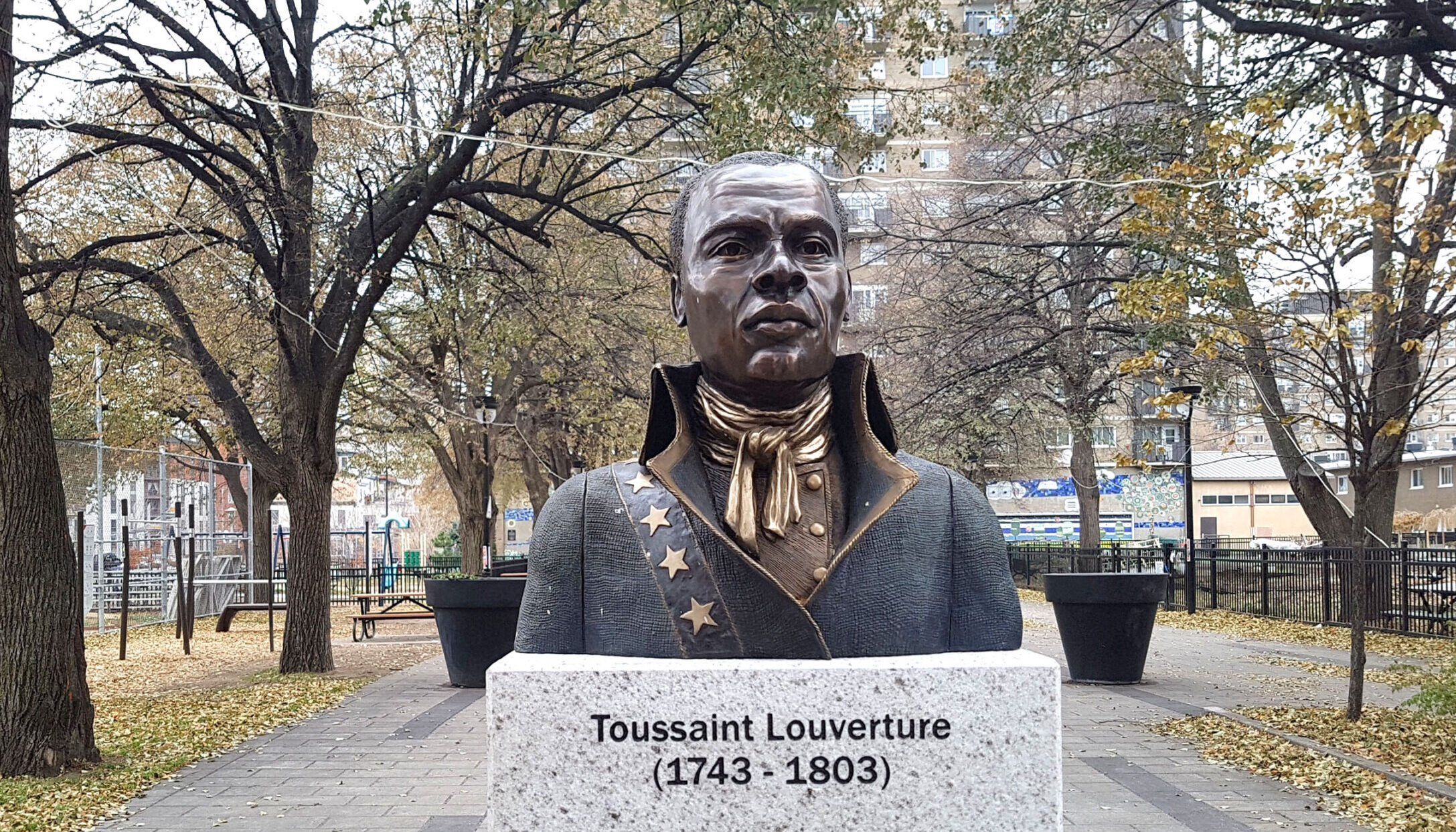
“With this year’s worldwide renewal of the Black Lives Matter protests, readers could hardly ask for a better time to revisit the Haitian Revolution.” Review of Sudhir Hazareesingh, Black Spartacus: The Epic Life of Toussaint Louverture.
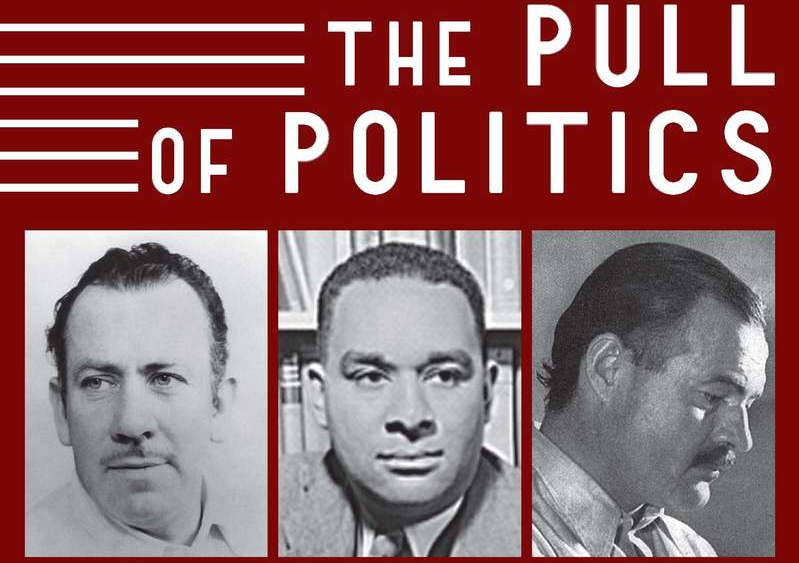
Martin Comack reviews, The Pull of Politics: Steinbeck, Wright, Hemingway, and the Left in the Late 1930s—Milton Cohen’s account of how the CPUSA attempted to establish relationships with three major American writers.
- « Newer Posts
- 1
- 2
- 3
- 4
- 5
- 6
- 7
- …
- 13
- Older Posts »