
Category: American Politics
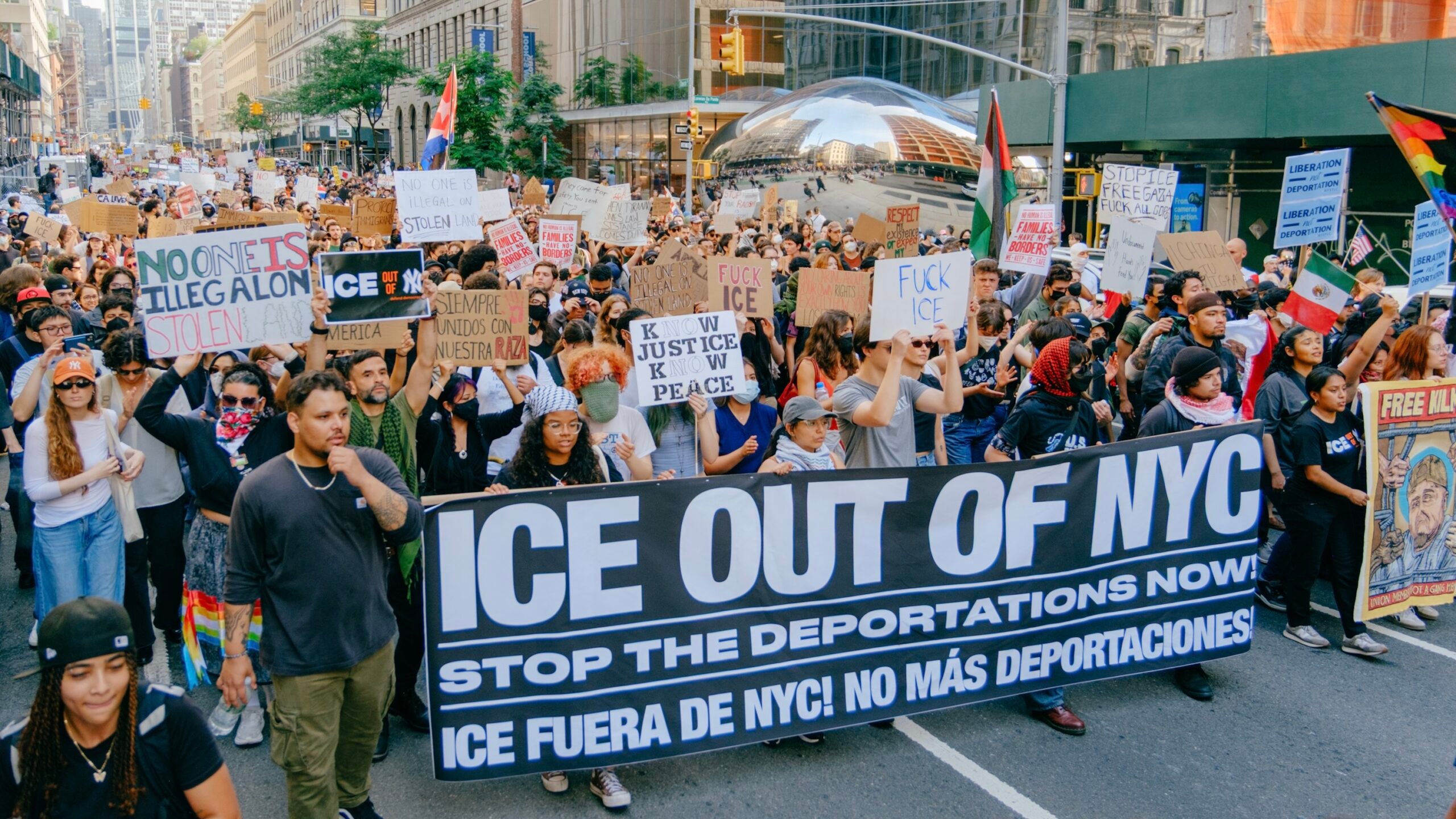
We join the voices in New York City and the nation in denouncing the most recent ICE shooting and subsequent kidnapping of 28-year-old Dominican immigrant and father Oscar Belgal.
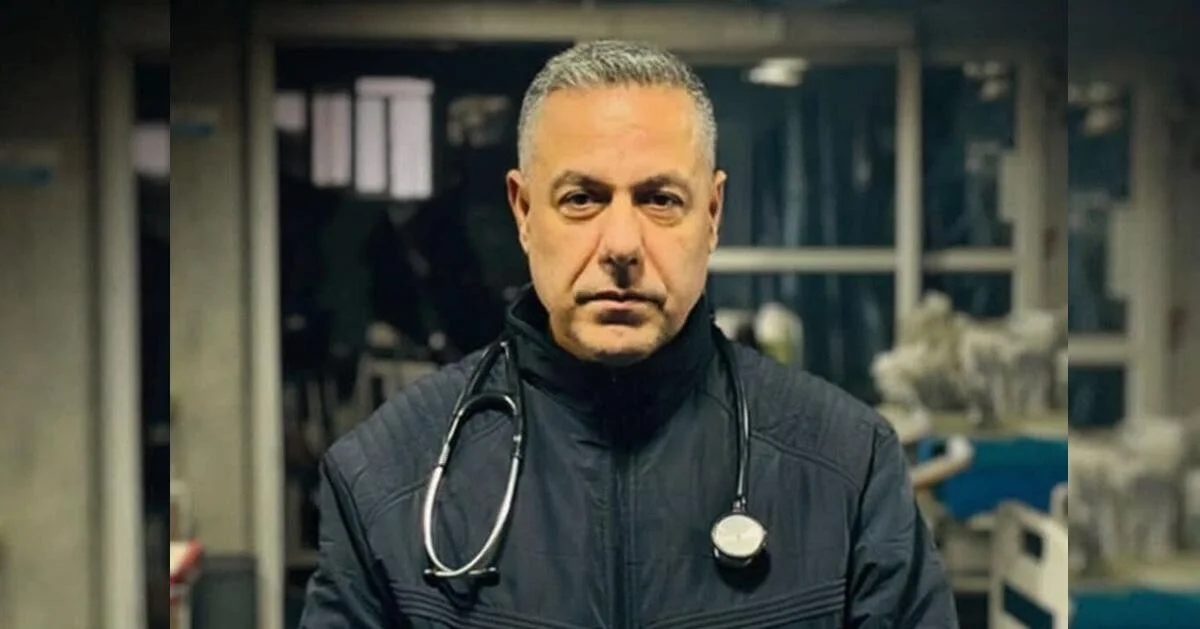
Members of Congress demand justice for Palestinian prisoner Hussam Abu Safiya who is arbitrarily detained and tortured by Israel.
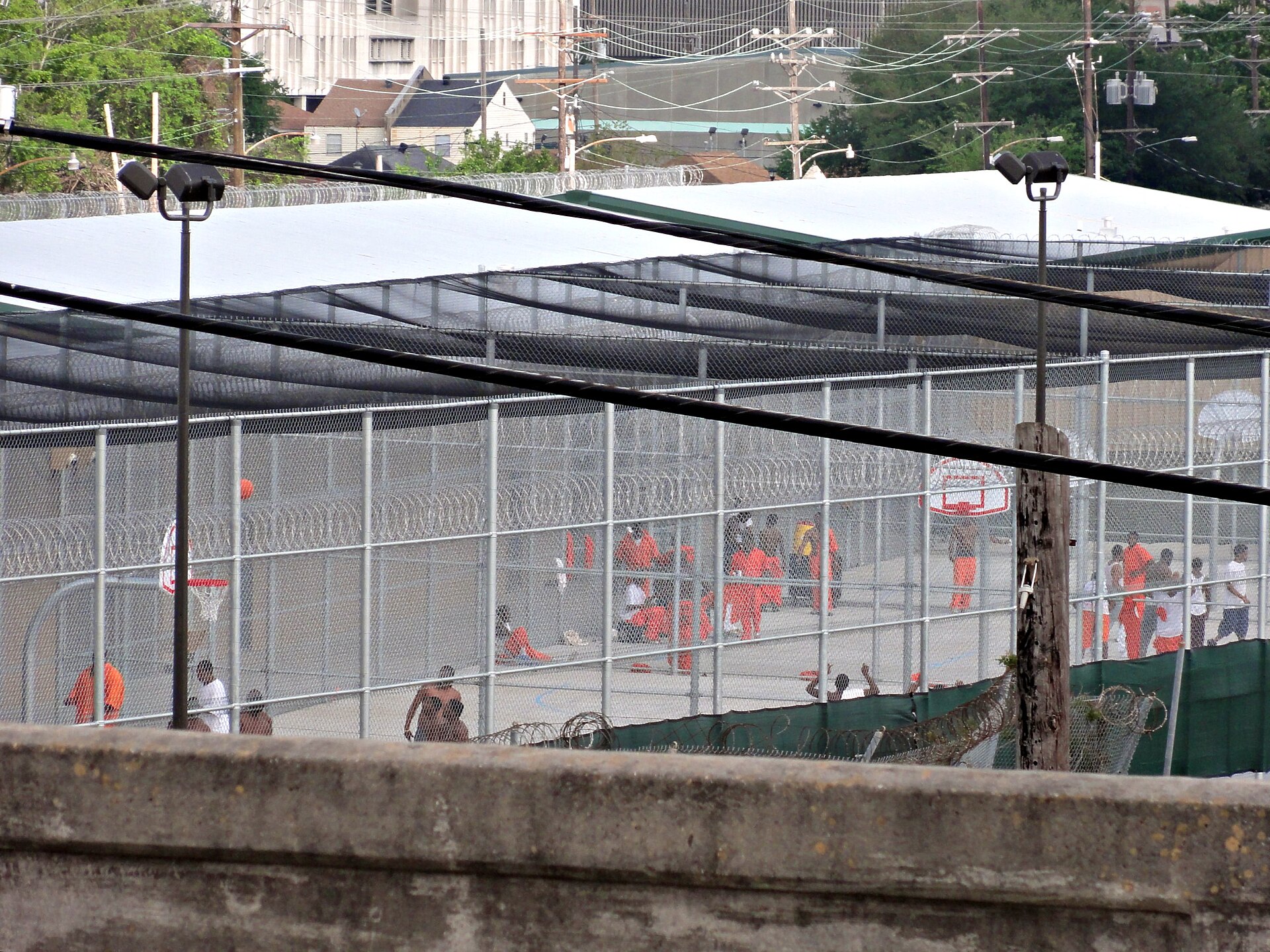
Samuel Barney argues that prison building in rural United States is used as a way to incorporate the precarious rural working class into the state’s repressive apparatus.
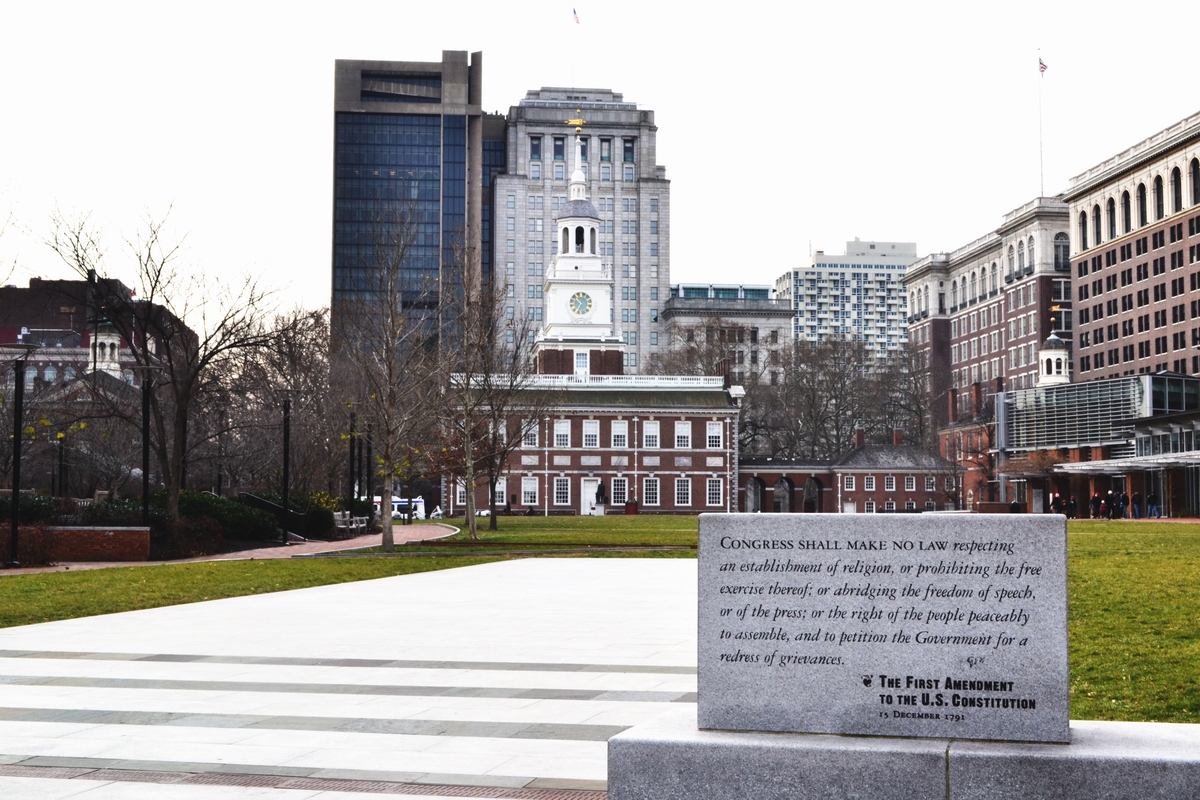
Samuel Farber defends the concept of free speech from a left perspective, against progressive critics of free speech.
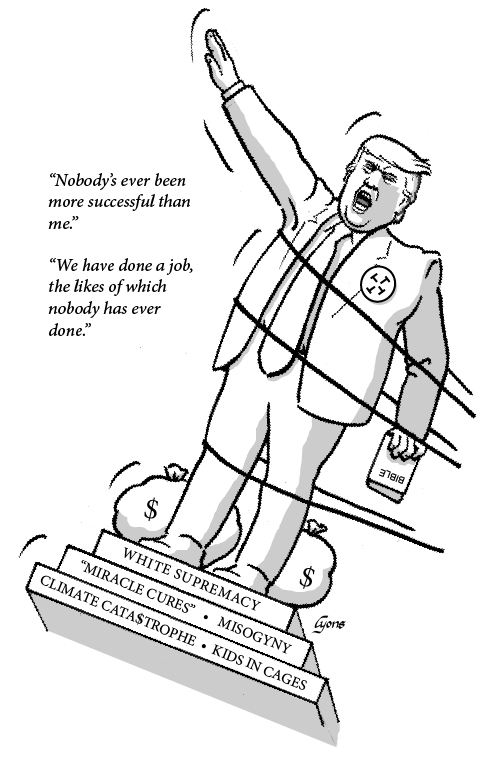
Ben Silverman analyzes Trump’s fascist tendencies and the danger of the Trump regime moving towards the level of historical Fascism.
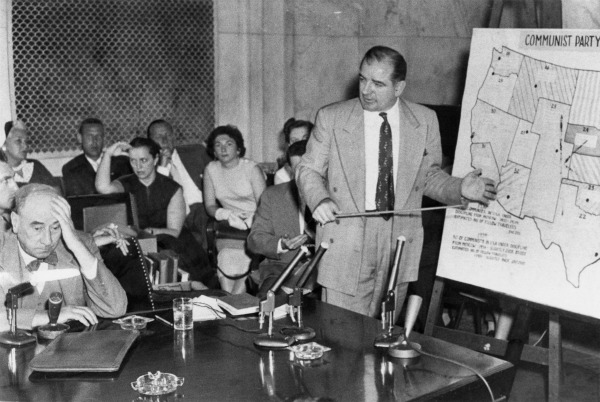
Historian Ellen Schrecker discusses how the repression against students and workers in higher education today are in many ways worse than McCarthyism.
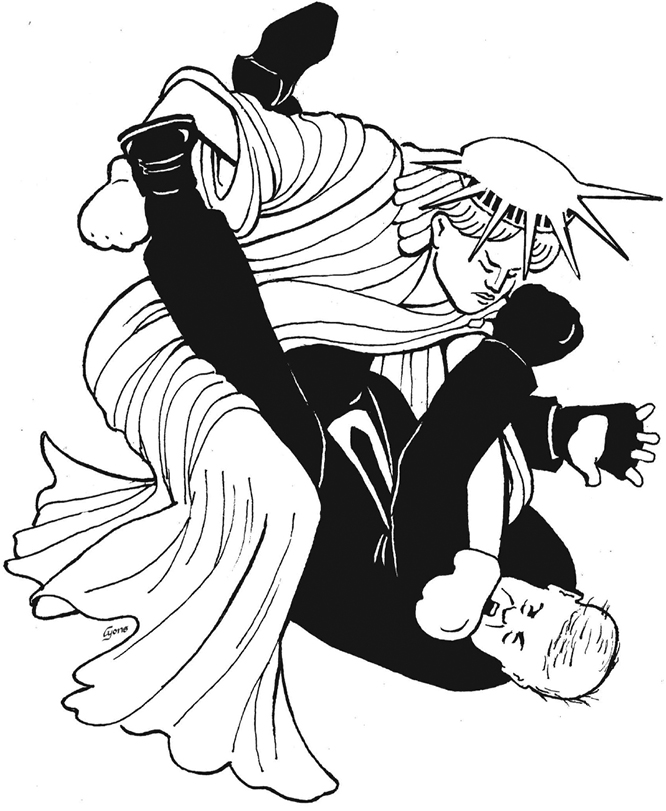
Dan La Botz analyzes the latest development of Trump’s authoritarian regime and prospects for resistance in the United States.

On Friday, June 6, 2025, federal agents descended on four businesses in Los Angeles and arrested dozens of workers on suspicion of violation of U.S. immigration laws. In response, hundreds of people gathered around federal buildings in downtown Los Angeles
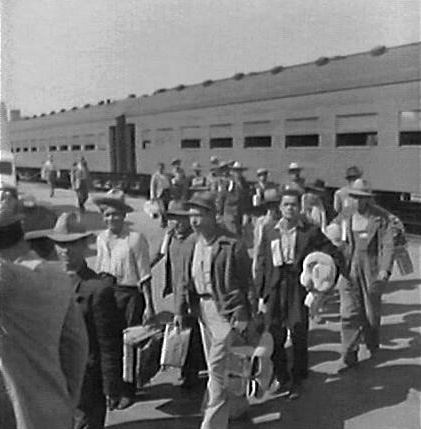
Bill Kelly argues that exploitation and deportation of Latin American immigrants have long been a feature of U.S. capitalism.
The book sets out to familiarize uninitiated DSA members with the terms of political debates that are in play nearly ten years after the organization’s resurgence in 2016.

Daniel “Des” Sanchez Estrada was sentenced today to 30 years in federal prison over possessing and moving a box of zines—politically expressive pamphlets.

Calling something “white socialism” actually weakens the left. It treats the multiracial working class as just a social problem, not as a group that can act politically. It focuses on moral identity rather than on working together. This leads to a kind of politics where the left cares more about staying pure than about winning. As a result, the left can’t respond to the current moment, because it has lost the tools it needs to understand what’s happening.
That people cannot afford their lives is the designed outcome of an economic system that hoards resources for billionaires, exploiting workers to insulate the overwhelmingly white ruling class.

In the aftermath of the “No Kings Day” demonstrations of March 28th, there has been renewed interest—and concern—that in many cities the participation of people of color generally, and Black people specifically, has been limited.
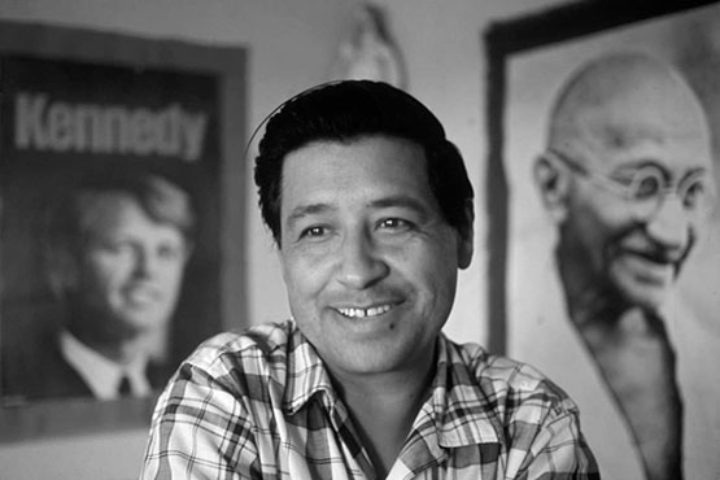
We have all been horrified to learn of Cesar Chavez’s sexual assaults and rape of young girls and women.
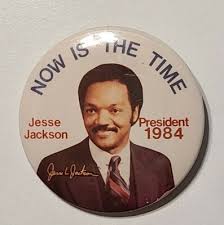
Rev. Jesse Jackson, civil rights leader and two-time candidate for president, died on February 17, 2026 at the age of 84.

Resistance to President Donald Trump is growing, taking the form of massive, peaceful protest marches, small local rebellions against ICE (Immigration and Customs Enforcement), Democratic Party election victories, and a gradually changing public opinion. One could even talk about a

I do not share the euphoria of so many progressives and socialists at the election of Zohran Mamdani as mayor of New York City. I came away sobered by it. Many of the left are celebrating Mamdani’s election as signaling

Lois Weiner analyzes worsening attacks on education rooted in increasing big tech control, and calls for a resistance led by militant, democratic teachers’ unions.
- 1
- 2
- 3
- 4
- 5
- Older Posts »