
Place: United States
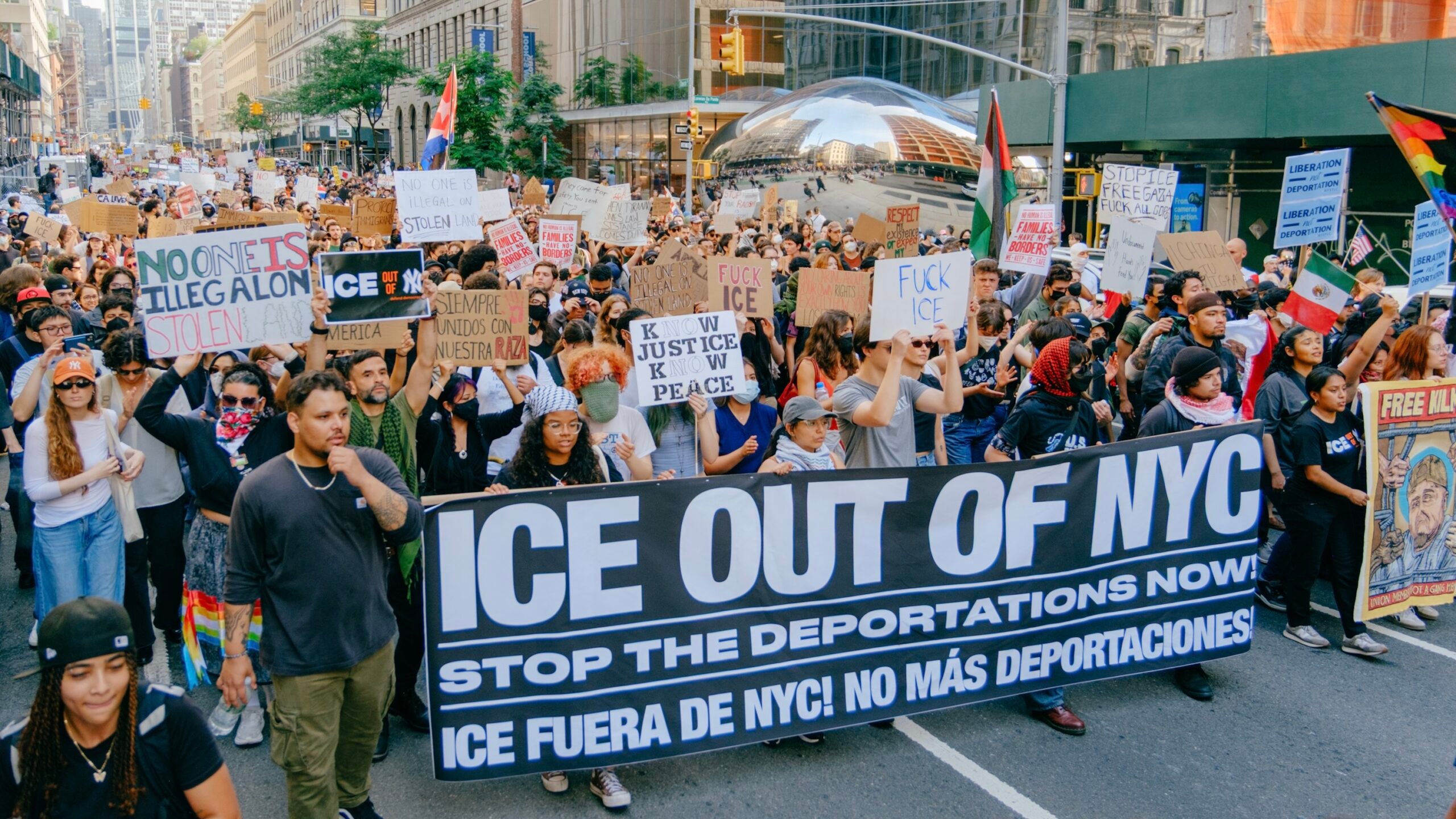
We join the voices in New York City and the nation in denouncing the most recent ICE shooting and subsequent kidnapping of 28-year-old Dominican immigrant and father Oscar Belgal.

How CWA nurses and other healthcare workers in Buffalo, with help from AUD and Labor Notes, are fighting a national union trusteeship aimed against a local union reform caucus.supporters.

Members of Congress demand justice for Palestinian prisoner Hussam Abu Safiya who is arbitrarily detained and tortured by Israel.

The Fain administration’s efforts to consolidate its hold on power reveal the difficulty of sustaining a cohesive vision once the immediate enemy has been vanquished.
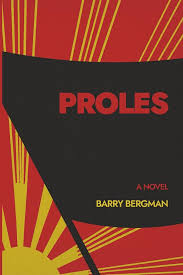
Proles was definitely not written as a how-to manual for members of the Rank-and-File Project, a present-day effort to “recruit, educate, and support a new generation of activists who will join the fight for working-class power by taking union jobs on the shop floor.”
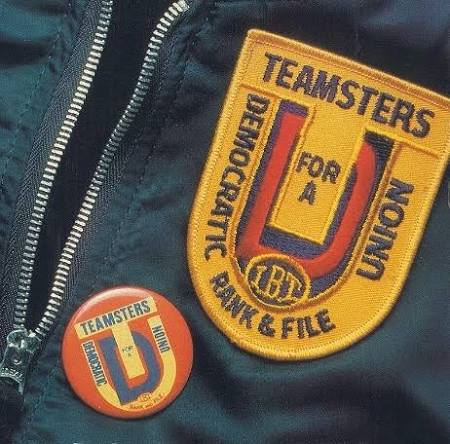
Within these bureaucratic unions, our job as I.S. members would be to organize workers first to take over leadership of the union and then to fight the employers, and while doing that, we hoped to recruit the leaders of the movement to socialism.

Of course, as an author who wrote a book that a reader misunderstood, I apologize to readers of the book and of Sernatinger’s review, and to Andrew himself, for any confusion I have caused.
If organized labor in the U.S. could go from historic membership lows in the 1920s to an early 1950s peak union density of nearly one-third of all private sector workers, maybe that great leap forward could be repeated again, sometime in the future?
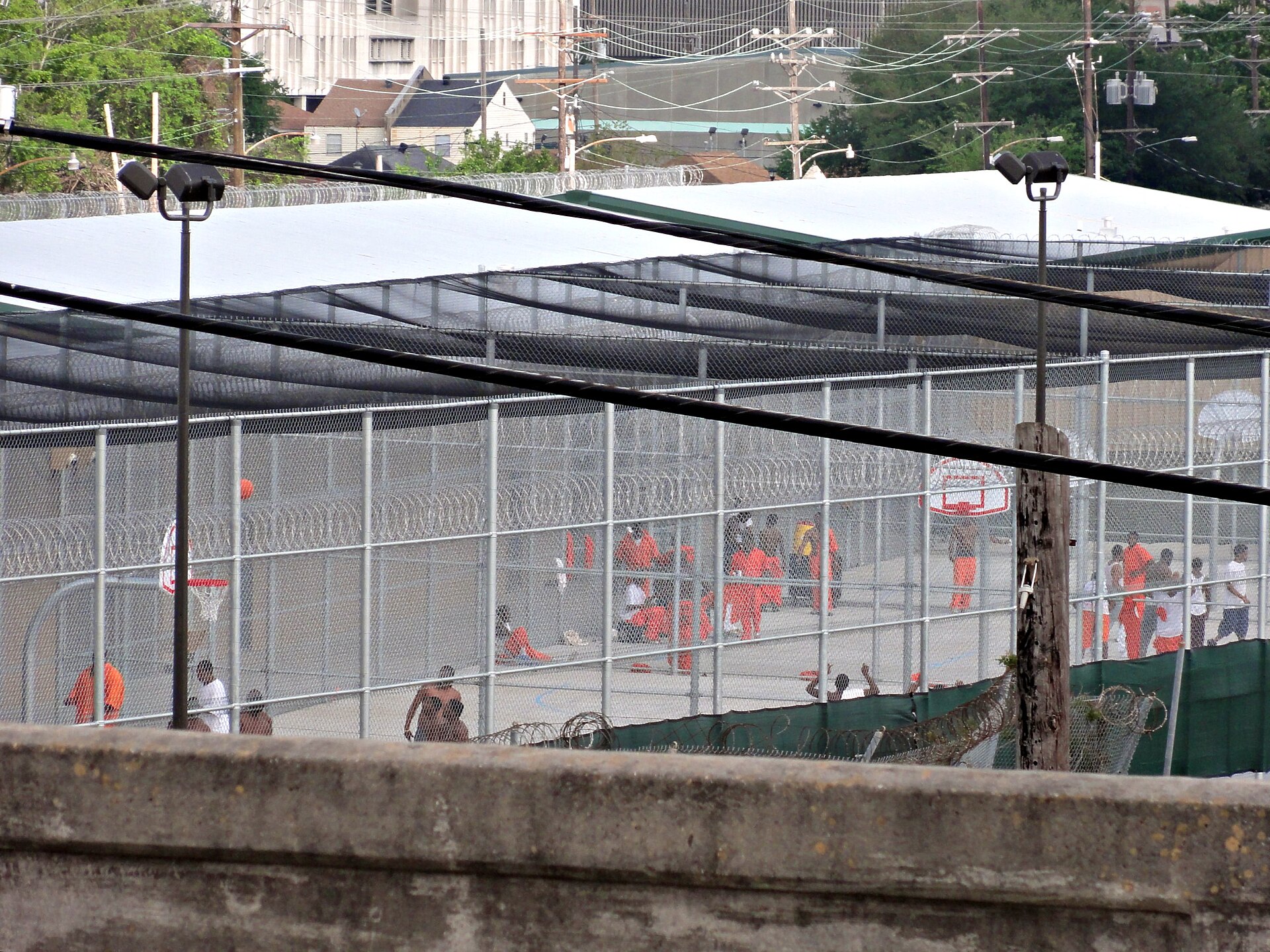
Samuel Barney argues that prison building in rural United States is used as a way to incorporate the precarious rural working class into the state’s repressive apparatus.
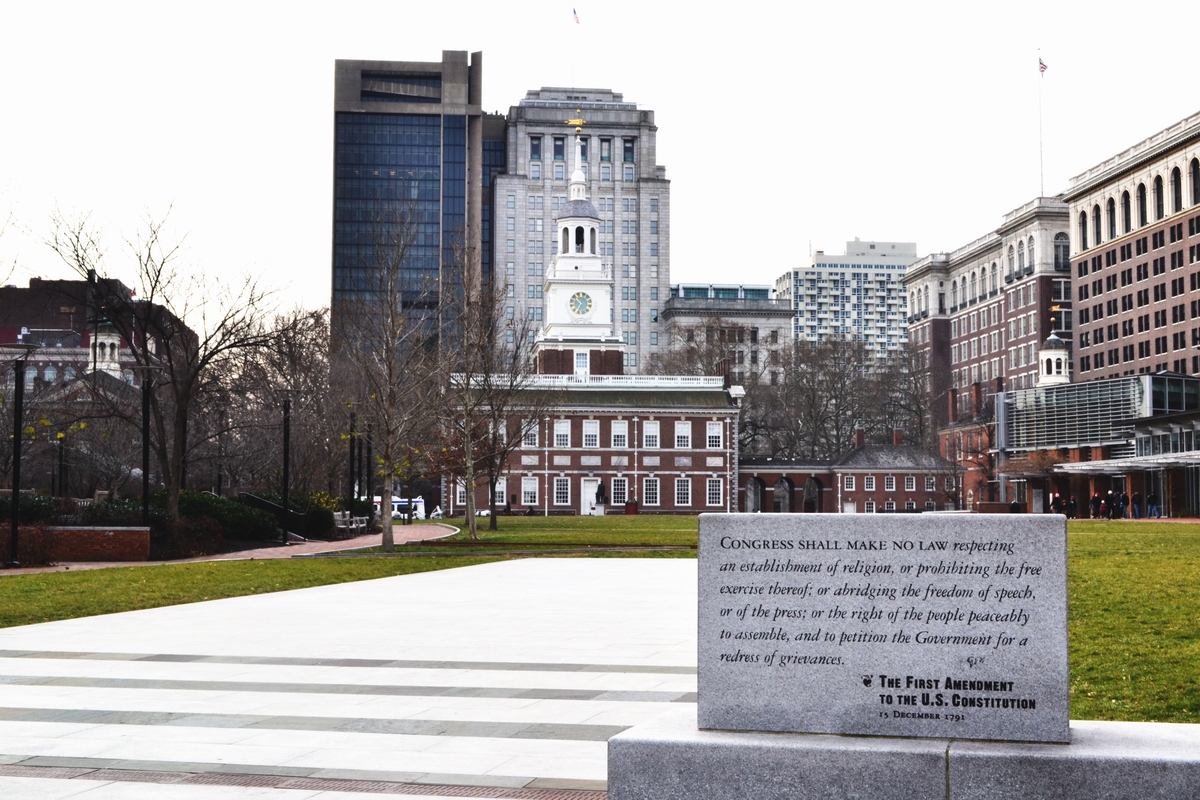
Samuel Farber defends the concept of free speech from a left perspective, against progressive critics of free speech.
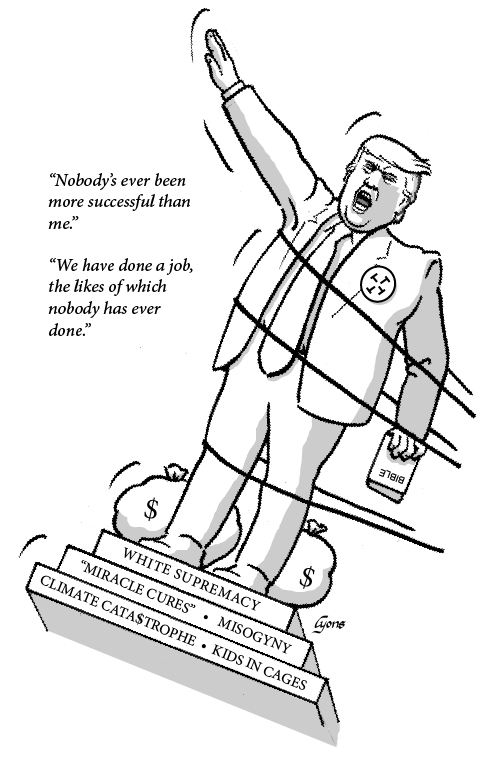
Ben Silverman analyzes Trump’s fascist tendencies and the danger of the Trump regime moving towards the level of historical Fascism.
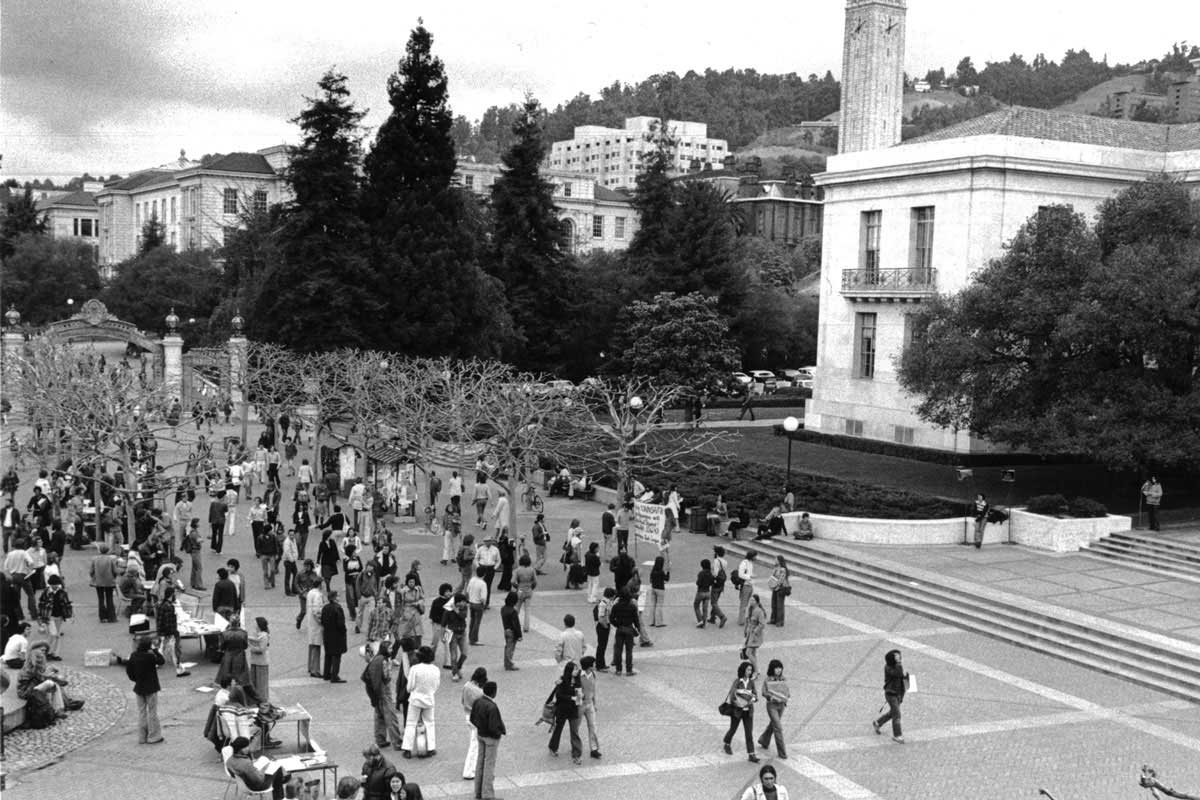
Thomas Harrison recounts history and an experience of the Independent Socialist Club in the 1960s Berkeley, which later became the International Socialists (IS) nationwide.
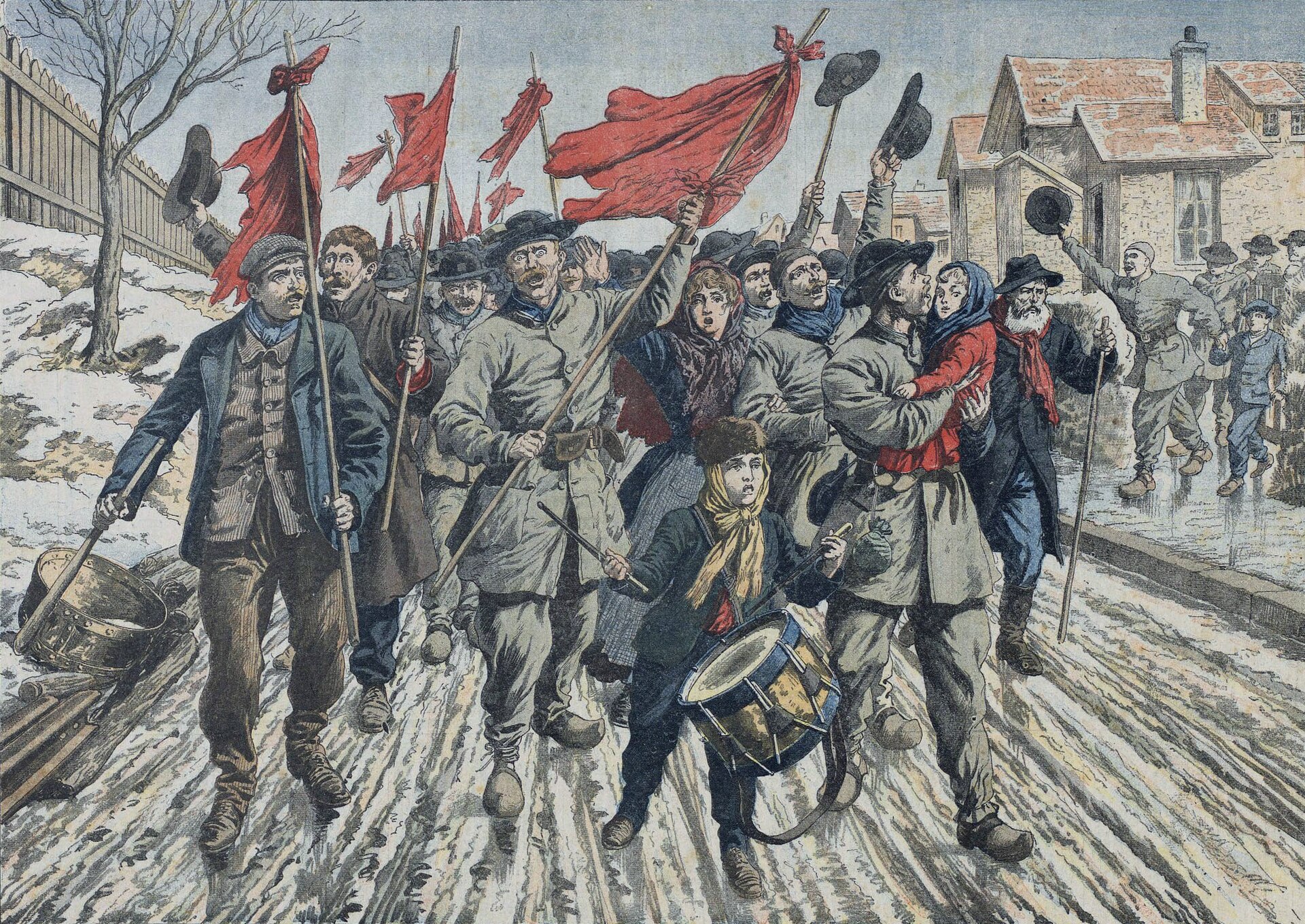
Anne Mackie recounts history of UPSurge, a rank-and-file movement of UPS workers in the Teamsters in the 1970s, in which she actively participated.

Alan Wald reviews A Collective History of the International Socialists, praising its in-depth insights while calling for more critical perspectives.

Andrew Sernatinger reviews a new edition of the 1982 classic Teamster Rank and File, an in-depth study of the rank-and-file movement at Local 208 in Los Angeles, offering a prescient critique of the TDU’s electoralism.
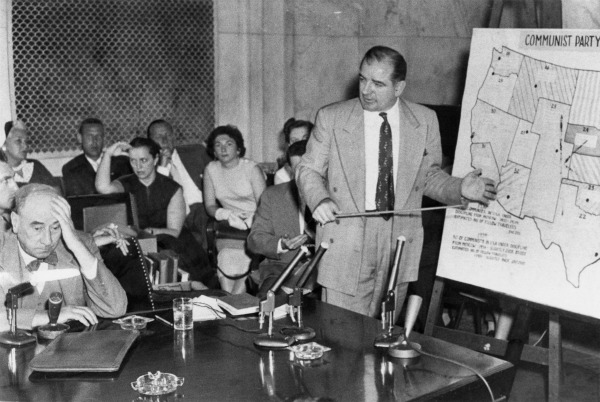
Historian Ellen Schrecker discusses how the repression against students and workers in higher education today are in many ways worse than McCarthyism.
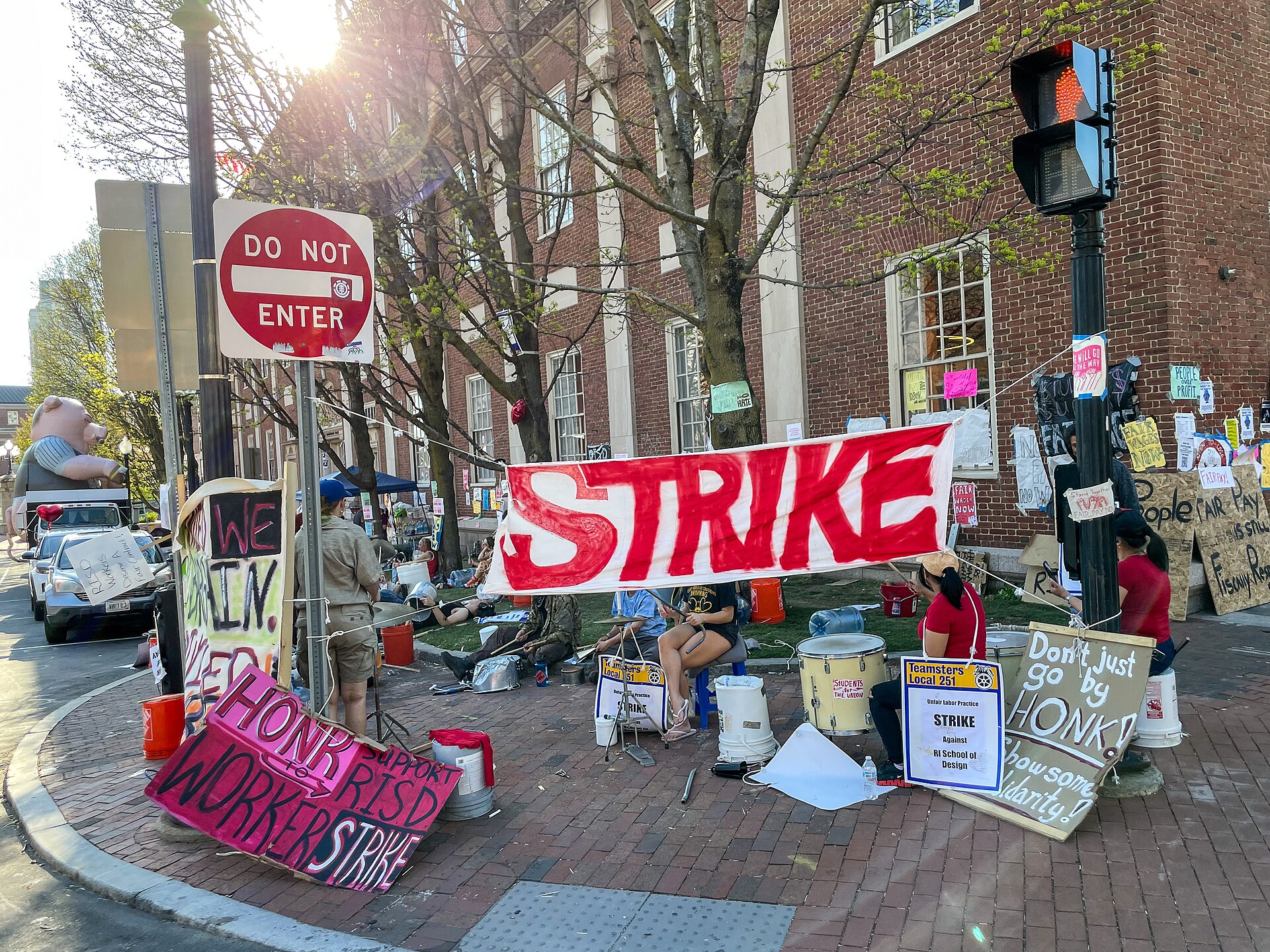
In an interview, Daniel Gross discusses strategies for powerful rank-and-file unionism in the United States today.
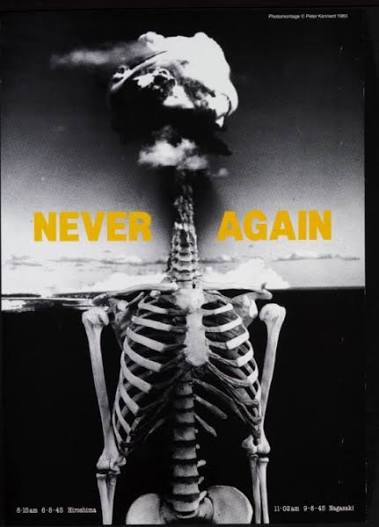
Eighty-one years ago this week, on August 6 and August 9, United States dropped two atomic bombs on Japan, the first on Hiroshima and the second on Nagasaki, killing an estimated 200,000 human beings and poisoning and sickening many others.
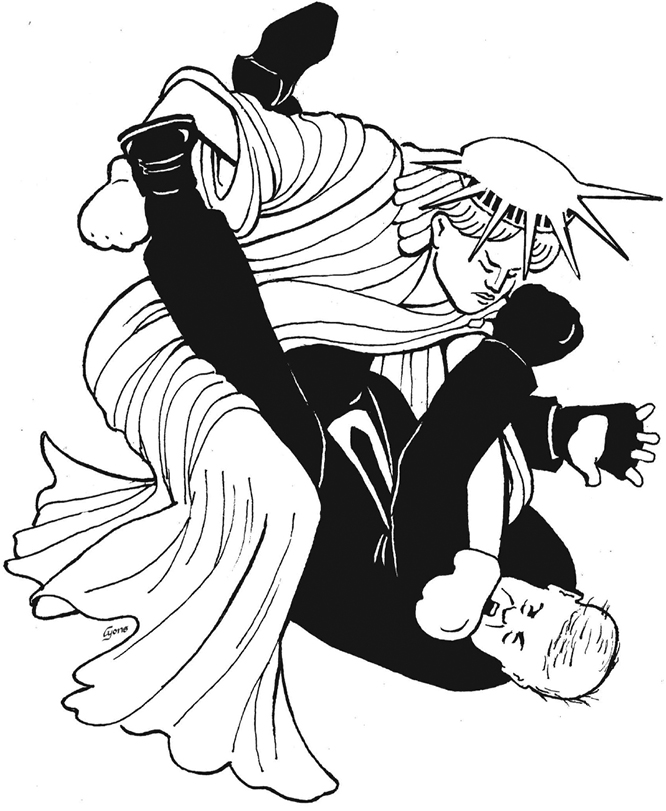
Dan La Botz analyzes the latest development of Trump’s authoritarian regime and prospects for resistance in the United States.

On Friday, June 6, 2025, federal agents descended on four businesses in Los Angeles and arrested dozens of workers on suspicion of violation of U.S. immigration laws. In response, hundreds of people gathered around federal buildings in downtown Los Angeles
- 1
- 2
- 3
- 4
- …
- 72
- Older Posts »