Children at the Medem Sanatorium reading the Bund’s daily newspaper, the Folkstsaytung
Secularism and enlightenment swept through the insular world of East European Jewry, starting in the middle of the 19th century, and ending in the 20th with the rise of Zionism, Marxism, communism, Territorialism, Folkism, assimilationism, anarchism, and, chief among them, Bundism (the social-democratic labor movement of the Jewish working class in Eastern Europe). This last, the Jewish Labor Bund, founded in Vilnius in 1897, became the prevailing movement among these various modern currents.
The historian Bertram Wolfe called the Bund, “The largest and best organized body of workingmen inside the Russian empire.” Plekhanov, founder of the Russian social-democratic movement said, “From a certain point of view, the Jewish workers may be considered the vanguard of the labor army in Russia.” In 1906, with 40,000 members, the Bund was the largest socialist group in the Russian Empire. Organizing over 100,000 laboring Polish Jews in the 30’s, from porters, to slaughterers, retail clerks, barbers, garment workers, leather workers, and others, it was the most powerful body of organized working people inside independent Poland. One quarter of all unionized workers in Poland were led by the Bund, giving them enormous power. In 1938, in the municipal elections in 89 Polish cities and towns, the Bund won 55% of the votes cast, more than all the other Jewish parties put together.
Bundist Leatherworkers Union in Lublin, Poland, 1919. (All photographs, with permission, from Twenty Years with the Jewish Labor Bund: A Memoir of Interwar Poland by Bernard Goldstein, translated and edited by Marvin Zuckerman, Purdue University Press, 2016).
The Bund As Cultural Movement
The Bund, however, was much more than simply a political party. It was a cultural force that strove to uplift the impoverished Jewish laboring masses spiritually and culturally. To this end, the Bund surrounded itself with a network of communal organizations, attracting thousands of working-class Jews.
Together with the left Labor Zionists, the Bund administered a network of secular Yiddish schools. At its peak, in 1920, its TSYSHO (Tsentrale Yidishe Shul Organizatsye or Central Yiddish School Organization) maintained 219 institutions with 24,000 students, spread across 100 locations, including 46 kindergartens, 114 elementary schools, 6 high schools, 52 evening schools, and a pedagogical institute in Vilnius.
Schoolchildren in a Bundist secular class in Warsaw, 1919, being taught in Yiddish by Shloyme Gilinsky, later director of the Medem Sanatorium. Notice children too poor to own a pair of shoes, with heads shaved to rid them of lice
There were evening classes for workers, reading circles, lecture evenings, and concerts.
The Bund also maintained a youth organization, Tsukunft (Future), which numbered 15,000 members on the eve of WW II; a children’s organization, SKIF (Sotsialistishe Kinder Farband—Socialist Children’s Association) blending scout activities, sports events, politics; and a sports organization, Morgnshtern, the largest such organization in all of Poland, Jewish or Polish.
Gymnasts of the Bund’s Morgnshtern
Exhibition by Morgnshtern athletes, Warsaw, 1937
The Bund also had a women’s organization (YAF–Yidishe Arbeter Froy—Jewish Working Woman):In Bundist Counterculture in Interwar Poland (Syracuse University Press, 2009) Jack Jacobs notes that “Jewish women played leading roles in the Bund’s formative years and participated in that party in relatively large numbers during the years of the Russian Empire.” (82). During the years of Polish independence, however, their representation in Bund leadership positions declined. Nevertheless, among the leaders, speakers, organizers, and elected officials in the Bund, many were women.
May Day demonstration in Lublin, Poland, 1936. Speaker, Bella Shapiro, leader of the Bund in Lublin and deputy to the Lublin City Council
Anna Heller Rozental, a leading member of the Bund, addressing a SKIF summer camp, 1937A group of Tsukunft women, Warsaw, 1931
The Medem Sanatorium
Chief among the constellation of cultural, educational, and other activities revolving around the Bund, was its “crown jewel,” the Medem Sanatorium.
Near the Polish village of Myedzeszin, about 20 miles outside of Warsaw, between the two World Wars, the Bund established a sanatorium for undernourished and diseased children of the Jewish slums of Poland.* It was to have the latest medical equipment for the diagnosing and prevention of tuberculosis and other diseases prevalent among the children; it was to have emancipated, progressive teachers; it was to provide the children all year round with scientifically planned, nourishing food—milk, eggs, butter, bread, “luxuries” they seldom ever had in their stomachs; and, it was not merely to entertain, nourish, and cure them, but also to teach them, uplift them spiritually and culturally, imbue them with the values of khavershaft (comradeship) and equality, and introduce them to secular subjects, animal husbandry, nature and the country-side.
All these things the Medem Sanatorium—established in 1926 by TSYSHO—set out to do and did. With the help of funds raised by the Jewish labor movement in America, in addition to the herculean efforts of the Polish Jews themselves, the Medem Sanatorium succeeded so well that educators and pedagogues from all over the world visited and learned from the methods and approach of this “children’s republic.” Positive articles were published in fifteen languages.
Rest period at the Medem Sanatorium
Children at the Medem Sanatorium’s meteorological stationWinter at the Medem Sanatorium
At play at the Medem Sanatorium
The US Holocaust Museum describes the Sanatorium this way:“It bore the name of the Bundist leader Vladimir Medem. The Sanatorium was in existence from 1926 until the summer of 1942. The Medem Sanatorium was an institution for therapy and education. It was renowned throughout Europe for its modern pedagogic methods and served as a model for other similar institutions. Under the leadership of Shloyme F. Gilinsky and the supervision of a staff of physicians and teachers, children who came there from poverty-stricken Jewish workers’ homes received a new lease on life, courage, and hope.” Among them was a young Marek Edelman, a future leader of the heroic 1943 Warsaw ghetto uprising.
According to Jack Jacobs (Bundist Counterculture in Interwar Poland), prominent Yiddish writers—Sholem Asch, Moyshe Nadir, H.D. Nomberg, Daniel Charney—were among those who came to experience the institution. Somewhat less expectedly, the sanatorium was also visited and extolled by Jewish and non-Jewish educators and others with no obvious ties to the Bund, to the socialist movement, or to Yiddish culture. Adolphe Ferriere, a Swiss writer affiliated with the International Bureau of Education and the Jean-Jacques Rousseau Institute, visited in 1930 and was strongly impressed. Works on the Sanatorium are said to have appeared in twenty different countries.
Jacobs notes (pp. 65-72) that Shloyme Gilinsky, the Director and guiding spirit of the Medem Sanatorium, “studied pedagogy first in Warsaw and later in Berlin,” that “all children were given what was determined to be a socialist education,” and that “Gilinsky was especially attracted to the ideas of German pedagogue Berthold Otto.” Finally, “In many ways the Sanatorium’s educational philosophy came to have similarities to the Dalton System, first developed in the United States at the beginning of the twentieth century, which stresses the simultaneous importance of freedom of independence, and of cooperation.”
Victor Gilinsky, Shloyme Gilinsky’s son, related the following to me about his father’s pedagogy:
“My father told me his guiding light was Rousseau’s Emile, or On Education…. Basically, he retained from his own experience, growing up in a village, what most people, including pedagogues, forget: what it is to be a child. He also believed in physical activity, in modern hygiene, scientific inquiry, and he had a great respect for art….My father told me that children needed to be developed physically and mentally, and that, between religion and poverty, children’s lives were being wasted. His primary dedication was to the children and his desire to help them, which overrode any adherence to any particular school of pedagogy.”
In a German book entitled Sozialistische Paedagogik: Eine Kommentierte Anthologie (“Socialist Pedagogy: An Annotated Anthology”—Schneider Verlag, 2016), Shloyme Gilinsky’s pedagogy, as implemented under his direction at the Medem Sanatorium, is described and discussed alongside the pedagogic approaches of Bertolt Brecht, Karl Marx, Rosa Luxembourg, Chares Fourier, and Robert Owen, among others.
In 1936 a ninety-minute film, Mir Kumen On (We Are On Our Way), was produced in Yiddish (with English subtitles) by the well-known Polish director, Alexander Ford. A fine documentary, with a scenario written by Jacob Pat and Wanda Wasilevska, it first shows, briefly, the deplorable conditions of Jewish life in Poland that made the sanatorium necessary, and then the life in the sanatorium—the food, the playrooms, the chicken coops, the vegetable gardens, the meetings to decide things, the puppet shows and plays, the quarrels, the hygiene and medical treatment, and, above all, the beautiful children and their remarkable teachers. One copy of the film was donated to the museum of Kibbutz Lach’mey Ha-Ghetto’ot (Ghetto Fighters); a DVD copy of it may be purchased from the National Center for Jewish Film at Brandeis University.
Aleksander Ford, director of Mir Kumen On, youthful doyen of Poland’s politically committed cineasts.
The Medem Sanatorium Book
In memory of the Sanatorium, Luba Gilinsky on the occasion of the tenth anniversary of the death of her husband, Shloyme Gilinsky—Director and guiding spirit of the Sanatorium throughout all its years—published a book in Yiddish, edited by C. S. Kazhdan, called Medem Sanitorye Bukh (Menorah, Tel Aviv, 1971).
It is not just an historical account of a unique Jewish children’s sanatorium. It is much more than that. It includes original songs, poems, plays, and games created by the children themselves and their teachers. It is a marvelous collection of reminiscences and recountings by the surviving students and teachers of what the whole experience “Medem Sanatorium” meant to them. It is a glowing tribute, an unforgettable memorial to the spirit of the Sanatorium, to the Jewish Labor Bund in Poland, and to the Jewish workers who made it possible.
Some of the accounts in the book are heartwarming and also suspenseful and heroic.
Joseph Kerler, the gifted Soviet-Yiddish poet, wrote concerning the Medem Sanatorium Book:
A true memorial has been erected to a shining and creative epoch in onetime Jewish Poland. The book is beautifully put together, with great devotion and love, as well as with great longing and sorrow for the vanished and so-cruelly annihilated.
May the hands of the editors and publishers be blessed.…
A publisher is being sought for a translation of this important book into English.
The Medem Sanatorium Book is a bouquet of flowers on the grave of the murdered Six Million of the Holocaust, and a yerushe (legacy), a passing on of a significant piece of the colorful and vital mosaic that was the vanished life of the Jewish people in Poland.
In 1942, eighty years ago, the Nazi murderers forced over 200 of the children in the Medem Sanatorium, along with their teachers, nurses, doctors, and staff, onto cattle cars, taking them to Treblinka to be gassed and burned.
_________________________
*From Jack Jacobs’ Bundist Counterculture in Interwar Poland (p.69): “A clear majority of the children [in the Medem Sanatorium] grew up in extremely poor homes and in overcrowded conditions.” Jacobs reports that a survey dealing with the period from 1926 to 1936 noted that of the 4,060 children surveyed, all lived in families with at least 6-8 people living in one room, including 868 cases of more than 8 living in one room. He goes on to note that the survey showed that “more than 28 percent of the children did not have a bed of their own in their homes. More than 45 percent of the children from Warsaw lived in housing that lacked electrical lighting, running water, and internal plumbing facilities.”
With the advent of modern medical technology, it is now possible to keep people alive longer, in chronically sicker states of health, at higher rates than ever before. Think of technologies like left ventricular assist devices, organ transplants, extracorporeal membrane oxygenation, and monoclonal antibodies. These therapies come with a hefty price tag. For example, Aducanumab, a monoclonal antibody, was recently approved by the FDA to treat Alzheimer’s disease. Its yearly cost is $56,000 and if it were to be given to every indicated patient, the estimated cost to Medicare would be $29 billion a year. To put this in perspective, in 2019, total Medicare spending for all physician-administered drugs was $37 billion. With this in mind, we can see why 100 million people in the U.S., or 41% of all adults, have healthcare debt. It’s the number one cause of personal bankruptcy in this country. It is no coincidence that the progress we have seen in medical technology has paralleled this rise in healthcare debt. Simply put, these two realities coexist because healthcare has become a commodity.
A commodity is an item that is created to be bought, sold, or traded. They’re the most basic ingredients of the economy; if the economy is an engine, then commodities are the fuel. In turn, the economy has transformed even our health into an item than can be bought, sold, and traded. However, there’s a crucial difference between healthcare and every other commodity: individuals are willing to spend unsustainable sums of money to obtain more life. At no fault of their own, patients will empty their savings and as a collective, bankrupt hospitals and insurance companies to use medical technology towards the pursuit of a longer life. Private healthcare corporations and pharmaceutical companies inherently recognize this and use it to generate massive profits. They recognize that their products and services, if efficacious, can be consumed indefinitely. This is not the case for most other commodities, where consumers will limit their spending to save for a time when they can afford the item. Healthcare is the one commodity that individuals are willing to spend a near infinite amount to obtain. And so, it must be treated in a fundamentally different way.
Only once we understand this can we then appreciate that our society needs a structure to control the amount of buying and selling of life that can occur. It needs to be regulated. There must exist a central regulatory body whose role is to limit the unrelenting power of commodified healthcare. This can only occur in a system where healthcare is run at a state or federal level. A public healthcare system can regulate the use of these life-prolonging medical technologies in a way that accounts for both individual autonomy and social justice. In turn, it can invest in scaling institutions to handle the influx of these medically complex patients once they reach the outpatient setting.
It is often said that a new technology can surpass a society’s ability to handle its consequences. This is also true for healthcare. The commodification of healthcare combined with the advent of modern medical technologies, while keeping people alive longer, can lead to devastating social consequences if left unchecked. The public infrastructure to sustainably pay for these products must be in place before they hit the market. If we fail to develop this infrastructure and continue on a path of largely unregulated spending, our nation’s financial institutions will be unable to handle the cost of healthcare and eventually, may collapse under the weight of their own consumption.
The claim that the Nord Stream gas pipeline was blown up by U.S. special forces, made last week by the investigative journalist Seymour Hersh, is being used to reinforce false narratives about Russia’s culpability for the war in Ukraine.
On 26 September last year, explosions damaged three of Nord Stream’s four pipelines, which run under the Baltic Sea from Russia to Germany, and sent a large cloud of methane into the atmosphere. Russia has blamed the United States; western media suspected Russia itself of sabotage
Russian gas had been carried to Germany through the first pair of pipelines, Nord Stream 1, from 2012 until three weeks before the explosions.
Construction of the second pair of pipelines, Nord Stream 2, was completed in 2021, but authorisation to use them was denied by Germany on 22 February last year, in response to Russia’s preparations to invade Ukraine.
In the seven months between then and the explosions, the western powers piled sanctions on Russia in response to the invasion. The Kremlin retaliated by ordering Gazprom, the state-controlled gas holding company, to reduce gas exports to Europe, and effectively wreck a business it had spent more than thirty years building up.
I do not know who blew up the pipelines. But here I will show that (i) Hersh’s claims about the effect and purpose of the sabotage are factually incorrect, (ii) his account of the build-up to the explosion misses out huge chunks of the story and is grossly misleading, and (iii) his explanation for U.S. motivation is flawed, and his failure to examine Russian motivation is one-sided.
The effect and purpose of the sabotage
Hersh suggests that the Nord Stream pipelines provided Germany with cheap Russian gas that it could not have got otherwise, and that, by blowing them up, the United States cut off Russia from an important source of income for the gas.
This is less than half the truth. Actually, the pipelines are part of a larger gas transport system that provided Germany and other European countries with gas for decades before the explosion – and could have continued to do so afterwards, but for the fact that, presumably on the Kremlin’s orders, Gazprom stopped supplying it.
Hersh states that, with Nord Stream,
Putin would now have an additional and much-needed major source of income, and Germany and the rest of Western Europe would become addicted to low-cost natural gas supplied by Russia – while diminishing European reliance on America. In fact, that’s exactly what happened.
These statements are factually incorrect.
First, Germany and other European countries became steadily more dependent on Russian gas imports through the 1990s, 2000s and 2010s – but this dependence was produced by a range of factors, of which the abundance and low cost of delivery of Russian supplies was one. But supply was never constrained by pipeline capacity, and the construction of Nord Stream did not make European countries “become addicted” to Russian gas.
Second, there was no European “reliance” on the United States for gas, and so Nord Stream could not diminish it. The U.S. did not start exporting liquefied natural gas (LNG) until 2016, four years after Nord Stream began operation. Even by 2021, after sharply increasing its exports to Europe, the U.S. provided less than one-twentieth of the continent’s gas.
Third, Nord Stream did not provide “additional income” for Russia. It added capacity to the pipeline system. Its advantages were that (i) it is a more direct route from the new Yamal gas fields to Germany, and (ii) it reduced Gazprom’s dependence on transit through Ukraine, a strategic aim since the mid 2000s.
Fourth, the gas going through Nord Stream was not especially “cheap”. It was mostly priced under long-term contracts linked to the price of oil (so when oil prices were high, it was very expensive), and some volumes were linked to European market prices of gas. The price never depended on the pipeline used.
Hersh writes:
Nord Stream 1 was dangerous enough, in the view of NATO and Washington, but Nord Stream 2, whose construction was completed in September 2021, would, if approved by German regulators, double the amount of cheap gas that would be available to Germany and western Europe.
This is factually incorrect.
Nord Stream 2 would have made no difference to the amount of gas, or the amount of Russian gas, available to Germany or anywhere else. It would only have given some commercial advantage to Gazprom, by enabling it to bring more gas to Germany along a shorter, non-Ukrainian route.
These details matter because Hersh gives the impression that, by putting the pipeline out of action, whoever blew it up struck a great blow at the Russian-German gas trade, and at Gazprom’s finances.
This impression is completely false.
Because at the time of the explosions, neither Nord Stream 1 nor Nord Stream 2 were in use. For three-and-a-half weeks before the explosions, no gas had been transported through Nord Stream 1. This was an outcome of Russian policy decisions.
In June last year, Gazprom reduced the flows via Nord Stream to less than half their usual level. In July, the pipeline stopped for its usual annual maintenance. Then, Gazprom retroactively declared “force majeure” – a statement to its trading partners that it was unable to deliver gas due to factors beyond its control.
The chart, sourced from company web sites, shows the reduction of gas flows via Greifswald, where the Nord Stream pipeline arrives in Germany.
In August, a month before the explosions, the researcher Jack Sharples explained in detail how the reduction of flows was “part of a broader decline in the physical flow of Russian pipeline gas”. In the previous year, 2021, Gazprom had not re-filled its storage facilities in Europe as it normally did. Over the winter of 2021-22, despite high prices, it did not offer volumes on European spot markets.
After the full-scale invasion of Ukraine in February 2022, and the imposition of western sanctions, Gazprom demanded payment for gas in rubles, despite contracts setting prices in dollars or euros. Russia imposed its own sanctions on the Yamal-Europe pipeline through Poland.
This “self sanctioning” – failing to provide gas, including volumes it was contractually obliged to deliver – was a spectacular act of self-harm, effectively destroying a business that Gazprom, and before it the Soviet ministry of oil and gas, had worked to develop since the 1980s.
The gas cut-off, ordered by the Kremlin, once again subordinated the interests of Russian business to the state’s military adventure. It is a key feature of the mounting tension between Russia and the western powers. But it is not once mentioned in Hersh’s article.
The build-up to the explosions
The construction of Nord Stream 2 was disputed among the western powers. Hersh refers to a press conference by US president Joe Biden and German chancellor Olaf Scholz on 7 February 2022, where Biden said: “If Russia invades … there will be no longer a Nord Stream 2. We will put an end to it.”
This is selective quotation, at best.
Biden was answering the question, “did you receive assurances from chancellor Scholz that Germany will pull the plug on this project if Russia invades Ukraine?” Everyone in the room understood, and anyone who views the clip will see, that this is a conversation about whether the United States could convince Germany to nix the project.
And on 22 February, that’s what happened. The Kremlin formally recognised the “people’s republics” of Donetsk and Luhansk – the clearest signal yet that it intended to invade Ukraine – and Scholz announced that German approval for Nord Stream was withdrawn. That meant the pipeline could not be used for the foreseeable future.
Any serious account of what led up to the explosions would have to explain this vital reversal of German policy. Hersh does not mention it.
In fact, he quotes his single source – an unnamed person “with direct knowledge of the operational planning” for blowing up the pipeline – saying that, by talking publicly about putting a stop to Nord Stream 2, Biden was giving the game away. Hersh writes:
Several of those involved in planning the pipeline mission were dismayed by what they viewed as indirect references to the attack. […] Biden’s […] indiscretion, if that’s what it was, might have frustrated some of the planners. But it also created an opportunity [because the operation need no longer be classified as covert].
This type of journalism is absurdly one-sided.
What did these shadowy figures think when Scholz announced – three weeks after the press conference, and seven months before the explosion – that Nord Stream 2 was a dead duck? How did they react when Gazprom stopped using Nord Stream 1? Hersh doesn’t tell his readers, because he doesn’t even refer to these turning-points in the story.
Scholz’s 22 February announcement – a public, political change of heart that froze Nord Stream 2 – was the culmination of a complex chain of events, in which Russia’s military aggression against Ukraine cut across the conduct of its gas sales.
As Russia and Ukraine set out on their post-Soviet paths in the 1990s, Russia’s dependence on Ukraine to transit its gas to Europe, and Ukraine’s dependence on imports of gas for its own use, had been sources of endless tension. This culminated in the “gas war” of January 2009, when supplies bound for Europe were cut off for two weeks.
In 2014, when Russia’s ally Viktor Yanukovich was overthrown in Ukraine and Russia intervened militarily to support the eastern Ukrainian separatists, these tensions mounted. Plans to build Nord Stream 2, shelved for commercial reasons in 2011, were revived in 2015 with the participation of western oil companies. The western sanctions against Russia, imposed after the annexation of Crimea, were half-hearted, but by 2017 were sufficient to convince those companies to withdraw, or put the project at arm’s length.
At this time, researching these events as a senior research fellow at the Oxford Institute for Energy Studies, I disputed the mainstream western view that everything could be explained in terms of Russia using gas as an “energy weapon”; I believed that Gazprom’s strategy reflected economic motives as well as the Kremlin’s political imperatives. But as time went on, the latter became stronger. (See e.g. here, here, here and here.)
On the American side, there was more talk than action on the Nord Stream 2 sanctions during the Trump presidency (2017-21), and it looked as though Gazprom, by pressing on regardless, would produce a fait accompli that Germany would accept.
When Biden’s team arrived in the White House, they sought to draw a line under the issue. The U.S. government, like Germany, was wary of Russia, but ready to compromise. In May 2021, the sanctions were dropped.
Hersh calls this a “stunning turnaround”. In fact it was a logical continuation of the western powers’ approach: to contain, and use, the Kremlin – not to destroy it. In July 2021 Germany, the United States and Ukraine came to an agreement that, while the pipeline would go ahead, the western powers would provide funds for energy sector reforms in Ukraine.
This agreement states:
Should Russia attempt to use energy as a weapon or commit further aggressive acts against Ukraine, Germany will take action at the national level and press for effective measures at the European level, including sanctions, to limit Russian export capabilities to Europe in the energy sector, including gas, and/or in other economically relevant sectors. This commitment is designed to ensure that Russia will not misuse any pipeline, including Nord Stream 2, to achieve aggressive political ends by using energy as a weapon.
Nevertheless, Hersh claims that the U.S. administration was “floundering”, and opted for a top-secret plan to blow up the pipeline.
How does he explain the July 2021 agreement? He does not mention it.
Possible U.S. and Russian motivations
By September last year, Germany, in line with the agreement, had blocked the use of Nord Stream 2. Gazprom had stopped using Nord Stream 1. No gas was flowing through the pipelines. The economic partnership between Germany and Russia was in ruins.
What, then, could be a U.S. motive for blowing up the pipeline?
I have no specialist knowledge of U.S. policy-making. I can speculate that, perhaps, someone in the United States sought to deepen this German-Russian rift. Perhaps, rogue elements in the U.S. military got ahead of themselves. Either way, it would to a large extent be slamming the door after the horse had bolted – and potentially causing great offence to Germany, the United States’ major partner in Europe.
But the more ambitious motives that Hersh suggests – to stop German reliance on cheap Russian gas, to prevent Nord Stream 2 being used to double the supply of this gas, etc – simply do not accord with the facts.
Hersh writes that, after the explosion, U.S. media suggested that Russia may have been responsible,
but without ever establishing a clear motive for such an act of self-sabotage, beyond simple retribution. […]
While it was never clear why Russia would seek to destroy its own lucrative pipeline, a more telling rationale for the President’s action [to order it to be blown up] came from Secretary of State [Anthony] Blinken [who at a press conference described the “energy crisis” in Europe as “a tremendous opportunity to once and for all remove the dependence on Russian energy”, etc.]
This is poor, one-sided journalism.
The explosion came after the most significant ever shift in Russia’s gas export policy, i.e. its decision, from 2021, to run down exports to Europe. It came after Gazprom, against all economic logic and to the detriment of its core business, stopped using Nord Stream.
Given these factors, one possible Russian motive for blowing up the pipeline relates to the procession of arbitration cases that Gazprom seems certain to face from the buyers of its gas – including Uniper, one of the largest, that effectively became insolvent last year – for failing to deliver under contract.
Gazprom’s declaration of “force majeure” stands, at first sight, on shaky ground. “Surely it was you who, in June, reduced the volumes?”, the buyers’ lawyers might ask.
Any arbitration settlement might consider the volumes Gazprom was required to deliver, stretching far into the future. A defence that referred to a major pipeline being out of action might be a stronger one.
A Gazprom pipeline has been blown up before to settle a commercial dispute, in Turkmenistan in 2009. (See this paper, pages 80-81, for details.) And since 2014 the Kremlin stuck to a strategy that damaged aspects of Russia’s foreign economic relationships, in order to pursue its military adventure in Ukraine. So an economically illogical decision to destroy the pipeline, taken in wartime, is not inconceivable.
I repeat: I do not know who blew up the pipeline. It may have been a third party, not the United States or Russia. Or, either of them could have done it with a view to blaming the other side.
But to offer, as cast-iron, U.S. motives that do not accord with the facts – while denying the possibility that there could be any Russian motives – is not journalism. It is more like propaganda.
Avoiding conspiracy theories
The Kremlin has justified its assault on Ukraine on the grounds that Russian sovereignty was threatened by “NATO expansion”, and “leftists” in western countries have picked up this propaganda theme – that the US and its allies, rather than the Russian government, are to blame for Russian aggression.
This fits with a simplified view of the world in which the main enemy is U.S. imperialism, and the enemy of my enemy – even if it is an authoritarian, bloodthirsty representative of capital – is my friend.
Immediately after the pipeline explosion, hints from the Kremlin that the United States was responsible were amplified on line by such “leftists”, as well as conspiracy theorists and Biden’s extreme right-wing opponents in the U.S.
Instead of treating such theories with distrust, as any journalist is surely obliged to do, Hersh has lent his deserved reputation – built in the 1970s by reporting on the My Lai massacre, the Cambodia bombing and other U.S. war crimes – to such theories. And not for the first time.
In 2014, Hersh denied the responsibility of Bashar al-Assad’s regime for a notorious chemical attack on a suburb of Damascus. Like the Nord Stream story, Hersh’s article relied on a single unnamed source, and made no attempt to address a mountain of circumstantial evidence that contradicted it. In 2017, Hersh offered a similar, single-sourced explanation for another chemical attack, on Khan Sheikhoun, that was conclusively rebutted by other journalists (see here, here and here).
“Left” organisations and personalities retail Hersh’s Nord Stream story uncritically, because it is what they want to hear. Dogma beats inquiry. Innuendo and false claims beat solidarity with the victims of Russia’s scorched-earth war on populations, in Syria in 2014 and 2017, and Ukraine in 2022-23.
Re-forming critical public spaces means challenging the “great men” of the “left” when they offer blinkered, one-sided and untruthful explanations for the dangerous, uncertain realities we face.
Cuba is experiencing a crisis that is approaching that of the Special Period of the nineties. We don’t know when and how it will end. It is conceivable—although it appears to have a small likelihood of occurring given the situation at the beginning of 2023—that the economy will exit the crisis. What might such an exit mean?
Perhaps Cuba can get through the crisis with the help of a successful tourist industry (assuming a notable decline of the Covid world rate of infection), possibly supplemented with the income produced by a rise in the international price of nickel, a notable increase of the medical services provided to various countries, and the increasing commercialization of biotechnology and of new pharmaceutical outputs produced in the country.
This would probably favor those in small and middle-sized private industry (PYMES) and self-employed people concentrated in the manufacturing and trading of goods and services destined for domestic consumption. The Cuban people would end up witnessing the creation of a new bourgeoisie composed in part by the uniformed military through its armed forces-controlled business enterprises (GAESA), primarily concentrated in international tourism, by the private proprietors of the PYMES mid-size industry, and successful self-employed people, like for example the proprietors of houses and apartments rented to tourists at lucrative rates. Obviously, any normalization of economic relations with the United States would significantly improve these prospects, given the importance that U.S. investments would have, especially Cuban-American capital willing to invest in Cuba.
In light of what happened in many formerly “socialist” countries, as well as in other lands, we can assume that such changes would very possibly increase the inequality between “winners” and “losers,” and in the absence of independent social movements that could defend the interests of the “losers,” state policies would support the “winners”: tourism and the industries that supply hotels and restaurants serving tourists as well as nickel and other extractive industries, biotechnology, and tobacco. The “losers” would be neglected and ignored: the numerous manufacturing enterprises that are not “competitive,” what is left of the sugar industry, and agriculture in general. In the absence of independent movements that could defend popular interests, the state of public investment and social security, already very deteriorated and with reduced budgets, would suffer even more.
These developments would mobilize the new social classes, like the bourgeoisie and the middle class, who, unhappy with the progressive deterioration of the medical and educational state services, would exert pressure for their privatization. This would bring about, in the case of medicine, the creation of a system like Medicaid in the United States—an under-supported public service for the needy—to attend most poor Cubans. As happened in the United States, this division of medical services between the poor and the middle and upper classes would considerably weaken any political support to improve the medical service to the poor, let alone build and maintain a public medical service that attends, competently and with dignity, not only the rich and the middle class, but all Cubans in the island. Similarly, there will be a great deal of pressure to allow private education at all levels. The Catholic religious orders, and perhaps to a lesser degree the conventional Protestants and the evangelical churches, will recruit the best teachers and buildings to educate the sons and daughters of the successful proprietors, administrators, and technicians of the “winning” sectors of the economy. These possible changes would have the most negative effect on Black Cubans, who have lacked until now a vigorous program of “affirmative action” to incorporate them into all important levels of the social, economic, and political life of the country.
In the absence of a fully democratic system of national economic planning, regions of the country with an economy of “losers,” like Oriente, the easternmost region of the country, will continue to suffer disproportionally, except for those relatively small zones where the nickel industry and some places of tourist interest are located. Regional inequality will increase even within the Havana metropolitan area because the tourist and real estate investment will continue to concentrate in the relatively more prosperous neighborhoods near the Gulf of Mexico shore while the “interior Havana” farther from the sea and much poorer, will continue to deteriorate.
The Role of the United States
Without a doubt, the principal obstacle to the normalization of relations between the United States and Cuba is the economic blockade that the U.S. empire has imposed on Cuba for more than sixty years. Despite the arguments put forward by the Cuban government, the blockade is not the principal cause of the economic problems that affect the island. That place is occupied by Cuba’s economic system, which is most responsible for the economic inefficiency, workers’ apathy, and the lack of responsibility of political bosses and economic administrators. There is no doubt that the criminal blockade has caused great damage to the Cuban economy, especially during the initial years of the revolution, when machinery and equipment of every type had to be imported from the Soviet bloc to replace those manufactured in the United States. And it continues to inflict damage through the sanctions against international banks that carry out transactions with Cuba and the prohibition of investments and export of every type of goods and services from the United States. It is true that for more than twenty years the export of food and medicines to the island has been allowed, but, unlike the transactions with other countries, it requires special licenses and payment in cash before the goods are delivered. During the last several years, the U.S. government, basing itself on the Helms-Burton Act of 1996 (signed by Democratic President Bill Clinton), has increasingly interfered with European investments in Cuba, to such a degree that there have been strong political and legal objections from the European Union.
As we know, on July 20, 2015, diplomatic relations were reestablished between the United States and Cuba. What considerably diminished the expectations for an improvement in the relations between the two countries was the election of Donald Trump in 2016 and his success in reversing many of the changes introduced by Obama in his second presidential period. Trump also did a great deal to change the political climate in south Florida, especially among Cuban Americans. It is worth noting that in the 2012 elections when Obama was reelected, as in the 2016 elections when Hillary Clinton was defeated, the Cuban-American vote for the presidential candidates of the Democratic Party rose considerably and came close to a tie with the Republican candidates. The public opinion polls of the time showed that the inclination to vote Democratic was more pronounced among those who had more recently emigrated from Cuba. This changed from 2016 to 2020, when Trump reestablished a clear Republican hegemony among Cuban Americans. This was the result of the great efforts made by Trump through his frequent visits to the south of Florida to agitate the “antisocialist” sentiments of Cubans (as well as Venezuelans and Nicaraguans) while the Democrats did very little to counteract Trump in the area.
We must consider the role of the new social media and “influencers” like Alexander Otaola in adding fuel to the fire in support of Trump’s politics. Another important change occurred among the recent immigrants from Cuba. According to the Cuban sociologist Guillermo Grenier, who publishes the “Cuba Poll,” the great majority of the recently arrived Cubans have been electorally registering as Republicans, in contrast with what had happened in earlier years. Nevertheless, it must be noted that a minimum of six years must elapse from the arrival of Cubans to the United States until they can become citizens and register with a political party. That interval is sufficient for the new Cuban Americans to become socialized into the political culture of South Florida.
Some observers reason that the crushing defeat of the Democrats in the 2022 midterm elections in Florida will paradoxically help to improve the relations between the United States and Cuba because the Democrats will be less pressured to accommodate Cuban Americans in a state that is no longer considered competitive. Perhaps there is some truth to that observation, but I don’t think that it is sufficient to lead to important changes to soften or eliminate the U.S. economic blockade of Cuba. The loss of political weight of the Democrats in Florida could be more decisive if it combined with a more active participation among various sectors of the U.S. capitalist class. For example, for quite some time the very influential U.S. Chamber of Commerce has been in favor of renewing economic relations with Cuba. In fact, Thomas Donahue who was the Chamber’s president and CEO from 1997 until he retired in 2019 visited Cuba on various occasions. Other important sectors of American capital such as the large agricultural corporations and the maritime transport industry (both freight and passenger oriented) have supported such efforts. In the past, various congressional bills proposing a change in U.S. economic policy towards Cuba have gotten support from both Democrats and Republicans, and a good number of those congresspeople have visited the island. The problem is that, for those powerful interests changing economic policies towards Cuba has not necessarily been a political priority, while for the Cuban right and its allies in South Florida the maintenance of the blockade is indeed a priority.
Meanwhile, it is very unlikely that the United States will try to invade Cuba, either directly or using their Cuban supporters as happened in 1961; obviously not because of political principle, but because since the end of the Cold War the importance of Cuba for the United States has greatly declined. This does not mean of course that the U.S. government will cease its other hostile activities against the Cuban government, for example through its propaganda organs such as Radio and TV Martí.
Cuba’s Political Alternatives
The political leaders of the traditional transitions from “socialism” to capitalism, including the state capitalist countries like China and Vietnam, were not automatons who simply responded to the supposedly objective necessities of such transitions. These leaders had to resolve diverse transition problems, many of them critical, but their perceptions of how to solve them were determined by their political ideas and conceptions, be they liberal, authoritarian, conservative or even fascist. That would also be true for Cuba.
Bearing this in mind, when we speak of a transition in the Cuban context, the obvious question is: a transition to what? In other words, what type of political, social, and economic system would replace the existing one? It is very regrettable that under the influence of “socialist” and “communist” antidemocratic systems, various political terms have grown confusing on the left, including the term “left” itself. It is therefore necessary to redefine what is meant by the left. For the purposes of the present discussion, I propose that to be “on the left” consists, more than anything else, of a rejection of the bureaucratic and capitalist conception that proposes that liberty is incompatible with equality, and in the affirmation that democracy, whether at work or in all other political and social contexts, far from being an “extra” in socialism, is in fact indispensable and the only way in which that system can and should represent the working class and popular will. At the same time, being on the left implies defending the right of national self-determination, as much against the U.S. policies in Cuba and Latin America, as against the policies of Vladimir Putin’s Russia in Ukraine.
There is no doubt that although the critical Cuban left has grown — for example, with organizations of groups of African descent and publications such as Havana Times and La Joven Cuba — it is still weak. This is due, more than anything else, to the fact that until this moment the Cuban working class has not shown any signs of resistance as workers, although of course many of them and especially Black Cubans have done so as poor people, when they participated in the street protests that have been occurring since July 11, 2021.
It seems that the only options that Cuban workers perceive as feasible are emigration and self-employment. Meanwhile, many of them survive on the remittances that their relatives send from abroad—especially in the case of white workers—given the shrinking number of subsidized items that they can receive through the ration book. Others survive by the theft of state property, which should be considered, under existing conditions in Cuba, as a form or extension of what Roman law called furtum famelicus (theft motivated by hunger), based on the Latin proverb necessitas non habit legem (necessity is not ruled by [or does not recognize] the law).
On the other hand, the Cuban right is very strong in the south of Florida, not because of the numerous small political groups that abound there, but because of the political and social hegemony achieved through publications and newspapers such as El Nuevo Herald, the Cuban right wing radio programs, the well-known activities of “influencers” such as Otaola, and the great social weight achieved by Cuban-American capital in that area. The three Cuban-American congresspeople that represent the area in Washington, as well as the state and municipal functionaries and elected officials at every level, have been very important in establishing and propagating a broad political and ideological right-wing agenda.
The great power and influence that the Cuban-American right wing has in Florida doesn’t mean that it can reproduce itself in Cuba just as it is. It is worth noting for example that during the street protests that have taken place since July 11, 2021, very few if any people have echoed the political demands of the Cuban right, like the proposal by the Cuban dissident biologist Ariel Ruiz Urquiola calling for “humanitarian intervention” in the island, that everybody knows would be in the first and last instance an intervention guided and realized by U.S. forces and interests.
Cuban Americans have had a growing cultural influence, and thus indirectly a political impact, on Cuba, whether transmitted by the contents of the “weekly package” — the popular rentals of USB flash drives containing imported musical and variety shows, soap operas, and other similar materials tolerated by the Cuban government — or through other means. One example is the video titled Patria y Vida (Fatherland and Life) counterposed to the government’s slogan of Patria o Muerte (Fatherland or Death), which has undoubtedly been a great artistic success, but highly ambiguous considering its total silence about its preferred political and social alternatives, even if in broad general terms. It is precisely that ambiguity that allows the most right-wing Cubans of South Florida to celebrate the video and its protagonists.
That cultural influence plays an important role in the development of the “common sense” of many Cubans in the island, even though that “common sense” is not necessarily “good sense.” It is that “common sense” that led Dr. Ana María Polo of the popular television program “Caso Cerrado” (Case Closed, a “judge” show on Spanish language television in the United States similar to Judge Judy and its English language equivalents) to proclaim more than once in the past that there is no unemployment in the United States, since “as we all know and can see” one can always get a job if one makes an effort to obtain it, even if it is cleaning houses or washing automobiles. The economic and social structures and realities do not exist, and what exists and counts is only individual will. According to this form of reasoning, there is no alternative to individualism, and consequently capitalist competition would be the principal axis of a new Cuba. Everybody on their own and the last one in the race “stinks” as we used to say about children and teenagers racing in the neighborhood of Los Quemados in the Cuban city of Marianao of my childhood and adolescence.
Samuel Farber was born and grew up in Marianao, Cuba. He has written numerous books and articles about that country, as well as about other topics like U.S. politics and the Russian Revolution. He is a retired professor of CUNY (City University of New York) and resides in that city.
This article is a translation of the second part of a two-part article published on the Spanish language La Joven Cuba,the most important independent left-wing blog in Cuba. The first part appeared on La Joven Cuba on Feb. 6, 2023, and then in English on New Politics. The second part appeared on La Joven Cuba on Feb. 13, 2023.
About a week ago, on February 9, Nicaraguan dictator Daniel Ortega released and deported 220 of his regime’s political prisoners. Taken from their prison cells, they were put on a plane, ignorant of the plane’s destination. One person speculated that they might be being sent to China. They were reportedly given a form to sign, saying that they were leaving Nicaraguan voluntarily. Two appear to have refused to sign the paper and go into exile, so they were returned to prison.[1] One of them was Catholic Monsignor Rolando Álvarez who was then immediately tried for undermining national integrity and spreading false news and sentenced to 26 years in prison. Five or so hours after takeoff, the rest of the deportees arrived at Dulles Airport in Washington, D.C.
The freed prisoners included men and women from their twenties to their sixties, from all walks of life — students, journalists, priests, and ordinary working people — but also among them three former presidential candidates who ran for office in 2021 until they were arrested and imprisoned: Cristina Chamorro, Juan Sebastián Chamorro, and Felix Maradiaga. The exiles span the political spectrum from right to left, from the head of the country’s business council, Michael Healy, to the former Sandinista comandante Dora María Tellez. One of the students is Lester Alemán, who became famous when, in 2018 at the age of twenty, he told Daniel Ortega in a televised public meeting that the dictator should resign. Tried on fabricated charges such as being foreign agents and traitors in sham trials before judges subservient to Ortega, the various exiles had been sentenced to years in prison. In those prisons, some for five years and some for less, they were tortured psychologically and physically.[2] One of their number, the former Sandinista revolutionary Hugo Torres, age of 73, died behind bars a year ago.[3]
Upon arriving in Washington, the exiles expressed to the media their happiness at being free and their anger at having been exiled and stripped of their Nicaraguan citizenship. Their exile means separation from family and friends, the loss of jobs and interruption of careers, anxieties about making a living and residing in a foreign country. One man said, “I am glad to be free, but being exiled from Nicaragua is like being ripped from my mother’s womb.”
The United States government offered the Nicaraguan exiles a two-year humanitarian visa and the Spanish government has offered them citizenship. The exiles are now pondering their futures.
U.S. Secretary of State Anthony Blinken said, the prisoners’ release represented “a constructive step toward addressing human rights abuses in the country and opens the door to further dialogue.” Obviously, this is not true. Their release—it frees them from prison and ends their torture—does nothing to improve human rights, democracy, and civil liberties in Nicaragua. The exiles and their supporters believe quite rightly that they should have been released back into Nicaraguan society with all of their civil liberties and political rights—though that is impossible because nobody in the country enjoys those now. If Anthony Blinken looks forward to negotiations, it is surely not because of the preposterous claim that the release of the prisoners somehow furthers the restoration of human rights or civil liberties and political rights to the people of Nicaragua. He has other things on his mind.
Why Were the Prisoners Freed and Exiled?
Both Daniel Ortega and the U.S. government have reasons to want to renew their contentious relationship. Ortega has several objectives in releasing the prisoners and sending them off to Washington, D.C. First, of course, exiling them eliminates virtually all of the leaders of the political opposition from every quarter even more completely and less problematically than having them imprisoned in Nicaragua. Second, Ortega’s imprisonment and torture of his political opponents and dissident Nicaraguans has damaged the country’s international reputation. Now, with only 35 political prisoners still remaining, things don’t look quite so bad. Third, the United States and other countries have imposed sanctions on Ortega, his wife and vice-president Rosario Murillo, other family members, and their governmental inner circle, and they would like to have those penalties removed so they can travel to engage in finance and business and make money.
Tellez has suggested that a fourth reason that Ortega wants a deal with the United States is because of the weakness of his regime that has been riddled with conflict. Ortega’s former head of investigation and intelligence for the Nicaraguan police, Adolfo Marenco, was arrested and taken to Managua’s El Chipote prison in January, apparently because he attempted to flee the country and no longer wanted to work with the regime’s inner circle. And a year ago, Arturo McFields, Nicaraguan ambassador to the Organization of American States, denounced the Ortega government during an OAS session for its suppression of democracy. He was, of course immediately dismissed from his post.
The United States has its own reasons for a rapprochement. Washington, as we know, controlled all of Central America since the beginning of the twentieth century, and dominated all of Latin America since World War II. Cuba escaped that domination in 1959—though it soon moved into the Soviet sphere. After the Revolution of 1979 Nicaragua also broke free of U.S. domination for a decade, until the election of 1990, when Nicaraguans elected the conservative President Violetta Chamorro and after her a couple of other even more rightwing presidents. When Ortega became president in 2007, while he excoriated U.S. imperialism rhetorically, he did not leave the U.S. sphere of influence; rather, he entered into all sorts of agreements both with the conservative parties of Nicaragua and with the government of the United States, including with the U.S. military and the U.S. Drug Enforcement Agency. The United States learned to live with him and he learned how to make the best of the situation for his ruling group and Nicaraguan businesspeople.
By the 2000s, however, Ortega changed directions was making various deals with the Chinese—most famously for the construction of an interoceanic canal—and with the Russians for military assistance. Recently Ortega’s son Laureano Ortega Murillo, now the country’s top diplomat and likely heir to the throne, has received emissaries from Iran and met with leading Communist officials in China. One imagines that the United States would like to bring Nicaraguan back into the fold, so to speak.
While the prisoners on the plane wondered where they were going, Ortega and U.S. President Joseph Biden knew. The chartered airplane had to file an FAA flight plan. The FBI had vetted all of the 220 people on the plane before they left Managua. Everything had been planned well ahead of time. It was part of a plan and part of a deal. The release of the prisoners now makes it possible for President Biden and Blinken to make a deal with Ortega that would improve his situation—removing the sanctions—while increasing U.S. influence in Nicaragua. Ortega accused the opponents he imprisoned of being traitors working for the United States, but it is he who wants a closer relationship with Washington.
What About the Nicaraguan People?
The Nicaraguan people rose up for democracy 2018 in a national demonstration of 500,000 people and then engaged in a prolonged struggle that involved blocking highways throughout the country. The government smashed both the protest demonstration and the national resistance, taking hundreds of lives and jailing hundreds more. At the time of the elections in 2021 Ortega’s government arrested all of the genuine opposition candidates, seven of them, and imprisoned them too. Since then, the government has shut down 3,000 nongovernmental organizations and hundreds of thousands; one estimate made a year and a half ago was 838,000 people or over 10 percent of the population have fled the country, most to the United States and others to Costa Rica or Spain.[4]
Ortega appeared to have won. But Dora María Tellez, just out of prison and back into the struggle argues that the prisoners, divided in their political positions but united in their struggle for the restoration of democracy have won and that Ortega has lost. She believes that Nicaraguans within and outside of the country can continue to communicate through social media and to organize in the fight for democracy. “You know,” she says, “When you look at a river, you see a current on the surface, but there may be an undercurrent that you cannot see.” She believes there is an undercurrent, a counter-current in Nicaragua and that gives her hope and should inspire our solidarity with the Nicaraguan people’s fight for democracy and perhaps in the future for democratic socialism.
Notes:
[1] This information from a Nicaraguan who spoke to the passengers.
Perhaps we do not know that there are Ukrainians who are fighting against the invasion of their country and against the neoliberal policies of their government.
Perhaps we do not know that there are trade unions, students, feminists and political organizations in Ukraine that share our struggles and ideas.
Perhaps we do not know that there are anti-war and progressive forces and oppressed peoples in the Russian Federation.
Perhaps we do not know that there are anti-war and progressive forces in Belarus.
Perhaps we have not heard Vladimir Putin talk about the destruction of Ukraine and the non-existence of Ukrainians as a people.
Perhaps we have not grasped that the armies of the Russian Federation have violated the borders of an independent country (crime of aggression), bombed civilian populations (war crime), deported adults and children (war crime), used rape as a weapon of war (crime against humanity), etc.
Perhaps we do not know that if Putin’s armies withdraw unconditionally from all over Ukraine, there will be no more war, and that peace will once again become a horizon of possibility.
Perhaps we don’t know that if Ukrainians give up resisting, Ukraine will be destroyed as a people and as an independent nation.
Perhaps we don’t know that if Ukrainians are no longer sufficiently armed, Ukraine will be destroyed as an independent nation.
Perhaps we know nothing or so little.
But is this a reason to believe the storytellers?
Those who choose to forget…
Perhaps we have forgotten the distinction between legitimate wars – such as wars of national liberation – and imperialist, conquest or colonial wars – wars of oppression.
Perhaps we have forgotten that there is a fundamental difference between a fascistic dictatorship and a democratic republic, however imperfect it may be.
Maybe we forgot that we were Czechs and that we fought against the annexation of our country and that some said no to war and that the Nazi armies invaded us.
Perhaps we have forgotten that we were Irish and that we fought against the English occupation and that some were telling us no to the war and the partition of our country has lasted for more than a century.
Perhaps we have forgotten that we were resistance fighters in occupied Europe and that some called us terrorists and others explained to us that both sides were equal.
Perhaps we have forgotten that we were East Germans, Poles, Hungarians, Czechoslovakians, Afghans and that we fought against the Soviet occupation and invasion and that some told us that we had to defend the “workers’ homeland” against imperialism.
Perhaps we have forgotten that we were Native Americans, that we were African peoples, Herero or Namas slaughtered by the Germans, that we were Armenians and that some did nothing against the genocides or applauded them.
Perhaps we have forgotten that we were Africans and that some did nothing against the slave trade and even applauded it.
Perhaps we have forgotten that we were somewhere in the world and that many did nothing against the colonizations and that many supported them.
Maybe we forgot that we were Spanish, Catalan, Basque… and that some refused to give us weapons to fight Franco’s armies.
Perhaps we have forgotten that we were Algerians and that we fought to liberate our country from French colonization and that some were content to say “No to war” and “Peace in Algeria”.
Maybe we forgot that we were Vietnamese and that we fought, first against the French army and then against that of the United States, and that some were content to say “No to war” and “Peace to Vietnam”.
Perhaps we have forgotten that we are Syrians and that we are fighting against the dictatorship of Bashar al-Assad, supported by the Russian Federation, and that some people said, “No to war.”
Perhaps we have forgotten that Karl Marx’s companions enlisted in the Union army to abolish slavery.
Perhaps we have forgotten that Spanish anarchists entered Paris on the American tanks of the Free French Second Armored Division.
Perhaps we have forgotten that we were Russians, Belarusians, Chechens, Georgians, which we still are, and that we are fighting against the Great Russian dictatorship and that some people think that Russia should not be humiliated.
Perhaps we have forgotten that US imperialism supplied weapons to the Chinese to fight against Japanese colonialism.
Perhaps we have forgotten that US imperialism supplied arms to the Soviet government to fight against the Nazi armies.
We are Czech, we are Irish, we are Polish, we are Hungarian, we are Vietnamese, we are Algerian, we are Palestinian, we are Syrian, we are Sahrawi, we are Haitian, we are Burmese, we are Uyghurs, we are Kurds, we are Peruvian, we are Nicaraguan, We are Iranian, we are Ukrainian.
Our lives and freedoms justified and justify our resistance to imperialism and dictatorship.
Those who choose the storytellers over the truth…
We do not want to be ignored and our security cannot be considered as negligible in the name of peace between great powers, in the name of maintaining world order.
Those who support dictatorships, those who support imperialist aggressors, deny us the right to resist (militarily or not) to defend our freedoms, our national rights, our rights as peoples, our social gains.
Those who want to disarm us in the name of “peace” choose the destruction of Ukraine and its people.
Yesterday Chamberlain (and British imperialism) and Stalin (and his dictatorship in the name of Sovietism) supported peace with Hitler: the result was the dismantling of Poland, the multiplication of concentration camps, the state industry of death and extermination camps, a world war, millions of civilian and military victims and a genocide of the Jewish and gypsy populations…
Those who support the invasion of Russian armies in Ukraine, those who do not want to give the Ukrainian people the means to resist and liberate their country are not our friends.
Those who speak of “peace” by not supporting the legitimate right of Ukrainian peoples to self-determination and to live, those who break with support for national liberation struggles are mistaken and contribute to undermining the rights of all citizens, in Ukraine and around the world.
Cuba is going through such a difficult situation that it would be foolhardy and even imprudent to predict its future. Nevertheless, it is possible to analyze the various ways in which it might evolve by basing ourselves on a series of indicators that can help us understand where things stand and in what direction they may possibly be moving, which would allow us to formulate a clearer and effective program for political action. Regarding the indicators and criteria that can orient us, we have the advantage of being able to consider the broad and varied record of the ways in which the countries of the misnamed “socialist camp” have evolved. This offers a set, albeit not an exhaustive one, of alternatives that are the likely futures for Cuba.
In a second article, I plan to offer a brief analysis of the Cuban economy, looking at changes in the class structure resulting from the economic changes that are in the offing and their political implications, and finally taking up the role of the United States and of Cuban Americans in South Florida.
Let us begin by looking at the experiences of some other countries.
Eastern Europe
The Soviet bloc fell mostly of its own weight, from above. That was due to various reasons, the main one being the exhaustion of the economic model of the USSR and the inability of the one-party state bureaucracies to resolve the problem. One exception to this breakdown “from above” was Poland, where a huge workers movement, significantly called Solidarnosc (Solidarity), developed from below, championing, initially, egalitarian proposals such as greater wage increases for the worst paid workers, and debating changes regarding the organization of work that pointed to the possibility of establishing workers’ control of workplaces.
Solidarnosc was advised, especially at the beginning, by an important group of progressive intellectuals and academics who formed the organization named KOR (Committee for Workers Defense). One of its leaders was Jan Josef Lipsky, who in 1985, published a book detailing the history of the group and who, as a senator elected after the fall of Polish Communism, tried to reorganize the old Polish Socialist Party (PPS), although his early death in 1991, brought those efforts to an end.
The military coup led by General Jaruzelski in 1981 was a serious setback for Solidarnosc, an open and democratic organization unprepared for life in the underground. These difficult circumstances propitiated a considerable increase in the help and assistance provided by the Polish Catholic hierarchy that supported Solidarnosc, an ironic if not paradoxical event, because the conservative Catholic hierarchy, fearful of losing much of the power and influence it had already acquired under Polish Communism, was reluctant to support the union movement when it started in 1980. At the same time, the leadership of the AFL-CIO union federation in the United States, under the bureaucratic and conservative leadership of George Meany—a former plumber who prided himself in never having participated in a strike, and who opposed any measure sanctioning the racially segregated unions in the south of the United States—also increased its help to the Polish union in collusion with Washington.
Meanwhile, the Polish union cadres were hit hard by Jaruzelski and many of them had to leave their workplaces to avoid imprisonment. All these events had a conservative effect over the Solidarnosc movement and eventually reinforced, after its peaceful takeover of power at the end of the eighties, the emergence of a liberal democracy without much of a social conscience or any urge to bring about structural changes in Polish society, as well as the resurgence of Polish nationalism. This political tendency has evolved towards a conservative authoritarianism under the rightwing Law and Justice Party (PiS), currently led by Jaroslaw Kaczynski. PiS, on the one hand, favors capitalism, although it is reluctant to adopt neoliberal politics, which could limit the economic assistance that the state provides to rural Poland, the principal social base of the conservatives. On the other hand, as in the case of Hungary, it has been curtailing civil rights and undermining the democratic system in general, and especially attacking the right of abortion, which has been almost completely eliminated in Poland (and curtailed in Hungary).
Other countries of the Soviet Bloc also experienced significant political dissidence during the seventies and eighties, like Hungary, East Germany, and Czechoslovakia (where unlike the great majority of countries of Eastern Europe, there was a mass Communist party, which with the political and military support of the USSR organized a successful coup in 1948 and, twenty year later, an effort widely supported by the people to establish a democratic system that was crushed by Soviet tanks). However, the dissidence in those countries in the seventies and eighties did not extend to the working class, even though there were working-class rebellions in East Germany in 1953, and during the Hungarian Revolution of 1956.
Except for Czechoslovakia, the special case of Yugoslavia, and, of course, Russia, in none of the countries of the Soviet bloc did “socialism” arrive to power based on home-grown movements and revolutions. Likewise, in none of them—except for Poland—was the system overthrown from below, although during the last days of the Soviet regime, there were large popular demonstrations that delivered the final blow to their already collapsing “socialist” governments.
Asia
In China and Vietnam, “socialism” was the product of home-grown social revolutions. Up to a point, it could be said that that is why their respective Communist parties have not been overthrown (despite the violently-repressed, huge, nationwide protest movement in China in 1989). These “socialisms” have evolved towards a model of state capitalism with a strong orientation to the world market, especially through the export of products, which in the Chinese case have increased in their degree of complexity and sophistication. The opening to internal capitalism and to the world market has been accompanied in both countries, particularly in China, by the suppression of the most elementary civil and democratic rights, including the lack of independent unions, the frequent arbitrary dispossession of land from the peasantry in order to use it for other purposes, the despotic and cruel treatment of ethnic minorities that do not belong to the Han ethnic group, and the abuse and mistreatment of the great mass of internal immigrants from rural areas (in China, 293 million in 2021) that do not possess the indispensable residence permit (in China, Hukou) to obtain access to social and economic rights.
In both countries poverty has diminished while inequality has grown (after the United States, China is the country with the largest number of billionaires). However, despite their undisputable economic successes—China occupies second place in the world in terms of GDP—it is clear that the Communist parties in power will use whatever force is necessary to maintain their political monopoly.
Russia
For its part, the Russian model shows certain similarities with the Sino-Vietnamese model (an authoritarian one-party system combined with an economy open to capitalism), but its economy seems to be much less promising given its excessive dependency on the export of hydro-carbon products. Also, the social and economic life of the country has incorporated Mafia-like traits embodied, for example, in the kleptocratic origin of its capitalist class as well as in the frequent recourse to ruthless criminal behavior by its powerful ruling group of “siloviki,” composed of people associated with the security and repressive bodies of the state, mostly notably against its critics and oppositionists, who can be the victims of assassinations whether in Moscow or in London. In reality, Russia has become a second rank power.
Recently, Russia established in Havana a “Center for Economic Transformation” through an agreement with the Cuban government, supposedly to assist in the development of the private sector, share digital technologies, and promote foreign trade in cooperation with the Cuban state corporation CIMEX. Although this initiative has received much coverage in the foreign press, it must be viewed skeptically until more is known regarding the strategies of both countries with respect to the new Center, the magnitude of the possible Russian investments and of the commercial exchange between them, or about any other concrete initiative that would have a significant effect on improving the present critical situation of the Cuban economy. It must be noted that, even though the Russian economy has suffered much less than originally forecast for its imperialist invasion of Ukraine, it has nevertheless suffered a setback.
The Mexican Case
Although Mexico never belonged to the “socialist camp,” it is pertinent to analyze its evolution in the context of the present discussion of Cuba, as it is a Latin American country where one of the most important revolutions of the twentieth century occurred, and where for many decades many of the most important industries were owned by the state under the aegis of what in reality, albeit not formally, was a single party, known since 1940 as the Partido Revolucionario Institucional, or PRI (Revolutionary Institutional Party).
Before 1930, state property predominated in the railroad and banking sectors. It grew under the presidency of Lázaro Cardenas (1934-1940) extending itself to the rural, oil, and electrical industrial sectors. It continued to grow until 1970, to include steel mills and fertilizer plants, railroad equipment factories, and several banks. This changed during the presidency of Miguel Alemán (1946-1952), when private enterprise began to play an increasingly important role initiating a dynamic of coexistence with what was still a powerful state capitalism at the head of a broad sector of nationalized industries. Thus, while at the beginning of the forties, the public sector represented more than 50 percent of gross capital formation, by 1970, this percentage had gone down to 30. It is no coincidence that it was in the decade of the seventies that groups of technocrats, many of them trained at U.S. universities such as Harvard and Yale, began to emerge calling for a different course from the one headed by the old nationalist leaders of the PRI ruling over a political system that was far from being democratic in practice, to bring it closer to the interests and perspectives of a growing private sector.
The program of the technocrats increasingly imposed itself in the course of the successive PRI presidencies of Miguel de la Madrid (1982-1988), Carlos Salinas de Gortari (1988-1994) and Ernesto Zedillo (1994-2000). During that period, Mexican economic policy changed drastically with a massive wave of privatization of state enterprises and the introduction of one of the most drastic neoliberal policies in the hemisphere. This radical change profoundly affected the social realities of the country, with the reduction of working-class salaries, the growing informality of the labor market, and the consequent decrease of legal protections, medical attention, and social security for formal and especially for informal workers and employees. Meanwhile, an important democratic upsurge began with the great student movement of the second half of the sixties and beginning of the seventies. The technocrats, who eventually came to play a critical role in the victory of Mexican neoliberalism, were not connected with the student and democratic movements; in fact, they tried to contain it and repress it, although, when they reached the presidency of Mexico in the eighties and nineties, they were still forced to make political concessions, some of them important, which eventually led, through the difficult process of resistance and concessions, to the elimination of the political monopoly of the PRI.
The Cuban Case
Let us turn now to Cuba. In Cuba, the political leadership seems to be inclined, although to a very limited degree, to adopt aspects of the Sino-Vietnamese model. The old guard of historic leaders—whose highest representatives are already in their nineties—as well as the new guard born after 1959 have been reluctant to adopt the economic reforms that would limit the economic power of the state. That explains the concessions they grudgingly made to the urban self-employed and to the people with usufruct rights to the land in rural areas. Nevertheless, perhaps as a result of the pressures generated by the repeated economic crises since the collapse of the Soviet Bloc, the Cuban government adopted in 2021 measures such as the legalization of small and medium private enterprises (PYMES) that can legally employ up to 100 workers, that potentially opens the island’s economy to capitalist enterprise to an unprecedented degree.
Even though the Cuban leaders are the inheritors of a home-grown revolution that to a great extent has allowed them to survive in power for many decades, their reluctance to adopt economic reforms reflect their fear of losing the immense economic and political control that they possess under the markedly repressive one-party state system with well over 500 political prisoners, including the hundreds of people sentenced to prison as a result of the protests of July 11, 2021.
At the same time, the government is right—from its point of view—to fear the economic and political power of the growing number of Cubans in southern Florida. In what constitutes an important contradiction of the regime, the Cuban government has been paradoxically spurring on that emigration, as shown by its evident agreement with Nicaragua to allow Cubans free entry into that country (from which they can undertake a long, expensive, and often dangerous journey to the US border). This is due to the substantial dependence of the Cuban government on emigration as a means of reducing the pressures it faces because of the economic crisis, and also as the source of the benefits it derives from the dollar remittances sent by the Cuban emigres to their families, which are used not only to support a great number of Cubans, but also to renovate dwellings in poor condition, and even to start small enterprises in the island.
In that context it is worth highlighting how differently Cuba and China have related to their respective emigrant populations. Beijing has been able to count on the political and economic support of large sectors of its emigres, especially in southeast Asia (Indonesia, Vietnam, Malaya, and the Philippines, among other countries in that region). In these countries, the Chinese government has acted as protector of the Chinese immigrant minorities living there—merchants and industrialists included—against the aggressions of the ethnic majorities of those countries, who resent the economic power of the immigrants of Chinese origin and their descendants. It should also be noted that many rich Chinese emigres have invested large sums of money in their country of origin.
Another factor that has affected Cuban economic policies, especially under Raúl Castro, is the fear that the introduction of major economic changes may provoke schisms inside the ruling class, be it for ideological and political reasons or for stepping on the toes of vested interests within the top echelons of the regime. Cuba’s leaders take very seriously the lesson they learned regarding the consequences of the divisions that sunk their political friends abroad, like the coup d’etat against the Algerian leader Ben Bella in 1965; the overthrow of the Grenadian government in 1983 (with the murder of its principal leader, Maurice Bishop); and the discord that plagued various guerrilla movements in Latin America, like in Guatemala. Cuba’s concern about the dangers of internal divisions was great enough in the case of Angola that in 1977 it violated its commitment not to intervene in the country’s internal affairs in order to politically and militarily support the official leadership of the ruling MPLA against a dissident faction headed by Nito Alves.
Be it in the case of Algeria, Angola, Grenada, or Guatemala, the Cuban government has confronted these types of divisions on various occasions and will do everything possible to avoid that danger in Cuba, including resorting to all kinds of repressive measures to reinforce the monolithic character of the ruling system. In fact, the factional disputes that divided movements in countries friendly to the Cuban regime reinforced Fidel Castro’s allergy to anything he considered, even before taking power, as divisionism and factionalism, a position that has been a very serious obstacle to democratization. In his classic definition of a revolutionary situation, V. I. Lenin pointed at the divisions within the ruling class as one of its main traits. That is precisely the type of division that the Cuban leadership has been avoiding by every possible means.
Considering all these existing and potential difficulties, it is not surprising that, in general terms, the Cuban government would prefer to open the island to international capitalism through GAESA—the Armed Forces’ giant business enterprise—instead of opening the door to private enterprise not directly controlled by the regime. Although, as previously mentioned, the pressures created by repeated crises have forced the government to allow the opening of medium-size capitalist enterprises included in the PYMES category.
Yet, the adoption of policies that favor the non-state sector of the economy does not necessarily imply that the political system is being democratized. This does not mean that the Cuban rulers would not move, under certain circumstances, to simulate the introduction of democratic reforms, like Vladimir Putin has done with his discredited electoral pseudo democratic reforms in the Russian Federation. In the Cuban case, such a pretense could be necessary to try, probably unsuccessfully, to get the U.S. Congress to abolish the Helms-Burton Act, which stipulates the indispensability of “free elections” to bring the U.S. economic blockade to an end.
But whether the government would simulate a non-existing democratization or not, it would in fact follow the example of a country like China. That means that the Cuban Communist Party (PCC) would maintain its political monopoly to preside over and control from above any process of change. This means that we cannot even hope for such a system to introduce the much-desired rule of law in Cuba. The fact that the ruling PCC—the only legal party—continues to dictate its “orientations” to the great majority of Cuban institutions is incompatible with the rule of law. In the absence of a real democratization, it is inconceivable that the judicial system, the police, the armed forces, and even the Interior Ministry would be exempt from obeying the “orientations” of the one political party in power. That does not mean, however, that we should stop demanding that our country be governed by a system of laws democratically adopted and an independent judiciary, rather than follow the dictates of the ruling party.
Samuel Farber was born and raised in Cuba and has written numerous books and articles dealing with that country. He has also written about U.S. politics, the Russian Revolution, and other topics. He is a retired professor from CUNY (City University of New York) and resides in that city.
This article is a translation from its Spanish language original version published in La Joven Cuba, the principal critical left-wing blog in the island, on February 6, 2023.
Taras Bilous is a Ukrainian historian, an editor of Commons: Journal of Social Criticism, and an activist in Sotsialniy Rukh (Social Movement). He is currently serving in the Ukrainian army. He was interviewed by Stephen R. Shalom, a member of the New Politics editorial board. Denys Pilash helped with the translation.
New Politics (NP): How would you assess the influence of far-right forces in Ukraine? We have seen claims that, on the one hand, suggest that Ukraine is a Nazi state, or, on the other hand, that the far right is an insignificant factor in Ukrainian life. What is your assessment?
Taras Bilous (TB): Basically, their electoral influence is abysmal, it is small, but they use their strengths in other fields, like on the streets, to try to influence policies. Their extra-parliamentary influence should be neither diminished nor exaggerated.
NP: Is it the case that the far right has the ability to block policies it doesn’t like by threatening violence?
TB: The most significant example of this was the so-called “protest against capitulation,” the protest against peace initiatives in late 2019 after Zelensky was elected president. This was an effort by the nationalist right to stop the initiation of the peace process. There had been an agreement that there would be a troop disengagement at three points of what was then the line between Ukrainian forces and Russian/separatist forces in Donbas. Then people from around the Azov movement, and from the National Corps Party, staged a campaign there, at one of these points, presenting this disengagement as if it represented some kind of gain for the Kremlin, as if Ukrainian troops alone were called upon to withdraw and leave their positions. But this wasn’t what the disengagement required; it required both sides to pull back.
But even in this case, which was so crucial for the right, where they tried to achieve their maximum mobilization for this activity, they didn’t succeed in achieving their point of view because Zelensky intervened personally. He traveled to that line of forces and engaged in heated discussions with some Azov members, and eventually Ukraine did carry out this disengagement, which was a prerequisite for resuming the meeting in the “Normandy Format” with France and Germany as mediators between Ukraine and Russia. So even in this case the right was unable to block governmental policy.
It’s not only a matter of how much effort the far right puts into their campaigns that determines whether they succeed. It’s especially a question of how their positions align with the broader position of Ukrainian society in general, because when their demands contradict the position of the majority of the society, it’s much harder for them to push them through; on the other hand, when they support the position of the broader population, then they have more chance of influencing government decisions.
Some of the Western leftist press made it seem as if Zelensky retreated on his policies under the pressure of the far right. But they didn’t succeed in thwarting his peace initiatives, which were favored by the majority of the Ukrainian population and for which Zelensky felt he had a popular mandate. On the other hand, the polls showed that the majority of Ukrainians, while supporting the peace process, rejected some specific political demands pushed by the Russian side. And here Zelensky had to backtrack.
In those policy areas where the positions of the far right did not coincide with the views of liberals and national liberals, the far right wasn’t successful in fulfilling their pressure on the government. For instance, on gender policies or LGBTQ issues, where the right found itself in the minority, it wasn’t able to influence governmental decisions
NP: Could you say a bit more about the behavior of the far right towards feminists and LGBTQ people? And what is the role of the Ukrainian police and security forces in dealing with this?
TB: Far-right groups before the war actively tried to disrupt different events promoting women’s and LGBTQ rights. Here we could see that the reaction of the State and the police was heavily dependent on whether the event had a lot of international coverage, like for instance, the Pride parade in Kyiv or the 8th of March women’s demos. In which case the authorities and the police tried to prevent these far-right attacks. However, at lesser-known events in the provinces, in some smaller cities and towns, they were also actively attacked by the far right, and then the police were usually quite inactive, standing by and doing nothing. So in these cases the far right was more successful in attacking and disrupting these events.
There was a general phenomenon of the far right infiltrating the security services and law enforcement, but it’s hard to measure to what extent this occurred. We know some prime examples, for instance, the local head of the Kyiv police came from an Azov background. When we had confrontations between leftist and far-right activists, we often saw the police greeting some from the far right, showing that they were familiar with each other. This again implied that there were some connections. But actually it seems that this wasn’t so widespread.
Even in those cases where the police do nothing to prevent attacks on feminist and other progressive events, it doesn’t automatically mean that they do this because they feel affinity for the attackers or that they have some connections to them. The police are not doing their primary job, which is to protect peaceful gatherings, but not so much because they are on the side of attacks, but because abstaining and doing nothing cause them fewer problems. Defending an LGBT event (for example) can lead to far-right attacks on the police, which can lead to police injuries. Therefore, to avoid a fight with the far right, it is easier for them to simply do nothing. The arrest of the far right will lead to other far-right mobilizing, organizing a picket outside the police station, and generally putting pressure on the police. The police want less trouble, so it’s often easier for them to insist that the organizers cancel their event, than to fight the far right. Of course, this is the failure of the police to fulfill its duty to protect freedom of assembly. They behave similarly in cases of conflicts with high-ranking officials or other persons who may create problems for them.
The situation was improving, however, after the removal of Interior Minister Arsen Avakov, who was widely seen as a patron of the National Corps and other far-right groups. After he left office in 2021, there was a series of arrests of far-right activists, and we could feel a general improvement in the situation, and there were trends showing that far-right influence in the security services was shrinking.
But the situation might be different in the case of the so-called municipal guards. These are paramilitary structures that were created in some cities as assistants to police law enforcement, in many cases with rather dubious legal status. The far right tried to present this as a way to employ veterans of the war.
The far right infiltrated the municipal guard in Kyiv and some other places, and actually played major roles. They were accountable to the local authorities, to the municipal leadership, to the mayors, but at the same time they had this very questionable legal status. So this was an opportunity for the far right to gain more influence. In other cities, though, the far right wasn’t present in creating the municipal guards. Instead they were usually comprised of some kind of athletes and were just loyal servants to the local elites, almost in a feudal way.
NP: What was the relationship between the Ukrainian left and the Ukrainian far right before the war?
TB: Well, obviously, our attitude was directly opposed to them, and we were in perpetual confrontation with them. But we can say that the war in Donbas, when it started in 2014, contributed to the decline of the strength of leftist movements, and in the streets the far right grew more powerful, while the left was in decline. Actually in these confrontations with the far right, the best outcome was usually a draw. But in recent years there was some reversal of these trends, and there was a revival of the street antifa movement and some anti-fascist victories on the side of the left. So there were some signs that the situation was reversing direction.
NP: Turning to February 2022, how has the full-scale war affected the influence of the far right?
TB: It is not an easy task to answer this question, because with the war political life in Ukraine has been put on pause. It’s quite complicated to predict what the situation will be after the war given that it’s so dependent on the war’s outcome.
So what changed with the war? Lots of the far right, the majority of them, went into the military. Some remained, and sometimes they did some controversial things behind the lines — but they were usually criticized for this by general public opinion. So, for instance, when the far right did its usual stuff and tried to attack and discredit a feminist protest in Lviv against domestic violence, it actually rather backfired because they didn’t find some huge popular support for the activity. On the contrary, the coverage was favorable to the feminist activists and to supporting organizations, including ours, including from one popular YouTube blogger, and in some mainstream media. So we can say that far-right activity of this sort isn’t very much tolerated behind the lines.
This is actually very important, because it was precisely the weakness of resistance to the far right, the uncritical attitude towards them in the mainstream media and from a significant part of the moderate public, that was one of the main advantages of the Ukrainian far right. They skillfully used the halo of “heroes” they had won on the Maidan in 2014 and in the war in Donbas to protect themselves from criticism.
In fact, if you evaluate the power of the Ukrainian far right in absolute terms, it has never set a record. Everyone knows about their electoral weakness, but even if we talk about street mobilizations, the Polish far right is definitely stronger than their Ukrainian “colleagues” in this regard. It’s enough to compare each year the largest street marches — October 14 in Ukraine and November 11 in Poland — to understand this. In terms of the scale of violence, the Ukrainian far right also pales in comparison to what the Russian far right did in the 2000s, often under the cover of the Russian special services. In fact, Ukrainian neo-Nazis acted before the Maidan in the shadow and under the great influence of Russian neo-Nazis. The main difference in the Ukrainian situation after the Maidan is not in the absolute power of the far right, but in its relative power compared to other political actors, as well as in the uncritical attitude of the mainstream moderate public towards them.
But in recent years, public opinion about them has changed, and this was one of the reasons why the anti-racist and anti-fascist antifa group Arsenal (Kyiv) dared to come out of the deep underground and challenge the far right again. In 2014-2018, in the case of clashes between the left and the right, public opinion was not on our side. But during the struggle in the summer of 2021, the far right became the “bad guys” in the media. And it seems that after the war this trend will continue because the far right will no longer be able to defend themselves from criticism as before.
NP: But why won’t their war-time heroism, for example at Mariupol, enable them to deflect criticisms?
TB: It protects them. But only as a military unit. This does not transfer to the far right as a political actor.
Over the past years, Ukrainian society has come a long way in establishing the position that heroism at the front cannot be an indulgence for those who commit crimes and human rights violations in the rear. And although on some other issues during the full-scale war there was a worsening of the situation, on this issue I do not see a rollback.
Also, after this war, there will be veterans from all sectors of the population and on both sides of political conflicts. Now there are military volunteers even among the Roma, the most discriminated-against group in Ukrainian society — despite the fact that participation in the war goes against their own traditions. If in 2018 the far right managed to stage a series of pogroms against Roma without serious consequences for themselves, now this will no longer be the case.
But there is one category of people who will not be able to protect themselves in this way — the pro-Russian residents of Donbas and Crimea. Therefore, it is necessary that international organizations take an active part in the protection of human rights in these territories.
NP: Let’s turn to the question of the Azov regiment. How significant are they? Are they an independent military force? Do they have their own far-right symbols? And, to ask about an issue that’s been raised on the US left, is US military aid to Ukraine actually arming neo-Nazi units?
TB: The Azov regiment was integrated inside the National Guard and inside the official structures, but it still retained some level of autonomy. There were some steps to control it by Ukrainian officials, like to change its leadership, but it still retained its links with its founders like Andriy Biletsky, and it even had its own Sergeant School.
The majority of original Azov regiment were in Mariupol, and lots of them were taken prisoner. Some were exchanged in prisoner swaps, but the majority are still in Russian captivity, and the commanders are interned in Turkey. Nevertheless, the regiment has been replenished with new people and continues recruiting. I don’t know how much they managed to restore the structure.
What is more important after the full-scale invasion, the people associated with the Azov movement also set up a number of other units, like territorial defense units, for instance, which were connected to the Azov movement, using the Azov brand. The largest of them, the Kyiv Azov Special Operations Forces unit, was turned into an assault brigade at the end of January. So in general, compared to 2014 or 2021, in absolute numbers now far more far-right individuals have joined the military, and far more people are serving in the units they created. But at the same time, in relative terms, they play a smaller role in the war than in 2014, because the army in general has grown and modernized much more.
But it’s important to understand that not only far-right individuals serve in the units created by the far right. (On the other hand, you can also find the far right in “regular” units). It’s difficult to determine the percentages, but apolitical or centrist people often serve in far-right units, motivated by the high level of training and discipline in these units. When you join a fighting army, you first think about your chances of survival, the conditions of service, the competence of the officers, and the reliability of your fellow soldiers. Political views recede into the background. What will happen to these units and the people who serve in them after the war depends on the results of the war and the general political situation in Ukraine.
What I see with my own eyes is that the situation today is not comparable with 2014. Back then the level of State control over the military units that were created was minimal. Everything was very chaotic. I even know the story of how in 2014 one volunteer stole an entire armored personnel carrier and took it from Donbas to Western Ukraine. Today, however, there is strict control over the distribution of weapons, more control over these separate units, and from what I know, none of the recently founded smaller units enjoys a level of autonomy comparable with Azov in previous years. So actually, the situation is qualitatively quite different from what it was eight or nine years ago.
To illustrate this stricter state control over military units and over arms distribution, let me refer to my own experience. My previous battalion was disbanded, and I was transferred to some other one in our brigade. When the battalion was disbanded, it was discovered that several Kalashnikovs were missing. This triggered an immediate reaction from law enforcement. The military prosecutors office started an investigation and opened criminal cases against the officers who were responsible for the control of weapons in that battalion. This shows that the State tries to control very strictly where all the armaments and equipment goes, and that it’s not going to some unauthorized individuals. This is one of aspect of the stricter state control over different armed units.
Regarding this notion of the West arming Nazis, and so on, the weapons are distributed more or less evenly among different units. So there might be some far-right people, people with far-right beliefs, in some units, but they are not specifically given this weaponry. Moreover, given the stricter control I described, this means that the weapons are going to be confiscated after the war, taken back by the State.
So more or less all the people who joined the armed forces are more or less equal in their access to different weapons. And obviously it’s not the case that heavy weaponry from the West is being directed to far-right units. It’s that ordinary units are getting the weapons, and maybe they have some people with far-right views, as well as people with all other beliefs, in their ranks. So there’s no specific arming of the right.
Regarding the right-wing symbols, back in 2015, under pressure from the authorities, Azov removed the Black Sun from its insignia and tipped the emblem at an angle to distance itself from the far-right symbols. Last year, the departure from far-right symbols continued – the newly created Azov units use three swords instead of the symbol of the Azov regiment. The new brigade uses a symbol created on the basis of the previous emblem, but it has almost no resemblance to the Wolfsangel.
On the other hand, in the army now many soldiers and even lower-ranking officers wear various non-statutory military patches. It’s a popular kind of merch that people buy at the military shops, it’s not controlled in any way. They are often humorous, or have inscriptions on them like “Russian warship, go fuck yourself.” But sometimes there are far-right symbols on these patches, like the Wolfsangel or Totenkopf. I have encountered cases where people wore patches with far-right symbols but had absolutely no understanding of its origin and meaning. One guy took off the Black Sun symbol when an anarchist from my former unit explained to him what it signified and showed him the Wikipedia article. Of course, those who started using these symbols in Ukraine understood well what they meant. But now if you see a guy with a Totenkopf, he might think it’s just a skull and bones. So just because people use such symbols doesn’t indicate that people are supporting their far-right meaning.
NP: Volodymyr Ishchenko, in a recent article in New Left Review, has argued that Ukraine in wartime, unlike other anti-colonial struggles, has become increasingly neoliberal, not more democratic, not more state interventionist, and not less corrupt. Do you think he is correct, and are these indications of the growing strength of the far right?
TB: Starting with the latter question, I don’t see any relevance of the far right to this question. But regarding the first question, there are two separate aspects: one is about anti-democratic and authoritarian tendencies and the other is about social and economic policies. Regarding anti-democratic trends, actually we can’t say that all previous national liberation movements were immune to that. On the contrary, war usually evokes more authoritarian and less democratic tendencies, and this applied to many of the liberation movements in Asia and Africa, just dictated by conditions. So, yes, obviously the war creates possibilities for authoritarian trends, and it can be used by the State authorities, by the government. But whether this will lead to more authoritarianism will heavily depend on the course and outcome of the war. And it’s unclear how the far right will react to this, whether they will, in a way, try to adapt to this, to support it, or whether they will, on the contrary, fall victim to confrontation with the government. So actually there’s a lot that is unspecified, due to the unclear outcome of the war.
Regarding social and the economic policies, again, we can’t say that we have a clear picture, because on the one hand you have neo-liberal mantras and the liberalization of labor relations and labor markets. But on the other hand, there are objective reasons that push the Ukrainian Government – even though it speaks about privatization – to have undertaken a number of nationalizations in strategic sectors, nationalizing some big enterprises, factories that link to the military, to the energy sector, and so on. In addition, in the course of postwar reconstruction funds will be distributed via the State. So the percentage of the GDP that is concentrated in the hands of the State will clearly rise, both because of these nationalizations and the control of the reconstruction funds. So we cannot say that there is some very clear and one-sided tendency.
I have a thread on twitter about the class nature of the Zelensky government and I argue that it represents primarily the interests of middle bourgeoisie, or the classic bourgeoisie as opposed to both the working class and oligarchic capital. So on the one hand they are very eager and highly active in pushing neoliberal anti-labor legislation. But at the same time they are also interested in subduing the power of the oligarchs. Actually the war has already disrupted the level of oligarchic influence. So again, the outcome of the war will heavily influence both politics and the economy. And despite their neo-liberal ideology, they have been forced to carry out some steps that are contrary to their ideological positions in order to create a war economy.
NP: Finally, I’d like to ask you this. There is broad support in Ukraine for resisting the Russian invasion, from left to right. But in what ways does the left position on the war differ from that of the right in terms of goals and strategy?
TB: There are some pretty obvious distinctions in our and their visions of the future of postwar Ukraine. Obviously, the left wants a more socially-oriented, more pluralistic, more democratic, more inclusive country, while the far right, libertarians, and conservatives, stand for some opposite positions.
And then we have the question of self-determination, and it becomes a bit more complicated. When we go on to consider the issues of Crimea and Donbas, in the left camp there isn’t a single position, but a spectrum of visions. We also do not have a consensus on the European Union and NATO.
The full-scale Russian invasion partially smoothed over the former conflicts between the various leftists in Ukraine, because on the most important issue, the absolute majority of the Ukrainian left took the same position — support and participation in the resistance. But the issues that divided the Ukrainian left in the past still haven’t disappeared.
Seeking someone to root for in the realm of foreign policy, correctly regarding the present-day US government as irredeemably imperialist, and often rightfully concerned by the prospect of a great power conflict between the US and China or Russia, leftists of a particular stripe, epitomized by the Qiao Collective or the Grayzone, are attracted to and make apologies for China and Russia. Their explicit justification for regarding China and Russia as anti-imperialist powers draws much of its motivation from the 20th century history of the Soviet Union and the People’s Republic of China. Such an easy equation of present and past is strange. It’s abundantly apparent that the US today is far removed from the America of Harry Truman. Likewise, it ought to be clear that contemporary Russia isn’t the USSR of 1917, and present-day China isn’t the revolutionary China of 1949.
One factor which may obscure this truth for some is the way that Vladimir Putin’s regime and the Chinese Communist Party continue to exploit rhetoric, symbols, and paraphernalia which hearken back to the zenith of Chinese and Russian revolutionary spirit. As I witnessed when studying Mandarin in Beijing in 2014, Xi and the CCP use posters, slogans, textbooks, and songs which are reminiscent of Mao-era iconography and propaganda and the music of the Cultural Revolution, while Russian troops have been seen flying Soviet flags in Ukraine, and Putin pays tribute to the Soviet victory in World War II as motivation for the soldiers in Ukraine and as part of his efforts to rewrite the past. These cynical manipulations of cultural and political symbolism are a free riding on the past, efforts to cash in on the legacy of regimes which enjoy a certain cachet and residual fondness among some contemporary leftists despite their highly problematic, authoritarian histories.
The East, contra a famous Maoist anthem, was never red. Even when China and Russia were officially “leftist” and anti-capitalist decades ago, they were extremely repressive, hierarchical countries governed by small cabals of powerful elites, and millions of dissidents were killed or sent to re-education and labor camps. Neither country possessed a publicly accountable, democratically controlled economy. Workers did not control the means of production or distribution. Many industries may have been nationalized, but those industries weren’t run in the public interest, nor were they responsive to the people’s wishes. The USSR and the Mao-era PRC may not have been capitalist per se, but they certainly weren’t socialist.
Both China and Russia are authoritarian, capitalist, imperialist countries, not beacons of internationalist solidarity. Russia’s attack on Ukraine should be resisted and deplored. Ukraine should be defended. China’s massacre of the Uighurs, assault on democracy in Hong Kong, and threats towards Taiwan should be condemned unequivocally. To say so isn’t to exculpate the United States for its own misdeeds at home or abroad, nor is it to surrender all hope of preserving a leftist critique of American militarism, nor is it to automatically condone the Ukrainian government’s support for neofascist groups like the Azov Battalion. It is simply to speak the truth about two execrable governments and their behavior on the global stage.
Ultimately, the moral calculus is straightforward. The enemy of my enemy is not necessarily my friend. It is possible to walk and chew gum simultaneously. As leftists, we can criticize the US, Russia, and China, all at the same time. Within the US, we’ve witnessed a great deal of groundless Russophobia and Sinophobia, a good deal of it stoked by US imperialists. But this doesn’t absolve the Russian and Chinese regimes of their wrongdoing or mean that they deserve our support. And while it might be disorienting to not have a country to champion, such is the imperfect world we live in, and such is the lot of a leftist anyhow. Our allegiance shouldn’t be to any state in particular—it is to the good of the international working class and the planet as a whole, a “progressive international.” Losing sight of this fundamental truth will only postpone the day when the world in its entirety—East and West alike—is free.
Communists in Closets: Queering the History 1930s-1990s, Bettina Aptheker
“…new forces and new passions spring up in the bosom of society; but the old social organization fetters them and keeps them down.” Karl Marx (1)
The recent shooting at a LGBTQ bar in Colorado once again brought to light the hate crimes that the LGBTQ community endures. Homophobia is certainly not new, but there has been an escalation of these attacks over the last decade and particularly since Trump gave legitimacy to hate crimes. And while the most well-known aspects of homophobia come from both the political mainstream and the radical right, the Left has its own dark history of homophobia, leading to the harassment and denigration of many of its members. (2)
In 2008 and 2009, New Politics sponsored a comprehensive symposium on “Gays and the Left” (3) exploring the troubled and often tragic aspects of that relationship. Bettina Aptheker contributed to that symposium with her article, “Keeping the Communist Party Straight, 1940’s-1980’s”, discussing the homophobia specific to the Communist Party. (4). Aptheker has expanded that discussion in her newly published Communists in Closets: Queering the History 1930s-1990s (5).The result of Aptheker’s extensive interviews and archival research, this book looks deeply into the radical commitment and contributions of many gay and lesbian members of the Communist Party (CP and CPUSA). The book provides an opening salvo to a wider discussion of how, or even if, the Left has responded to the “new forces and new passions” present in the LGBTQ liberation movement, and whether this has affected the concept of social transformation.
Aptheker, daughter of the Communist theoretician and historian, Herbert Aptheker (6), was a member of the CPUSA from 1962-1981. She was literally born into the CP and grew up in the center of the CP community. For many years she felt “emotionally congruent” with her family and friends. That congruency turned into its opposite, emotional turmoil and fear, as Aptheker came to terms with her own lesbianism in a Party that forbade membership to homosexuals. Early on she was unable to acknowledge her sexuality: “I had no words to articulate who I was”, bringing to mind novelist Thomas Mann’s statement, “It is possible to be in a plot and not understand it” (7). It took time for her to understand herself and to acknowledge the plot she was in, which was the political repressiveness of the CPUSA’s homophobia.
Aptheker traces the CP’s characterization of homosexuals as “degenerates” to its 1938 constitution which stated:
“Party members found to be strikebreakers, degenerates, habitual drunkards, betrayers of Party confidence, provocateurs, advocates of terrorism and violence as a method of Party procedure, or members whose actions are determined to be detrimental to the Party and the working class shall be summarily dismissed from positions of responsibility, expelled from the Party and exposed before the general public” (8).
Even after the Stonewall rebellion in 1969, the CP characterized the gay liberation movement as “racist, petit-bourgeois and diversionary.” As late as 1978, the Party Central Committee disavowed gay liberation as a legitimate claim: “We oppose all efforts to weaken the family by way of attacks upon women and promotion of ‘alternative’ sexual lifestyles, nor in any way which encourages or promotes homosexual relationships as an alternative to sound, healthy, male-female relationships.” (9) It wasn’t until 1991 that the CP ended its ban on gay and lesbian membership—and not until 2005 when there was a resolution to support LBGTQ rights.
Learning from LGBTQ
Aptheker’s book is not the first discussion of homophobia on the Left. Others have stressed the oppression of gays and suppression of their rights, often portraying homosexuals as the victims of bad policies. Aptheker’s book differs in that she presents people, not as victims, but as agents of history. The people profiled in this book are active and complex beings, thinking and conscious beings, processing contradictory feelings and actions around their dual commitment to what they saw as revolutionary politics and their identity as gay and lesbian people. While Aptheker discusses the harm that the CP’s homophobia caused—the internalization of homophobia, the sense of shame, the fear of being found out, the attempts to be “cured” of their homosexuality, the depression, the sense of isolation—she never portrays people as passive. On the contrary, she demonstrates the agency of people like Harry Hay (founder of the Mattachine Society), Betty Boynton Millard (activist, author of Women Against Myth, a bookwhich preceded Simone De Beauvoir’s Second Sex by a year), Eleanor Flexner (Author of Century of Struggle), Lorraine Hansberry (playwright author of Raisin in the Sun), as subjects of their individual and collective histories despite the personal harm they experienced as a result of the Party’s homophobic policies.
A major insight of this book is Aptheker’s understanding that the experience of a Communist identity and a gay identity reflect intersectional politics, and as she points out, not only intersectional, but an “intrasectional way of thinking.” There has been much written about intersectional politics regarding race, class, gender, etc., but Aptheker’s concept of “intrasectional” means that she explores not just the fact of intersection but what really happens inside that intersection on a personal and emotional level. Looking at history through this intrasectional lens, and through her own political/sexual journey, makes the internal contradictions felt by gays and lesbians in the CP in particular, and in the Left in general, visceral and real. Thus, she shows how Harry Hay joined the CP because he saw it as the “cutting edge of the international struggle against fascism.” He tried to “cure” himself of his gayness, and even married. Finally realizing that he could not make himself anything other than a “degenerate” in the Party, he resigned from the CP in 1951, only to be formally expelled a year later ensuring that he could never rejoin the Party. As part of what he felt was a “culturally oppressed minority”, Hay continued trying to change the CP policy by writing articles about what he called the “Dialectics of Homosexual Directions,” showing that gay and lesbian people, because of their outsider status, had the potential to develop a consciousness that could enhance radical understanding of class and racial oppression. Hay was a strong proponent of the self-activity of the homosexual minority in creating its own cultural integrity (10). Betty Millard also tried to change her sexual orientation to fit the Party’s demands. Unable to do so, she wrote essays on feminism, she joined in the gay culture of Greenwich Village, realizing that the gays with Communist affiliation “formed a sort of sub-culture in the Party.” Betty finally left the Party in 1956 after the Khrushchev revelations about Stalin, leaving her without political mooring, and in the midst of profound depression. Aptheker notes that all the people she profiles left the Party in 1956 or 57, but all continued their commitment to social justice.
That this book focuses on homophobia within the CP should not lead to political ‘schadenfreude’ on the part of non-CP leftists. There is ample history showing that homophobia was alive and well in the socialist and Trotskyist movements, especially in the 1940’s and 1950’s. H.L. Small, member of the Norman Thomas Socialist Party, wrote a relatively unknown article, “Socialism and Sex” in 1952, (11) opposing SP strictures against same sex relationships. The growth of socialism in the U.S. was, he wrote, “hampered by a lack of imagination of the leaders of socialist thought.” Lifting the strictures would make people more aware of socialism as a “constructive force in the social transformation of America…”. James P. Cannon, leader of the Socialist Workers Party (SWP), discouraged any non-conformity, “…people of this type are not going to be suitable for approaching the ordinary American worker.” (12) George Novack, another SWP leader, recommended that a homosexual member “temporarily resign and get “cured.” David McReynolds recalls that the label of “homosexual” was never used against him “except by some of those around Max Shactman” (13). The general position of the SWP was that “Homosexuality is a reflection of a system which is in decay” (14).
Politics, identity and subjective history
Though Aptheker’s book tells the stories of people who were closeted as a result of the CP’s policy, it is her own personal journey toward reconciliation of her lesbianism and her politics that makes this book unique and of interest to all political people willing to acknowledge the complex interaction between one’s sense of self and one’s political identity. Bettina Aptheker’s changing relationship with the Communist Party and her travels “through the contradictions of the Communist world”, is the thread that runs throughout this book.
Aptheker felt pride and purpose as the Party challenged fascism, racism and poverty. But coming to terms with her sexuality, and recognition of the Party’s homophobic policies opened her to a more critical stance regarding the Party; “What had been hidden from me started to emerge.” “I struggled hard while I was in the Party on two fronts. The first was hiding my sexuality. The second challenge arose as I developed my own political voice and understandings and began to strongly disagree with some of the politics the Party adopted and some of the actions it took” (15). She opposed the Soviet invasion of Czechoslovakia in 1968. She thought about leaving the party then and questions, with honesty and humility, why she did not leave at that time: “I thought seriously about leaving the party then, but I didn’t. Out of loyalty to my family? Pit of fear to be without a political mooring? Out of panic about my true sexual identity? Out of sheer cowardice?” (16). She finally left the Party in 1981. Such personal and political soul-searching reveals, with compelling authenticity, the complex processes involved in changing one’s political consciousness.
Aptheker’s book combines two aspects of historiography about the CPUSA. (17) In focusing on the CP’s homophobic policy, Aptheker uses an objective and political history which sees CPUSA as a reflection of Soviet policy. In revealing her own CP experiences, however, as well as those of the “closeted” CP members, she uses subjective history—looking at history from the perspective of the people who lived it. In this sense her book is a contribution to a subjective historiography, a bottom-up historiography, which tells us more about the everyday experiences of the actual CP rank and file members than political historiography which focuses on CP leadership, bureaucracy, and policy.
As part of the objective, political history, Aptheker traces the CP’s homophobic policy to the 1938 decree of the CP constitution noted above. It is important, however, to put that decree in the historical context of the Stalinist counter-revolution. Often CP policies and the legacy of Stalinism are conflated with Marxism with the assumption that Marxism and Bolshevism were also homophobic (18). In fact, the 1917 Bolshevik Revolution eliminated all laws against homosexuality. Consensual sex was felt to be a private matter, and courts upheld marriage between homosexuals (19). There was an openly gay commissar of public affairs, who worked alongside Trotsky in the negotiation and signing of the Brest-Litovsk treaty. Soviet physicians visited the German sex reformer, Dr. Magnus Hirschfeld at his Institute for Sex Research in Berlin. A psychiatrist, Lev Rozenstein, held sex education courses and programs aiming to “assist patients to accept same sex desire.” (20) All of this ended with the ascendance of Stalin, who re-introduced anti-sodomy laws and liquidated all the social and political advances of the 1917 revolution. Stalin’s legislation included imprisonment and hard labor for homosexuals. It was Stalin who characterized homosexuals as “degenerate”, a position which the CPUSA then perpetuated. (21)
Aptheker says that writing this book was a ‘labor of love”. In this spirit, her book urges all the Left not to limit our understanding of the LGBTQ movement to rights and reforms, but rather to appreciate the “skill, ingenuity, grit, and sometimes considerable humor, the marshalled courage” that has been manifest in the LGBTQ movement. She asks us to pay heed to the creativity, the experiences and the insights that gay liberation offers to the Left, and the potential for its fusion with other liberation struggles. She asks that we not separate ourselves from the vibrancy of the gay radical tradition and that we inform ourselvesabout LGBTQ history, work, culture and community. Ultimately Aptheker’s book suggests that the LGBTQ liberation experience should be an integral part of how we think about changing the world.
Notes:
Marx, Karl, Capital, Vol 1, p.835, Charles H. Kerr and Company, Chicago, 1906
Both the FBI and the CP used concerns about “security” to justify their homophobic policies; each feared that homosexuals, if exposed, would be become informers.
“Symposium on Gays and the Left (Parts I and II), New Politics, Summer 2008 and 2009.
Aptheker’s article drew from a paper she presented for a panel on “Queering the Left in U.S. History,” at the American Studies Association National Conference, Oct.13, 2006.
Aptheker, Bettina, Communists in Closets: Queering the History, 1930s-1990’s, Routledge, 2023, New York and London.
Herbert Aptheker’s book, American Negro Slave Revolts, was prominently placed on my parents’ bookshelf, even though they left the CP in 1939.
Mann, Thomas, Joseph and His Brothers, translated by John G. Woods, Knopf, 1948, quoted in Zornberg, Aviva, The Beginning of Desire, Schoken Press, 1995.
Aptheker, p 2.
Aptheker, p. 60.
Aptheker, pp. 90-93.
Phelps, Christopher, “On Socialism and Sex: An Introduction”, New Politics, Summer 2008 and Small, H.L., “Socialism and Sex”, New Politics, Summer 2008.
Wald, Alan, “Cannonite Bohemians After World War II”, Against the Current, July/August 2112, #159
McReynolds, David, “Queer Reflections,” New Politics, Summer, 2008.
Wald, Alan as above.
Aptheker, p.247.
Aptheker, p.243
Barrett, James R., “The History of American Communism and Our Understanding of Stalinism,” American Communist History, Vol. 2, No.2, 2003, pp 175-182. Barrett discusses the historiography of the New Anti-Communists, and that of New Left historians.
Masha Gesson, self-styled expert on Russia, and founder of the Pink Triangle Campaign, has said the Bolsheviks never had progressive views on homosexuality, and that the Bolshevik Revolution was worse than the Tsarist regime, mentioned in Halifax, Noel, “The Bolsheviks and Sexual Liberation” International Socialism, Oct 13, 2017.
Wolf, Sherry, “The Myth of Marxist Homophobia, in Sexuality and Socialism, Chapter 3, pp. 73-115, Haymarket Books, Chicago, 2006.
Guzvica, Stefan, “What Happened When a Gay Communist Wrote to Stalin,” https://thecollector.com, May 5, 2022
Gay Communists challenged Stalin’s policy to no avail. See Whyte, Harry, “Letter to Stalin: Can a Homosexual be in the Communist Party?”, thecharnelhouse.org, 2015. Stalin’s response to Whyte’s letter was “Archive. An idiot and a degenerate.” See also Hiller, Kurt, “An Early Activist Critique of Stalin’s 1934 Antihomosexual Law: A Chapter of Russian Reaction”, in MRonline, David Thorstad, Jan 5, 1015. Similar homophobic policies, following the Stalinist model, were implemented in China under Mao and Cuba under Fidel.
In April 2018, Nicaraguan university students sparked an uprising against President Daniel Ortega. Photo by Jorge Mejia Peralta.
The left in Canada and the U.S. is increasingly divided on the question of how best to express solidarity with the Global South. When it comes to journalism, the question relates to whose voices we include and when we do so.
Some on the left think we should seek to show solidarity primarily with people struggling against austerity and authoritarianism. This perspective is often informed by direct relationships with people who are part of grassroots movements, or it is expressed by politically engaged members of diaspora communities.
Others say the left should focus on showing solidarity with governments led by leftist parties. Historically, this perspective has been called campist, because it divides the world into “imperialist” and “anti-imperialist” camps. Its boosters insist the world’s problems, no matter how big or small, are caused primarily by U.S. government interference, with Canada as a junior partner, and that left solidarity must be oriented first and foremost against U.S. imperialism.
But showing solidarity with states often means positioning participants in Indigenous, student, feminist, and popular movements abroad as pawns of Washington who are destabilizing their governments instead of as participants in protests against their own government’s repression or policies of extraction and austerity. This means ignoring the material conditions and the injustices that cause people to take to the streets.
In Latin America, there’s nowhere this approach is clearer than in regard to Nicaragua. Some activists and journalists have bent over backwards to portray the 2018 student uprising there as a coup attempt against President Daniel Ortega. It was, in the words of one Ortega supporter, “a U.S.-backed coup attempt […] another regime change operation modeled partly after the ‘color revolutions’ that we saw in Eastern Europe, Gene Sharp-style, with elements of Syria and Libya mixed-in.”
Ortega supporters refer to thousands of “quote-unquote students” who receive U.S. funding to protest their government. They also deem the killing of over 300 people – most of them students assassinated by state forces, according to Amnesty International – “fake news.” These claims rely on a broader ignorance of the Ortega government’s record and are backed up by official discourse and self-referential claims.
Events in Nicaragua since 2018 are one example of a grand narrative according to which state repression is justified as necessary for upholding left rule; popular movements are linked to funding from the National Endowment for Democracy (NED) or George Soros and written off as counter-revolutionary.
There’s no doubt that this view of world affairs is comfortable for writers from the Global North. There is no need to learn new languages, to find the resources to travel to dangerous or distant locations, or to understand complex local political, legal, and social systems. Knowing how to use Google, finding a NED grant tangentially connected to protesters, and putting it up on your blog is enough to make someone an expert with the moral authority to indict a local movement.
Campism, then, proposes that we understand the world by splitting it into blocs vying for hegemony, reducing geopolitics to a global chessboard in which powerful men (well, mostly men) face off against each other. Russia, China, and countries under their influence are considered anti-imperialist, as are governments around the world that speak from the left (however authoritarian) and use anti-U.S. discourse.
But there are multiple problems with this view. It makes social movements and collective subjects invisible, which means Indigenous struggles, independent trade unions, and feminist organizing fall from view. It also negates the possibility of popular protest against such governments and justifies as necessary the use of state violence to quell uprisings.
Writers in the U.S. or Canada sometimes say that living in the heart of empire makes them best placed to understand and interpret the rest of the world. But to me this feels deeply colonial, as it centres the U.S. and the writer’s perspective from within it, regardless of what comrades living in the territories in question are saying is taking place.
It is ironic that those who most ardently declare their anti-imperialism are the same who believe there’s no subjectivity except U.S. subjectivity: no protest against states they deem anti-imperialist is possible without Washington’s approval, money, or agents spurring it on.
A recent investigation found that tens of millions of dollars have been funnelled into campist organizations in the United States. The impact of this funding is not yet fully understood, but it has certainly increased the resources available to boost left perspectives in support of Russia and China and of self-identified progressive governments in Latin America. Over the past decade, we have witnessed a proliferation of alternative media websites, some funded by Russia, in support of governments their contributors consider anti-imperialist. These websites rarely budge from defending the left-in-power.
It isn’t easy to listen to and engage with movements for transformation abroad. Outlets like Lausan, Briarpatch, and Mangal Media have done a great job connecting us to these struggles without overdetermining the U.S. role or undermining the legitimacy of massive, popular uprisings, from Iran to Hong Kong. This year a group of journalists and writers – myself among them – are hoping to launch a new outlet that will do the same for Latin America: Ojalá.
Abundia Alvarado is a community organizer and a co-founder of Mariposas Rebeldes, a member of the movement to protect Weelaunee Forest and Stop Cop City, and a founder of FaunAcción, and El Molcajete. A Nahuatl and Apache trans femme migrant, she is currently based between Atlanta and Tennessee. In Atlanta, she helped launch an annual money-free gift-economy festival called the Dandelion Fest and is working on projects around the idea of the universe as a “Sacred Web of Abundance.” We spoke about Abundia’s life’s philosophy, its roots, and how it has shaped the trajectory of her organizing.
Since the interview was conducted last month, there have been some developments in Atlanta’s grassroots campaign to stop construction of a highly militarized police training facility, nicknamed “Cop City,” on 85 acres of the Weelaunee forest. On December 13 and 14, SWAT teams and police arrested twelve land defenders and six of them were given bogus “domestic terrorism” charges. All six have been bonded out of jail, but readers can contribute to their legal expenses through the Atlanta Solidarity Fund, follow the movement at Scenes from the Atlanta Forest, and organize solidarity events. -DF
You’ve described your childhood surroundings near Monterrey, Mexico, as a “web of abundance”. Could you elaborate on some of the values you picked up in this environment – including from your Nahuatl and Apache family and from the local community as well as the broader ecosystem – which continue to inform your organizing?
I grew up in a neighborhood called Canteras in the outskirts of Monterrey, Nuevo León, Mexico, the third largest city and center of the Mexican business and economy, located in the desert land, surrounded by a beautiful web of abundance that saved me from the daily horrible reality of extreme poverty. Canteras was full of different cacti—many of them edible like the nopales which have tunas (prickly pears)—that I collected almost all year round. There were different varieties of chiles, my favorites being the tiny yet potent piquin. For my sweet tooth, there were blackberries, mulberries, and many other desert foods and flowers. So even though we were food insecure at my household, I still ate so well and plentifully. Canteras’s web of abundance (or WoA, for short) was everything to me. I played in it all day, befriended animals and plants, and imagined other worlds outside the neighborhood and its physical and mental constraints. I relentlessly explored every inch of that land and learned something new every day from all the plants, animals, insects, fungi, etc, that were part of that particular WoA. There were a lot of waterways, little waterfalls, and pools to bathe in. It was heaven for a curious and very active little girl (although I didn’t yet identify as a girl outwardly).
This particular land where I was born and grew up was owned by a very rich landowner, but my mother helped organize 120 families to occupy it and settle there. The occupation was successful and the Canteras neighborhood was born.These 120 families were mostly Indigenous people from different parts of Mexico but mainly Nahuatl people like my father’s family. I learned about their cultures and traditions by paying attention to the staples they grew (such as corn, tomatoes, chilis (especially chile piquin), blackberries, mangoes, oranges, peanuts, bananas, and avocados), the way they cooked them and the dishes they made. My neighbors helped each other to grow food and shared the harvests. One value that was instilled in me during these early years was respect for all the plants, ecosystems, and animals, and always being aware of other species’ jurisdictions or territories. Canteras was also the home of many kinds of snakes like the rattlesnakes, copperhead, coralillo and the mysterious (mythical) Alicante snakes. My family was so lucky we never got bitten by a snake even though I encountered them every day in the mountains. I knew where they lived and hung out and was careful not to intrude then. That respect and awareness is something that I carry on with me and that informs my activism around animal rights. Regarding human jurisdictions, I was never good and always transgressed their boundaries.
From the community, one of the values I carry is showing up for each other, being in solidarity. People would bring food when someone lost a job, brought medicine when someone got sick, visited people who were in jail. If someone needed a place to stay because their home burned down, people opened up their doors, same with people traveling. When people had to install a cement roof, there would be a party where everyone would show up and help build that roof.
When you formed Atlanta’s queer, Latine anti-capitalist collective Mariposas Rebeldes in February 2021, why did the group choose this name (which means Rebel Butterflies)? Do you see it as fitting some of their various projects such as gardening, producing tempeh, and running gift-economy festivals?
When co- founder Israel Tordoya and I dreamed and moved forward to carve a space for Latines that did not require paying or consuming, we were thinking that “Mariposas” (a name given to gay, trans and gender nonconforming folks in Mexico) was very fitting, we added “Rebeldes” as an statement that we were also into troublemaking. Once we started the backyard veggie garden, our conversations started to switch from just space for Latines to learn and become actively involved in reclaiming our heritage by growing, processing and cooking staple foods and dishes from the countries where we and our relatives came from. We also realized that a lot of our festivities come from those staple foods as well as our mythologies and precolonial religions. That is why we choose Itzpapalotl, an old Mexica- Aztec goddesses as our patron, to reclaim our mythology and our precolonial queer rich history. Our patron, Izpapalotl, protects women and children and rules over the kingdom of creativity and art. Izpapalotl transformed herself, she could be a fierce butterfly warrior with claws, or she could become a beautiful woman. When men abuse or commit violence against any women (cis or trans), she kills these perpetrators. Itzpapalotl is a goddess that not just transformed herself at times but also protected women’s boundaries. When we, the Mariposas, thought about being a collective, being in the diaspora, far from our lands and being in the second or third generations growing up here, we wanted to reconnect with our mythology, our ceremonies, our rituals, and add new meanings, new words, making a different way to relate to our culture and be close to our land and ancestors.
Image of Itzpapalotl by Mariposas Rebeldes member Edric Figueroa.
One of our members did a beautiful drawing of Itzpapalotl. We started to tell stories, and we created a little video that tells the story of the Mariposas migrating to Atlanta. It’s fictional but it takes elements of Latine people’s histories migrating to the United States And all the butterflies are so beautiful and they do their job collectively. They are gorgeous scavengers that show incredible strength in migrating from Canada to Mexico and back. When some die, other butterflies continue their migration and mission. So we were inspired to build the Mariposas for queer, transgender, and nonbinary people around the U.S. and beyond. And that’s why I find our name fitting.
Which of the Mariposas Rebeldes’ projects would you say have been most effective and rewarding so far?
Mariposas Rebeldes started as a backyard garden project where we grew certain foods. We started growing corn, beans, and squash with the Three Sisters methodology, and we grew nopales, chilis, and tomatoes. We were kicked out, displaced from the land because it was a rental home. And we moved online during the pandemic and hosted several interesting skill shares about corn, corn processing, and the making of different things with corn. We keep doing a lot of skill shares and dreaming about one day having our land.
I felt that we, the Mariposas, could have a festival going along with the work of building our own traditions and mythology. We could build things for the community, and so I thought of the Dandelion Festival where people would bring recipes and process different things with dandelions.
We thought our festival wasn’t going to be very well attended, because the pandemic was raging. But contrary to our expectations, tons of people showed up. A lot of people were hungry for relationship and human contact, especially among queer people and especially among migrant queer people. And so there was a huge success.
At the Dandelion Fest, people showed up all the things that you can imagine that involve dandelions, from pasta, to jellies, to medicine, to teas, and other concoctions. But not just that. They brought beer, wine, and all kinds of medicines. They brought food, and other things that they made. People showed up with their skills and knowledge to offer others, whether it be mythology, massage, therapy, singing, performance, cooking, painting, you name it. There were so many things, all of a sudden it was like a gigantic farmer’s market with amazing things. Minus the money factor. Nothing was for sale, nothing was to be bought. Everything was exchanged, given, shared. It was a huge success. People stayed for a long time.
We opened up at the center of the festival a place for our ancestors where we did a ritual and had pictures of people who had passed from COVID or from violence against queer and trans people. And we opened up a place at the center of this festival so people could visit with their ancestors, those that had passed to the next world. We had performances, spoken word, dance, multimedia, art, food, drinks, and so many services. The neighbors came to offer such as massages, tarot reading, painting, canning, all for free.
I was just blown away by having such a high-quality festival, with people bringing such amazing things and no one spending a dime. So that was a successful and popular thing the Mariposas has done for the community so far. People loved it and want to normalize such spaces and have already asked about opening up spaces where different collectives can organize clothes swaps and skill shares under the umbrella of the Dandelion Festival with different experiments of gift economies without money. So, yeah, I think that has been the most successful project and it’s been very rewarding to see the community so excited and interrogating themselves and their relationship to wealth, money, and the capitalist system.
We did a second Dandelion Fest, and it was just as successful or more so. Even though it was in a gentrified area, about 60 percent of the people who came were Black and brown. That was nice to see because Atlanta is so segregated and different communities don’t mingle much. Around 400 people participated throughout the festival that started at 3:00 pm and ended at midnight.
Scene from the Dandelion Fest (Source: https://mariposasrebeldes.tumblr.com/)
Could you speak to how large is the group, how is it run, how do members support themselves financially, and what does day-to-day life look like in general?
So the Mariposas group is composed of 5 members. Edric Figueroa (he/ they) was born in Peru, and came to the States as a kid.He is gay and has been involved in organizing for the LGBTQ community for a while. Israel ( they/ them), is a co-founder. They are also from Peru. Israel studied pharmacology and is really into sustainable agriculture and currently doing a ton of work on our collective land, Bosque Itzpapalotl, to build permanence. Jesse Pratt Lopez (she/her) is a trans young woman from Colombia raised in the U.S. She is a journalist and a very talented photographer and a plant worship enthusiast. She also created the Trans Housing Coalition (THC) in Atlanta that does live saving work for houseless Black trans women. She started this project as a teenager. Jesse and I work a lot on carving spaces for alternative economies and are both very involved in protecting Weelaunee forest. She is also involved with the Weelaunee coalition among many other projects and initiatives for our queer fam in Atlanta. PJ (they/them) is the youngest of all of us and they are Chiricahua Apache, Tejano and white. They’re an actor and performance artist, very interested in communicating Mariposas values and sharing with people the different meanings of art, multimedia, performance, writing and other media. They are one of our land stewards and have a passion for building community through food and art.
Jesse had a job for a long time and she’s transitioning. Israel has had various agricultural gigs in Atlanta for the past two years; now they’re doing part time work teaching kids agriculture. PJ works in a coffee shop. Edric works in nonprofits, has been working there for about six years, on HIV education and prevention. I had a job advising projects in Mexico about food sovereignty and food reclamation for Indigenous. I quit my job in April last year, and I’ve been just focused on helping Mariposas and I’ve got gigs interpreting and translating between English and Spanish. It’s been hard for me to do these jobs because Mariposas’ projects are piling up. I do a lot of relationship building here in the South, between all the different queer community projects.
Mariposas Rebeldes seem very conscious of their location on land of the Muscogee (Creek). I’m interested in how you see your organizing as relating to Indigenous peoples’ Land Back (#LandBack) movement.
Yes, we are very conscious and aware that we are living on Muscogee land and we are in relationship with Muscogee people and honoring their land as best as we can and as we learn more about radical stewardship. My husband is a Muscogee scholar, and we have strong ties to Muscogee people and culture, particularly ceremonial life. I am part of the ceremonial grounds and participate in the religious life of the Muscogee together with my husband. We are not just doing land acknowledgements but also trying to support Muscogee people. The Mariposas are very interested in learning from Muscogee people about agriculture and radical stewardship.We’ve been thinking about different projects related to medicinal plants for the benefit of Muscogee people and the larger Atlanta community. We are careful with what we plant in our communal property. We plant native as well as non-native or migrant plants that are beneficial to the land, that enhance the land.
We plugged in on the conversations about Land Back in November, 2021 and we are trying to focus on stewardship as a way of advancing Land Back. Also, I’ve been thinking about how Indigenous migrants from the Global South, especially Central and South America, fit into the Land Back movement . We want to have these conversations with Muscogee and with other Indigenous people in so-called North America. And now that we have a relationship with people protecting Weelaunee forest, these conversations are very much present. For example, I started a Signal chat study group on the rich history of Muscogee resistance and land defense and are in conversations to call for a big gathering focusing on stewardship and Land Back, for this spring in middle Tennessee. We are open for partnership on this by the way. We hope to keep building a relationship with Muscogee people and any other Indigenous people and keep learning and engaging with them. All the Mariposas are part Indigenous or, like myself, identify as Indigenous. I first identify as Nahuatl and Apache then Mexican.
Some of the Mariposas are currently visiting a Muscogee ecovillage, called Ekvn-Yefolecv, in Alabama. It’s an amazing place run by Muscogee people and we could learn so much from them about radical stewardship.
Atlanta forest defenders repurpose an old truck. (Source: https://crimethinc.com/2022/04/11/the-city-in-the-forest-reinventing-resistance-for-an-age-of-ecological-collapse-and-police-militarization)
Could you speak more on your experience with the Save Weelaunee/Stop Cop City campaign which organizes against the construction of a high-tech police training center on currently forested land? I’ve been inspired by how it brings together anti-racist and eco-defense folks, and I loved their banner saying ‘Stop the Metaverse, Save the Real World.” I’m hoping you can speak to some of this campaign’s accomplishments and mistakes on the ground.
Banner in Atlanta displays “Stop the Metaverse, Save the Real World.” (Source: https://www.e-flux.com/architecture/horizons/493130/stop-the-metaverse-save-the-real-world/)
I’ve been involved for the duration of this struggle–which is now 1 year and 9 months—with Save Weelaunee/Stop Cop City, and we have been successful at stalling the project that was supposed to begin construction eight months ago. We threw them off the schedule, which is a big accomplishment for an autonomous decentralized movement with very little cash against a billionaire project and wealthy interests. I think there have been many small accomplishments with people going to Weelaunee and preventing destructive forces (aka police) from entering the forest. We’ve also been successful in spreading the word about Cop City and forest destruction plans.
I see some of it from afar, since this decentralized movement is relatively large and I’m not always aware of what other people do. Also there have been very beautiful projects at Weelaunee like the “ Weelaunee People’s Park”, the food runs, the cooking/potluck community nights every Wednesday at Weelaunee, and the building of a sukkah during the last week of action. There is a strong Jewish presence in protecting the forest.
As far as negatives, the movement started off a little bit on the wrong track, because the people who organized Defend the Atlanta Forest at first were mostly white anarchists. I remember when they called for the first meeting. Around sixty people showed up, four of them were BIPOC (Black, Indigenous, and People of Color), and the rest were all white.
And I said we had to call for another meeting where we made sure we had Black people, because the Black communities around this forest were going to be the most impacted if the forest gets destroyed and if the police facility gets built. The ones getting incarcerated as a result will be disproportionately Black, Indigenous and brown people. I did not see too many efforts from the beginning from the white anarchist communities to remediate that. I was in the middle of moving to Tennessee, and I distanced myself from the movement.
Then last September, we decided to reach out out to Muscogee people. I told the decolonization working group that I could reach out to Muscogee people, share what’s happening at Weelaunee, and invite people to check it out if they wanted, too. That’s what I did. I went to Oklahoma and reached out to a Mekko (leader) of one of the ceremonial grounds. I informed the Mekko of what was happening and opened an invitation for him and his grounds members to come. They agreed to visit Weelaunee and to perform a stomp dance exhibit there, so we quickly started to raise funds and hosted them during National Day of Mourning last year for an historic Stomp Dance. That dance was very well attended, the most well attended event of the Save Weelaunee movement to date. It was a beautiful night with clear and crisp skies, the Mekko gave a very powerful speech about Muscogee stewardship of the homelands and a blessing for the people fighting for the forest.
Muscogee stomp dance at Weelaunee (Source: https://crimethinc.com/2022/04/11/the-city-in-the-forest-reinventing-resistance-for-an-age-of-ecological-collapse-and-police-militarization)
That opened up the question about us as a movement centering Black and Indigenous people. Because of all the momentum from that Stomp Dance, and the attention we got, we decided to push for a coalition. In January of 2022, the resulting Weelaunee Coalition was started by an alliance of amazing Black educators, at pre-kindergarten, kindergarten and elementary schools, together with me and white allies. Together, the Weelaunee Coalition met and found our identity and call. We organized a summit in April of Muscogee scholars. That was a very successful event.
We now have a strong Weelaunee Coalition with many different groups involved, and we have a set vision and goals. We meet once a month, and we decided we want more physical presence in the forest, so that the cops don’t mess with the forest defenders. We organized different things like bike rides, picnics, and celebrations each weekend, either from the Weelaunee Coalition, anarchists in Defend the Forest, or Stop Copy City.
There are also groups and nonprofits organizing things. People are staying in the forest, camping there. People have been living in houses in trees for almost a year so far. White people have been learning not to take too much space, and to lift up Black and Indigenous voices. They’ve learned to tone down their “savior complex”. We’re creating a safe space for Muscogee people to participate in this movement in any capacity they have, including from afar. And we’ve been discussing what Land Back and rematriation mean to them.
In Montreuli, France, a banner displays “From Lützerath to Atlanta, Defend the Forest.” Lützerath is the site of Zone to Defend (ZAD) in Germany. (Source: twitter.com/CHIforests/status/1614356435575668736/photo/1)
I understand that, since founding the Mexican anti-speciesist organization FaunAcción, you’ve remained involved with them and their offshoot “El Molcajete”, and you’ve also been in touch with folks in San Cristóbal de las Casas in Chiapas. What lessons do you think U.S.-based organizers can learn from some of the communities you’re engaged with in Mexico?
That’s correct. I founded FaunAcción in 2015, and El Molcajete was born in December of 2016. I am more in contact with El Molcajete, as an advisor and helper. We are also learning and supporting El Cambalache, a group from San Cristóbol de las Casas that works on gift economies. They have a global class on emergent/ alternative economies with folks from all over the world and a store where people go to exchange and/or get things for free.
FaunAccion and El Molcajete are open to working with people who aren’t vegan or anti-speciesist. They work in alliances and partnerships in order to advance their causes. The people in Mexico are willing to open up in partnership and not just keep with one black-and-white message or one single strategy. They are looking to do more intersectional work.
So for example, FaunAcción worked with the Secretary of Education to print a book that was going to be used to teach third graders. The Secretary of Education was not anti-speciesist, but we were willing to spend time on this because we thought putting ideas of animal rights and plant-based and Nahautl diets into the curriculum was important. They printed the book, and we had more plans to continue but then the pandemic hit.
In the United States, it would be very nice if people looked at how Indigenous people stewarded the land and the animals, and we could help them recover traditional staples that happen to be plant-based. There are animal-rights groups and vegan groups that only work with like-minded groups. To me, that purity doesn’t achieve anything and damages the movement.
Why do you see your queer and trans identities as being integral to your organizing, and what is the relation between your personal and political journeys in this sense?
I’ve come to understand our organizing, our showing up for each other, and our fights, as very integral to our identities and living as we’re under threat as queer/ trans/ gender-nonconforming people in the United States and in a capitalist society. Despite capitalist attempts to co-opt movements, we are still in the margins.
We are all about community healing and transformation, and creating safe spaces for the LGBTQ community. We’re not just concerned about single issues like pronouns or bathrooms, but about transforming our entire daily life and creating safety for all of us as well as concrete ways of showing up for each other in our daily lives.
For me, it’s about fighting for things that I need to have a good, safe living standard. I’m not interested in “helping others” per se. It’s a dangerous road when you “help others.” Very privileged people can do that, but the community I’m organizing is not just queer, trans, and nonconforming but is also migrants, Indigenous, Black, and people of color. People have so many needs, including economic, legal, emotional, health, community, and spiritual needs.
We wanted to learn from the WoA to mimic or model our systems based on the WoA. We know that we’re always evolving and healing constantly from life trauma, for example. My identity is very tied to what I do for me and for the community I’m part of.
As you’ve transitioned and claimed your grandmother’s name, Abundia, there’s an obvious resonance with your personification of the universe as a “Sacred Web of Abundance.” This is also the name of your latest project, an online organizing tool. What are your hopes for this endeavor?
Part of my journey and part of what I’m doing is informed by my grandma Abundia’s life. She was a powerful Chiricahua Apache healer, an amazing person, an enemy of the state, who survived in very, very harsh times for cis indigenous women and single mothers in Monterrey, Mexico. I admire her so much and wanted to honor her and learn her ways. She lived a life of abundance even though she was not rich. She was able to sustain herself by running a cantina, a bar, which was hard for women at that time. She was able to sustain my mom. She did a lot of good for the community but also lived her life in abundance, meaning she did not live in fear of scarcity. According to the stories I hear from my mother, my grandma enjoyed everything around her including the plants and animals. Whatever she had, she shared with others: her knowledge, her food, her time, her skills, her life experience, her joy. Her house was always open to the community, particularly for marginalized groups such as women ostracized for having babies outside of marriage, women who worked as sex workers, and probably even trans women.
I am so inspired and also feel a spiritual relationship and connection. I hope I can help more and more people to experience their life in Abundance. When we experience Abundance, we have less need for monetary transactions and accumulation, unnecessary accumulating many hours of work every day and obsession of saving money as the only way for safety for the self and our families and loved ones. I hope we start many projects that put Abundance in the spotlight in 2023. I hope that many people can take the reflections and ideas about Abundance as a tools to affect their daily lives and praxis. I hope I can pull out a team, especially of Indigenous, Black, queer and trans people, who will talk about Abundance in their art/ organizing/ activism in 2023.
I need to figure out how I’m going to sustain myself. I’ve been thinking about a paycheck, grants, fundraising etc, since I need money for gas, travel, and food. I’ve started conversations with people. I hope that in 2023 we can put out a call and set everything in motion so that we can grow from there with this project in a very solid way and that Mariposas and Weelaunee also might get involved in putting the spotlight on Abundance as a way of being and a philosophy with a lot of potentiality for communities starting to solve the climate crisis for example.
In an earlier conversation, you clarified that you refer to Abundance as a “her,” not an “it” and that this language is important to you. I’m curious how this way of thought informs your approach to food, which might be called vegan even though you avoid that word. Is there a relationship between veganism and projects such as FaunAcción, Mariposas Rebeldes, and the Weelaunee Coalition?
For me, the relationship between all these projects and groups is trying to build a Web of Abundance in the South from Tennessee to Atlanta, and in Mexico, is that we’re all trying to create safety and abolish systems of oppression whether it’s capitalist farming, the carceral state, or systems that kill marginalized Indigenous, trans, queer, and gender nonconforming bodies.
They’re all about new proposals and new ways of building up. I am very careful about the “veganism” word, since veganism is understood as another simplistic, activist thing where you just buy stuff if you have the money. For me to replace one oppressive system–capitalist farming- with another oppressive system, which is based on maximizing profit and monocultures and extractivism, is dangerous. So I am trying to build around notions of fairness, justice, equity, and respect being present in food systems, in ways we relate to each other.
I think that in FaunAcción, Mariposas Rebeldes, and Weelaunee Coalition, all these conversations are present. We’re trying to be more creative. What we want to do is always coming from the grassroots. We’re interested in the abolition of the gender binary, capitalist farming, extraction and private property. This is a big question that I could talk on and on about. Food is so important for culture, spirit, and environment, and it’s a way of keeping us safe and healthy and therefore strengthening abolition.
Picture about the importance of mutual assistance and cooperation during the Ukraine war. Katya Gritseva, 2022, digital art, Kharkiv
The brutal Russian invasion of Ukraine has been a litmus test for the Left. A principled and strategic commitment to the Ukrainian people, in their defense against Russian imperialism offers the answer.
Arising out of the Socialism 2022 Conference—held in Chicago over Labor Day weekend—and inspired by a session led by Ukrainian political economist and activist Yuliya Yurchenko, a group of mainly U.S. leftists came together to form what has become the Ukraine Solidarity Network – U.S. (“USN-US”). Over the last few months, and with active support from both Ukrainian leftists (such as Social Movement / Sotsialnyi Rukh), and the growing international solidarity movement, the USN-US is seeking to grow and gain support.
New Politics is built on a commitment to the politics of socialism from below and the vision of a “third camp,” which looks to the force of the working class and the oppressed, and not to rival capitalist states, as the key to our collective liberation. The work of the USN-US, in seeking to support “Ukraine’s war of resistance, its right to determine the means and objectives of its own struggle,” while “stand[ing] in opposition to all domination by powerful nations and states, including by the United States and its allies, over smaller ones and oppressed peoples” is consonant with our vision. We republish that statement here and encourage readers to add their names to the list of signatories.
Solidarity with Ukraine!
The Ukraine Solidarity Network (U.S.) reaches out to unions, communities and individuals from diverse backgrounds to build moral, political and material support for the people of Ukraine in their resistance to Russia’s criminal invasion and their struggle for an independent, egalitarian and democratic country.
The war against Ukraine is a horrible and destructive disaster in the human suffering and economic devastation it has already caused, not only for Ukraine and its people but also in its impact on global hunger and energy supplies, on the world environmental crisis, and on the lives of ordinary Russian people who are sacrificed for Putin’s war. The war also carries the risk of escalation to a direct confrontation among military great powers, with unthinkable possible consequences.
It is urgent to end this war as soon as possible. This can only be achieved through the success of Ukraine’s resistance to Russia’s invasion. Ukraine is fighting a legitimate war of self-defense, indeed a war for its survival as a nation. Calling for “peace” in the abstract is meaningless in these circumstances.
The Ukraine Solidarity Network (U.S.) supports Ukraine’s war of resistance, its right to determine the means and objectives of its own struggle—and we support its right to obtain the weapons it needs from any available source. We are united in our support for Ukraine’s people, their military and civilian defense against aggression, and for the reconstruction of the country in the interests of the majority of its population. We stand in opposition to all domination by powerful nations and states, including by the United States and its allies, over smaller ones and oppressed peoples.
We uphold the following principles and goals:
1) We strive for a world free of global-power domination at the expense of smaller nations. We oppose war and authoritarianism no matter which state it comes from, and support the right of self-determination and self-defense for any oppressed nation.
2) We support Ukraine’s victory against the Russian invasion, and its right to reparations to meet the costs of reconstruction after the colossal destruction it is suffering.
3) The reconstruction of Ukraine also demands the cancellation of its debts to international financial institutions. Aid to Ukraine must come without strings attached, above all without crushing debt burdens.
4) We recognize the suffering that this war imposes on people in Russia, most intensely on the ethnic and religious minority sectors of the Russian Federation which are disproportionately impacted by forced military conscription. We salute the brave Russian antiwar forces speaking out and demonstrating in the face of severe repression, and we are encouraged by the popular resistance to the draft of soldiers to become cannon fodder for Putin’s unjust war of aggression.
5) We seek to build connections to progressive organizations and movements in Ukraine and with the labor movement, which represents the biggest part of Ukrainian civil society, and to link Ukrainian civic organizations, marginalized communities and trade unions with counterpart organizations in the United States. We support Ukrainian struggles for ensuring just and fair labor rights for its population, especially during the war, as there are no military reasons to implement laws that threaten the social rights of Ukrainians, including those who are fighting in the front lines.
There are more than 100 initial signatories to this statement, including the individuals listed below. To add your own name, please go to https://linktr.ee/ukrainesolidaritynetwork.
Dr. Ron Daniels
Institute for the Black World-21 ACTION, International Activist
Cindy Domingo
Legacy of Equality Leadership and Organizing (LELO), Seattle
Eric Draitser
Author, Podcaster, CounterPunch Radio
John Feffer
Institute for Policy Studies, Foreign Policy in Focus, Aftershock: A Journey into Eastern Europe’s Broken Dreams.
Sue Ferguson
Assoc. Professor Emerita, Wilfred Laurier University, Women and Work: Feminism, Labour, and Social Reproduction
Bill Fletcher Jr.
The Real News Network
Mindy Thompson Fullilove
The New School, People’s Center for Disease Control, From Enforcers to Guardians: A Public Health Primer on Ending Police Violence
Shiyam Galyon
Comms Strategist, Pub in Teen Vogue, TruthOut, Syrian-American activist
Dayne Goodwin
AFSCME Local 1004, DSA Salt Lake
Howie Hawkins
Green Party Presidential Candidate 2020
Meizhu Lui
Former Director United for a Fair Economy, Co-author The Color of Wealth
Peter McLaren
Distinguished Professor, Chapman University, Emeritus Professor UCLA, Emeritus Professor Miami University
Naomi Murakowa
Assoc Professor, Princeton Univ, The First Civil Right: How Liberals Built Prison America
Joshua Pechtalt
California Federation of Teachers, Former President
Haley Pessin
DSA Afrosocialist Caucus
Jamala Rogers
Founder & Past Executive Director of Organization for Black Struggles (St. Louis); author
Don Rojas
Independent Journalist/Activist
Tanya Vyhovsky
Vermont Legislature State Rep, DSA member, Ukrainian-American activist
Jeffery R. Webber
Associate Professor, York University Toronto, The Impasse of the Latin American Left
Suzi Weismann
KPFK Radio Los Angeles
Matthew Zawisky
Ukrainian American Civic Center, Buffalo NY
Jonathan Zenilman MD
Professor of Medicine, Johns Hopkins University
The name of the organization is listed for identification purposes only. The endorser’s position does not necessarily reflect the opinion of the institution.
Picture for Social Movement, Katya Gritseva, 2022, digital art, Lviv
The far right has for the first time in a hundred years established itself as a force in the U.S. Congress. A group of just ten percent of the Republicans in Congress now has the power to disrupt and paralyze the lower house. The last time a group with links to violent organizations and activities has had such power was the early twentieth century when several Ku Klux Klan members sat in Congress.
Twenty far-right Republicans paralyzed the U.S. Congress for five days by refusing to support Republican leader Kevin McCarthy—himself quite reactionary–as Speaker of the House, thus denying him a majority of House members. Without a speaker, the House was unable to do anything: It couldn’t seat new members, establish committees, or pass legislation. The impasse ended on January 6 when on the fifteenth round of voting McCarthy made several more concessions to the rightwing bloc giving them disproportionate power.
All of McCarthy’s Republican opponents have extreme rightwing records. Today they form the legislative stormtroopers of former president Donald Trump who, as the House’s investigation proved, led the attempted violent insurrection in January 2021. Several of the twenty were involved from Congress in supporting the legislative aspect of the coup. Twelve of them support former president Donald’s Trump’s false claims, denying the results of the 2020 presidential election that was won by President Joe Biden. Fifteen of them voted to overturn the Electoral College results of the 2020 election. Seventeen of them were endorsed by Trump. Nineteen of them are members of the ultra-right House Freedom Caucus (to which about 20 percent of all Republican representatives belong). A couple of them have spoken before white nationalist organizations. Now these twenty out of 434 representatives hold key levers of power.
McCarthy conceded to his opponents effective control of several congressional committees, though they don’t have a majority. And he gave them the power to call to overturn the speaker at any time. The rightwing bloc will now be able to paralyze such essential legislative processes as the passage of the federal budget and the setting of the limits of the federal debt.
Other rightwing groups have had an influence on Congress in the past. From the 1950s to today, the John Birch Society, a far right, anti-Communist group, has had thousands of members and a significant influence in the Republican Party. Larry McDonald, a U.S. Representative from Georgia was elected the national leader of the John Birch society in 1983, though he died that same year in an airplane crash. In the 1950 and 60s, many conservative Republican leaders criticized the Birch society for its extremism.
The last time the United States saw violent, rightist politicians in Congress was in the heyday of the Ku Klux Klan in the 1920s to the 1940s. The Klan of the 1920s was not only anti-Black, but also anti-Catholic and anti-Jewish. The Klan was involved in violent attacks on Black people, including lynchings, it also became a force in the Democratic Party. Several Klan members or fellow travelers were elected as Democrats to the U.S. Senate, the U.S. House, to governorships, and to state and local offices
Some 11 Klansmen elected to the U.S. Senate, while five others were supported by the Klan. The Klan also elected several U.S. representatives and six governors in this period. Most of these Klan politicians came from the Deep South, but others were senators or governors from Oklahoma, Colorado, and Oregon. During the 1960s, while Klansmen terrorized the Black civil rights movement, Klan legislators worked to block civil rights legislation but they failed, beginning in 1964. Some of them remained members of Congress into the 1980s.
Today’s rightwing movement is even larger and more widespread than the Klan was. We will have to resist this danger on the right everywhere.
Dilar Dirik, The Kurdish Women’s Movement: History, Theory, Practice (London: Pluto Press, 2022)
On November 20th, Turkey launched Operation Claw-Sword, a large-scale campaign of drone attacks killing civilians and militants in the predominantly Kurdish regions of Syria and Iraq.1 Then, in Paris on December 23rd, a shooter murdered three Kurds in a disturbing echo of the city’s 2013 shooting that killed the Kurdistan Workers Party (PKK)’s co-founder Sakine Cansız and two other women.
While the Kurdish-led Syrian Democratic Forces (SDF) suspended military cooperation with Washington, not for the first time, in protest of the assaults that the United States has allowed fellow NATO member Turkey to carry out, Parisian Kurds have also protested en masse against Western complicity in their people’s extermination. Some youths have set cars and garbage bins aflame, echoing the city’s yellow vests insurrections of recent years as well as the ongoing feminist uprisings in Iran where protesters, including non-Kurds, have adopted the Kurdish slogan of “Woman, Life, Freedom.”
Just as world leaders abandoned Jews during the Holocaust, and have kept Bashar al-Assad’s genocidal regime in power (as my co-author Javier Sethness and I previously argued inNews and Letters, and as Omar Sabbour argued in these pages), they’ve also systematically approached the Kurds, the world’s largest stateless nation,2 from a deeply realpolitik position. For example, after infamously green-lighting Saddam Hussein’s massacre of Iraq’s Kurds and Shiites in 1991, Washington sent weaponry to Turkey throughout the 1990s enabling the deaths of tens of thousands. Although Washington has militarily supported the SDF since 2015 and has provided air cover in their attacks on ISIS strongholds, committing and covering up war crimes in the process, the United States’ leadership has no intention of permanently supporting Kurdish groups’ direct-democratic experiment of Rojava.
Moscow, meanwhile, has boosted its energy ties with Ankara and has entertained talks about Turkish use of Syrian airspace to bomb Kurdish towns, and, even more ominously, orchestrated a Erdoğan-Assad rapprochement that will likely spell catastrophe for Syrian Kurdish autonomy. Communities of various ethnicities have protested across Northern Syria in late December and early January. One of their concerns has been that Turkey will return Syrian refugees into the hands of the Assad regime.
Sadly, some loud and well-funded elements of the global left have for several years aided (what Leila al-Shami and Noam Chomsky among other signatories have criticized as) an “‘anti-imperialism’ of fools” which joins in the multipolar abandonment of the Kurds, Arabs and other Southwest Asian ethnicities and peoples. Such propagandists, along with right-wing allies, have tragically joined in the imperialist powers’ divide-and-conquer techniques, facilitating ethnic war, and have been complicit in the destruction of perhaps the brightest revolutionary hope since 1994’s Zapatista uprising. In this context, I write a bit hastily and imperfectly—but enthusiastically—to recommend Dilar Dirik’s study of Kurdish women’s resistance movements. It does not tell the whole story by any means, but it tells enough of the story to invite readers to take the nuanced and messy stance that Kurdish anarchist Zaher Baher has summarized: “Our attitude towards Rojava must be critical solidarity.”
Born in Turkey and raised in Germany, Dirik is a Kurdish scholar and anti-authoritarian, and she makes fine use of her field research in the (Turkish) northern, (Iraqi) southern, and (Syrian) western parts of Kurdistan, respectively, called Bakur, Başûr, and Rojava. Dirik takes pains to highlight voices of grassroots Kurdish women, crafting and even going beyond a “women’s resistance history from below” (xx). She acknowledges a number of professors, “some of whom requested anonymity” (xvi) and includes Radha D’Souza and the late David Graeber.
To non-academic readers unfamiliar with Kurdish struggles, Dirik’s 300-page study won’t always be a quick read. Sure, a glossary might have helped, but readers can make their own easily enough. Some of the Kurdish struggle’s key concepts include friendship (hevalti), freedom (azadi), love for the homeland (welatparetzi), and self-critique (tekmîl). Jin means woman and jiyan means life; both are at the root of jineolojî, an emerging “science of woman and life.” Jineolojî seems to largely describe Dirik’s own approach, which goes beyond narrower academic disciplines such as the sociology in which she was trained.
Dirik rightly opposes Western imperialism (earning her a supportive blurb from steadfast anti-imperialist Harsha Walia)and acknowledges that “the US strategy towards the Kurdish question is marked by a carrot-and-stick approach” (308). She also finds this acknowledgment at the local level, when for example grassroots fighters in Kobane “categorically refused to express gratefulness to the Obama administration” (278-9). This may not satisfy condescending tankies who will point to official SDF leaders making statements like “America is a superpower that fosters democracy globally” or an anarchist account attributing to Kurdish fighters the highly muddled view that “while the US and Israel are bad, they aren’t nearly as bad as the Arab Regimes.”
If there’s really anything I want to say critically in public at this moment about Dirik’s book, it’s only that at times I felt that it could have acknowledged a tad more of the ambiguities, particularly around Kurds’ relations with Arab, Turkish, and other neighbors. I may be utopian enough to believe that the inter-ethnic problems could be resolved, but a first step has to be to dwell on these contradictions which are present in any society.
My favorite eco-utopian novel, Ursula K. Le Guin’s The Dispossessed: An Ambiguous Utopia (New York: Eos, 1974) was so believable precisely because it vividly portrayed its anarchist society of Annares with gut-sinking flaws of peer pressure and informal hierarchies. Characters talked about the need to be “permanent revolutionaries,” a concept that’s also influenced me via Raya Dunayevskaya, Karl Marx and, to a lesser extent, Leon Trotsky. After reading The Dispossessed, I could really close my eyes and picture what an egalitarian society would actually “look like.” And this is the sense that I’ve gotten from some accounts that don’t seek to mythologize the region’s Kurdish and Arab uprisings or gloss over their contradictions.
When I read The Kurdish Women’s Movement, could I close my eyes and picture Kurdistan’s endangered revolution? A historic fight against fascism and patriarchy that, for all its faults, needs concrete support and solidarity from below right now? Well, I could picture it closely enough to get excited about writing something with the message of “Read this book, and also others that paradoxically contradict it at certain points, but more importantly go to the streets NOW to stop the Erdoğan-Assad counter-revolution that is crushing the ambiguous and permanent revolutions of Kurdistan!”
History
Appropriately for a struggle located in the Fertile Crescent, feminist Kurds celebrate the region’s Neolithic period beginning around 12,000 years ago. If in 1973, Erich Fromm, based on admittedly “suggestive” data, assessed the Neolithic to be “relatively egalitarian, without hierarchy, exploitation, or marked aggression,”3 this case has been further strengthened (in part, outside the academy) with subsequent research by Marija Gimbutas, Ian Hodder, and David Wengrow. Although several historical figures and mythical symbols from post-Neolithic eras remain symbolic to Kurdish struggles—among them, the goddesses Sahmaran and Sitar (Ishtar) and the world’s first known poet and author Enheduanna—Jineolojî generally sees human history’s largest rupture as the rise of patriarchy and statism around 5,000 years ago (69). Unlike the anti-civilization elements of some eco-anarchist activism,the Kurdish movement espouses what might be called an alter-civilization worldview, seeking an anarchicand sustainable form of social organization at a global level for the first time in millennia.
Dirik’s historical narrative, however, emphasizes more recent decades starting with the PKK’s 1978 founding in Turkey’s Diyarbakır Province. Dirik appropriately highlights the above-mentioned Sakine Cansız who, along with other Kurdish radicals, was incarcerated in Diyarbakir’s prison notorious for cruelty and torture at the hands of misogynist guards. Involved in 1982’s prison uprising, Cansız famously spat in the face of her interrogator Esat Oktay Yıldıran (31).
From the PKK’s early days, guerrillas and commanders included women such as Elif Ronah who explained to Dirik in an interview: “Women flooded to the PKK’s ranks, leaving the realm of their families behind for the first time. This meant a radical break with our socializations as someone’s daughter, sister, or wife and signified a rejection not only of the state but also of oppressive traditions and dominant conceptions of life” (35).
Dirik mentions the cruel contradiction of Hafez al-Assad’s regime in Syria, on one hand, persecuting Syrian Kurds, and on the other, tolerating PKK militants’ operations in his country as a counterweight to his geopolitical rivals in Turkey. Given this dynamic, it’s understandable that some Syrian Kurds, and non-Kurdish victims of the Assad dynasty, might have come to resent the PKK as well as Rojava’s philosophically aligned Democratic Union Party (PYD) established in 2003.
In contrast to accounts that solely credit the party’s lead theorist Abdullah Öcalan with developing the PKK’s philosophy, Dirik traces the party’s “Democratic Confederalism” to a context of ongoing processes of feminization (feminism in action) and decentralization at the grassroots levels. Already by 1995, the party formed historic women’s caucuses, committed to stop attacking civilians, and removed from its platform the aspiration for an exclusionary nation-state (45). In Dirik’s account of the PKK’s internal contests from 2002 to 2004, women’s caucuses insisted that the party remain committed to socialist, feminist, and revolutionary ideals (54).
Both in the quotes from Kurdish women and, to some degree the authorial voice, there’s a sense of adulation for the PKK and its leader that I can’t always share, especially given, for example, the PKK’s past tactics of “burn[ing] down schools and health clinics” and executing party members.4 Still, the late anarchist author Paul Z. Simons was right to emphasize that, whatever our feelings about this captive spokesperson that some Kurds love and other Kurds despise, Öcalan in any case is “buried so deep in a Turkish prison that they probably won’t let him out after he dies.”5
Theory
The book’s second, theoretical, section discusses Kurdistan’s Democratic Confederalism which, combining feminism and horizontalism, attempts to advance a non-nationalist and non-statist version of national self-determination. In contrast to some earlier accounts, the role of Murray Bookchin is decentered and is considered as just one of numerous philosophical influences.6 Although Democratic Confederalism has been likened to the Austro-Marxists’ concept of “national-cultural autonomy,” certain currents have an anarchistic flavor that seeks to fully exit from state control.
In highlighting the Kurdish movement’s “feminization,” Dirik adopts a term earlier and separately invoked by Northern California’s Wobbly and Earth First!er Judi Bari in her 1992 essay “The Feminization of Earth First!” Just as Bari had challenged the Earth First! movement’s machismo and xenophobia (including that of Dave Foreman who passed away in September), Kurdish women have demanded that men in their lives adopt more feminist forms of masculinity partly modeled on Öcalan’s example.
The idea of Öcalan becoming a major feminist theorist will raise eyebrows for those familiar with Öcalan’s cartoonish levels of self-absorption as captured in this description by Aliza Marcus:
“When he spoke, everyone clapped. When he entered a room, everyone stood up. When he made a decision, nobody contradicted or questioned him. All his speeches were taped, transcribed, and distributed for study. Even his phone calls to PKK commanders, calls that could last over an hour, were taped and then transcribed for later use.
His narcissism spilled over into every activity. When he played soccer with men in the PKK, as he often did at the group’s Damascus-based compounds, players took care to pass the ball to him and equal care not to block his goals. But he insisted that someone keep track of each goal he scored. Once, the PKK militant tasked with keeping track of Ocalan’s goals forgot to count four of them. Ocalan blew up at the man—an experienced fighter from the very-tough Botan province. Neval, who was watching the game, explained that Ocalan just couldn’t stop screaming.”8
Whether or not Abdullah Öcalan actually had a sort of Damascene conversion, or more accurately an İmralı prison conversion, it’s understandable that the story carries immense symbolic power for those committed to a transformative justice approach (although I imagine there are a number of “ordinary” Kurdish women, men, and nonbinary folks who might be better role models, but who have practical reasons for keeping a low profile and maintaining anonymity).
I personally suspect there’s muchtruth to accounts of Öcalan’s adoption of a feminist psycho-political transformation since, as John Clark writes, “It is certainly implausible that the sweeping critique of civilization and the state developed by Öcalan is a mere rationalization, as is demonstrated by his extensive and eloquent defense of his position in diverse pamphlets and several major multivolume works.”9 Although Democratic Confederalism in general, and Öcalan’s work in particular, is far from perfect, it may be worth studying from a psychoanalytic perspective how someone with an authoritarian character structure could go through such a transformation and overcome what Erich Fromm called the “fear of freedom.”
I’m reminded of C.L.R. James’s hopeful suggestion in Notes on Dialectic that even ideologically Stalinist workers (and presumably peasants) could organically move toward a more horizontal politics, since, whatever the views of the party leadership, the rank-and-file have already “repudiated vast areas of bourgeois ideology” such as support for private property, electorally-centered strategy, and national defense.10 This is essentially the trajectory, after all, of the Zapatista movement which transformed its vision from a Marxist-Leninist Democratic Centralism into an ambiguous though inspiring direct-democracy. It’s also the path taken by a number of Black Panther Party members whose politics morphed closer to anarchism, such as Lorenzo Kombo’a Ervin, Russell Maroon Shoatz, Ashanti Alston, and Kuwasi Balagoon. Such figures are celebrated in the important work of Zoé Samudzi and William Anderson, and Mississippi’s Cooperation Jackson named their coordinating base after Balagoon. Paralleling Judi Bari’s deep-green ecological observation that “humans must learn to live in balance with the needs of nature,” the Zapatistas, Cooperation Jackson, and many Black anarchists have adopted ecological foci corresponding with Fromm’s ideal of biophilia, or love of life.
Similarly, the Kurdish women’s movement has highlighted ecological themes. During a hike with Dirik, a guerrilla named Dorsin proclaimed: “Look around you. Look at these mountains, these trees, this sky. Do you think we as guerrillas needed much theory to appreciate and respect nature?” (149) Dirik takes the important and courageous steps of supporting an animist approach that suggests “you view yourself as part of a nature that is alive” (152). This is a philosophy that’s gotten some Kurdish women to go vegetarian and that parallels the interest in veganism and total liberation among Western anarchists. We are speaking here of a philosophical realm that is truly cosmopolitan since it includes the multitudes of nonhuman members of the cosmos.
On the other hand, there remain areas for further communal discussion and grassroots change. Although Dirik doesn’t say if she interviewed transgender and queer Kurds, closeted or otherwise, I get the sense that some of the movement’s views on gender and sexuality aren’t quite as on-target as the sort of anti-oppression policies that I recommend organizations adopt in more sheltered social contexts. I also wonder about the thoughts of Kurdistan’s Jews, given some antisemitic passages in Öcalan’s writing.
Moreover, in an absence of consistent solidarity from the international grassroots and from the region’s Arab populations, Kurdish leaders have had tragically few choices regarding who to ally with against imminent war crimes from Turkey, the Turkish-backed Free Syrian Army (tFSA), and ISIS. At times, it has appeared from the outside that the PYD has benefited from a “tacit agreement”11 with Bashar al-Assad’s regime with all its “fascistic trends” including torturing hundreds of Palestinians to death in prison since 2011. It is unlikely that Kurds will find any lasting freedom under the rule of this brutal regime which may as well adopt the Francoist commander José Millán-Astray’s non-ironically ghastly motto “¡Viva la Muerte!” (“Long live death!”)12
Practice
The book’s last section discusses how the Kurdish women’s movement has, in practice, built an extensive network of committees, councils, and cooperatives following the philosophy of Democratic Confederalism. Most impressively, women’s gains parallel transformations among the Zapatistas whose women now control fifty percent of influence in many self-governing institutions. On Kurdish governance, Anna Rebrii and Ariella Patchen reported last March inThe Nation:
“Alongside women’s autonomous organizing, all mixed-gender organizations and institutionshave a minimum 40 percent gender quota (soon to be changed to 50 percent) and implement a cochair system—one male and one female cochair for every position of authority. There are also parallel women’s structures within every institution which can veto any decision of the mixed-gender body if it negatively affects women.”
This is a remarkable accomplishment which was achieved through many years of coordination and building grassroots institutions, a process that was carried out more haphazardly in the Arab Spring uprisings.
Dirik brings to life the Mexmûr refugee camp located in Iraq on territory that’s disputed between the Iraqi government and the Kurdistan Regional Government (KRG). This camp, with 12,000 Kurdish residents, has “established its own civil society structures, education and health care system, and economy” (159). In contrast to the KRG’s much more authoritarian politics, the Mexmûris “present their camp as an autonomous alternative to the nation-state system” (160). District councils send delegates to the People’s Assembly which coordinates the camp as a whole (162). Each district has a nursery and primary school. There are no prisons in the Mexmûr camp, and due to the cohesive communal ties, “murder and theft are rare.” When punishment is deemed necessary, it takes forms such as “writing a self-critical report, reading up on topics, or taking up specific duties in the organized structures” (168). Elsewhere in Başûr (Iraqi Kurdistan), Yedizi women have taken a leading role in establishing the direct-democratic governance structures such as the Şengal Democratic Autonomy Assembly (270).
In her chapter on Bakur (Turkish Kurdistan), Dirik discusses women’s historic involvement in electoral politics, while acknowledging that “much of the women’s movement’s work takes place outside of this realm and includes grassroots politics in the streets, urban neighborhoods and rural villages through political education in popular academies, radical democratic assemblies and consciousness-raising initiatives” (170-1). A fuller account of these grassroots initiatives, which I think are ultimately more consequential, can be found in the book Democratic Autonomy in North Kurdistan (TAROT Kurdistan, 2013), translated by Janet Biehl who was Bookchin’s collaborator and partner.
Finally, of course, there’s Rojava, meaning “west” in Kurdish, but officially known as the Autonomous Administration of North and East Syria (AANES) and comprising 7 regions with 4 to 5 million residents (222). Surpassing even revolutionary Spain’s important accomplishment in the 1930s of eliminating more than 60 percent of private land ownership, Rojava has reached a situation where “‘three-quarters of private property is being used as commons’ while only ‘one quarter is still being owned by use of individuals.’”13 Rojavans have established a multitude of workers’ cooperatives and communes comprising Tev-Dem, a “counter-power” to the AANES’s quasi-state (223). Of course, it’s important to raise a bit of “literary realism” and point out that “much of the economy is not cooperative but is rather based on wage labor, trade in smuggled goods, and the sale of petroleum, and that this material basis will exact its due.”14
Dirik argues that “Coordination, not spontaneity, made Rojava’s revolution” (219). This emphasis on coordination is indeed important, and it offers lessons from Syria for other parts of the world which have struggled to go beyond mere resistance. Indeed, many aspects of Rojava’s social organization showcase the possibilities that anarchist author Peter Gelderloos calls “cybernetic or rhizomatic planning processes.” Nonetheless, I wouldn’t want to rule out the amazing power of spontaneity either, of the sort that inspired youths in the Kurdish Future Movement and Yekiti Party (unlike the PYD) to participate in the Syrian revolution from the beginning. I hope readers of Dirik’s book don’t overlook the power of everyday resistance that autonomist Marxists and anarchists argue is an important factor of revolution.
Dirik reports that many Syriacs see a role for themselves in the AANES’s Democratic Confederalist project (233), and Syriac women in particular are taking charge of reviving the endangered Aramaic language which is believed to have been spoken by Jesus Christ (232).
Given that the majority of AANES residents are most likely Arab,15 I do wish Dirik had more to say on the fact that “Arabs I spoke to were not shy to admit their scepticism towards that what many see as a Kurdish political project” (225). There’s virtually no discussion of AANES authorities’ repressive crackdowns on anti-Assad protesters. In Burning Country: Syrians in Revolution and War (London: Pluto Press, 2016), Robin Yassin-Kassab and Leila al-Shami go so far as to call the PYD a “highly centralised and authoritarian party.” I do think there’s unfortunately much truth to this critique, as I’ve elsewhere elaborated.
Of course, including Arab voices would necessarily include the voices of Arabs who strongly support Democratic Confederalism. For instance, as Khawla Diad told Haaretz, using Öcalan’s nickname “Apo” which means “uncle” in Kurdish: “At first we thought it was a nationalist revolution for the Kurds, not a revolution for peoples’ brotherhood and democracy. But Apo’s ideology was far-reaching. Slowly we saw that this ideology was not only for Kurds, but also for Arabs and Assyrians, and especially for women.” Moreover, the Middle East Research and Information Project (MERIP) profiles a number of Arabs who joined the SDF because, apart from the practical reasons of needing salaries and wanting to fight ISIS and Turkey, they “support at least some, if not all, of the basic political principles upon which the SDF and the Autonomous Administration of North and East Syria (AANES) are based.”
Given Dirik’s frequent citations of freedom struggles around the world, it feels like a missed opportunity when she (like a number of other pro-Rojava sources) doesn’t mention Syria’s anarchist theorist Omar Aziz whose writings influenced the incomplete though exciting development of hundreds of self-governing councils across the Arab-majority parts of Syria. Although Dirik cites al-Haj Saleh’s fine book The Impossible Revolution: Making Sense of the Syrian Tragedy (Chicago: Haymarket Books, 2017) in order to point readers to a contrary perspective, she doesn’t share al-Haj Saleh’s characterization of the uprising’s early years: “The general spirit of the Syrian revolution [was] open to the world and oriented toward liberation and dignity.”16 Indeed, Dirik puts “Syrian revolution” and “Arab Spring” in scare quotes (215) and suggests that “what happened in the other parts of Syria was rebellion rather than revolution” (209).
Dirik’s chapter on Rojava’s city of Manbij also struck me as one-sided. Governed by a local council before ISIS took over in 2014, the city was liberated in 2016 by the SDF. Rather than re-install the old council, or suggest that the old council be secularized and democratized, the SDF implemented a Democratic-Confederalist council in a pretty top-down manner according to most sources I’ve read. Moreover, the SDF was criticized for handing over control of Manbij to the Assad regime in 2018. Nonetheless, Dirik’s account is worth reading since you’ll find things that aren’t mentioned in some of the critiques from opposition-leaning sources: “there is plenty of footage of women vibrantly participating in women-organized or mixed protests and rallies led by structures loosely or directly affiliated with the AANES system (e.g. against gendered violence and occupation, etc.), but women are notably absent in the protests that resist it” (289).
On the topic of security in Rojava, Dirik writes that “Prisons and security measures are seen as necessary in a region plagued by suicide bombings and assassinations carried out by Daesh sleeper cells” (237). There is also an internal security force, called the Asayish, that might be considered a police force, although the intention is to make sure they are completely accountable to the community (237-8). Although the AANES has by no means accomplished prison abolition or police abolition, there is a focus on community-based alternatives that would eventually make (at least long-term) incarceration obsolete as it has been in the Mexmûr camp.
Readers looking for more information on the AANES’s important reforestation, agroforestry, and urban agriculture projects might consult the bookMake Rojava Green Again: Building an ecological society(London: Dog Section Press and Internationalist Commune, 2018). Yet again, there are of course deep political-economic contradictions about trying to build ecologically-oriented communities in an economy so dependent on oil extraction. Although Biehl reported in 2014 that “The local oil industry, if such it can be called, produces only enough for local needs, nothing more,” the SDF was selling oil and gas to the Assad regime by 2019 and was making a business deal in 2020 with the U.S. oil company Delta Crescent Energy. This is all the more reason for Western internationalists to advocate for ecological reparations and ecotechnology transfers as demanded for example by the 2010 People’s Agreement of Cochabamba (which, however important and radical a document, contains its own limits and contradictions due to the participation of Bolivia’s extractivist government in the drafting).
Despite the messiness of the Kurdish women’s movement and various states’ coordinated attempts at co-option and repression, the drastic moves toward gender egalitarianism must be seen as deeply hopeful in a region that’s long been treated as nothing but a sea of victims (temporarily deemed “worthy” or “unworthy” by one geopolitical bloc or another), whose lives and democratic aspirations lie in the way of securing global oil flows. If Kurdish women can make such gains, even in the hellish Middle Eastern context, then this is hopeful for those of us trying to build a sustainable world in somewhat more comfortable conditions. Perhaps if we leftists outside the region stopped spending so much time courting the favor of states and politicians, then we might actually be able to build transnational coalitions to craft alternatives from below and allow us to dismantle oil imperialism and racial-capitalism for good, allowing the Middle East a chance of genuine democracy that the Global North’s states have for so long united against. Here’s hoping that one day the workers and peasants of Arab, Kurdish, Jewish, Syriac, Assyrian, Armenian, Yedizi, Turkic and other communities of the region unite and overthrow tyrannical regimes and kick out imperialist powers so that genuinely peaceful, sustainable, and democratic coexistence might at last be achievable.
2As a total liberationist, I have to put in an obnoxious footnote saying I’m speaking only about human nations, as opposed to, say, the Hoof Nation or Fish Nation that the indigenous Nishnaabeg, on whose land I reside, traditionally dealt with to maintain long-term sustainability. Leanne Betasamosake Simpson, As We Have Always Done: Indigenous Freedom Through Radical Resistance (Minneapolis: University of Minnesota Press, 2017).
3 Erich Fromm, The Anatomy of Human Destructiveness (New York: Henry Holt and Company, 1973), 183.
4Meredith Tax, A Road Unforeseen: Women Fight the Islamic State (New York: Bellevue Literary Press, 2016), ch. 3. Tax, a Rojava solidarity campaigner who passed away this year, quoted an estimate that the PKK executed 50 party members between 1985 and 2004.
5Paul Z. Simons, “Dispatches from Rojava,” in Dilar Dirik, David Levi Strauss, Michael Taussig, and Peter Lamborn Wilson, eds., To Dare Imagining: Rojava Revolution (Autonomedia, 2016), 86.
6 It’s therefore incidental that Dirik misstates the central idea of Bookchin’s social ecology. Dirik writes, “Social ecology, a philosophy and praxis first developed by Murray Bookchin, defends the perspective that power and domination within human societies is based on the domination of humans over nature” (150). Actually, Bookchin argued that the idea of humans dominating nature results from domination in human societies. In my view, Bookchin’s account and Dirik’s representation each express an overly unidirectional view, and that actually the domination of humans and domination of nature reinforce each other. I’m not sure that Dirik, or Öcalan for that matter, would disagree with me here, but I don’t know for sure.
7Then again, Öcalan’s writings (like Marx’s) are ambiguous enough that you can also extract statist lessons, such as “It is possible for the state civilization and democratic civilization to coexist through compromise and without destroying each other.” John Clark, Between Earth and Empire: From the Necrocene to the Beloved Community (Oakland: PM Press, 2019), 129.
8Aliza Marcus, Blood and Belief: The PKK and the Kurdish Fight for Independence (New York: New York University Press, 2009), 266.
Organizing our workplaces isn’t just about wages, hours, working conditions, and obtaining rights non-unionized workers lack—such as the right to have a steward present during disciplinary proceedings. It’s also about having a say during our workdays and in our working lives. As we build collective power with coworkers, negotiate with management, and make demands of employers, workplace democracy is a way of talking about having a say. But what does that mean?
For most of us working in the public or private sector, for nonprofit or for-profit companies, with our hands or heads, a few dollars or cents won’t make a huge difference. But having decision-making power over hours and shifts worked, staffing levels, work assignments and duties, health and safety, hiring practices, production methods, and opportunities for education and advancement will improve conditions for all workers on the job. (Lest-we-forget, to make our workplaces more democratic we must confront white supremacy, heteropatriarchy, settler colonialism, and other forms of oppression that divide the working-class. Democracy requires all of us.)
When corporate employers spend more on anti-union campaigns than the cost of raises—it’s about control. When small business owners hover over their workers, micromanaging even simple tasks—it’s about control. When nonprofit executives hide behind a progressive veneer, refusing to allow their workers a say in the organization’s operations—it’s about control. And when workers organize and demand a say in their workplaces it’s about workers’ control and workplace democracy.
What Is Workplace Democracy?
Simply put, workplace democracy is the application of democratic principles to the “hidden abode of production,” to the imposition of work; that is, the often unseen and private machinations that bosses and managers utilize to extract the workers’ abilities, capacities, and energies during the working day. Workplaces are dictatorships, where democratic principles and ideals that should pertain to civil society and the political sphere don’t apply. (Consequently, the only rights one has at work are those gained through struggle with employers by unions and working-class movements; and these are concretized in labor law and collective bargaining agreements.)
Moreover, there isn’t a clear consensus on what the democracy part means. Bernie Sanders has “The Workplace Democracy Plan,” but beyond expanding trade union density it is unclear how the plan proposes to make workplaces more democratic. The AFL-CIO argues that unions lead to “workplace improvements” and SEIU claims that unions provide a “voice at work,” and rightly so. Again, these statements are made without clarification or substantive detail about what made the non-unionized workplace undemocratic and how unionization changes these dynamics.
The problem here is with work itself and “work is still the central issue”in “societies in which the capitalist mode of production prevails.” The unions and progressive Left in the United States refuse to acknowledge that the imposition of work is inherently authoritarian, unevenly distributed, and violent. As Studs Terkel reflected, in the opening line to his monumental collection Working: People Talk About What They Do All Day And How They Feel About What They Do, “work, is, by its very nature, about violence—to the spirit as well as the body.”
The only way to obtain the means of survival under capitalism, besides the paltry aid of the welfare state, is through working for wages: you don’t work or work enough—you starve. You receive wages under the cost of your reproduction—you starve. There isn’t work available and unemployed insurance isn’t sufficient for your reproduction—you starve (and, often, then face the disciplinary apparatus of the state). Then, once you enter this hidden abode of production, bosses and managers attempt to extract and exploit workers’ abilities and capacities: “moments are the elements of profit,” “if you have time to lean, you have time to clean,” “nobody ever changed the world on 40 hours a week,” “Arbeit macht frei” or “work sets you free.” Once a crisis (or pandemic) exposes the realities of work and the workplace under capitalism, antiwork sentiment explodes; with the tagline on the popular Reddit site proclaiming “Unemployment for all, not just the rich!”
“The labor movement’s earliest demands were usually for less work—shorter working hours, down to twelve, then eleven, then ten, then eight, plus days off. The strike, the workers’ best weapon, is, after all, a refusal of work, and for a while they wielded it effectively, winning some concessions on the length of the working day and week as well as on wages. Capitalists would give up a little here and there to keep the profits following, but they also sought new strategies to keep workers on track beyond simple brute force.”
Working shorter hours, demanding days off, and having control over the workplace is antithetical to the form and function of work under capitalism.
Most of you will spend more time between reading this and the day you die working than any other activity, besides sleeping. Not to mention the overwhelming majority of the labor force actively despise what they do all day. If the labor movement does not center the demand for less work, for refusing work as it is currently constructed under capitalism, workplace improvements and having a voice at work are insufficient to address this central issue. Now, there are histories of and ideas about workers’ participation and cooperation in the workplace. There are ways to incrementally improve workplace democracy toward workers’ control. But there is still an outstanding question: what is workplace democracy?
Notions of workplace democracy are saddled by the muddled and near meaningless definition of the word democracy. The term cleaves into to two very different traditions: representative democracy and direct democracy. Representative democracy, applied to the workplace, begins with voting to join a union; consists of electing stewards, bargaining team members, board members, and union officers; sending delegates to labor-management meetings; signing petitions and strike pledges; involvement of members in grievances and issues that directly affect them; and developing a strong union culture with rank-and-file involvement.
Correspondingly, direct democracy on the job means cooperatively making decisions over hours and shifts worked, staffing levels, work assignments and duties, health and safety, and hiring practices; deciding what-when-where-why-and-how to produce; opportunities for continuing education and advancement, job rotation and “balance”; narrowing the gap between manual and mental work; and flattened hierarchies regarding specialization, administration, supervision, compensation, and related matters.
The former represents the best of democratic unionism. The latter, the horizon of workplace democracy, and therefore a more equitable and directly democratic society governed by working-class peoples.
Talking About Workplace Democracy
“We don’t have a consistent language to talk about workplace democracy,” concluded Robert “Bob” Bussel, recently retired faculty at the Labor Education and Resource Center at the University of Oregon, when we spoke at the beginning of September 2022.i Meaning, the contemporary labor movement in particular and the labor force in general doesn’t have the necessary vocabulary to explain how organizing fundamentally changes the power relationships in our workplaces.
Often workplace democracy is incremental or develops informally through the self-activity of the workers themselves. Erik Forman of The Drivers Cooperative in New York City, a 7,000 strong alternative to Uber and Lyft, has the distinction of being one of the first union organizers to take on Starbucks back in the early 2000s with the Industrial Workers of the World. As a result, they have “been thinking about workplace democracy for fifteen years.” Erik reminisced, “Orders might come from Starbucks corporate office in Seattle. But supervisors could run their stores a little different, some workers had choices about breaks and tasks. It might only be a limited scope of control; they couldn’t change wages or who was hired and fired. But it was something.”
“For me, workplace democracy has to do with workers having control over how we spend our time at work and what we do while we are there,” offered Alexandra Bradbury, editor at Labor Notes. She continued, “What is our experience of the work like? How are we spending our actual minutes working? How fast do we have to move? What tasks are we doing? What order do we do them in? When, where, and how do we take breaks from work?” Often, these are things many of us think about during and after our working hours.
Using Alexandra’s prompt and expanding upon it: What physical and mental capacities do you expend during your shift? What repetitive motions do you perform that can injury your body? How could tasks flow better and what tasks are necessary to complete a project? Do you count the seconds before the next break or end of your shift? “What are the general physical, intellectual and moral conditions of life of the working [people] employed in your trade?” (This last one is the hundredth such question in Karl Marx’s Enquête Ouvrière or Workers’ Inquiry, originally published in 1880, which has influenced workers’ movements since.)
While many of us discuss the minutiae of our workplaces, as any union organizer will tell you, there is a difference between a conversation about work and an organizing conversation about work. The best organizers begin with questions about how things are and move workers toward actions that reflect how things could be. Alexandra reminds us, “there needs to be a political vision about what work we are doing. What is it for? Who is it for? Are factory workers making an electric car or a gas-guzzling car or something other than a car? Are bus drivers charging fare, or do bus drivers have a say in where the route goes or how often it goes?” It is this political vocabulary and vision that the contemporary labor movement is sorely lacking. And, as we will see, the labor movement is often barred by law or employer / management rights clauses in collective bargaining agreements from “interfering” in this sphere.
Economist and author of the recently published AK Press title A Participatory Economy, Robin Hahnel shared a boarder vision of direct democracy and used “powerful” language to describe it. During a Zoom call with New Politics in late-September Robin proposed, “the simple answer is that it’s the workers who work there, and only the workers who work there, who get to decide what they produce and how they produce it. If there’s any differences in how much they’re being paid, what those differences would be and why there should be any differences at all is decided by the workers.” He concluded, and I concur, “I think that’s actually a very powerful answer.”
“For us,” Kate Khatib of Red Emma’s Cooperative shared, “what defines a workplace as democratic is that those who are most impacted by decisions get to make those decisions.” Kateis a worker-owner at Red Emma’s—a worker-owned, horizontal bookstore, café, and event space founded in 2003, opened in 2004. At its height, prior to the pandemic, it had thirty workers and now has twenty workers, sixteen owners and four are on the pathway to becoming owners. “We make decisions, we do the work.”
“There are coops, cultures of solidarity that develop in the workplace, and principles about participation,” Bob continued, and we can look to those as models to better understand and improve our own workplaces.
Talking About Worker Cooperatives And A Participatory Economy
Esteban Kelly, the Executive Director for the US Federation of Worker Cooperatives, is part of an effort that is actively creating a framework for democratic workplaces. In conversation with New Politics, we first asked “what is a democratic workplace?” “It comes down to two pieces: ownership and control,” he answered.
“At the Federation we hold an extremely high standard, insisting that worker ownership and worker control should both be in place at a democratic workplace if possible. Beyond our admittedly high bar, my understanding is that most people use worker-ownership and worker-control as independent variables, where ownership means at least 51% worker-owned. Some groups have a very low bar, where “worker ownership” can be as low as 10% of the shares of the company being in the hands of workers or depending on the workplace even as low as 3%. I think it’s interesting to consider the case of worker self-directed nonprofits, which are public-serving organizations that cannot be ‘owned’ by the workers at all. We welcome many of them to our community despite not having any technical ‘worker ownership,’ because some of those groups take worker-control very seriously, codifying it in their policies, hence becoming “democratic workplaces” in their own right. That shows how important control can be in this ecosystem. Again, the USFWC considers both ownership and control together. Control, however, can look like a lot of different things. Worker cooperatives can be entirely controlled by a board made up of worker owners or they can elect a board of individuals who are otherwise accountable to the worker owners. Worker owners can even designate external board seats for people who have specific expertise that the business needs, but that is only to extend the capacities of the worker owners themselves.”
While ownership and control elude workers in the overwhelming majority of workplaces in the United States currently, worker cooperatives are addressing the real complexities of being a workplace—a business, service, or non-profit organization—within the confines of capitalism.
“At Drivers,” Erik reflected,
“one of the challenges is how to be accountable to stakeholders, how to include all the voices of these stakeholders. We believe in principles of workplace democracy, and we are figuring out how to operationalize it. Our office is staffed by drivers, all our management are drivers (and we require management to drive), we have drivers in staff positions and a time off-the-road pipeline. And there is a board-staff feedback loop. We have a multi-stakeholder board, with the largest section being drivers, and there is a management hierarchy that can discipline and fire. Our policies and strategy are decided on a quarterly basis, and everyone has full access to all the business information.”
Through these pipelines Drivers is actively engaged in job rotation and equitable distribution of tasks. But there are real challenges, such as what do to when a skill set is needed but not readily available in the cooperative. For example, programming a computer application for a “ride-share” service requires considerable training and experience. Worker cooperatives can train from within, which is time- and resource-intensive, add expert members to the board, or hire an external individual. Drivers, for instance, has contracted with an additional worker cooperative to run part of their financial operations. Not all job duties can be rotated to all workers, but they can be what Robin calls “balanced.” Providing “balance” rather than simple rotating job duties allow these enterprises to address critical needs while seeking to flatten hierarchies, address class divisions as well as the division between manual and mental work.
In their interviews with NewPolitics, Erik, Esteban, and Kate emphasized another important factor that is an extension of workers’ “ownership and control.” That is, all workers should have unfettered information about how the business is governed, managed, operates, its financial health, and, if possible, its place in a particular industry and the overall economy.
Adding complexity to Esteban and the Federation’s emphasis on “ownership and control,”Kate reminds us that “there is a real tendency to conflate governance with management and operations. All three require knowledge and training, but workers can only fully participate in governance as responsible owners if they have access to the information they need to make smart decisions, and training in how to make those decisions together. We also want to bring that information into management and operations, empowering workers to take real ownership over their workplace and training ourselves to identify critical information, make informed decisions, and improve operations and efficiency.”
Power educates, both when it is confronted and when its wielded. What American workers are profoundly lacking and what worker cooperatives, worker self-directed nonprofits, and Employee Stock Ownership Plans (ESOPs) do provide—and the labor movement should provide as well—is this experience and education. Similarly, all those interviewed underscored the importance of specialized training and education for ownership and control, governance and operations of democratic workplaces, as this is not regularly provided for most working-class people.
Part of training and education is political education and a grander vision for the working-class. But what is this vision? As Robin reflects on the possibilities for workplace democracy in A Participatory Economy, “The key institutions in a participatory economy are self-governing worker councils and neighborhood consumer councils, as well as federations of consumer and worker councils.” That is, democratic, self-governing workplace’s coordinate with the needs of their immediate neighborhood, and then are linked regionally and beyond thought these councils. And these self-governing worker councils are held accountable to the larger communities in which they are part, to using resources and producing in a socially responsible way, by providing transparent proposals that can be reviewed by anyone. Moreover, he continues, “People’s income is based on the efforts and sacrifices they make at work as judged by their fellow workers, while there are allowances for those too young or too old to work and for those who are disabled, along with provisions for those with special needs.”
Worker cooperatives and visions of a participatory economy are “weapon[s] to reclaim surplus value,” which is how Erik describes Drivers. Namely, ways of reclaiming the value produced at work over the cost of wages paid to workers. And there are every day, incremental, and organized ways to reclaim this value while petitioning for ownership and control along with seizing control of governance and operations. It begins with a demand.
Demanding And Organizing Democratic Workplaces
Now that we have set a horizon of workers’ control, cooperation, and participation to stive for, we need a horizon in which to act: making our own workplaces more democratic.
“Without a union,” Alexandra declares,
“the workplace is fundamentally undemocratic. Typically, the boss has all the decision-making power, and the workers have none. But in some workplaces, maybe even without a union, you have a culture of workers’ control just from the social relationships among workers, the norms that have been established over time, the actions that have shifted the relationship between the workers and a particular supervisor.”
These every day, informal practices of self-activity are part of workers exerting power on the job. However, what is everyday can become overt, what is informal can become organized. Participating in collective action educates workers as they confront their boss’s power and wield their own. Then, as part of their union or workers’ organization, workers’ can be elected stewards, collect signatures for petitions, speak to their coworkers about wages and working conditions, participate in labor-management meetings, question candidates and elected officials as part of the endorsement process, and “engage in other concerted activities for the purpose of collective bargaining or other mutual aid or protection.”
At best, union and worker organizations extend these encounters through political education, amplifying them through training and skills development, and provide experiences in direct democracy. At worst unions, especially trade unions that lack a class analysis, rely on staff and bureaucrats while they disempower members by not providing them every opportunity to participate in full life of the organization and workplace. Besides, the labor movement needs to recognize that fourteen million union members would be a formidable force if they were given the opportunity to govern. Consequently, as Alexandra concluded our conversation, “if the power of workers is their power to take united action together, then a democratic worker organization is central to that power.”
Often, the results of united actions by workers and union members is collective bargaining with management. Labor Notes educator Barbara Madeloni argues in an article titled “We Need Democracy on the Job and in the Union, Too,” that “Collective bargaining agreements give workers some control over their work lives. Still, it is kind of astonishing how little control most workers have over the place they spend so much time—and how little we demand actual democracy at work.”
If workers bargain over wages, hours, and working conditions why do they have so little power on the job? The answer is threefold. First, collective bargaining agreements are saddled by employer / management rights clauses which prohibit interference with the processes of production and the management of the business. Second, workers are often legally barred from having a say on staffing levels (nurses get a say while cooks, janitors, and nursing assistants do not) or if labor law applies to their workplaces at all (in the case of farm and domestic workers). And third, and arguably most important, because the labor movement hasn’t demanded ownership and control; but it could.
In conversation with New Politics,Kate argued, “there are other places workplace organizers can push for gains beyond wages and working conditions” and they continued, “we should be pushing for employee stock ownership, profit sharing, democratic control of management.” Whereas Esteban argued for demanding a seat at the table, on a corporate or nonprofit boards, Robin surmised, “worker participation is a really sensible demand. […] And the truth of the matter is they have no good reason to say no.” One of the reasons unions don’t demand something that is clearly “sensible,” is that these are not mandatory subjects of bargaining. That is, areas that management is required to bargain over.
However, as Alexandra prompts us, “Just because something is not a mandatory subject of bargaining doesn’t mean you can’t make management bargain over it” and that comes with building collective power. “Workers’ greatest exercise of power is the strike,” she reminded us, “And the only illegal strike is an unsuccessful strike,” that the legality of a strike won’t matter if the workers win. To which we can add the only impossible demand is the one not made. But a demand made of whom?
While it might initially seem contradictory, unions and worker organizations must demand democracy at work and for the common good, must view workers as whole, total people. In recent years, bargaining for the common goodhas become an adage of teachers’ unions, who declare that their working-conditions are students’ learning-conditions. Likewise, this is true of healthcare workers, service and social workers, essential workers, and most of all domestic workers whose working conditions are the common good.
Since workers lives extend beyond the workplace, so should their power. What is referred to as whole or total person organizing extends these democratic impulses and workplace issues into the community (and back again). Meaning, union and working-class organizers should leverage the relationships workers have with other workers—in their churches, community organizations, social and familial networks, and cultural milieus—to build support in the workplace and provide stewardship for the community. But there are real challenges, and these begin in the workplace.
Thus far we have presented workplace democracy as if it is an inevitability or logical outcome of organizing. It isn’t, it’s a constant struggle. “As a high school teacher in a unionized workplace,” Erik somberly reflected,
“I tried to leverage opportunities to involve teachers and parents. This was formal—not real— democracy. And while we used mechanisms to give voice to staff and students, none of this is particularly radical. Most teachers wanted to talk about their quality of life or a parking pass. It was harder to convince them that we could have a vision and pedagogy for the school. So, this is a political question and something that organizing campaigns will have to address: just because workers have a voice doesn’t mean they will use it progressively.”
“Every Cook Can Govern”
Is this a question: every cook can govern? Or is this a statement: every cook can govern!
To answer this question, we will need to organize and educate workers, make demands for ownership and control, to practice and engage in governance and operations, and the working-class will need to refuse work as its contemporary constructed so that time and space is available to govern. And the answer begs another question, what prevents cooks from governing?
“Now the average [union] bureaucrat or [elected representative] would fall in a fit if it was suggested to [them] that any worker selected at random could do the work that [they are] doing, but that was precisely the guiding principle of Greek Democracy,” C.L.R. James reflected in a study on the subject. While currently these principles of democracy are not wielded by all working-class peoples, forging these principles of democracy will begin in our workplaces by the workers themselves.
Every cook can govern their kitchen. By extension every cook can operate their restaurant in council with the front of house. Then, outside the front doors, every cook can govern their neighborhood in which they work as well as operate the larger communities of which they are part. What begins in the kitchen, with organizing unions and democratic workplaces, extends throughout society. It is a horizon in which to act as well as a one toward which we are striving.
i The opinions and conclusions herein are the authors’ alone unless clearly stated otherwise.
There is an ongoing debate within Democratic Socialists of America on the question of Ukraine. Many individual DSA members and chapters have upheld the basic socialist principle of international solidarity, that a nation and people subject to foreign aggression have the fundamental right to defend themselves, and the right to obtain from wherever they can the weapons they need to carry out that self-defense. The bulk of the DSA International Committee (DSA IC), however, has failed to uphold this principle.
Despite more than nine months of war, the IC has issued only two statements on Ukraine. One, three weeks before the Russian invasion, was titled “DSA IC opposes US militarization and interventionism in Ukraine and Eastern Europe and calls for an end to NATO expansionism,” which called for Washington to stop warmongering, threatening sanctions, and providing military aid, while failing to demand that Russia cease its military threats. The second, on February 26, properly condemned the Russian invasion and called for the withdrawal of Russian troops, but also expressed “opposition to unilateral coercive measures, militarization, and other forms of economic and military brinkmanship” – which is to say, opposition to all sanctions on Russia and weapon supplies to Ukraine.
Gerard Dalbon, a member of the DSA IC, has now written an article, “DSA and the War in Ukraine: Toward a Mass Socialist Anti-War Movement,” in the DSA journal Democratic Left on December 9, 2022, still refusing to support Ukraine as it fights to defend its national sovereignty and its (flawed) democratic government against the murderous Russian invasion. And he still opposes the provision of weapons to Ukraine, without which Ukraine would long ago have succumbed to its brutal larger neighbor.
Dalbon and the DSA IC call for “peace.” We too are for peace. We too are part of the peace movement. Which is precisely why when aggression takes place, we can’t be indifferent. We recognize that nearly all wars end through diplomacy, but that requires a willingness of all parties to negotiate in good faith, and, as Ukrainian socialists Denys Bondar and Zakhar Popovych have documented, Russia has shown none. Moreover, a ceasefire should not allow the aggressor to hold on to territory it has seized, while it prepares further assaults.
Dalbon and the IC put the blame for the war on NATO and its expansion. But NATO was not the proximate cause of Russia’s attack on Ukraine. Putin knew that NATO membership for Kyiv could only be in the distant future, given the opposition of France and Germany and the fact that NATO membership is prohibited to countries with border disputes. And any Russian worry about nuclear weapons in Ukraine was an even more remote concern, given that Washington had responded to Russia’s pre-war ultimatums by offering to negotiate the issue of the placement of U.S. weapons systems in Europe. While Western powers did work to expand NATO, equally or even more important, the Eastern European nations that had experienced Tsarist and Soviet imperialism sought security in NATO. (Indeed, in this century, Putin has become NATO’s best recruiter, with his wars in Chechnya, Georgia, Syria, and Ukraine in 2014.) We on the left have long called for a different security arrangement, one based on mutual security and demilitarization, and still do. Nevertheless, just as our criticisms of the Versailles Treaty wouldn’t lead us to absolve Hitler of blame for starting World War II or failing to oppose him, so our criticisms of NATO expansion don’t excuse Russia’s aggression against Ukraine or eliminate our obligation to oppose it.
In its response to the Russian invasion, the IC has not spoken out strongly against the violence that has killed thousands of civilians and displaced more than ten million and forcing five million or so to seek refuge abroad. Nor against the bombings that have destroyed infrastructure and residential housing, and the many documented human rights violations such as the atrocities in Bucha, Izium, and cities across eastern Ukraine. Nor against Putin’s imperialist ideology that denies the existence of a Ukrainian people and the nation of Ukraine and makes the false claims that Russia is de-Nazifying Ukraine. Dalbon too doesn’t mention these. Instead, Dalbon and the IC have joined with those sectors of the “peace movement” that place blame for what’s happening on the United States, the European Union, and NATO, rather than on the Russian aggressor. They express solidarity with the Russian and Ukrainian antiwar movements, but not with the Ukrainians struggling to defend their country.
Dalbon argues that military contractors are getting rich off this war. That’s true, but that’s not a compelling argument to reject such spending any more than the fact that the COVID vaccine enriched big pharma was a reason to reject that spending. In both cases, if spending serves a proper social purpose (whether enabling Ukraine’s self-defense or thwarting a pandemic), then the position of socialists has to be to call for either nationalization under democratic control of the relevant industries or taxes on excess profits, not blocking the spending.
Dalbon also goes out of his way to maximize the problems with military aid. He exaggerates the amount, saying it stood at $50 billion (before last week’s allocation), while standardways of calculating military assistance put it at less than 40 percent of that amount. He says the “free flow of weapons” has “ended up outside of Ukraine,” when in fact the leakage to date has been miniscule. He refers to the dangers of “direct U.S. involvement,” citing a report of CIA presence in the country, when it is common knowledge that the CIA and the intelligence agencies of all major powers (Russia, China, Britain, France, etc.) are involved in other nations all over the world.
Dalbon doesn’t want DSA to merely mimic the position of the Biden administration. And indeed we agree that it should not. There are many demands the left needs to make regarding the Ukraine war that contradict administration policies. We should be challenging Biden’s views on nuclear arms control, his position on refugees and visas, his stance on debt and neoliberalism, his acquiescence in restrictions on the media, his policies that deal with the current energy shortage by investing in carbon-based rather than renewable energy, and his failure to speak out sharply against bigotry toward Russian people or culture. But all these differences with Biden must be pursued within the context of supporting two crucial policies: the continued provision of arms to Ukraine and rejecting pressure on them to accept a ceasefire without insisting on Russian withdrawal to the pre-war lines. But the DSA IC disagrees with both these principles.
The DSA IC says the left is not needed to support weapons to Kyiv given the broad support the provision of arms enjoys. Indeed, we wouldn’t have to write and organize in support of arms if that were the general left position – it would be pushing against an open door. However, because some prominent sectors of the left – including some that the DSA IC has been working with – explicitly reject the idea of providing arms to Ukraine, it has become incumbent on those who stand in solidarity with Ukraine’s just struggle to stress our support for arms for two reasons: 1) not to do so risks discrediting the left and 2) if the right pushes to stop arms to Ukraine as incoming House Majority Leader Kevin McCarthy has warned it might do, then progressive support may well be necessary.
Regarding the problem of discrediting the left, consider this example. Why was it important for left voices in the United States to speak out against Stalin’s show trials in the 1930s? Obviously not because they were the lone voices in American society doing so. But because if the only left voice people heard was Communist Party apologetics for Stalin, they would rightly conclude that the left was morally repugnant. The fact that there were leftists championing social justice consistently throughout the world helped keep alive the appeal of genuine internationalist socialist politics. The same applies to Ukraine today. When ordinary Americans see some leftists willing to deny aid to those fighting a just war, they may conclude that they want nothing to do with left politics in general.
What a contrast the DSA IC’s position is to the way that the broad left of the 1960s and 1970s supported the Vietnamese in their struggle against U.S. imperialism. We did not call for negotiations, we called for the United States to withdraw immediately. We opposed those in the anti-war movement who at that time called for diplomacy and negotiations, because that suggested that there was something the United States was entitled to negotiate about. Our slogan was “Out Now.”
Our support for Vietnam did not depend on the character of its government nor on where it got its weapons to defend itself. As democratic socialists, we did not support Ho Chi Minh or his government, but that didn’t take away from Vietnam’s right to fight for its national liberation against U.S. aggression. Vietnam turned to the Soviet Union for arms, and though we were opposed to the Communist government of the USSR, an imperialist power that had conquered Eastern Europe, we felt that the Vietnamese had the right to get arms wherever they could. No one in the anti-war movement of the time raised the demand that the USSR cut off weapons to Vietnam – even though arms shipments benefitted the Soviet military-industrial sector and took away from beneficial civilian spending.
The situation is very similar in Ukraine today. Ukraine, like Vietnam, is a former colony, first of Tsarist Russia then of the Soviet Union, and it has the right to fight to maintain its independence. We don’t like Volodymyr Zelenskyy and his government with its neoliberal politics that are anti-democratic and anti-labor. We don’t like the U.S or governments that are providing arms to Ukraine. Nevertheless we defend Ukraine’s right to receive those weapons.
What would have happened in the mid-1960s if we on the left had called for peace and negotiations in Vietnam and a stop to the delivery of Soviet weapons when the Vietnamese were fighting for their national independence? To the extent that we had an impact, we would have contributed to forcing Vietnam to surrender or at least to give up its sovereignty. Having overcome national and world opinion regarding that war, would the United States then have drawn the conclusion that a few years later it could invade what remained of independent Vietnam? Would the United States, now operating with impunity, have been emboldened to engage in even more imperial aggression than it did?
If Putin is not stopped in Ukraine today, what will discourage him from taking more or perhaps the whole country? Will he move on to make war on another neighbor? Moldova? Georgia? We know what happens when dictators of imperialist powers are encouraged or permitted to score victories. After the Munich Accord in exchange for “peace” Adolf Hitler was permitted to take the so-called Sudetenland, and after that he seized the rest of Czechoslovakia and then he invaded Poland, leading to World War II. We can’t let Ukraine be the Czechoslovakia of our time
What are progressives and socialists supposed to do when an imperial power threatens or actually invades another country and attempts to subjugate them? What is our theory and what are our principles about that? Where have we on the left stood in the past? In the nineteenth century Karl Marx supported Ireland’s struggle for independence from the British empire, even though at the time there were few progressive forces to lead that struggle. He supported Poland’s struggle for independence from Germany, Austria, and Russia, even though the Polish leaders came from the aristocracy or the bourgeoisie. Yet at the same time he opposed the creation of the Confederate States of America because that was not a genuine movement of a people for national self-determination, but rather a scheme by landowners and slaveowners to maintain slavery. And note that Marx didn’t withhold support from the North in the Civil War because of the size of Lincoln’s military budget or the undemocratic nature of some of Lincoln’s policies.
In the twentieth century, Lenin called for “the right of nations to self-determination,” and opposed those members of his Bolshevik party who denied Ukraine its right to self-determination in the 1920s. Later in the century, in 1936 when Fascist Italy attacked Ethiopia, the left supported Ethiopia even though it was led by the reactionary monarch Haile Selassie. And of course, later in the century the left stood with non-leftists such as Mohammad Mosaddegh against the U.S. and British coup in Iran, Nasser against the UK-French-Israeli aggression of 1956, and Lebanon against Israel’s 1982 invasion. One could multiply the cases, but the point is that even in the case of non-leftist governments—the left stood in solidarity with the victims of aggression. That did not mean agreement with the politics of those governments, but recognition that their people have the right to resist invasion.
It is true that no one called for China or Russia to deliver weapons to Iraq in 2003, even though we opposed that unjust and illegal U.S. invasion. But this is one of the exceptions that prove the rule. No one called for external arms to Saddam Hussein because he was a murderous dictator ruling over a people unwilling to fight on his behalf, as evidenced by the lack of popular opposition to the invasion. Contrast this with the incredible level of support that the Ukrainian people have shown for their government’s resistance to the Russian invasion.
Our politics are all about solidarity: Solidarity with oppressed and struggling people everywhere, whether their oppressor is a pro-American regime, like Saudi Arabia, or Israel, or Honduras, or the Philippines, or whether it is an anti-American regime, like Russia, or Iran, or China, or Nicaragua. The DSA IC has in recent years been far more vocal in the former cases. Dalbon continues this trend by writing about Ukraine with hardly a critical word about Russia or its crimes (while of course working in a reference to Ukrainian fascists).
In Ukraine the largest socialist movement, though still small, is Sotsialnyi Rukh (Social Movement), which together with labor unions, feminists, LGBTQ folks, and anarchists have been both fighting the Russian invasion and resisting Zelenskyy’s neoliberal policies. They call both for foreign weapons and support for their social program. What has the DSA IC done to express its solidarity with these comrades?
But, most of all, where is the DSA IC’s solidarity with the Ukrainian people? They have decided — as public opinion polls confirm (despite Dalbon’s claim to the contrary) — to risk their lives, to die by the tens of thousands in combat against Russian troops, to resist despite the destruction of their power plants, hospitals, schools, and homes, despite the rape, torture, and killing of non-combatants, despite the flight of millions abroad. And now in the freezing cold, they fight on. While it is true that the United States and other countries provide arms, this is not fundamentally a proxy war. It is Ukraine; it is Ukrainians who want to fight for their country’s freedom. They ask the world, including progressives and socialists, to stand with them. Where is the DSA International Committee?
Letter from an American to Russian Soldiers as Christmas Approaches: War, Putin, and Tolstoy
Письмо американца к российским солдатам в канун Рождества: Война, Путин и Толстой
Dear Russian Soldiers,
I write to wish you well as Christmas approaches.
I hope that by Christmas you will be home with your families back in Russia. I know that they are missing you as you miss them.
When I see news reports about the fighting and see wounded and dead Russian and Ukrainian soldiers, I feel disturbed and sad. Even more so when I see the Ukrainian civilians, the elderly people, the women and children whose cities have been bombed and homes destroyed and who are now suffering in the cold.
I am sorry that you Russians have been sent to fight this war.
Your president Vladimir Putin says that he is fighting for Russian ideals, for Russian values. Patriarch Kirill of the Orthodox Church has blessed the war, and he has said that if you die in the war, that your sins will be forgiven.
Do you think that is true? Is this war really in Russia’s great moral tradition?
For 150 years, people in Russia and around the world have read the words and admired the thoughts of Leo Tolstoy. Certainly, Putin must know what Tolstoy said about war: ‘War is such a terrible thing, that no man, especially a Christian man, has the right to assume the responsibility of starting it.”
He also wrote, “War is so unjust and ugly that all who wage it must try to stifle the voice of conscience within themselves.”
I know that many of you agree with Tolstoy. You don’t see the reason for this war and you don’t want to fight it. You are like those in France who didn’t want to go to war in Algeria. Or those like myself in the United States who didn’t want to go to war in Vietnam. If you are a recruit who refuses to go to war, you should follow your conscience. If you are a soldier who wants to desert, so you should also do what your heart says is right.
Putin could end this war today if he wanted. So could you and your comrades in arms if you refuse to fight or simply begin to go home. Over one hundred years ago Russian soldiers ended World War I in just that way—they went home.
You should know that if your people back in Russia who are protesting can pressure Putin to stop the war, the world will praise them. And understand that if you refuse to fight there are millions around the world who will morally support you. If you go home for Christmas, Tolstoy would say that you are doing the Christian thing. People of many faiths or of no faith would say you are doing the right thing.
In solidarity,
Dan La Botz
Brooklyn, New York
The author, Dan La Botz is an American who was a conscientious objector during the U.S. war against Vietnam.
Письмо американца к российским солдатам в канун Рождества: Война, Путин и Толстой
Дорогие российские солдаты,
Я пишу, чтобы пожелать вам всего хорошего в связи приближением Рождества.
Я надеюсь, что к Рождеству вы будете дома со своими семьями в России. Я знаю, что они скучают по вам, как и вы по ним.
Когда я смотрю сводки новостей о боевых действиях и вижу раненых и убитых российских и украинских солдат, я чувствую душевную растерянность и печаль. И тем более когда я вижу мирных украинских жителей, пожилых людей, женщин и детей, чьи города были разбомблены, дома разрушены и которые сейчас страдают от холода.
Мне жаль, что вас, русских, послали воевать на эту войну.
Ваш президент Владимир Путин говорит, что он сражается за русские идеалы, за русские ценности. Патриарх Кирилл благословил войну и сказал, что если вы погибнете на ней, то ваши грехи будут прощены.
Как вы думаете, правда ли это? Действительно ли эта война отвечает великой нравственной традиции России?
На протяжении 150 лет люди в России и во всем мире читали произведения и восхищались мыслями Льва Толстого. Конечно, Путин должен знать, что говорил Толстой о войне: “Война – это такая страшная вещь, что ни один человек, особенно христианин, не имеет права брать на себя ответственность за ее начало”.
Он также писал: “Война – такое несправедливое и дурное дело, что те, которые воюют, стараются заглушить в себе голос совести.”.
Я знаю, что многие из вас согласны с Толстым. Вы не видите причин для этой войны и не хотите в ней участвовать. В этом вы схожи с французами, которые не хотели идти на войну в Алжир. Или с теми американцами, кто как и я когда-то, не хотел воевать во Вьетнаме. Если вы призывник и вы не хотите идти на войну, вы должны следовать своей совести. Если вы солдат и вы хотите дезертировать, то вы также должны делать то, что подсказывает вам ваше сердце.
Путин мог бы закончить эту войну сегодня, если бы захотел. Вы и ваш товарищ по оружию тоже можете, если откажетесь воевать или просто уйдете домой. Более ста лет назад русские солдаты закончили Первую мировую войну именно таким образом – они вернулись домой.
Вы должны знать, что если ваши соотечественники заставят Путина прекратить войну, весь мир будет славить их. И поймите, что если вы откажетесь воевать, миллионы людей по всему миру поддержат вас. Если вы вернетесь домой на Рождество, Толстой сказал бы, что вы поступаете по-христиански. А люди разных вероисповеданий или вовсе не верующие скажут, что вы поступаете правильно.
В знак солидарности,
Дэн Ла Ботц
Бруклин, Нью-Йорк
Автор, Дэн Ла Ботц – американец, который во время войны США против Вьетнама отказался от военной службы по соображениям совести.
Carefully treading a crossing of slippery stones strung across the shallow Rio Grande between Ciudad Juárez and El Paso, trickles of migrants climbed up the embankment on the U.S. side.
Joining with others who had crossed from down river, the asylum seekers waited peacefully to surrender to U.S. Customs and Border Protection agents. Watching the evolving ritual were a gaggle of Mexican journalists and local residents. A young man from Venezuela with one leg hopped around on crutches while a pair of municipal cops observed the drama from a parked truck. Standing atop the Mexican embankment, a young girl gazed across the narrow river at the forming line of asylum seekers of all ages, tears welling up in her sad eyes.
If the scene that unfolded December 11 was part of an “invasion” frequently voiced by the U.S. right (and some clones in Mexico), it was a curious one, indeed: no battle between antagonistic armies was fought, and no force from either side gained territorial ground. Many of the “invaders,” were in fact children.
“I think the big piece in this is not illegal immigration in any sense of the word. They are going to apply for asylum, which is law,” said Dr. Jeremy Slack, associate professor of geography in the sociology and anthropology department at the University of Texas El Paso. “Until there is a change to (asylum) law, this is not illegal. We’re at the moment when people aren’t trying to sneak into the U.S.”
The surrender in small groups to the CBP was repeated again and again in the days after December 11 as thousands of asylum seekers from Nicaragua, Colombia, Ecuador and other Latin American nations, made their bids to enter this country from Juarez.
For the first time during the contemporary era of migrant caravans traversing Ciudad Juárez Nicaraguans constituted a particularly large if not majority group. Several Nicaraguans interviewed by this reporter described a small Central American nation teetering on the brink from government repression, police corruption, unemployment, and the lingering effects of hurricanes.
“There’s no work. Everything is expensive, and now there is no public safety… it even worsened after COVID,” said Juan Manuel, a young Nicaraguan who together with his wife and infant son spent 23 days on Mexican highways where he said bribes were extracted from migrants at immigration checkpoints before arriving in the borderland.
“This situation we have now is completely new, completely unprecedented,” remarked Dr. Oscar Martínez, local border historian and author who began studying migration in the Ciudad Juárez-El Paso borderland back in 1969 when the migrant population was almost exclusively Mexican. Martínez’s latest book, Latin X El Paso, explores the influx of migrants in the years surrounding the 2019 Walmart massacre of 23 people in an El Paso store by a white racist gunman from North Texas and the outbreak of the COVID-19 pandemic the following year.
For Martínez. a certain irony rests with recent immigration patterns, in which U.S. officials operating on “land basically stolen from (Mexico)” have admitted people from many nations seeking political asylum but systematically denied that right to Mexican citizens from states such as Guerrero and Michoacan, where violence, criminality and repression also threaten the population.
“It’s not just a historical issue. Mexico is a neighbor, and the U.S. has played a big role in the violence connected to drug trafficking.”
Cold, Hunger and Solidarity
Quickly processed by the CBP, the migrants who began surrendering December 11 were released into the U.S. with temporary permits typically good for 60 days which instruct them to maintain close contact with the Department of Homeland Security. One asylum seeker showed the reporter the corresponding document written entirely in English, which he said he didn’t understand.
Topping 10,000 asylum seekers admitted through El Paso by December 19, according to local media estimates, the thousands who crossed the Rio Grande in recent days represented the advance contingent of even larger numbers predicted when the Title 42 public emergency health law invoked by both the Trump and Biden administrations to keep out many migrants is expected to be lifted December 21.
Few if any of the migrants plan to remain in El Paso, since many have relatives and friends in other parts of the U.S.
Consequently, the Sun City’s airport and bus stations have buzzed this month with migrants on the go, especially to points east. Some endured excruciatingly cold evenings on El Paso streets. A smorgasboard of Spanish-language accents and varied words lilted through the air. Imagine voices from London, Sydney, Boston, Alabama and Los Angeles singing on the same street corner.
“Don’t you feel cold? You must be used to this,” quipped a young Nicaraguan to the reporter while the newcomer and his fellow countrymen from a hot tropical country shivered in an early winter cold spell.
Wrapped up for the weather, a middle-aged Ecuadoran woman related her journey in an anguished voice, saying her daughter and grandson had been separated from her while family members were being processed by U.S. agents; she was anxious for news about their whereabouts and welfare.
A striking aspect of this month’s migrant scene in El Paso is the emergency relief provided by local residents and non-governmental organizations from all walks of life. A similar outpouring of civil society support has likewise helped keep migrants fed, clothed, warm and alive in Juarez.
To the delight of hungry stomachs and needy hands, locals Irma Olivares and Luis Martinez showed up to a downtown migrant gathering site with food, clothing and small backpacks.
“I’m born and raised in El Paso, Texas, and I feel very sorry for these people,” said Olivares. “God says to help them regardless of their gender or ethnic…or if they’re immigrants or not immigrants.”
Next day, a truck from the El Pasoans Fighting Hunger Food Bank as well as individual Good Samaritans distributed oranges, pizzas, water and blankets. Pulling up in a car with the name Community Emergency Response Team emblazoned on one side, Suzanne Davis sprung into action. Migrants quickly snatched up the items she offered. “I’m taking things out of my own cupboards, my own closets-blankets, pillows, water. Whatever I have, they’re going to have,” she vowed in a voice cracking with emotion.
“I mobilized as of last night when the temperatures were so cold in my own house, I couldn’t imagine that people were out here with nothing…these are human beings. We can’t leave them alone.”
Danger in Durango
A large group of the December 11 asylum seekers arrived in Ciudad Juárez in a bus caravan escorted by the Mexican National Guard and Chihuahua state and local police earlier this month.
In a harrowing experience one migrant dead-panned was like a “movie,” many of the migrants were part of a group numbering at least in the hundreds which had been kidnapped earlier this month in the state of Durango and held by a highly organized criminal ring allegedly running an industrial scale operation. In several interviews, migrants recounted how they were stopped on a bus at a presumed immigration checkpoint and conducted to a complex containing several large houses where, according to one account, migrants would supposedly be transferred to a another bus because the zone was dangerous.
“In reality, the people who were doing the kidnapping were the same ones dressed like immigration officials and all that,” said a Nicaraguan migrant. Guarded by armed men, the migrants said their Mexican travel documents and cellphones were confiscated. During the next four days, while children were crying, the migrants were subjected to threats and told to pay 5,000 Mexican pesos or an equivalent in dollars; some reportedly had relatives fleeced for more money even after the initial payment. Some captives feared they would not leave the compound alive.
A drone spotted above the complex, however, finally signaled the end of a nightmare as Mexican soldiers arrived and the kidnappers fled. The migrants then made their way to Chihuahua City where another caravan was assembled, but this time the travelers were escorted by Mexican National Guard troops and police to Ciudad Juárez and the border.
Politics, Crooners and Holiday Cheer
While a dissection of the tangled web of inter-hemispheric politics, economics and escalating environmental destruction which underlines the current migrant phenomenon is far beyond the scope of this article, certain developments must be mentioned. As the days grew nearer to Christmas and asylum seeker crossings in El Paso continued at a brisk pace, Texas Governor Greg Abbott had a few holiday surprises of his own.
On December 13, without advance notice, the Governor ordered a new round of secondary inspections of commercial trucks entering Texas from Mexico, triggering a repeat of last spring’s traffic backups which provoked ire in Mexico and hastened moves to shift border commerce through El Paso ports of entry to the neighboring port of entry at Santa Teresa, New Mexico. Not surprisingly, a Ciudad Juárez business leader told the press that the new inspections were more good reason to speed up the move to Santa Teresa.
“Secondary inspections, that has nothing to do with this,” scoffed immigration scholar Jeremy Slack. “Greg Abbot wants to make himself known as someone who is tough on immigration.”
Far from done, the Governor released a statement December 14 informing that he had asked Texas State Attorney General Ken Paxton to investigate unnamed non-governmental organizations for their alleged role in human trafficking.
A heady week was marked by the El Paso visit of Department of Homeland Security Secretary Alejandro Mayorkas, who met with officials and a select group of journalists; an announced shift of CBP personnel to asylum seeker processing duties (and warnings of delays in border crossings during the busy holiday season); news that the Biden administration will begin reimbursing El Paso for migrant crossing expenses incurred this year, and an adverse federal court decision against the White House’s application of Title 42 to keep out specific asylum seekers, especially from Venezuela.
In an El Paso Times op-ed, El Paso Deputy City Manager for Public Safety Mario D’Agostino said the city was seeking an additional $20 million from the federal government to support migrant relief and services. The city official urged citizens to consider donating money to non-governmental partners in the effort including Annunciation House, Sin Fronteras, the Opportunity Center, Rescue Mission, El Pasoans Fighting Hunger Food Bank, and the Salvation Army.
Finally, after days of debate and initial hesitation, El Paso Mayor Oscar Leeser declared December 17 that a state of emergency existed in El Paso due to the migrant influx, a proclamation that permits city government to request additional assistance from the state government.
Meanwhile, as more migrants awaited their chance to enter the U.S., the Christmas holiday season, colloquially known in Mexico as Lupe Reyes, rolled on. Shoppers crowded downtown Ciudad Juárez while street preachers, musicians, informal vendors and open air food stands whipped up a festive mood. The Virgin of Guadalupe was celebrated. For those with the proper documents, it now cost an extra peso or a dime in U.S. coinage to cross the Santa Fe Bridge into El Paso.
In the Texas city, traffic poured in and out of shopping malls, friends and family gathered, and downtown Plaza Lagartos dazzled like a winter glitter land in a bejeweled evening gown.
“It’s the most wonderful time of the year,” crooned a female singer from the sound system of a popular restaurant stacked with a Christmas playlist ranging from Bing Crosby to Rod Stewart and fronted with a big help wanted sign for “all positions.”
All part of the great annual holiday trek, cars, SUVs, RVs and trucks bearing plates from varied U.S. and Mexican states veered in and out of hotels loaded down for the season and headed for the interstate freeway shaking from the endless roar of semis stuffed with Christmas market cargo.
Complementing the fleet of wheels, jets took to the sky and buses chugged out of busy terminals transporting exhausted, traumatized, half-frozen and gleeful migrants with starry dreams and uncertain futures in Chicago, New York City and other fabled places of legend, lore and lyric. New stories will now be added to an open history book of a long and continuing immigrant saga.-Christmas, 2022.
Protestors in massive demonstrations in Peru carry a banner saying that the people repudiate the sell-out congress. The sign in the middle says, “Freedom for President Castillo.”
Twenty-one dead. That’s the cost so far of the political crisis caused by the right-wing impeachment push that was followed the declaration by Pedro Castillo announcing the closure of Congress and the formation of an emergency government.
In the last five years Peru has had six presidents (and has elected three parliaments and hundreds of ministers have circulated through the public administration, making it more chaotic and inefficient than usual). There is no guarantee that in the coming weeks we will not have a seventh.
We must retrace steps taken the past if we want to understand what’s happening and begin to see possible ways out.
A democratic transition truncates
In November 2000, from the city of Tokyo, then-President Alberto Fujimori resigned. A regime that had been all-powerful until then was collapsing. The Transitional Government of Valentín Paniagua was formed, which called for elections. Alejandro Toledo, the public leader of the opposition during the last stage, won, while Fujimorismo did not even present a candidate.
The new government that took office in 2001, instead of dismantling authoritarian structures, as well as the neoliberal economic model, traded on the past in what was called Fujimorismo without Fujimori. Businessmen, politicians and technocrats who had been part of the Fujimori scaffolding were recycled as democrats. The corrupt structures and practices that, being old, had acquired industrial dimensions during the Fujimori decade, remained intact, to the point that today Alejandro Toledo is in the process of extradition from the US for the millions of dollars received from the Brazilian company Odebrecht.
American Popular Revolutionary Alliance (APRA), a historic Peruvian left nationalist party dating from the 1920s, won the presidential election with Alan García, an astute politician who brought together the conservative vote by stoking the politics of fear of “Chavismo,” establishing himself as a champion of continuity.
The rising social unrest that resulted was capitalized on by an obscure army commander, Ollanta Humala, who won 48% of the vote in the second round. On October 29, 2000, this soldier and his younger brother, Antauro, had carried out an attempt at rebellion in southern Peru. On December 10 both and their small troops surrendered and on December 21 they were amnestied by Congress. Ollanta rejoined his military career and Antauro created the Peruvian Nationalist Movement, an “ethnocacerist” political organization calling for an indigenous dictatorship of the proletariat and based on Army graduates. The “ethnocacerist” uprising of Andahuaylas on January 1, 2005 produced four deaths. Three days later the rebels surrendered. Antauro Humala was imprisoned for 18 years, but the uprising catapulted the political career of his brother, who came close to winning in 2006.
In 2011 Ollanta Humala represented the forces of change, the hope of the poor of Peru, especially in the central and southern Andean regions that massively gave him their vote. Again, he won the first round with 30% and for the second he decided to run to the center, in a turn that allowed him to win, at the cost of making deals with the powers that be. The economy remained on “autopilot” and the large social and regional economic inequalities remained untouched. Popular hopes were disappointed. What was new about this election was that Keiko Fujimori, who had been able to recover her father’s inheritance (both material and symbolic), became the political figure of the conservative forces. The 6% that she obtained in 2006 became 48% in the second round. Fujimorismo was once again a national protagonist. And this is one of the vectors that would precipitate the crisis to the depths in which Peru now finds itself.
Where the market took us
In 1990 Alberto Fujimori Fujimori won the elections offering that he would not do the “neoliberal-shock” proposed by his opponent, the writer Mario Vargas Llosa. However, once in government, he implemented his rival’s economic program in a rigorous and even augmented manner. This orientation has been maintained now for next thirty years, acquiring legal status in the 1993 Constitution that relegated the state to a subsidiary role as it further denationalized the economy, auctioned off public companies opened the floodgates to foreign products and investments, and accentuated its primary-export character, all creating more precarious employment.
This extreme neoliberalism, as did not occur elsewhere in Latin America–Pinochet for example did not privatize the large-scale mining nationalized by Allende–was possible because it was legitimized by the successes of the government in its counter-subversive struggle, because the prolonged economic crisis had disintegrated the social sectors that could have offered some resistance (trade unionism, for example, vanished as the small industrial base was destroyed) and because of the deep crisis of the political left.
Open to the winds of the world economy, Peru became more affected by its oscillations. The first fifteen years of the twentieth century the Chinese locomotive raised the prices of raw materials and times were good. Protected by long-term contracts, mining companies greatly increased their profits without significantly increasing the revenues of the State or the communities in whose territories the exploitation takes place (despite leaving enormous environmental liabilities). There was the paradox of a country that was growing, but except for a slight strip of middle and upper sectors, most Peruvians did not receive those benefits.
Public spending in sectors such as education and health was cut and there was an increasing privatization of these services, which led, for example, to the State having just over 100 ICU beds to attend to the emergency during the recent COVID pandemic and not being able to supply the growing demand for oxygen by affected patients, which put Peru at the forefront of mortality figures worldwide. But while the population was battered by the virus, private clinics profited disproportionately from the impotence of the state (bound by the 1993 Constitution) to protect its citizens.
The historic virus of corruption
Corruption is a component that runs throughout the history of Peru, but it was during the first government of Alan García (1985–1990) that this process accelerated. This resulted both from the historical desire of an old party that had never governed, and from the fact that in those years the corrupting activity par excellence took off: drug trafficking.
While it was with APRA that corruption expanded, it is with Fujimori that it became a sophisticated industry in which the entire machinery of the state was put to work as a corrupt entity. The brain and motor of this complex machine was Vladimiro Montesinos Torres. In various ways, his operation extracted resources from public institutions (especially the Armed Forces), and from illicit activities (such as drug trafficking and arms trafficking) to create a gigantic parallel payroll of officials who received succulent additional income in exchange for their subordination. In world history there is no film documentation as detailed and eloquent as that existing in the videos recorded by Vladimiro Montesinos. Politicians, magistrates, businessmen, and top-level public officials passed through its hall. All of them left with their envelopes containing thousands of dollars in cash.
Without holding any official position (except that of advisor to the Intelligence Service) Montesinos was the real power behind the throne and the true spirit of Fujimorismo. To his offices came generals of several stars, the richest businessmen (seeking judicial favors) and above all the owners of television stations, who in exchange for juicy bribes put their information systems at the service of the regime.
With democracy, corruption did not recede, but was itself democratized and became decentralized. The government, parliament, the judiciary, regional governments and municipalities all became corrupt. César Álvarez, president of the regional government of Ancash between 2007 and 2014, managed a gang of hitmen who killed their rivals. In 2018, IDL-Reporteros, an NGO dedicated to investigative journalism, broadcast some audios that disrupted a mafia network in the Judiciary that they called “Los Cuellos Blancos,” a group charged with making appointments of magistrates and for fabricating sentences intended to favor the litigant who paid. And they were not isolated cases, but extended to cover all the institutions of the judiciary (Judges, Prosecutor’s Office, and the National Council of the Magistracy).
Undoubtedly the star case because of its political implications is that linked to the Brazilian company Odebrecht, which paid bribes of tens and even hundreds of millions of dollars to presidents, ministers, senior officials and candidates in the campaign, in order to be favored with the award of public works and accept the increase in construction cost that harmed the finances of the Peruvian state. Four former presidents, mayors, regional presidents and countless officials are included in this corrupt tangle, which would have been easily covered by a compliant justice system, if it were not for the fact that the scandal came from Brazil and there was no way to get it out of the spotlight of public opinion. Three former presidents are being prosecuted for this corruption case and another, Alan García, committed suicide when he was going to be arrested.
You can understand why politics is so discredited and why parliament is the institution with the worst approval ratings. Ever since politics became a branch of business and a manager of private interests, the political system has been in crisis.
The 2016 elections and the installation of instability
With 48% of the votes obtained in 2011, Keiko Fujimori felt sure she would become president in 2016. To this end, she had oiled he political machinery, affirmed her leadership and threw herself into accumulating the funds to which the businessmen contributed enormous resources.
She won almost 40% of the vote in the first round, but in the second a broad anti-Fijumorist coalition defeated her by just 40,000 votes. Instead, obtained a parliamentary majority. Unable to defeat Pedro Pablo Kuczynski, she used that majority to hack the government of right-wing businessman and did not stop until she forced him out after two years in office. If Keiko Fujimori should be thanked for anything, it is that she has destroyed the long idyll that existed between a large sector of the people and the Fujimori surname. Her arrogance was so notorious that it destroyed that popular support.
The alliance between Keiko Fujimori and Martín Vizcarra to drive out PPK was soon broken, because the latter got fed up with being treated as a subordinate and with Congress having him in its sights. He forced the closure of Congress and called for new parliamentary elections, in which the stubborn place of Fujimorismo was occupied by Popular Action, one of whose representatives, Manuel Merino, pushed for the dismissal of Martín Vizcarra, who squandered his popularity by secretly vaccinating against COVID. Merino lasted for a few days as president and was driven from office by popular protest. Francisco Sagasti then assumed a transitional government and called elections.
Covid and the worst face of capitalism
For two years the whole world, and Peru within it, were hit by the scourge of the COVID which affected public health, the economy and politics. The pandemic brought out the social fractures, showed how unguarded and abandoned by their state the citizens were, particularly the poorest, but not only them. The illusion that we had embarked on the path to becoming a first-world country was laid bare as a fallacy. That President Martin Vizcarra was secretly vaccinated (and with him his wife)—when others had no access to vaccination—was the clearest sign of the lack of civic spirit of those who assume public functions.
The neoliberal common sense that had permeated Peruvian society so much by making the discourse of entrepreneurship a widespread idea, was shaken by the reality of those who could notfind a clinic or a hospital bed for their relatives, or had to get oxygen balloons at impossible prices. They suddenly discovered that the market wasn’t everything.
The 2021 elections and the peasant vote
In the 2021 elections, the most notable feature was the fracture of the right in general and Fujimorismo in particular. So much so, that Pedro Castillo Terrones, a rural teacher and trade unionist, without much political experience and without an articulated project for the country, prevailed in the first round of the elections with 19% of the votes. A small organization of the provincial left and with somewhat outdated ideas calling Free Peru, was thrown upward on the crest of a wave that put it in first place.
This was particularly the result of the vote of the central and southern rural Andean populations who felt represented by this candidate who wore the distinctive hat of the peasants of his land, the mountain province of Chota. A bold campaign on the ground, with simple proposals, allowed his popularity to grow rapidly in the final weeks leading up to the vote. While the mainstream media concentrated on attacking the central figure of the left, Verónika Mendoza, they treated Castillo with complacency, presuming that he would take awayvotes from what they perceived as the favorite of the discontented sectors of the population.
The dispersion of the right reduced Keiko Fujimori to second place with only 13.5% of the vote (compared to 40% five years before). In the 2016 election, the candidate of the left, who had obtained almost the same vote as Castillo in 2021, failed to make it to the second round, which was contested between two candidates from the right.
The rightwing politicians and media went into shock because an apparently more radical version of the left was shaping up and marching towards the entourage of candidate Castillo was made up of elements supposedly with links with “terrorism.” They brought out to all their artillery of accusations and name-calling. This was so crude that it produced the opposite effect.
Pedro Castillo was a candidate without clear ideas or rhetoric. However, a broad anti-Fujimorista coalition was formed that allowed him to win by just over 40,000 votes. Fujimorismo and the extreme right refused to accept the result. They alleged fraud, without being able to substantiate any of their claims. To the determination of the Peruvian electoral bodies was added that of the U.S. State Department, and consequently of the Organization of American States, and then of the European Union. The die was cast and Pedro Castillo was sworn in as president on July 28, 2028.
From the rightist politicians, business leaders, and the media, the campaign against the government of Pedro Castillo was fierce. If they had not been able to prevent his access to the government, they were determined to overthrow him as soon as possible. They would seek the votes to do so, change the laws that were necessary, and spread all kinds of infamy.
If this element must be credited with something, it is that they were clear in their purposes and did not stop at the media.
Strategic confusion
The first and most serious strategic mistake of Peru Libre and Castillo, from the beginning of his administration, was to have refused to maintain – and as far as possible expand – the bloc of alliances (more implicit than formal, but no less important) with the spectrum of anti-neoliberal, democratic, progressive and leftist forces that were the ones that brought Castillo to government as part of the “anti-Keikista” grand coalition. This was a sign of both a lack of strategy and of a consistent project. It was paradoxical that, being aware of the circumstantial and random nature of the victory of “teacher” Castillo—as they recognized publicly—they did not draw the consequences of the case.
It is one thing to represent and another to govern. Pedro Castillo’s first cabinet was not a well-balanced team. Some ministries were distributed among the allies of the left and others to repay favors or campaign support. The first casualty came three weeks after being sworn in. The Navy asked for the head of Héctor Béjar, former guerrilla of the 60s, Juan Velasco Alvarado’s coup and left nationalist government of the 70s and later a leftist academic. He was a man qualified for the position, but would Castillo be willing to support him in the face of the campaigns unleashed against him? The question soon cleared: he was asked to resign. From the very beginning, what little firmness this popular government showed!
Less than three months later there was a rupture between Pedro Castillo and Peru Libre, the party that had brought him to government. Replacing Guido Bellido as prime minister was Mirtha Vásquez, who came from the same region and who had been appointed president of the Congress; she was a woman of the moderate left, that Vladimir Cerrón, leader of Free Peru, disparagingly called “caviars.” The new cabinet lasted just over three months, when the premier resigned in solidarity with her interior minister who demanded presidential support to purge the police high command. Then Pedro Castillo took the opportunity to get rid of some of his leftist allies in the cabinet, such as the doctor Hernando Zevallos and the two ministers of Nuevo Peru, then to rebuild his relations with Free Peru he offered it the Ministry of Health as a consolation prize. What led Pedro Castillo to these sharp turns? These successive cabinet changes only contributed to weakening the government, showing a disconcerting lack of direction.
After an unfortunate appointment of Héctor Valer Pinto as premier, who lasted less than two weeks, leaving the pathetic impression of political incompetence to select people to such important public positions, Aníbal Torres, a lawyer specializing in administrative law and old university professor, was appointed premier. Although he had no political experience, lacked a reforming spirit and in more than one aspect had conservative conceptions, he was a man with guts and a fighting spirit, willing to fight in defense of the government of Pedro Castillo against the rightwing politicians and media that gave no respite. The resignation of Aníbal Torres and the appointment of Congresswoman Betsy Chávez were due to the search to respond with the closure of Congress to the coup efforts of the right.
The two branches, the executive and the legislative, were heading for a collision.
Corrupt environments
Lacking a political organization, President Pedro Castillo surrounded himself with an environment of relatives, fellow teachers and countrymen who assumed positions of trust. Ministries such as Transport and Housing and Construction, important for the considerable budgets allocated to public works they manage, were entrusted to people of dubious backgrounds who are today involved in corruption investigations and one of them is a fugitive.
The first secretary general of the Government Palace, who worked directly with the president, was found in the bathroom of his office $ 20,000 that he had no way to explain. After a period of hiding, he turned himself into police and began to provide information.
Salatiel Marrufo, a senior official of the Ministry of Transport and Communications, after being arrested told prosecutors that he and the minister gave large sums of money to President Castillo.
These statements, conveniently leaked by the Prosecutor’s Office to the press, and duly magnified by it, were part of the right-wing campaign to drive Castillo out of office.
True or not, these testimonies (and others) given by people who were part of Pedro Castillo’s trusted environment, to say the least, leave the feeling that he did not know how to choose people he could trust.
Lawfare
If by “lawfare” we mean the use of the law and the institutions of justice to carry out political persecution, we are facing an emblematic case. Never before has a president been so viciously persecuted by the Prosecutor’s Office, acting in concert with the media and the right-wing promoter of impeachment in the Congress. Never had a prosecutor broken into the government palace with such self-confidence. And not precisely because we are facing higher levels of corruption, but because it was an uncomfortable and what they saw as a weak government that they wanted to get rid of.
The same media that turned a blind eye to previous governments in which gigantic sums of money were at stake, now looked with a magnifying glass at the slightest slip. The campaign they carried out was so intense and so obviously biased, that they have ended up irreparably damaging their reputation. The image of a “corrupted” press, of a “sold” press, has been strongly installed in broad sectors of the population that no longer believe in their denunciations, although they could be true. That is the cost of playing partisanly rather than rehearsing a minimum of objectivity.
After the offensive against the government of Pedro Castillo and the repressive and propaganda campaign after his dismissal, came the same counter-subversive logic of thirty years ago. It is the same military-business-media bloc. The use of what has been called “terruqueo” is the most important instrument of political control, given the inability to generate consensus. It not only tries to delegitimize social protest but to place it in the enemy camp. It dehumanizes the adversary and in doing so, everything is allowed.
The “D” Day
December 7 will go down in history as the date on which the Congress of Peru, under the baton of the extreme right, planned a coup d’état. To pressure the parliamentarians to join their campaign, one after another witnesses were paraded on television claiming that Pedro Castillo was corrupt. That same day 7 in the morning, Salatiel Marrufo, a corrupt former official, accused the president before a congressional commission. A well-put together and, above all, very timely script.
President Pedro Castillo until the previous day had been preparing his defense, according to his lawyer and the head of his cabinet of advisers. In previous days he had asked if the Armed Forces would support him in the closure of parliament and received the refusal (the general commander of the Army resigned from his position so as not to commit). Pedro Castillo was known to have no institutional backing. Even Peru Libre, his former ally, proved to be two-faced, because while its leader Vladimir Cerrón said that it would not support his removal, in Congress Cerrón’s brother Valdemar voted with the extreme right to admit it to debate.
His vice-president and until recently minister, Dina Boluarte, was preparing to replace him and conspiring with his adversaries.
It is on the morning of December 7 that Pedro Castillo, apparently absolutely alone, since no one from his inner circle now recognizes having been part of the decision, prepared and issued a message to the nation in which he announced the dissolution of Congress, the reorganization of the prosecutor’s office, the judiciary and the national council of the magistracy. The plan was launched in absolute isolation: without military support, without political support, without participation of the main social organizations. It was a coup attempt, the gesture of a salute to the flag, an announcement from which no practical consequences were derived because in fact the president had already ceased to be president even before Congress overturned him.
Various crazy theories circulate as to why Pedro Castillo issue such a pronouncement, such as that he was drugged or that someone pointed a gun at him. The truth is that a man cornered politically and judicially, played with the only thing he had left: his word.
The broadcast of the message was a bombshell. First his ministers resigned, one after another (some took their time to see which way the wind was blowing). The parliament convened to vote on the motion to remove him, which received 101 votes, exceeding the 87 required. Shortly after, Dina Boluarte was sworn in as president, intending to complete the mandate until 2026.
With no other company than that of his former premier Anibal Torres, Pedro Castillo, now defeated, tried to reach the Mexican embassy to seek asylum. He couldn’t. Caught in the middle of the city’s traffic, he was arrested by his own escort and taken to a police station. The police high command had already ignored Pedro Castillo as president even before Congress removed him. He was then transferred to the prison where former President Fujimori is serving his sentence and with unusual speed the judiciary issued a preventive detention for eighteen months.
The fascist right, those who never accepted his defeat, those who from the first day attacked in order to overthrow him, celebrated what they believed to be his victory. Obscene smiles were drawn on their faces. They had finally knocked down this upstart cholo, that terrorist or friend of terrorists!
The media deserves special mention because they were always the active agents promoting the campaign to drive Castillo from office. It was there that the promoters of his removal had a tribune. It was there that the pattern that led to the outcome of December 7 was set.
Popular Rebellion
Then, progressively, the shock waves of an explosion that had surprised locals and strangers, produced effects among those below. Without national and even regional leadership, Peru’s poorest sectors convened themselves to reject the parliament’s decision.
The affront against the president was taken as a personal affront against the peoples of Peru, particularly in the interior regions. They know the contempt that the right and upper classes feel for Pedro Castillo is, in reality, the contempt they feel for the poorest and most marginalized sectors. In the celebrations of the removal of Pedro Castillo are reflected the racism and arrogance that characterizes those who believe themselves to be the owners of the country. The government of Pedro Castillo didn’t really change many of the policies that came before, we did not find measures that have endangered those at the top, nor have they benefited those below. In the statements of the simple men and women of the mobilized populations we find a constant: The elite did not let Castillo govern because he was one of them. And they are right.
Throughout Peru, the peoples are mobilizing, marching, blocking roads, declaring strikes. There are no identifiable political forces, no visible heads. Social networks show many people and many voices. It is spontaneity, it is the accumulated rage against racism and exclusion, against poverty and abandonment, of those who are considered second-class citizens.
The objectives, at least for now, are maximalist: immediate elections, closure of parliament, constituent assembly, freedom of Pedro Castillo, resignation of Dina Boluarte. The right-wing has unleashed a hurricane that has flags, but no organization or leadership. Antauro Humala, who wanted to put himself on the crest of the wave with lukewarm postures, has taken it upon himself to destroy his reputation among these sectors whom he felt were his social base.
So far, the government’s response has been repression and the deaths are increasing day by day. In parliament, a bastion of the extreme right, the holding of early elections that would bury them is being denied. Clinging to their positions, they let the country continue to bleed.
To cover up their own responsibilities they appeal to the specter of “terrorism.” the Shining Path and the Túpac Amaru Revolutionary Movement that both disappeared more than two decades ago are conveniently resurrect to serve as an excuse.
It’s not yet clear what the outcome might be. It is a situation in which the deaths further inflame rebellion. How many more will there be before a way out is found? Dina Boluarte was in charge of provoking an already inflamed people; Her eagerness to remain in power, the formation of a right-wing cabinet (from which ministers have begun to resign as a result of the deaths) is complemented by a parliament on a war footing. This ensures greater repression and greater instability.
It has been three years of pandemic, before those three years of Trump, now months of inflation and a world in crisis. Nevertheless, as always, there are struggles emerging, there are possibilities. In this interview, Shane Burley, author of Fascism Today and Why We Fight, discusses their latest edited collection No Pasarán!: Antifascist Dispatches from a World in Crisis, an expansion and extension of antifascist organizing and ideas.
Kevin Van Meter: Last time we spoke, in the Spring of 2021, we began our conversation by addressing the “interregnum” period we were then living through. Have we moved from this into a new period? Has the incipient fascism of that period evolved?
Shane Burley: We are living in a period like all periods when fascist movements try to redefine themselves. What comes after the alt-right? With their formal organizations in decline, a broad multitude of people still make up these movements and are responding to changes in the way that social movement’s function. These changes are what I call the post-alt-right.
We are entering a period of attack on far-right organizations, which includes the January 6th Committee. De-platforming was relatively effective for a few years, today it’s less effective. But there’s been an attack that they must recapitulate around. Also, there has been the destruction of a series of organizations, figures, and ideas that bridge the conservative movement with white nationalism that was effectively destroyed after Charlottesville. At the time, this bridge, what we called the alt-light, dissipated the weight from the alt-right. After Charlottesville they had to pick a side, either to go full fascist or back to the GOP.
Now, following the Committee, we see the building of a new generation of National Conservatives, and they are filling the void that Paleoconservatives did in the 1980s and early 1990s. Also, we are seeing the development of Christian nationalism that is taking a very self-conscious role in the right and has offered a whole new series of dog whistles about their enemies. For example, the idea that LGBTQIA+ people are grooming children, which has been a very useful wedge for them. Christian nationalists are continuing to spread myths about Antifa and Black Lives Matter in a kind of fantasy that has replaced Cold War anti-communism. With the decline of alt-right it has been replaced by new things. What’s been more effective recently is the institutionalization of white nationalist ideas far beyond Trump.
White nationalist conspiracy theories such as “The Great Replacement” are absolutely part of the mainstream Republican Party. Conspiracy theories, including that the elections are being stolen, are used to define the far-right edge of the GOP and appear in the Texas Republican Party platform. I think that institutionalization of far-right ideas, conspiracies, and racism is part of the changing landscape of the last year. And there is going to be a lot of turmoil in the next few years when there is less distance between electorally minded Republicans and the revolutionary far-right.
I think we are at a point where fascism is going to change profoundly, grow and evolve into something new. What I as the editor, and all the contributors, are trying to communicate in the book is that antifascism is incredibly diverse, it is a sea of possibilities because that will be the hallmark of what comes next.
What does organized fascism look like at this moment in the fall of 2022?
SB: It looks like institutions such as the Claremont Institute building around the dissident parts of the GOP, it looks like Paul Gosar and Marjorie Taylor Greene, and this is a major part of the groundswell of the GOP.
One of the things that holds true about conservatism in general is that it has a moderating effect of the actual views held by its base. The base holds a more radical version of the same ideas, with much more extreme methodologies and is more focused on conspiracy theories. So, there’s always been that continuity between the GOP and the far-right. And we have a new generation of Republicans who are either associated with extreme conspiracy theories or with National Conservatism, housed in the Claremont Institute, American Conservative, Heritage Foundation, and Federation for American Immigration Reform, which holds extreme anti-immigrant positions.
The National Conservatives represent white nationalist ideas, but not in a self-conscious way. Now, we have the American First Political Action Conference and the Groyper movement, which is restatement of the alt-right. A lot of the old school alt-right groups have backed down, but we have the continuation of American Renaissance and other kind of so-called “race realist” groups. With all these organizations, old and new, the Republican base can fight for dominance a way that MAGA couldn’t; because the MAGA movement was limited by Donald Trump, it is no longer limited by him.
So, right now we’re seeing white Christian nationalism as the vanguard of fascism. Previously, with aspects of the alt-light and alt-right, there was a countercultural version but now its branded as American. Some years ago you asked me if the alt-right was “Americanism with its sleeves rolled.” The post-alt-right and fascism today is Americanism with its sleeves rolled up.
What effects have various failures—January 6th insurrection, internal splits within white nationalist groups such as the Proud Boys and Traditional Workers Party, for instance—had on organized fascism in the United States?
The Traditionalist Workers Party, which had disintegrated before, represents a decline of American Neo-Nazism and in the aftermath of the insurrection the Proud Boys and Oath Keepers, which were large scale organizations, have been destroyed by the state. It does not mean that they’re gone but the January 6th Committee was the vessel by which a certain liberal law and order decree was used to bust up these organizations. In fact, I think it’s going to have a detrimental effect on antifascism because this decree assumes that America is controlled by Americans again. You can see this with groups like the “deep state dogs” who basically volunteered for the FBI to catch January 6th insurrectionaries, a move that implicitly suggests that the FBI can, if controlled by a liberal government, be used as an effective weapon against the right.
History shows us this will not be the case and martyrs have been created by the state’s reaction, so basically the right is using this as a chance to brand itself and it has done little to thin their ranks. And now the GOP is simply shifting its rhetoric to the idea that the concept of insurrection was overblown, that it was an “antifa” plant, or simply that the rioters had their hearts in the right place. And you are seeing local candidates using their participation in January 6th and this rhetoric in their promotional materials.
So, I don’t believe that the January 6th Commission is going to have the effect of destroying fascist movements. The specter of illegality does create instability around these mass actions. Arrests have historically taken down sectors of white nationalist movements and the far-right. But it is not necessarily the case any longer that the criminalization of the right will be effective because the GOP has now decided that illegality is totally reasonable, and this is the story they are going to tell.
In 1992 a well-known KKK leader and neo-Nazi proposed in an essay that the way forward for fascist movements in the United States was “leaderless resistance.” How has this come to pass, especially when considering that nearly every mass shooting over the past few years has had white supremacist, settler colonialist, hetero-patriarchal, antisemitic, and anti-immigrant sentiment at its center?
SB: Accelerationist violence requires two things: one is a revolutionary white nationalist ideology and the other is the lack of a productive way forward for fascist social movements. When fascists can’t see their ideas being manifested—when these movements rise and fall, then fail to meet expectations of adherents, then fail organizationally—that’s when you see explosive violence.
The essay you are referring to inculcates adherents into a lone wolf style of attack. Actually, fascist thinkers don’t have to argue for lone wolf attacks, its just implicit to their ideological predilections and the revolutionary ideologies that they put forward. Part of this model is that it’s hard to take down organizations if there are no organizations. What is important about leaderless resistance today, is that all resistance is leaderless resistance because fascist organizations have started to decline.
Lone wolf attacked and leaderless resistance is usually interpreted as spontaneous acts of violence. It’s never actually spontaneous, it has a history and no lone wolf acts alone, they’re always connected through social networks and movements, online and in the real world. We are seeing a lot of individuals who wouldn’t have engaged in violence as part of an organization, now have violence on their agendas. With the lack of fascist organizations adherents are engaging in a kind of leader resistance. And when this happens, the relationship to violence becomes more fluid.
Likewise, the specter of failure has become rampant. If your government is faking votes, taking away elections from your candidate, then violence just makes sense. For them, no reform is going to address this and the response to this mass experience of failure is strength through revolutionary violence. Masses of people are having the experience that previously led only a small minority of white nationalists to attack. Currently millions of people are being told by these bridge organizations I spoke about earlier as well as the fringes of the GOP that it doesn’t matter what you do legally only revolutionary action matters.
In late August 2022, President Biden traveled to Philadelphia—clearly to invoke the American republic and strength of the State—to argue that Trumpism and the MAGA Republicans were “semi-fascist.” Beyond the term “semi-fascist,” which provoked condemnation from the right and typical handwringing on the establishment Left, the analysis and calls to action were timid. What will the short-term results, if any, of this speech be for fascist movements and their Republican enablers?
SB: Well, I think it’s just another way for the fringes of the GOP as well as mainstream Republicans to disregard Biden and his perceptions.
Even if Biden’s assessment is accurate, what could Biden do about it? What could the state do about it? The state has been fundamentally unable to deal with fascist movements because it is constrained by the dictates of liberal democracy. A fascist movement by definition uses the organs of free speech and democracy against itself.
Biden is talking about MAGA ideology, he’s not talking about tactics. You can’t make an ideology illegal and if legality is the only mechanism by which you have to deal with fascists, then you’re lost in the woods. This is one of the problems inherent in liberal democracy when it comes to address fascism.
Therefore, antifascism is more important now. We must compete with the illusion that a liberal democratic run state can actually deal with fascism, which it cannot. The notion that we can use a structured, ordered liberalism to defend against Trumpism and MAGA Republicans is false. For one, it never has been able to do that. And, two, we do not live in a structured, static world any longer. We live in a world of chaotic dysfunction, of crisis. That is what the future looks like. And because of this fascist movements must be dealt with in a much more holistic way that involves everybody.
Understanding that “Narratives ‘make real’ coherent subjects,” how are Trumpism and MAGA Republicans constituting new, fascist subjects out of what are clearly conspiratorial narratives? And what is the purpose of this?
What MAGA Republicanism does is what a lot of the far-right does. It takes real experiences of class deprivation and retells them falsely. In this retelling the wrong actors are responsible and populism searches for anger to motivate those politics. And anger is easily pulled from bigotry because bigotry produces a guttural reaction.
So, what I think MAGA Republicanism is doing is that it is creating an opportunistic class narrative using the language of white identity. Identity narratives tell class stories all the time. What MAGA Republicans, conservatives, and the mainstream GOP is doing is telling a story about the white working class as white people and hinging their alienation on things like immigration, LGBTQIA+ people, and white people being replaced rather than real problems.
Fascism is about combining narratives as much as possible: you feel dislocated at your job, your upset about gay marriage, you hate modernity. It’s combining things into one narrative that is illogical, but it creates cohesion. When we are talking about this as fascist ideology, we are about taking class angst and how it’s being manufactured into this new subjectivity.
Older debates about materialism vs idealism float around this conversation because there is a way that ideas have a profound shaping effect on the future. They take what Robert Paxton called “mobilizing passions” and channel them to nativism rather than the left, and so we need to deal with the implications of how ideas are reshaping action.
In a similar fashion to the last two questions, in your essay collectionWhy We Fight as well as the introduction to No Pasarán! you write about the “Antifa scare.” Notably, this isn’t addressed in Biden’s speech nor has the establishment Left addressed it in any meaningful way. How do we address it?
SB: The great Antifa scare is simply the Red Scare repackaged, the Black Lives Matters scare is the same thing.
Anti-communism was an incredibly foundational and useful concept for the far-right. Americans feared the Reds and anti-communism coded their racism in general and their antisemitism, in particular. Anti-communism was such a foundational part of modern conservative coalitions, and it was the bridge into the far-right.
Since the early 1990s the right has struggled to figure that out what to replace anti-communism with and they have come up with various versions: feminism, the gay agenda, political correctness, and more recently the idea of “social justice warriors” and Black Lives Matter.
Antifa was incredibly useful because it was presented as a militant threat. It was likened to a military force, it was subversive, it behaved like the Vietcong, and they were in your town. Remember the Reds didn’t just attack, they came after your kids’ minds
If organized antifascist movements visibly decline, then the right might pivot to something else. But there’s a lot of legs left in the Antifa scare. I’ve seen everything called Antifa: labor rallies, environmental rallies, they’re all Antifa now. So, if they’re going to call everything Antifa now, we might as well all be Antifa ourselves.
You open the new collection in Portland, Oregon, which historically and in the contemporary period has a robust antifascist movement. How have Portland antifascists defeated fascism, at least at the organized street level, in their city?
SB: Portland antifascists won by tearing out the roots completely and not leaving any to remain.
In the 1990s there was a white supremacist skinhead organization that was defeated by Rose City Antifa. And they did it by going after each member and completely destroying their lives until that neo-Nazi organization was so unstable and couldn’t continue to function because their membership was so unstable.
Recently, antifascists have built coalitions and these coalitions were able to go after fascist organizations and take them out totally, completely. That is what tends to win and people in Portland, Oregon have had to be confrontational because fascist organizations have returned again and again. The ability to constantly overwhelm the fascists, not to ignore them or rely on the state, is what wins.
This is why Patriot Prayer, the Proud Boys, and other alt-right and fascist organizations aren’t in the streets every day any longer, aren’t in our state, as they were shut down so completely and effectively. Similarly, the Klan and Aryan Nations ended up being defeated because there was a large, organized contingent of people who were able to engage the fascists on multiple levels. Antifascists used pressure campaigns on employers. Antifascists worked in coalition with other organizations and movements. They did a lot of things, and they weren’t afraid to rethink how they were going to win.
As a follow up, the establishment Left, especially during the early years of Trumpism, heavily criticized street actions and confrontational tactics, claiming that this approach won’t defeat fascism. In the 1980s and 1990s Anti-Racist Action declared “We Go Where They Go” and antifascists today have followed this charge. Were they right to do so?
SB: To answer directly, yes, in person rallies designed to protect the community have often been incredibly successful.
Street tactics should never be thought as ideological or even strategic. “We go where they go” only works if where they go, we stop them. If we cannot do that, it’s not particularly useful. We can prepare organizations to block fascist rallies effectively and we should always think about those tactics. But they are only tactics and only one form of antifascism, and there is a whole diversity to antifascism.
There is an accusation made by the establishment Left that street tactics are performative. This has not borne out. Also, the establishment Left has a lot of problematic assumptions about politics. One, that the image of things is what’s important. Two, that if we behave politely then we won’t look bad. Liberals believe that symbolic pressure is what usually gets the goods. None of these claims are factually true.
Fascist movements that exist outside of liberal democracy and have no interest in those mechanisms. The reality is that disrupting the function of fascist groups disrupts their ability to meet their goals. That’s the best kind of through line. So, anything that disrupts their functionality is what has been proved to be effective.
In the conclusion to Fascism Today, you argue that “antifascism, historically and in the present, is a sea of possibilities, defying simple characterization. The approaches themselves, building on community and labor organizations, social intervention and mutual aid, counter-institutions and community fortification, antiracist struggle and economic revolt, exposure and education, all create an interconnected quilt.” In this expansive definition of antifascism, can you speak to the importance of all these struggles?
SB: Antifascism is just a part of a larger revolutionary movement from below. It needs and relies on all sorts of social movements because different movements rely on each other. It’s not a surprise that the growth of the labor movement in the United States saw the growth of other social movements alongside it and dependent upon it.
Antifascism is a response to instability because the far-right grows on instability; as do working-class movements, as do the movements of marginalized peoples. And antifascism protects these other movements. It’s a defense of the people. It’s the defense against the far-right, who tries to use unstable conditions for their own benefit.
The labor movement is vital as it provides working-class people access to decent wages, food, and healthcare. Mutual aid is important, care work is important. Likewise, social movements can’t organize without being protected from the far-right which historically busts up labor unions and mutual aid efforts. And as we enter a period of increased climate and economic chaos, the needs for all these movements from below will only increase.
This new collection expands upon antifascist organizing, theory and ideas, cultural concerns, and the like for the present moment. How does the book achieve that?
SB: The collection does this in several ways. We wanted to start thinking beyond the United States, we wanted to think beyond the white-centric view of antifascism. We have is notion that antifascism only exists in Western countries and too many on the Left don’t acknowledge antifascist movements in Brazil, India, South Asia, Japan, and elsewhere. There are several contexts: movements against Bolsonaro in Brazil and movements against Hindu Nationalism in India should be thought as antifascist. The book tries to contribute to that understanding and tries to contribute to the antifascist movements internationally. The far-right collaborates internationally and so should we.
Another piece of it is the diverse ways in which antifascism is experienced by people and how it collaborates with other movements. The collection addresses the role of police abolitionism and antifascism, especially when considering the collaboration between police and the far-right. The collection addresses the experiences of trans folks who are being attacked by the far-right, and their experiences of identity as part of that resistance. The collection addresses the role of different subcultures: music, fitness, spirituality, and others. The collection addresses the experience of criminalization of antifascists and antifascism.
What happens when fascists are part of your family? What does antifascism mean then? What does it mean for formerly far-right people who want to rejoin society? What does antifascism mean then? The collection addresses these sorts of questions as well.
Thus far we have had an incredibly narrow understanding of antifascism. The contours and histories of antifascism are far more diverse than one might initially think.
One of the chapter sections in No Pasarán! covers antifascism and fighting the far-right internationally. How important is it to support this international struggle?
SB: There is absolutely no way to win as an antifascist without being a completely, totally internationalist. We live in a globalized world. Fascist and nationalist movements are distinctly international, they are collaborating internationally. They think of themselves internationally, both because white nationalism is about whiteness which crosses borders and because of the new rise in nationalistic populism.
Antifascists will need to be able to organize across borders to have any effective pressure campaign. We must think about the ways we can organize locally as well as internationally; and honestly, this is true of all forms of organizing. Now, I believe we can do that: we have technology, we have social and movement networks, and we must rethink how to make these effective.
What kind of pressure tactics can we use as part of our internationalism? We are going to have to continue to ask this question because climate chaos, ecological and economic collapse are going to create conditions by which these fascist movements can define themselves internationally as they seek to exclude immigrant’s nonwhite peoples, LGBTQIA+ peoples, and so on from our communities. And because of the fascist threat we are going to have to organize internationally.
In your introduction to No Pasarán! and throughout your work you ask two important questions, always grounded in the moments and movements in which you ask them: How do we respond and how do we survive? How do we do both of those things today?
SB: How we respond and how we survive are the same thing. We survive by creating dynamic communities and organizing to meet the needs of the people. Meeting those needs means organizing workplaces, defending tenants, protecting the environment. There is no bifurcation between organizing and antifascist defense, you must do both to actually protect our communities.
Antifascism is required if we want our communities to continue to exist. We will have to create a sense of safety for our communities to prosper and grow. I believe we are entering a period of perpetual instability and our ability to withstand this instability will be determined by how successful we are in creating dynamic, responsive communities together.
There’s nothing in our economy or state system, nothing that will protect us in the future. We will be protecting ourselves and each other and figuring out the best ways to do that. Mutual aid networks are growing, tenants’ groups are growing, labor movements are growing. Antifascism is common sense to people. So is abolishing the police. I think people are creating lives outside of the state and capitalism, they are building the basis for a new society. Then, we will need to defend this new society and that means that antifascism will have to be a part of every vision of survival for the future.
Please Donate or Subscribe to New Politics!
The New Politics Summer 2026 issue is now in the hands of subscribers, featuring articles on Democracy versus Degeneration in the United States (with contributions by Dan La Botz, Ellen Schrecker on McCarthyism Then and Now interviewed by Elizabeth Rapaport, Ben Silverman on the fascism debate, Samuel Farber on free speech, Samuel Barney on rural prisons, and Raoul Cansino and Bill Kelly on nativism), Imperialism Around the World (with articles by Lisbeth Moya González on Cuba, Husam Mahjoub on Sudan, Siyavash Shahabi and imperialism and the working class, and Matt Benson on the Mapuche in Chile), interviews on labor struggles and Russian political prisoners, a history of the International Socialists, review essays by Frieda Afary on AI, Javier Sethness on Western Marxism, and Peter Drucker on Molly Crabapple, as well as reviews on Ukraine, the Teamsters for a Democratic Union, white rage, South Asia, and Afghanistan, plus a letter on women under the Taliban.
You can help us by making your tax-deductible donation here. Or by subscribing (see options here). Or by doing both. If you’ve already done so, you can close this annoying box with the satisfaction of knowing that you’ve helped us to persist in defending and exploring “socialism from below.”

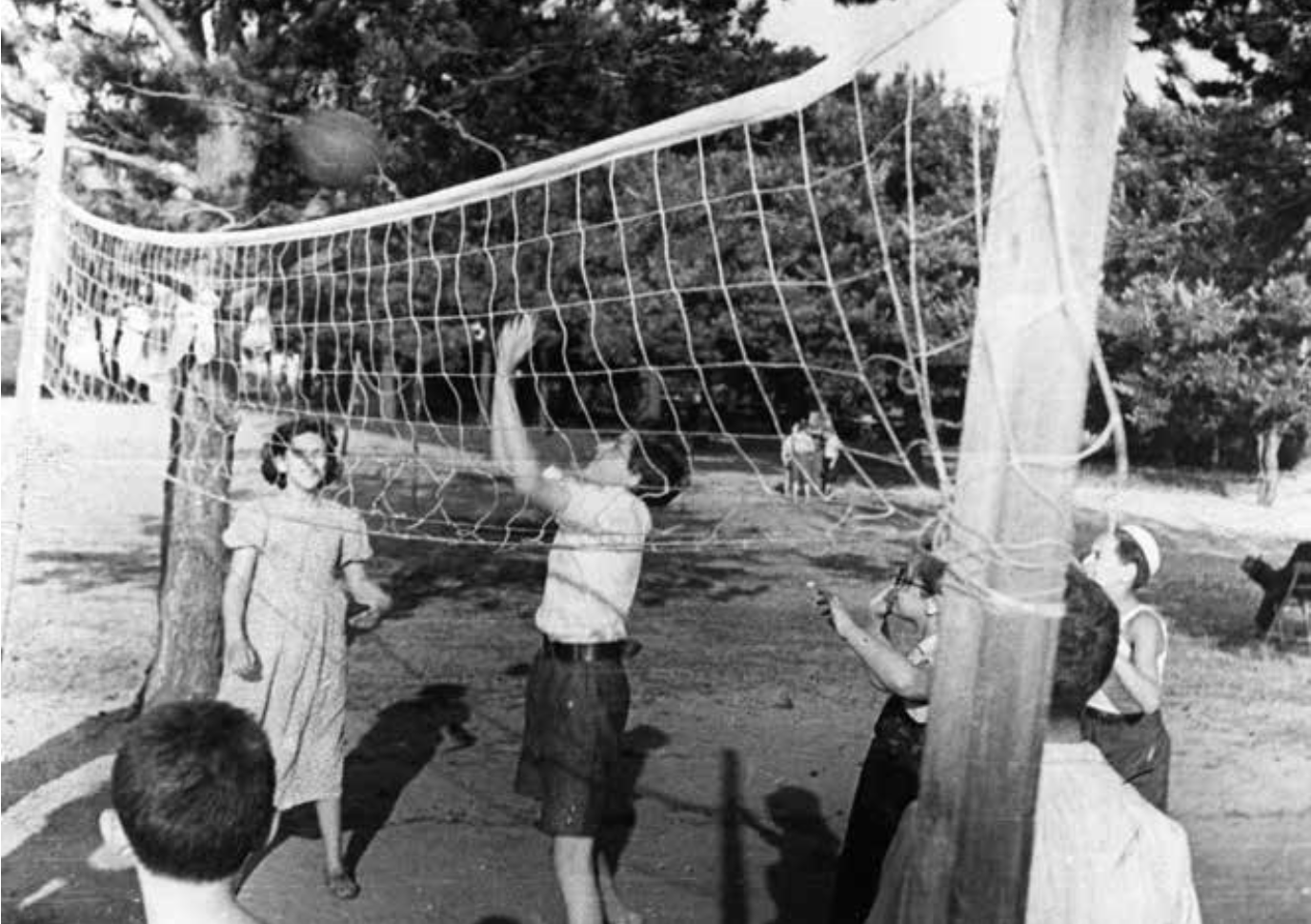
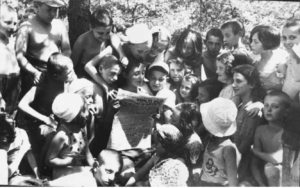
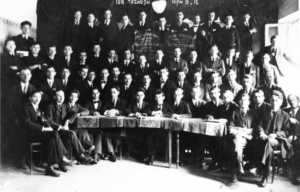
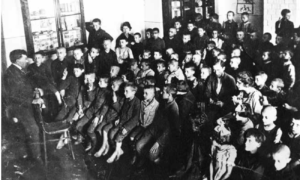
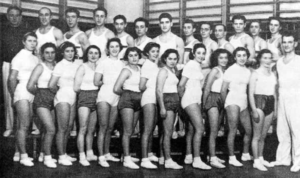
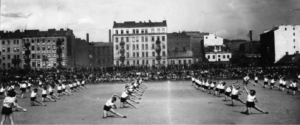
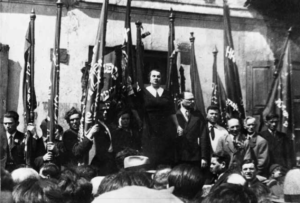
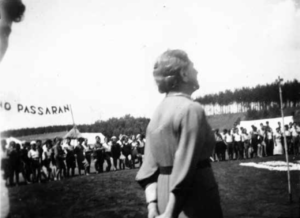
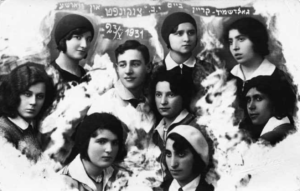
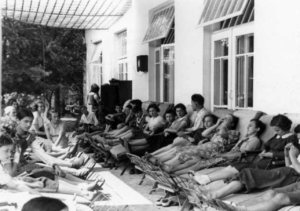

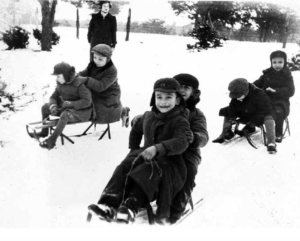
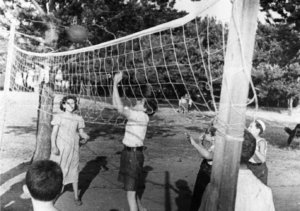
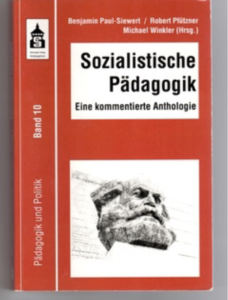
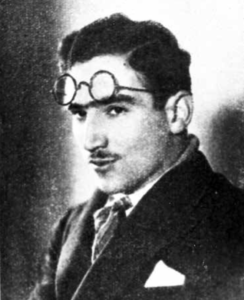

 With the advent of modern medical technology, it is now possible to keep people alive longer, in chronically sicker states of health, at higher rates than ever before. Think of technologies like left ventricular assist devices, organ transplants, extracorporeal membrane oxygenation, and monoclonal antibodies. These therapies come with a hefty price tag. For example, Aducanumab, a monoclonal antibody, was recently approved by the FDA to treat Alzheimer’s disease. Its yearly cost is $56,000 and if it were to be given to every indicated patient,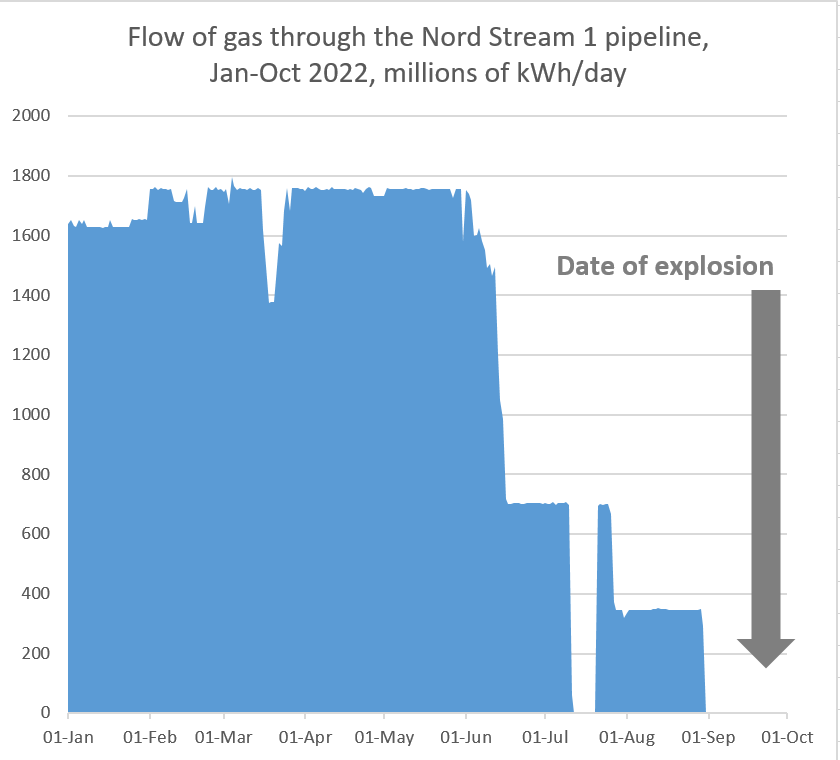
 The claim that the Nord Stream gas pipeline was blown up by U.S. special forces,
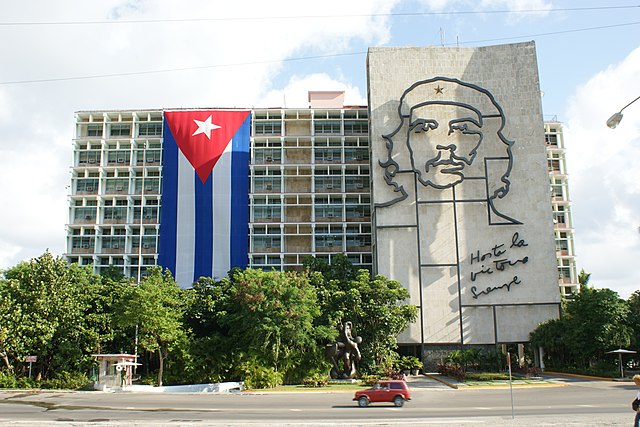

 About a week ago, on February 9, Nicaraguan dictator Daniel Ortega released and deported 220 of his regime’s political prisoners. Taken from their prison cells, they were put on a plane, ignorant of the plane’s destination. One person speculated that they might be being sent to China. They were reportedly given a form to sign, saying that they were leaving Nicaraguan voluntarily. Two appear to have refused to sign the paper and go into exile, so they were returned to prison.
 Those who choose not to see and not to hear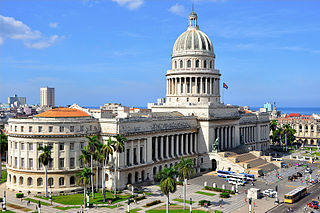
 Cuba is going through such a difficult situation that it would be foolhardy and even imprudent to predict its future. Nevertheless, it is possible to analyze the various ways in which it might evolve by basing ourselves on a series of indicators that can help us understand where things stand and in what direction they may possibly be moving, which would allow us to formulate a clearer and effective program for political action. Regarding the indicators and criteria that can orient us, we have the advantage of being able to consider the broad and varied record of the ways in which the countries of the misnamed “socialist camp” have evolved. This offers a set, albeit not an exhaustive one, of alternatives that are the likely futures for Cuba.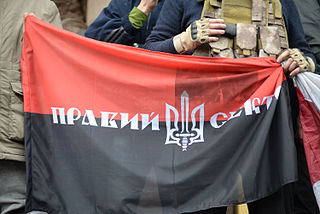
 Taras Bilous is a Ukrainian historian, an editor of Commons: Journal of Social Criticism, and an activist in Sotsialniy Rukh (Social Movement). He is currently serving in the Ukrainian army. He was interviewed by Stephen R. Shalom, a member of the New Politics editorial board. Denys Pilash helped with the translation.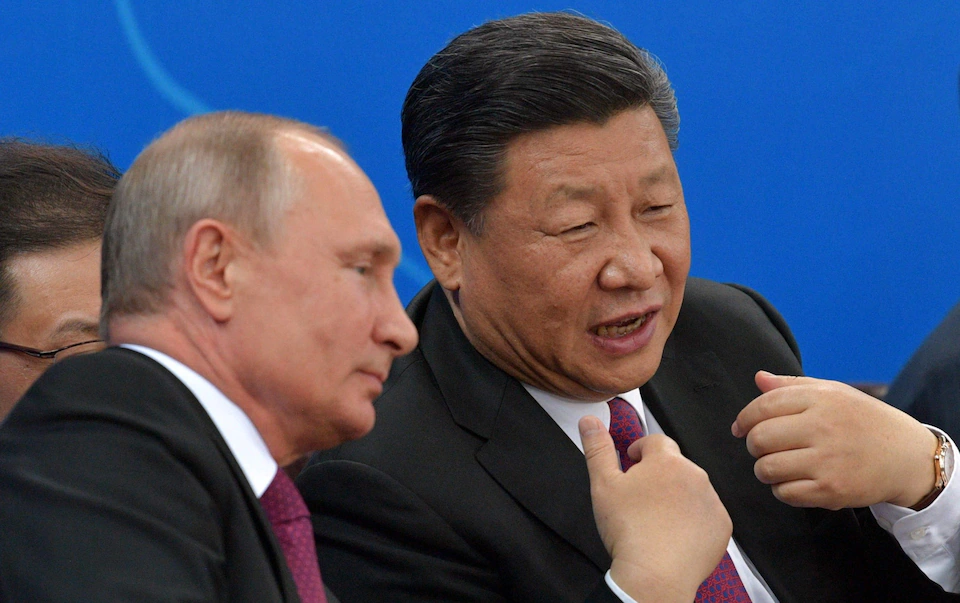





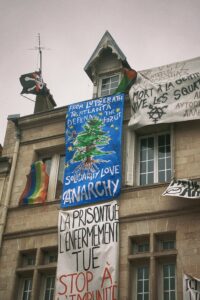
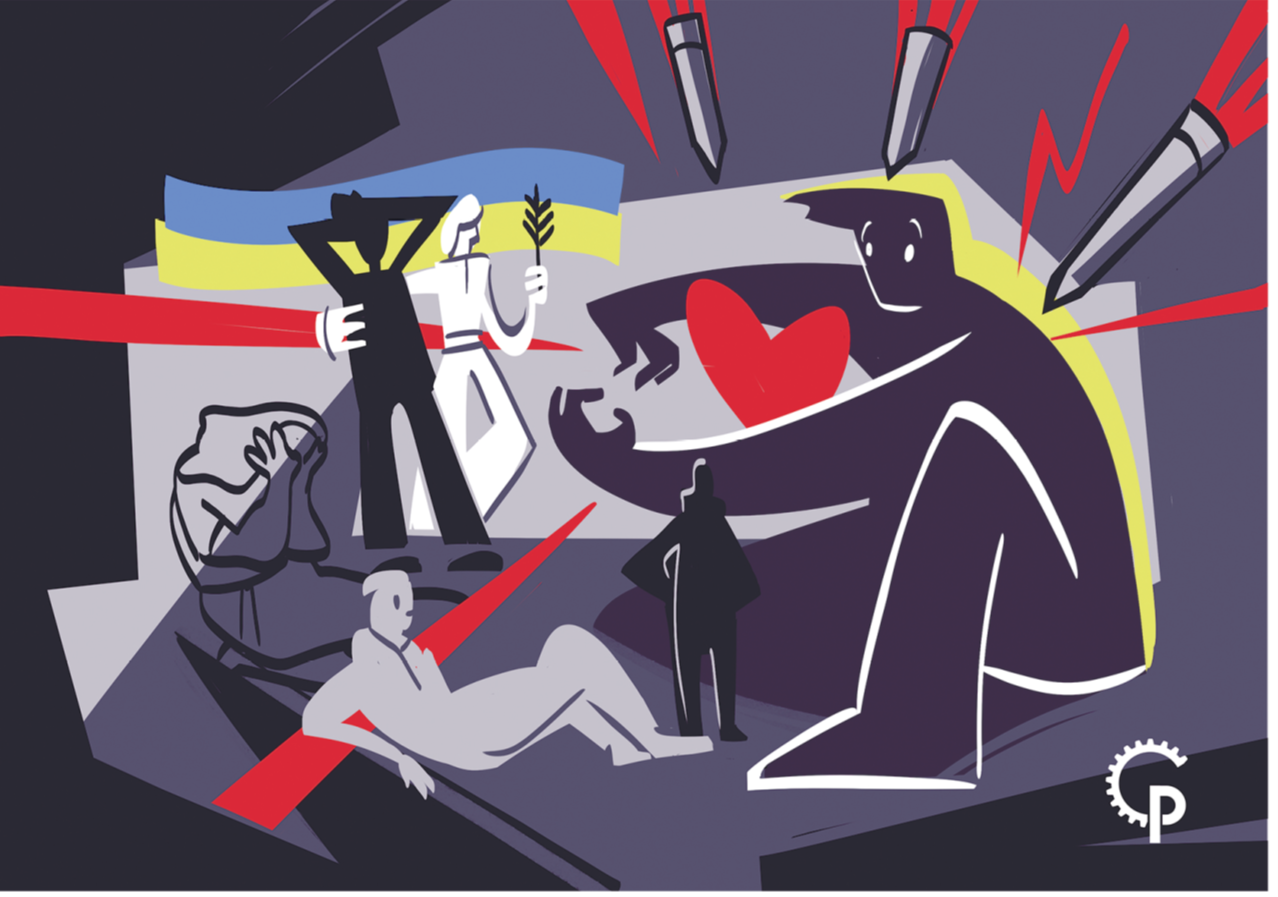





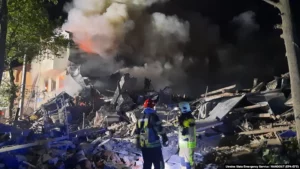 There is an ongoing debate within Democratic Socialists of America on the question of Ukraine. Many individual DSA members and chapters have upheld the basic socialist principle of international solidarity, that a nation and people subject to foreign aggression have the fundamental right to defend themselves, and the right to obtain from wherever they can the weapons they need to carry out that self-defense. The bulk of the DSA International Committee (DSA IC), however, has failed to uphold this principle.
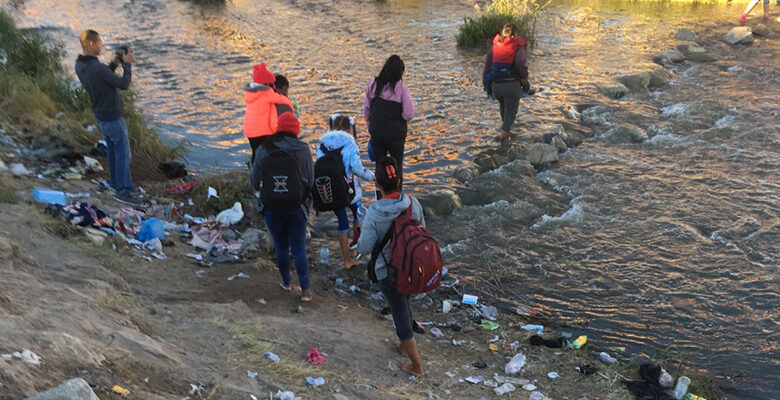
 Carefully treading a crossing of slippery stones strung across the shallow Rio Grande between Ciudad Juárez and El Paso, trickles of migrants climbed up the embankment on the U.S. side.