

Online Features

Wealthy Bay Area investor David Crane is a leading promoter of the neoliberal agenda within the California Democratic Party. A former advisor to Republican governor Arnold Schwarzenegger, Crane is a widely-published critic of state and local tax initiatives, publicly-funded health care, public education, public employees and their pensions. He raises lots of money for “courageous” candidates willing to put “citizen interests” ahead of such “special interest” causes.
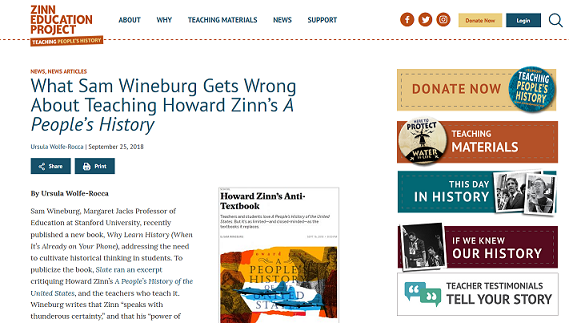
The Zinn Education Project has published a fine response to an article based on Sam Wineburg’s book, “Howard Zinn’s Anti-Textbook.”
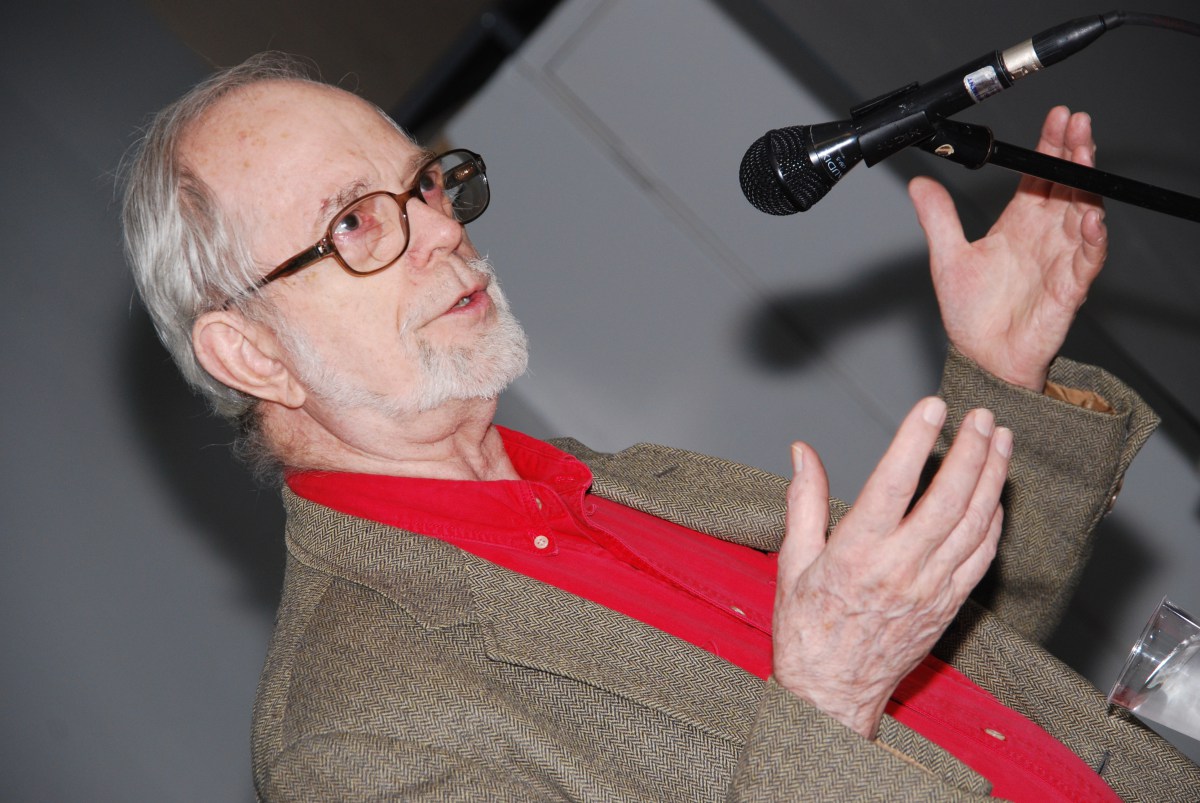
David McReynolds was the first “Old Leftist” I ever met, back in 1996, at one of a number of ill-fated 1990s meetings of representatives of socialist organizations in New York City hoping for some sort of “left unity” around a common project. Strictly speaking, David wasn’t an “Old Leftist” – that label was affixed to members of the Socialist Party (SP), Communist Party (CP) or the Trotskyist grouplets of the 1930s and 1940s. David was “inbetween” the Old and New Lefts, joining both the SP and the radical-pacifist War Resisters League (WRL) in 1951.

The most popular defense of the NFL players protest argues that Colin Kaepernick, as well as those who have joined him, are not protesting the National Anthem or American identity in general, but only police violence. In kneeling at the start of every NFL game, the players perform a respectful nod to the military while simultaneously calling for a re-thinking of minority status in America.

The job for media pundits and intellectuals is often to question black and white narratives that are, in reality; washed in greys. But there are other times when things aren’t so complicated. There are times when one side clearly stands for inclusivism, creativity, empathy, mercy, mirth, humor, compassion and an unabashed zeal for the act of living, while the other side represents grim, cynical, self-interested raw power perpetuated by those who use violence to cover their insecurities, fears and incapacity to see that one’s reason for living on this earth has nothing to do with the allure of power and control. The arrest of renowned photographer Shahidul Alam by the Bangladeshi government is one these times.
 “The problem of the twentieth century is the problem of the color-line.” —W.E.B. Du Bois
Shortly before protesters gathered around the world on the eve of the Global Climate Action Summit, an ecosocialist friend commented on the pointlessness of engaging in more “feel good” marches. Something struck me as horribly wrong about this casual dismissal of mass actions in which we take to the streets to bear witness to the mounting opposition to global ecocide.

Marine Le Pen’s partner had just left the country. A Jew of Algerian background, Louis Aliot had been dispatched to Israel to raise funds for the Front National (FN).
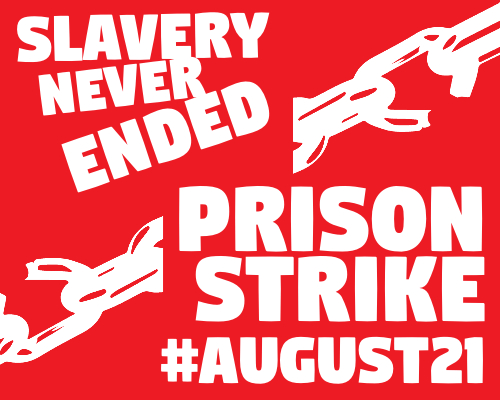 On August 21st, forty-seven years after the assassination of key movement organizer and theoretician George Jackson, prisoners across the country have once again begun mobilizing. Ranging from sit-ins to work stoppages, boycotts to hunger strikes, their actions have followed a nationwide call for sentencing reform, improved living conditions, greater access to rehabilitative programming, and an end to what strike organizers call “modern day slavery.”
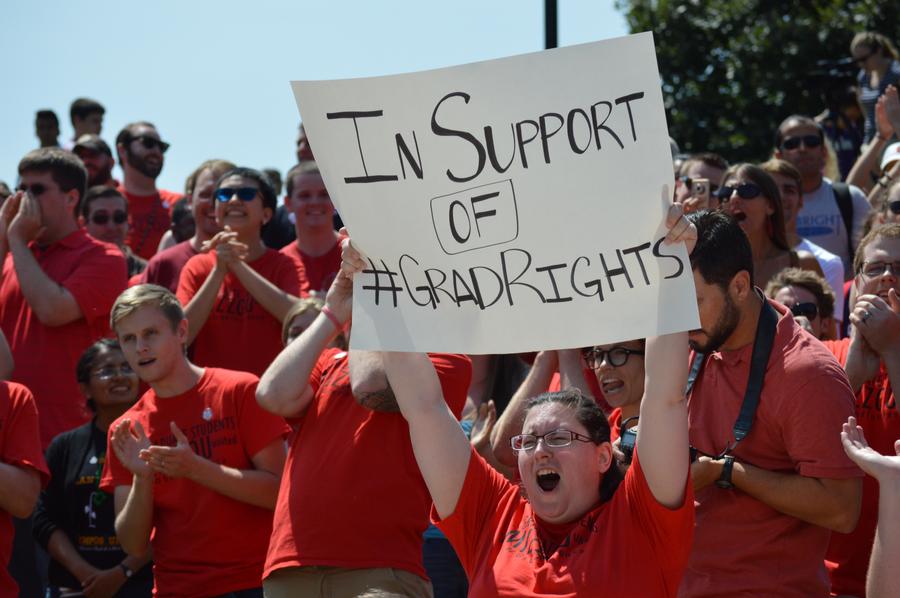
With the start of the new academic year underway, students and instructors will again enter into a millennia old relationship built on mentorship, trust and mutual respect. However, this school year, instructors will be walking into a very different classroom not because the this relationship has changed, but because the Supreme Court has signaled it does not politically support the casue of teachers advocating for working conditions that strengthen this bond.
 Note: In this guest blog, Gerald Coles, known for his work in literacy education and disabilities, describes capitalism's love/hate relationship with public education.
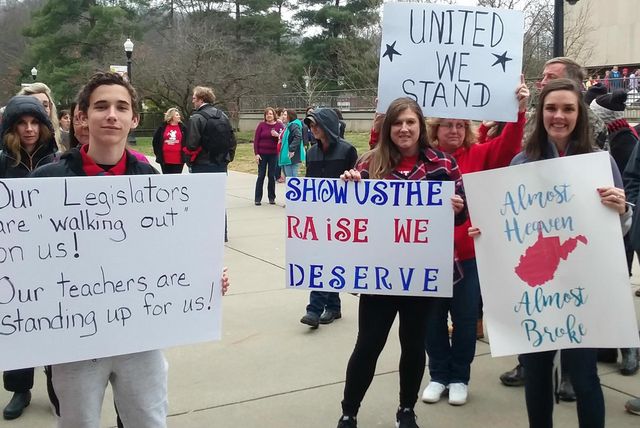 As the French get ready for the “rentrée” – the annual back-to-school/back-to-work day following the August vacation – social peace appears to reign in the land. The long-expected militant strikes and struggles against the neo-liberal counter-reforms introduced by President Macron early last Spring have failed to materialize. Surprisingly, the Macron government successfully force-marched its anti-labor, anti-welfare, pro-business agenda through parliament with little effective resistance by the unions and Left parties. Meanwhile, in the U.S., a wave of spontaneous teachers’ strikes spread from West Viriginia to other conservative ‘Red’ states, winning significant victories and surprising the media and the labor leadership. The contrast is surprising.
- « Newer Posts
- 1
- …
- 110
- 111
- 112
- 113
- 114
- 115
- 116
- …
- 227
- Older Posts »
