Online Features
Joanne Landy (1941-2017) and Thomas Harrison (1948-) became socialists as teenagers and have remained involved in the democratic left ever since. They were active in the student protest movement at the University of California at Berkeley in the 1960s, where they met and became close friends and collaborators. During the 1970s, they became increasingly interested in the issue of labor rights in Central and Eastern Europe, and they worked to link democratic and social justice struggles in the Eastern Bloc with social movements in the United States, the West, and the Third World. Until Joanne Landy’s death in October 2017, they were co-directors of the Campaign for Peace and Democracy (CPD), which was founded in 1982. Initially, the organization was called the Campaign for Peace and Democracy/East and West, but with the end of the Cold War the title was shortened.

For more than 10 weeks, Palestinians have gathered in protest every Friday at the Israeli-Gaza Strip buffer zone, located in the perimeter of the 1949 armistice lines. Called by organisers the Great March of Return, the mobilisations have demanded an end to the crippling Western state-Israeli economic and political blockade of the Gaza Strip and that families expelled for generations from their homelands be allowed to return.

On June 26th, Alexandria Ocasio-Cortez defeated, against all odds, the incumbent Congressman from New York’s 14th district, a safe Democratic seat, in the party’s primary. Spectacular as it was to see a Democratic political boss (the “King of Queens”) humbled by a left-wing challenger, the real spoils of this victory do not lie in the House seat itself.
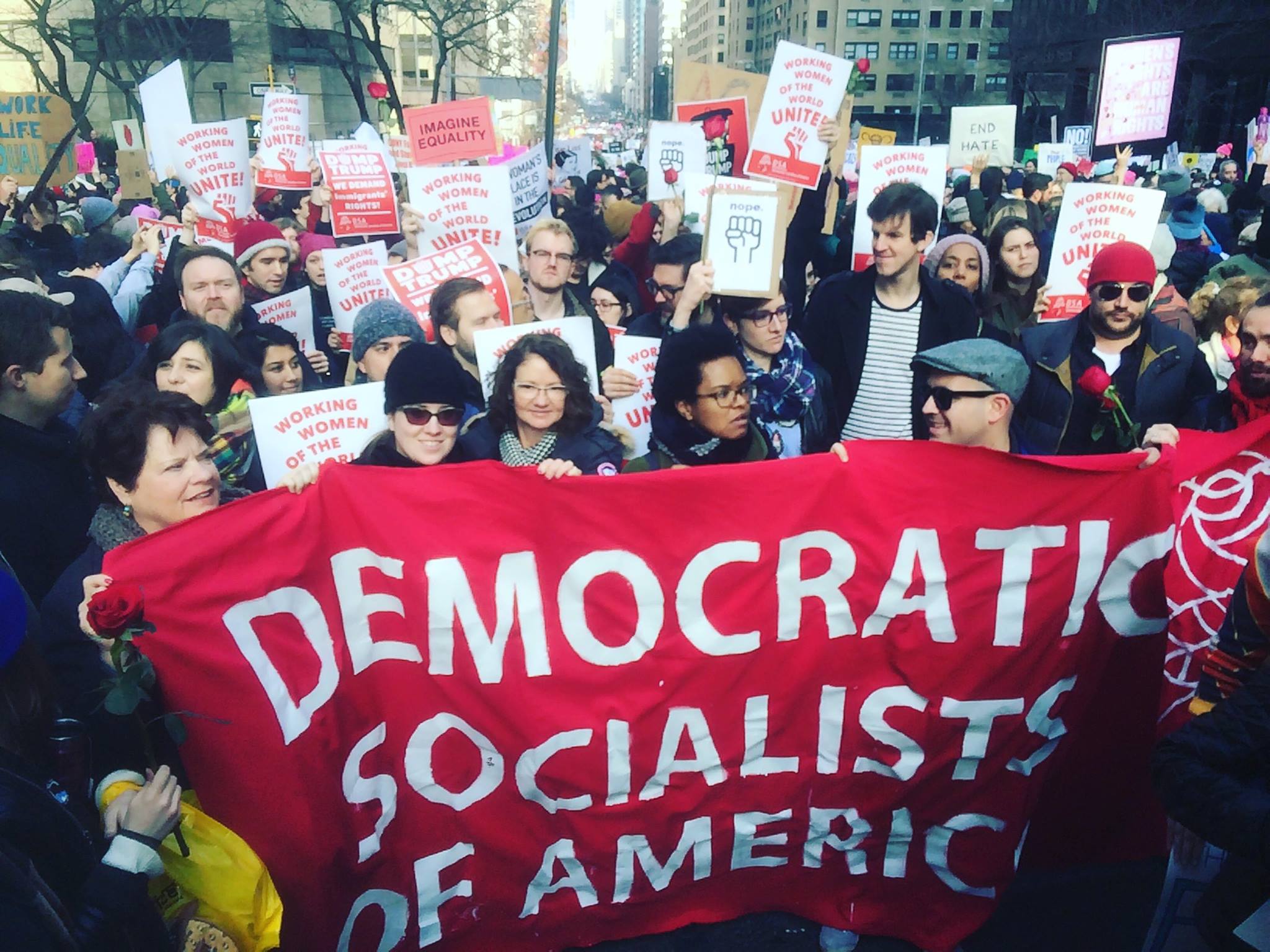
The Democratic Socialists of America (DSA) has emerged as the largest socialist organization in the United States since the collapse of the Communist Party (CP) in the mid-1950s. While Bernie Sanders’ ‘democratic socialist’ campaign for president in 2016 laid much of the groundwork for DSA’s growth, it was Donald Trump’s election to the presidency that boosted its membership from 6,700 in 2016 to around 48,000 members today.

Dan's sober and sobering comment on why he opposed an endorsement by DSA of the Cynthia Nixon campaign to dethrone Andrew Cuomo, New York's corporate deny-the-corporate-class-nothing's two-term governor [see "Why I voted Against Endorsing Cynthia Nixon"] is sharply and smartly posed. It deserves a similar if brief reply, one crafted in what I hope encapsulates the same spirit.
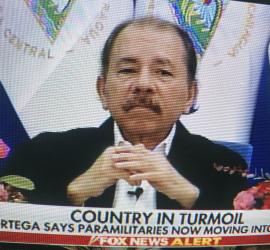
What is the state of the popular rebellion in Nicaragua? What brought about the rebellion? Who is involved in the rebellion? Who are the most important national and international actors? And what is the nature of the Left’s debate over Nicaragua?
President Daniel Ortega’s government has succeeded—for now—in stopping the Nicaragua’s popular rebellion after four months of the most severe repression, including killings, kidnappings, and torture of the regime’s opponents by both the police and paramilitary forces.
 Dehumanization is the word that best captures our present moment. How else to describe separating children as young as two or three from their parents and throwing them in cages and detention centers just because their families are fleeing severe persecution? It isn’t just about Trump; it’s also about the tens of millions in the U.S. who are avidly supporting his policies. How could this be happening?
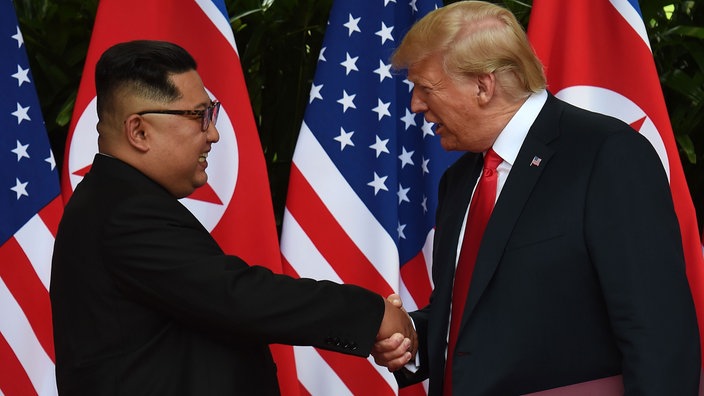
After the Singapore meeting between Trump and Kim Jong-un, questions loom large. What is the path ahead for North Korea? What chances are there for a lasting peace on the Korean Peninsula? South Korean socialists weigh in.
Introduction and My Experiences
“It is our duty to fight for our freedom. It is our duty to win. We must love and protect one another other. We have nothing to lose but our chains”.
You may recognize this as the rallying cry for the Black liberation movement in the United States, as written by Assata Shakur.
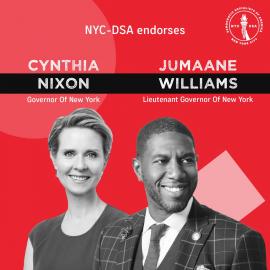
The leadership of the New York City chapter of the Democratic Socialists of America (DSA) voted this past weekend by a two-thirds majority to endorse Cynthia Nixon in the Democratic Primary race for New York State governor. The decision reflected similar majorities for Nixon among the total membership of the New York City branches. An accompanying motion also passed that linked DSA’s work on the Nixon campaign to the Julia Salazar campaign in the Democratic Primary for State Senate and tied it to our organization’s support for the New York State Health Act and the a city campaign create for expanded rent stabilization.
Since the majority of my fellow New York City socialists voted to endorse Nixon, I feel obligated as a member of the City Leadership Committee (CLC) to explain to our members why I cast my vote against, as did eleven other members of the 34-member body, while one person abstained.
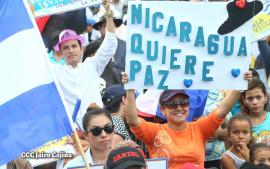 Translated from Spanish by Fred Murphy
Writing about Nicaragua is as painful and sad as it is indispensable. Memories of the Sandinista Revolution are still alive for the generation that lived through it. To remain silent would be an affront to those who took part in that memorable insurrection against Somoza.
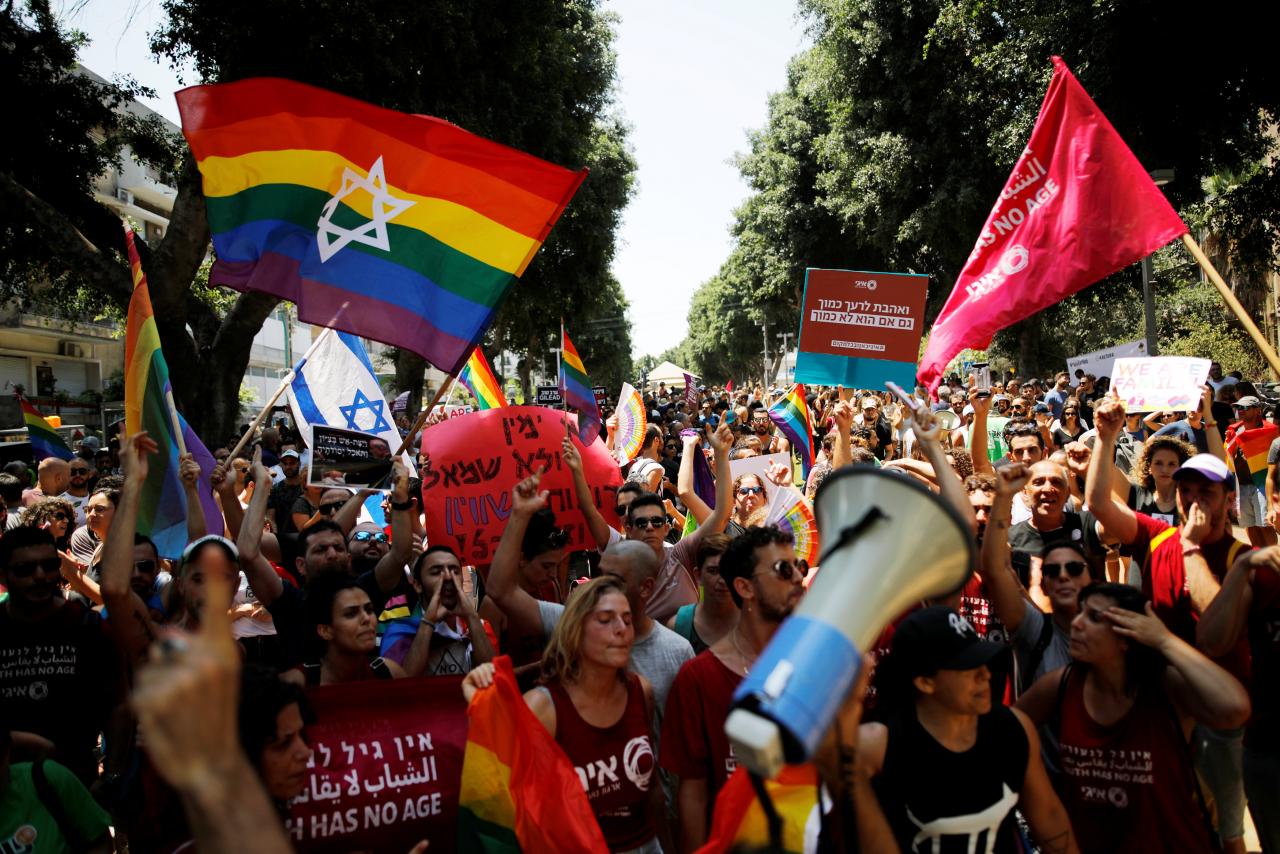
At the mass rally held by the LGBT movement at Rabin Square on July 22, 2018, protesters not only demanded to be accepted as different, but also called for full equality. They cried out against the injustice caused by a government that excludes homosexual men from having children through a surrogate mother.
- « Newer Posts
- 1
- …
- 111
- 112
- 113
- 114
- 115
- 116
- 117
- …
- 225
- Older Posts »