
Issue term: Winter 2026
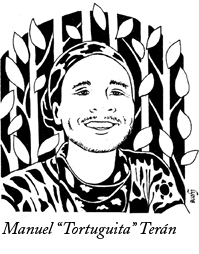
brian bean recommends the book No Cop City, No Cop World, a collection of essays by activists in the Stop Cop City movement in Atlanta.
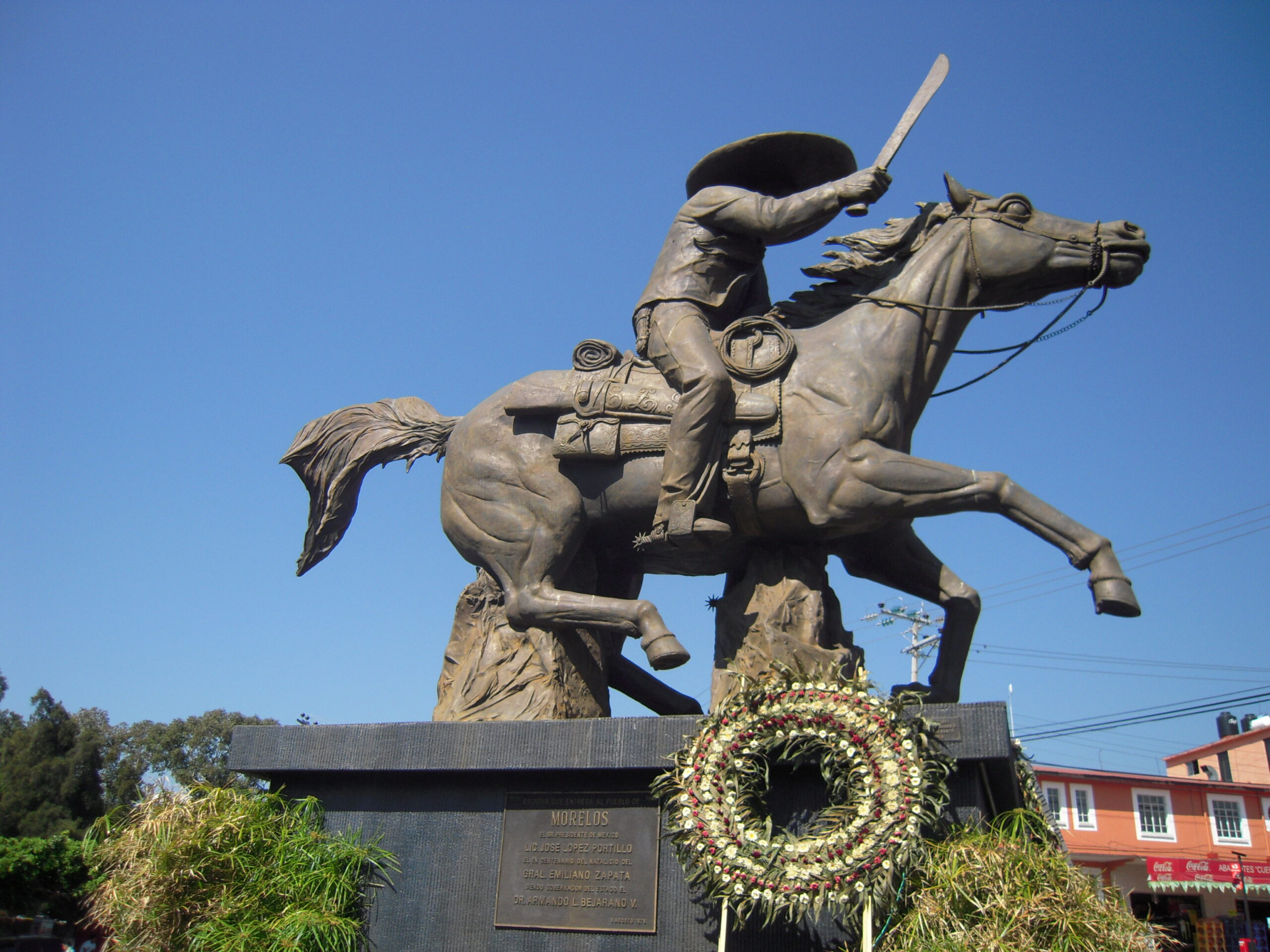
Latin America historian Greg Grandin, always aware of the subtexts of events and processes, combines a literary and cultural flair that makes America América: A New History of the New World both readable and enjoyable. His book is a carefully

This short memoir charts the path of a forty-year-old Ukrainian writer and journalist who volunteers for military service days after Russia invades on February 24, 2022. He reaches this decision much to his own surprise while fleeing Kiev with his

Daphne Lawless recommends William Gillis’ work Did the Science Wars Take Place?, which analyzes and critiques anti-scientific, obscurantist tendencies common in the left today.

Brian Jones reviews Brian Kwoba’s biography of Hubert Harrison, a radical and socialist Black intellectual in early twentieth-century Harlem.
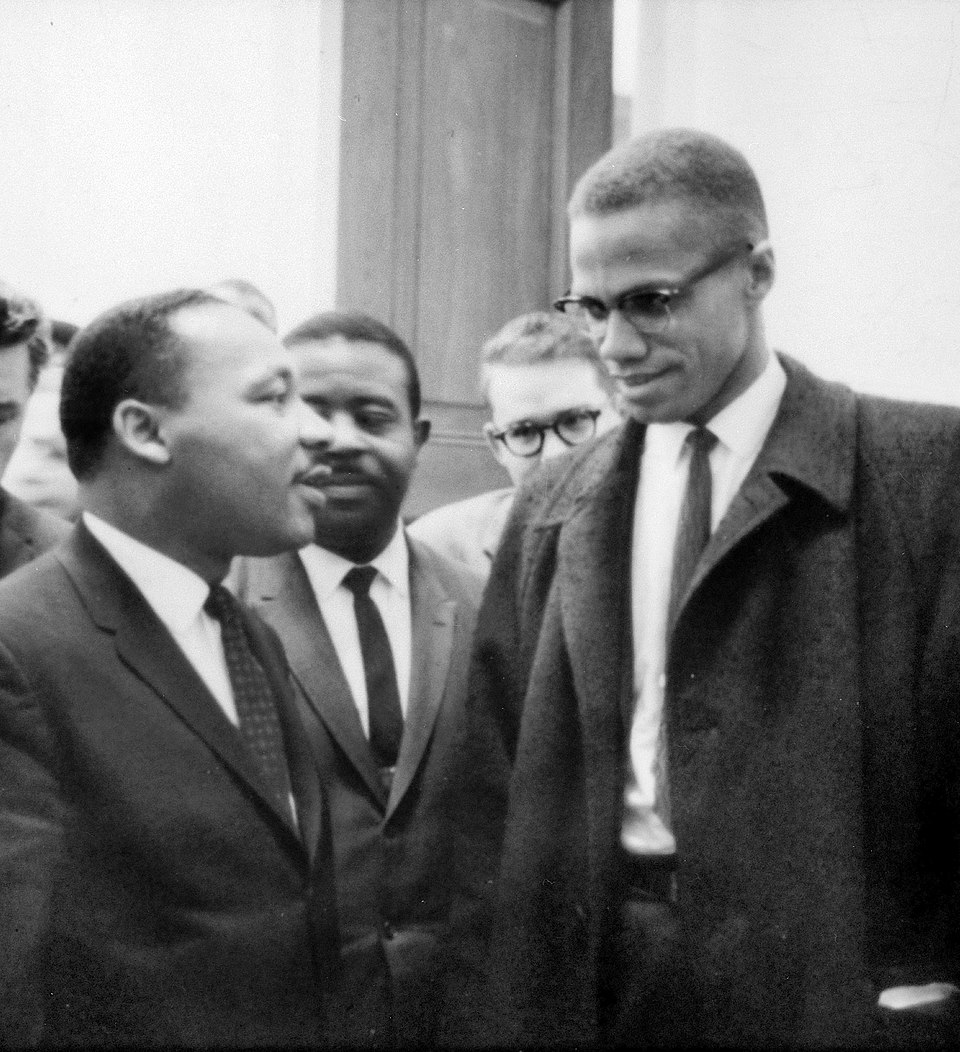
Brian Ward recommends Brian Jones’ book Black History Is for Everyone, an essential resource on Black history as a vital part of collective human story for all.

Peter G. Prontzos positively reviews Eleanor Finley’s book on Murray Bookchin’s ideas on social ecology and their application in Rojava.
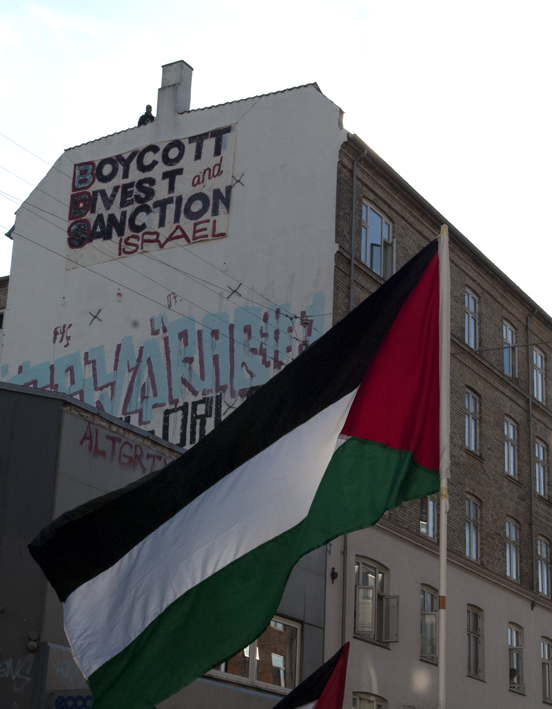
The genocidal Israeli assault on Gaza since October 7, 2023, is the latest development in the ongoing process of dispossession and erasure aimed at Palestinians since the Nakba of 1947–48. People around the world have mobilized in solidarity with Palestine
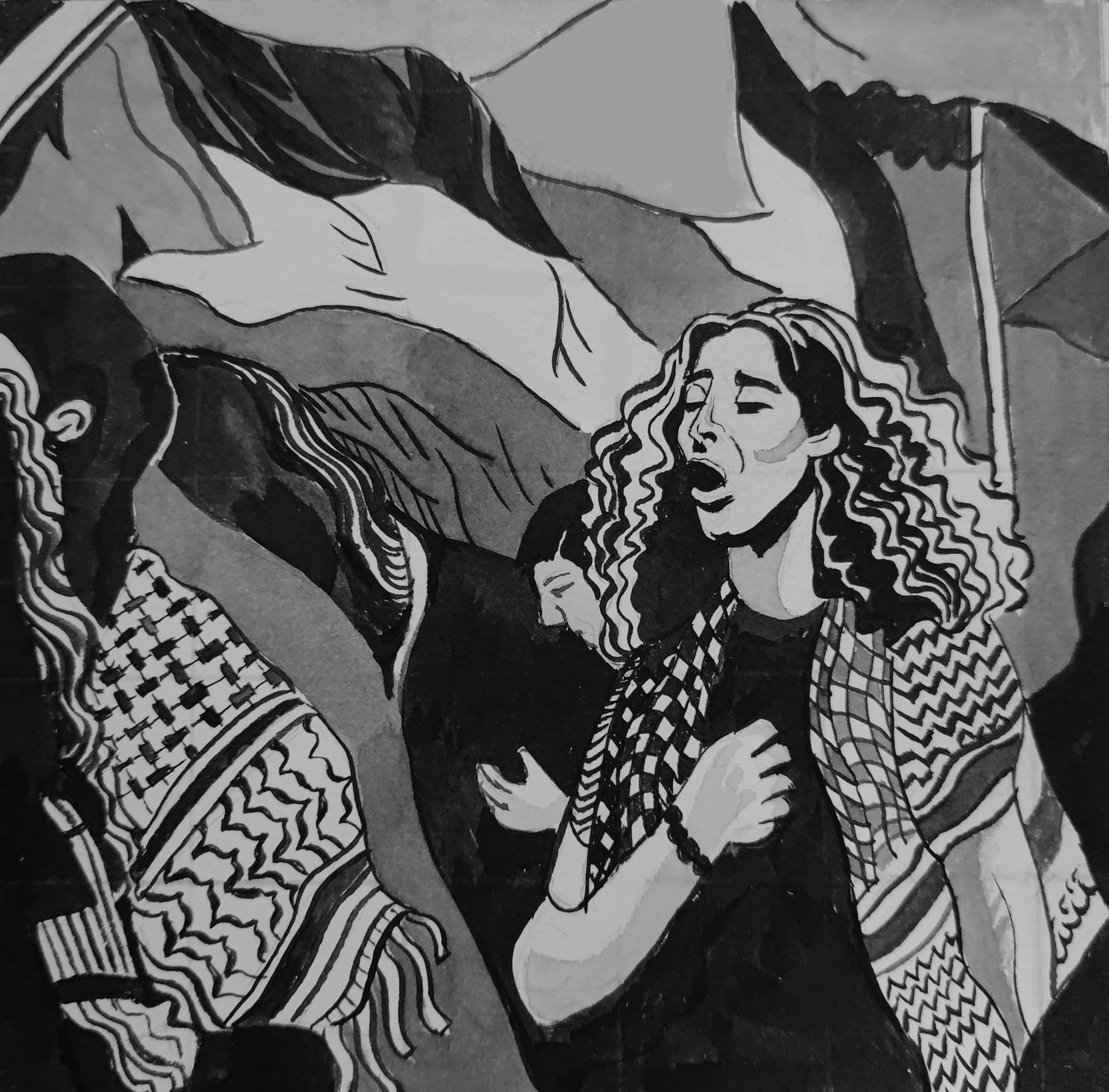
We are told that to change the future, we need to understand the past. In Witness to the Hellfire of Genocide: A Testimony from Gaza, Wasim Said compels us to witness, feel, and understand the present to change the now.
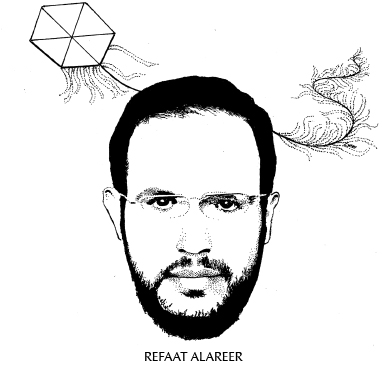
A song honoring Refaar Alareer, a Palestinian writer and poet in Gaza, murdered by the Israeli military in 2023.
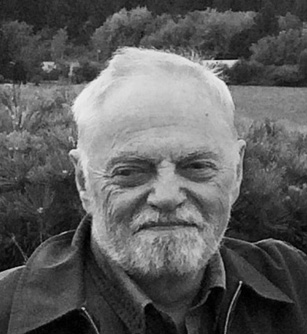
An obituary for Ernest Haberkern, a long-time revolutionary socialist militant, a founding member of the Independent Socialist Club and a close comrade of Hal Draper.
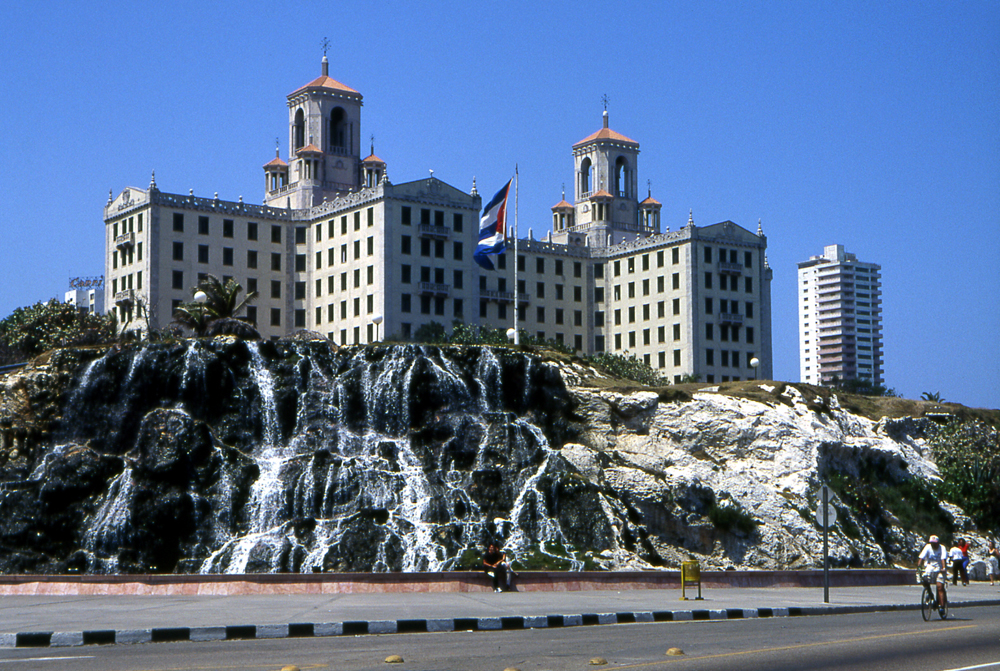
Samuel Farber responds to Mesa-Lago’s comments and argues that China cannot be a model for Cuba, noting the connection between political repression and their model of capital accumulation in China.
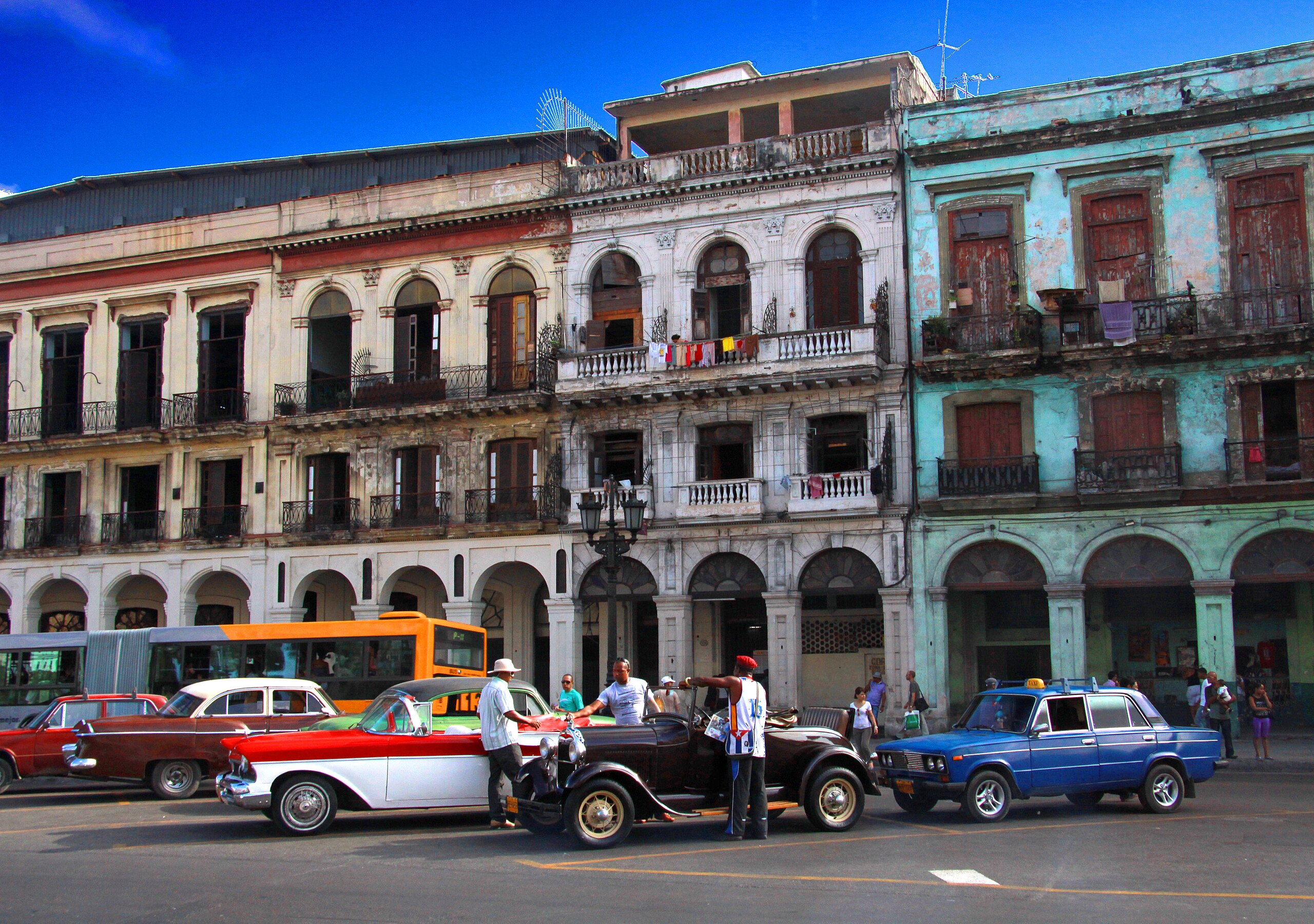
In response to Samuel Farber’s critique, Carmelo Mesa-Lago defends his economic reform proposals for Cuba as Keynesian and anti-neoliberal.

Samuel Farber critically reviews Carmelo Mesa-Lago’s latest book comparing Cuba with China and Vietnam, and its proposals for market reform in Cuba.

Paul Le Blanc recommends Douglas Greene’s latest book In Stalin’s Shadow, a critique of the new wave of Stalinist revisionism.

The late Italian Marxist Domenico Losurdo’s Stalin: History and Critique of a Black Legend exalts and even deifies the long-ruling Soviet despot Joseph Stalin (1924–1953). Indeed, the text’s cover and inside cover art strikingly depict Stalin with a halo, and

The Dominican Republic’s revolutionary left is caught in a continuous crisis at a time when the Dominican state is under the complete control of the capitalist class and the far right is on the rise both locally and internationally. Mostly

As the global right advances and socialists worldwide grapple with how to build left alternatives, Venezuela’s crisis raises fundamental strategic questions that extend beyond regional borders. The current political, economic, and social situation under Nicolás Maduro’s government represents one of

Michael Pröbsting criticizes distortion of the Marxist theory of imperialism today, which is used to justify support for imperialist states such as China and Russia.

Gilbert Achcar argues that the Gaza genocide is a watershed in world history, representing the demise of the liberal illusion of a rules-based international order.

Resistance to President Donald Trump is growing, taking the form of massive, peaceful protest marches, small local rebellions against ICE (Immigration and Customs Enforcement), Democratic Party election victories, and a gradually changing public opinion. One could even talk about a