
Category: Intellectual History
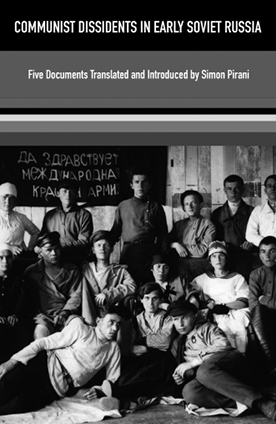
John Marot critically reviews a collection of essays written by Communist dissidents in 1920-22 in opposition to the New Economic Policy, translated by Simon Pirani.
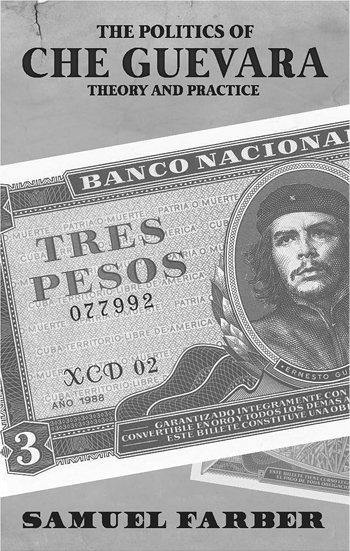
Samuel Farber defends his critique of Che Guevara as an anti-democratic figure that undermined the socialist cause in Cuba.
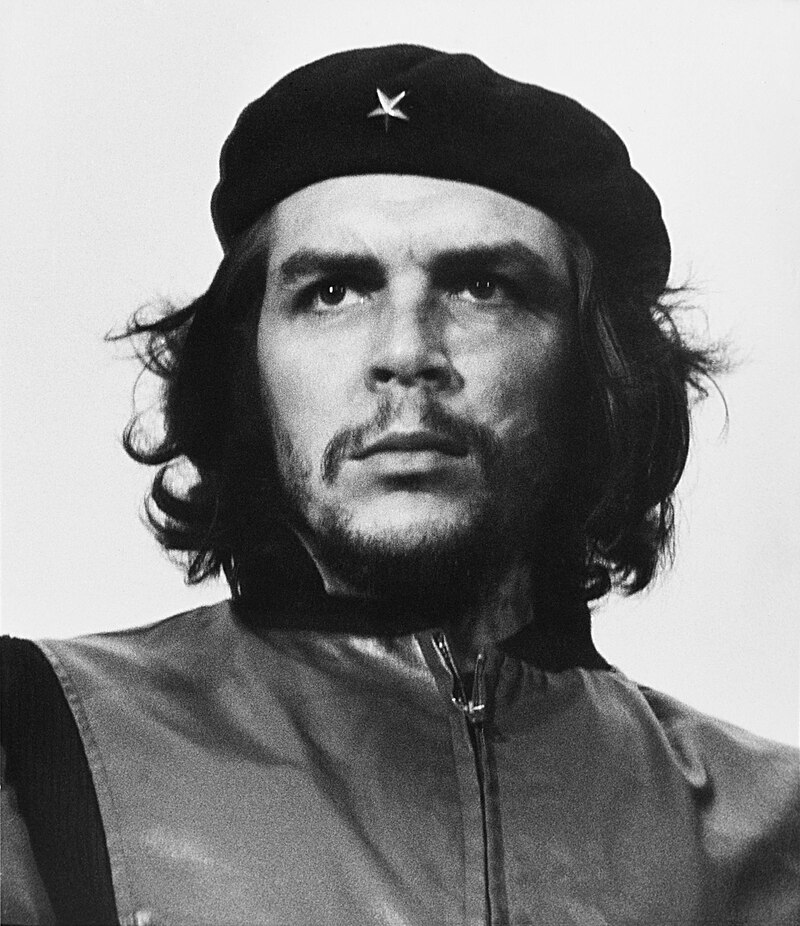
Janette Habel and Michael Löwy defend the political and intellectual legacy of Che Guevara as a Marxist, against Samuel Farber’s critique.

Charles Post assesses Neil Davidson’s posthumous book on neoliberalism, which makes a key contribution to the Marxist analysis of contemporary capitalism.

Peter Ranis reviews Ilya Budraitskis’s book on the history of left dissidents in Soviet and post-Soviet Russia.
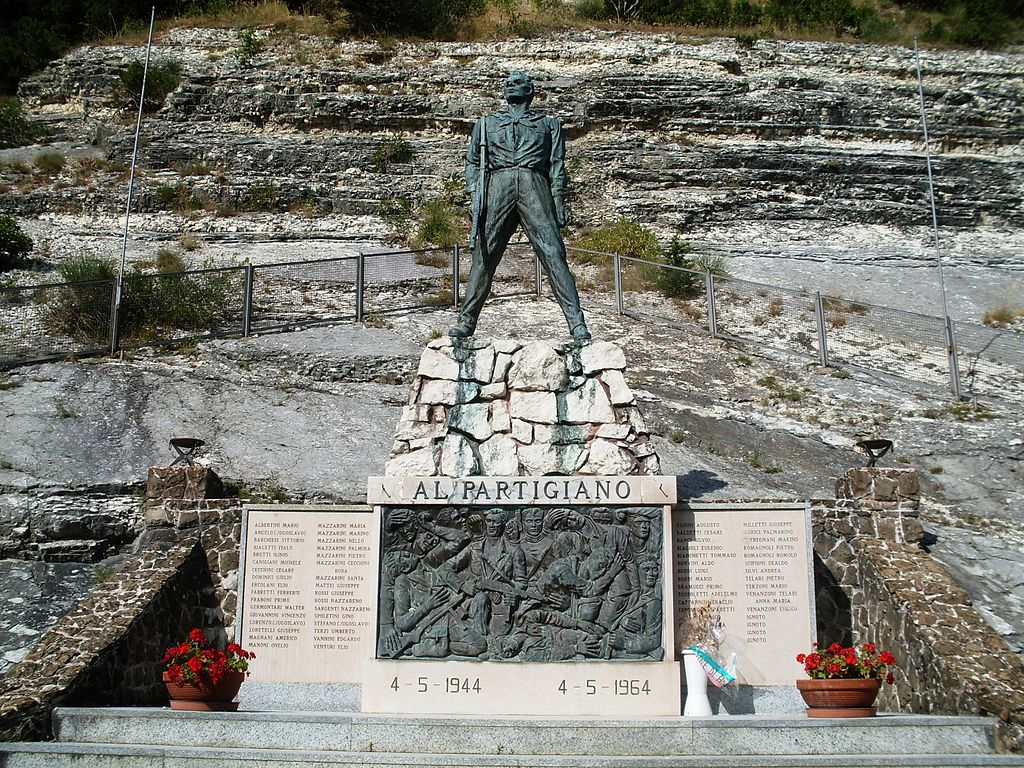
Historian Stéfanie Prezioso traces the rise of revisionist historiography on Italian fascism.

On September 25 Italy will hold elections following the resignation of Prime Minister Pario Draghi and the concern is palpable.

A discussion of Victor Serge’s novels and how literature can enrich revolutionary socialist politics.
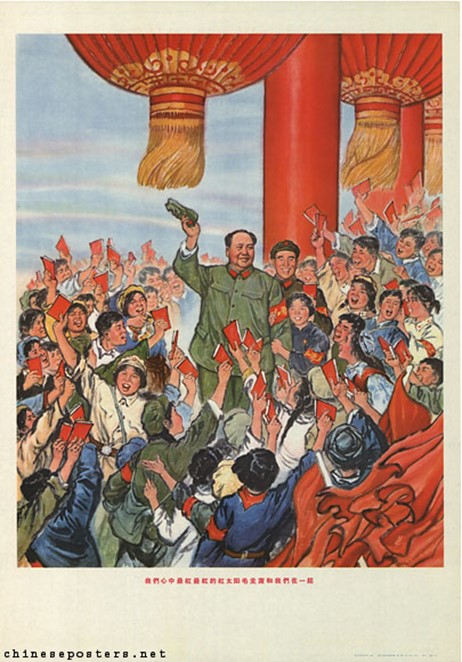
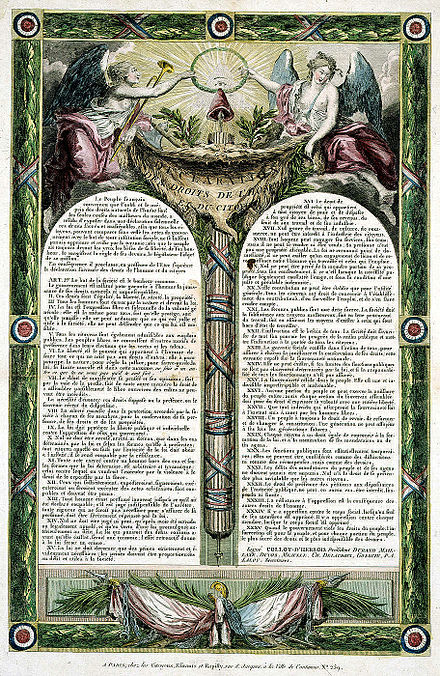
Where does the Left stand and where should it stand on this question of “Western values”?
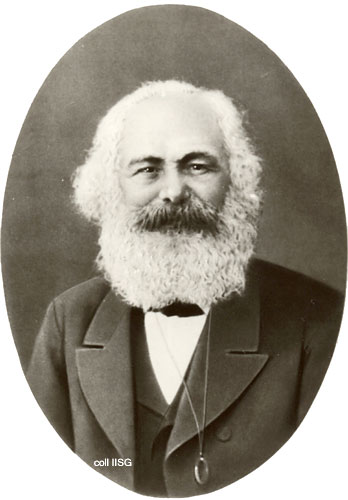
Karl Marx’s last years, when he famously failed to complete all the volumes of Capital, were for a long time viewed as a period of illness and even senescence, even though he was only 64 years old at his death
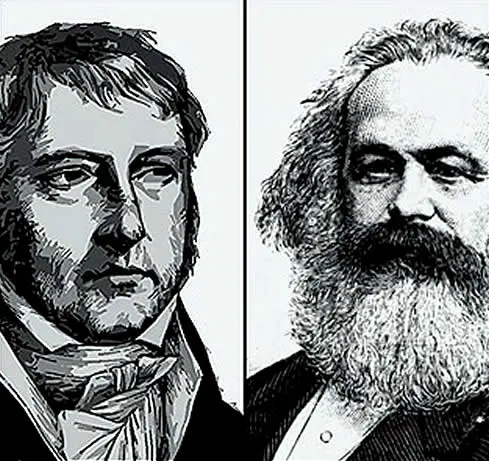
Kevin B. Anderson’s1 latest offering, Dialectics of Revolution, brings forward diverse perspectives on the concept of dialectics that have been discussed over the past two centuries. Beginning from Hegel, Anderson extends the discussion to Marx and then further on to
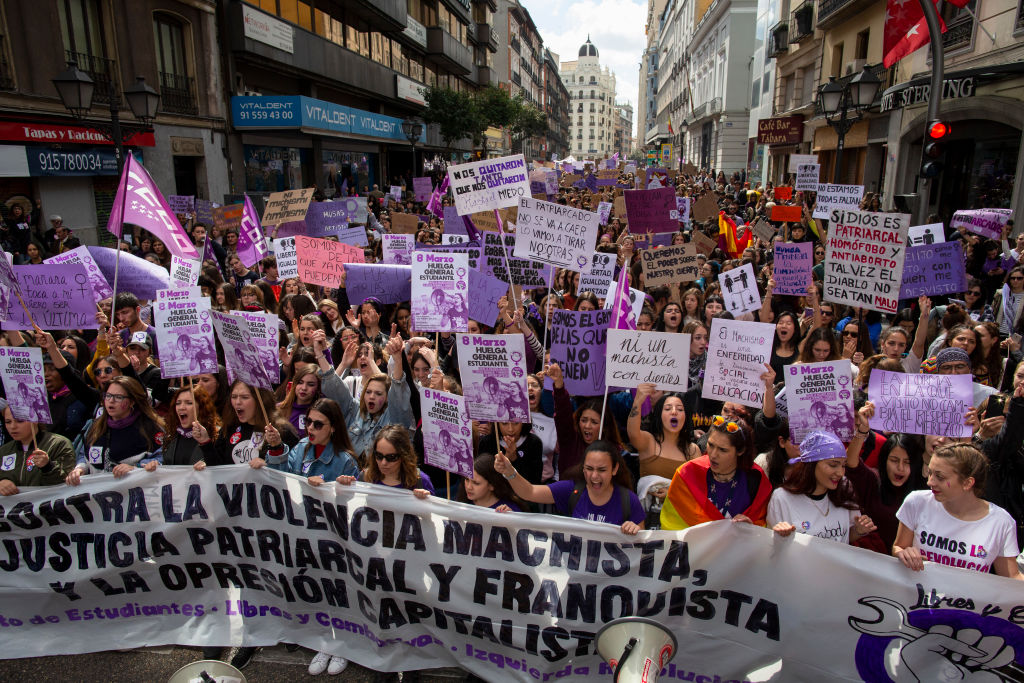
Ferguson lays out the issues, doesn’t hide behind political labels, and advances a sophisticated analysis that crystallizes some contemporary thinking.
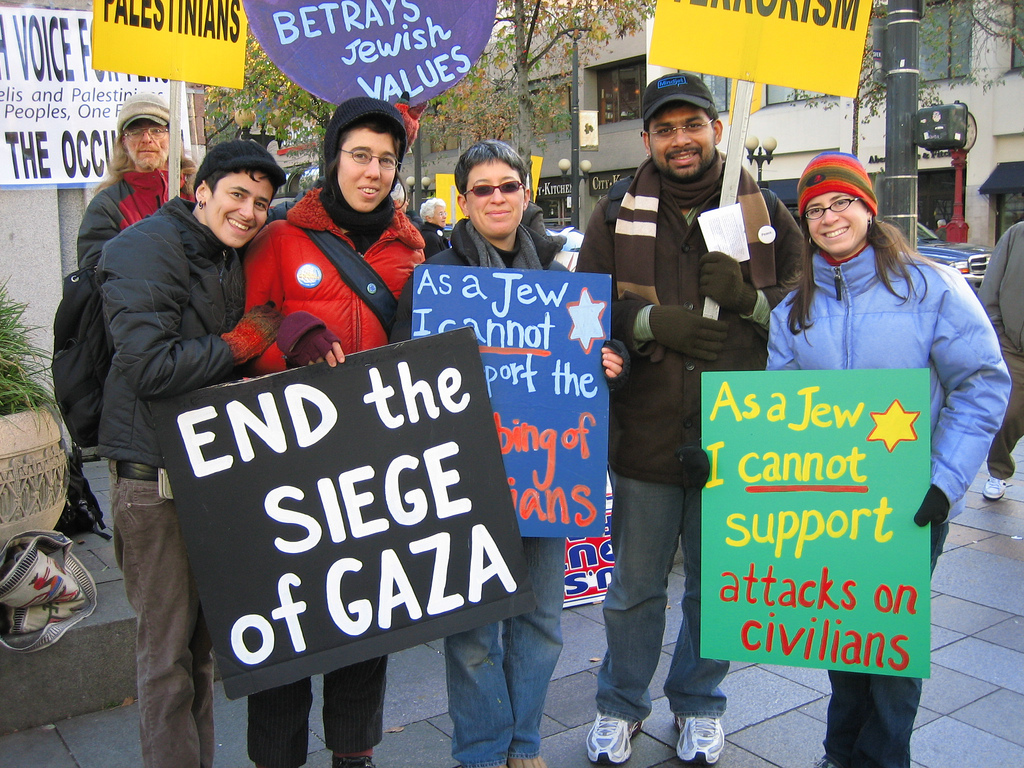
Linfield’s The Lions’ Den reads like an intervention toward holding back the encouraging tide of pro-Palestinian awareness.

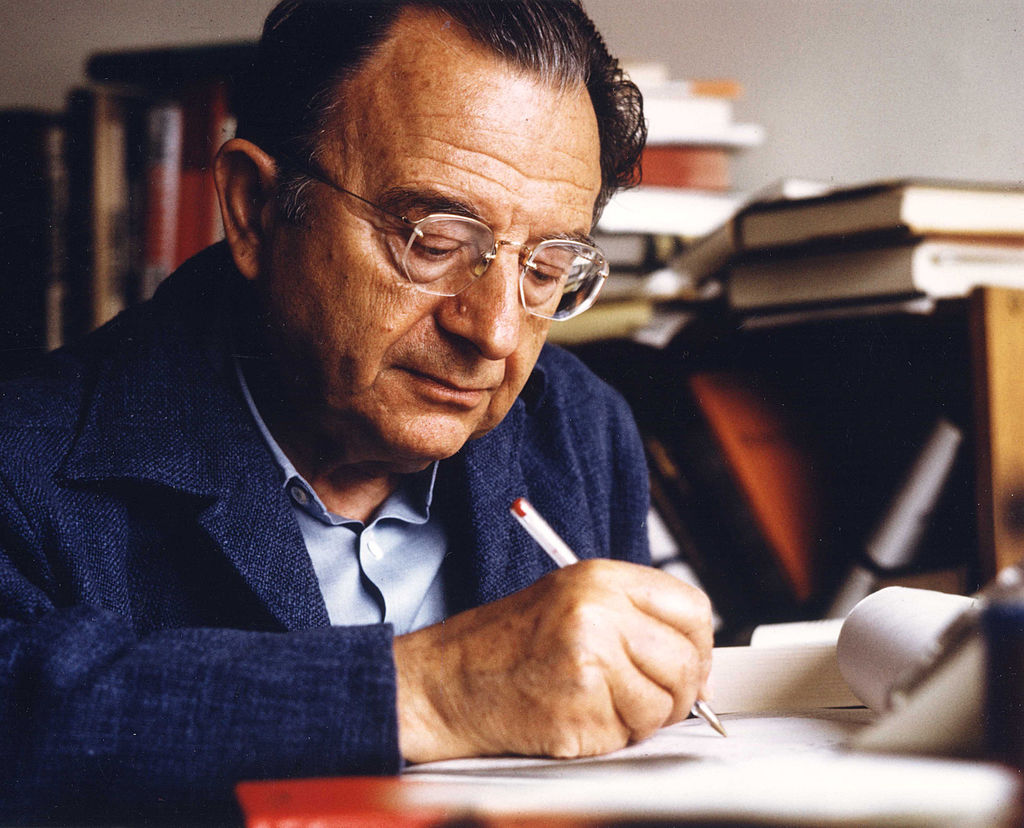
Erich Fromm (1900-1980) was a humanistic psychoanalyst, writer, and activist influenced by the theories of Marx and Freud, though critical of both.
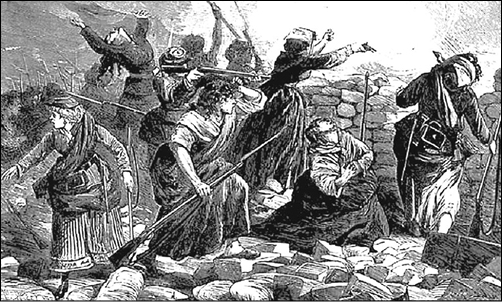
For the 150th anniversary of the Paris Commune, an analysis of Marx’s views on the Commune and its historical possibilities.
- « Newer Posts
- 1
- 2
- 3
- 4
- 5
- …
- 7
- Older Posts »