
Place: Europe
John Clarke recommends Oliver Kearns’ book “The Covert Colour Line,” on racism as the foundation of US and British intelligence agencies.
Supporting the Palestinian cause, however, should not take away from the need to stand with Ukraine. In both cases, a stronger military power is attempting to occupy and deny self-determination to oppressed people.
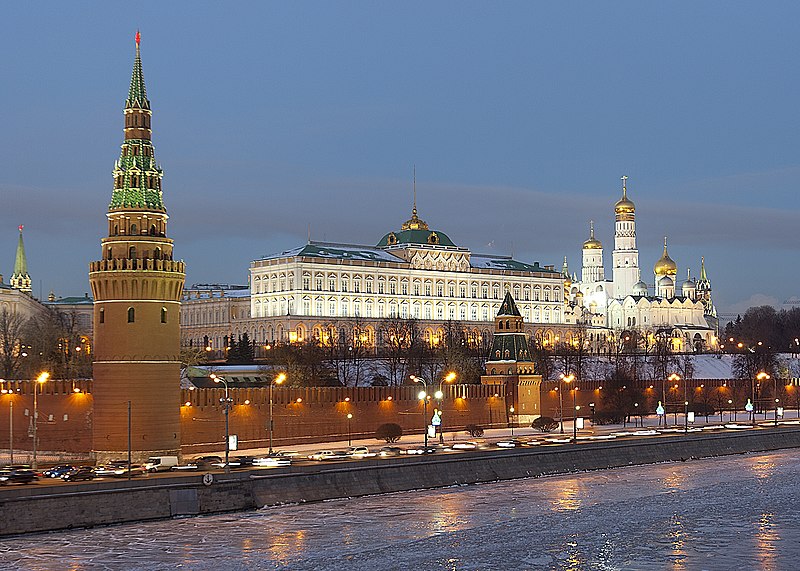
Hanna Perekhoda analyzes construction of Russian imperialist imagery of Ukraine, rooted in the Russian ruling elite’s drive to maintain its power.
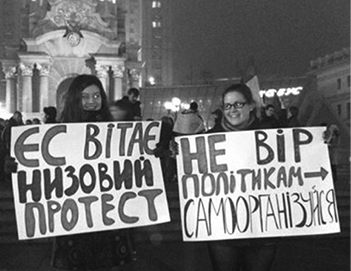
The author (right) on Kyiv’s IndependenceSquare. December 2013.
In early December 2013, I found myself on Kyiv’s Maidan Nezalezhnosti (Independence Square), holding a sign reading “Don’t Believe Politicians—Self-Organize!” as part of a protest with a small group of student activists. Weeks
In early December 2013, I found myself on Kyiv’s Maidan Nezalezhnosti (Independence Square), holding a sign reading “Don’t Believe Politicians—Self-Organize!” as part of a protest with a small group of student activists. Weeks
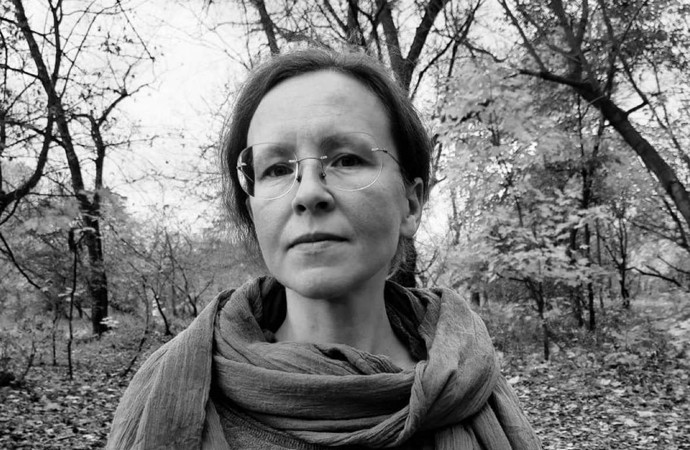
An editor of the leftwing Ukrainian journal Commons discusses the dual enemies of Russian aggression and Ukrainian neoliberalism
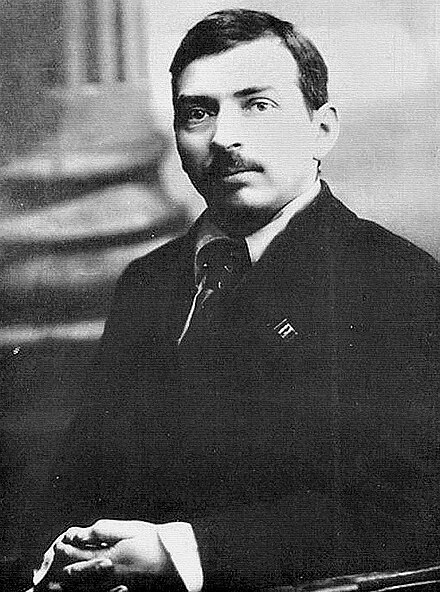
By itself, revolutionary consciousness cannot create wealth and material well-being for most of the population except in the mind of hyper voluntarists such as Joseph Stalin, Mao Zedong and Ernesto (Che) Guevara.
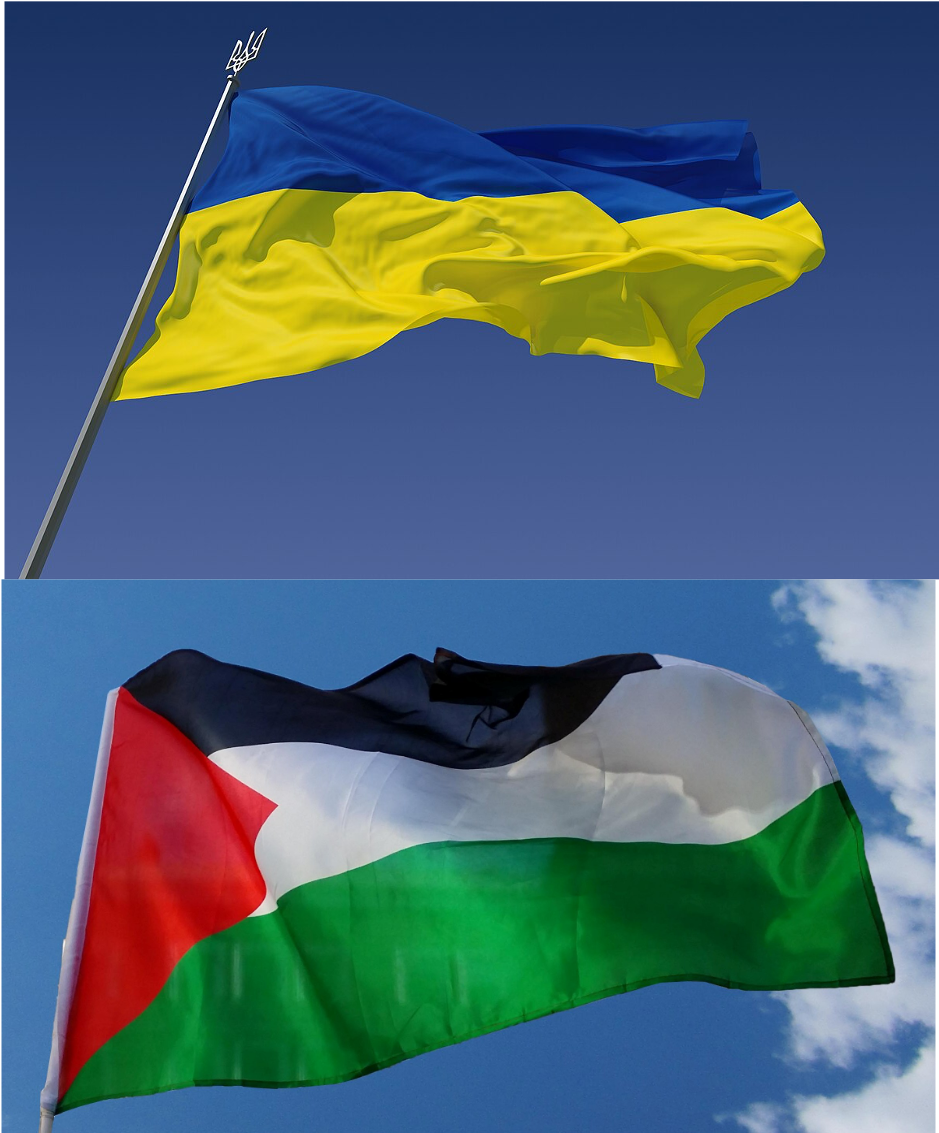
We, Ukrainian researchers, artists, political and labour activists, members of civil society stand in solidarity with the people of Palestine who for 75 years have been subjected and resisted Israeli military occupation, separation, settler colonial violence, ethnic cleansing, land dispossession and apartheid.
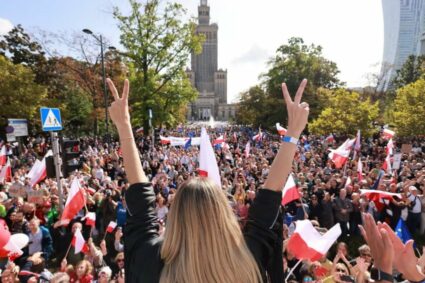
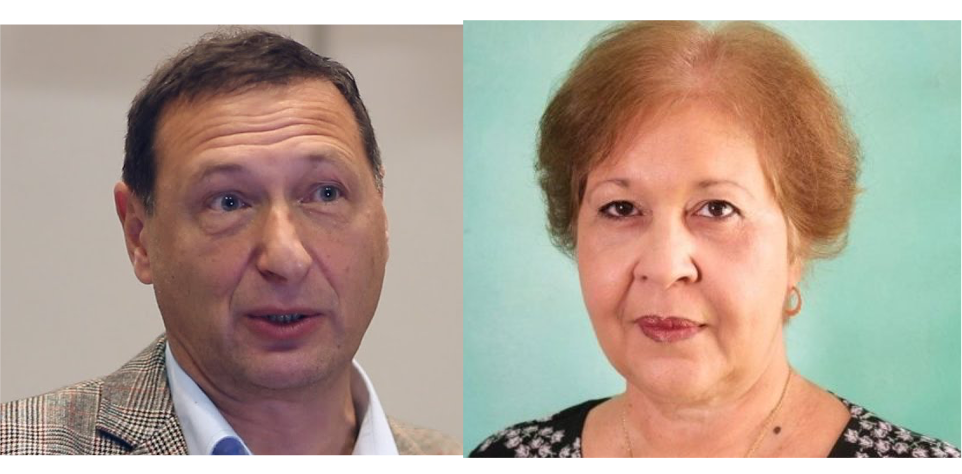
As I write (and you read) these lines, two intellectuals, two friends, are persecuted by the respective governments of their countries. Alina Barbara López Hernández in Cuba, and Boris Kagarlitsky in Rusia.

In this classic work, Rosa Luxemburg situates mass strikes at the center of revolutionary political dynamics.


Robert Ovetz describes the significance of a new collection of Rosa Luxemburg’s writings on revolution from 1906 to 1909, recently published in English.

The ties between India and Russia, and a call for the Indian left to support Ukraine against the Russian invasion.

Drawing in part on his own experiences in Ukraine, Carl Mirra criticizes the factual background and interpretations in Medea Benjamin and Nicolas J. S. Davies’ “The War in Ukraine: Making Sense of a Senseless Conflict.”
- « Newer Posts
- 1
- 2
- 3
- 4
- 5
- 6
- 7
- …
- 28
- Older Posts »