
Online Features
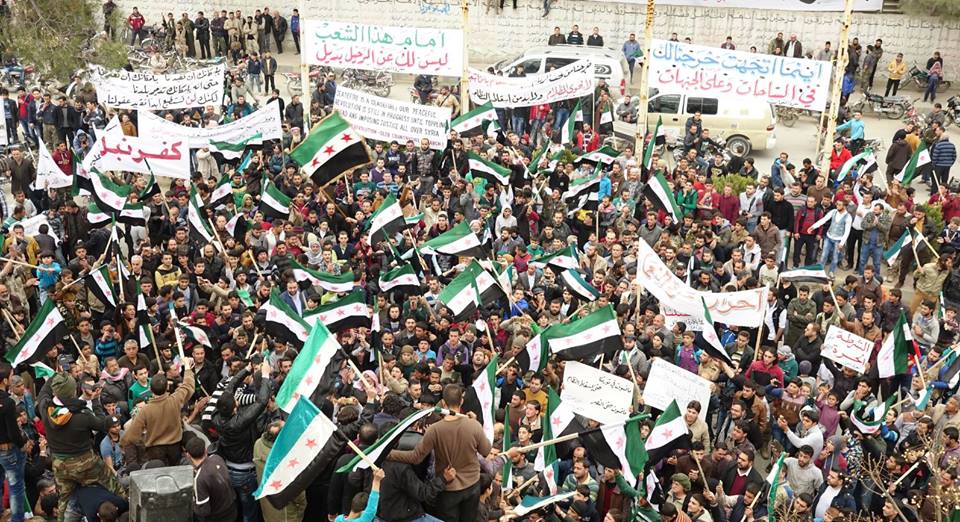
What does it mean to be a left anti-imperialist today? Stephen R. Shalom interviews Gilbert Achcar.
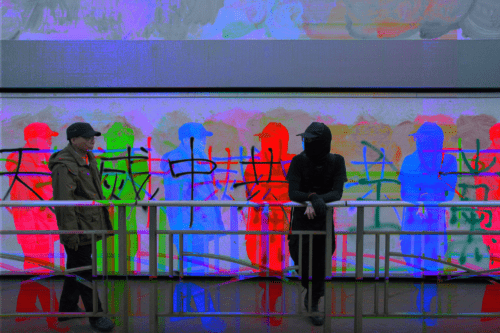
This is an original translation into English of an interview conducted with Lausan, a collective of writers, translators, artists, and organizers, that appeared in German in IZ3W, a left German publication.

Student radical, trade union militant, and economist. Michael Hirsch pays tribute to a comrade who has gone too soon.

Why are some Western ‘anti-imperialists’ determined to whitewash China’s well-documented crimes against the Uighurs?

Macron’s newest orders banning demonstrations in solidarity with Palestine reveal even more clearly the real nature of France’s anti-Muslim campaign, one that the U.S. and French Left have with few exceptions mostly ignored.
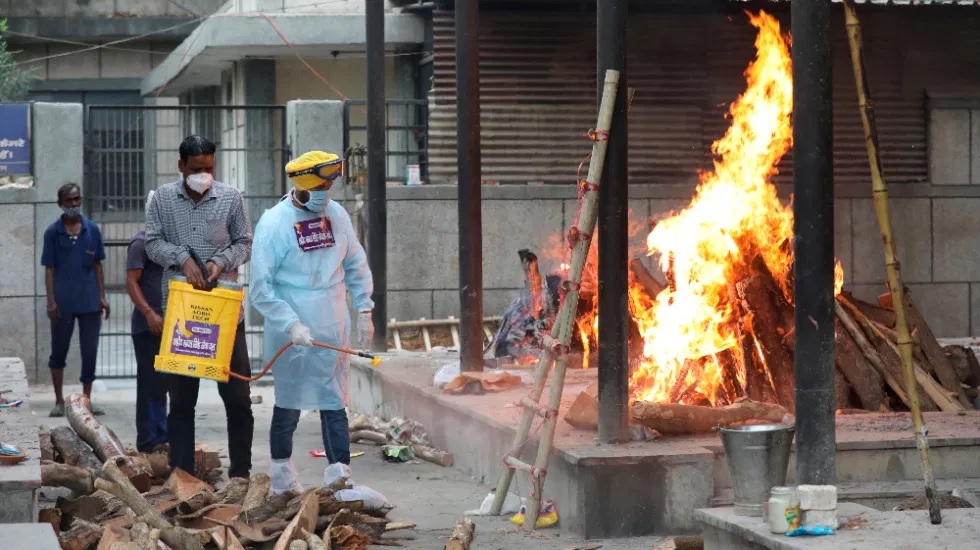
It’s hard to live in India these days, surrounded by death, fear and grief. We are inundated with heart-breaking TV reports of people begging for hospital beds and oxygen as their family members die on the pavement or in vehicles gasping for breath.
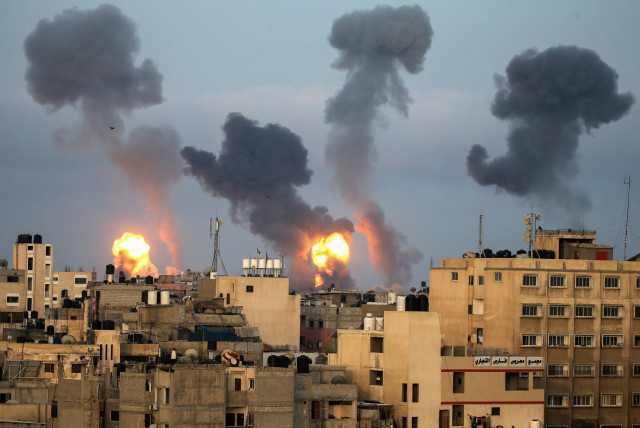
For the first time, the Democrats face a small but determined group within the party who demand a break from unconditional support for Israel and support for Palestinian rights.
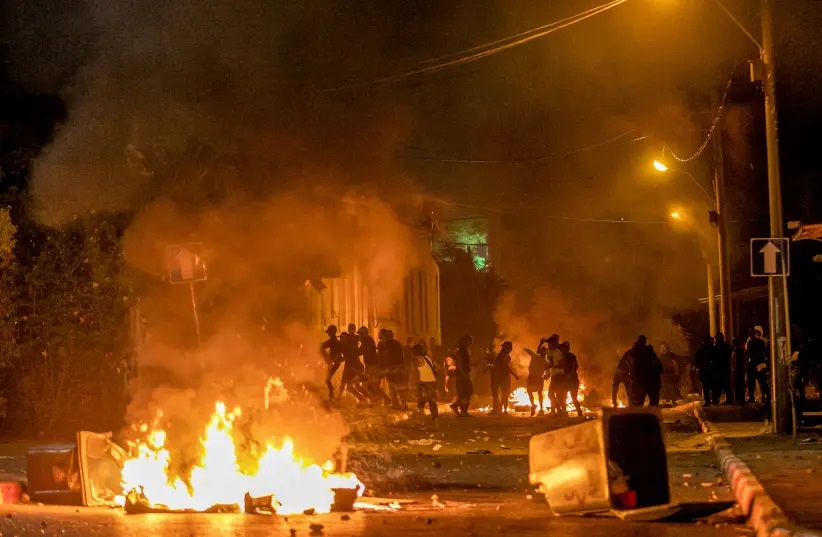
Israel’s official discourse vehemently denies its “deeply ingrained institutionalized” anti-Arab racism and the settler-colonial nature of its state, although it is as blatant as could be and was even acknowledged by Zionism’s prominent historical figures.
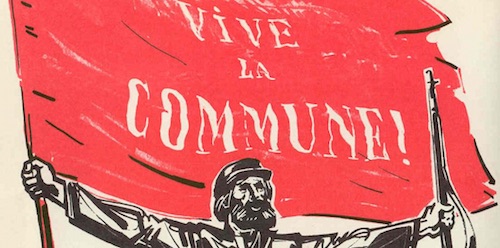
In March 1871, in the aftermath of France’s defeat in the Franco-Prussian War, ordinary Parisians rose up and took control of their city for themselves. Join a panel of authors on June 3 to discuss the enduring legacy of the great Paris Commune and its lessons for today.
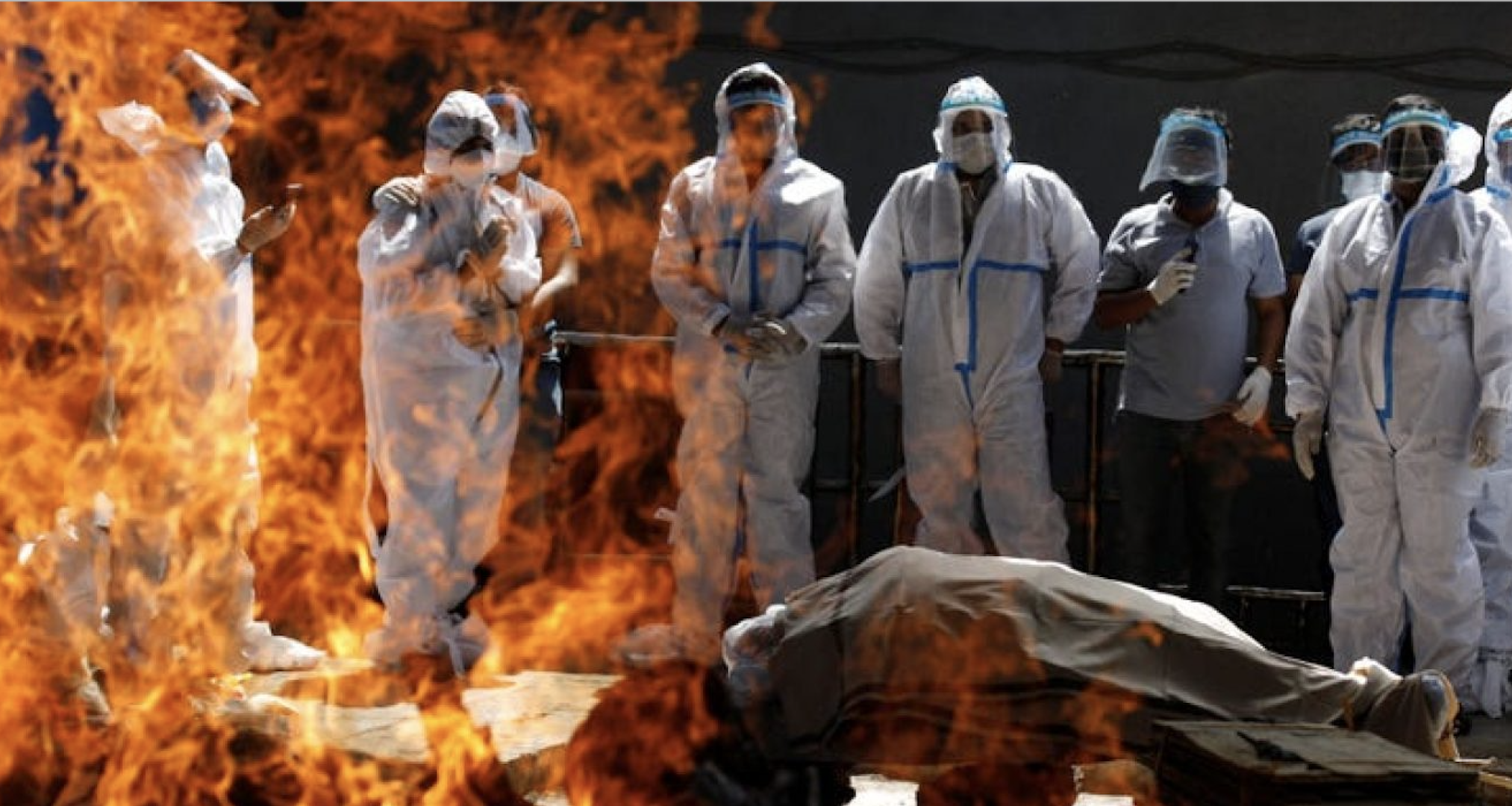
What is happening in India right now is mass murder. And it is organized by a man who has practice in such matters. Narendra Modi has brutally wielded the might of the Indian state to shape a polity safe for capital.
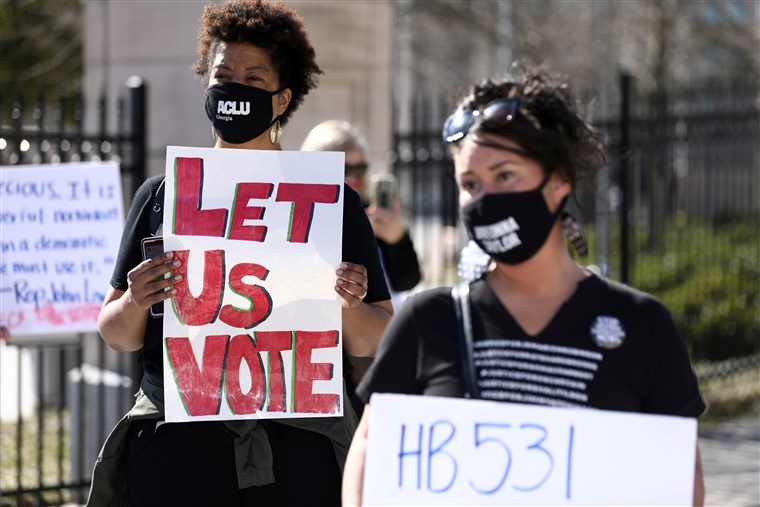
Republicans are passing state laws to restrict voting that will particularly harm black voters in ways not seen since the period of Jim Crow.
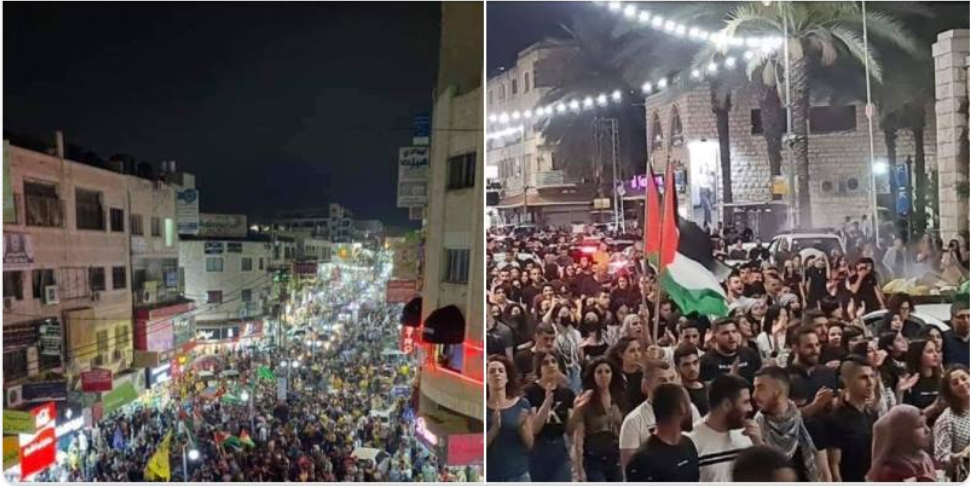
This account of the fightback against the eviction of Palestinians from their homes in East Jerusalem was categorized as “hate speech” by Facebook and taken down after the author posted it there. We republish it in protest against this blatant censorship.
- « Newer Posts
- 1
- …
- 56
- 57
- 58
- 59
- 60
- 61
- 62
- …
- 227
- Older Posts »