
Online Features
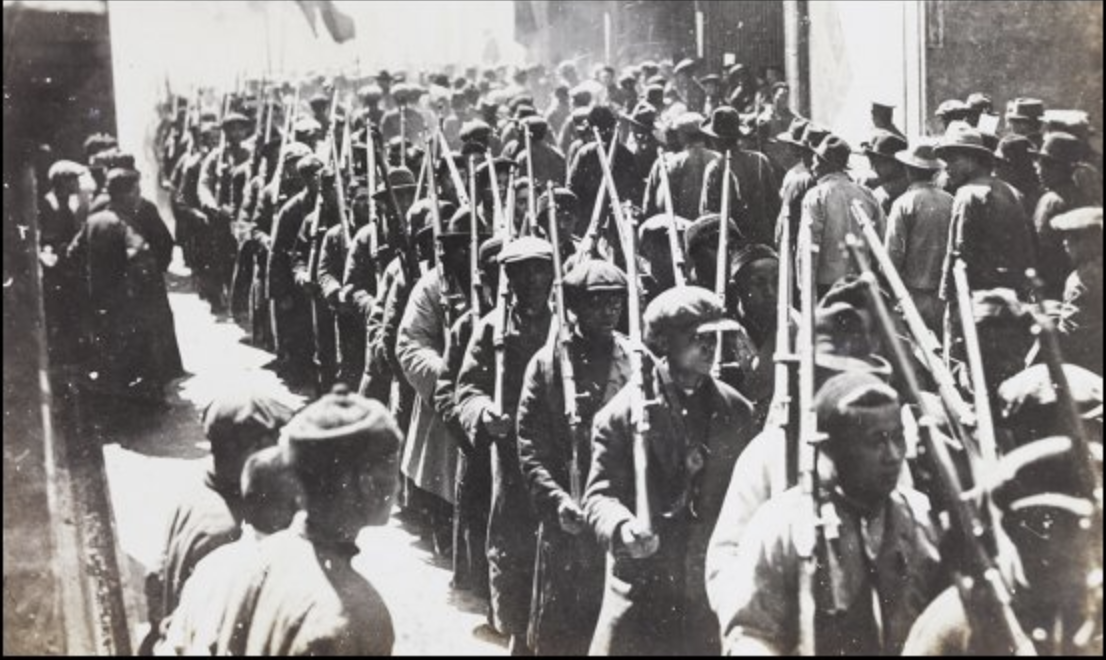
The Chinese Communist Party, founded in 1921 by revolutionary socialists inspired by democratic Marxism and the 1917 Bolshevik Revolution, was essentially destroyed by Chiang Kai-shek in 1927-28.

We think readers of New Politics may want to know about (and participate in) the inaugural Historical Materialism East Asia conference (online).
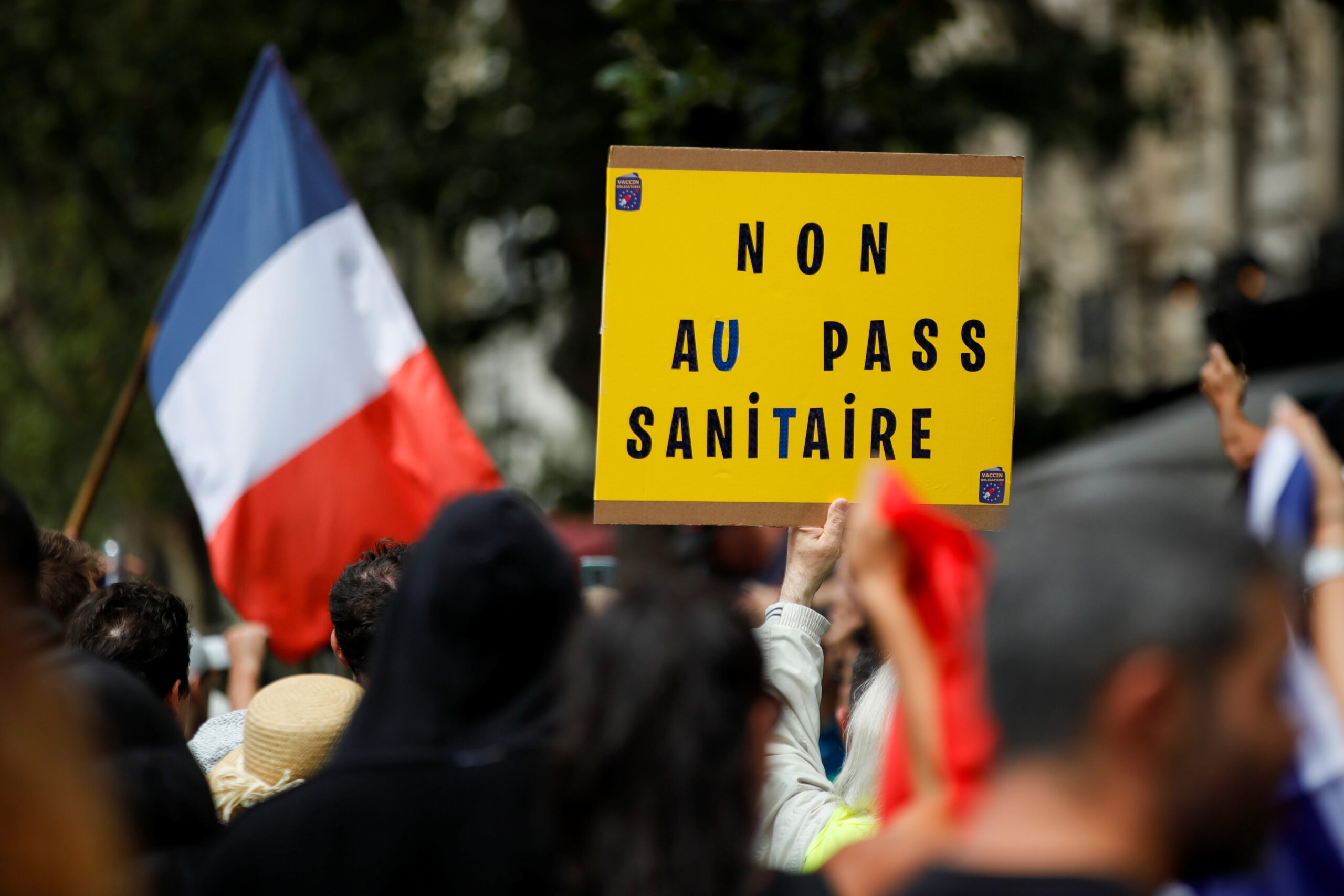
The French collective Aplusoc (Arguments for the Social Struggle) argues that recent protests in France do not represent a reactionary wave.


Culture wars are central to the Tory government’s current political strategy, not least because they cannot deliver material benefits to their voting base. Charlie Hore reports from Britain.
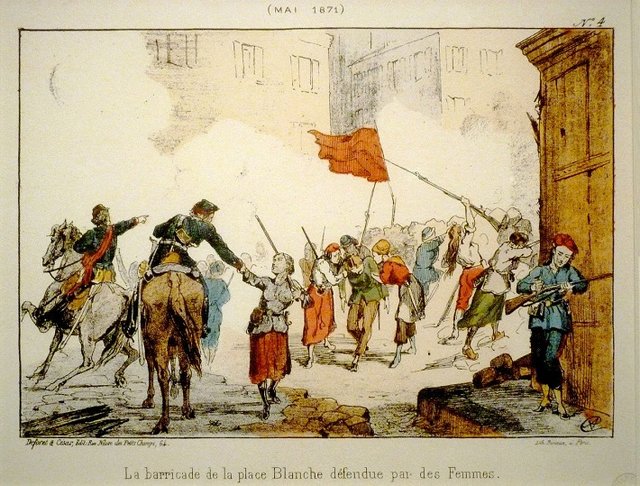
What is the significance of the Paris Commune for us today? A model for socialists? A heroic failure? Negation of the state? Or the first workers’ government?

We as socialists do ourselves no favors by treating religion less like an ideology or an institution that can be ruthlessly critiqued like any other and more like a quasi-natural part of one’s very being.
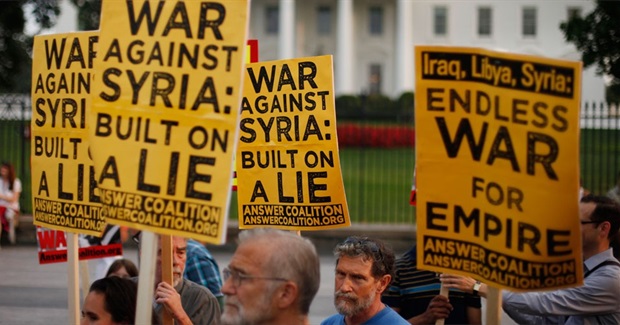
The purpose of the teenage anti-imperialist is to take a precise position at a certain moment in time for a mostly-domestic, aesthetic purpose.

An interview with longtime French left activist Patrick Silberstein on the current demonstrations in France

Iran is experiencing another wave of mass protests and strikes as economic, social, political, environmental and health problems make it impossible for the large majority of the population to have the bare minimums needed to live.

There’s something contradictory in this position that needs to be pointed out. The parties that DSA has focused on weren’t always mass parties. Often, they began as just the kind of plebeian networks or far left grouplets that DSA eschews as irrelevant.

Introducing the ‘teenage anti-imperialist’, the ‘solidarity market’, and ‘contrarian continuity’ between anti-imperialists and ‘their ‘establishment parent’/’imperialist’ governments.
- « Newer Posts
- 1
- …
- 53
- 54
- 55
- 56
- 57
- 58
- 59
- …
- 227
- Older Posts »