Category: Socialism

On June 26th, Alexandria Ocasio-Cortez defeated, against all odds, the incumbent Congressman from New York’s 14th district, a safe Democratic seat, in the party’s primary. Spectacular as it was to see a Democratic political boss (the “King of Queens”) humbled by a left-wing challenger, the real spoils of this victory do not lie in the House seat itself.
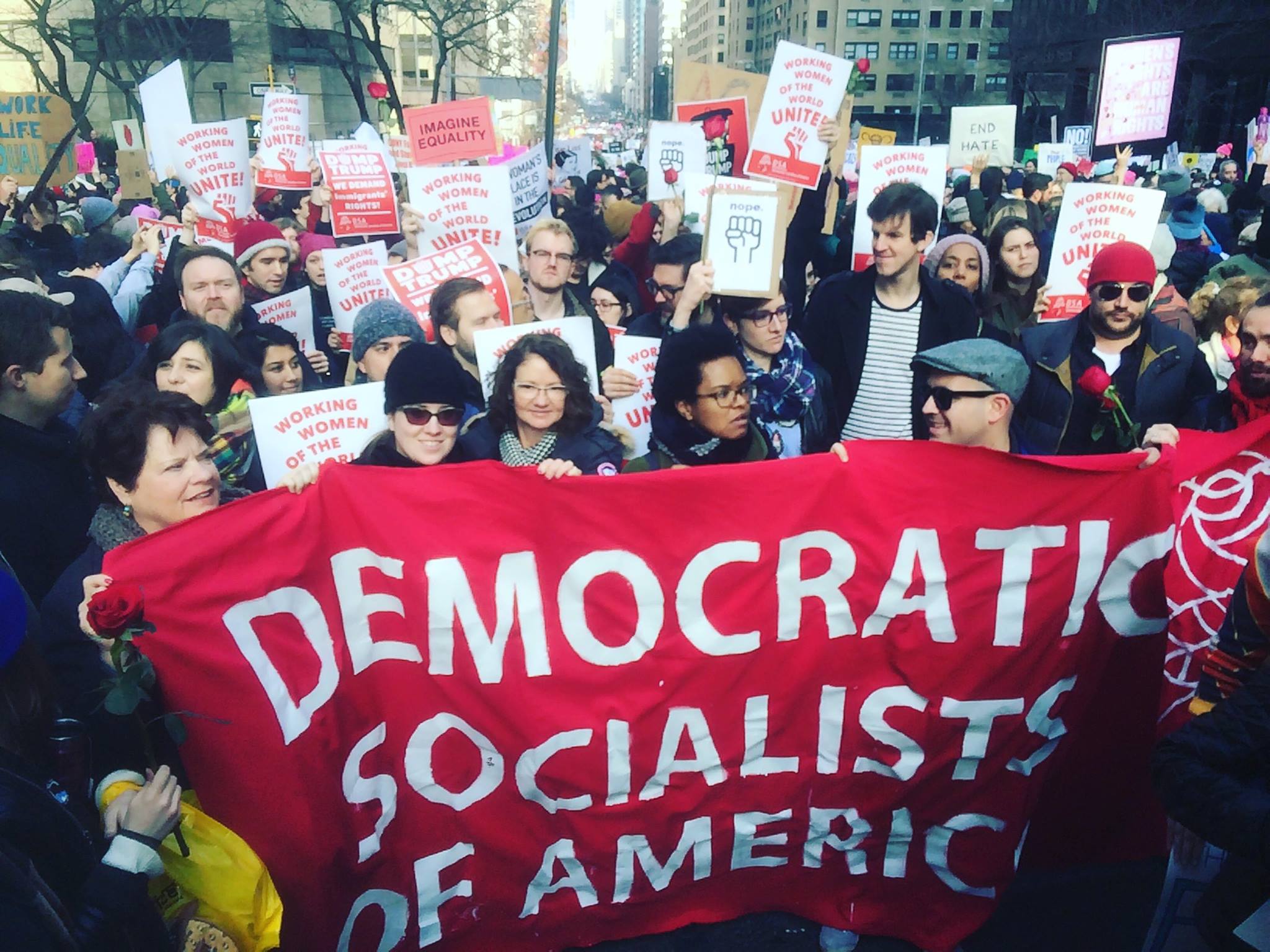
The Democratic Socialists of America (DSA) has emerged as the largest socialist organization in the United States since the collapse of the Communist Party (CP) in the mid-1950s. While Bernie Sanders’ ‘democratic socialist’ campaign for president in 2016 laid much of the groundwork for DSA’s growth, it was Donald Trump’s election to the presidency that boosted its membership from 6,700 in 2016 to around 48,000 members today.
 This memoir of sorts by Fordham University sociology professor Heather Gautney, who became a policy fellow in Bernie Sanders’ Washington DC office and a volunteer researcher and organizer for his unexpectedly popular 2016 presidential campaign, has a very specific focus: to “offer insights from up-close work with Bernie, mixed in with historical and sociological analysis, to perform an autopsy of the 2016 election” (2). Given the sheer number of insightless (to put it mildly) autopsies that have been proffered across the political spectrum—perhaps none more useless than Hillary Clinton’s own What Happened (Simon & Schuster, 2017)—Gautney’s book is more than welcome and even slightly overdue.

In May 2017, Left politics in Brazil were pretty bleak. It was almost a year after the impeachment of President Dilma Rousseff of the Brazilian Workers Party (PT), whose ousting from power brought along with it an onslaught of austerity policies.2

It is the sixtieth anniversary of Raya Dunayevskaya’s Marxism and Freedom, a work both of its time and ahead of its time.

At time of writing, we are still in the dissipating wake of another mass shooting in the United States, this time in a Parkland, Florida, high school. The American people are once again reminded of the ubiquitous threat of violence that characterizes their everyday lives. We are once again confronted with the nauseating reality of a two-party system that defends this violence in word and deed—while providing rhetorical paeans to security, freedom, and safety.

If one thing was clear coming out of the New York City Democratic Socialists of America’s May 5 convention, it was that most delegates uniformly consider themselves socialists and aspire to build an anti-corporate resistance movement nationwide. So far, so good.
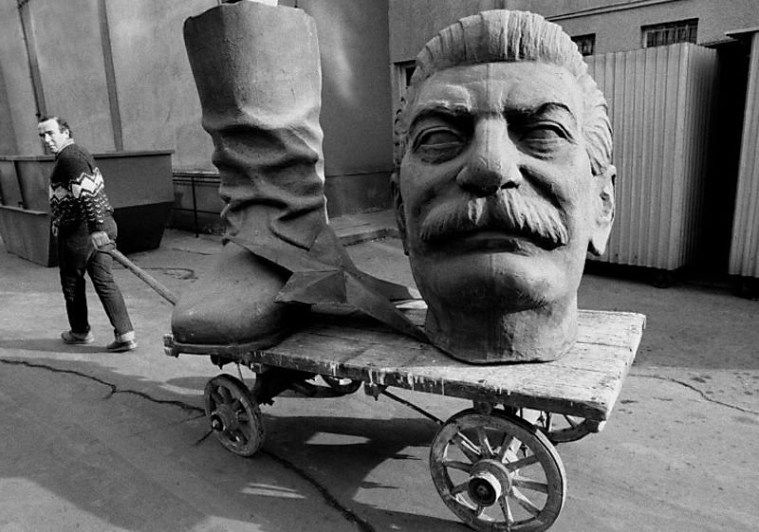
The following text appeared on OpenDemocracy, and features a review by Gabriel Levy of Ilya Budraistkis’ book Dissidents Among Dissidents, a new collection of essays published in Russian in 2017 by Free Marxist Publishers. It was originally published on People and Nature.
This new collection of essays seeks to rebalance our understanding of dissent in the late Soviet Union, drawing attention to democratic socialists from the 1950s into the 1980s.

This presentation was given at the June 30, 2018, DSA Lower Manhattan Branch meeting/picnic.
When I was in college and the Vietnam War was raging, I was president of the campus’s SDS chapter. I remember lunching with the head of our local Young Democrats. He was a decent enough liberal who also opposed the war but told me he could never be a radical because he didn’t believe in class struggle. I told him it was less a matter of what he and I believed than in what leading sections of the ruling class thought and did.
David Camfield. We Can Do Better: Ideas for Changing Society. Halifax & Winnipeg: Fernwood Publishing, 2017. 168 pp.
The breathtakingly rapid changes in the capitalist world around us has left basic political education by the revolutionary left trailing behind.
No one should underestimate the changes in the social world occurring since Marx’s day, or overestimate to what extent we find ready-made answers to contemporary issues in his writings. Nonetheless, Marx’s analysis uncovers essential features and defining tendencies of capitalism far better than alternative frameworks.

Below is the text of Frieda Afary’s presentation to a group of international labor activists on June 10, 2018.

It doesn’t take much imagination to associate climate change with revolution. If the planetary order upon which all societies are built starts breaking down, how can they possibly remain stable? Various more or less horrifying scenarios of upheaval have long been extrapolated from soaring temperatures.
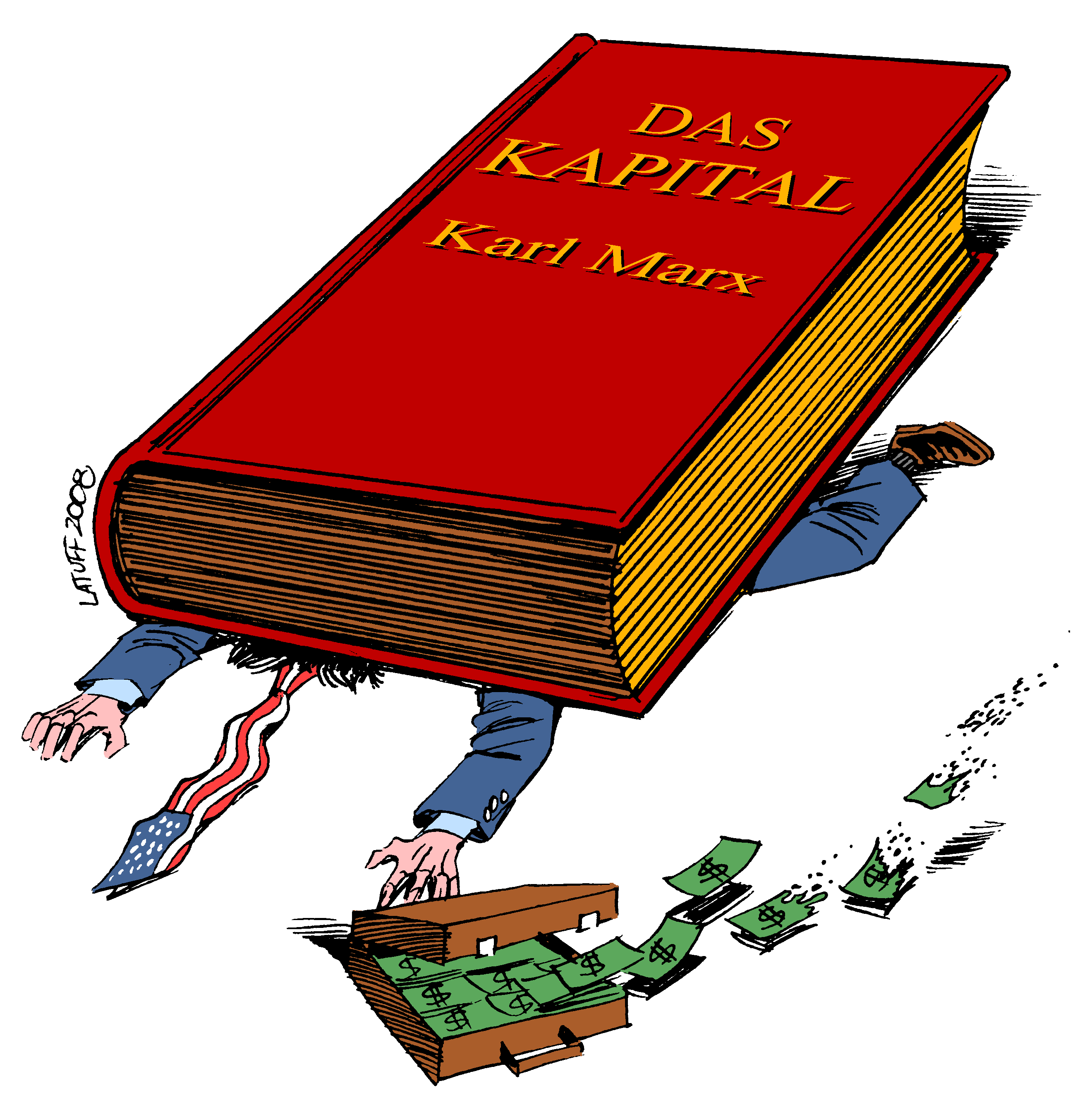 Marx’s Capital has been heralded for many things, but providing an exhaustive account of a future socialist society isn’t one of them.
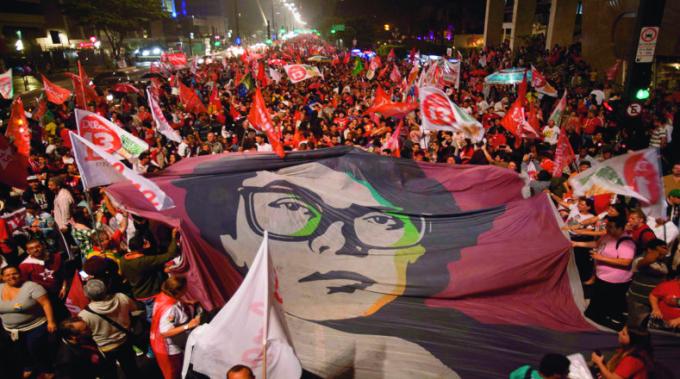
Brazilian socialist Andressa Alegre spoke to Solidarity about the experience with the governments led by the Brazilian Workers’ Party (PT) between 2003 and 2016.
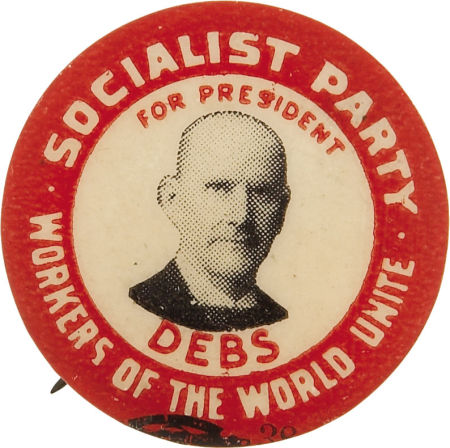
A charismatic and militant labor leader, five-time Socialist Party presidential candidate, class-war prisoner jailed by the ostensibly liberal Woodrow Wilson administration for opposing U.S entry into World War I and a fiery, moral force in a corrupted era — Eugene Victor Debs was among the greatest orators this nation ever produced, yet no recording of his voice survives. And what a speaker he was! John Swinton, the late 19th century New York labor writer who as a young man heard Lincoln speak, likened Debs to Lincoln not just in intellect but in character. And unlike Lincoln, Debs could speak cogently to crowds for hours without notes.

This article is a response to Paul Mason’s recent essay ‘Labour must become the party of people who want to change the world, not just Britain’, in which he argues that there can no longer be any privileged position for organised labour as an agent of socialist change. This reply will respond to that question specifically, leaving aside some other aspects of Mason’s essay, and argue that the working class remains the key strategic actor for overhauling capitalism.
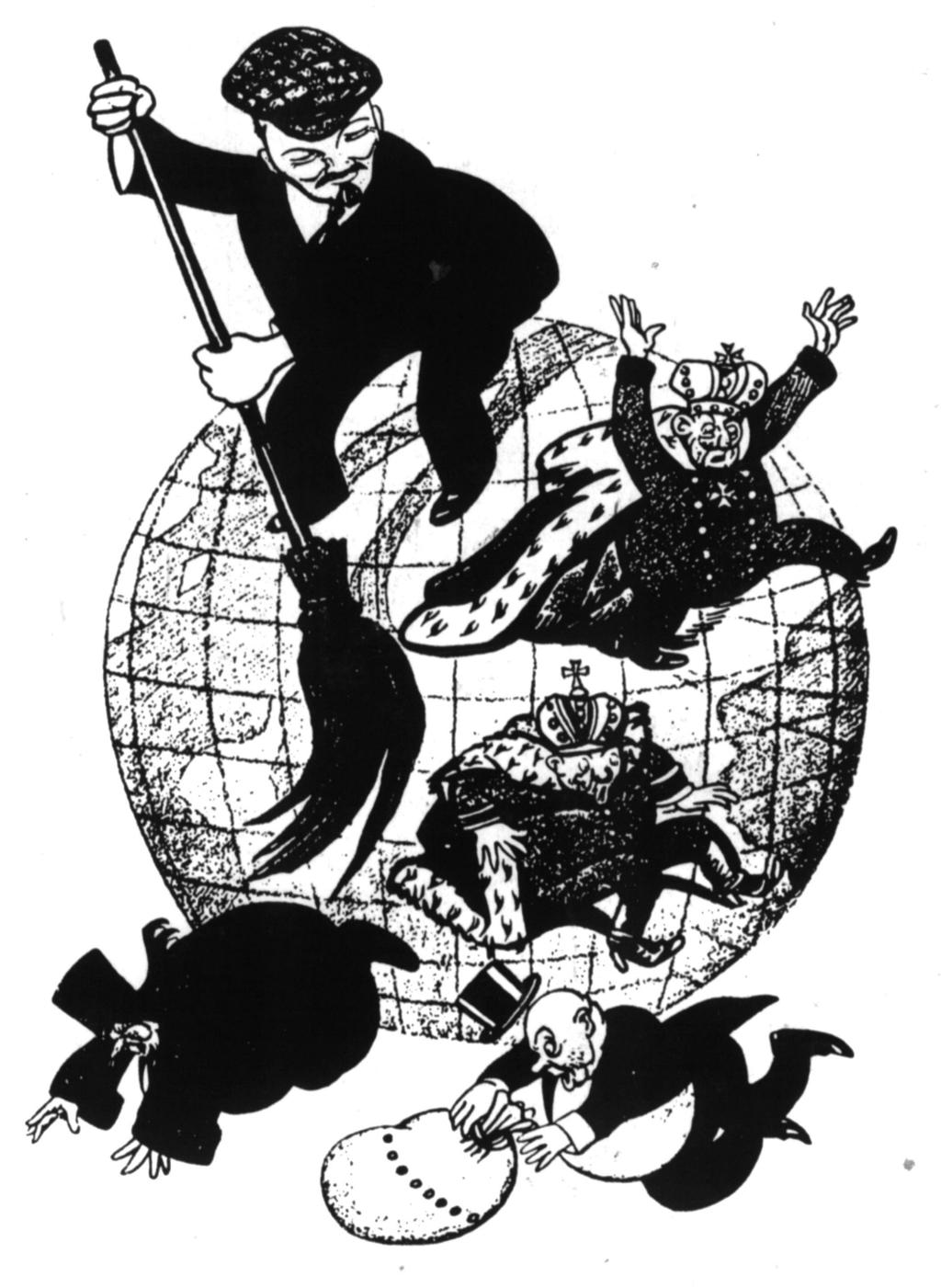
Often, it seems that the legacy of the Russian Revolution of November 1917 lays like a dead weight upon the living. Everywhere voices are raised – from anarchists to social democrats and from liberals to conservatives – telling us that we need to jettison its legacy of authoritarian socialism, of prison camps, and ultimately, of economic and social collapse. At the same time, the left of today stands for grassroots democracy, opposition to war and imperialism, opposition to racial and gender oppression, and once we move to the left of social democracy, abolition of capitalism and of the state.
Social Inequality is not for the faint-hearted. It covers the major political-economic issues of our time, from the structural changes in the economics of capitalism, to class structure, the imperialist state, and the distortions of capitalist culture. The author, a veteran scholar-activist of the New Left generation who now lives in Costa Rica,1 ends with a plea for resistance to our oligarchic “hegemon” and suggests a series of tactics to help us on the road.
IN 1942 British economist John Maynard Keynes got an advance preview of Lord William Beveridge’s report, Social Insurance and Allied Services. In it, Beveridge proposed a comprehensive system of social security that ran the gamut from full employment to national health care so as to eliminate “Want, Disease, Ignorance, Squalor, and Idleness” from the United Kingdom.
In “Our Road to Power,” an article from the most recent issue of Jacobin, Vivek Chibber makes some very familiar arguments about socialism and “central planning.” One hardly has to quote him—they’ve been repeated many times since Alec Nove’s The Economics of Feasible Socialism appeared in 1983.
- « Newer Posts
- 1
- …
- 9
- 10
- 11
- 12
- 13
- 14
- 15
- …
- 18
- Older Posts »