
Category: Left Politics
[Editor’s note: An archived version of the event can be seen here: https://www.facebook.com/newpoliticsmag/videos/263390032588738/]
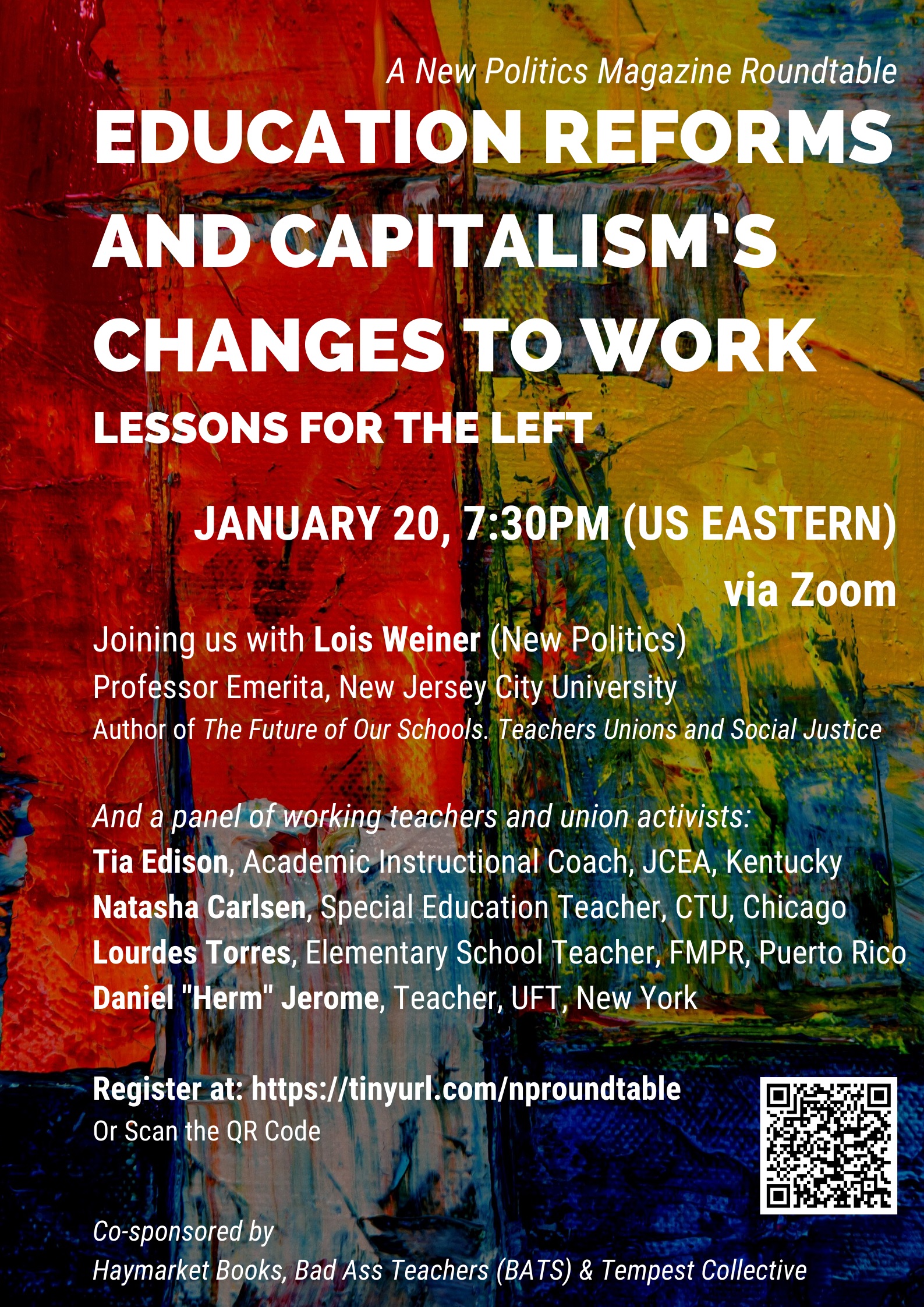
Join us January 20, 7:30pm (Eastern) to discuss what we need to learn and do to resist changes capitalism has made to labor and schools since Trump’s election
Join us January 20, 7:30pm (Eastern) to discuss what we need to learn and do to resist changes capitalism has made to labor and schools since Trump’s election

In October and November of 2019, clashes over the validity of presidential elections in Bolivia led to protests and the eventual ouster of the leftist Indigenous president Evo Morales, in what most observers characterized as a coup. In the year

Samuel Farber reviews Eric Blanc’s Revolutionary Social Democracy. Working Class Politics Across the Russian Empire (1882-1917), a book that is likely to become the focus of important debate on the left.
New Politics editorial board member Michael Hirsch (1945-2021) was a young radical when he came into contact with the journal’s founding editors, Phyllis and Julius Jacobson. The first of his many articles for it appeared in Spring 1970.

I give thanks that there’s a chance that in the coming year we can begin to build a mass working class movement and an independent working-class political party.
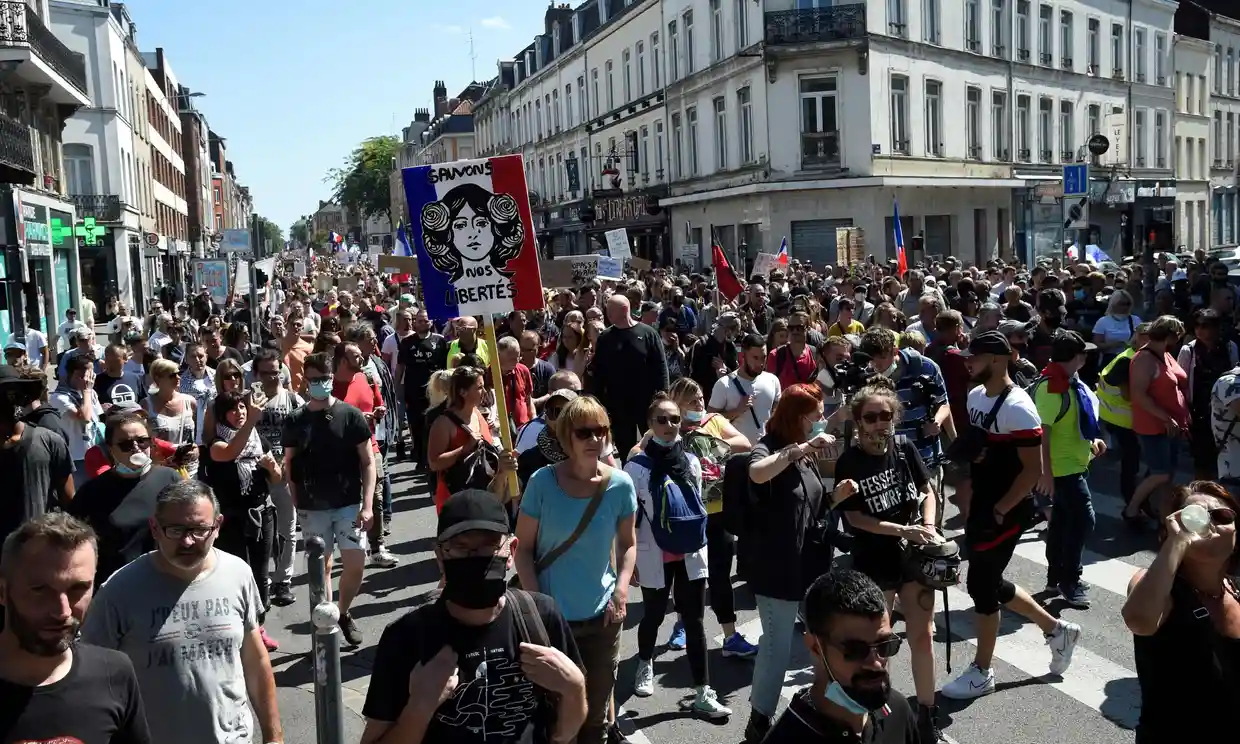
Continuing debate about the health pass and social resistance in France: The editorial board of Aplutsoc responds to New Politics’ coverage.

The Rittenhouse verdict has encouraged and emboldened America’s fascists—and they are taking advantage of it.
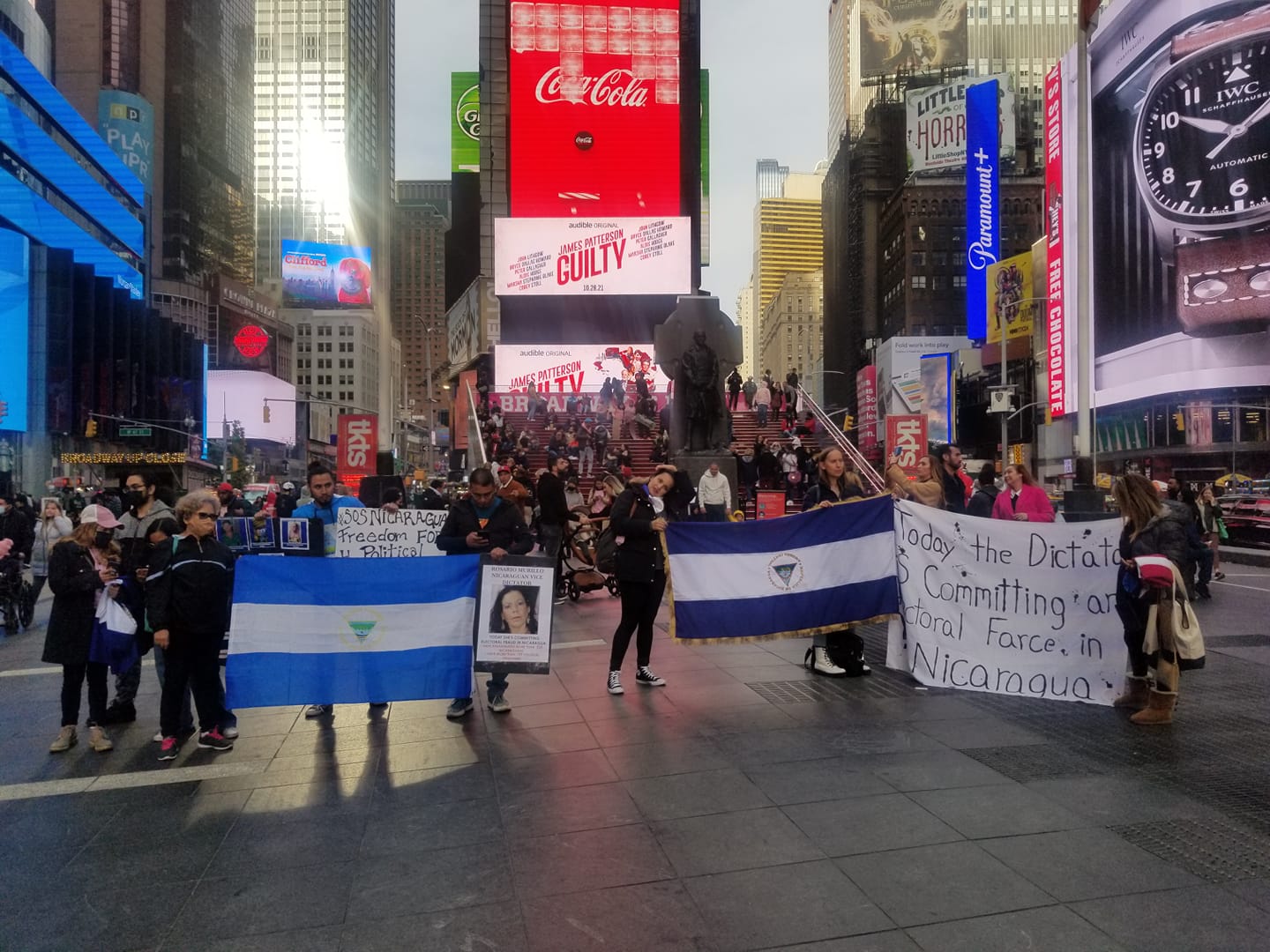
Having arrested and jailed his most significant rivals weeks before the election, President Daniel Ortega was reelected on November 7 to a fourth consecutive term, his fifth altogether.
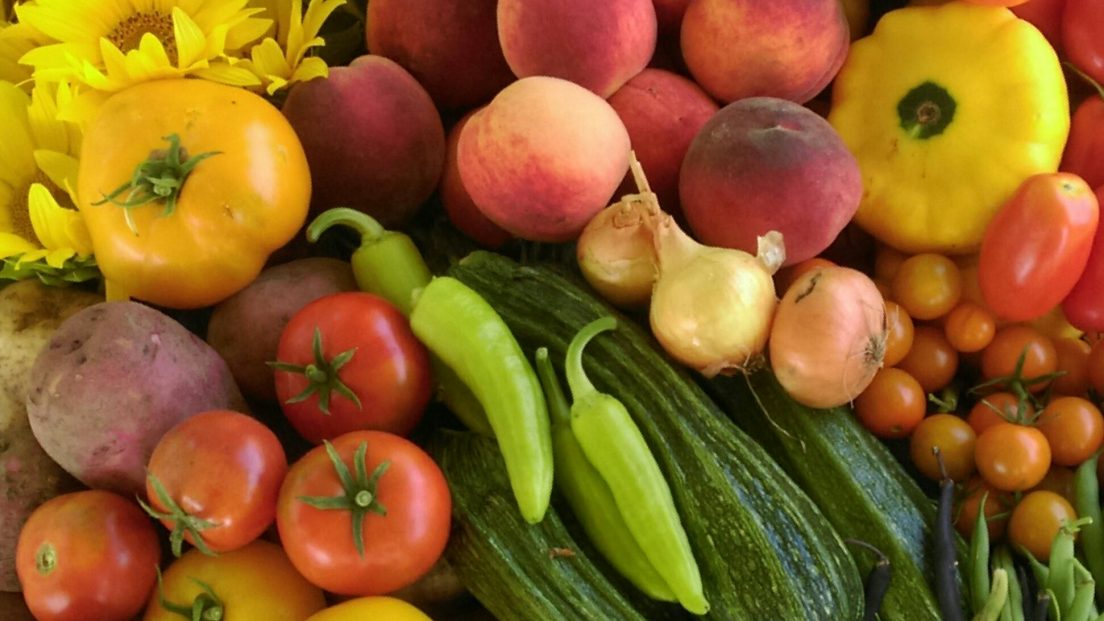
Anti-capitalist ecologist Spencer Roberts advocates a decolonial, just transition away from animal agriculture and wildlife extraction.
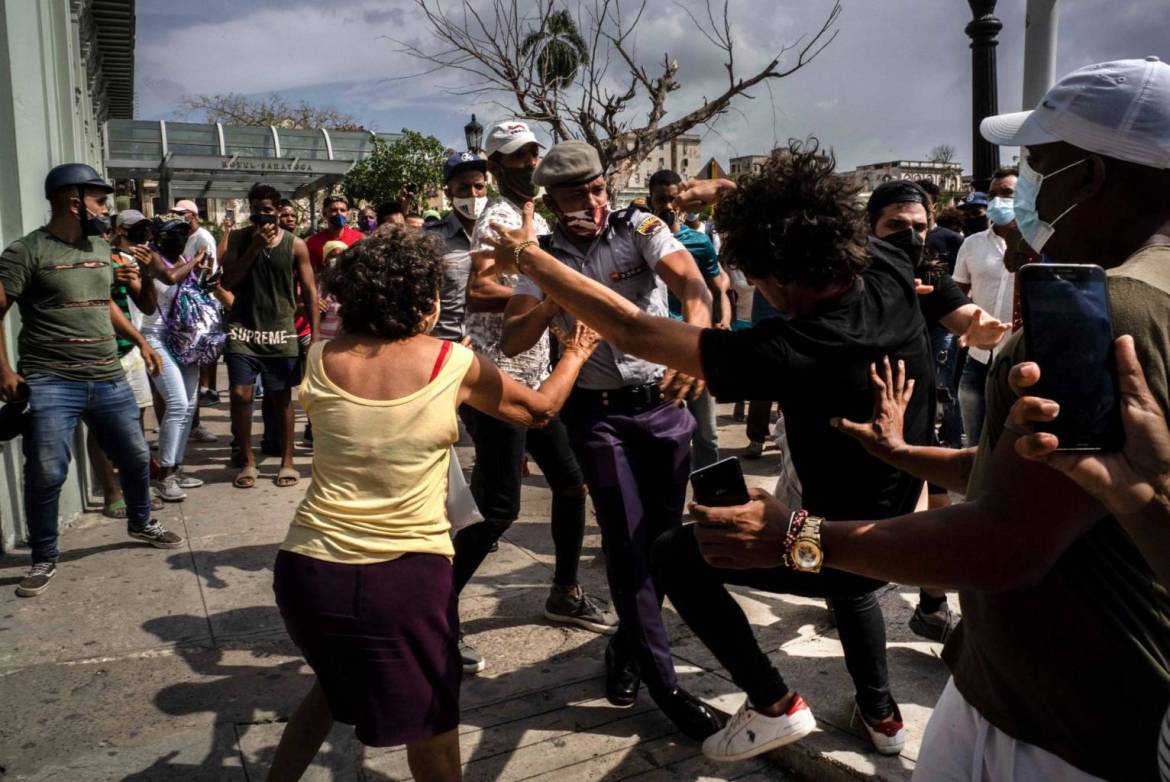
Whatever a genuinely anti-imperialist approach toward Cuba might look like, it cannot be to rally behind a regime that denies Cubans some of their most basic rights.
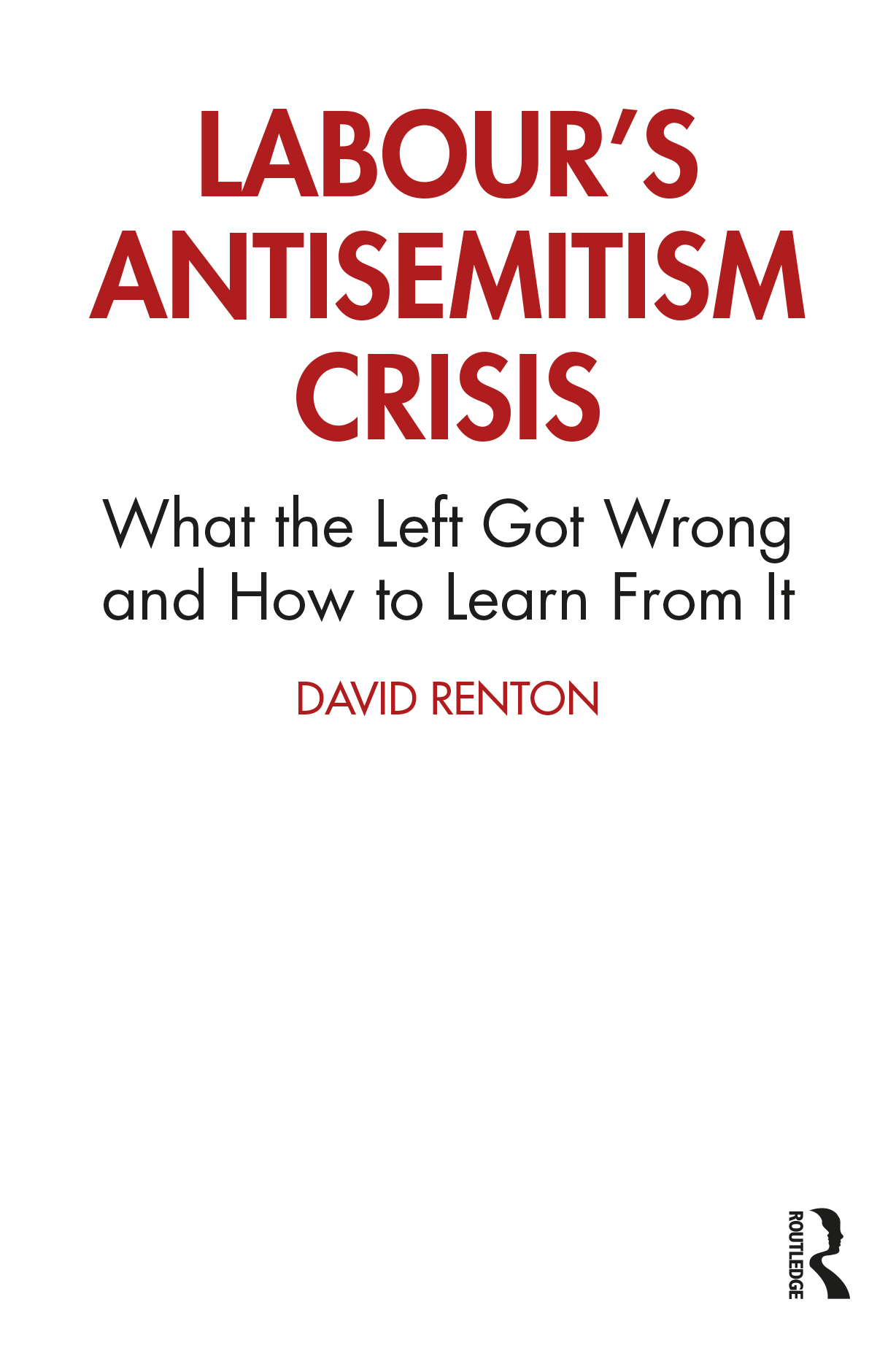
A review of David Renton’s book on what the Left got wrong in dealing with the antisemitism crisis in the British Labour party.
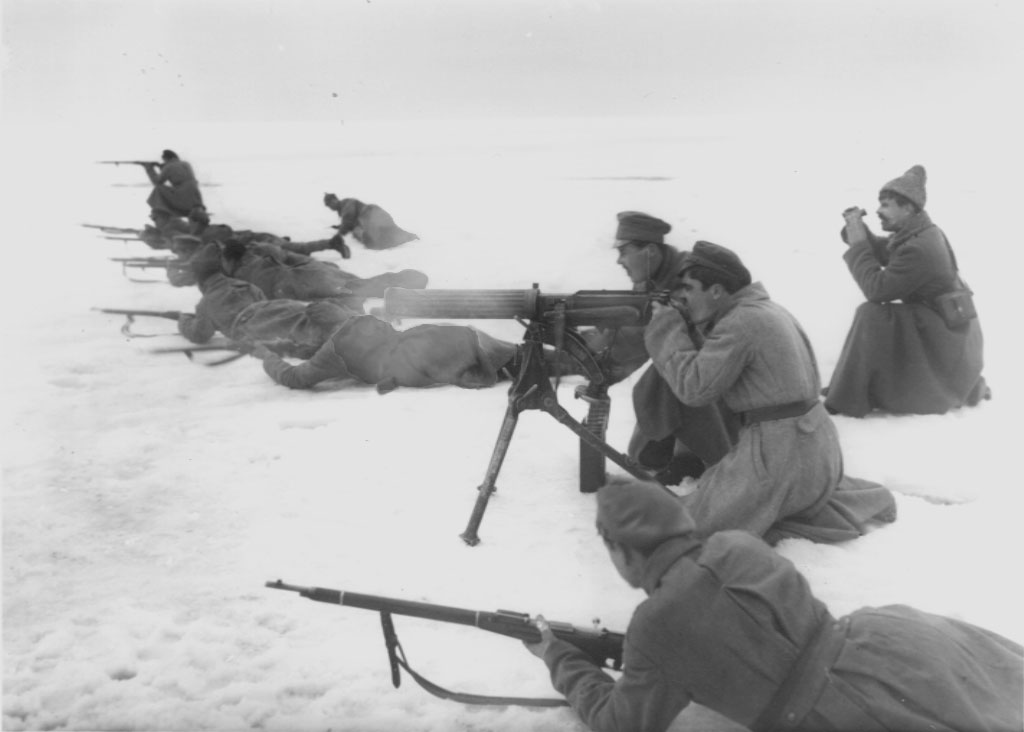
To avoid repeating the Kronstadt tragedy, and to build toward principled world revolution, we can commit to organizing transnational solidarity and speaking out against all forms of authoritarian repression.
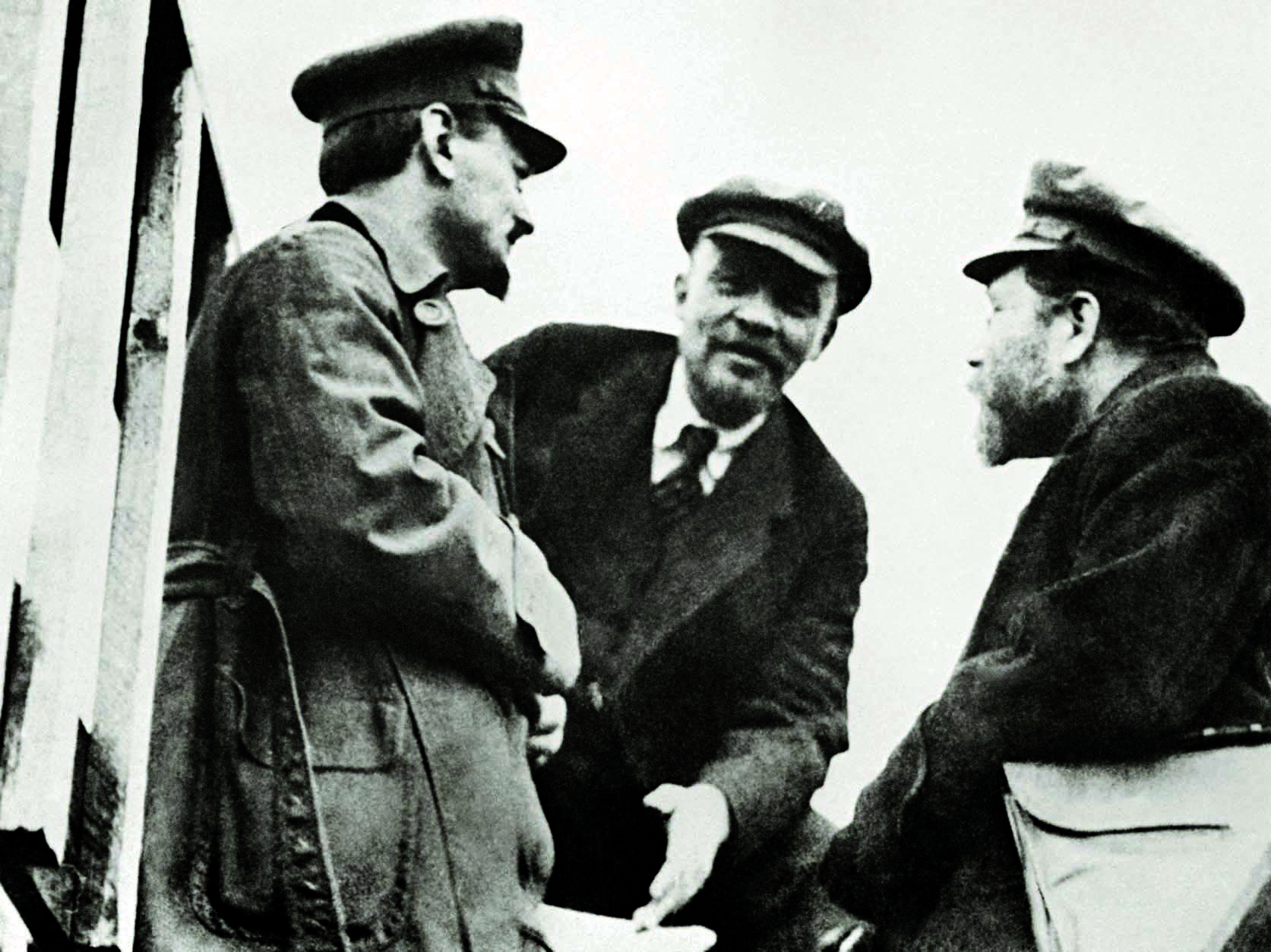
One must go beyond Kronstadt to understand Kronstadt. One must grasp, first of all, the struggle for human liberation and the hope of Communism.
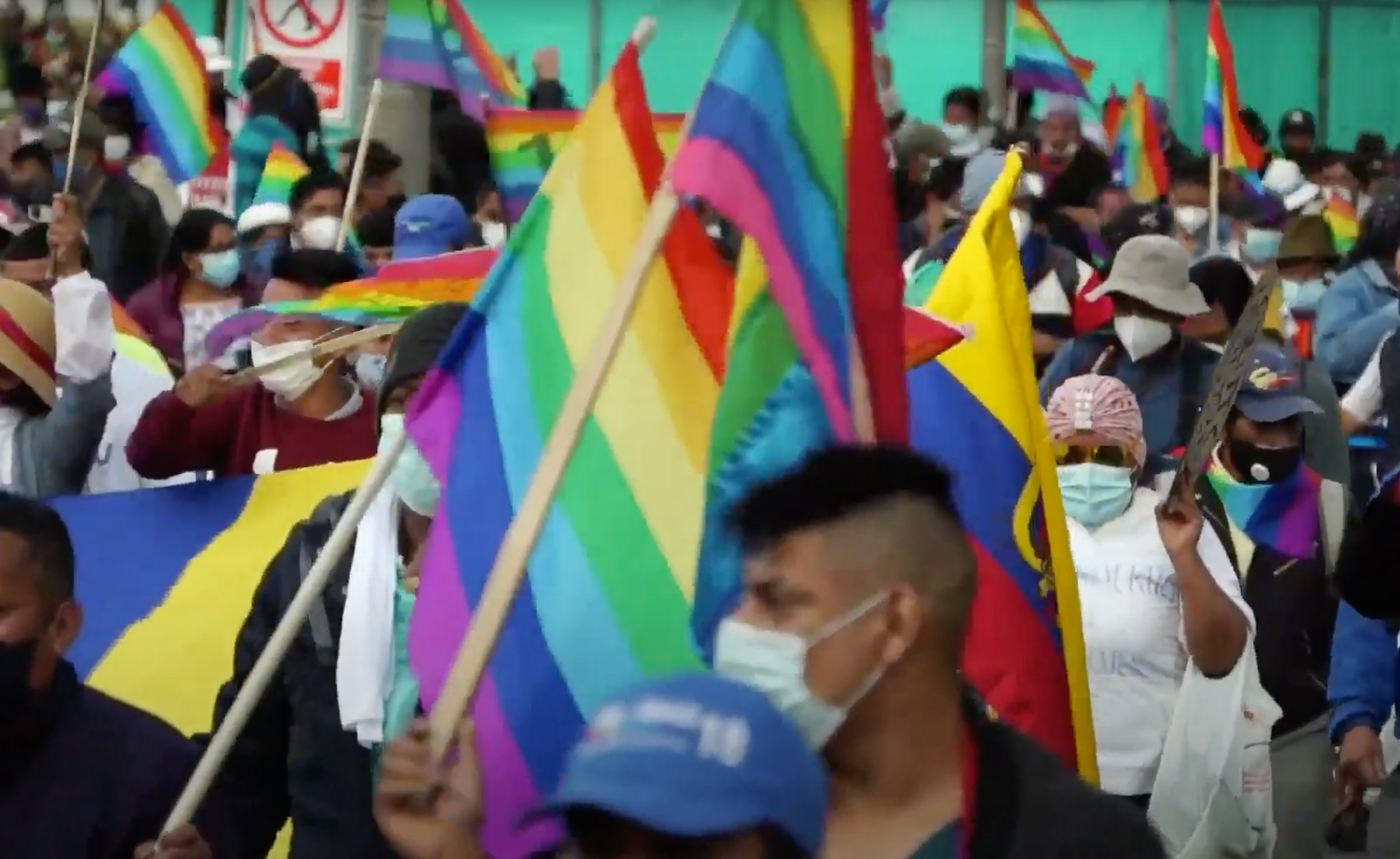
The elections in Ecuador earlier this year continue to inspire international debate among competing left currents over lessons to be learned.
The rising movement among contingent faculty has pushed bills onto CA Gov. Newsom’s desk and into the budget reconciliation process in Congress.
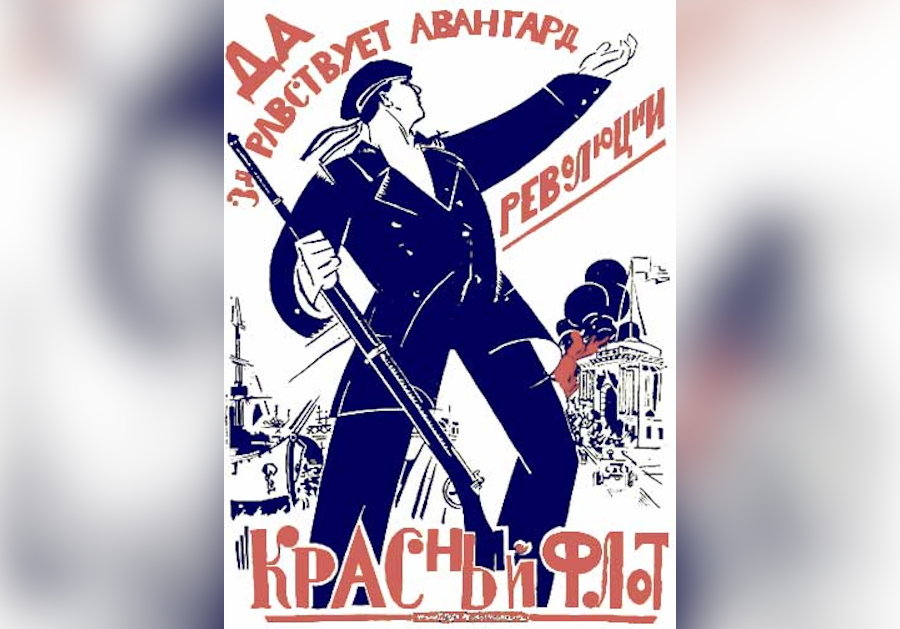
The March revolution of 1921, initiated by “Red Kronstadt”, had to complete the cause of the February and October revolutions of 1917. In this context, the Kronstadt revolt of 1921 appears as an integral part of the revolutionary process that took several years.
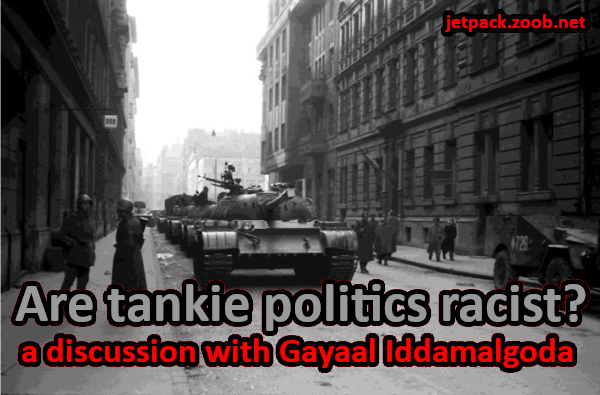
Ani White and Gayaal Iddamalgoda argue that so-called “tankie” politics, meaning support for “actually-existing socialist” and “anti-imperialist” states, erase struggles in the Global South.

In Confronting Antisemitism on the Left, Daniel Randall challenges socialists to confront antisemitism with the same vigor they have taken on other struggles against oppression.
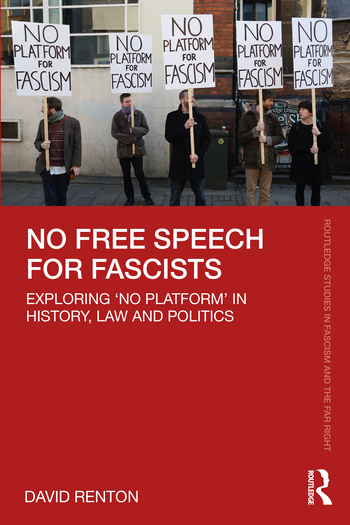
How should socialists who support democratic rights approach current controversies regarding the practical application of the right to free speech? This review essay explores this question discussing David Renton’s recent book.
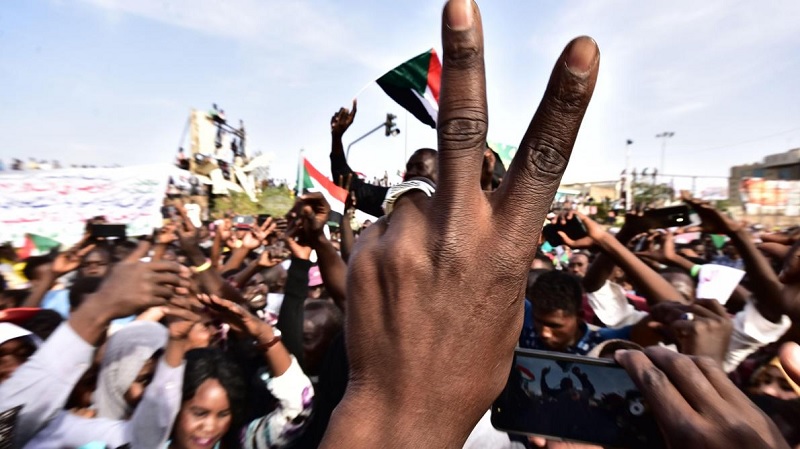
How does one understand the question of the internationalism of the oppressed? In order to answer this, there are two basic principles we start with: (1) a concrete analysis of concrete conditions, and (2) the law and nature of contradictions.
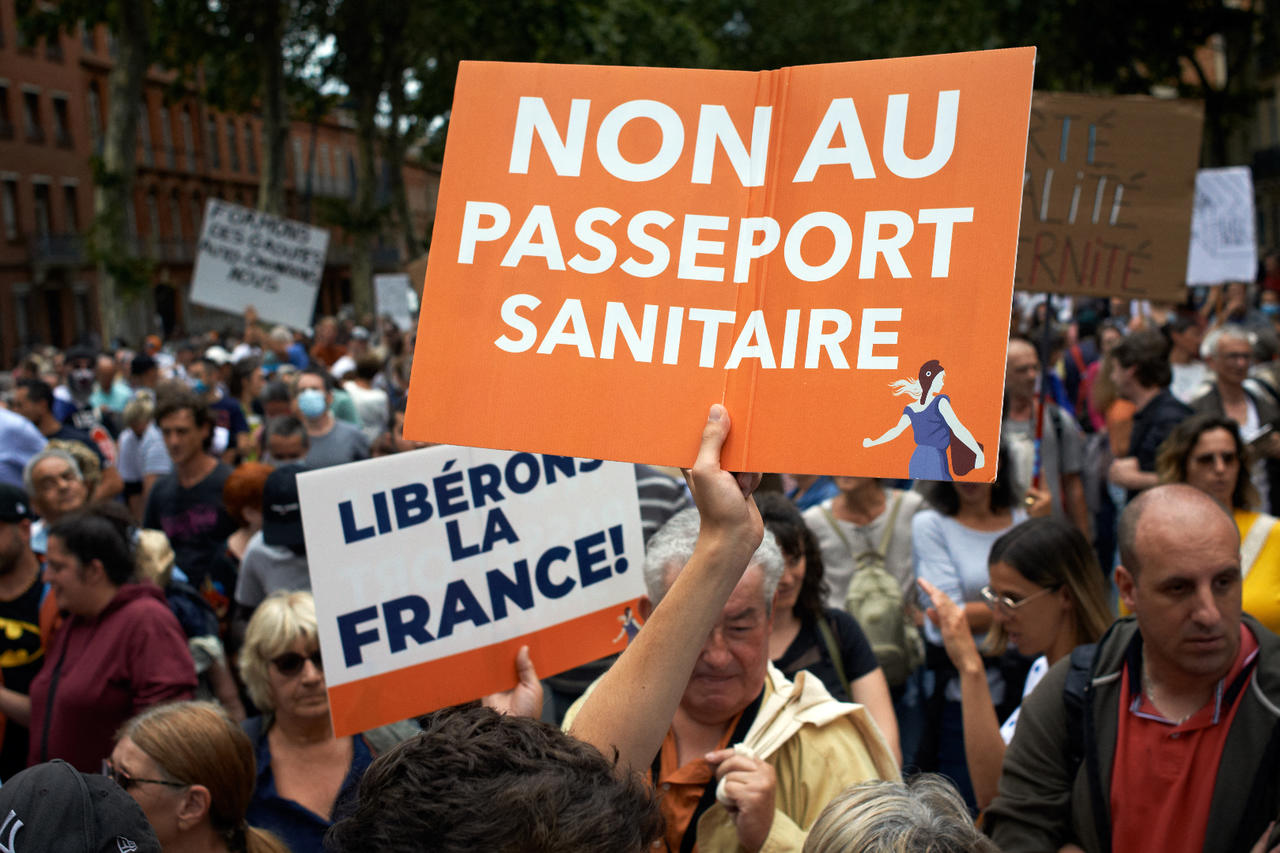
The fragmentation of the left has led to an almost certain second-round dual between Macron and Le Pen in 2022, with grave implications for the future of an explicitly left mass movement.
- « Newer Posts
- 1
- …
- 10
- 11
- 12
- 13
- 14
- 15
- 16
- …
- 48
- Older Posts »