

Category: Indigenous peoples
Anti-colonialism is understood to be both a group of historical events and a critical analysis of past and ongoing imperialisms.
The politics of solidarity on display during the fight against the Dakota Access Pipeline have raised the issue of Indigenous liberation more and more sharply to people on the left.
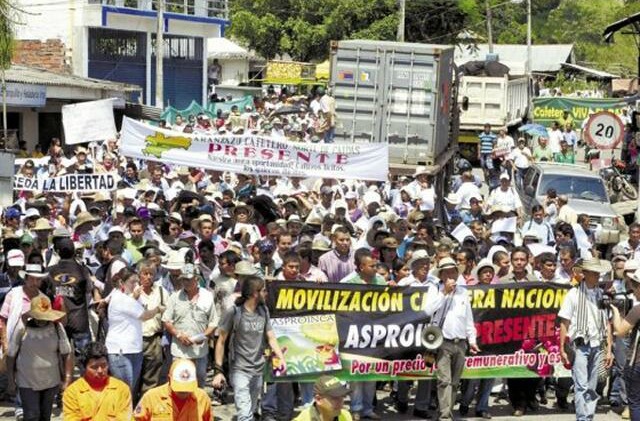
Latin America is experiencing an abrupt change generated by enormous confrontations between the dispossessed and the privileged. This confrontation includes both revolts by the people and reactions by the oppressors.
The October Revolts
The uprising in Chile is the most important event
The October Revolts
The uprising in Chile is the most important event
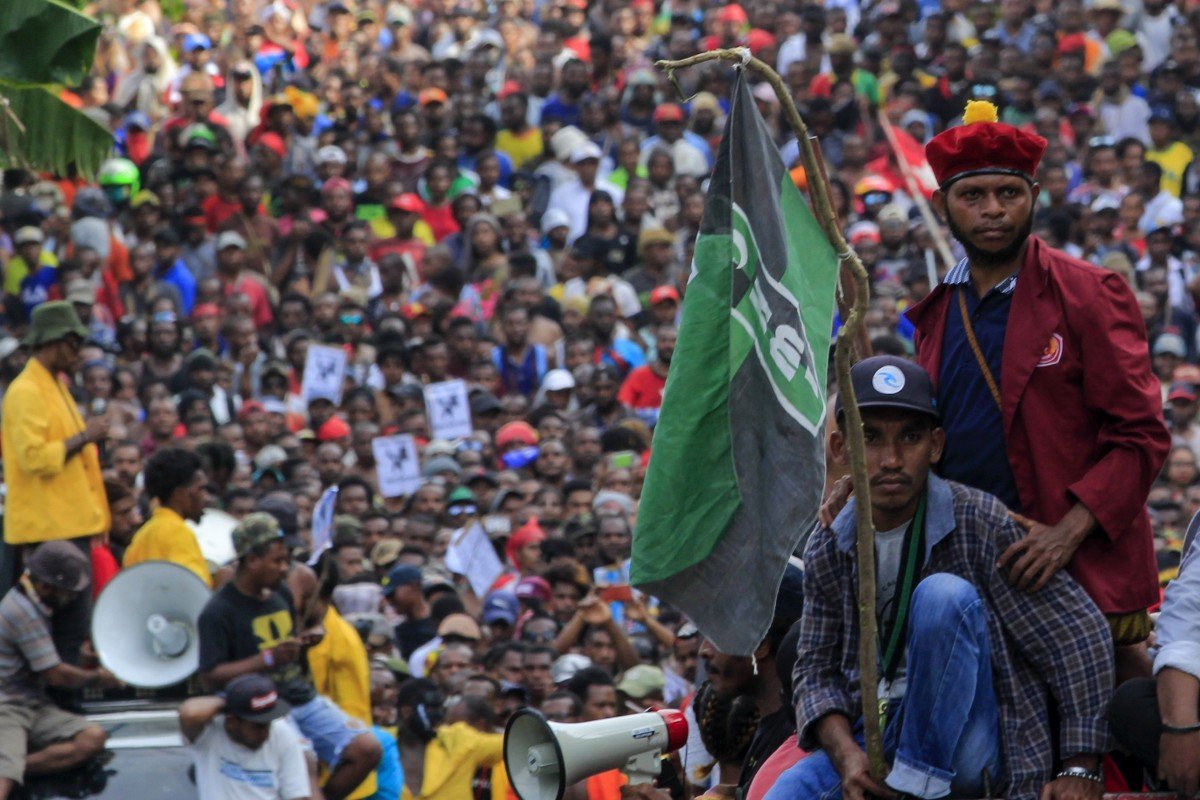
Resistance to the Indonesian government continues in West Papua, and it has a history.
Shortly after declaring independence in 1961, following the departure of the Dutch (who controlled the region), West Papua was invaded by Indonesian forces—Indonesia felt as though the
Shortly after declaring independence in 1961, following the departure of the Dutch (who controlled the region), West Papua was invaded by Indonesian forces—Indonesia felt as though the
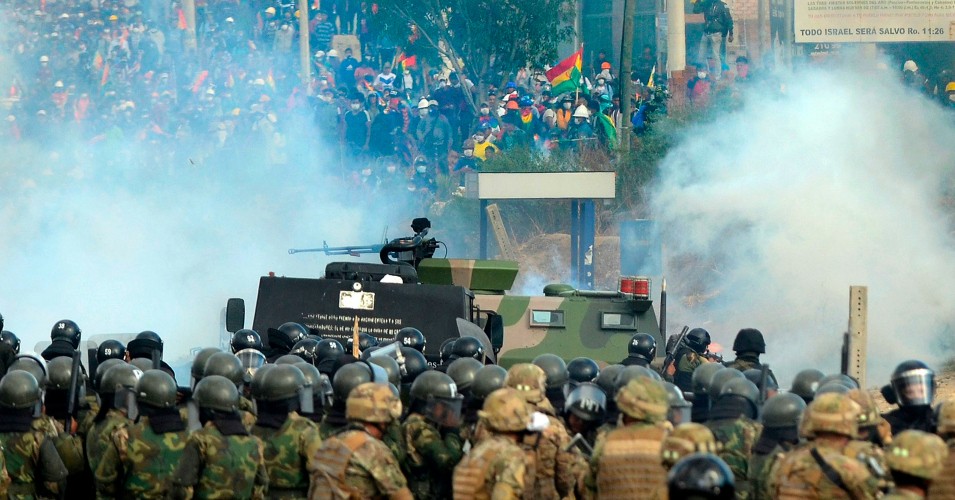
After nearly 14 years in power, the government of Evo Morales fell in a little less than a month, due to allegations of fraud and the desire to remain in power. Previously, Morales was a campesino leader, but this time
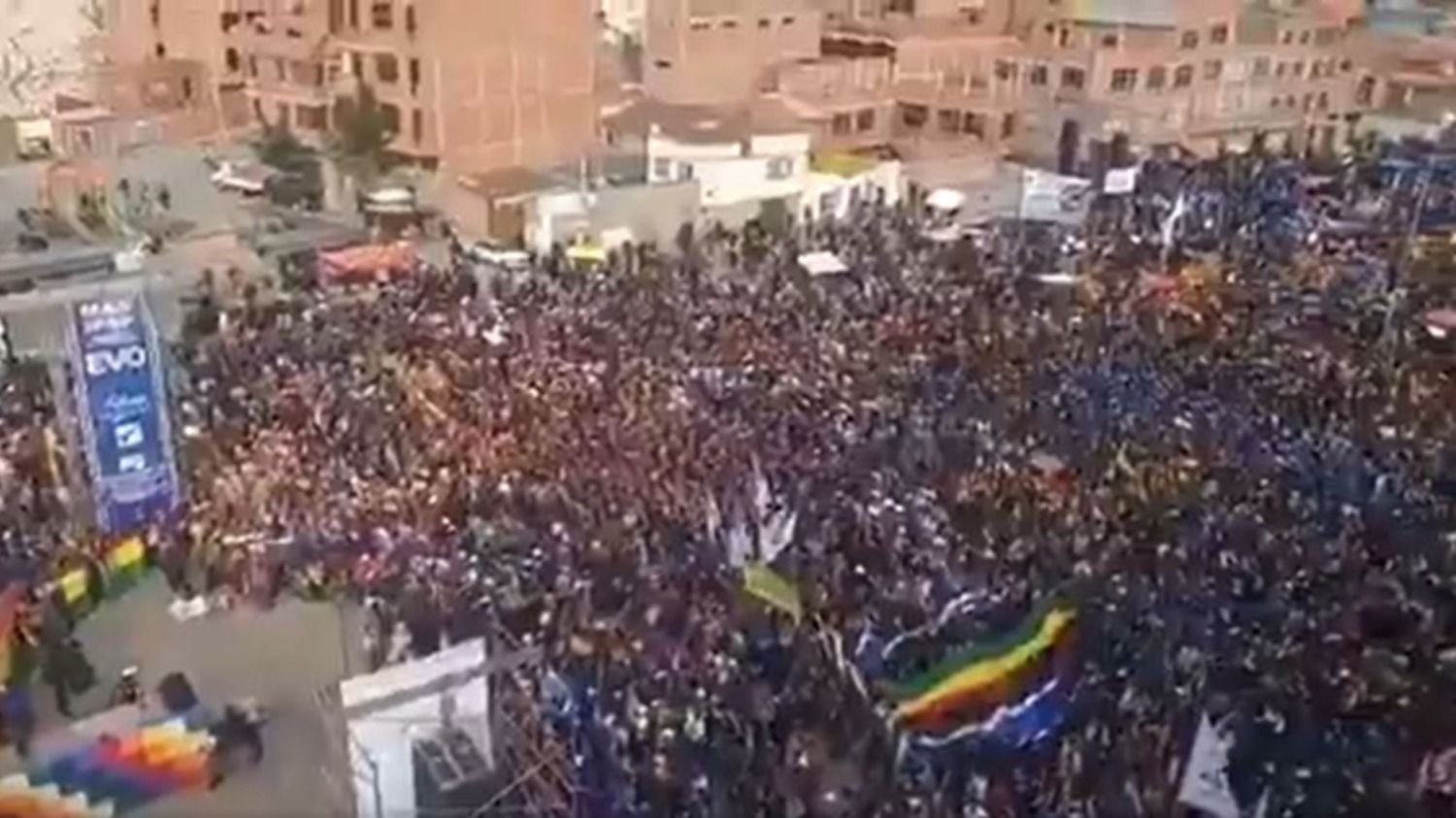
The coup d’état against Bolivian president Evo Morales has generated the kind of anguish that great defeats of revolutionary struggles evoke: Allende’s fall, Che’s death in combat, defeat in the Spanish Civil War. “Criticism is no passion of the head,
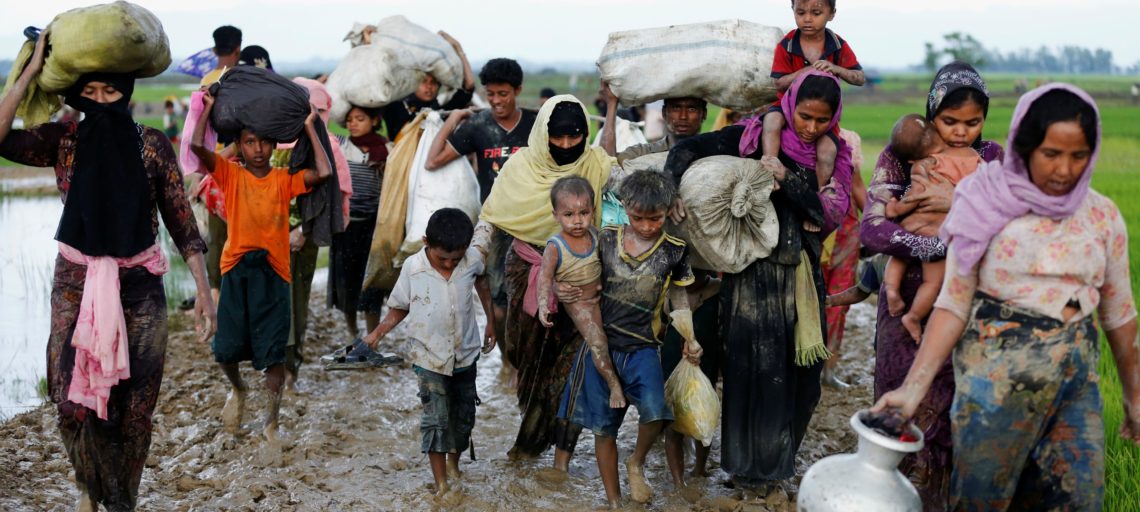
In early December of 2017 the Trump Administration officially withdrew the United States from the UN Global Pact on Migration, claiming the 2016 accord “undermine[s] the sovereign right of the United States to enforce our immigration laws and secure our borders.”
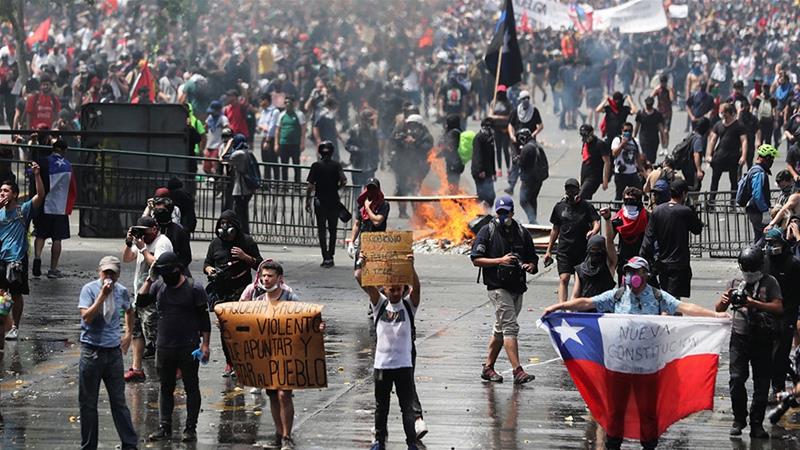
Chile has exploded in social protests for the past several days, initially ignited by an increase in the metro fare. The initial protests developed into a national strike, even though conservative President Sebastián Piñera rescinded the four percent increase
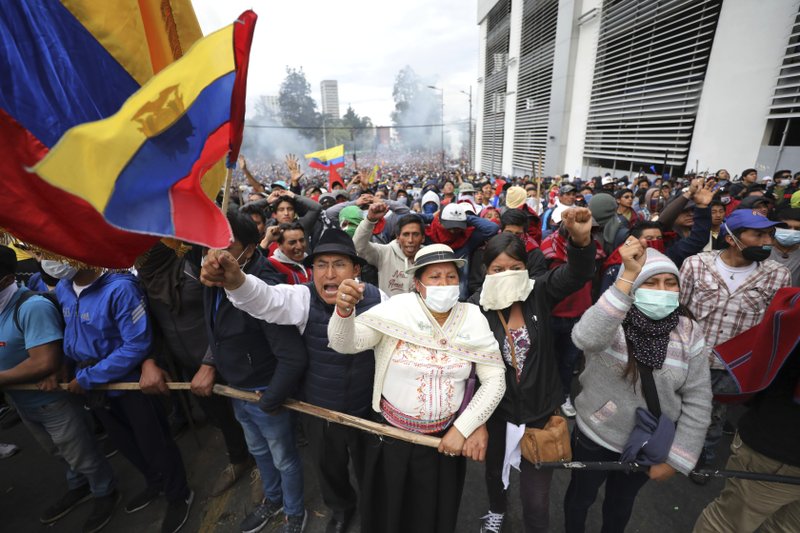
We, the women who resist – in the streets, in our territories, from our spaces and communities – we are the feminist sisters from Abya Yala, those who combat with our bodies, and sustain life; We sympathize with the criminalized,
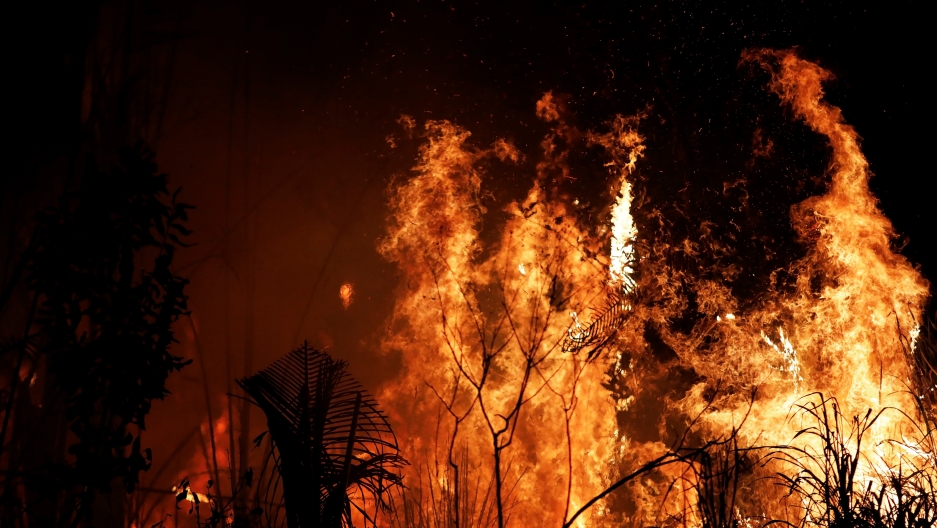
The Bolsonaro administration is allowing the Amazon to burn as part of a project to accelerate capital accumulation, but is meeting massive resistance both at home and abroad.
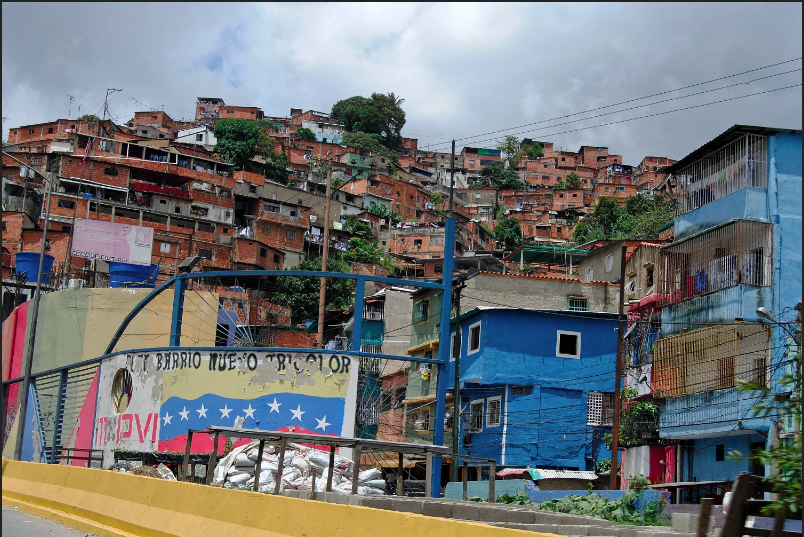
Under the global spotlight for the past two months, Venezuela is perhaps the most debated and at the same time misunderstood country in recent times. The truth embraces demanding paradoxes: a country ruined but rich in resources, with a civilian-military

Things are approaching a crisis point in the long battle of wills between Venezuela and the White House. Juan Guaidó, president of the opposition-controlled National Assembly, swore himself in as the country’s “interim president” before a crowd of tens (by
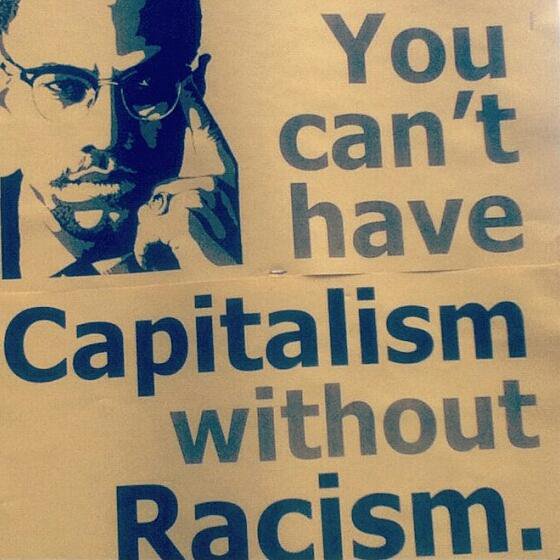
Introduction and My Experiences
“It is our duty to fight for our freedom. It is our duty to win. We must love and protect one another other. We have nothing to lose but our chains”.
You may recognize this as the rallying cry for the Black liberation movement in the United States, as written by Assata Shakur.
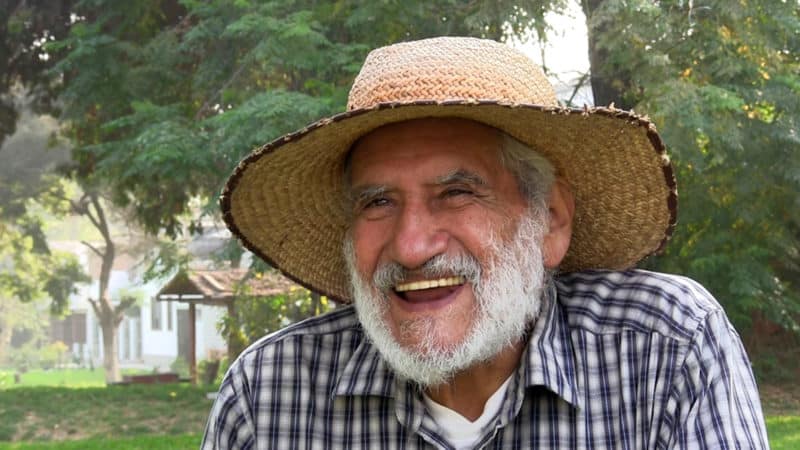
On a gray Saturday afternoon in Lima, Peru, this past April, I received a phone call from Hugo Blanco, veteran guerilla and survivor of multiple death sentences. “You wanted to talk?” he asked. “Come over now.” An hour later, after a ride through the city’s torturous streets, I was in the plaza in front of his house, an unpretentious single-level in a middle-class neighborhood north of the colonial center. I knocked and collected myself; I hadn’t actually expected him to respond to my request.
 [1]Djuena Tikuna during her performance at the Teatro Amazonas. Image: screenshot, Jornalistas Livres (Youtube)
On 23 August, Djuena Tikuna [2] became the first indigenous singer to perform on the stage of the Teatro Amazonas [3] (“Amazonas Theatre”) — a bastion of European culture in the middle of the world’s largest tropical forest.
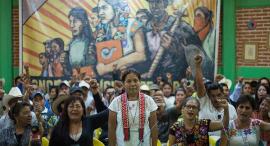 The Zapatista Army of National Liberation (EZLN), which led an armed uprising in Mexico’s southern-most state of Chiapas in 1994, and which has since then spent its time organizing autonomous communities in that state, is now putting forward an indigenous woman candidate for president in the 2018 elections. The Zapatistas hold the Mexican government and the country’s political parties in utter disdain, both for their corruption and for their disregard for the people they supposedly represent. The Zapatistas also reject elections and voting on principle. So, while they are putting forward health worker María de Jesús Partricio for president, they are not actually trying to elect her.
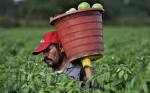
If you’ve seen any of the documentaries that are critical of U.S. agriculture, then you’re most likely aware of the increase in some innovative and somewhat unconventional experiments in growing food—bee hives and gardens on hospital roof tops, abandoned warehouses turned into greenhouses, farms that double as a local community’s source of fresh produce and the pizzeria.
The struggle at Standing Rock against the Dakota Access Pipeline (DAPL) was one of the major political mobilizations of 2016, combining the demand for Native rights with the call for environmental justice. New Politics asked Nancy Romer to cover these events for us. She was at Standing Rock from November 10-15.
Victory….for now
#NoDAPL
In 1847 as a famine created by both climate and man was unleashing death and destruction across Ireland, a group of charitable people across the Atlantic ocean raised money for those affected. They raised 170dollars and these people who managed to raise such a considerable amount of money were themselves without any prosperity but gave what they had because they knew the hardships famine and opression brought, they were Native Americans of the Choctaw Nation.
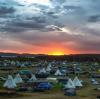
 We arrived at the Standing Rock encampment late afternoon on Thursday as the sun was beginning to go down. Driving into the site was truly amazing: it is enormous! It is a village of about 500 (probably more) tents, vans, RVs, etc, some of them huge and housing dozens of people. Lots more people who are participating in the daily activities, as I am, are staying at the Sioux-run Prairie Knights Casino Hotel. The hotel and casino are enormous too.The land defining the reservation is vast and the scenery is beautiful, calm and wide. Thousands of people have participated in the protest since it started in the spring.
Please Donate or Subscribe to New Politics!

The New Politics Summer 2026 issue is now in the hands of subscribers, featuring articles on Democracy versus Degeneration in the United States (with contributions by Dan La Botz, Ellen Schrecker on McCarthyism Then and Now interviewed by Elizabeth Rapaport, Ben Silverman on the fascism debate, Samuel Farber on free speech, Samuel Barney on rural prisons, and Raoul Cansino and Bill Kelly on nativism), Imperialism Around the World (with articles by Lisbeth Moya González on Cuba, Husam Mahjoub on Sudan, Siyavash Shahabi and imperialism and the working class, and Matt Benson on the Mapuche in Chile), interviews on labor struggles and Russian political prisoners, a history of the International Socialists, review essays by Frieda Afary on AI, Javier Sethness on Western Marxism, and Peter Drucker on Molly Crabapple, as well as reviews on Ukraine, the Teamsters for a Democratic Union, white rage, South Asia, and Afghanistan, plus a letter on women under the Taliban.