
Category: Education
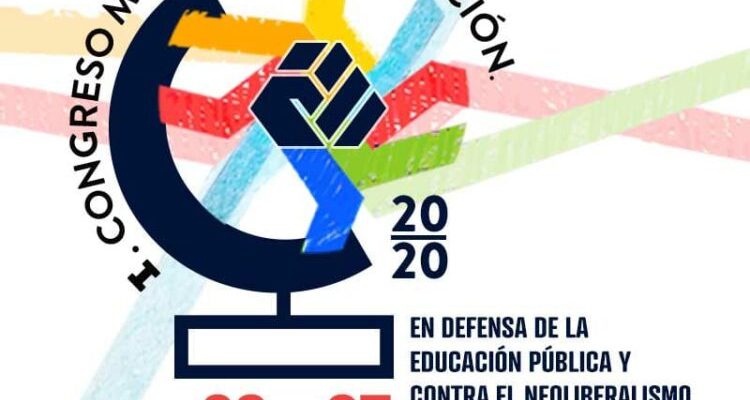
The following invitation to participate in the First World Congress in Defense of Public Education and Against Educational Neoliberalism was written by a broad coalition of educators in Latin America and Europe.

Higher education is structurally racist in large part because the working class needs it but does not have access to it, nor do they have the social support to succeed once they are there.

The process of neoliberal reforms has been well-established long before COVID-19 hit the nation. The global pandemic has only further entrenched this model, and countless thousands of staff in smaller colleges throughout the U.S. will now suffer its ramifications.
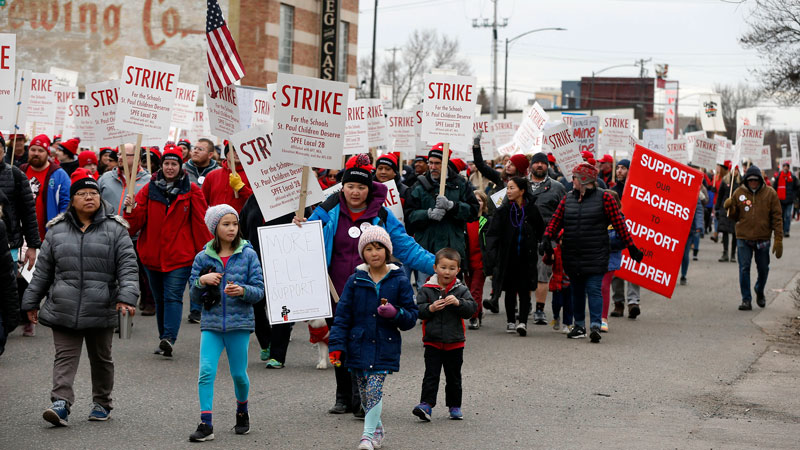
After over nine months of negotiations, on March 10, 2020 members of Saint Paul Federation of Educators (SPFE) took to the streets to fight for the schools our students deserve. Then, just one week later, we were back in our
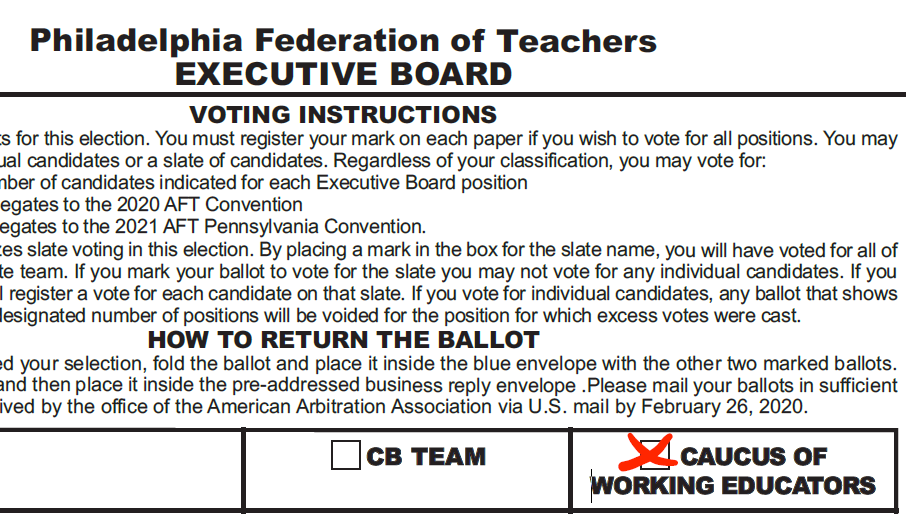
Members of the Philadelphia Federation of Teachers (PFT) have a chance to improve lives of Philly school educators and students, challenging control of schools by corporate elites, as did Chicago teachers when they elected a new generation of leaders from
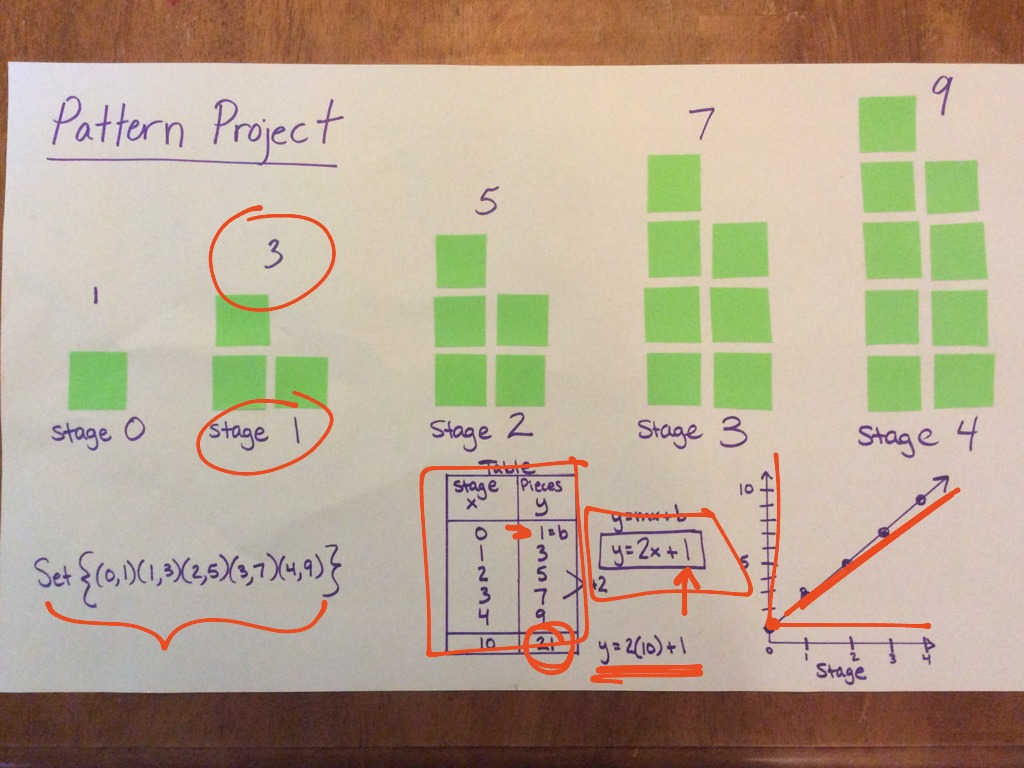
You can’t get the right answers if you don’t ask the right questions.
“What are the jobs of the future?” is the wrong question to ask about both work and education. It presumes a capitalist class determining the structure of employment
“What are the jobs of the future?” is the wrong question to ask about both work and education. It presumes a capitalist class determining the structure of employment

Editor’s note: Members of the Professional Staff Congress (PSC), the union representing professional staff and faculty at City University of New York (CUNY), are voting on a proposed agreement, a Memorandum of Agreement (MOA) with CUNY. The argument to endorse
Editor’s note: Members of the Professional Staff Congress (PSC), the union representing professional staff and faculty at City University of New York (CUNY), are voting on a proposed agreement, a Memorandum of Agreement (MOA) with CUNY. In this piece, Steve
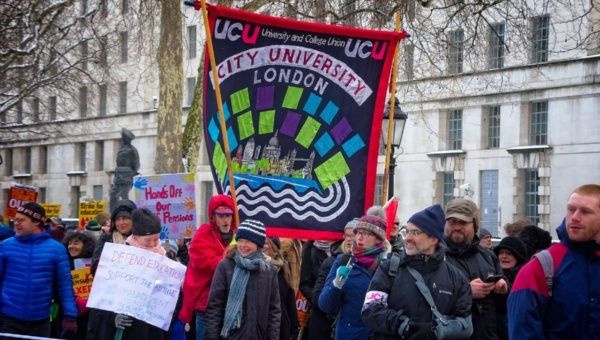
Members of the University and College Union (UCU), the national union for academic staff in the UK, are set to strike at 60 universities for eight days between 25 November and 4 December 2019. This follows a highly successful pair
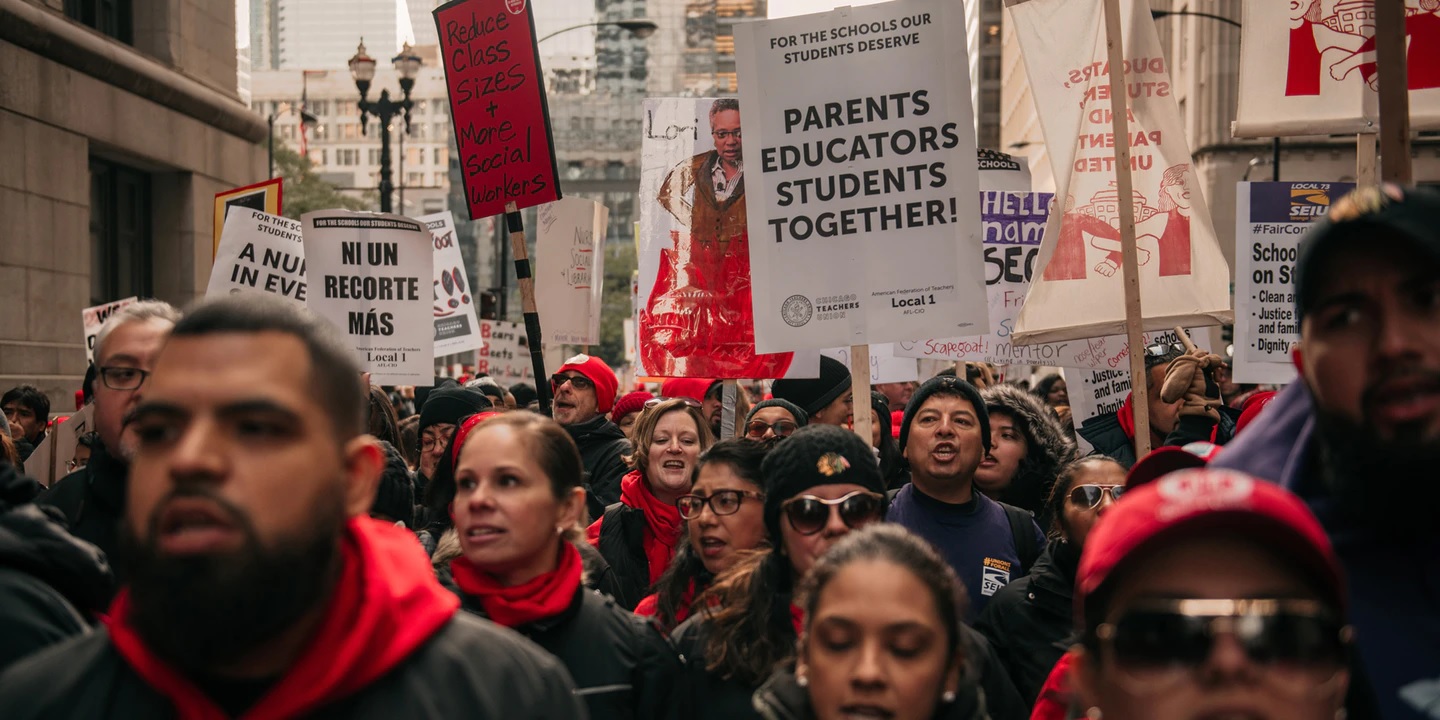
A harsh reality of teachers’ strikes is that they hit parents – moms especially, who still do most of the work of caring for kids and housework – the hardest. Parents are left frantically searching for childcare options, especially if
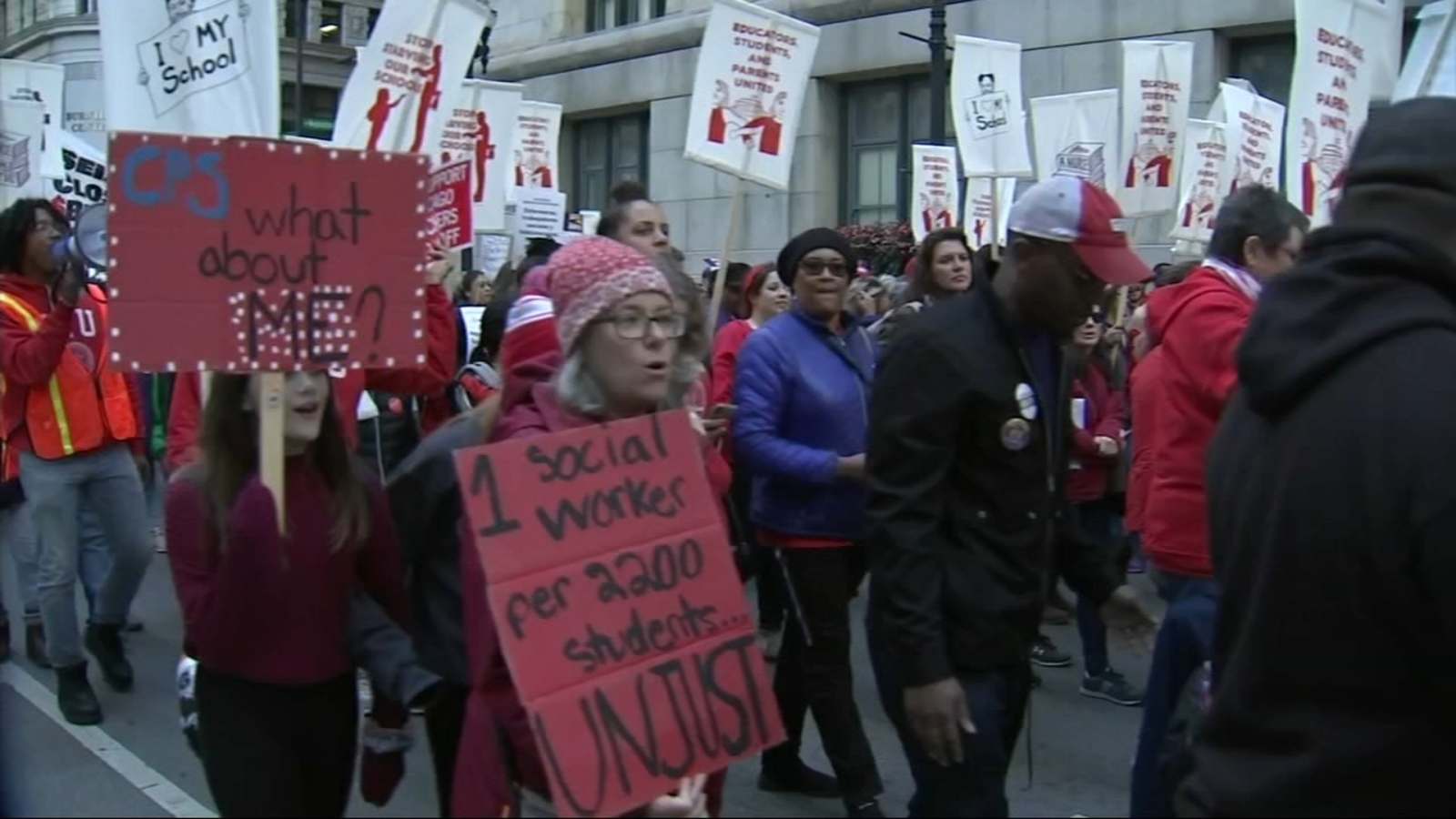
Though the media is casting the strike of education workers in the Chicago Public Schools as (just) another episode in the wave of teachers’ strikes, and the press in Chicago is doing its best to defeat the union, this contract
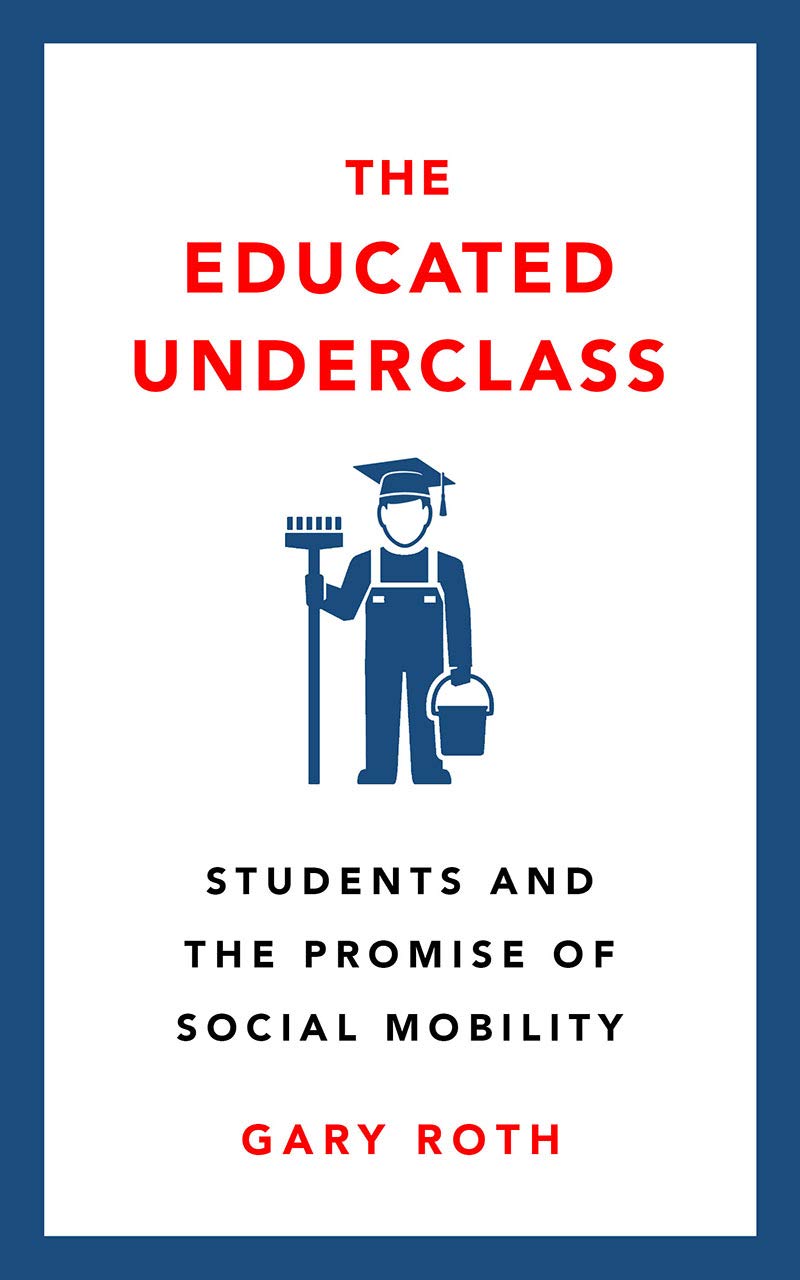
Scott McLemee reviews Gary Roth’s The Educated Underclass: Students and Social Mobility.

Red State Revolt is based on Eric Blanc’s “on the ground” reporting for Jacobin on the 2018 walkouts of education workers in Oklahoma, West Virginia, and Arizona. He aims to tell the stories of the walkouts
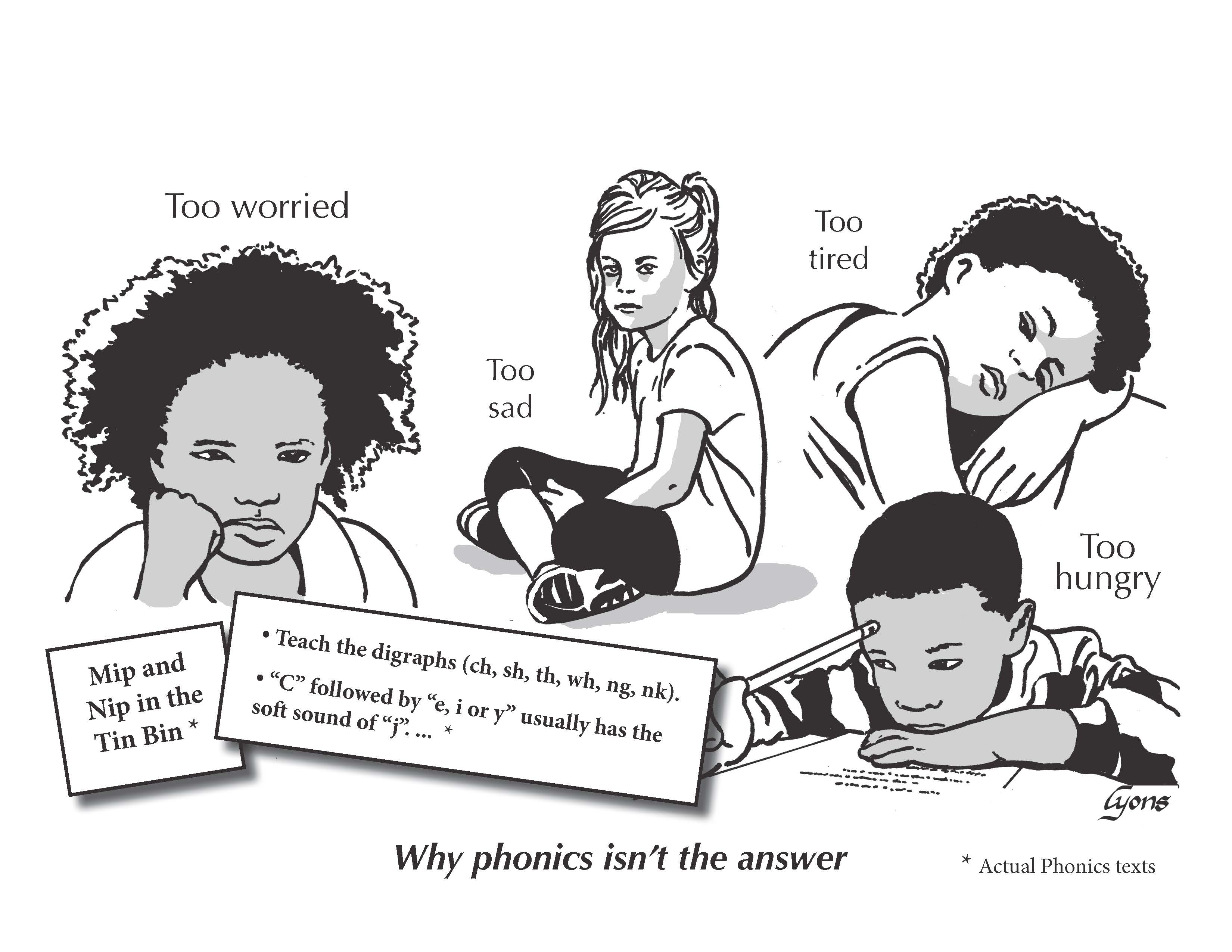
Why are we still teaching reading the wrong way?” Why are “more than 60 percent of American fourth-graders not proficient readers?” asked Emily Hanford, an American Public Media correspondent, in the New York Times (October 26, 2018) and on public

Seemingly overnight, politicians are tripping over themselves as they clamor for prison reform in a climate where cases of police murder and prison abuses have drawn thousands in protests onto the streets. Today, few would doubt that America’s criminal justice
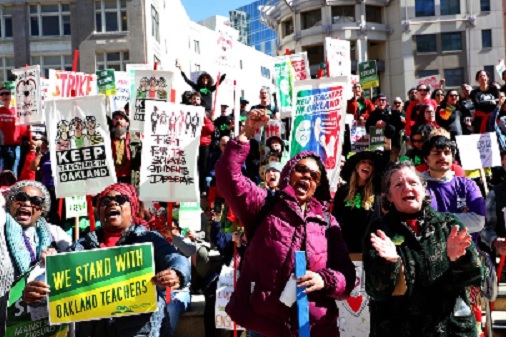
Editor’s note: This article responds to analysis New Politics has already published on the Oakland teachers’ strike. In hosting different viewpoints on the strike, New Politics continues its tradition of opening its pages (and now its website) to debates about
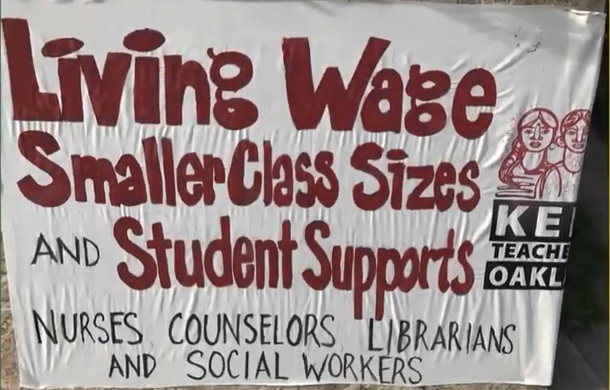
Jack Gerson, retired Oakland teacher and former executive board and bargaining team member, analyzes what occurred and why in the Oakland teachers’ strike.
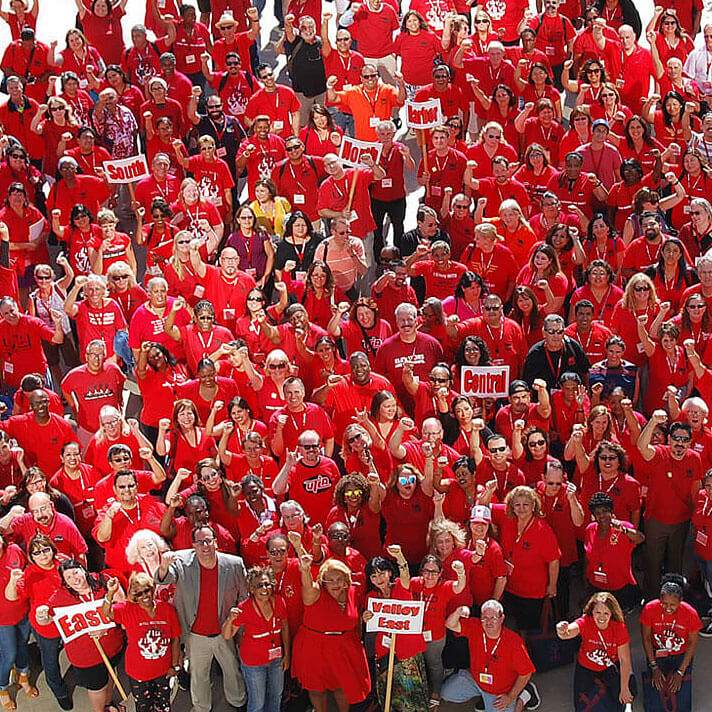
In January 2019, a massive strike of over 30,000 public school teachers stunned the Los Angeles power structure when it received massive, almost unanimous public support, especially in the city’s large Latinx and Black communities. Latinx students now make up
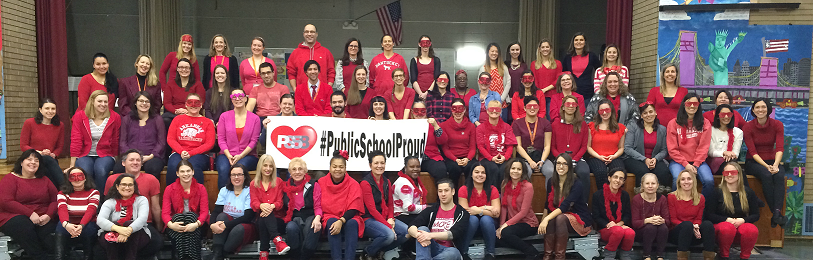 Note: While teachers in Los Angeles Unified School District have voted overwhelmingly to authorize a strike, members of the largest teachers union local in the US, the United Federation of Teachers (UFT) in New York City, are debating a proposed contract settlement. In this guest blog, UFT activist Dan Lupkin explains why he wants the proposed contract to be voted down. We invite other opinions on this debate underway in the UFT. – Lois Weiner
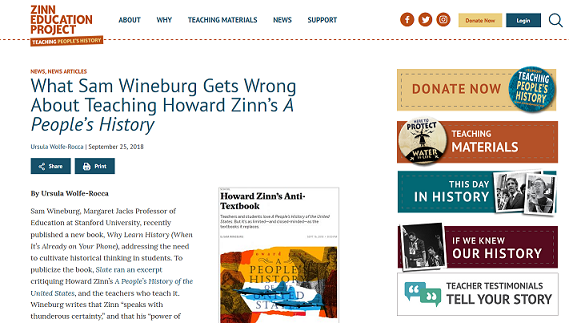
The Zinn Education Project has published a fine response to an article based on Sam Wineburg’s book, “Howard Zinn’s Anti-Textbook.”
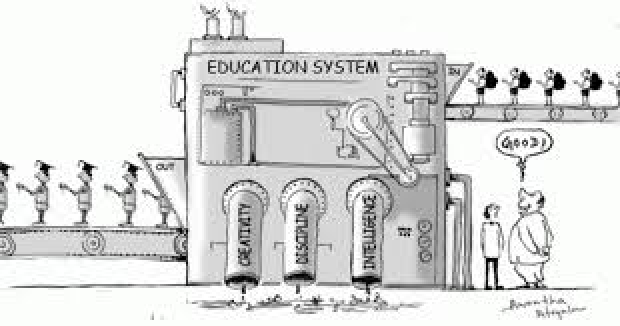 Note: In this guest blog, Gerald Coles, known for his work in literacy education and disabilities, describes capitalism's love/hate relationship with public education.
- « Newer Posts
- 1
- 2
- 3
- 4
- 5
- 6
- …
- 11
- Older Posts »