Place: South Africa
The rise of Afrophobia in South Africa cannot be understood outside the context of deep inequality, unemployment, dispossession, political manipulation, and the failures of post-apartheid transformation.

At the BRICS summit in Rio de Janeiro (6–7 July 2025), no real desire to break away from the US currency was expressed. De-dollarzation remains a distant prospect.
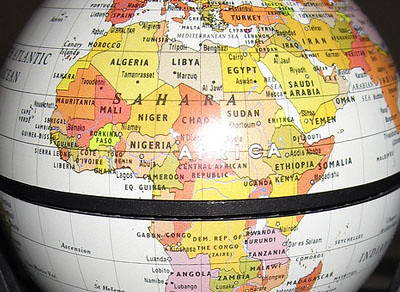
Africa today stands at a crossroads, caught between internal crises, shifting global power dynamics, and the slow unraveling of the post-liberation political order. Across the continent, ruling parties that once commanded legitimacy as national liberators are losing their grip; yet
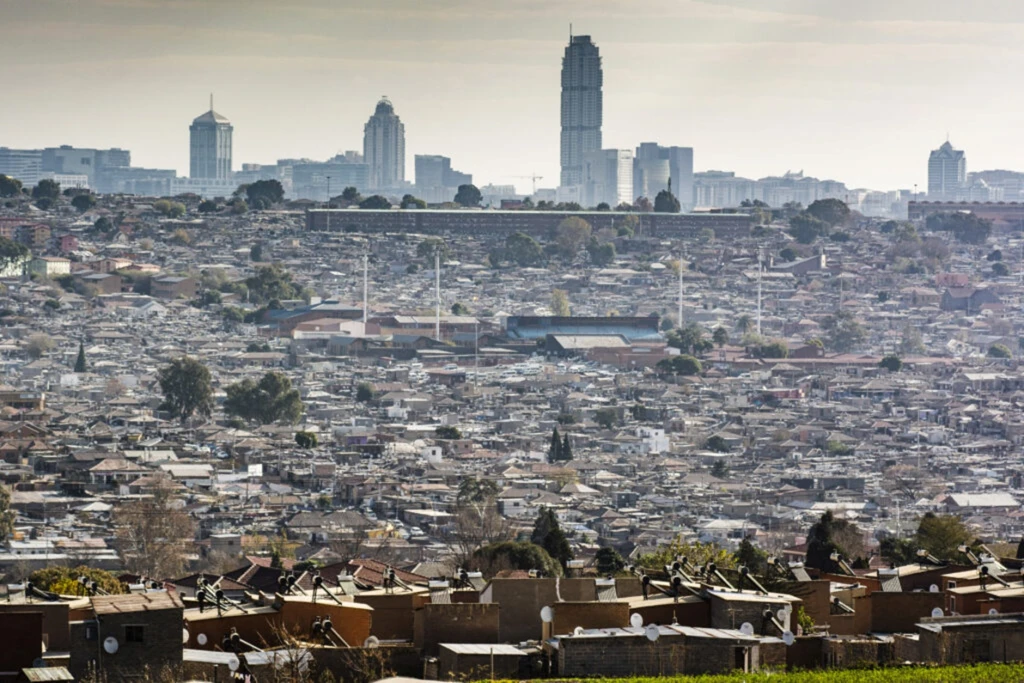
Cyril Ramaphosa presides over a corrupt administration in a weak and stagnant economy and a society with extreme poverty and inequality. South African capitalism is a basket case. How long can it hang on without a massive reaction from its people?
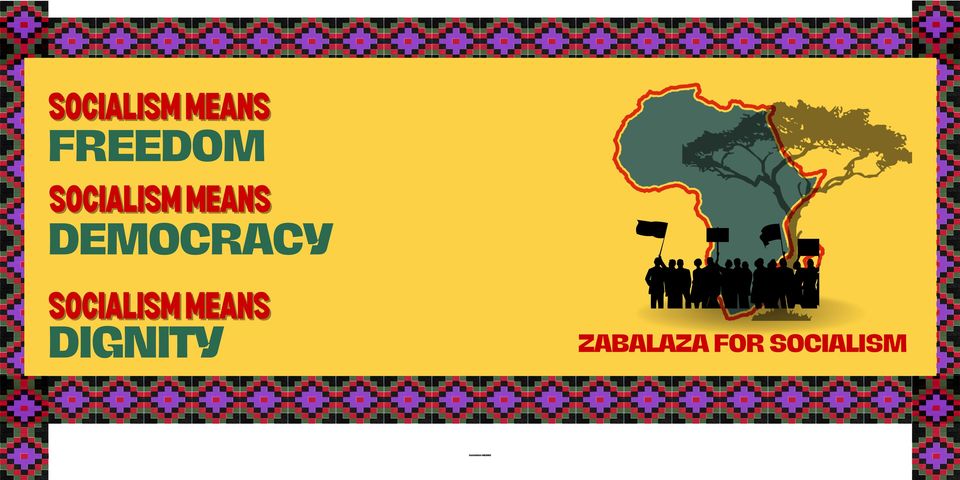
Launch statement of Zabalaza for Socialism (ZASO), a new eco-socialist, feminist, and anti-racist organization in South Africa, which aims to unite the left and contribute to building a mass movement for socialism in response to the crisis and failures of capitalism in the country.
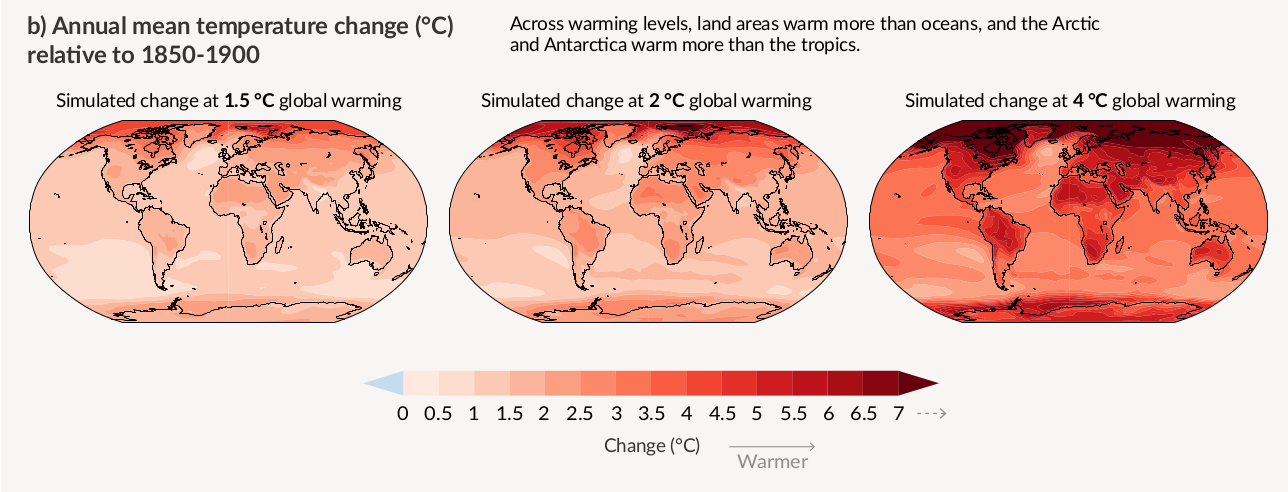
Since publication of its first assessment report in 1990, the IPCC has borne witness to the ever-worsening problem of anthropogenic climate disruption, together with what amounts to humanity’s suicidal failure to address the factors threatening collective destruction.

Everyone’s focus is on trying to save what is dying in South Africa. Few are paying attention to what is struggling to be born.

An examination of the significance of BRICS countries as “sub-imperial” powers in the context of global capitalism and imperialism.
We are the children of uprisings, a generation standing on the shoulders of those that came before us, and a people united to usher in a new world. We call on our siblings across the world to join us on June 19th.
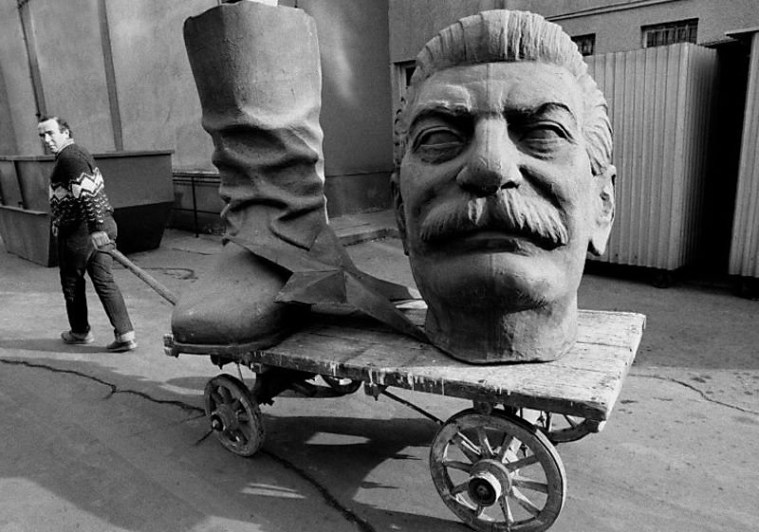
Remember when the Berlin Wall came down? I do.
Glued to TVs in DeKalb, Illinois, my college friends and I watched in envy and amazement as the young Berliners on our screens swarmed all over that unholy edifice attacking it with
Glued to TVs in DeKalb, Illinois, my college friends and I watched in envy and amazement as the young Berliners on our screens swarmed all over that unholy edifice attacking it with
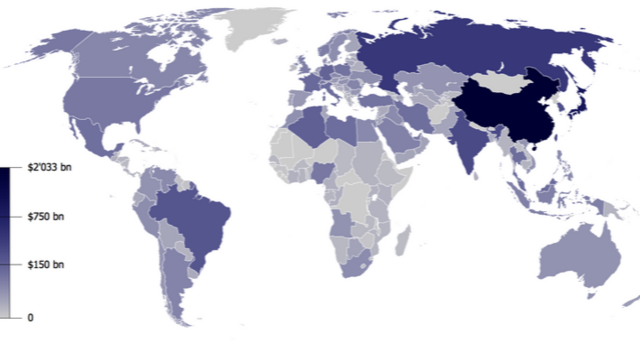
Trade and currency wars, financial volatility and economic turbulence are now the most important features of the world economy.
The elements of a new international financial crisis are in place. Although we do not know when it will break out, it
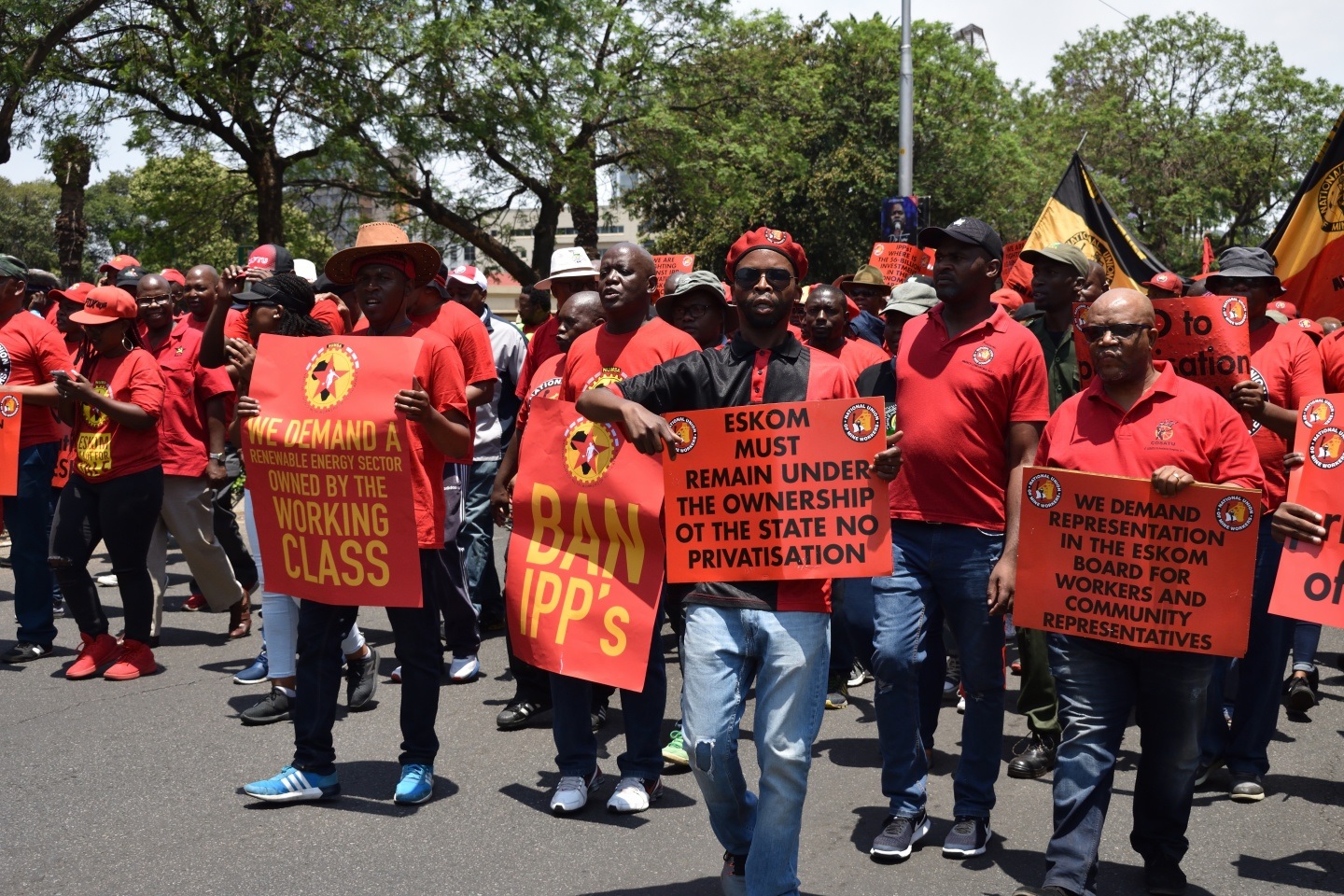
The election of a new government should be a time of celebration. 25 years since the end of Apartheid should be the time of immense celebration. Yet, 25 years since the “dawn of democracy” and South Africans are engulfed by
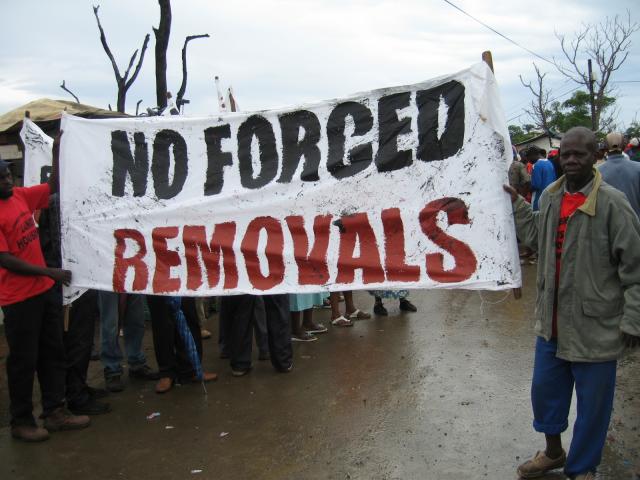
In South Africa ten members of a militant shack dwellers organisation have been assassinated in the past six years. Yet many progressive organisations have distanced themselves from these militants. Jared Sacks exposes the complicity of a mainstream NGO that could have played an important role defending the movement against these political assassinations. Sacks argues that when movements refuse co-optation, repression, including assassination, become necessary to maintain power.

Adapted from a presentation to the Chicago Convention of the International Marxist-Humanist Organization, July 13, 2018.

On May 12, Brazil's democratic government, led by the Workers’ Party (PT), was the victim of a coup. What will the other BRICS countries (Russia, India, China, and South Africa) do? Will they stand by as the reactionaries who took power in Brasilia pivot closer to Western powers, glad to warm Dilma Rousseff's seat at the BRICS summit in Goa, India in five months’ time? Or take a stronger line, following the lead of Latin American progressive countries (Venezuela, Cuba, Ecuador, Bolivia, Nicaragua and El Salvador)?
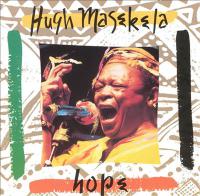
Hugh Masakela, the great South African trumpet player was joined by Vusi Mahlasela, the guitarist and singer in a “Twenty Years of Freedom” concert at Queens College on February 19, 2015. They played many of Masakela’s classics of the 1960s and 70s such as the lovely 1968 hit “Grazin’ in the Grass,” the joyful and inspiring“Bring Back Nelson Mandela”, and the sad “Stimela – the Coal Train”, to an audience many of whom had been supporters of the freedom struggles against apartheid in South Africa until its overthrow in 1994.
 [Ed. note: This essay by James Kilgore was the winner of the Daniel Singer Prize for 2013. Kilgore lived in South Africa from 1991-2002. During that time he was a fugitive from U.S. justice living under the pseudonym “John Pape.” He worked as an educator and researcher for unions and social movements. In 2002 he was arrested on the streets of Cape Town, then extradited to the United States where he served six and a half years in prison. In July 2012 he returned to South Africa for the first time since his arrest. Here he presents his reflections on the journey.]
Patrick Bond’s piece “Mandela: Was he pushed or did he jump?,” posted At Links International Journal of Socialist Renewal, graphically describes the catastrophic transition from South African apartheid to today’s neoliberalism – a sobering cautionary tale for all fighting for radical democratic change today – in Greece, in the U.S., in the Middle East, and beyond. Even though the neoliberal pressures are enormous, we all need to think about strategic alternatives.
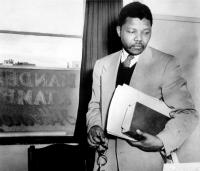
The question of where Mandela would be laid to rest was finally resolved in June, months before he passed away on December 5, 2013.
I’m here with Mazibuko Jara. Mazibuko is from the Democratic Left Front of South Africa. He was spokesperson for the South African Communist Party and the deputy secretary for the Young Communist League, back a decade and more ago. He is one of the co-founders of Amandla magazine and the Democratic Left Front, and they’ve been extremely active in the support for the Marikana miners and for South African farmworkers, and elsewhere. We’ll talk about this and more in this interview. Today is Sunday, Dec 2, 2012.
[This article will be appearing in the summer 2013 issue of New Politics.]