

Category: Education
Students wore their feelings on their faces, anger about the failure of the government to take care of their education, anxiety about the police, joy in carrying out their massive protests.

Éloise, a graduate student in contemporary history working on environmental issues, said, “As a graduate student, I’m also a teacher, and I’m here for my students.
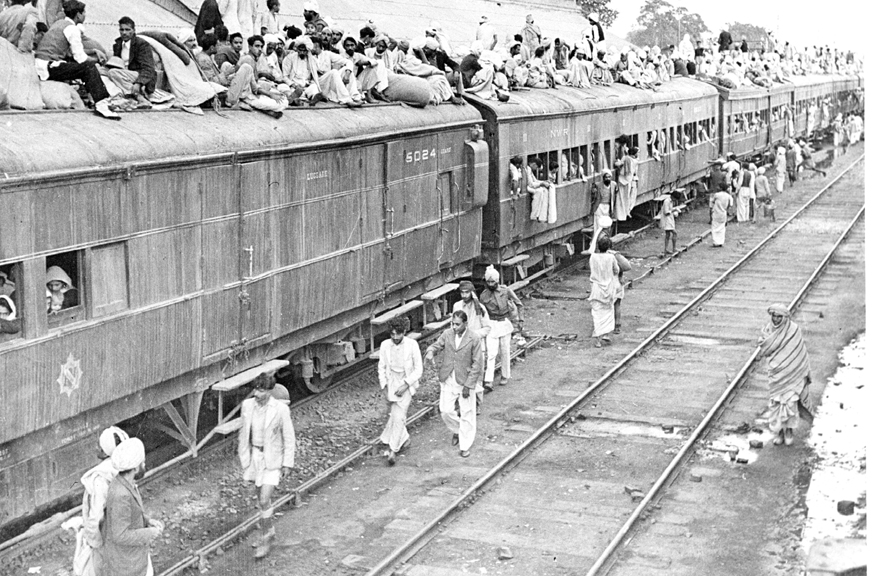
75 Years After Partition: India, Pakistan, and Bangladesh offers a timely, interdisciplinary intervention into the cultural memory, historiography, and ideological reproduction of the 1947 Partition of British India and the 1971 Liberation War of Bangladesh. Spanning cinema, literature, textbooks,
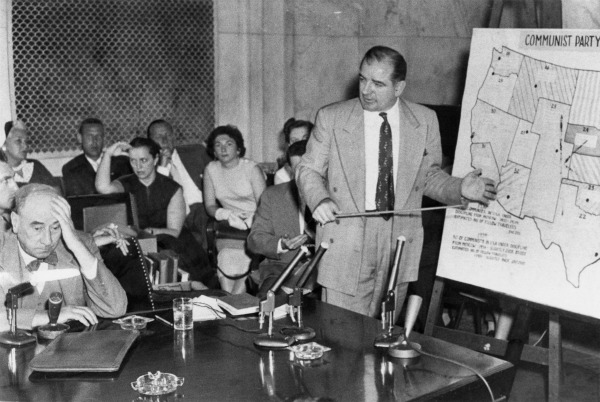
Historian Ellen Schrecker discusses how the repression against students and workers in higher education today are in many ways worse than McCarthyism.

Frieda Afary recommends two critical works on AI, Emily Bender and Alex Hanna’s AI Con and Kate Crawford’s Atlas of AI.
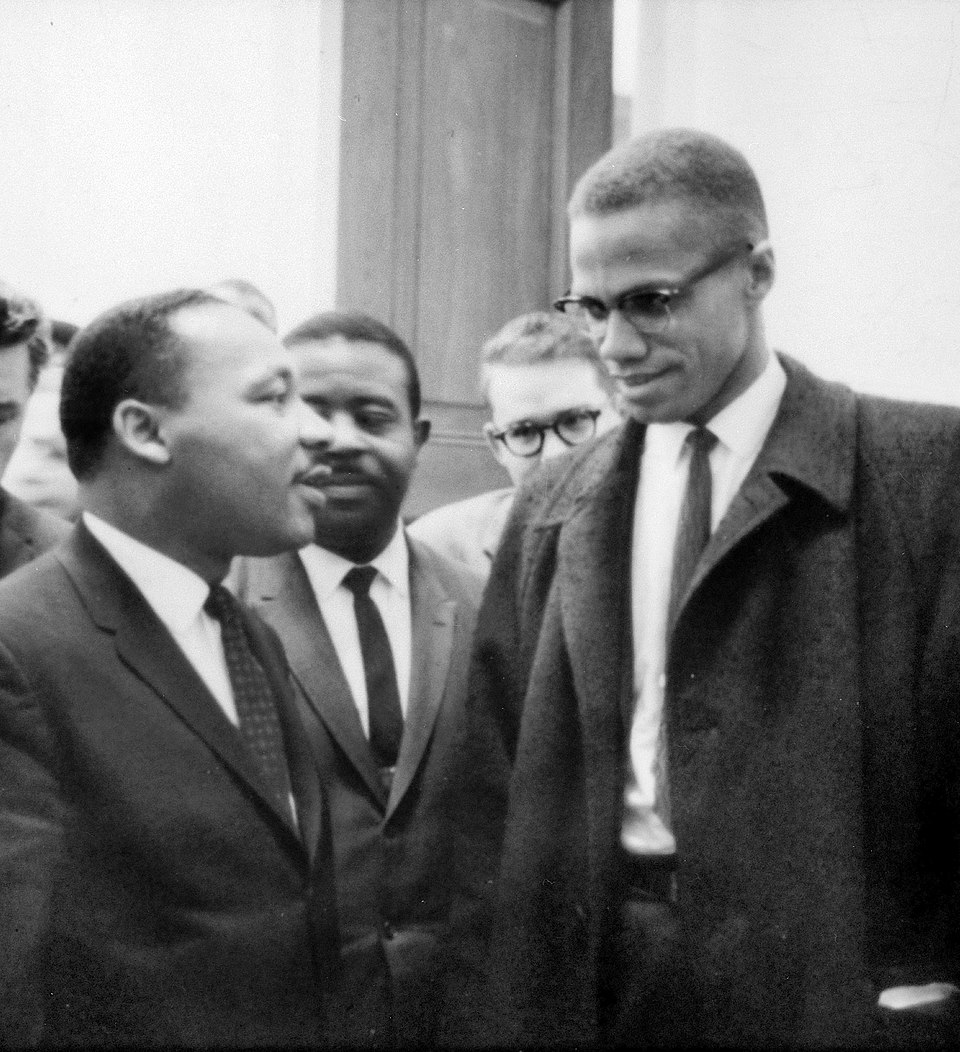
Brian Ward recommends Brian Jones’ book Black History Is for Everyone, an essential resource on Black history as a vital part of collective human story for all.

Lois Weiner analyzes worsening attacks on education rooted in increasing big tech control, and calls for a resistance led by militant, democratic teachers’ unions.

Rezgar Akrawi argues that artificial intelligence, if freed from capitalist control and developed democratically, can serve emancipatory purposes.

Netflix’ Adolescence is a flawed but powerfully crafted drama. The acting and particularly the dialogue is superb – its poignant, witty in places, and offers up a powerful evocation of working-class family life. The existential flaw in the program, however,

I was born in 1955 in the segregated state of Alabama where the oppressive conditions of segregation meant that my only escape was to “travel in thought” which could only be found in books.
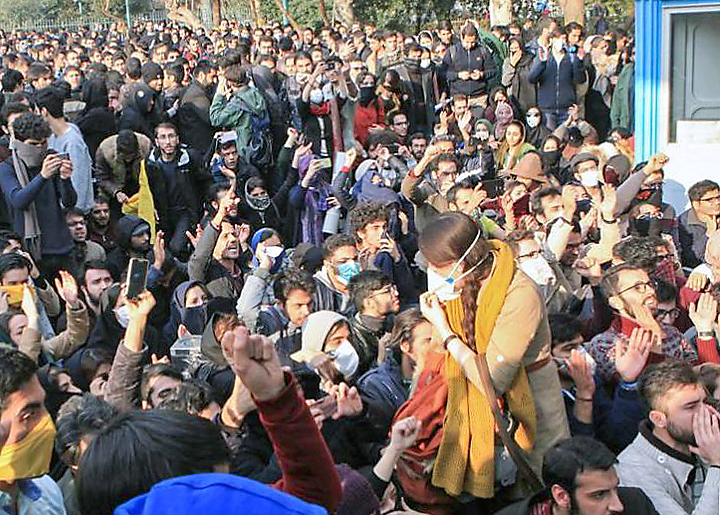
The systemic violation of students’ rights and freedoms has persisted for forty-five years under the Islamic Republic of Iran, including the current period under President Masoud Pezeshkian.
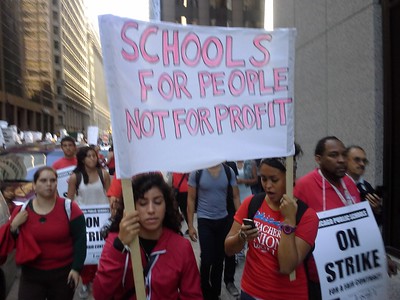
In either a Harris or Trump presidency, we’ll need to fight powerful elites to save public education

Linda Xheza interviews Ariella Aïsha Azoulay, on the universities’ systemic complicity in imperialism and the significance of anti-imperialist student encampments.
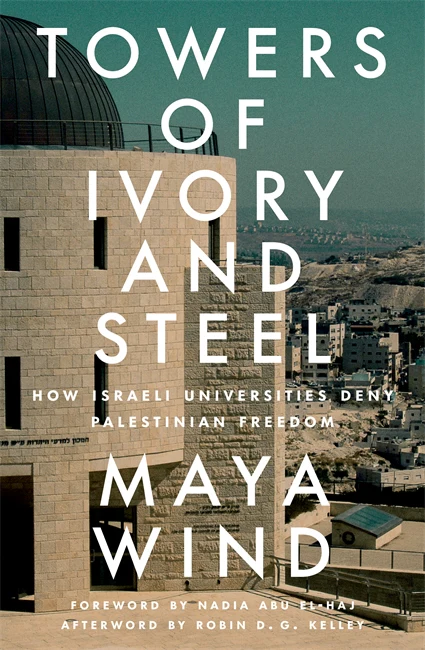
Review of Maya Wind’s new book, Towers of Ivory and Steel: How Israeli Universities Deny Palestinian Freedom
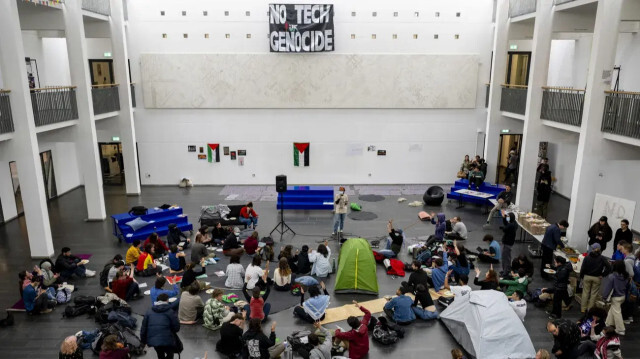
I fully associate myself with the terms of the letter from the teachers and researchers of your university, in particular with their defense of academic freedom and respect for the formation of critical knowledge.
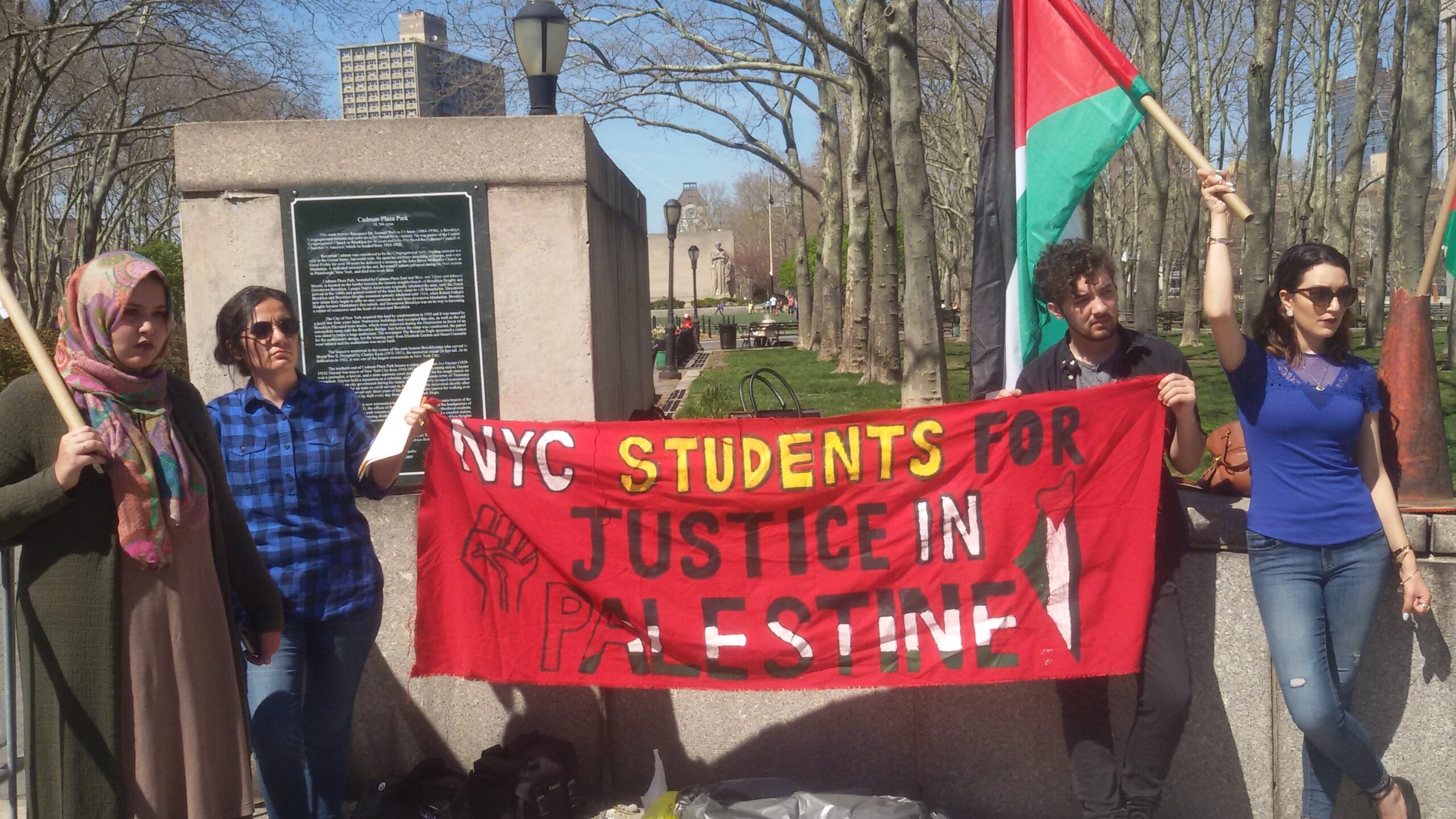
We, the Student Movement for Palestinian Liberation, demand institutional accountability and immediate divestment from Israel and its genocide of the Palestinian people of Gaza.

Guy Miller reviews Gordon K. Mantler’s “The Multiracial Promise,” an account and analysis of Harold Washington’s mayoralty in Chicago in the 1980s.
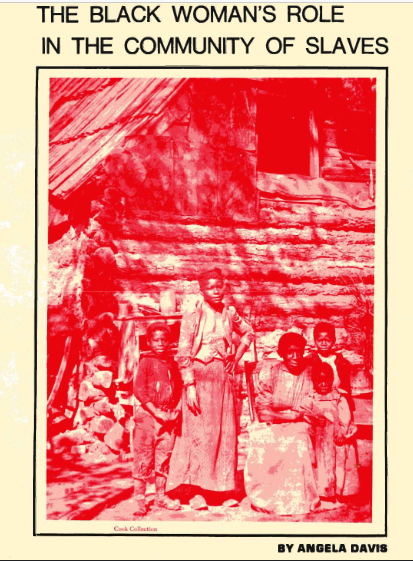
Before the Florida Department of Education issued its curriculum directive that slavery in the United States did, after all, produce “personal benefits” for the enslaved in the form of a well-stocked resumé of trades, useful after Emancipation in 1863, the board members might have consulted a seminal document in the literature of the oppressed—Angela Davis’s 1971 essay, “Reflections on the Black Woman’s Role in the Community of Slaves.”

Phil Gasper interviews radical educator Jesse Hagopian about attacks on anti-racist education in the United States.
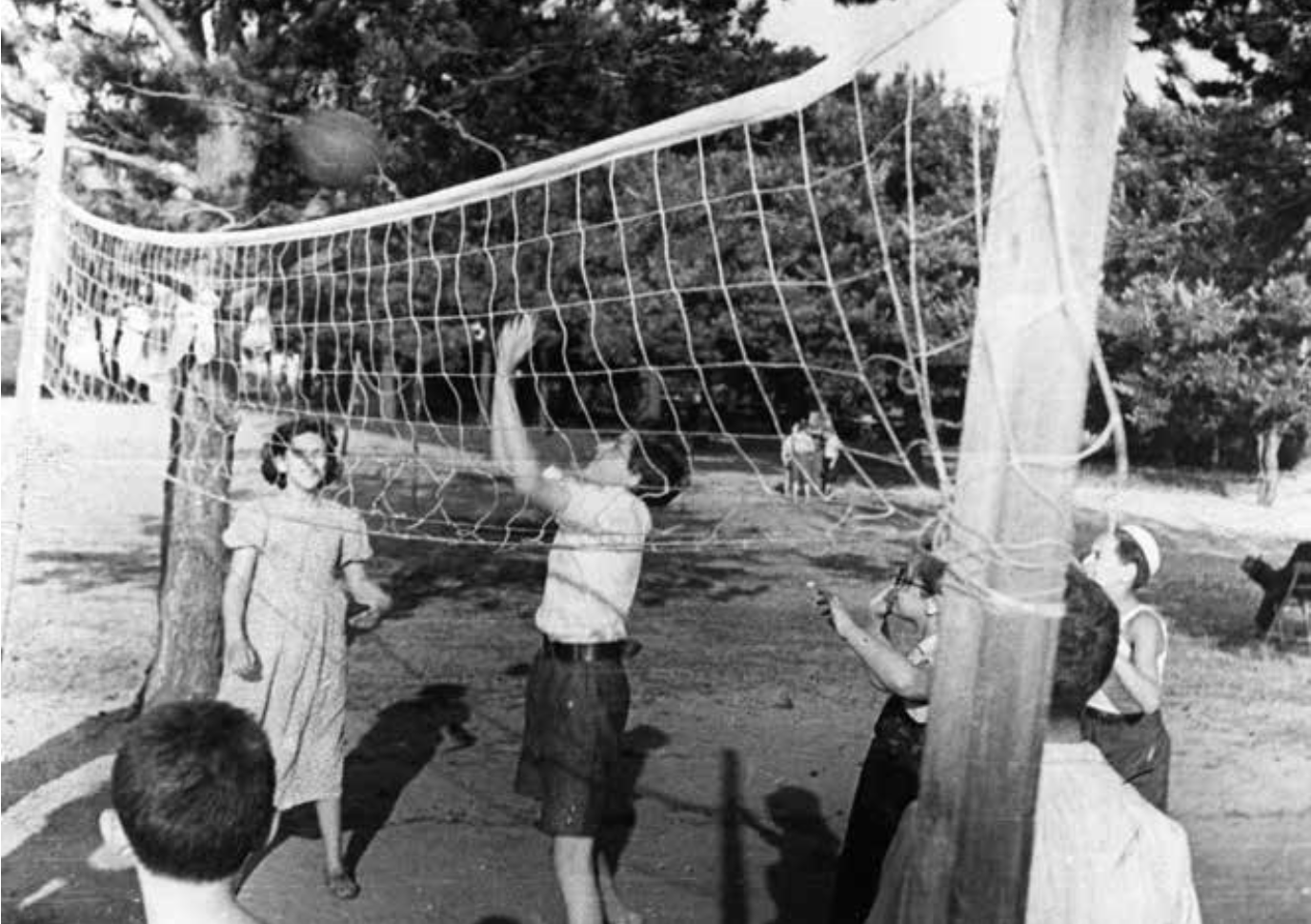
Children at the Medem Sanatorium reading the Bund’s daily newspaper, the Folkstsaytung
Secularism and enlightenment swept through the insular world of East European Jewry, starting in the middle of the 19th century, and ending in the 20th with the
Secularism and enlightenment swept through the insular world of East European Jewry, starting in the middle of the 19th century, and ending in the 20th with the
- 1
- 2
- 3
- 4
- …
- 11
- Older Posts »