Category: Civil Liberties/Repression
Samuel Barney narrates the history of Clinton Correctional Facility, a prison in upstate New York long used to imprison left radicals.

The events in Minneapolis confirm that we now live in the grip, the death grip, of an authoritarian government, but also that there is a powerful, popular resistance. We are in a struggle for justice, for democracy, and for our lives. And that struggle goes on, most intensely in Minneapolis, but also everywhere else in the country. And the end is not in sight.

These three excerpts provide anonymous accounts from Minneapolis of resistance to ICE’s occupation of the Twin Cities since early December. The first two reports describe protests following ICE agent Jonathan Ross’s murder of Renee Good on January 7th and the shooting of a Venezuelan immigrant on the 14th. The third describes rapid response networks organized to monitor ICE and warn neighbors about their whereabouts.

Millions of Americans are deeply saddened and increasingly angry about the murder of a mother of three by Immigration and Customs Enforcement (ICE) and thousands are protesting in hundreds of cities and towns around the country.

In this 1953 article, Julius Falk (Jacobson) analyzes contradictions between capitalism and democracy, which lead to repression of civil liberties.
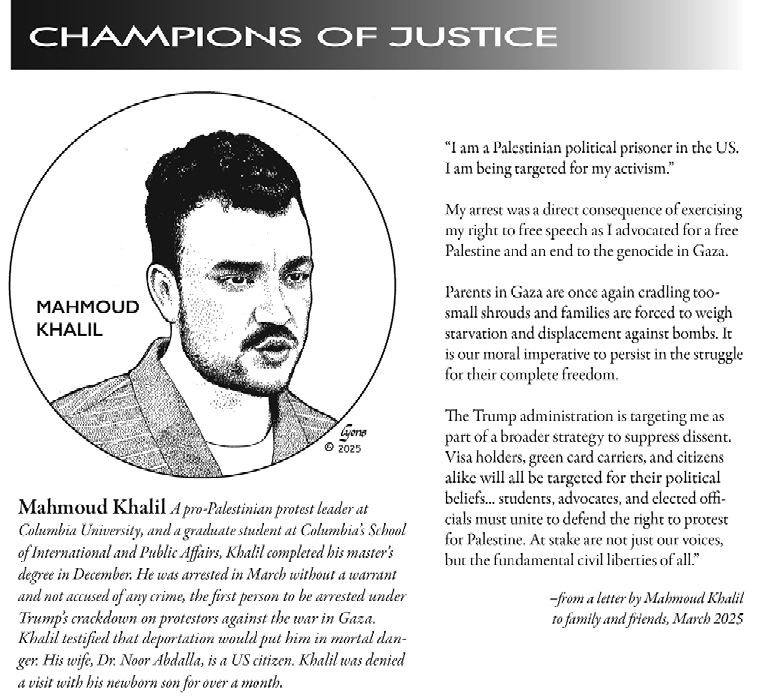
ICE is not just a tool of reactionary immigration policies, but part of a more general instrument of political repression.
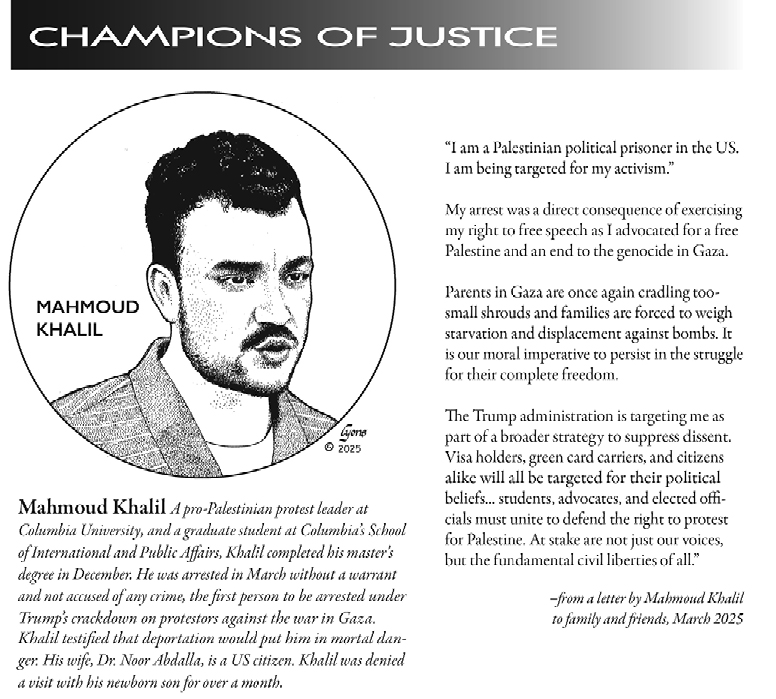
How ICE has been created specifically as a tool of repression beyond any immigration purpose.

The feminist perspective on the death penalty in Iran reveals a complex interplay between gender, power, and the legal system
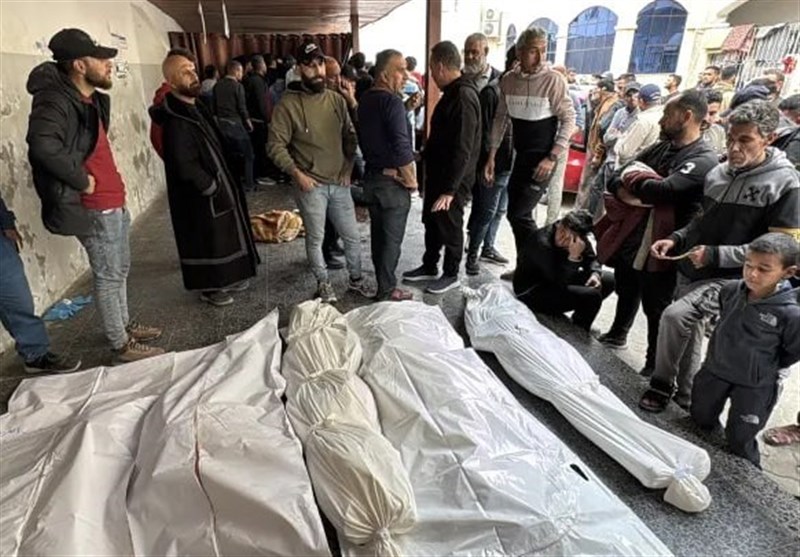
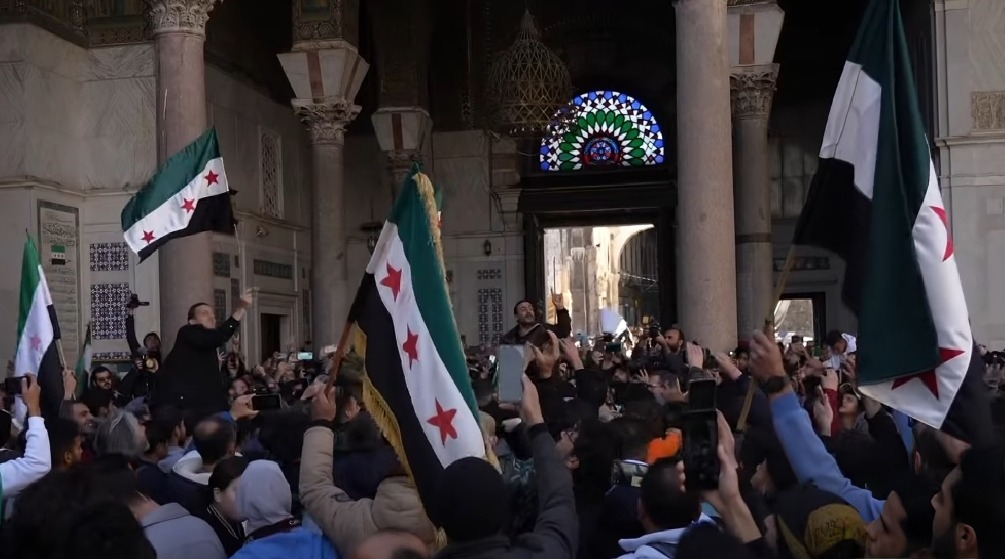
Saeed Rahnema analyzes the fall of Assad from a long-term historical perspective, and warns the threats posed by religious fundamentalism and the emboldened Turkish regime.

Hank Kennedy reviews Wilson and Keko’s Freedom Shall Prevail, a comic book on the life of Abdullah Öcalan and the Kurdish freedom struggle.

Syrian poet Mohja Kahf celebrates the human rights activist Razan Zaitouneh, and calls for a future Syria based on her vision.
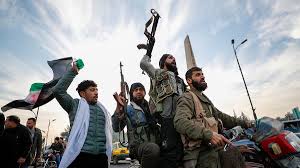
In this interview, conducted amidst a rapidly changing situation in Syria, Tempest asks Swiss Syrian socialist Joseph Daher about the process that led to the fall of Assad’s rule, the prospects for progressive forces,

Daniel Johnson analyzes struggles over historical narratives in the US, and calls for renewal of history from below, against the right-wing censorship.
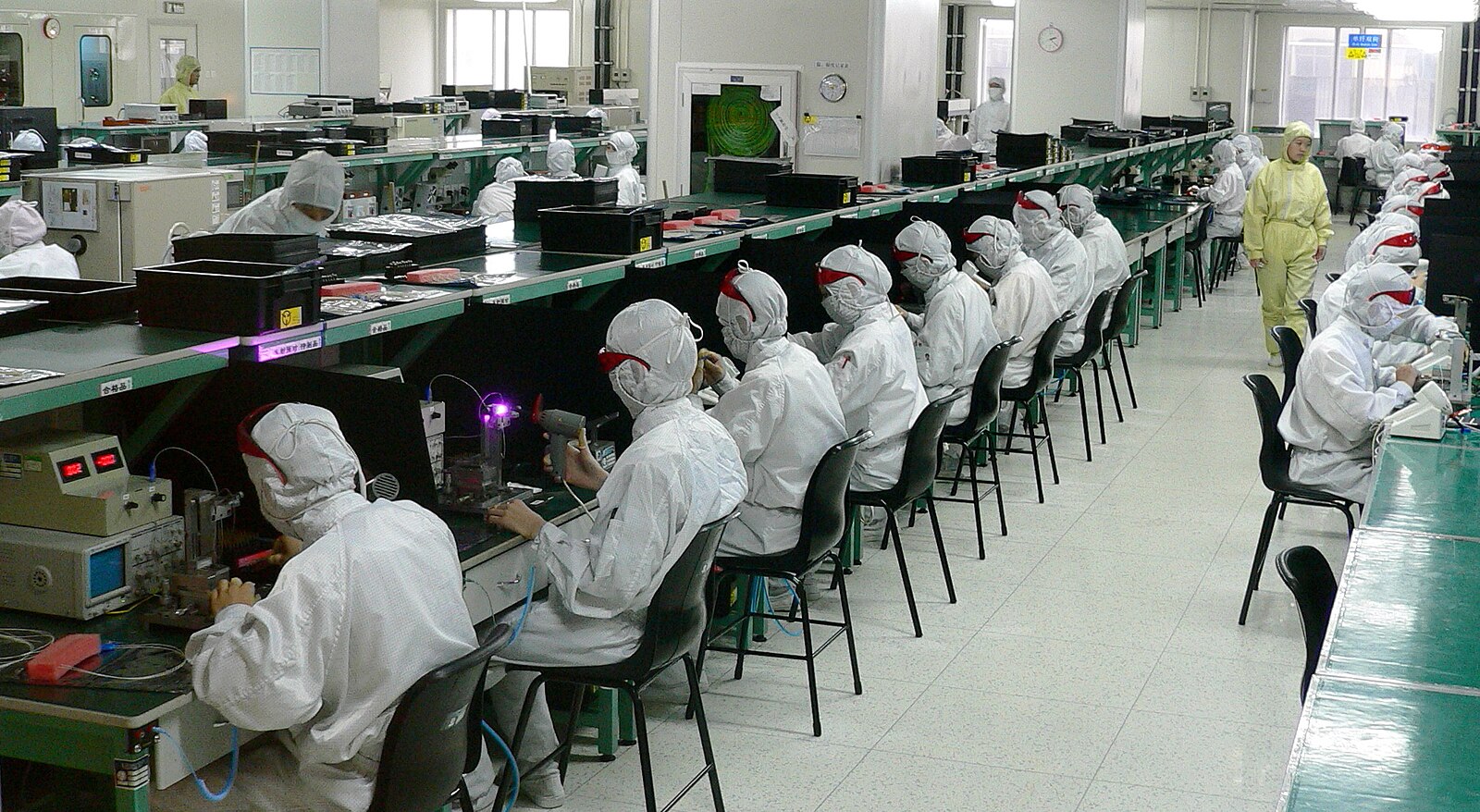
Ruo Yan and Andrew Sebald introduce a symposium on the independent working-class struggles in China, calling for international solidarity.
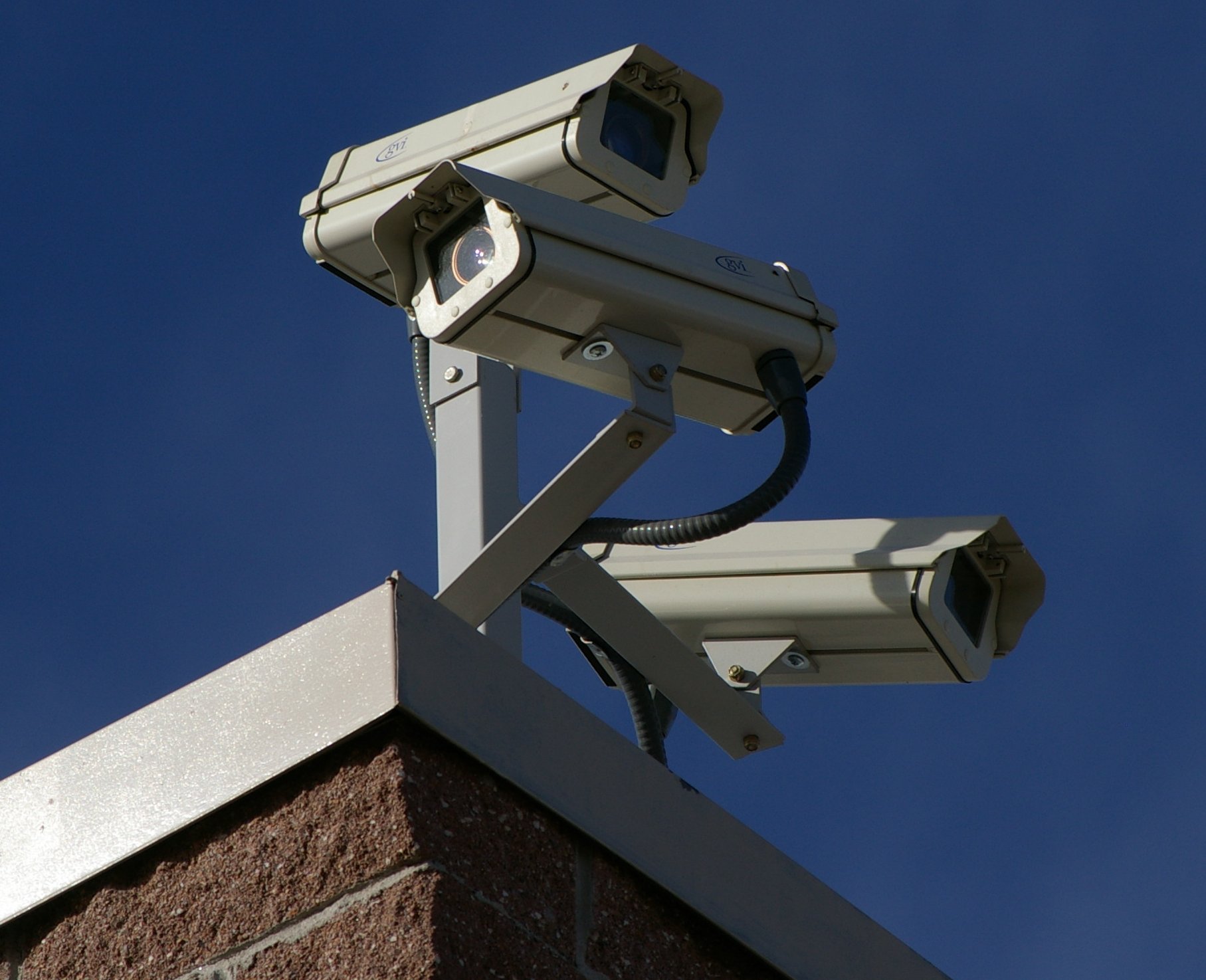
On the extensive collaborations between the Chinese and Israeli regimes on surveillance technologies, which are also increasingly used in North America.
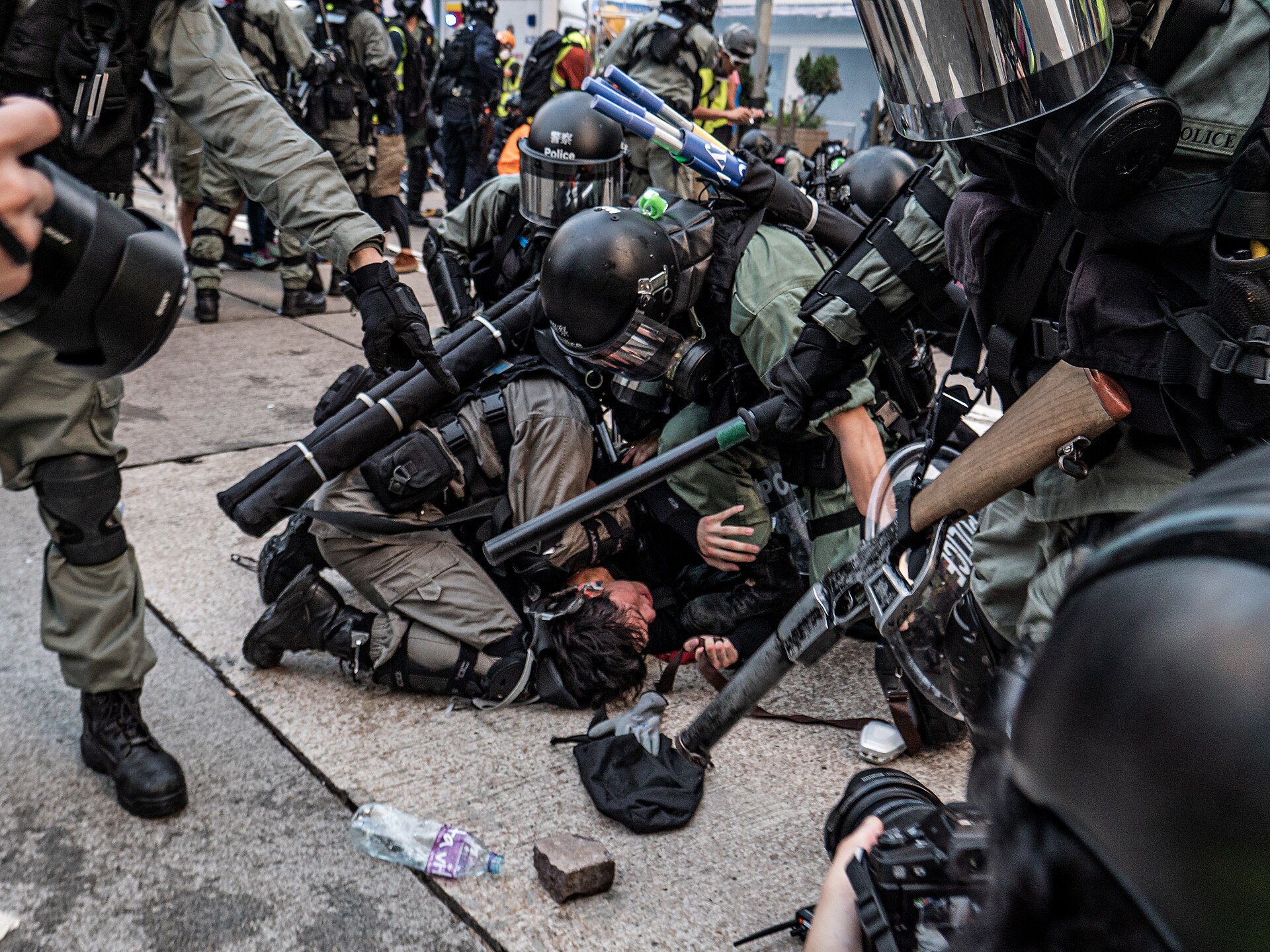
Julie Liu and Roy Li discuss the trajectory of labour struggles in China in recent years, fighting against severe state repression and censorship.

John Washington calls for abolition of borders, which he argues are dangerous, artificial and illegitimate.
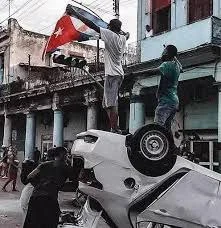
“The conditions in Cuba are tough for those dissenting,” Alina Bárbara López says. “I have refused to flee Cuba and that strengthens the pressure on me. Nevertheless, I believe it is possible to get involved.”
John Clarke recommends Oliver Kearns’ book “The Covert Colour Line,” on racism as the foundation of US and British intelligence agencies.
- « Newer Posts
- 1
- 2
- 3
- 4
- 5
- …
- 19
- Older Posts »