Author: Iraq
On the morning of March 2, 2026, as Yanar Mohammed was leaving her home in Baghdad’s Al-Bunouk district, she was targeted in an armed attack. Two assailants on a motorcycle fired several shots at close range. Although she was immediately transferred

A critique of the Left’s unconditional solidarity with ruling Kurdish parties, and a call for class-based solidarity that sides with the working class for a democratic state that guarantees equal rights for all.
The road to the rights and freedoms of the Kurdish people runs through the rights and freedoms of their Arab, Turkish, Syrian, and Iranian neighbors, in a state that does not question its citizens about their origins, that guarantees them bread and freedom, and that respects their human dignity.

The Code grants men sweeping privileges in matters of marriage, divorce, inheritance, and child custody, while stripping women of these rights almost entirely. It treats women as perpetual minors under

Hank Kennedy reviews Wilson and Keko’s Freedom Shall Prevail, a comic book on the life of Abdullah Öcalan and the Kurdish freedom struggle.
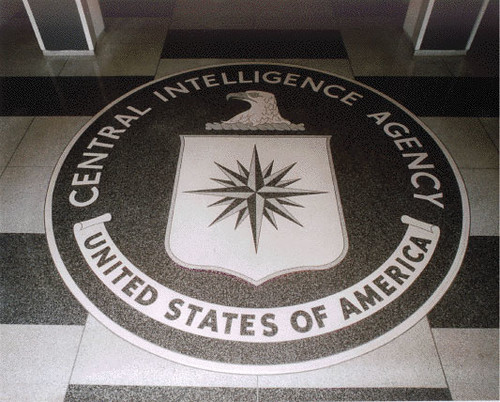
John Clarke recommends Oliver Kearns’ book “The Covert Colour Line,” on racism as the foundation of US and British intelligence agencies.
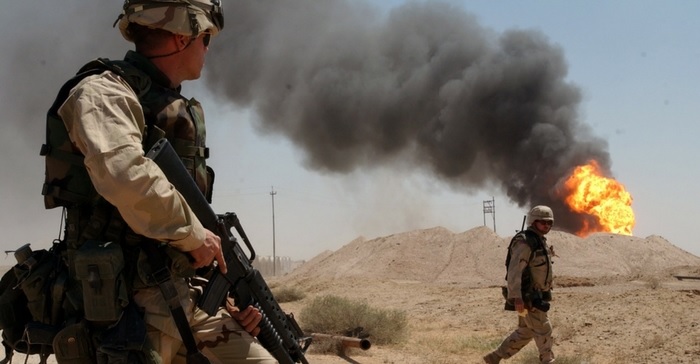
The only thing “lite” about American empire turned out to be a dogged unwillingness to accept any culpability in using power to try and remake the world, instead insisting that the exercise of violence could be innocent as long as the right people were doing it.
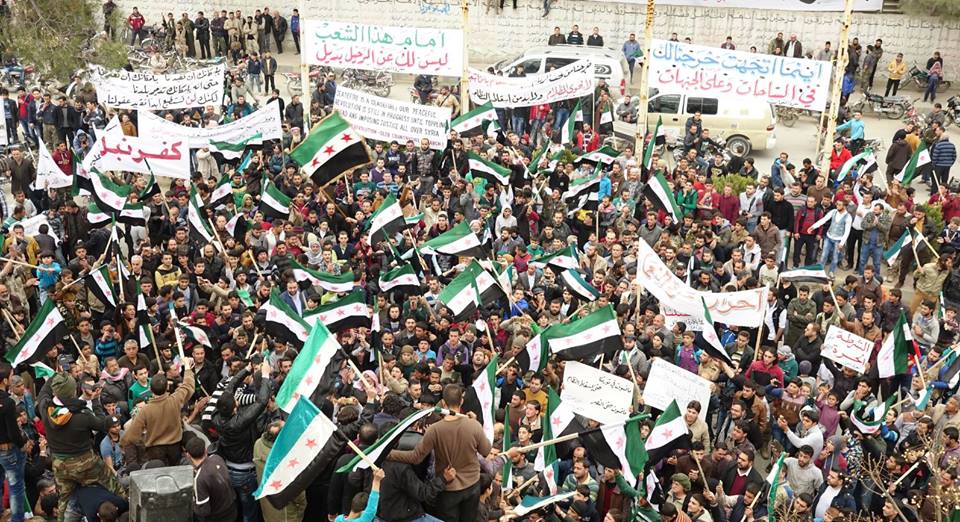
What does it mean to be a left anti-imperialist today? Stephen R. Shalom interviews Gilbert Achcar.
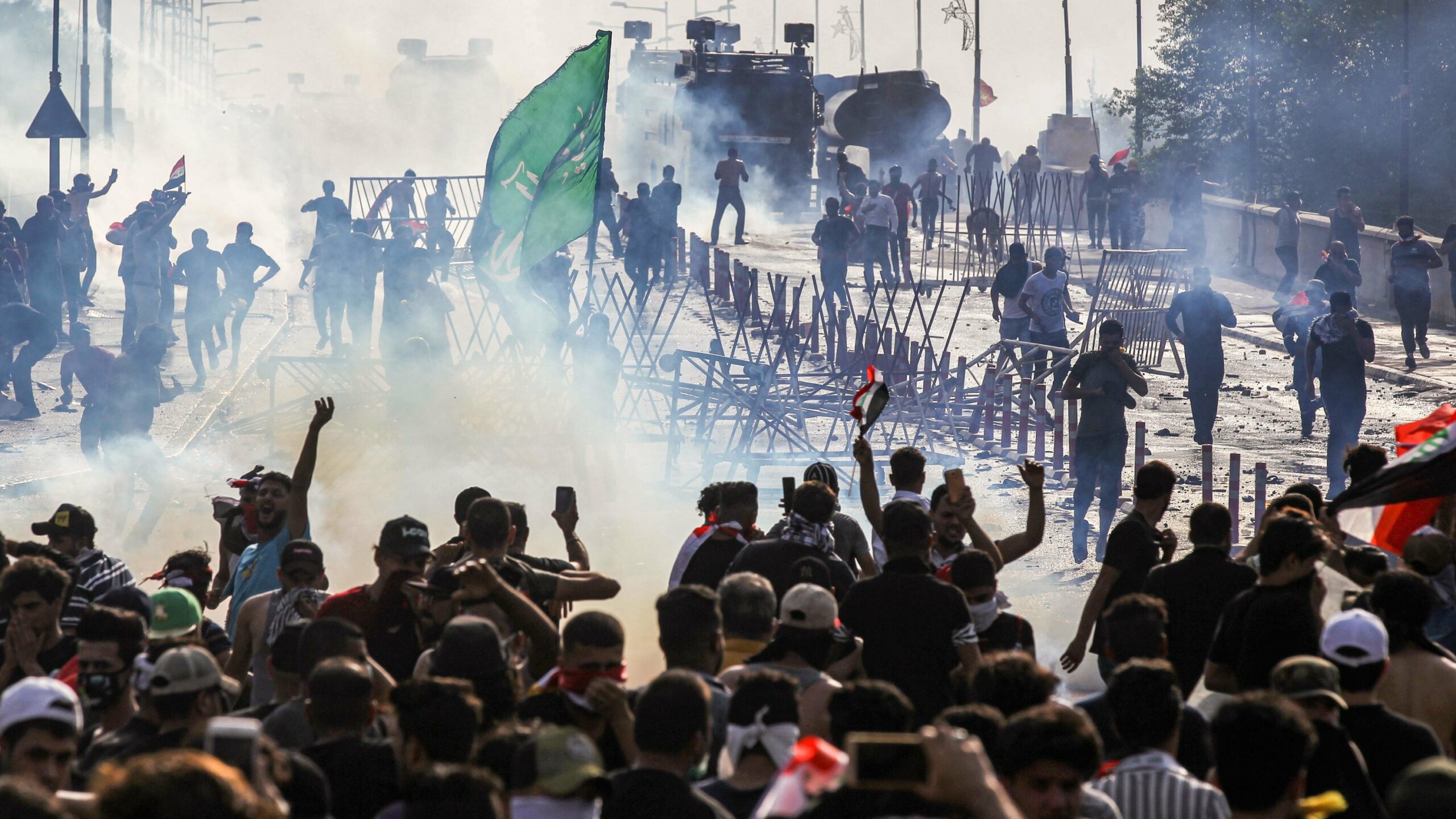
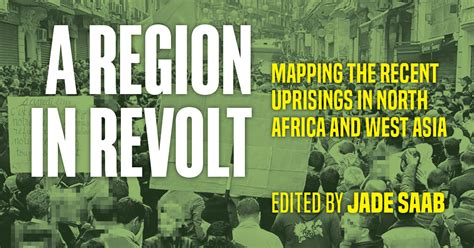
Last year a wave of militant protests spread across North Africa and West Asia, in a sustained, historic series of popular struggles. Emma Wilde Botta reviews “A Region in Revolt: Mapping the Recent Uprisings in North Africa and West Asia” edited by Jade Saab.
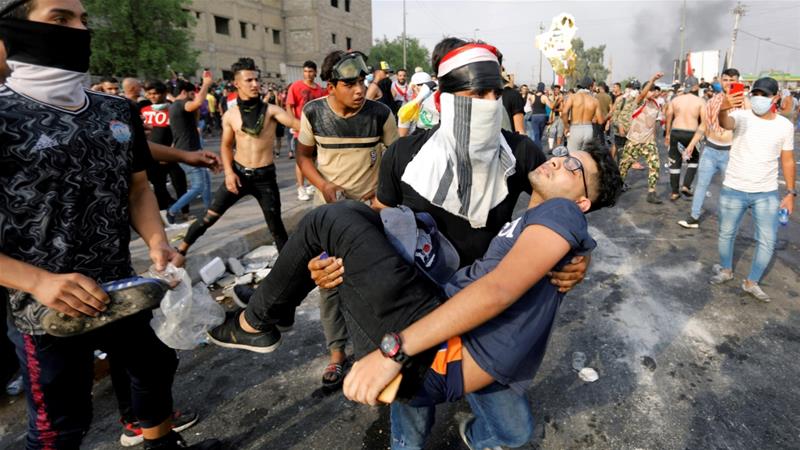
The demands for social justice and economic redistribution against the neoliberal destructive policies cannot be dissociated from the opposition to the sectarian political system. The overwhelming majority of protesters continue to denounce the Islamization and sectarianization of social and political life.

The #MeToo movement against sexual assault and rape has animated women throughout the world. In the Middle East too, despite the wars led by authoritarian states, various imperialist powers, and extremist religious fundamentalist forces, a #MeToo movement is rising. How
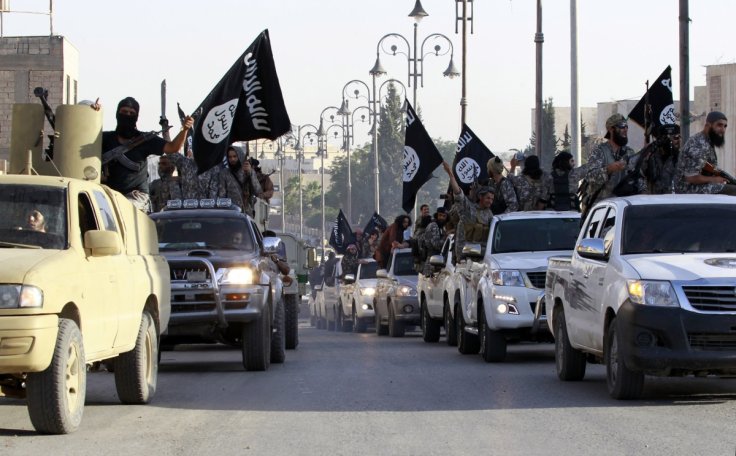
Militant Islamic State fighters parade on military vehicles along the streets of Raqqa (Reuters)
In the wake of the murderous massacres in Paris, the demand for violent retaliation against Islamic State (IS) is gaining momentum. David Cameron now plans a renewed bid to secure parliamentary approval for UK air strikes against IS in Syria.
At one level, this is an understandable reaction to the fascist-like tyranny and brutality of IS. But understandable reactions and effective reactions are often two different things. The desire for retribution, no matter how seemingly justifiable in response to the slaughter of so many innocents, is not a sound basis on which to frame political and military policy.
The despicable ISIS attacks on Paris and elsewhere have unleashed intensified war and imperialist machinations over Syria and Iraq, as well as repression of immigrants and renewed Islamophobia. Can the left oppose the carnage on all sides without losing sight of its emancipatory aims?
As we write on Sunday, October 19, it appears that ISIS [Islamic State] forces have begun to retreat from their vicious assault on the Kurds in Kobanê. We hope that this is a resounding defeat for ISIS, and that it inspires a wave of grassroots resistance to ISIS throughout Syria and Iraq.
JULY 21, 2014 — Since the writing of my effort to analyze the Obama foreign policy (“Droning On, Fracking the Planet,” New Politics Summer 2014), a confluence of events – in various ways, all blowback from ravages of U.S policies past and present – combined to transform much of world politics in nasty and dangerous directions, with huge tolls in destruction and human misery. To review very briefly:
Adopted by U.S. Labor Against the War (USLAW) Steering Committee, June 25, 2014
A majority of working people opposed the Iraq War and participated in the eight year struggle to end it. We felt great relief when the last troops departed Iraq in 2011.
Obama’s decision to radically escalate the wars he was ostensibly elected to terminate is a measure of U.S. imperialism's desperation. It’s not just that our erstwhile peace candidate and future Nobel peace laureate is withdrawing exhausted U.S. troops from the frying pan of Iraq only to transfer them into the fire of Afghanistan, although that itself was an act of desperation. Many of these “volunteer” soldiers and reservists, shattered after several devastating tours of duty in Iraq, are being forced to remain in the service years beyond their contracts.
This article is part of an ongoing discussion of the Iraq war and its aftermath. Various New Politics editors will be writing on this subject in future issues, not always with identical viewpoints, and we welcome contributions from our readers.
Iraq, as one long conversant in its fervent political history remarked to me, is much like the earth resting underneath a giant rock laid there for a very long time. The U.S.-led invasion of 2003 destabilized — if not moved — this rock and unleashed a multitude of organisms that were unknown even to local residents.
The demand for national liberation, for the right of self-determination of a people, is understood by socialists to be a demand for radical, consistent democracy. This at once separates us from those who, such as the Buchananite paleocons, place the inviolability of the national principle above all other considerations and who may consistently oppose imperial interventions on that basis.