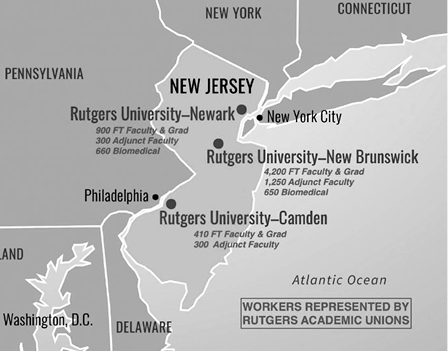

Place: North America
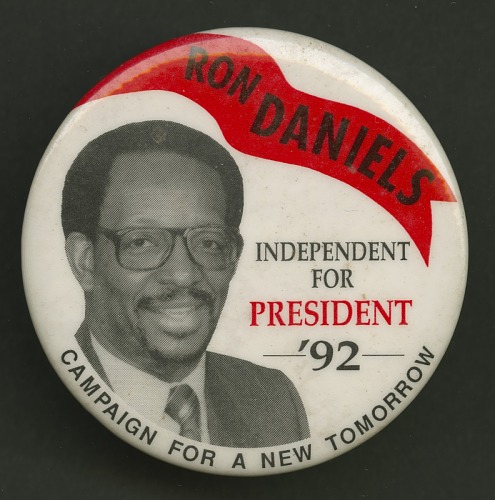
Ron Daniels decided to run for president in 1992 after his experience as national director of the Rainbow Coalition during Jesse Jackson’s 1988 presidential campaign.

Brian Ward narrates his experience of participating in the Standing Rock encampment in 2016 and analyzes the legacy of the struggle.
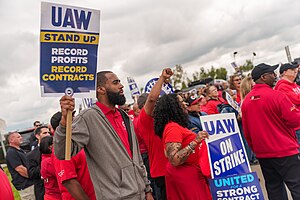
The labor movement in the United States is passing through a transition from the stagnation of the period from 1980-2010 to a new period of dynamic change in industrial decentralization, new technologies, work, organization, union activism, and the enormous and enveloping issue of climate chan

Given China’s drivers, it’s difficult to imagine how this trend could be halted or reversed short of the collapse or overthrow of the CCP. That’s coming but of course it’s impossible to predict when.

Venezuelan President Nicolás Maduro shows new map of Venezuela’s incorporation Eusebio Province of Guyana.
The United States has taken the first steps in becoming involved in a potential war between Venezuela and Guyana. President Nicolás Maduro of Venezuela is claiming the
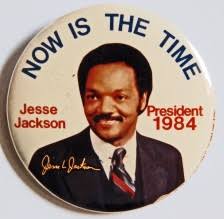
While many Black voters and others admired and took pride in his achievement, some on the left felt he had ultimately served the Democratic Party establishment.
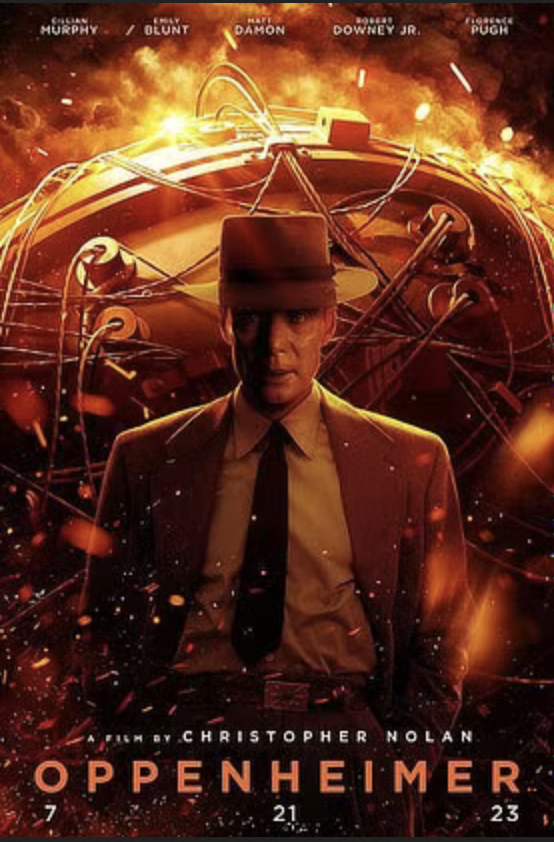
After the bait-and-switch bombing of Japan, the appalled leader of the Manhattan Project, J. Robert Oppenheimer, embarks on a public crusade for a future free of nuclear holocaust, thinking that great minds will save the people.
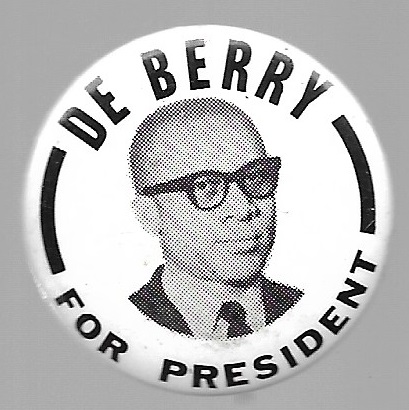
The first Black candidate for president was Clifton DeBerry, the nominee of the Socialist Workers Party in 1964, running against right-wing Republican Barry Goldwater and liberal Democrat Lyndon B. Johnson. Harassed by the FBI, DeBerry would have a tough row to hoe.
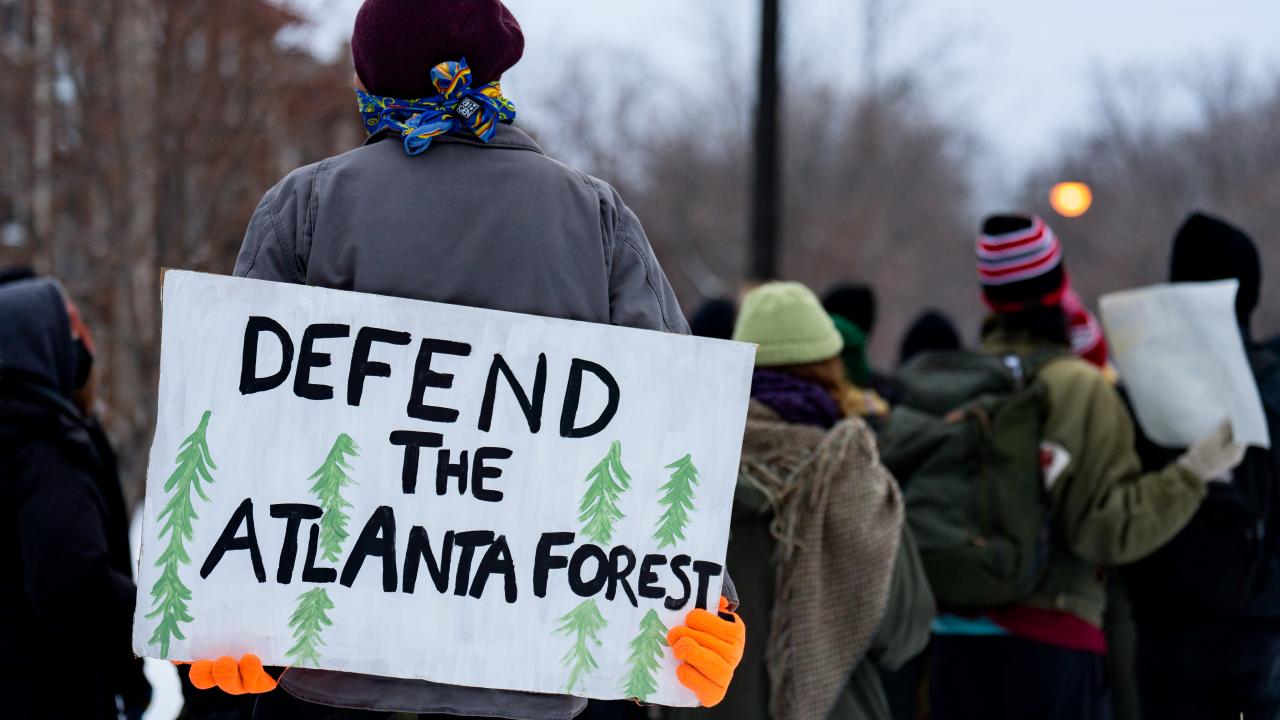
A history of Stop Cop City and the struggle to defend the Atlanta Forest. A must read for anyone interested in getting the whole story.
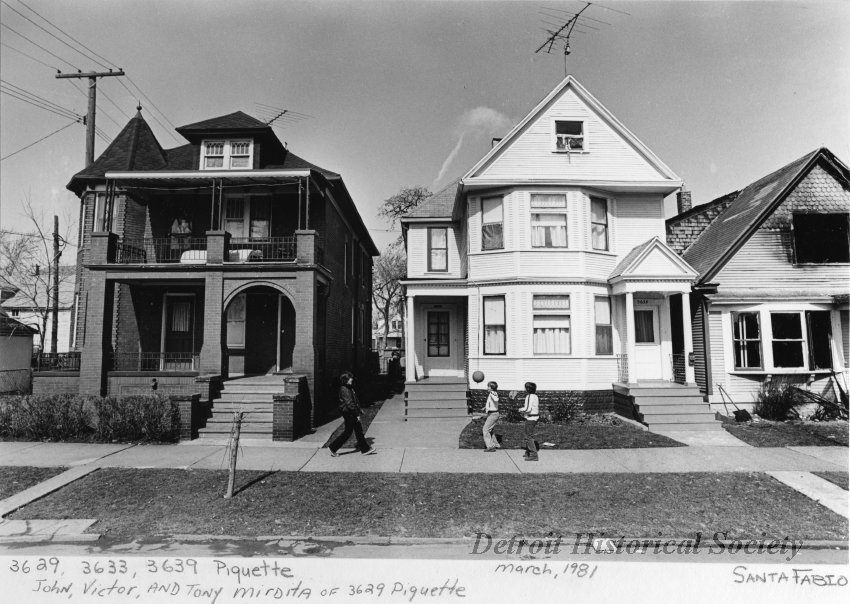
The story of the construction of the Poletown plant is illustrative of the collaboration between big business and government, the failures of business unionism, and the shortcomings of liberals and the Communist Party
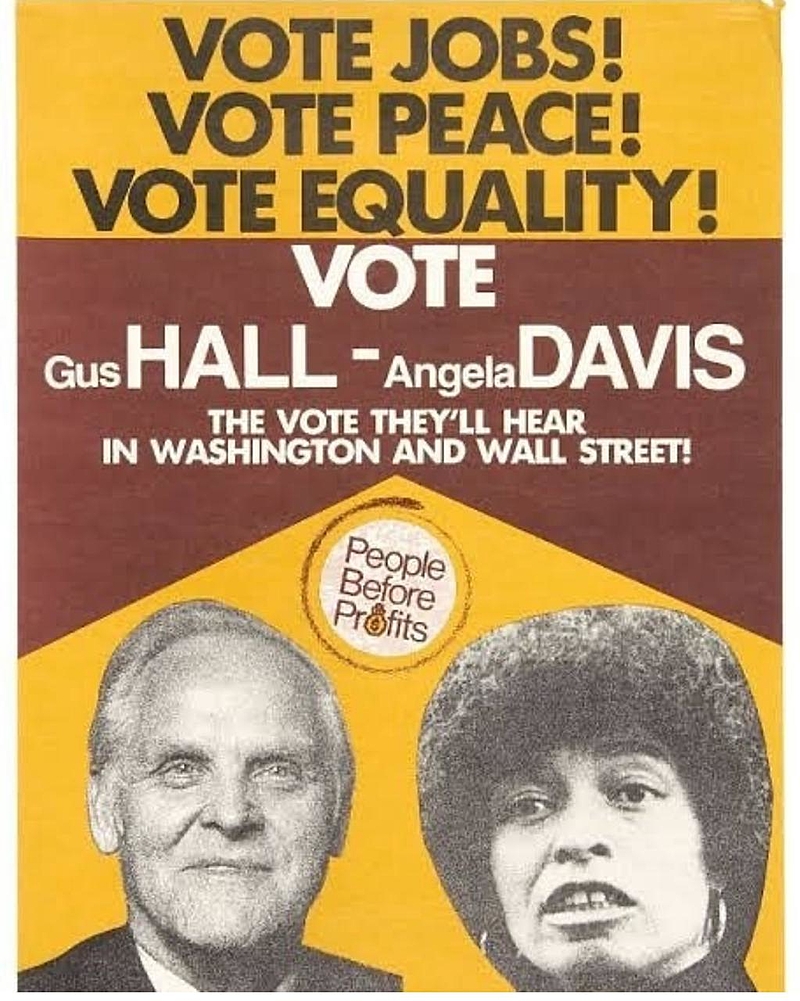
Davis’ loyalty to the CP led her in 1980 and 1984 to accept the party’s assignment that she be the running mate of diehard Stalinist party leader Gus Hall.

Kevin Van Meter discusses the 1947 pamphlet “the American Worker,” its international impact and the significance of workers’ inquiry.

Shane Burley interviews militants from the antifascist network Anti-Racist Action, active in North America between the 1980s and early 2000s.

Betsy Zucker reviews Gordon et al.’s book “Our Veterans,” on the veterans’ healthcare in the US and the threat of privatization.
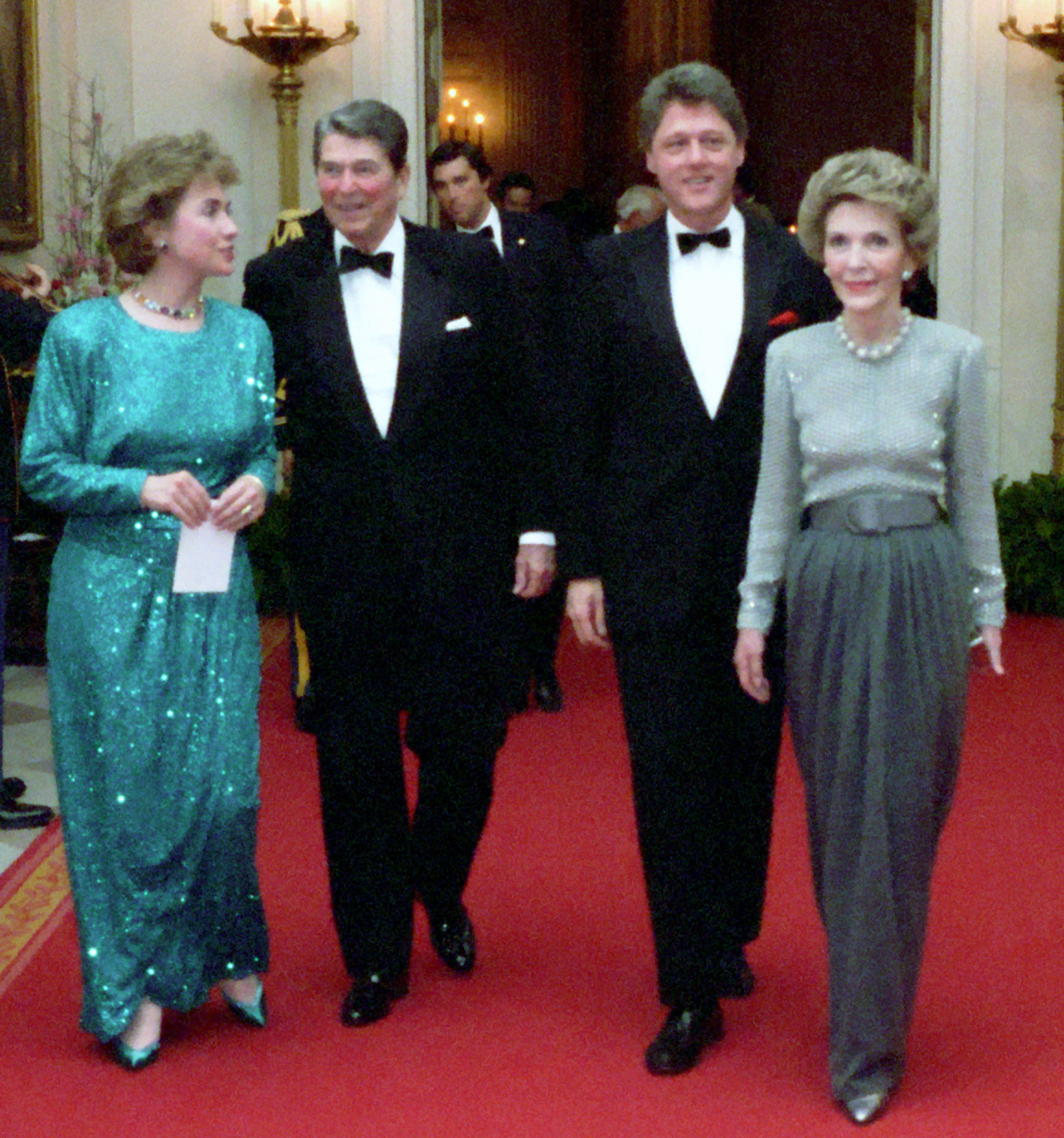
Frances Fox Piven reviews and praises Stephen Steinberg’s book Counterrevolution, on the rise of the racist right in the US, attacking the gains made by the Civil Rights Movement.

Guy Miller reviews Gordon K. Mantler’s “The Multiracial Promise,” an account and analysis of Harold Washington’s mayoralty in Chicago in the 1980s.
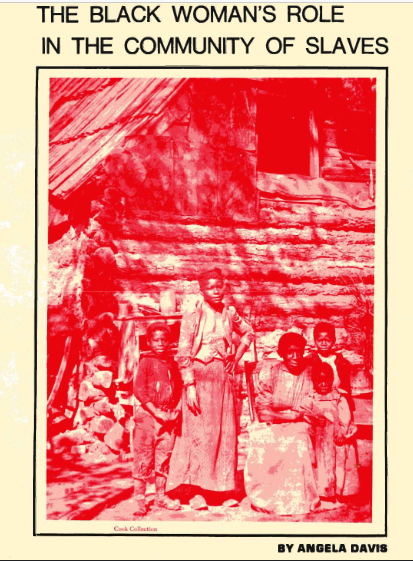
Before the Florida Department of Education issued its curriculum directive that slavery in the United States did, after all, produce “personal benefits” for the enslaved in the form of a well-stocked resumé of trades, useful after Emancipation in 1863, the board members might have consulted a seminal document in the literature of the oppressed—Angela Davis’s 1971 essay, “Reflections on the Black Woman’s Role in the Community of Slaves.”
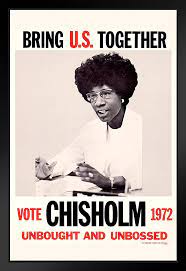
The most important Black candidate of the radical 1960s and 70s, if we judge by votes and delegates, was Shirley Chisholm.

Kim Moody reviews John Womack Jr.’s book “Labor Power and Strategy” and responses to his contributions, focused on the significance of workers’ positional power in labor struggles.

Phil Gasper interviews radical educator Jesse Hagopian about attacks on anti-racist education in the United States.
- « Newer Posts
- 1
- …
- 5
- 6
- 7
- 8
- 9
- 10
- 11
- …
- 73
- Older Posts »