
Place: India
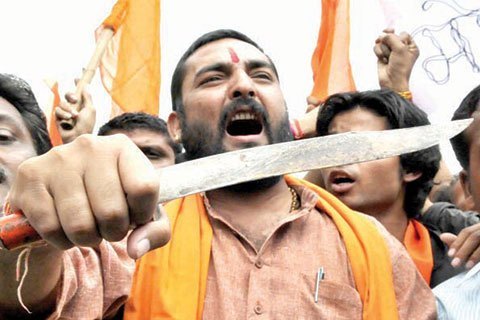
The irony of India celebrating its 72nd year of national independence as it orchestrates a coup and military lock-down on the occupied territory of Kashmir was apparently lost on Indian Prime Minister Narendra Modi.
Modi used the occasion of an annual
Modi used the occasion of an annual
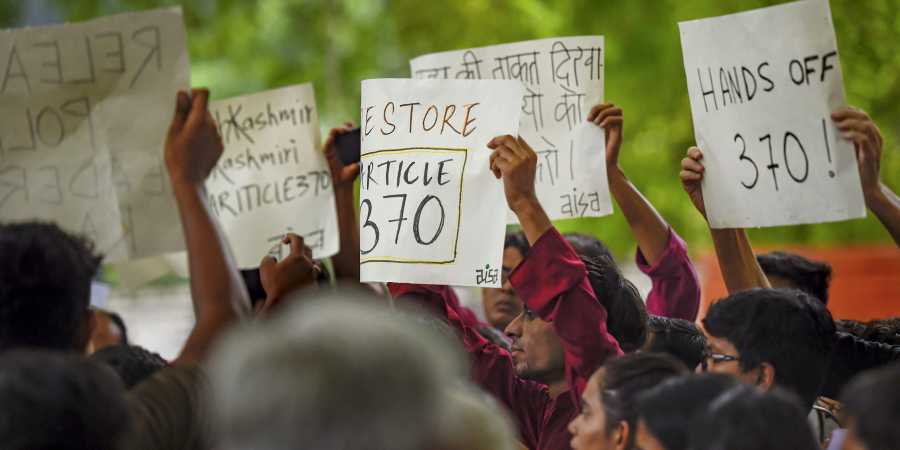
As the Indian government resorts to annexation of the state of Jammu and Kashmir at gunpoint, detaining its political leaders and cutting off all means of communication, we extend our solidarity to the people of Jammu and Kashmir as they
Critical developments around the globe compel the creation of a new type of transnational socialist and anti-authoritarian solidarity network.
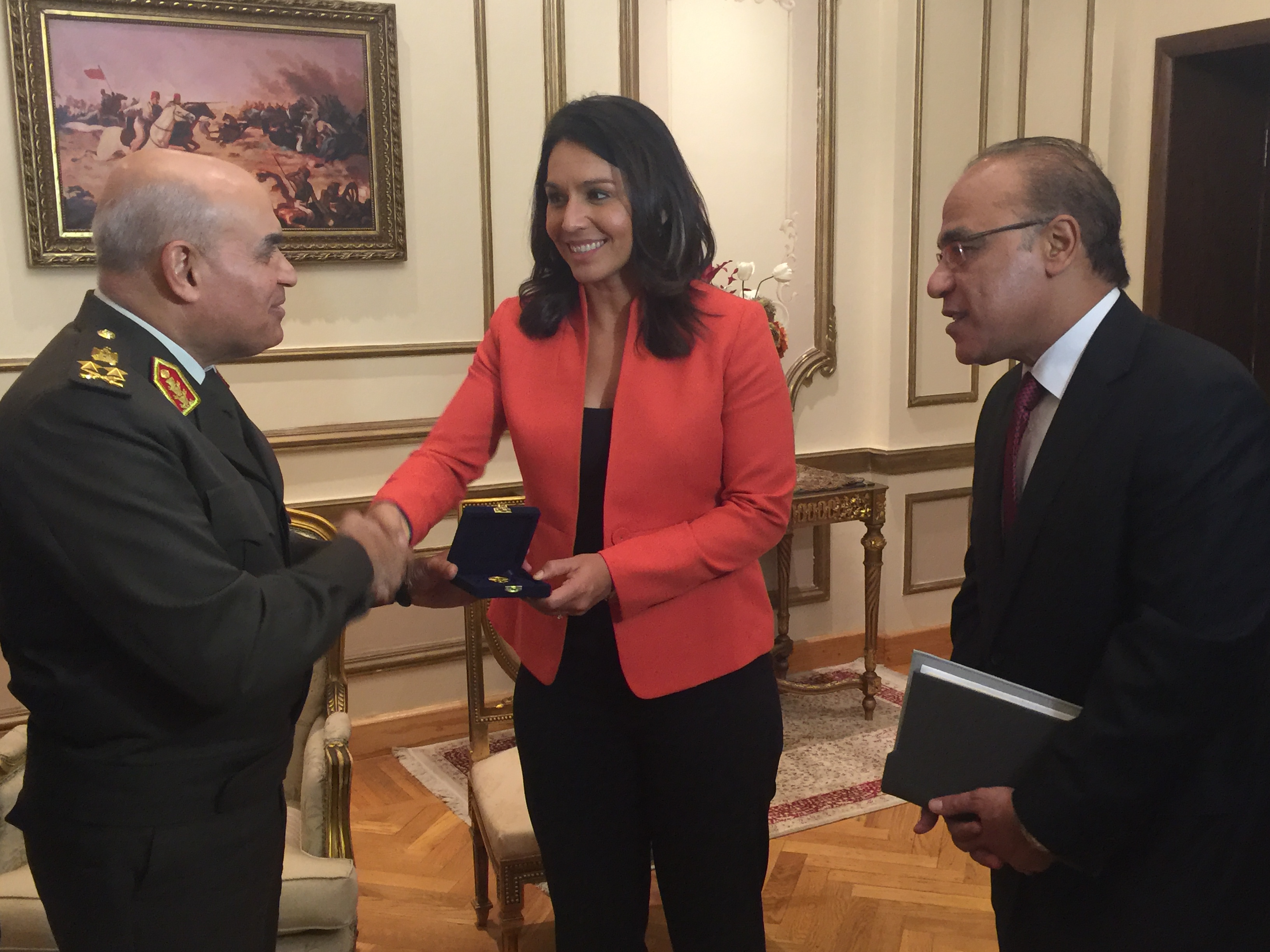
Tulsi Gabbard is getting a pass from people who should know better, first from Glenn Greenwald and then from the folks at Democracy Now! They describe her as “progressive except that some leftists on some issues
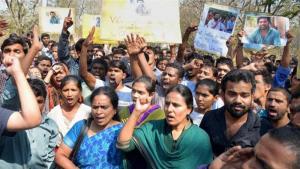
Reservation is an issue that only affects a small proportion of Dalits, says sociologist Vivek Chibber.
The ferment on campuses across the country following Rohith Vemula’s suicide and the recent crackdown on free speech at Jawaharlal Nehru University have drawn international attention, with many academics, students and activists across the world expressing solidarity.
Arundhati Roy, Capitalism: A Ghost Story. Haymarket, April 2014, $15 paperback.
When you think of ghost stories, you may recall Henry James, Hamlet, or Banquo. Maybe you smell a camp fire, the story going around, the threat of the flame as you extend your arm and that impaled marshmallow over the heat. Or maybe you sense those dying embers, the cool of night taking its grip.
One of the most inspiring examples of people fighting back against the predations of international capital is taking place in the Jagatsinghpur district of the Indian state of Orissa (also spelled Odisha).
The General Elections 2009 have further entrenched the rule of neoliberal capital.[1] This entrenchment has happened due to certain factors, two discussed here in detail. These two factors include the distancing of the Left from working class politics towards electoralism, which resulted in absence of a long term mobilizational politics along class lines; and the role played by identity politics in the consolidation of the neoliberal regime.