
Place: Germany
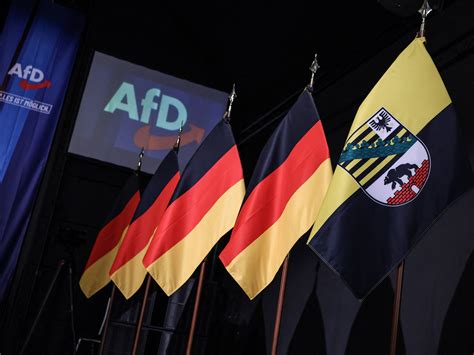
What is the significance of the far-right electoral victory of AfD in the German state of Saxony-Anhalt?
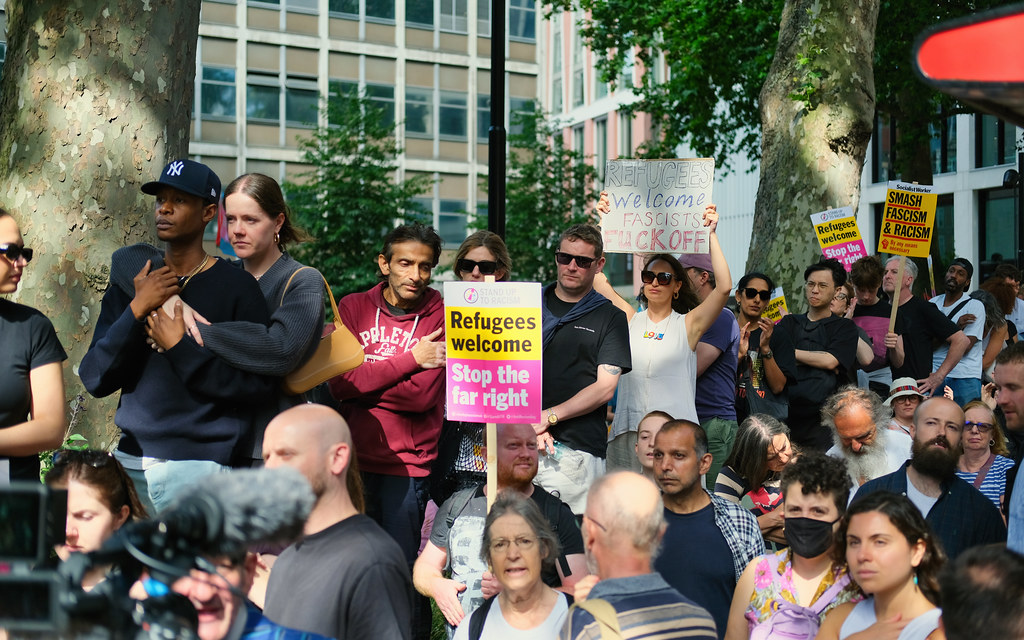

Udi Raz, a Jewish anti-Zionist activist in Berlin, discusses the German state repression of the Palestinian solidarity movement under the pretense of fighting antisemitism.

In this classic work, Rosa Luxemburg situates mass strikes at the center of revolutionary political dynamics.

Robert Ovetz describes the significance of a new collection of Rosa Luxemburg’s writings on revolution from 1906 to 1909, recently published in English.
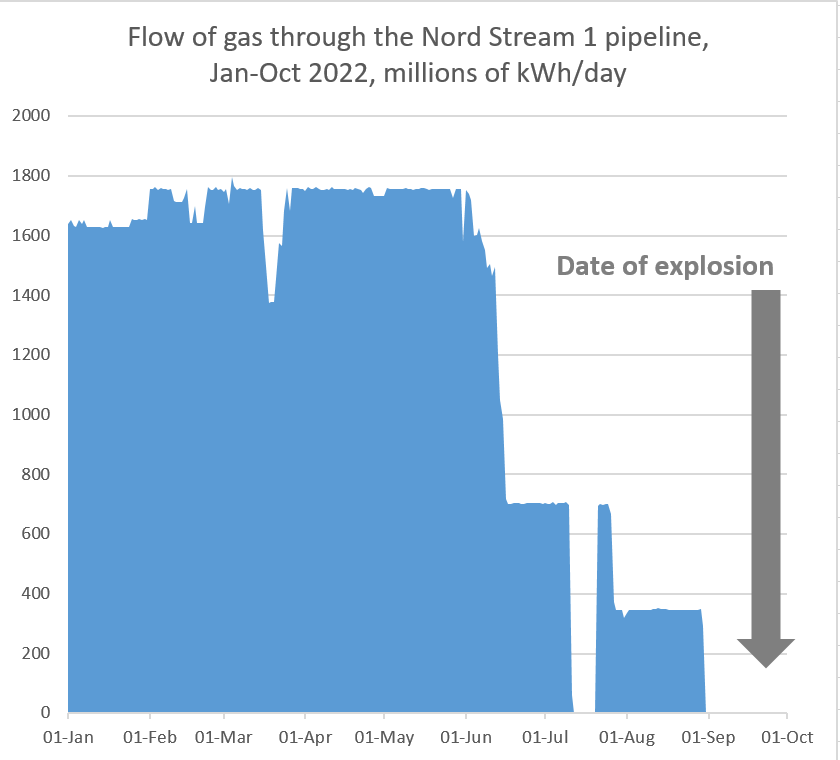
The claim that the Nord Stream gas pipeline was blown up by U.S. special forces, made by Seymour Hersh, is being used to reinforce false narratives about Russia’s culpability for the war in Ukraine.
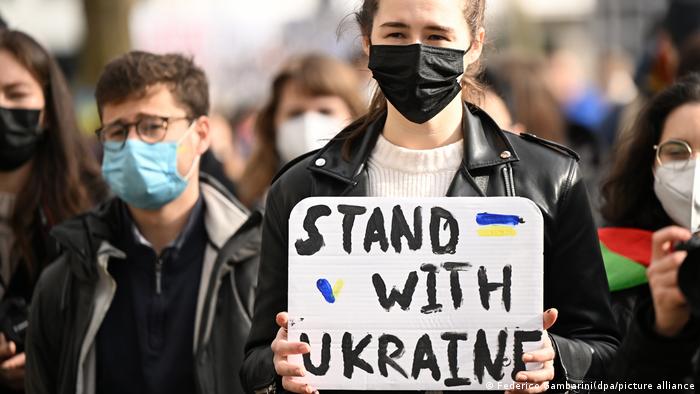
A new anti-militarist movement must uphold solidarity with the civil as well as armed resistance of the Ukrainian people, and with the Ukrainian, Belarusian and Russian leftists who oppose the Putin regime’s war.

We need to know all this history and lots more about Zionist leaders’ dealings with Jew haters so we can immediately confront and neutralize Zionist slander the next time they falsely cry “antisemitism.”
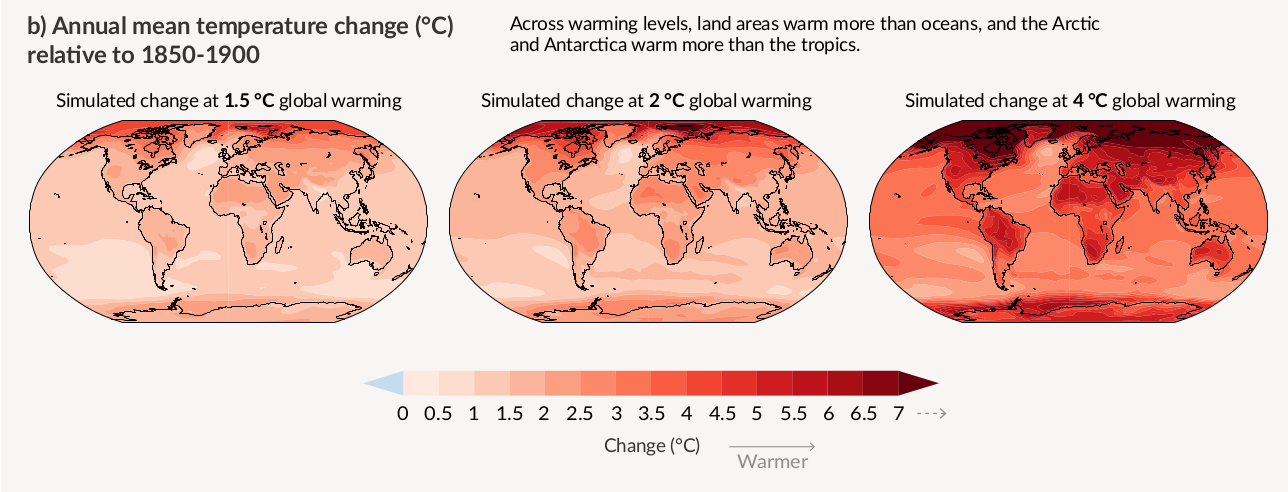
Since publication of its first assessment report in 1990, the IPCC has borne witness to the ever-worsening problem of anthropogenic climate disruption, together with what amounts to humanity’s suicidal failure to address the factors threatening collective destruction.

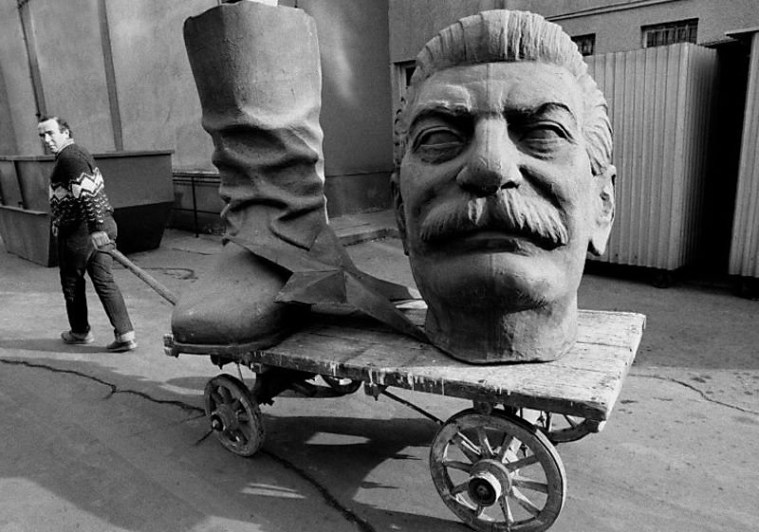
Remember when the Berlin Wall came down? I do.
Glued to TVs in DeKalb, Illinois, my college friends and I watched in envy and amazement as the young Berliners on our screens swarmed all over that unholy edifice attacking it with
Glued to TVs in DeKalb, Illinois, my college friends and I watched in envy and amazement as the young Berliners on our screens swarmed all over that unholy edifice attacking it with
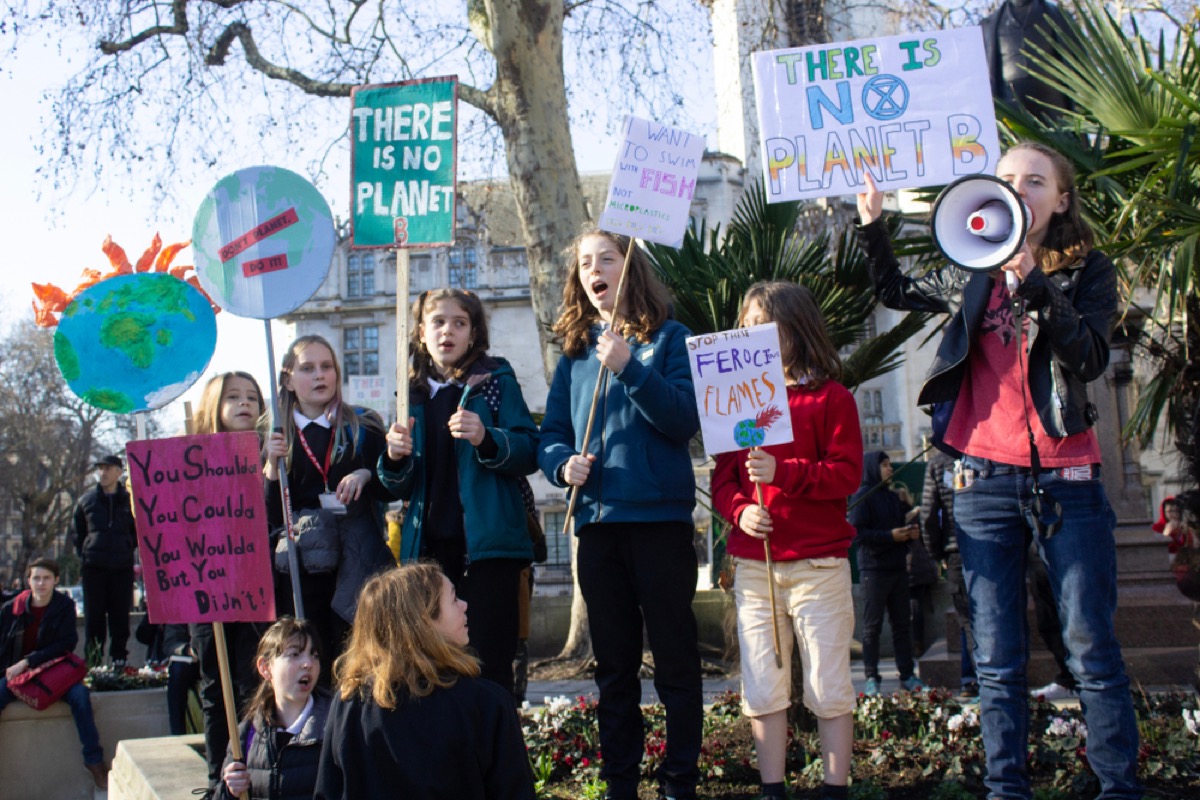
The Global Climate Strike is the result of a whole new generation taking bold action and could be the turning point for grassroots resistance to fossil fuels.

Last winter, protesters wearing yellow vests commanded center stage in France. Their grassroots challenge to the neoliberal regime of President Emmanuel Macron drew on a long tradition of labor militancy, including factory closing fights. When these protesters still had blue
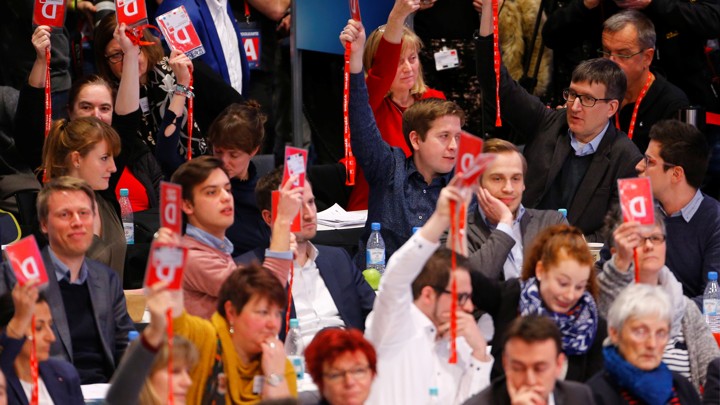
The SPD — the Social Democratic Party of Germany — is Germany’s oldest political party. Its history includes both revolutionary struggle against capitalism and the betrayal of revolution. Many still consider it a socialist party, and its youth organization identifies as Young Socialists.
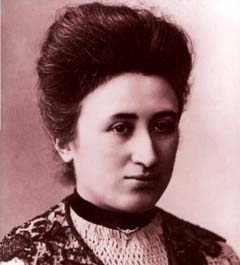
The deaths of Rosa Luxemburg and Karl Liebknecht have haunted the imagination of the left for a century. Joe Sabatini reviews a recent publication exposing the events of their deaths, Klaus Gietinger’s The Murder of Rosa Luxemburg, as well as providing an introduction to some of the literary works inspired by the events of 15 January 1919.

Adapted from a presentation to the Chicago Convention of the International Marxist-Humanist Organization, July 13, 2018.
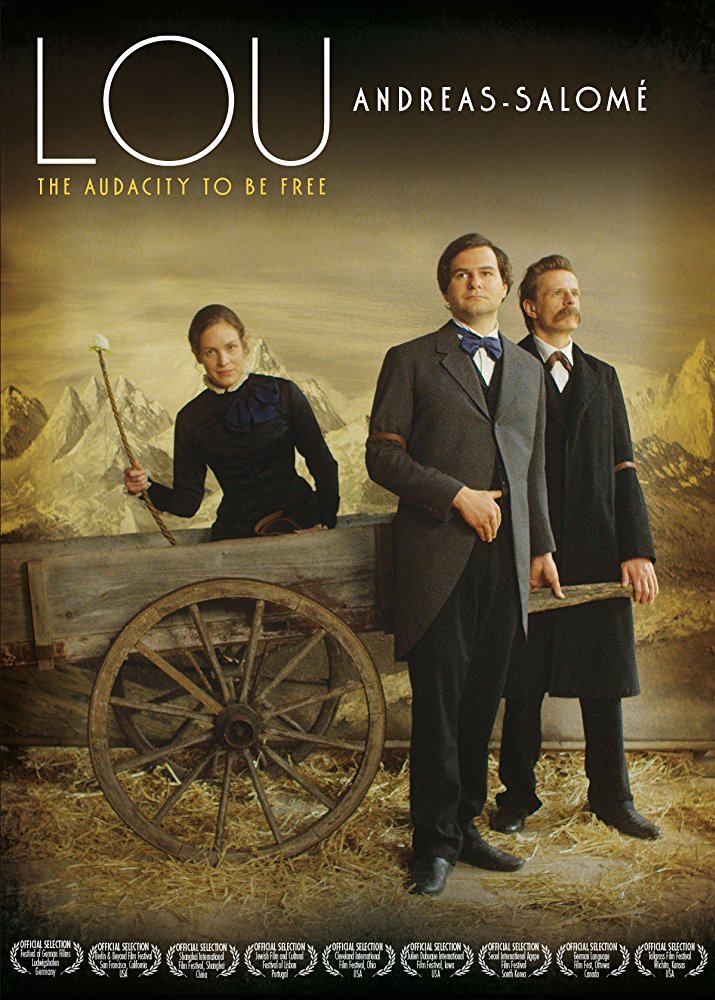
Lou Andreas-Salomé, The Audacity to Be Free
Directed by Cordula Kablitz-Post, 1 hr. 53 min
Cinema Libre Studios, 2016
This biopic is not subtle. From its opening scene featuring a pyre of books and a frenzied crowd cheering as a manic speaker justifies the burning of Marx, Trotsky, Freud and “everything that is not German” followed by a romp through Lou Andreas-Salomé’s prodigiously intellectual life and her last days as a target of the Nazis, the film is as much about the pain of choosing a vaporous freedom as it is the flailing pursuit of fulfillment by a self-assertive, iconic woman.
[Ed. note: The list of signatories to this declaration includes seven out of nine German trade union presidents, all members of the executive boards of the German Trade Union Confederation (DGB) and IG Metall, plus some (primarily social-democratic) politicians at the Bundestag and European Parliament levels, including the vice-chairman of the SPD, as well as numerous academics.]
The political landslide in Greece is an opportunity, not only for that crisis-ridden country but also for a fundamental reassessment and revision of EU economic and social policy.
 The Left Party is fighting for “a society in which no child has to grow up poor, in which all men and women can live a self-determined life in peace, dignity, and social security and can democratically shape social relations.” In order to achieve this, it demands “a different economic and social system: democratic socialism.”1 That is how the Lef
Passionately watching last week’s election returns* at the Rosa Luxemburg Stiftung’s office in New York, without ever having been to Germany or learned more than a half-dozen German words, was an unusual experience. It was easy enough to orient my sympathies — as an American socialist they stood with the Left Party.
Martin Comack is absolutely correct to recognize that I wrote a Leninist critique of his book Wild Socialism about the revolutionary shop stewards or council movement that existed in Berlin at the time of World War I and on into the early 192