
Issue section: Reviews
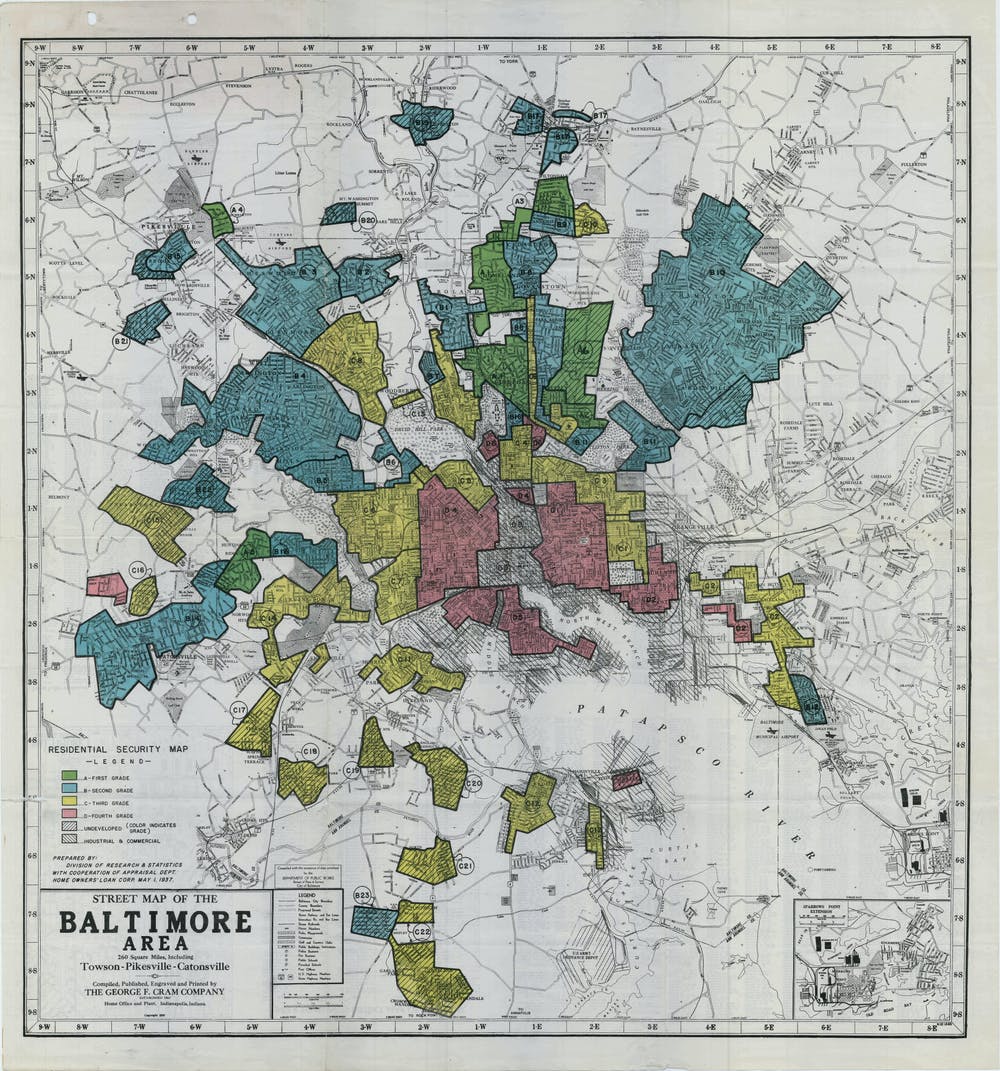
Lawrence Brown’s book, The Black Butterfly: The Harmful Politics of Race and Space in America looks at the long history of intentional harm and damage done to Black communities caused by white supremacist practices, policies, and budgets.


As against nearly a century of debates over Stalinism, the international left has never come to terms with Maoism, especially its global impact.

Robert Sayre and Michael Löwy’s Romantic Anti-capitalism and Nature is an extremely interesting book—enjoyable, informative, and intellectually stimulating.

Wilkerson’s adroit storytelling jumps off the page, but the glaring omission in her book is political economy.
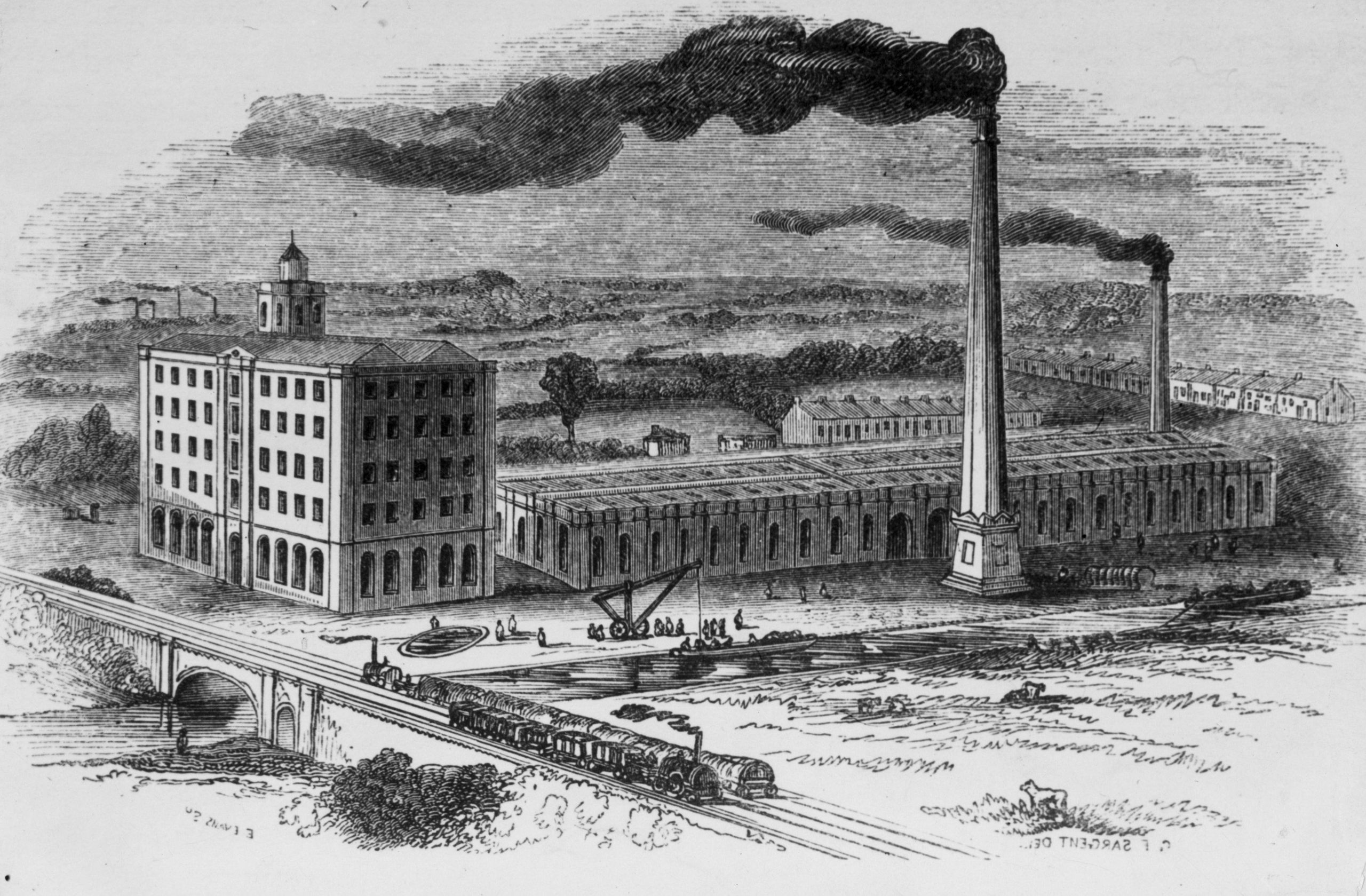
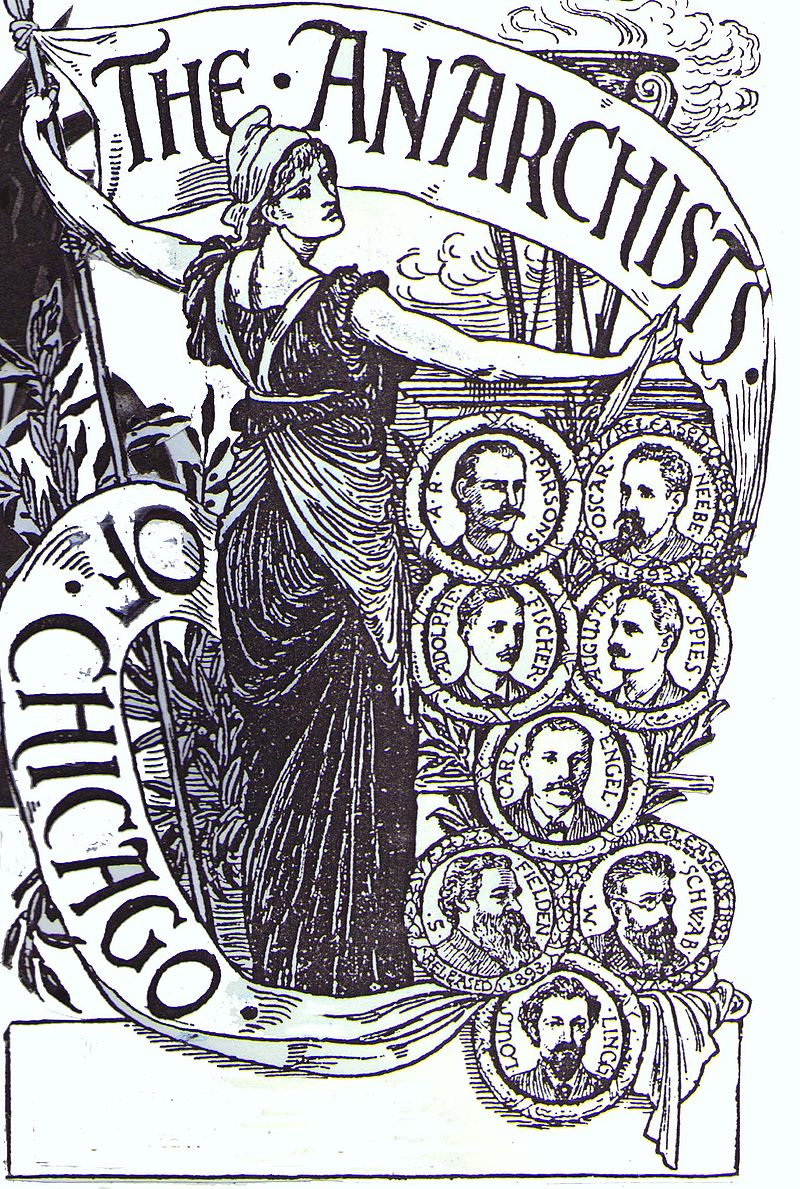
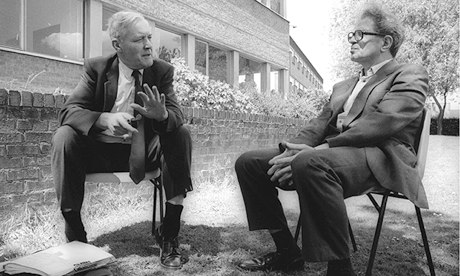


In a recent interview for the Minneapolis Interview Project, August Nimtz asserted that “to exercise political power, we must impose our will through collective action.”* In his new work, Nimtz says much the same when he writes, “If
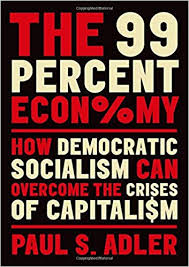
Various books have been published in the last few years that make a case for a transition to socialism. This one has a special “edge”: it’s written by the Harold Quinton chair of business policy, and professor of

In anxious anticipation of the Brexit referendum, then U.K. Prime Minister David Cameron summed up the philosophy of politics that drives him and so many who occupy the command posts of power: “I divide the world into team

The Cold War was the period in the twentieth century, approximately between 1946 and 1991, where world politics were dominated by the confrontation between two blocs of states, led respectively by the United States and the Soviet Union.

Sophie Lewis’ new book Full Surrogacy Now, published by Verso, has gotten a lot of attention in left media circles. Lewis was interviewed on Jacobin Radio’s The Dig Read more ›

Red State Revolt is based on Eric Blanc’s “on the ground” reporting for Jacobin on the 2018 walkouts of education workers in Oklahoma, West Virginia, and Arizona. He aims to tell the stories of the walkouts

Feminism for the 99% calls attention to women’s mobilizations that are sweeping the world and argues for their revolutionary, anti-capitalist potential. At the same time, this compelling homage to the Communist Manifesto flips the focus from a classic notion of
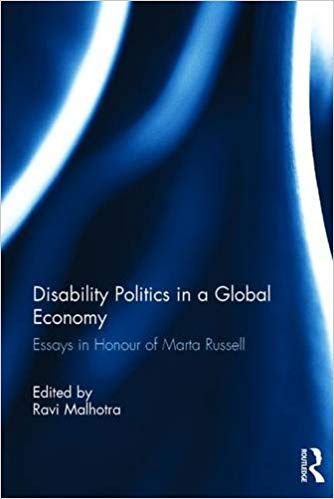
The modern concept of disability—indeed, the conception of disability itself, as there was no identical concept before modern times—is a by-product of capitalism. Capitalism spawns disability both as the primary producer of impairment (through industrial workplace accidents, the physical and
The complex history of working-class anarchism and syndicalism in the United States has been understudied. A good part of the problem is language. German, Spanish, Finnish, and Yiddish sources have been utilized by a handful of scholars, but mostly decades

In 1649, a pamphlet titled Tyranipocrit Discovered was published in Rotterdam. Fusing the terms “tyrant” and “hypocrite,” the anonymous author called for an end to economic, religious, and political oppression in England.

There is a growing body of ecomarxist and ecosocialist literature in the English-speaking world, which signals the beginning of a significant turn in radical thinking.