
Author: Samuel Farber
SAMUEL FARBER was born and raised in Cuba. He is a long-time socialist and the author of numerous works on Cuba including Cuba Since the Revolution of 1959: A Critical Assessment (Haymarket Books, 2011).
Samuel Farber defends the concept of free speech from a left perspective, against progressive critics of free speech.
We cannot allow ourselves to become advisors of the empire on how to govern Cuba, including what to do with the survivors of the PCC.
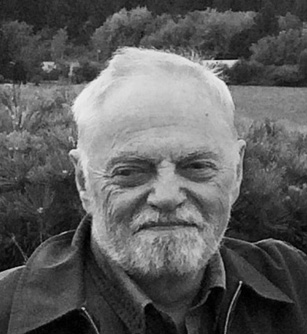
An obituary for Ernest Haberkern, a long-time revolutionary socialist militant, a founding member of the Independent Socialist Club and a close comrade of Hal Draper.
Samuel Farber responds to Mesa-Lago’s comments and argues that China cannot be a model for Cuba, noting the connection between political repression and their model of capital accumulation in China.
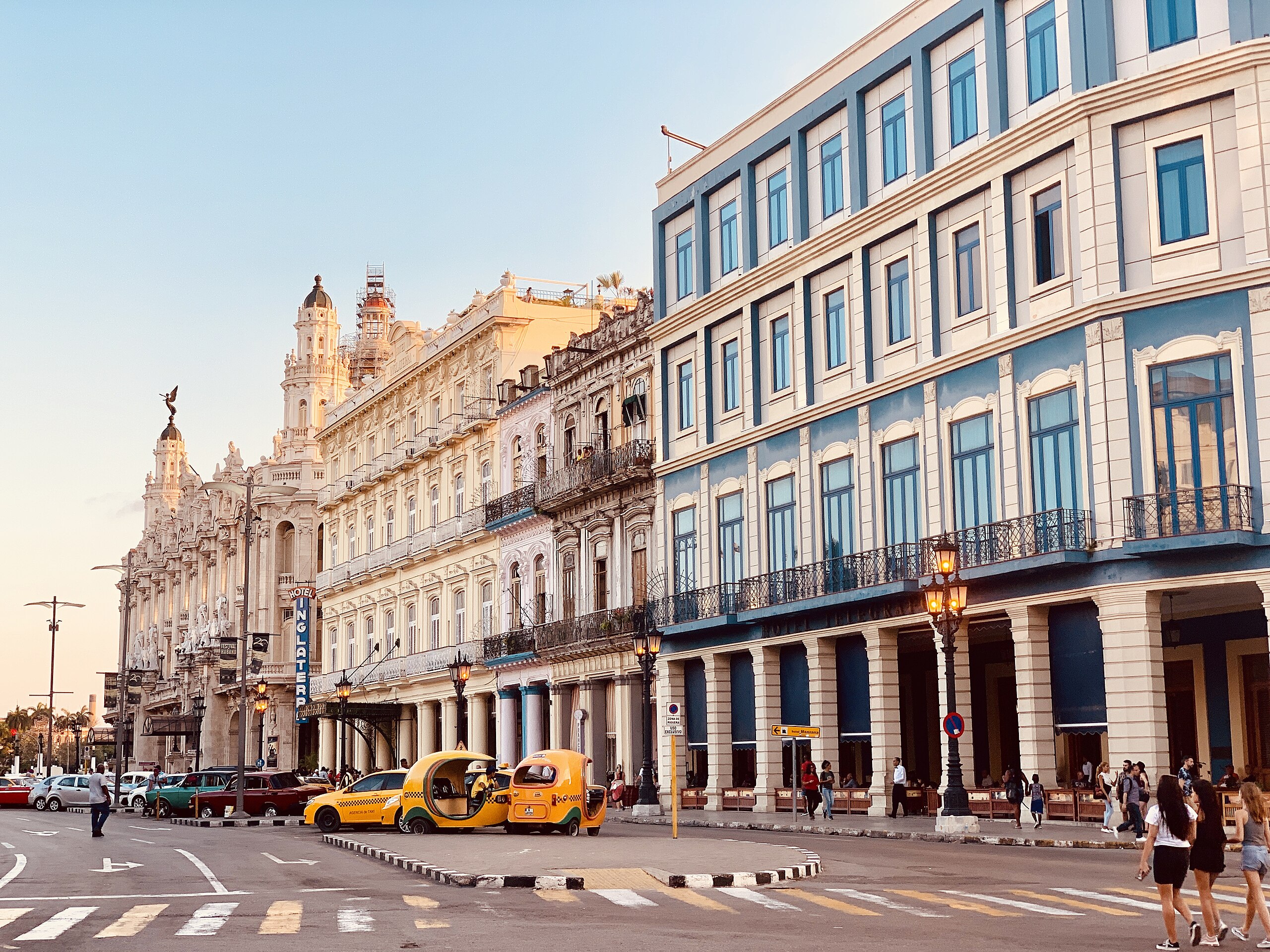
Samuel Farber critically reviews Carmelo Mesa-Lago’s latest book comparing Cuba with China and Vietnam, and its proposals for market reform in Cuba.
An analysis of victim blaming, looking at, among others, Primo Levi, JD Vance, and Richard Wright
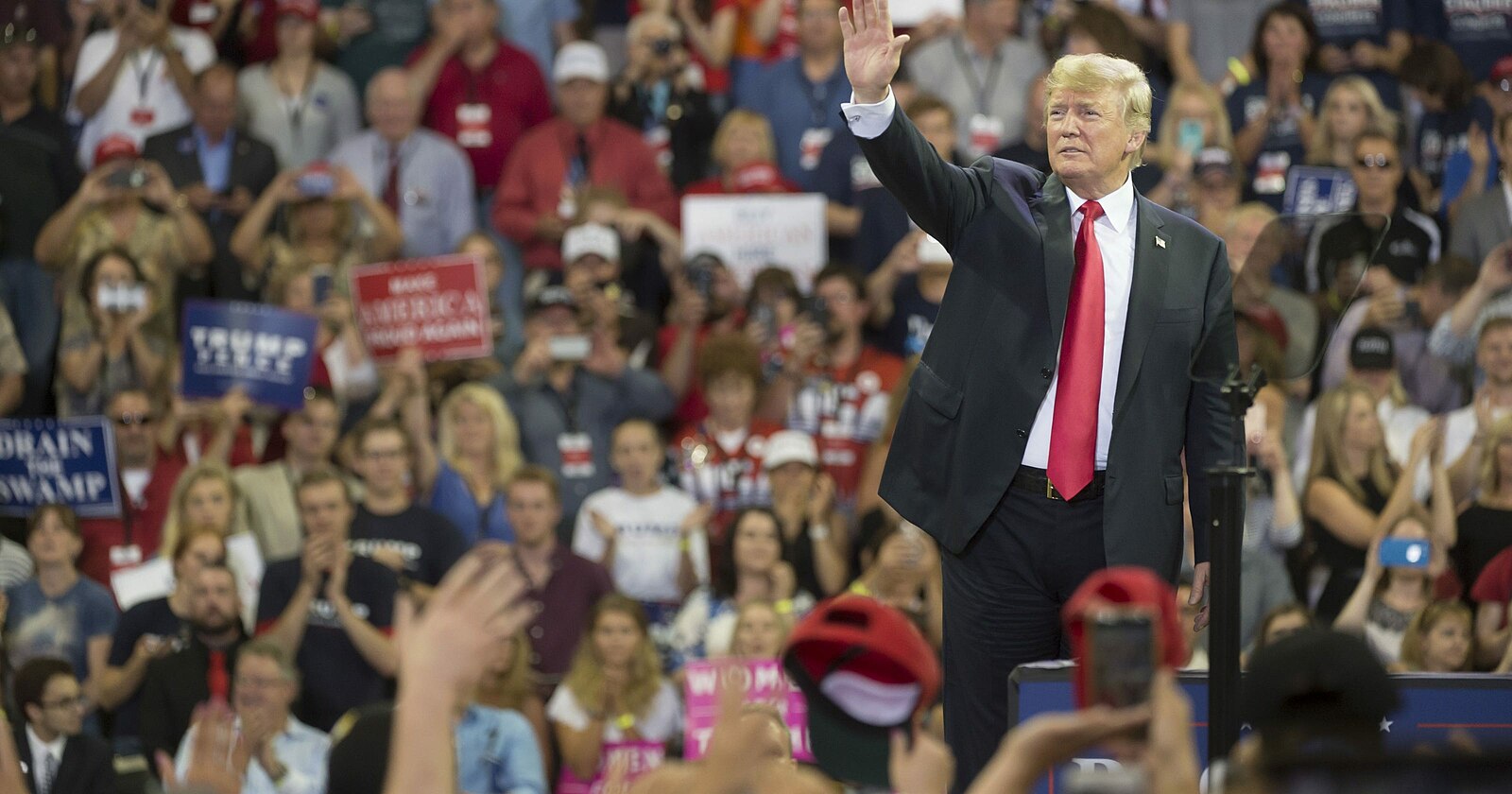
Sam Farber argues that arbitariness is a key feature of authoritarianism, and in particular of the Trump regime.
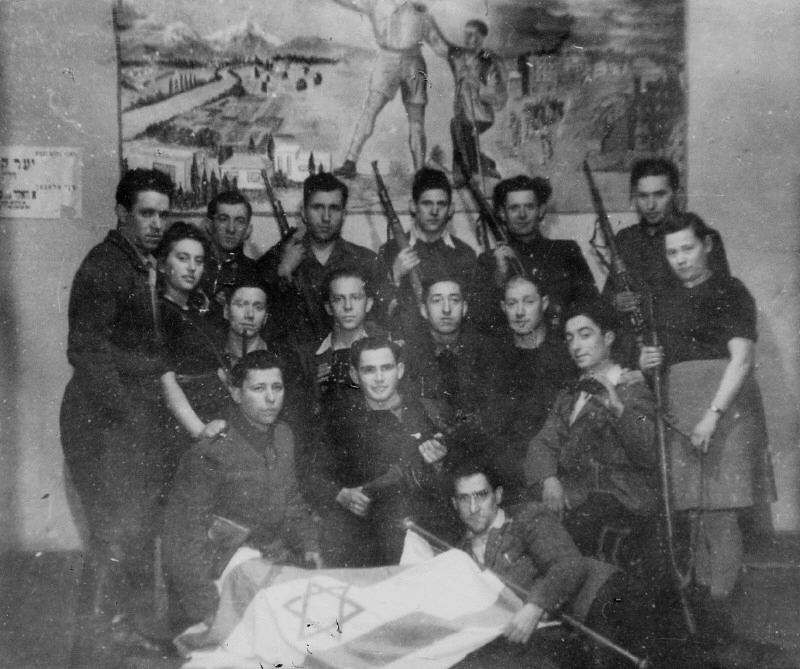
Samuel Farber analyzes the situations and practices of Zionism in the context of Jewish politics, in the early 20th century and interwar Poland.

These are just symptoms of the decline of the Democratic party as the supposed party representing the working class and social progress.

Democratic planning should not be primarily approached simply from a technocratic point of view, but from a perspective of political self-education through a national debate.
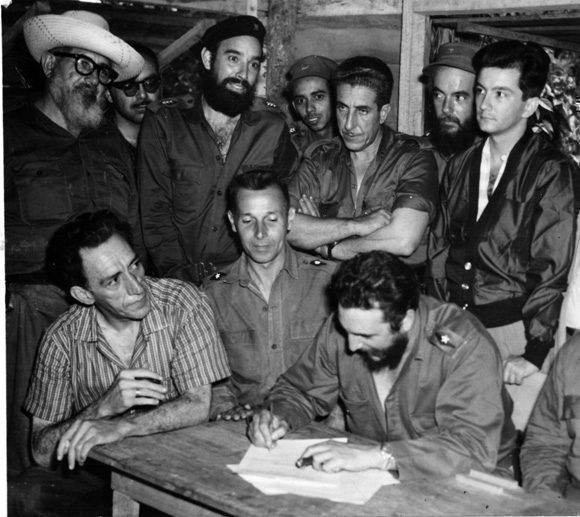
The verticality of the 1959 revolutionary process took us by its own logic and dynamism to the extreme authoritarianism and total absence of democracy in today’s Cuba.
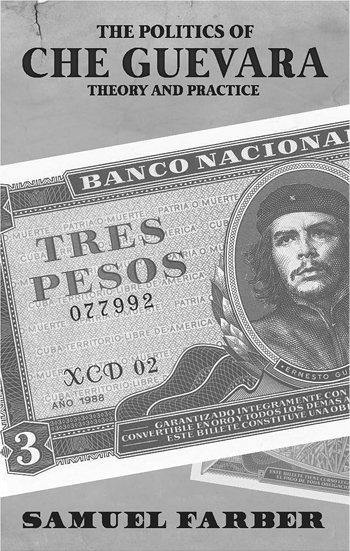
Samuel Farber defends his critique of Che Guevara as an anti-democratic figure that undermined the socialist cause in Cuba.
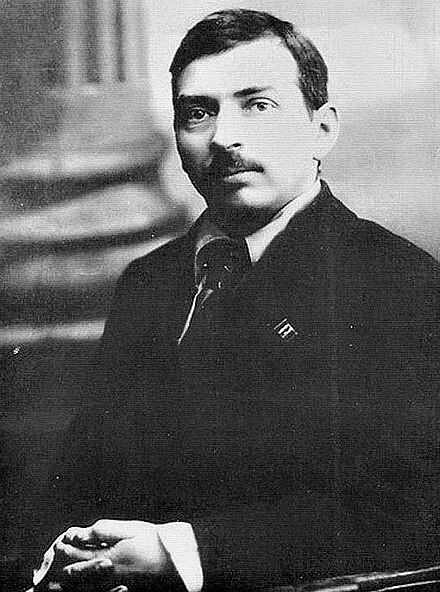
By itself, revolutionary consciousness cannot create wealth and material well-being for most of the population except in the mind of hyper voluntarists such as Joseph Stalin, Mao Zedong and Ernesto (Che) Guevara.
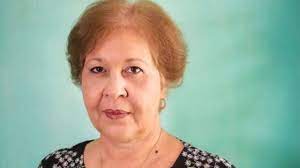
Alina Bárbara López Hernández
In the closing address to the tenth congress of the Committees for the Defense of the Revolution (CDR -the street level vigilance committees) that took place on September 28 of this year, the president of the Cuban
In the closing address to the tenth congress of the Committees for the Defense of the Revolution (CDR -the street level vigilance committees) that took place on September 28 of this year, the president of the Cuban
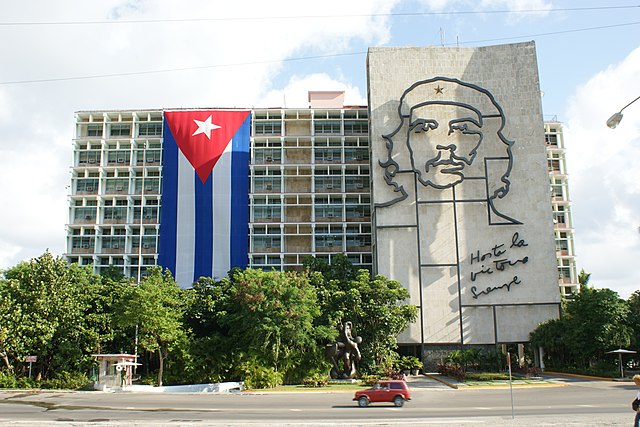
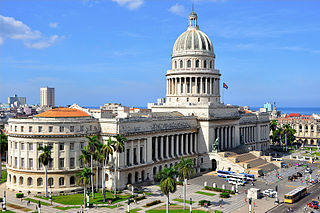
What can we learn from the experience of other countries that can help us think about possible futures for Cuba?
A critical examination of Trotsky’s evolving views on revolutionary morality and democracy in revolutionary movements.

There is no question that “cancel culture” is a legitimate tool of a vibrant democratic culture, especially as it allows the powerless to redress the abuses and the offensive behavior directed at them by powerful public figures.
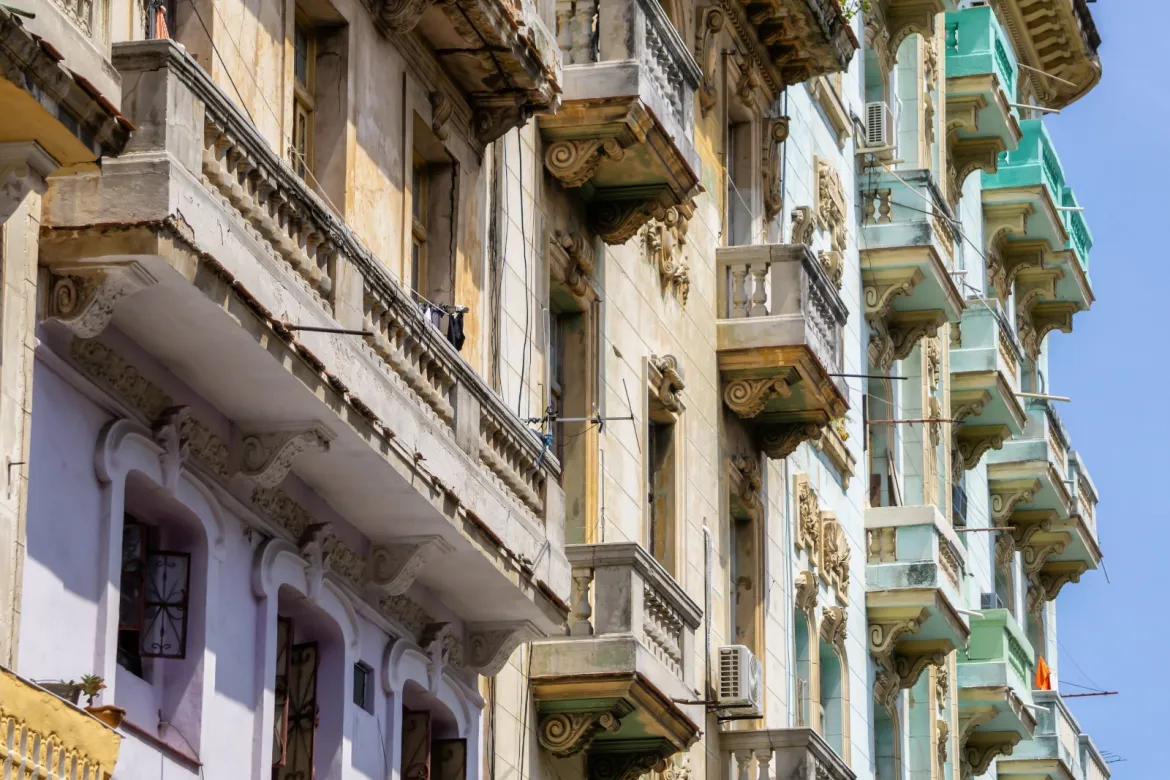
Although the Cuban Revolution of 1959 had enormous popular support, especially in its early years, that support did not express itself in any autonomous initiative and control from below.
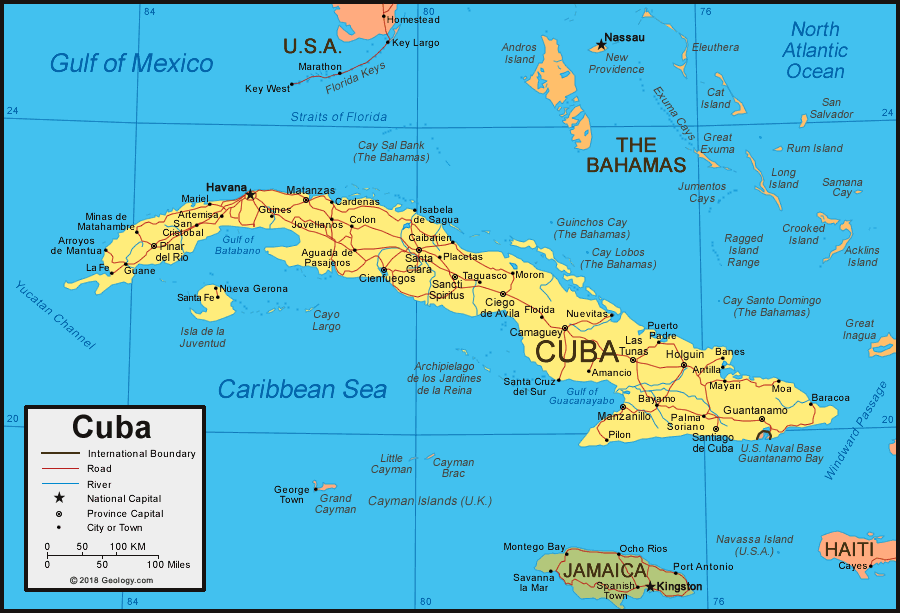
Sam Farber provides a critical perspective on the economic policies of the Cuban government and of some of its critics, and offers an alternative to both.