

Place: Minneapolis
The events in Minneapolis confirm that we now live in the grip, the death grip, of an authoritarian government, but also that there is a powerful, popular resistance. We are in a struggle for justice, for democracy, and for our lives. And that struggle goes on, most intensely in Minneapolis, but also everywhere else in the country. And the end is not in sight.
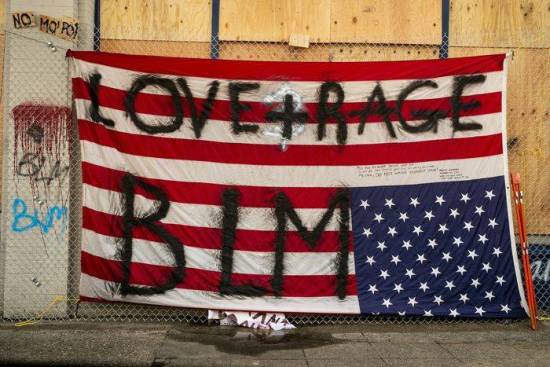
Turning points in history are very rare. We are now living in the midst of one, with the two months of virtually continuous protests against police abuse, the criminal injustice system, and for a human society that have swept the U.S. as well other parts of the world since the police murder of George Floyd on May 25.
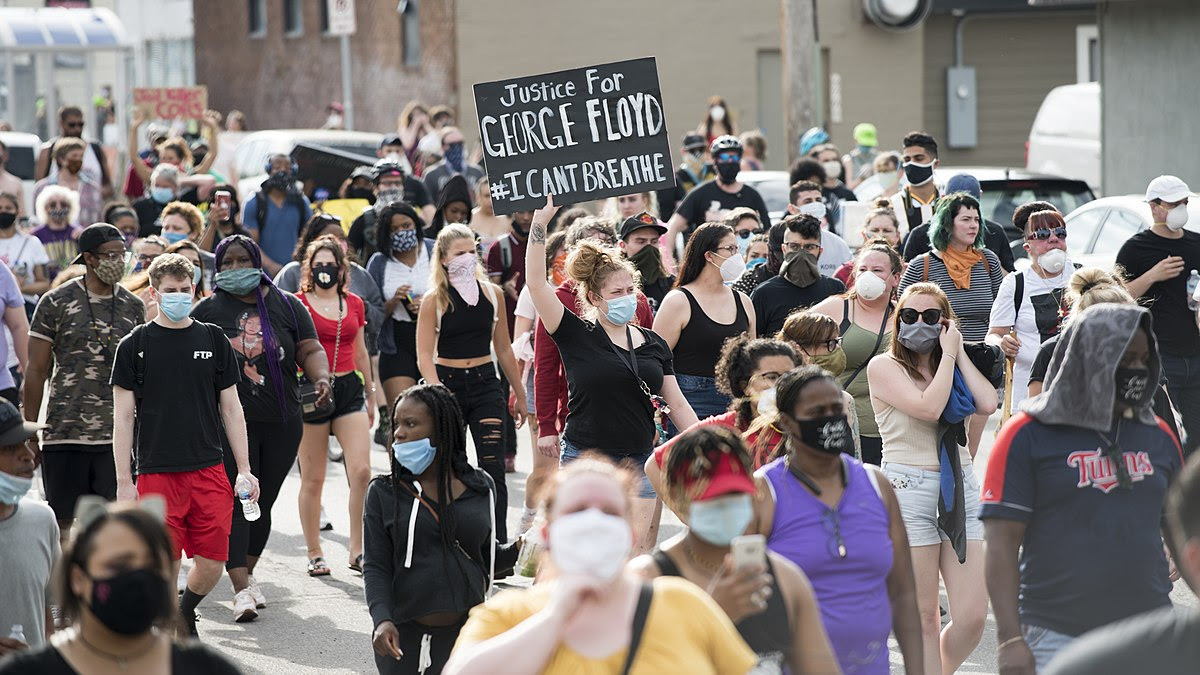
While much of the labor movement in Minneapolis has embedded itself in the city’s struggle against police brutality, union leadership at the national level has shied away from demands that it clean house.
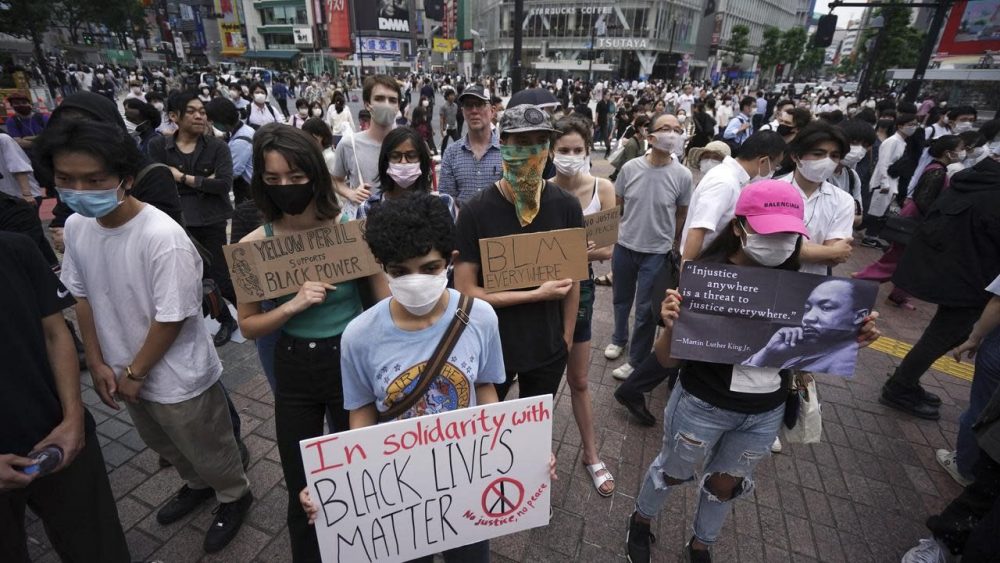
The Black Lives Matter uprising in the USA, the working-class resistance to unsafe conditions in Italy, and the fight by Hong Kong youth against the repressive Chinese regime exemplify a new generation on the move for radical change.
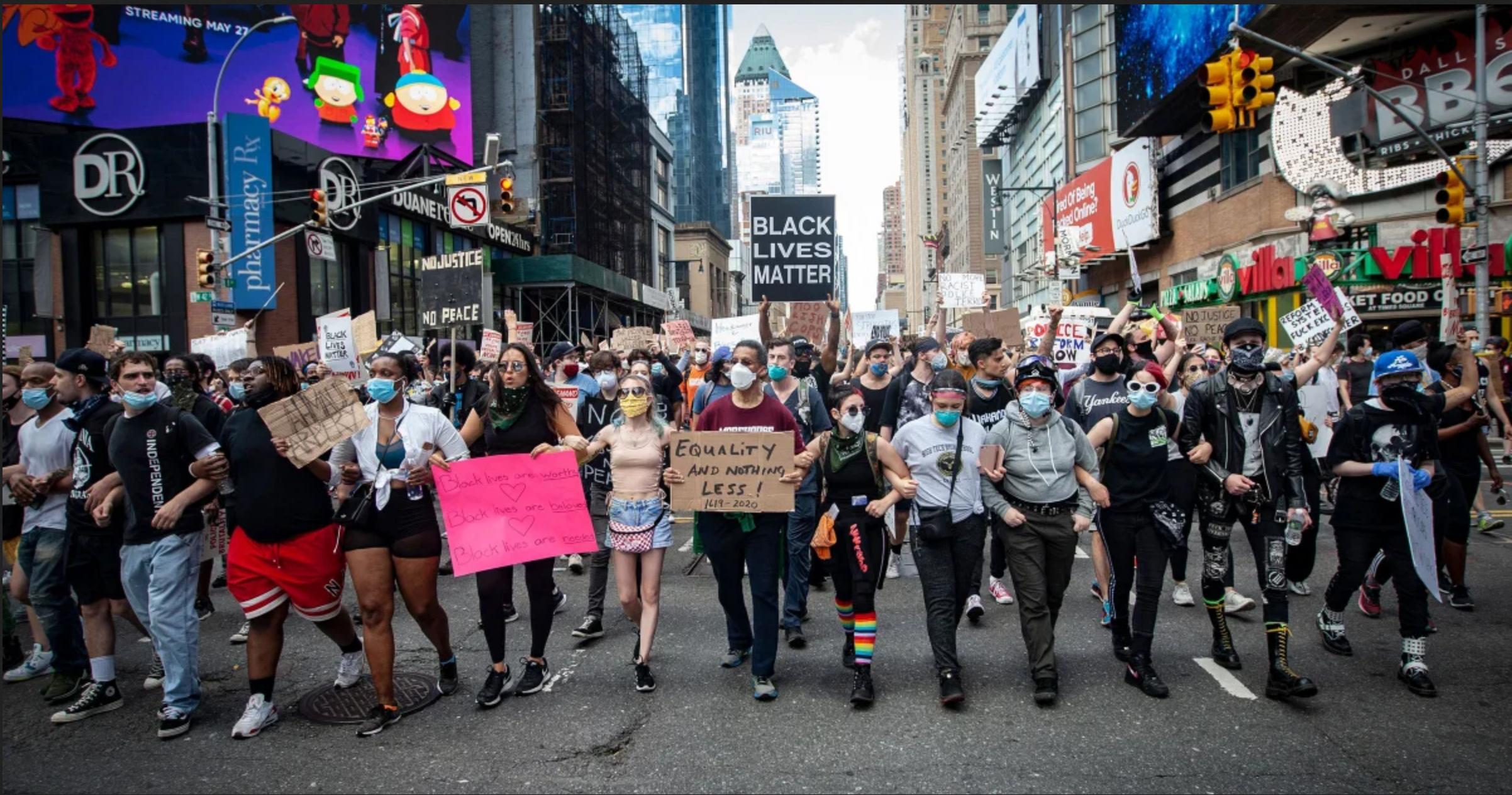
Sparked by the police murder of George Floyd and fueled by Minneapolis authorities’ reluctance to arrest and charge the murderer’s three police accomplices, mass protests have been sweeping across the United States with an intensity not seen since the 1960s.
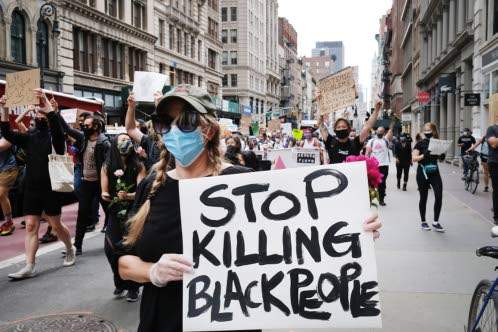
How quickly the government wants us to get back to the status quo where the ruling elite has been looting from the working poor every single day of our lives.
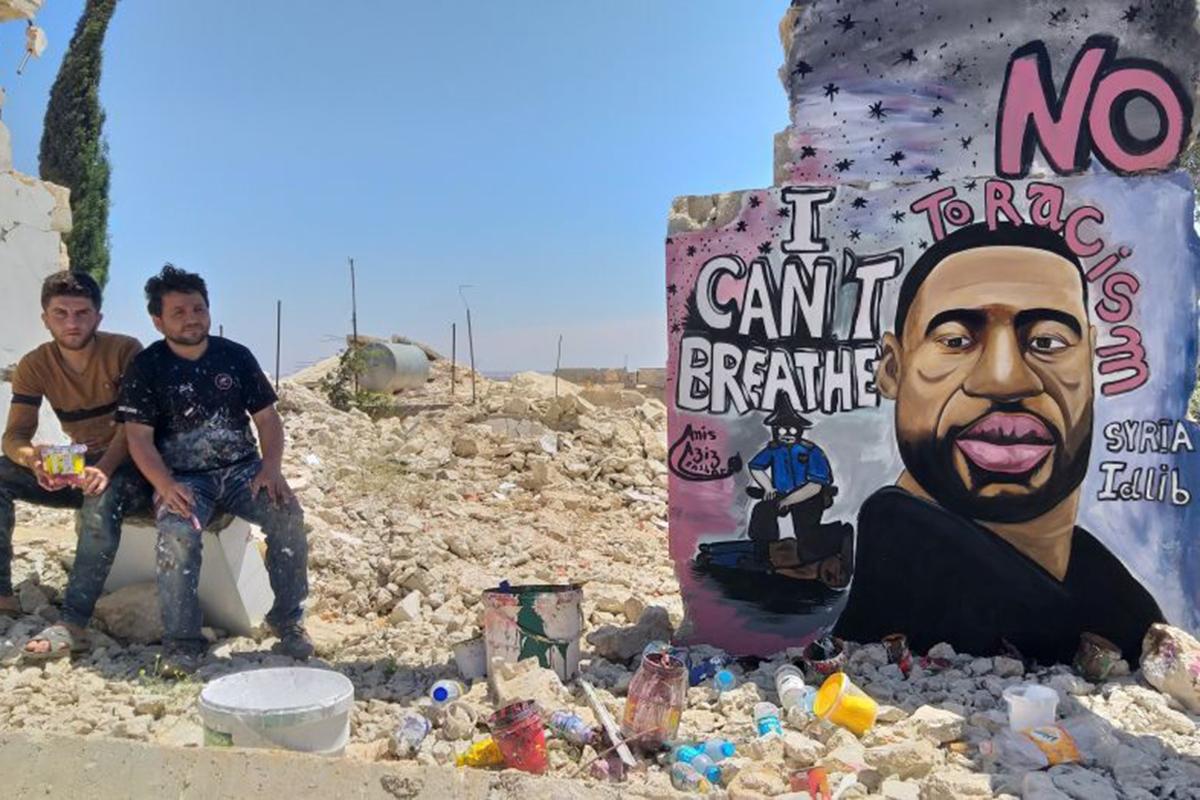
In the spirit of solidarity with those on the streets, Leila Al Shami offers lessons from the Syrian revolution that might be applicable to the uprising against police violence in the United States.
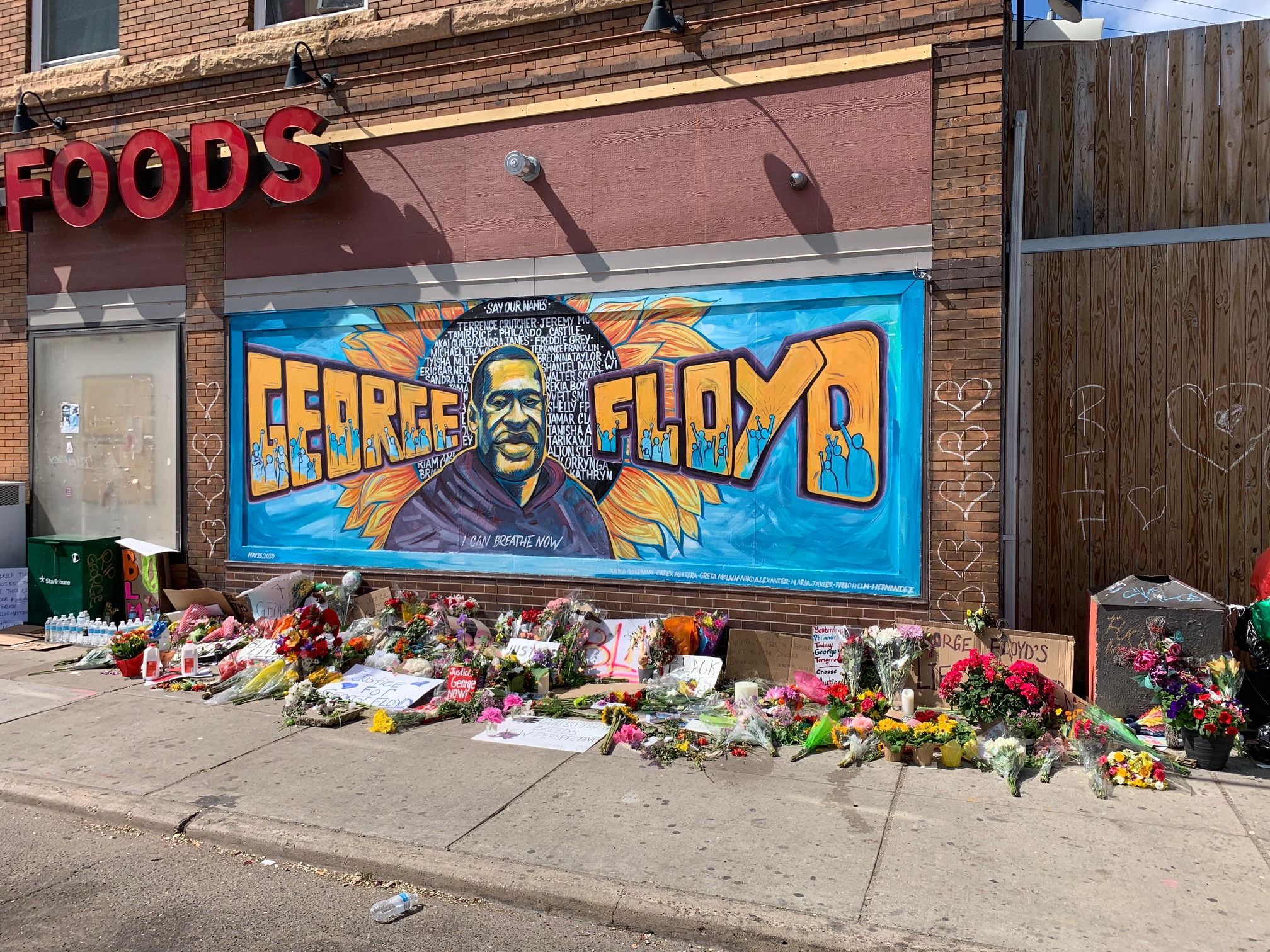
Since the the murder of George Floyd, in Minneapolis, MN, on May 25th, the city of Minneapolis has become the center of a national uprising against the murder of black and brown people by police.
