Minneapolis Resists ICE Occupation
NP editor’s note: These three excerpts provide anonymous accounts from Minneapolis of resistance to ICE’s occupation of the Twin Cities since early December. The first two reports describe protests following ICE agent Jonathan Ross’s murder of Renee Good on January 7th and the shooting of a Venezuelan immigrant on the 14th. The third describes rapid response networks organized to monitor ICE and warn neighbors about their whereabouts. Click on the headlines to read the full reports as published by Crimethinc.
Minneapolis Responds to ICE Committing Murder
An Account from the Streets

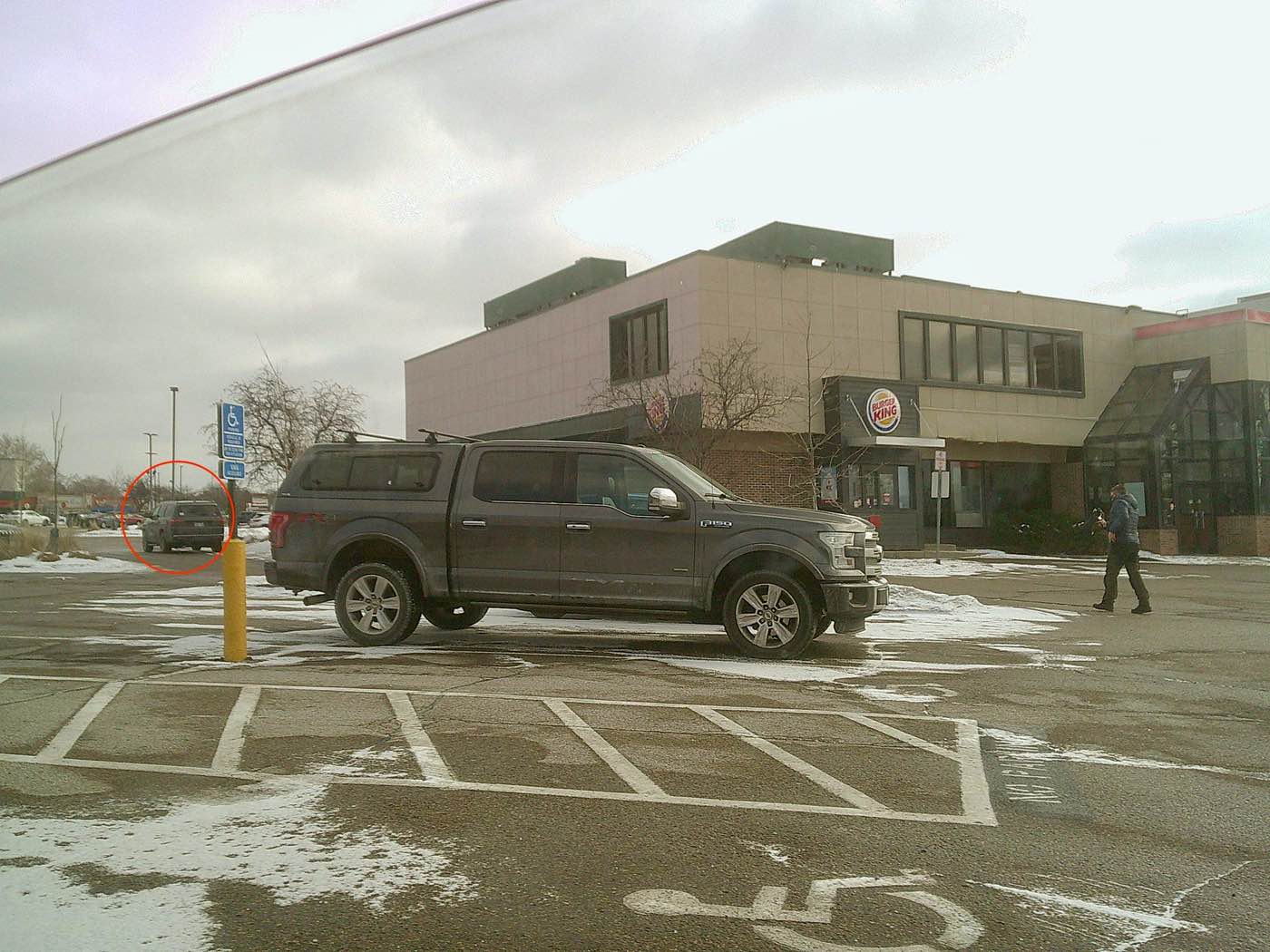
Yesterday, on January 7, I went to the Bishop Henry Whipple building at 8 am with a friend. The Whipple building is the ICE headquarters for the entire Upper Midwest; it is where they stage before carrying out their raids. I took pictures of their license plates for about an hour. A third friend planned to join us. Then she texted me that she couldn’t make it because ICE had shot someone.
My friend and I left Whipple and sped towards Portland and 34th, where the shooting had just taken place. When we arrived, Signal stopped working for both of us, as if our phones were being jammed. There was yellow crime scene tape up and dozens of MPD officers were protecting ICE officers in full tactical gear. The cops had a Bearcat with an LRAD on top. Greg Bovino himself, the “commander at large” of Border Patrol, was standing there in tactical gear. A crowd was forming—not just recognizable activists, but also ordinary neighbors who lived on that block coming out to cuss at them. We started a chant: “Cops! Pigs! Murderers!”
Things heated up when an agent tackled a protester about a block away. He grabbed them by their clothing and tried to force their hands behind their back in a snowbank. Somebody else body-checked the agent, knocking him down. A few people from the crowd ran over to see what was happening. A middle-aged local demanded to know why they were arresting the person.
“She was slashing tires,” the ICE agent answered.
The man yelled back, “I’m gonna do that too, motherfucker!”
There was a standoff for a couple minutes until the agent let the person go and retreated to the larger group of ICE agents.
The crowd started to gain confidence, getting in the faces of the ICE agents and chanting more aggressively. MPD cleared an exit for ICE to leave by heading south on Portland Avenue; they began to drive their vehicles out. Some people started shouting for people to get into the street to block them. The crowd hesitated at first, but a few people got into the street and blocked an ICE vehicle. Seeing this, more people began to get into the street. MPD officers shoved them out of the way. People kicked the ICE vehicles as they sped off. One person almost got hit.
As more of the crowd blocked Portland Avenue, the cops tried to clear a different exit for them, aiming to enable them to head west on 34th. People started chanting “Fists up, feds down, get the fuck out of town!” ICE guys with less-lethal launchers and shotguns were guarding an SUV as it tried to leave. People started throwing snowballs. The crowd surged forward and I came face to face with an ICE agent sticking the barrel of his launcher in my face.
“What are you gonna do,” I demanded, “shoot me too?”
He shot the launcher at my face at point-blank range. My first thought was “I just lost an eye.” That’s how it felt. Street medics pulled me back and started flushing my eyes. Off to my right, I could see people chasing some ICE agents into an alley behind some houses. I saw the same middle-aged man who had intervened on behalf of the other protester also take a pepper ball to the face at very close range. The agents shot tear gas and tackled somebody else.
Two comrades who were helping to give me medical treatment assisted me in moving to a house two blocks away to get cleaned up. I showered and put gauze on the wound on my face. When I got out of the shower, I saw more commotion down on the sidewalk. It was hard to tell whether ICE was chasing people or people were chasing them.
Some people erected a barricade at Portland and 33rd, a block away from where Renee was murdered. The barricade remains there today, with protesters camping out there—including some familiar faces who held down the George Floyd Square autonomous zone half a mile away for over a year.
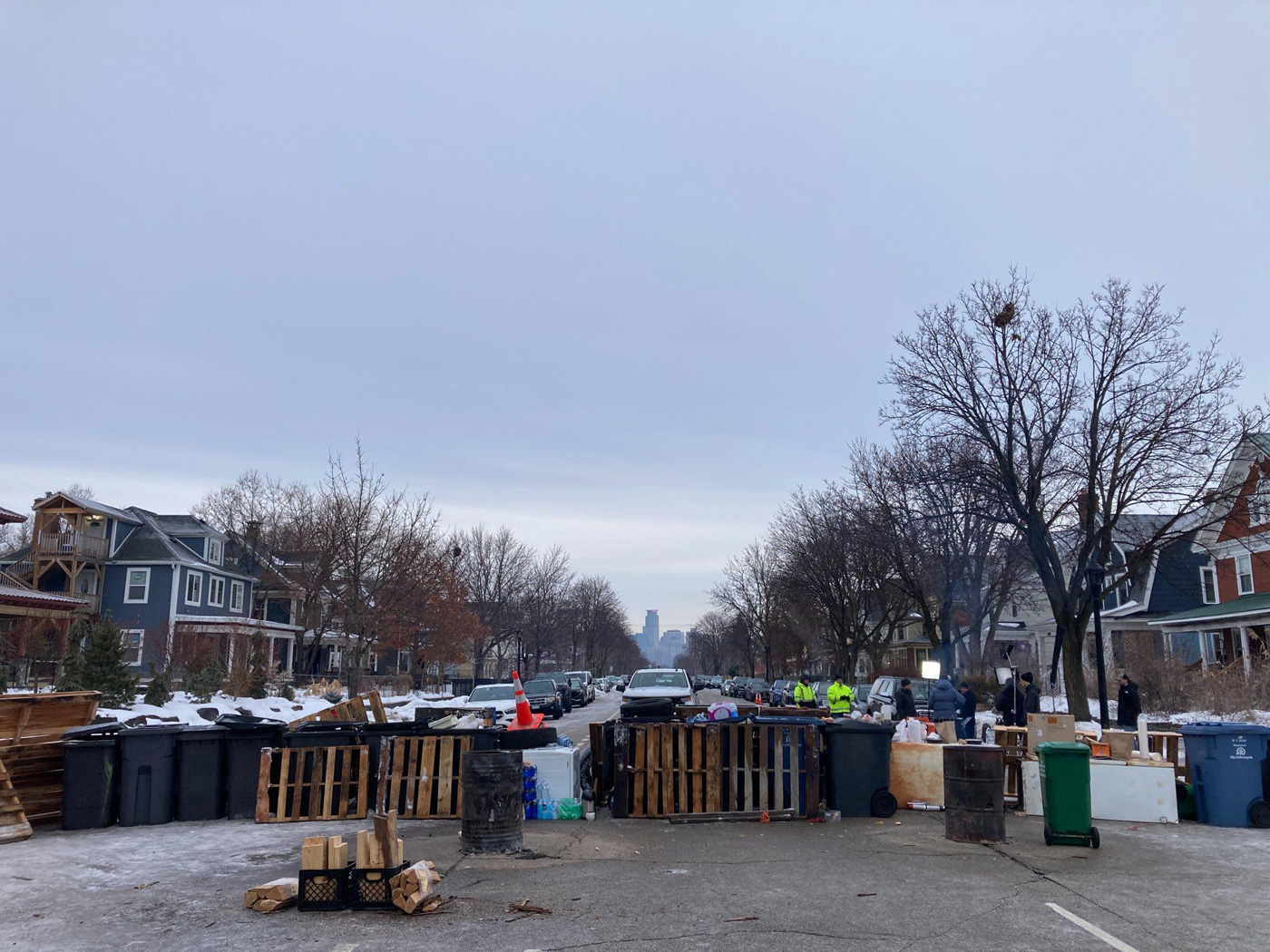
I went home to nurse my wounds and wash the pepper spray out of my clothes. A couple hours later, I heard reports that ICE was raiding Roosevelt high school and had rammed an observer’s car with one of their cars, weaponizing their vehicle as we’ve frequently seen them do. A fight broke out outside the main entrance. They arrested a protester, but they failed to catch the student they were trying to kidnap. This should remind everyone that they aren’t invincible: when we commit ourselves to our actions, we can beat them.
At about 4:30 pm, a group of 30 or 40 protesters breached the doors of the Federal Courthouse downtown. As security guards pushed back against the revolving doors to keep them out, someone smashed out a window. No one was arrested there. The spontaneity of the moment and the sheer number of little protests flaring up around the Twin Cities made it impossible for the authorities to react to all of them.
That night, there was a mass vigil to mourn Renee’s death. Some ten thousand people came out, crowding around burn barrels as they flooded Portland Avenue as far as the eye could see. It felt like everyone on the Southside was there.
North Minneapolis Chases Out ICE
A Firsthand Account of the Response to Another ICE Shooting
I had two hours left at my work shift when my phone started blowing up. Several comrades didn’t know where I was and thought I might be out in the street.
“Where are you?”
“You OK????”
“Shots fired at 24th and Lyndale”
“They just shot another person”
Every rapid response group chat was talking about the same thing. All kinds of rumors were flying around. Did they shoot one person or two? Were the victims alive or dead? Somebody said ICE had shot a 12-year-old Venezuelan boy in the leg. Somebody else said the victim was hiding in his house for fear of arrest and desperately needed medical attention. I didn’t know what to believe.
It’s always like that when a new emergency is going down. In the course of the past 45 days of federal occupation, scrambling through a fog of war to find out what just happened has become a familiar sensation. Somebody sent me a livestream of a crowd running away as ICE agents shot tear gas grenades and flashbangs at them.
Time slowed to a crawl. I hurried to finish up the drudgery I was working on as fast as I could. When I felt like I could get away with it, I told my coworkers I had a family emergency and I had to leave early. I jumped in my car and ran every stop sign on the way to 24th and North Lyndale.
I ran into a crew of street medics two blocks north of the crowd. They told me about what they’d seen before I got there. ICE had snatched two kids suspected of throwing a firework at them—20 masked thugs charging up to grab the kids, only to release them half an hour later under intense pressure from the rest of the crowd. The medics warned me that they were going to get out before the cops started mass-arresting people. In their opinion, I was walking into a kettle. The air already stank of tear gas.
At 24th Street, I found a crowd of about a hundred people facing off against a skirmish line of Minneapolis Police Department pigs in riot gear. The feds had already left and handed over the situation to the local cops. Somebody was slowly beating a drum. To my right, kids stood up on an elevated front lawn, screaming “Fuck ICE!” and “Fuck 12!” down at MPD. Somebody was brandishing a tear gas canister that had been fired at them, showing it off to their friends. A TV news crew was there. They tried to talk to me. I pushed my way through the crowd to get away from the cameras. Beyond the skirmish line, a block south on Lyndale near 23rd, I heard the sound of shattering glass.
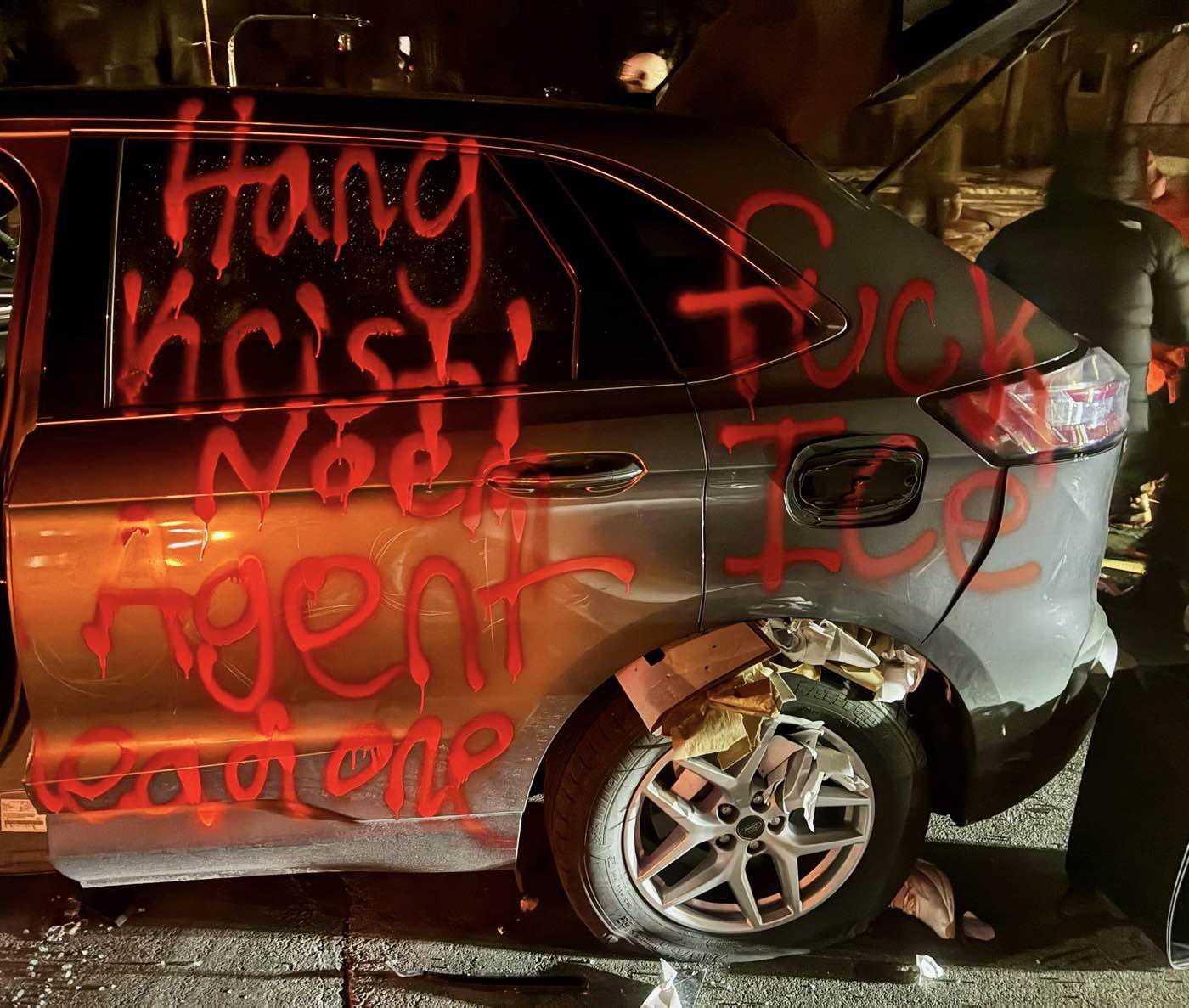
I doubled back and went around the block. I came out on the other side of the skirmish line. There was a crowd of young people on this side, too. They were smashing up two SUVs that I recognized immediately as ICE vehicles by their blacked-out windows and out-of-state plates. Guys were trading kicks at the glass. Somebody was proudly displaying a big Mexican flag. One young person jumped up on the hood and stomped her foot through the windshield. Somebody with a can of red spray-paint tagged “HANG KRISTI NOEM” on the side of the other car.
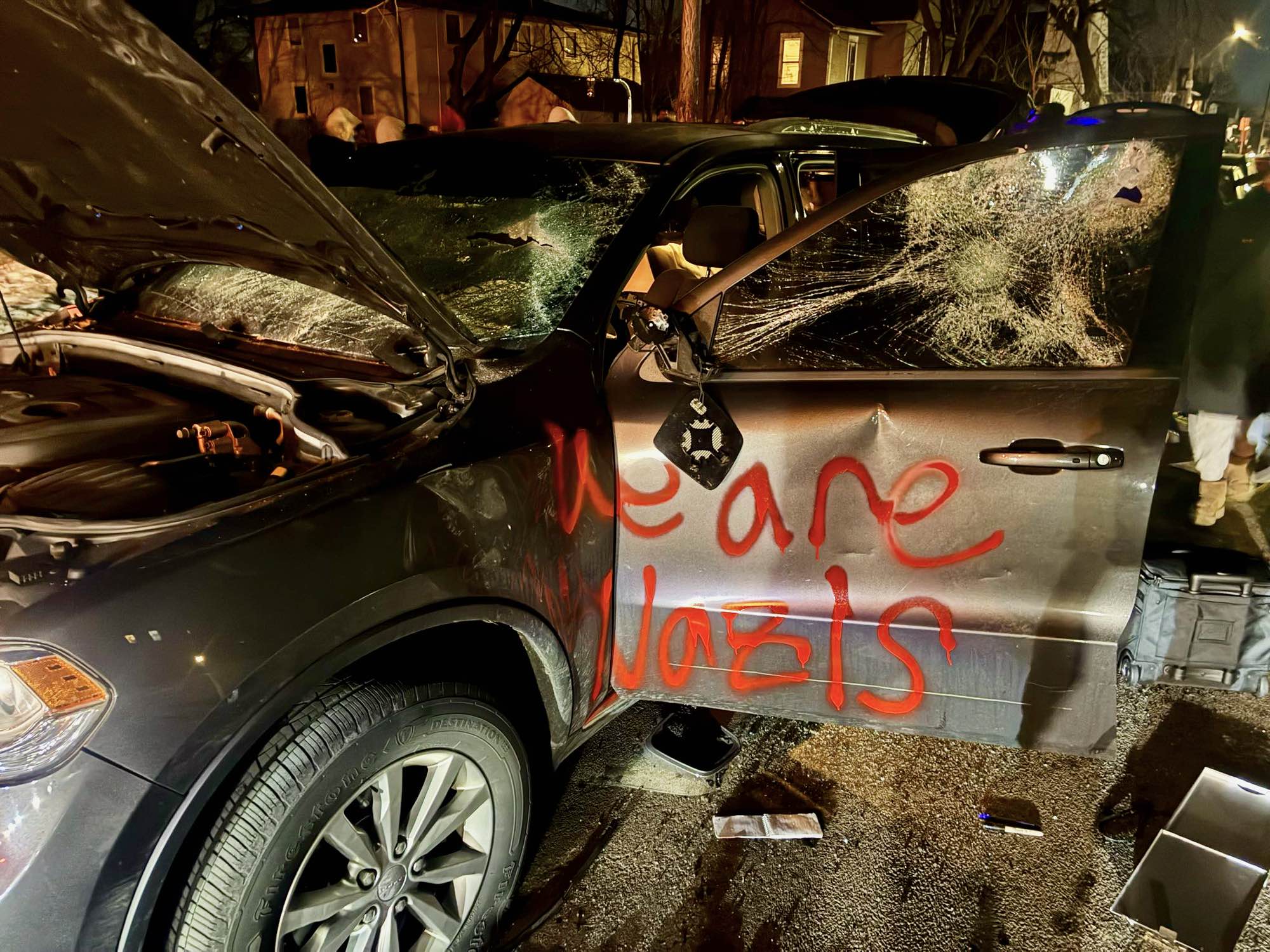
A few people pulled a locked gun safe out of the trunk of one of the cars. Somebody dumped a fingerprinting kit on the ground. Someone else was rifling through a folder of documents at a frantic pace, snapping pictures of each one with a cell phone. There was an ICE face mask in the driver-side door of the nearest SUV. Appropriately enough, there was an ice scraper on the floor of the vehicle.
Suddenly, I heard a loud bang behind me. The familiar acrid taste of tear gas filled my nostrils. I started running south with the rest of the crowd. When we got to the next intersection, however, I turned around and saw that the cops were pulling back, shooting projectiles at the crowd as they moved east on 24th. The crowd got its bearings and we turned around and ran back up to 24th. There were such huge clouds of tear gas to the east of us that I couldn’t see the cops anymore.
“This is one! This is ICE!” I heard somebody yelling excitedly. She was pointing at another silver SUV parked on 24th. I checked the plates against the database of ICE vehicles that activists keep, saw that she was correct, and instantly felt silly for doing clerical work in the middle of a riot. Someone started whacking one of the side windows with the ice scraper that had been in the previous vehicle, striking it as hard as possible. After a few swings, there was a satisfying crunch as the window gave in. People around me began kicking in these windows, too. Somebody got the driver’s side door open and threw a firecracker inside.
Some overzealous cameraman—I couldn’t tell if it was the same guy from before—muscled his way through the crowd to get a shot of the ICE vehicle receiving this treatment. “No video!” someone roared at him. “If you let him take pictures of this shit, somebody is going to jail!” A few people forcefully encouraged the cameraman to turn around and leave the area.
When the tear gas cleared, I saw that the cops were gone. It seemed too good to be true. I ran up a couple blocks to scout the perimeter. They were nowhere to be seen.
I went back to where the two smashed-up ICE vehicles were. A festive block party mood had set in. People were setting off fireworks. Somebody was trying to pry open the gun case. Someone was dancing on top of a vehicle again while someone else blasted “I Don’t Fuck With You” by Big Sean. Young folks passed around a bottle of Hennessy. A lane of traffic had opened up. Some passing motorists raised their fists out the window and shouted “FUCK ICE!”
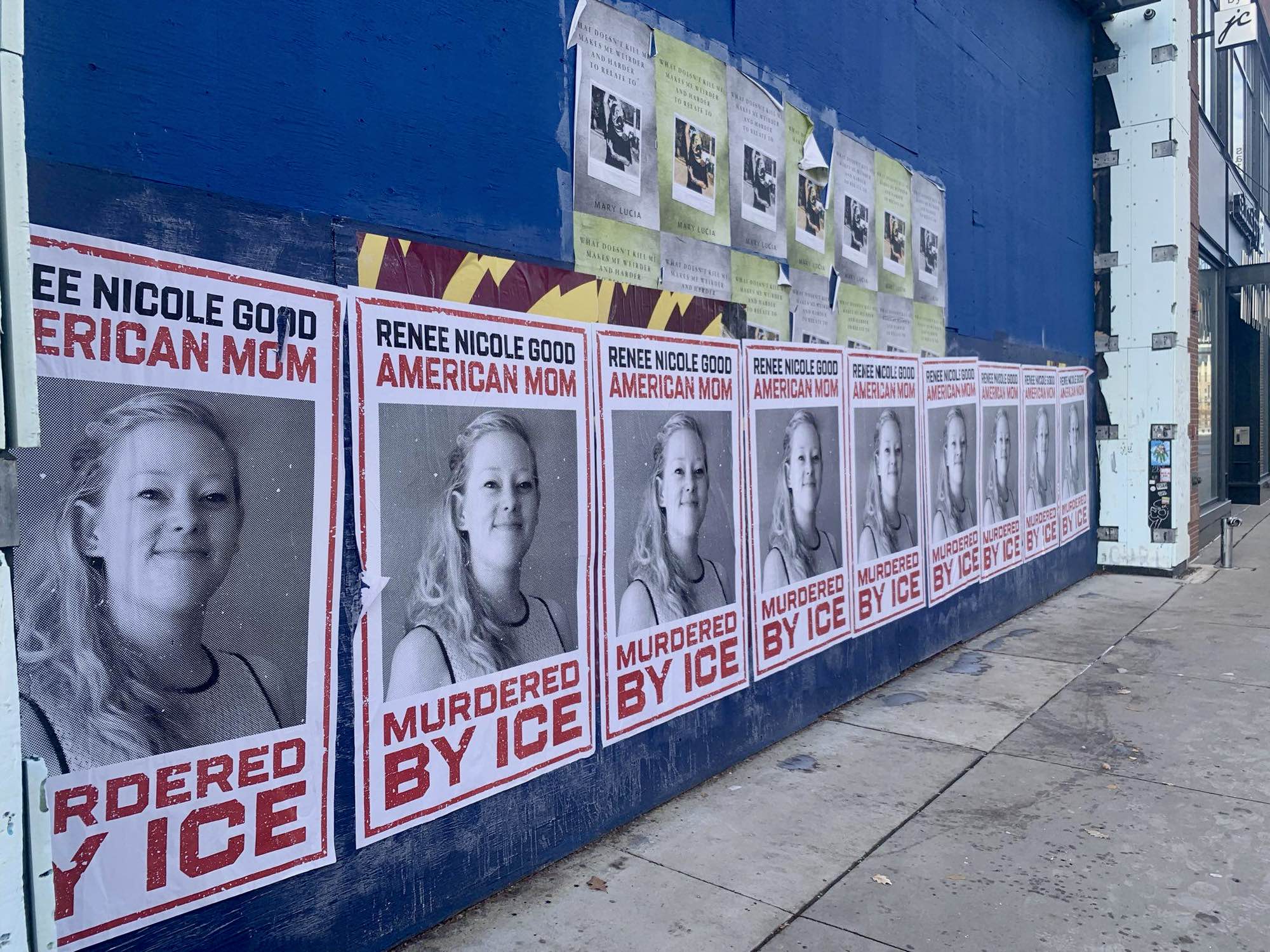
The Surge
During the months preceding the surge of ICE agents to the Twin Cities, local people and organizations created a relatively centralized rapid response network, in which observers would submit sightings with varying levels of substantiation to an admin on a mass text system. As soon as admins could intake, reformat, and verify the reports, they would blast it out on the system and people nearby would converge. This seemed to work for turning people out to major operations, like a raid on an apartment complex, but began to falter as ICE experimented with faster, more lightweight operations.
Then, around December 1, the raids essentially stopped, and the influx of agents began a campaign of door knocks and snatch-and-grabs. The previous model was immediately rendered obsolete, because the window of time to intervene shrank to a matter of minutes. Community members who were wanting something more confrontational than the existing legal-observer-style bottle-necked system started to build out a parallel system to fill the gaps and move more nimbly.
This new system began with a large-scale chat for Southside reports, where anyone can drop an alert of any kind. As ICE operations accelerated in volume and speed, the open, more nimble chat grew in members and became a space that attracted those who wanted to do more than simply record ICE operations. People integrated the existing whistle program to alert targeted people about ICE’s arrival and to harass the agents, then increasingly got in the way—blocking ICE vehicles with personal cars, using their bodies to block agents, using crowds and car patrols to intimidate small groups of agents into withdrawing.
As the chats got larger, more chats were made to break the city up into smaller and smaller segments—some of which have gotten as small as a four-block radius. This allows people to see reports directly relevant to them and respond to nearby sightings quickly and effectively.
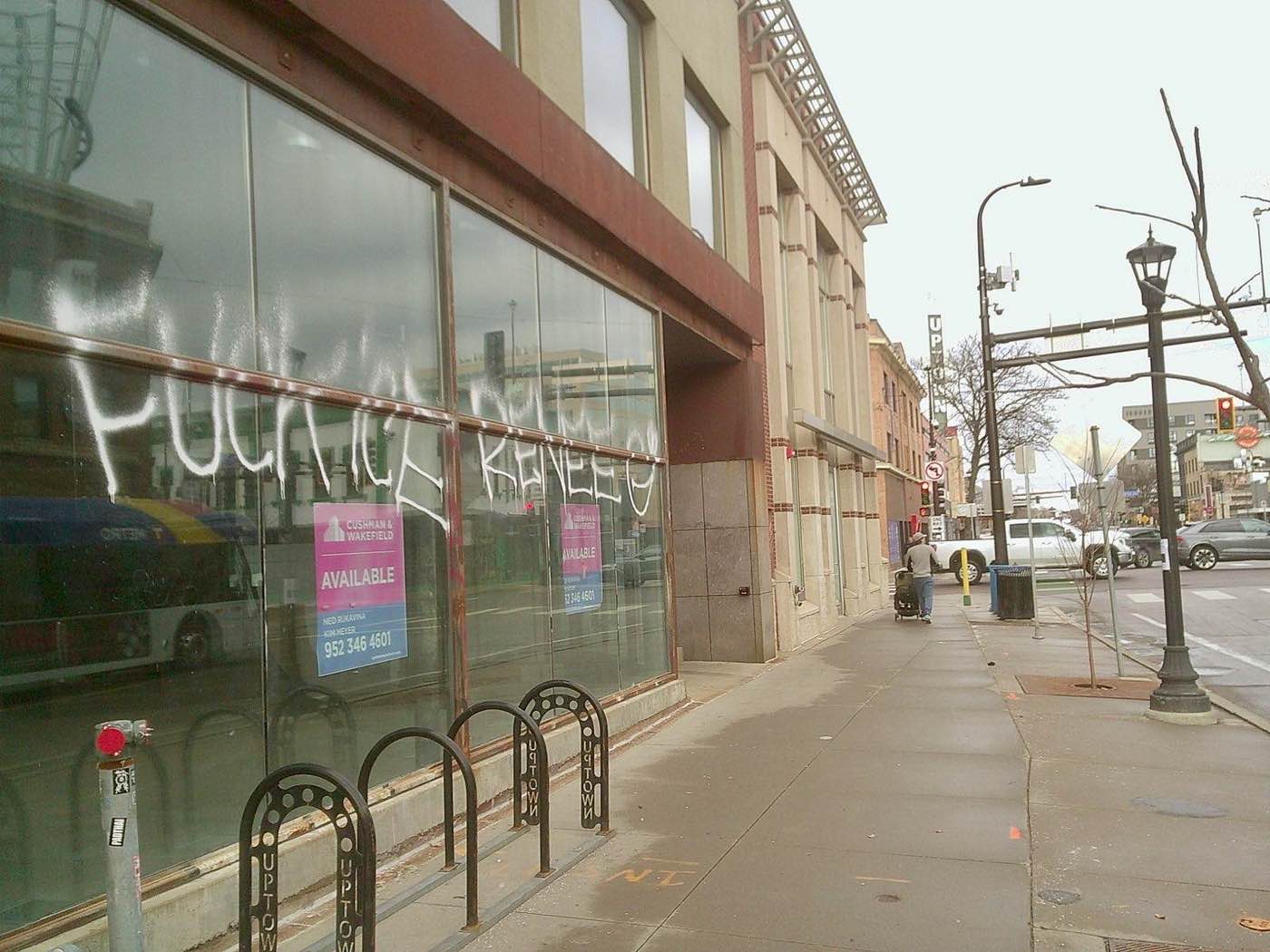
Counter-Surveillance
These networks have benefited greatly from a program of counter-surveillance at the local ICE headquarters. The Whipple, a federal building in Fort Snelling on the outskirts of the Minneapolis and St. Paul, has long been a regional headquarters for ICE, having previously housed other federal agencies. The complex is located across the street from a National Guard base, down the road from a military base, and next to the preserved fort itself. The fort sits on the sacred site of the convergence of two rivers. It was one of the earliest sites of colonization in the area; at one time, it was a concentration camp holding native Dakota people.
The Whipple includes offices, processing and detention facilities in the basement, and a sprawling parking lot. Community members identified this complex as a key location over the summer; they have maintained a presence there since August.
The building is hemmed in by two state highways, two rivers, and an airport. With only two vehicle exits, tracking ICE vehicles entering and exiting the facility is easy. Whipple Watch, as it’s called, has involved protesters and observers stationed there for months, gathering intel on the convoys headed into the city or taking detainees to the airport, identifying patterns of operations such as surge days and times, and carefully cataloging the plates of vehicles going in and out. This database of plates gets near constant daily use, enabling rapid responders on foot and in cars to confirm known ICE vehicles in real time. ICE has begun swapping out cars and plates throughout the day to undermine this counter-surveillance, but the volume of submissions pouring in is only growing.
Whipple Watch describe their goals as threefold:
- to provide an early warning system about surges and convoys to the local rapid response networks,
- to gather data with a special focus on the license plate database, and
- to ensure that ICE knows they are being watched, even on their own turf.
Whipple Watch has undeniably succeeded in achieving these particular goals, even in the face of a hostile militarized force.
How It Works
Each chunk of the city (Southside, Uptown, Whittier, and so on) has rotating shifts of dispatchers, who admin a running Signal call throughout operational hours. Sometimes, multiple dispatchers overlap to split up the extra tasks of watching the chat, relaying reports to other channels, and checking license plates. Dispatch also helps people evenly distribute patrols across an area, takes notes, and assists people through confrontations. All patrollers in cars and on foot and stay on the call throughout their patrol. There is a constant flow of information, allowing other cars to decide whether they are well-positioned to join in, take over tailing the car, or continue searching for additional vehicles.
Since the structure has divided up into more granular neighborhood-based zones, people in many areas have also developed a daily chat system, with chats that are re-made and deleted each day to keep them clear and not maxed out of participants (as the maximum number of members of a Signal group is capped at 1000). Various areas of the cities and the suburbs have replicated the basic structure of this system but with slightly different models, chat structures, vetting systems, and data collection.
A data collection team collects anonymized data submitted from Whipple Watch and many of the local rapid response chats, aggregating them into consumable formats, such as interactive maps of hotspots. This team also admins the searchable database of license plates sorted by “confirmed ICE,” “suspected ICE,” “confirmed not ICE,” and other categories.
Additional place-based chats have emerged around school systems, faith communities, mutual aid grocery deliveries, and the like. Another development was the Neighborhood Networks intake chat, which acts as a clearinghouse for incoming volunteers. New people from anywhere in the city—or anywhere in the state of Minnesota—can be added and oriented to a list of chat options, and admins will add them to the open chats or connect them to the vetting and training processes for the more closed chats.
Most recently, dispatchers have experimented with a relay system in which patrollers who tail vehicles to the edge of their zone can communicate through dispatch across chats to pass off the vehicle to a patroller in the next region. This allows the patrollers to remain in tighter and tighter routes, which they can swiftly come to know intimately well in order to navigate them better than any ICE agents.
Finally, Spanish language relayers copy ICE alerts from dispatch calls and local chats, translate them, then send to large Spanish-language Signal and WhatsApp networks.
What might look from the outside like an over-formalization of chats for different kinds of information, or else like too little structure in the completely open calls that all patrollers for a given zone join in simultaneously, coheres into a highly effective, self-organized, and well-maintained communication ecosystem. Information moves reliably across scale through the chats and dispatchers, and patrollers quickly adopt cultural practices that enable them to avoid talking over each other and to relay information in a clear and organized manner. Volunteers self-select into shifts of varying lengths, deciding what routes to run based on their knowledge, skill, interest, and availability.
This system is constantly shifting, highly adaptable, somewhat difficult to explain to outsiders, and surprisingly easy to integrate into—once you get over the shock of receiving over 1500 new messages per day.
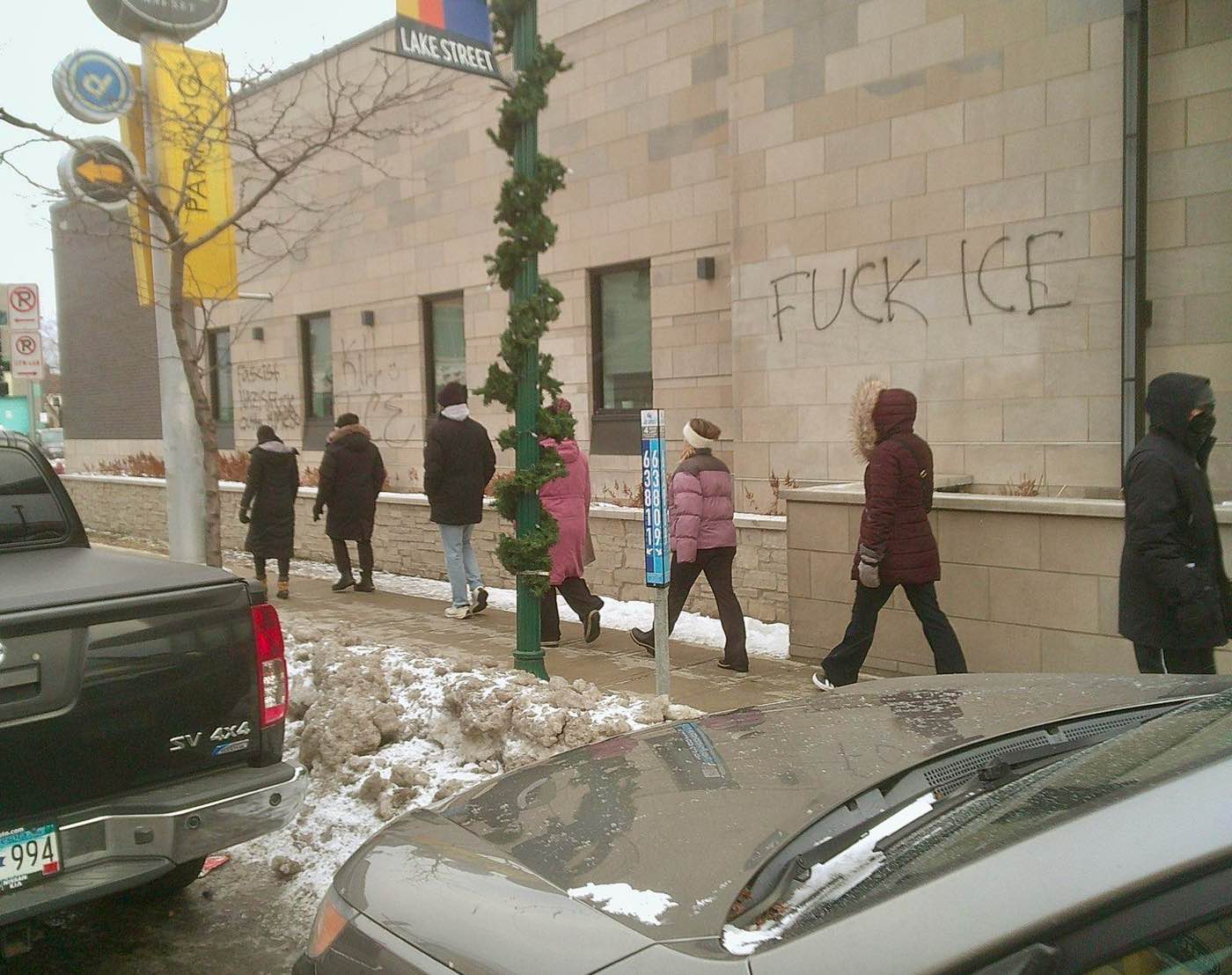
“You Don’t Know How Crazy It Is Here”
The response from ICE has been measurable. They have changed their tactics. They have been chased out of neighborhoods during operations. They have been caught discussing how scared they are and the fact that many of them have left.
They’ve also continuously and aggressively escalated their violence against observers. Patrollers who follow ICE too closely or for too long will often be boxed in so that between four and ten officers can surround the car, beat on the doors, yell, film, and threaten them with arrest. Patrollers who have blocked ICE with their cars have been rammed, have had their windows busted in, have been pulled out to be detained or arrested. People have been put into ICE vehicles, driven miles away, then thrown out of the car. Agents have taken people out of their cars, then driven their cars several blocks away and left them running in the street. Recently, agents have been pepper spraying cars—sometimes trying to fill the interior of the vehicle in order to force people out of it, other times just using the chemical weapon to brightly mark the cars for further harassment and targeting.
Recently, ICE agents threw a tear gas canister out of their vehicle while driving on the highway to try to deter someone from following them. Agents have not only followed patrollers home, but have identified the driver or vehicle following them and led drivers to their own home addresses as a form of intimidation. Patrollers shared with us that agents have beaten them, have tried to run them over, have driven directly at their vehicles head on, held them at gunpoint, shot out their tires, and dragged them out of moving vehicles. While the murder of Renee Nicole Good shocked the nation, it came as no surprise to those who have been on the streets of the Twin Cities over the past six weeks.