
Issue term: Summer 2026
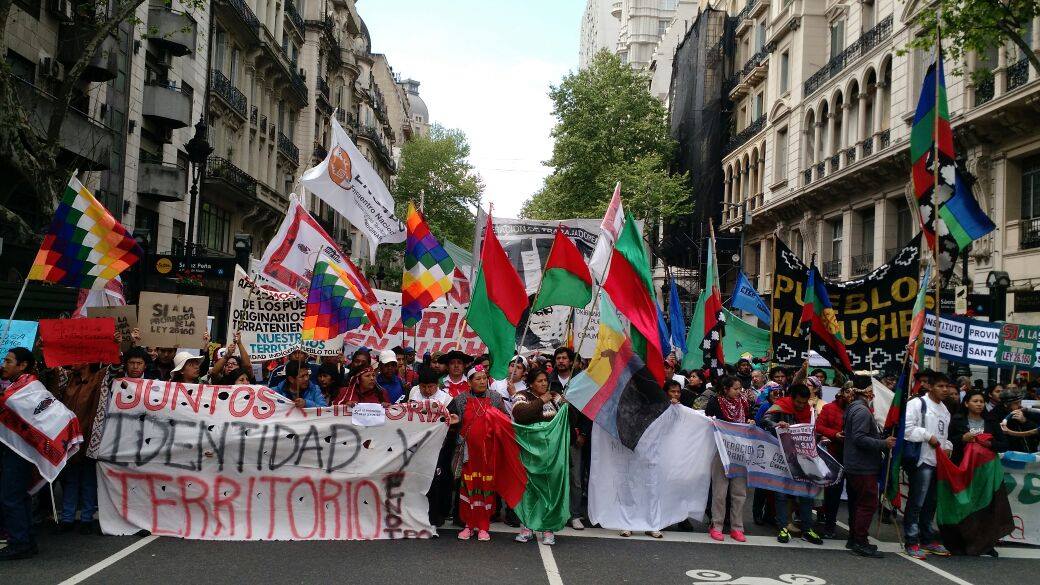
Matt Benson analyzes historic and ongoing dispossession of the Mapuche people’s land, and their resistance against the Chilean state.
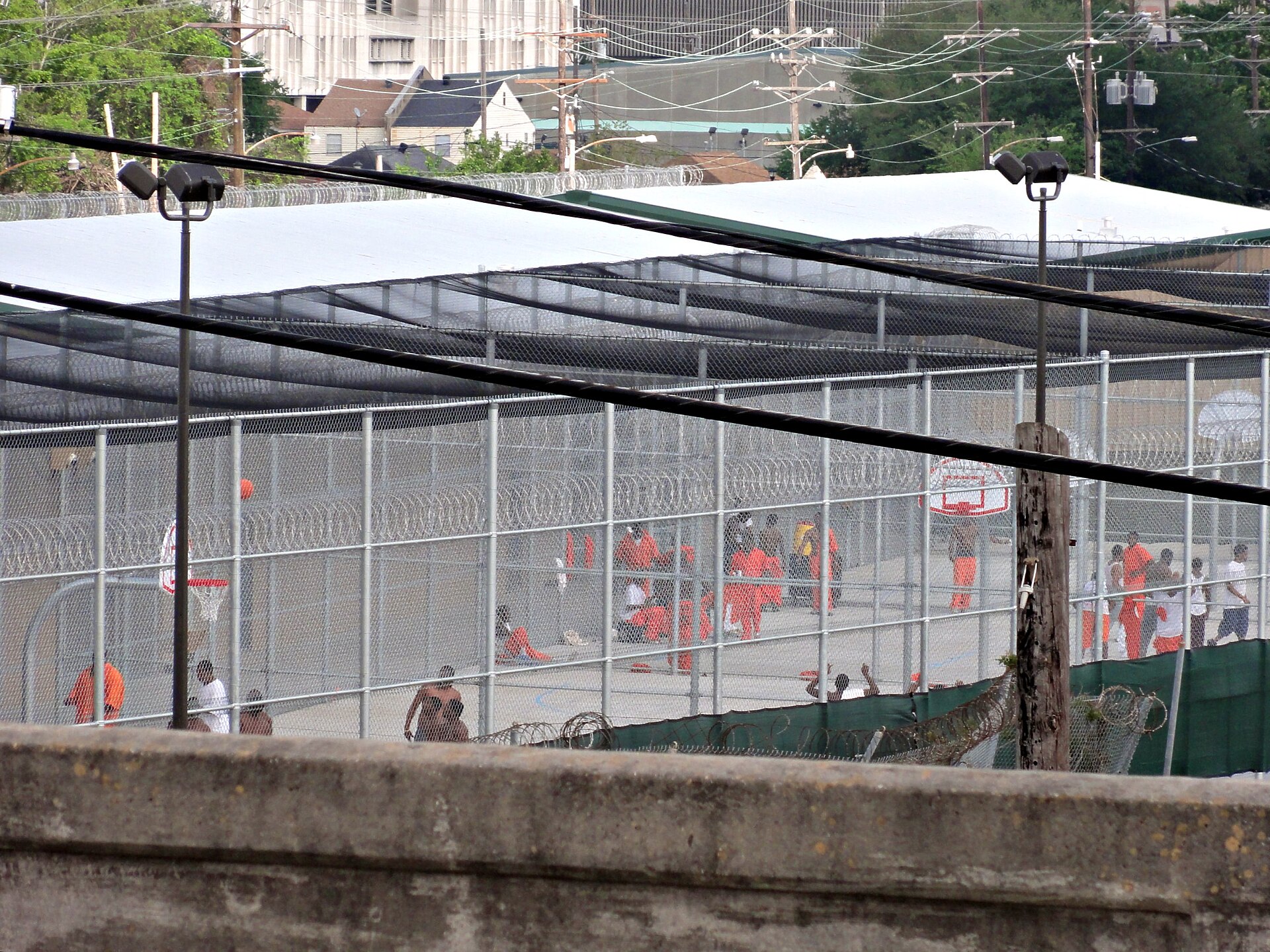
Samuel Barney argues that prison building in rural United States is used as a way to incorporate the precarious rural working class into the state’s repressive apparatus.
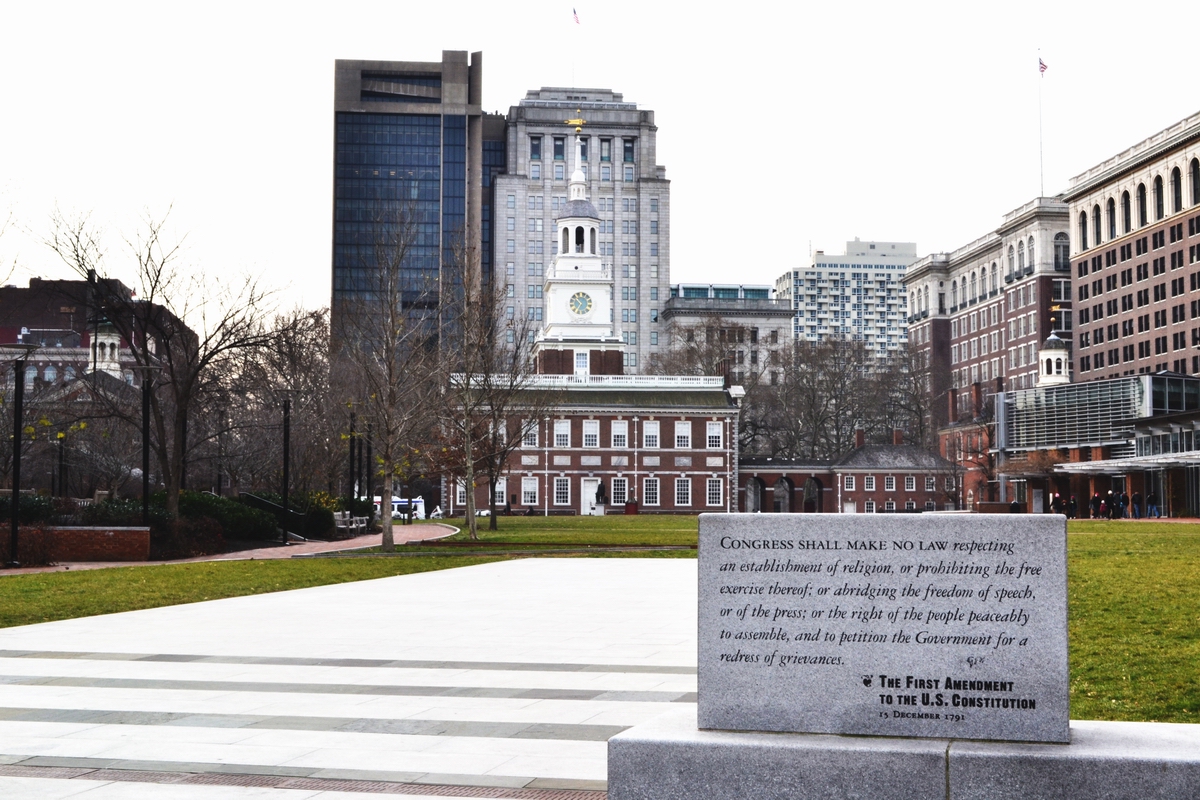
Samuel Farber defends the concept of free speech from a left perspective, against progressive critics of free speech.
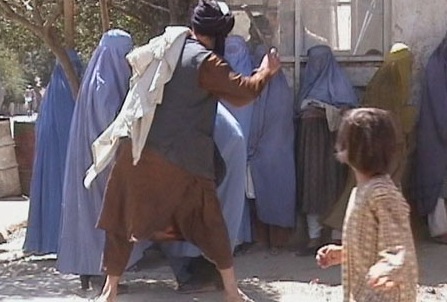
I am writing from Afghanistan, where days end with fear and nights end with anxiety. We Afghan girls no longer know whether life should be called life or simply “survival.”
Every day upon awakening, I hope not to hear more bad
Every day upon awakening, I hope not to hear more bad
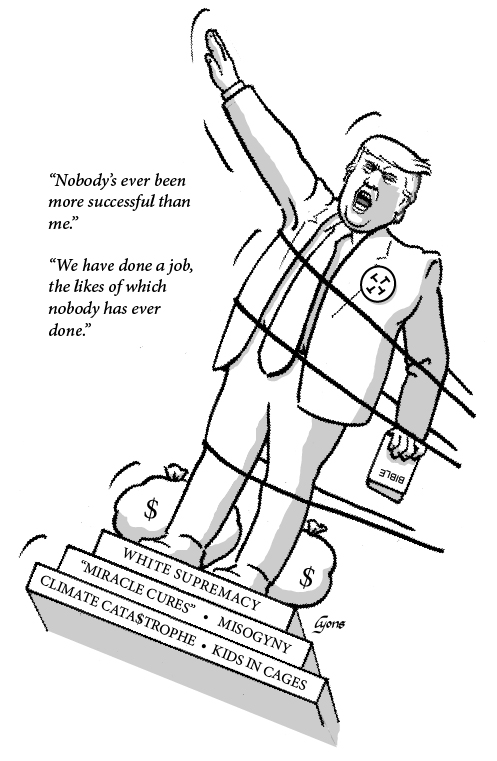
Ben Silverman analyzes Trump’s fascist tendencies and the danger of the Trump regime moving towards the level of historical Fascism.
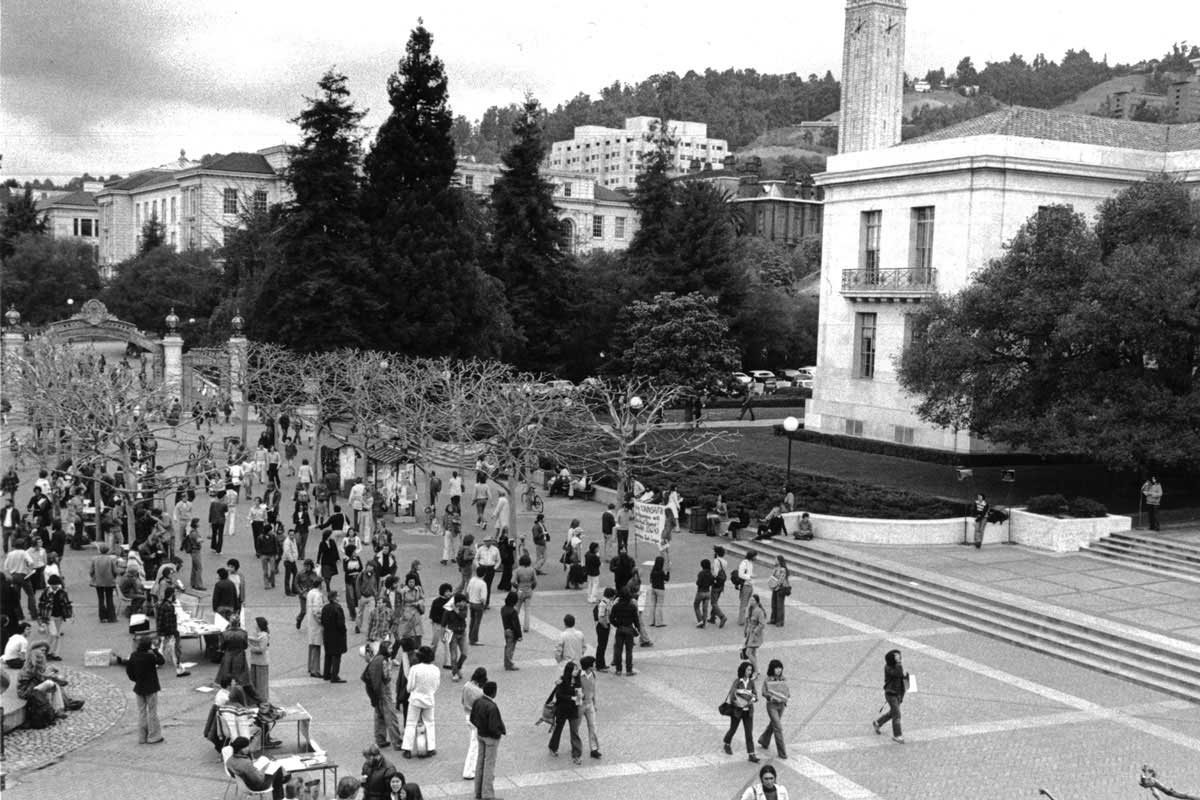
Thomas Harrison recounts history and an experience of the Independent Socialist Club in the 1960s Berkeley, which later became the International Socialists (IS) nationwide.
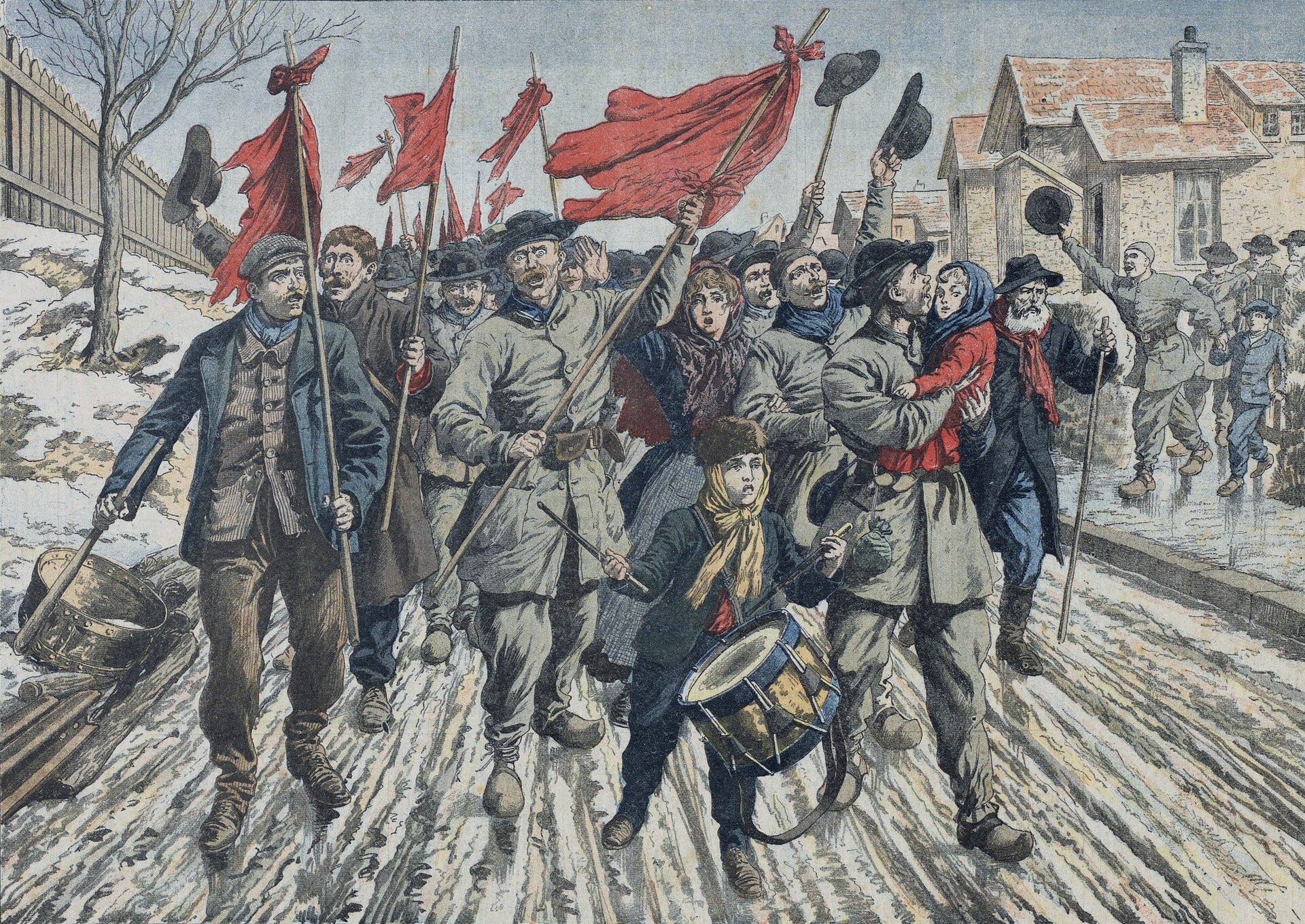
Anne Mackie recounts history of UPSurge, a rank-and-file movement of UPS workers in the Teamsters in the 1970s, in which she actively participated.

Alan Wald reviews A Collective History of the International Socialists, praising its in-depth insights while calling for more critical perspectives.
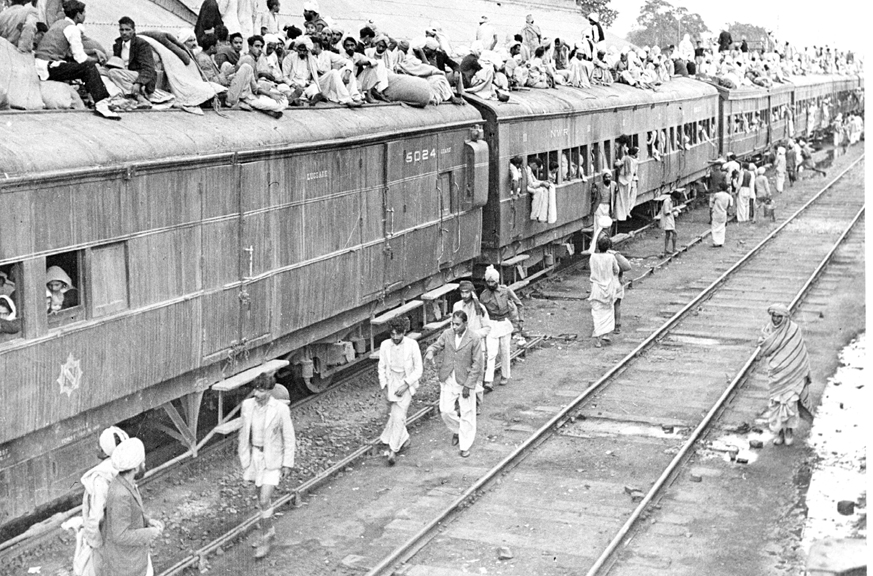
75 Years After Partition: India, Pakistan, and Bangladesh offers a timely, interdisciplinary intervention into the cultural memory, historiography, and ideological reproduction of the 1947 Partition of British India and the 1971 Liberation War of Bangladesh. Spanning cinema, literature, textbooks,
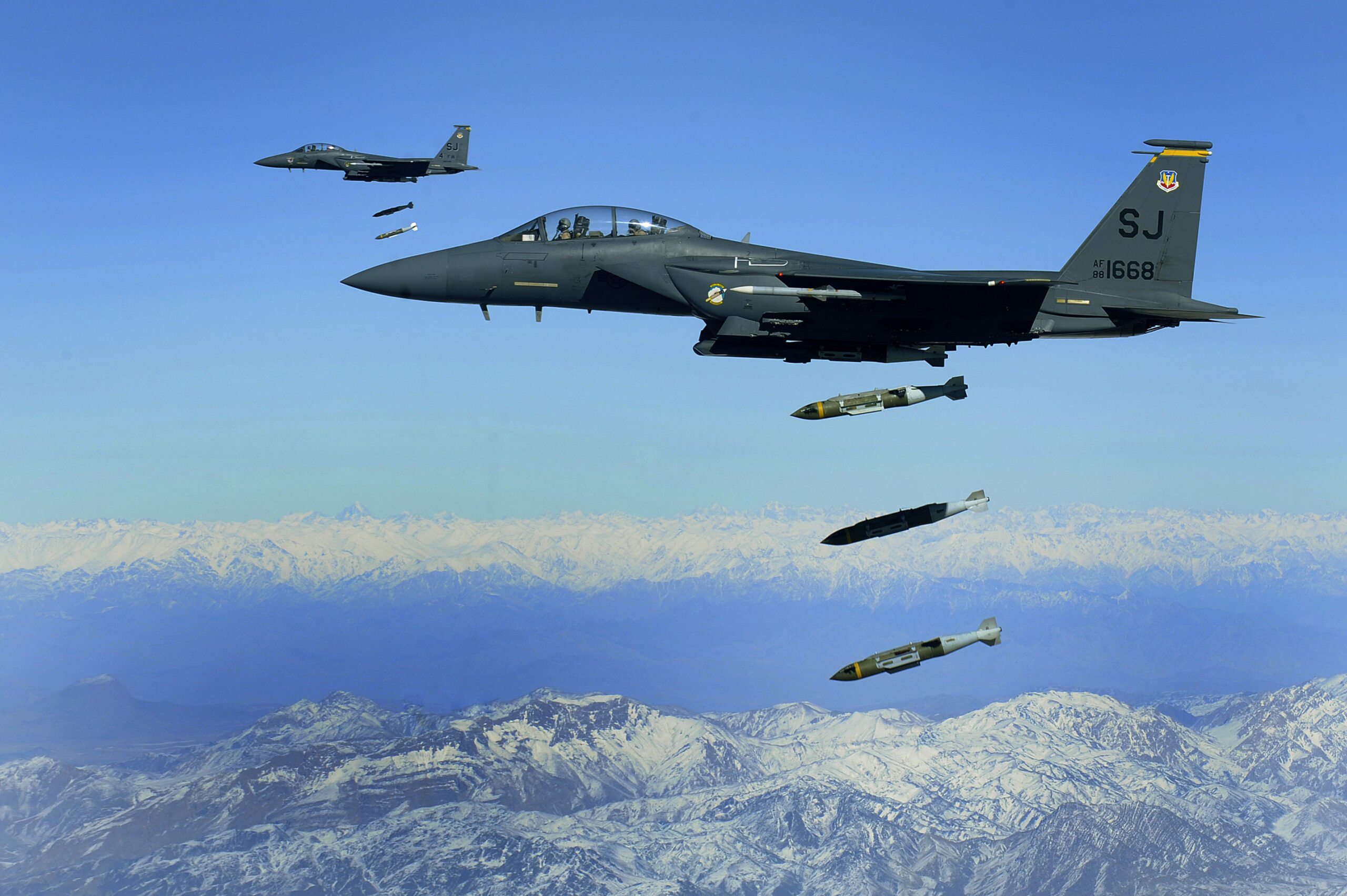
Farooq Sulehria reviews the new edited volume Propaganda, Communication and Empire, a critical analysis of media representation of western intervention in Afghanistan.

Andrew Sernatinger reviews a new edition of the 1982 classic Teamster Rank and File, an in-depth study of the rank-and-file movement at Local 208 in Los Angeles, offering a prescient critique of the TDU’s electoralism.
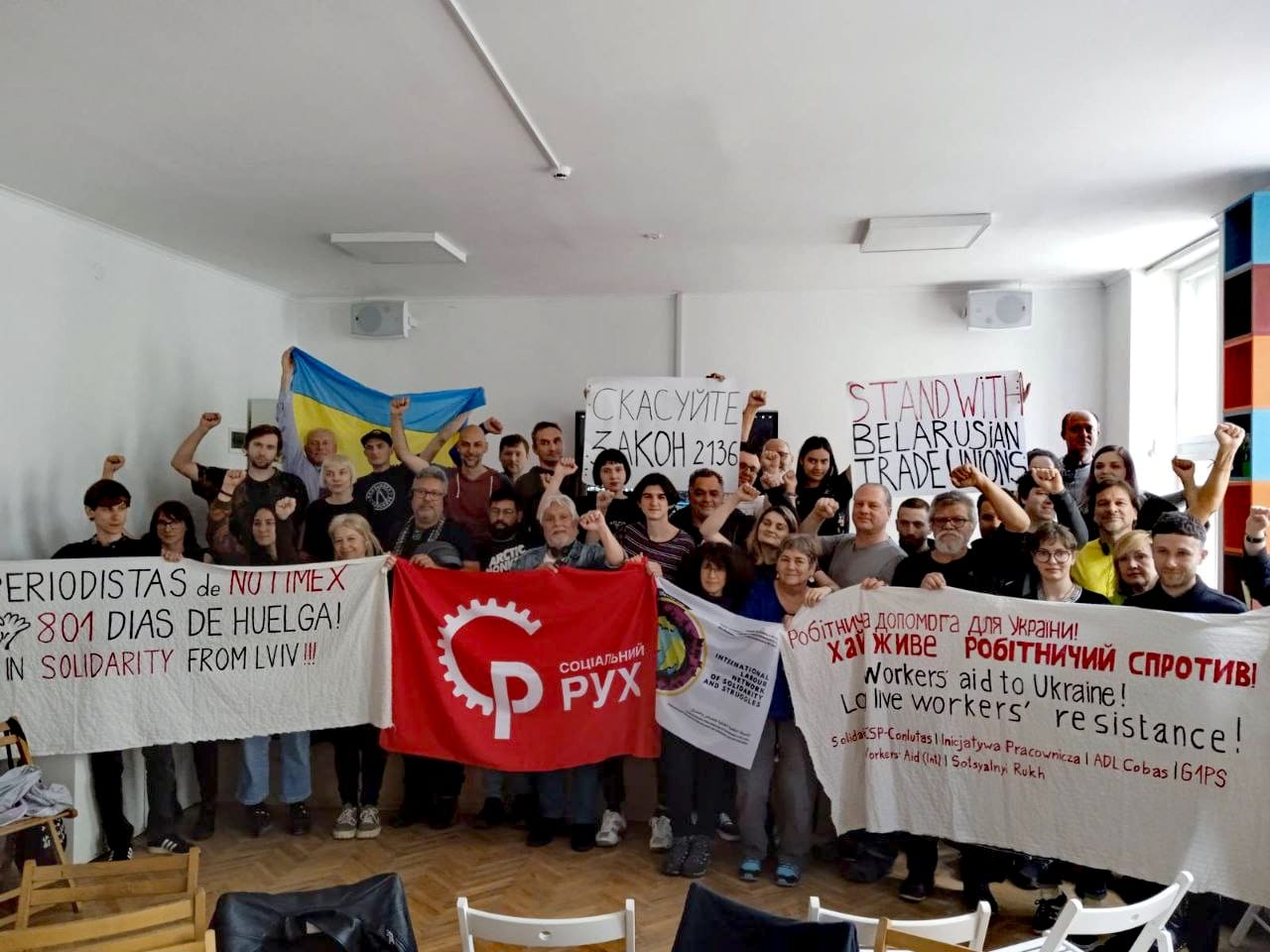
David Finkel criticizes Medea Benjamin and Nicolas Davies’ book on the war in Ukraine, which minimizes the voices of left-wing Ukrainians and antiwar Russian dissidents, and obscures Putin’s annexationism as the cause of the war.
Siyavash Shahabi critiques campism as an abdication of class independence and a symptom of the weakness of independent working-class politics today.
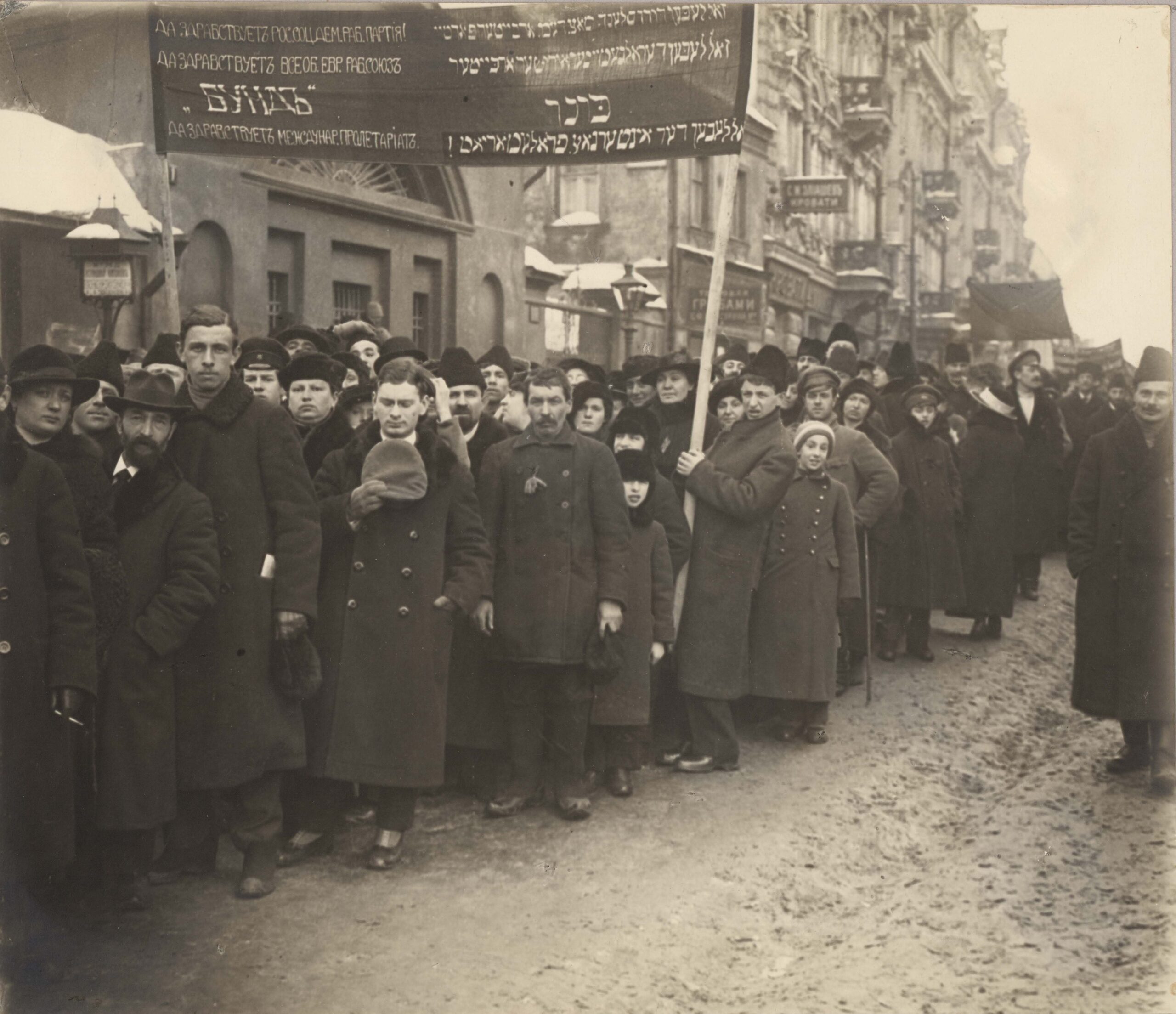
The rave reception for Molly Crabapple’s Here Where We Live Is Our Country is a breakthrough for Jewish radicals. After decades of Zionist hegemony within U.S. Jewish communities, including on the left, suddenly Crabapple’s avowedly, even fiercely anti-Zionist book is
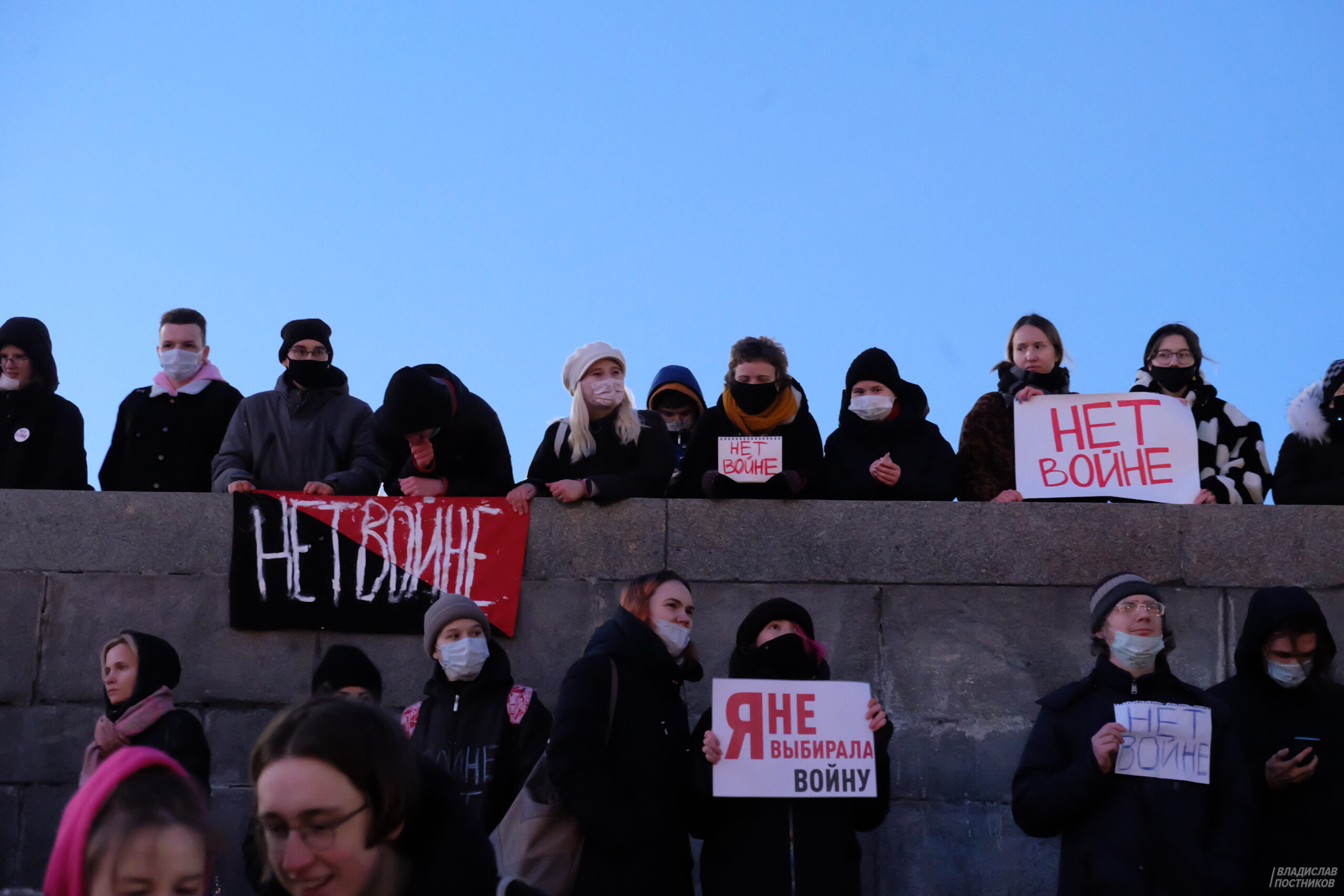
Russia today holds more political prisoners than at any time since the post-Stalin thaw of the 1950s. Since the full-scale invasion of Ukraine in February 2022, the Russian state has systematically prosecuted antiwar critics on charges ranging from “discrediting the
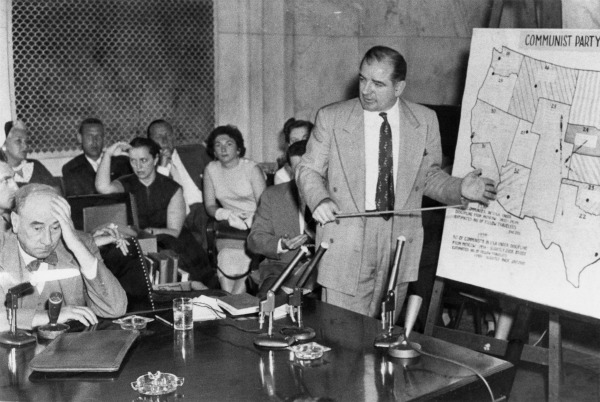
Historian Ellen Schrecker discusses how the repression against students and workers in higher education today are in many ways worse than McCarthyism.
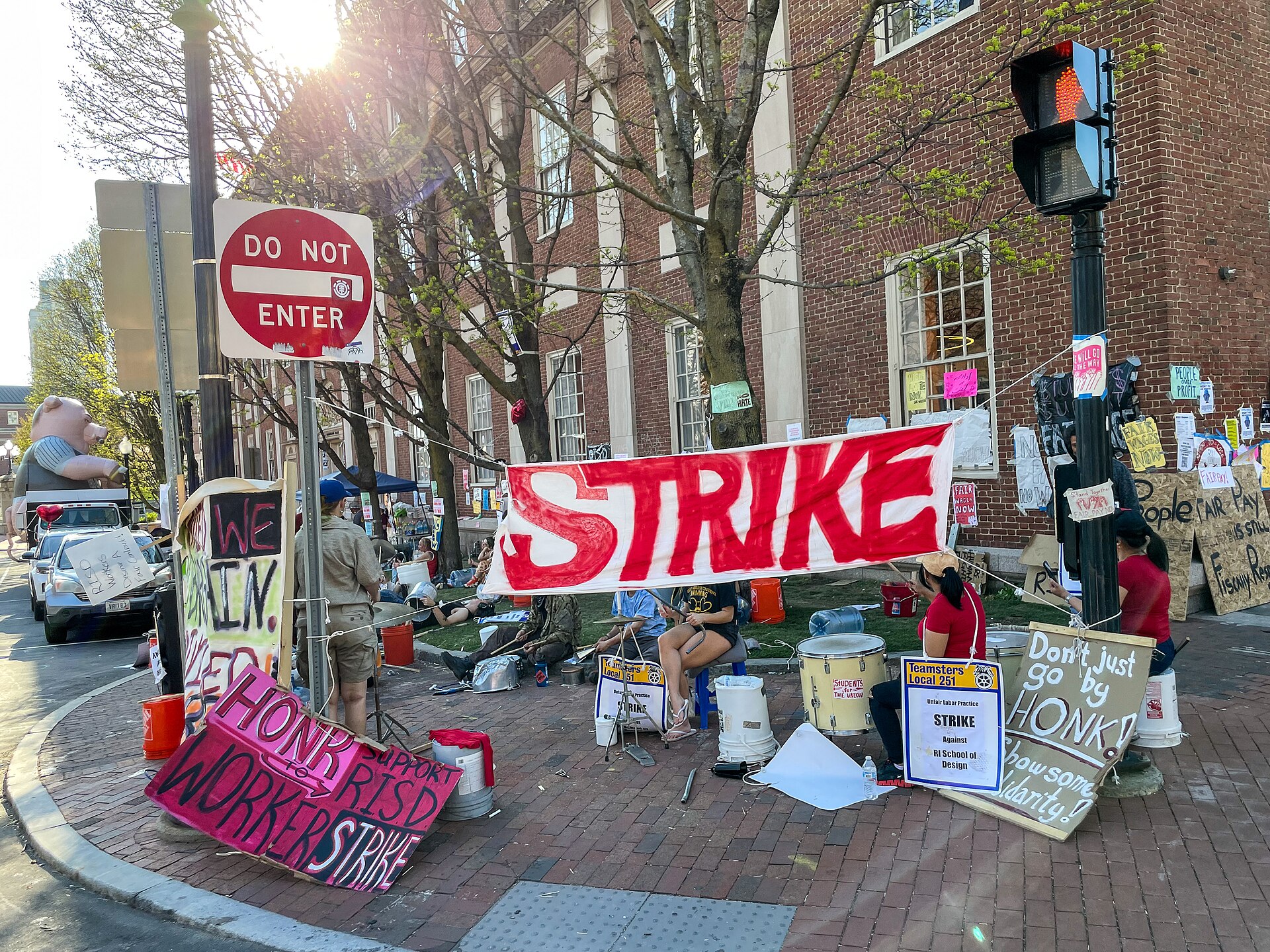
In an interview, Daniel Gross discusses strategies for powerful rank-and-file unionism in the United States today.
Donald Trump in his second term is a president like no other American chief executive. Dominating the Republican Party that controls Congress and with a compliant Supreme Court, he has as he promised unleashed political and economic chaos, shattering
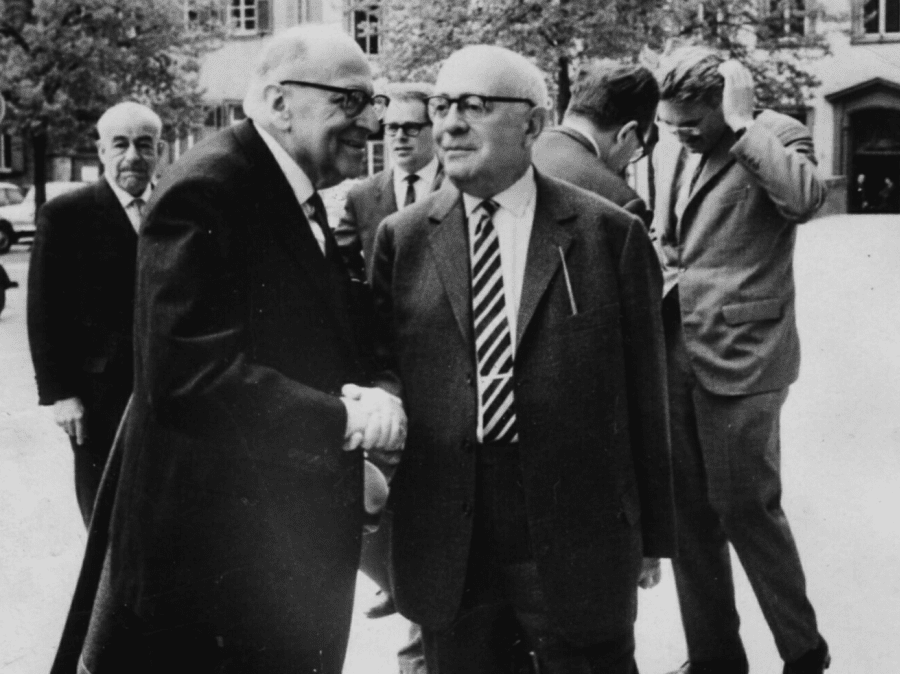
Gabriel Rockhill’s Who Paid the Pipers of Western Marxism? (or Pipers) is a neo-Stalinist hatchet job targeting the German intellectuals, most of them Jewish, who associated with the Frankfurt-based Institute for Social Research before, during, and in some cases after
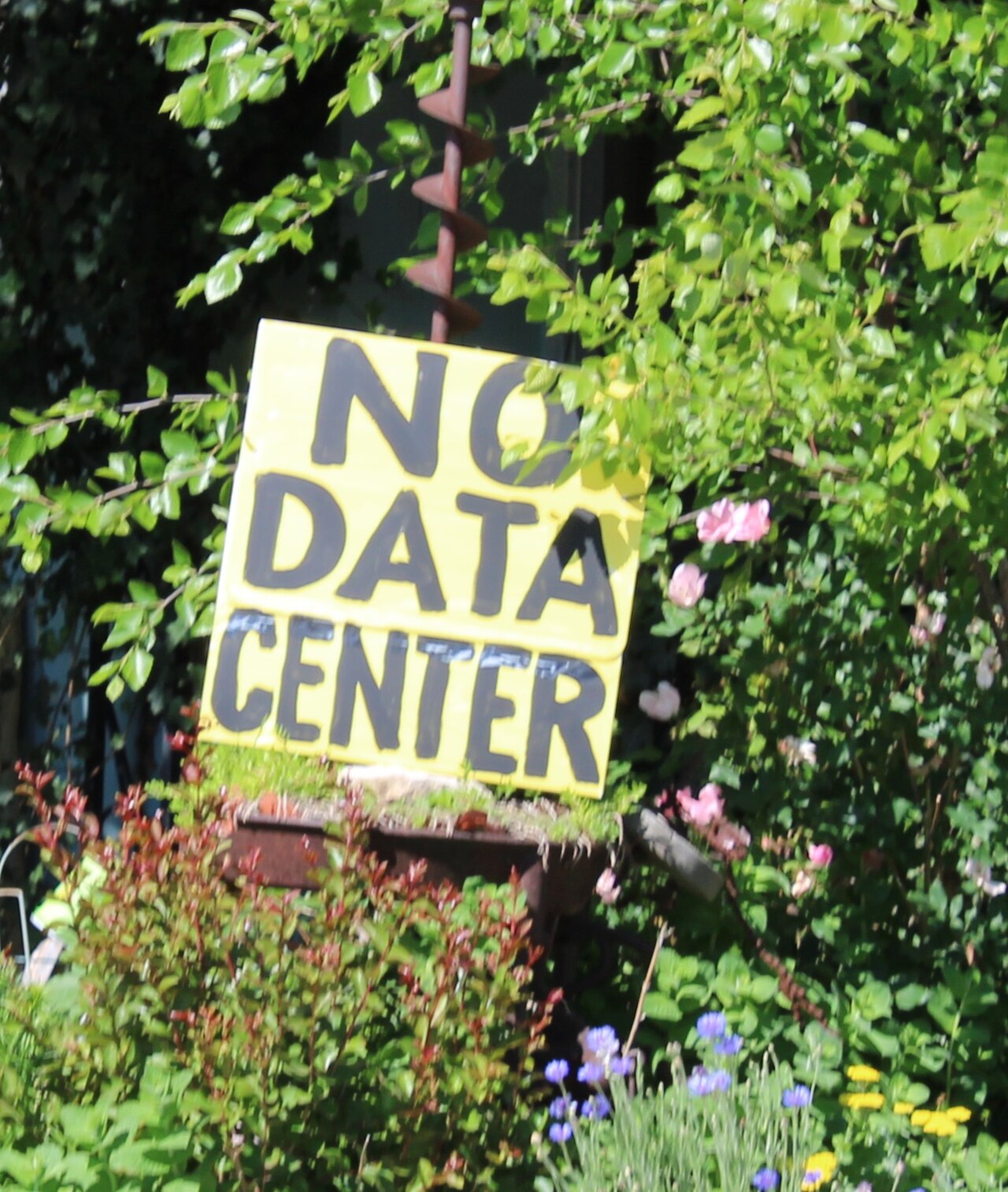
Frieda Afary recommends two critical works on AI, Emily Bender and Alex Hanna’s AI Con and Kate Crawford’s Atlas of AI.
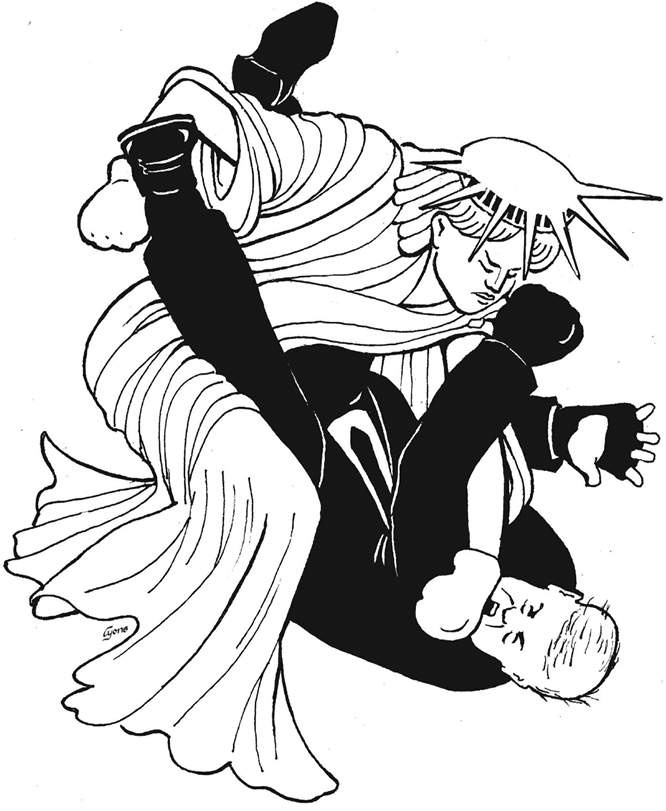
Dan La Botz analyzes the latest development of Trump’s authoritarian regime and prospects for resistance in the United States.